The new residential and commercial developer at Alameda Point has set aside $10 million toward the construction of a passenger ferry terminal at the Seaplane Lagoon. The Bay Area’s ferry agency – the Water Emergency Transportation Authority (WETA) – however, has made it clear there is currently no funding to operate a ferry there.
WETA “will entirely exhaust its available operating subsidies on an annual basis, relying upon projected increases in ridership and fares to cover increasing operating costs for existing services,” stated a draft 10-year Short Range Transit Plan that WETA issued in January for public comment. “WETA’s ability to increase service levels and meet future demand for ferry service will be restricted until new regional or local sources of operating subsidy are secured,” the draft stated.
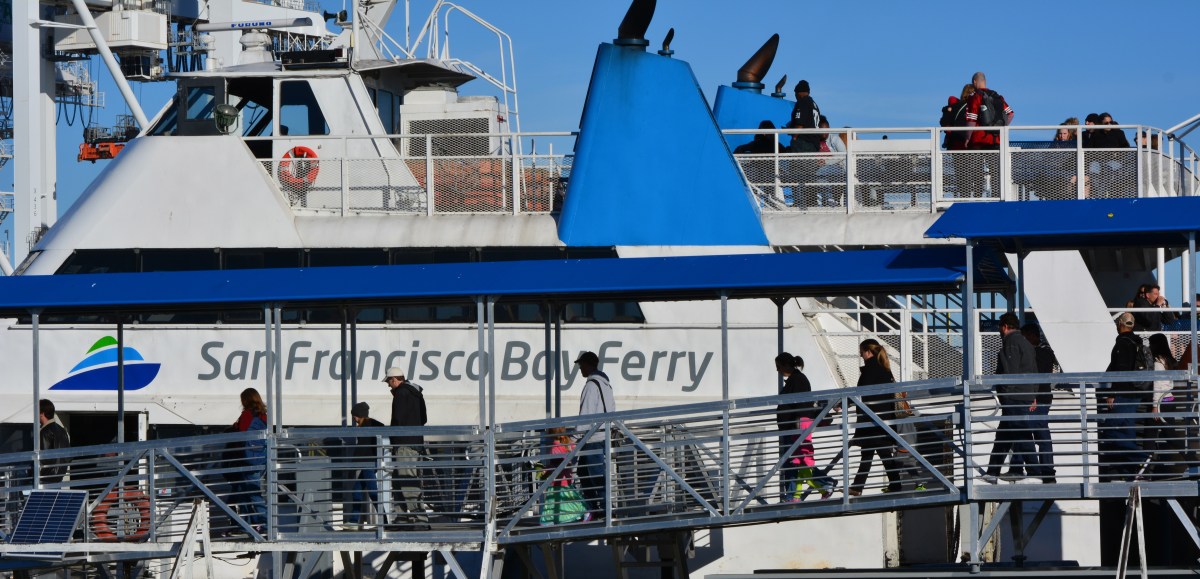
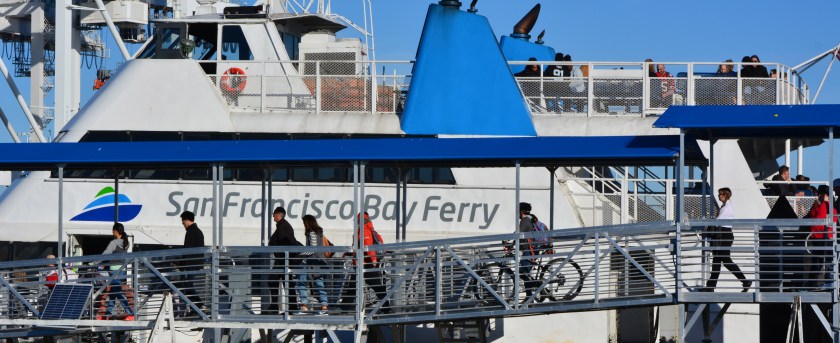
Ferry passengers boarding at the Alameda Main Street Terminal bound for San Francisco. The popular Main Street Terminal at the north side of Alameda Point on the Oakland Estuary will continue in operation, even if new ferry service comes to the Seaplane Lagoon. Parking here will be expanded in mid-2016.
WETA’s revenue picture is more limited than other regional transit agencies, such as BART. In WETA’s case, half of its operations funding comes from fares. Most of the other half — $15.3 million — comes from bridge tolls through Regional Measure 2, which was passed in 2005 adding a $1 bridge toll. A Harbor Bay parcel assessment funds 10 percent of the Harbor Bay service. Continue reading “Seaplane Lagoon ferry service in limbo”
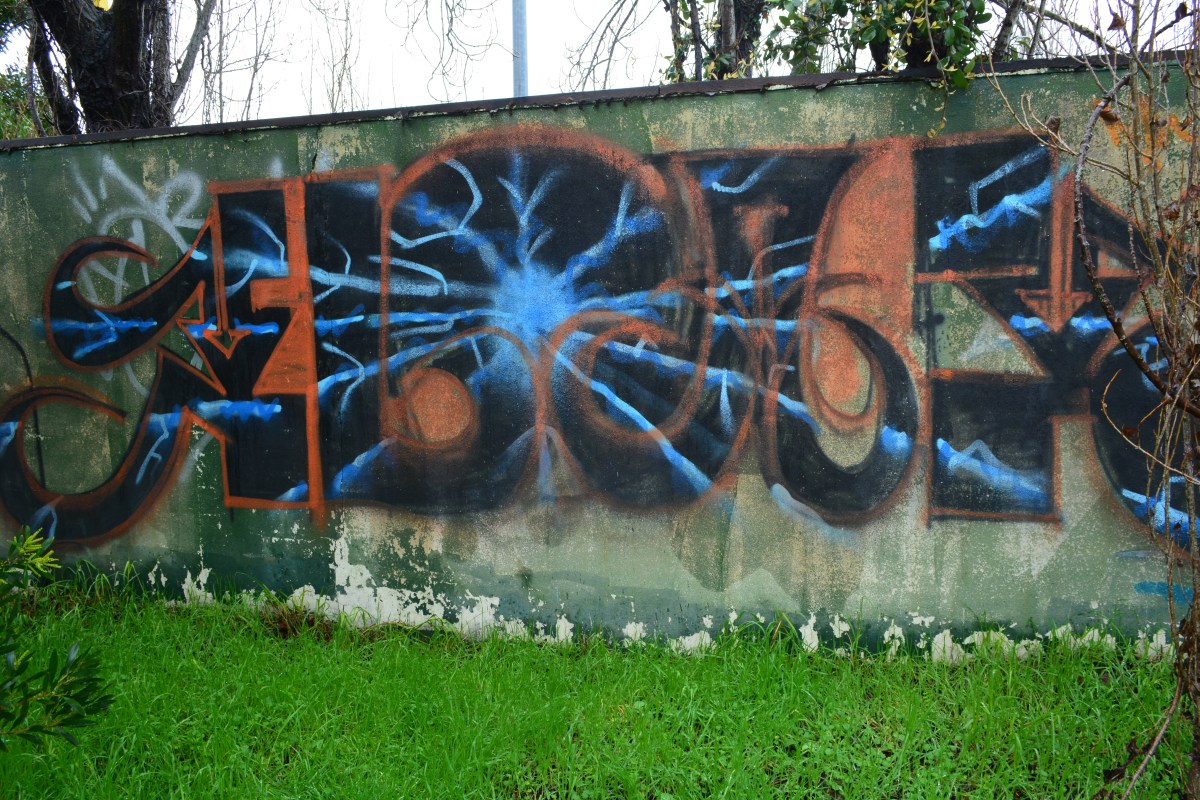
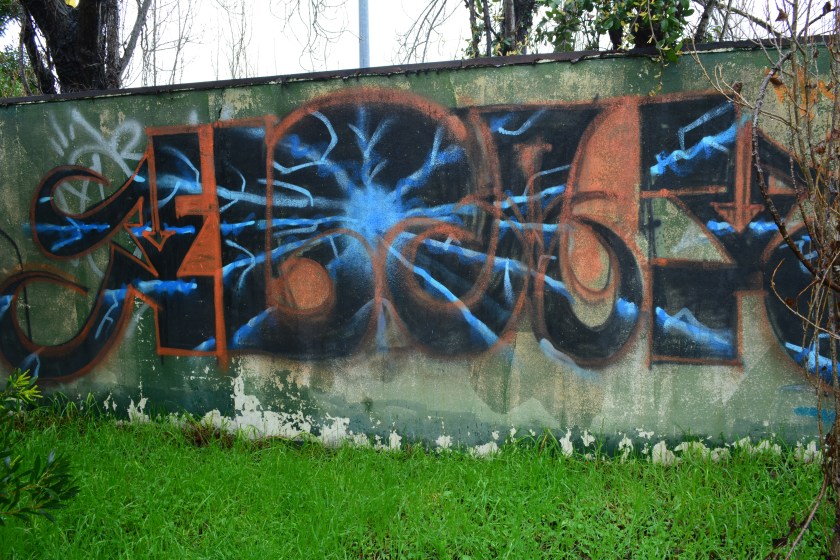
The viewer is left to decide where graffiti ends and art begins in the following images. Regardless of opinion, one thing is clear: There are people looking for an opportunity to artistically express themselves. And Alameda Point has plenty of abandoned interior and exterior walls to accommodate them.
“Art in the park”
Artist Sam Norton created the mural below at City View Skate Park at Alameda Point in 2015 to honor and remember his friend and fellow skateboarder Clay Harding who died the previous year. Continue reading “Artistic expression at Alameda Point”
The Planning Board and the Recreation and Park Commission will be making comments this week on the first phase of a waterfront park being planned for the north side of the Seaplane Lagoon at Alameda Point. The public is invited to offer comments.
The Planning Board meeting is on Monday at 7 PM at City Hall. The Recreation and Park Commission meeting is on Thursday at 7 PM at City Hall.
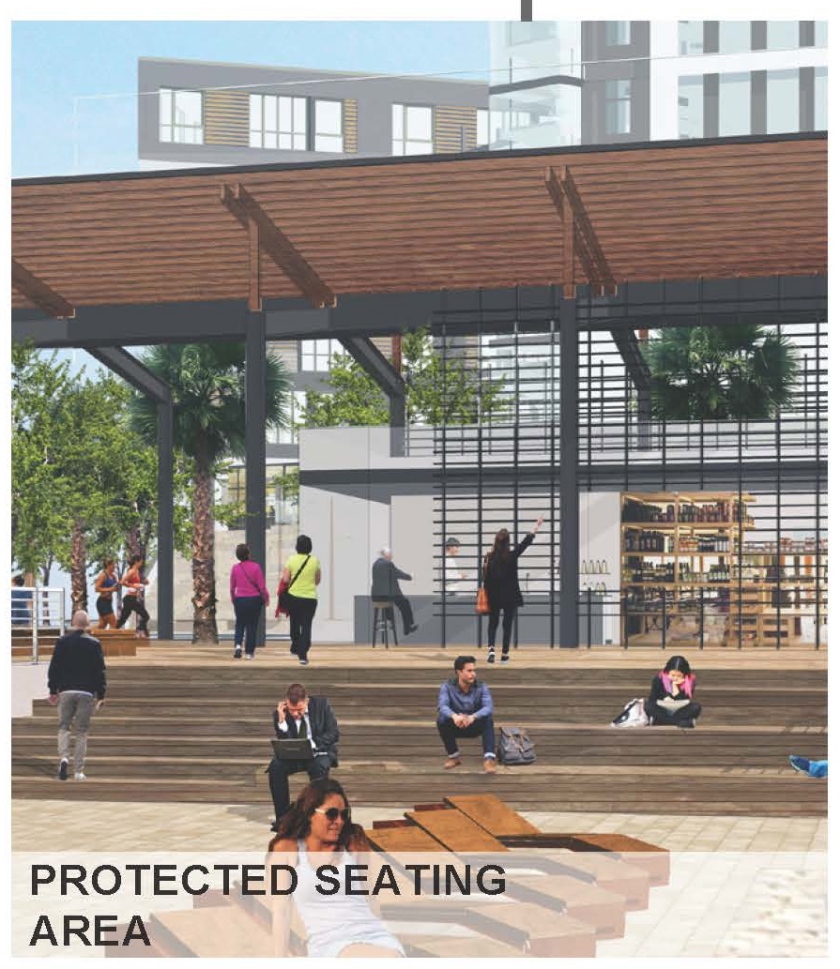
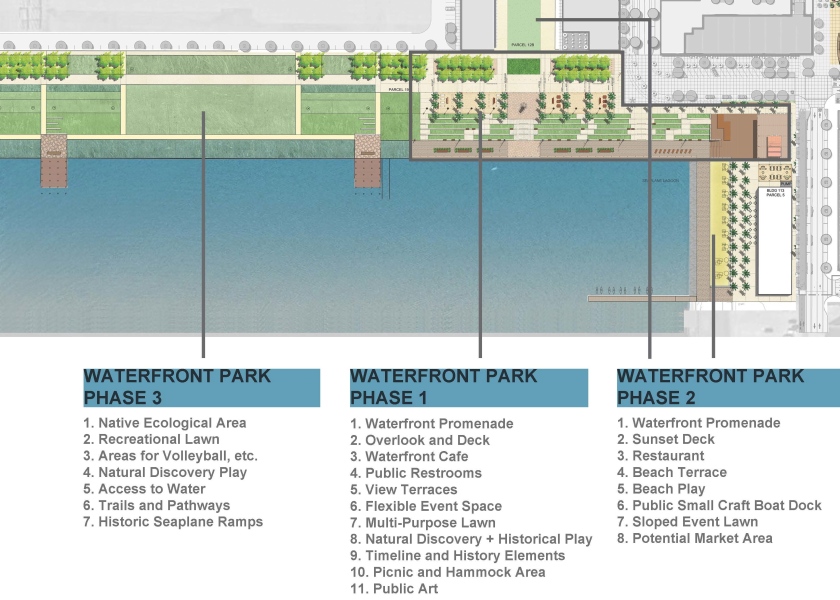
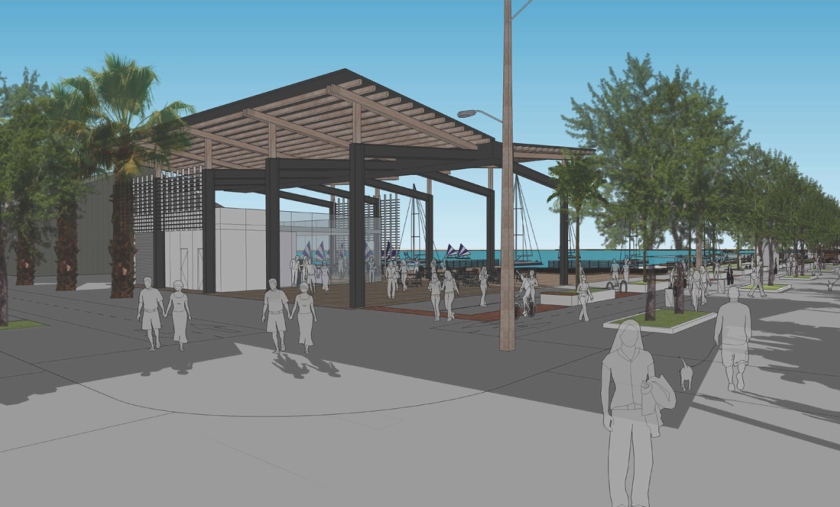
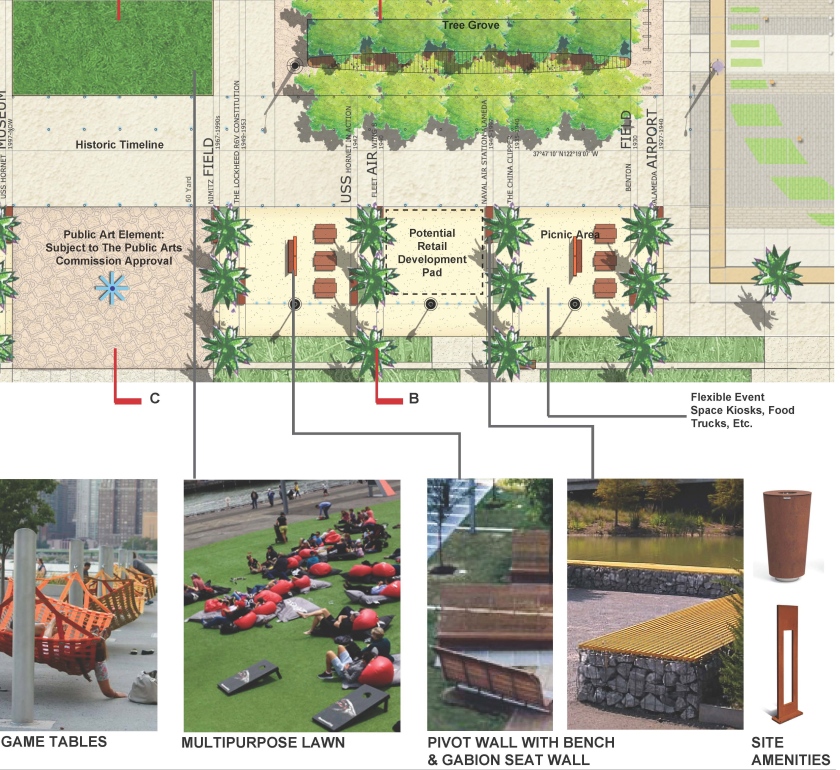
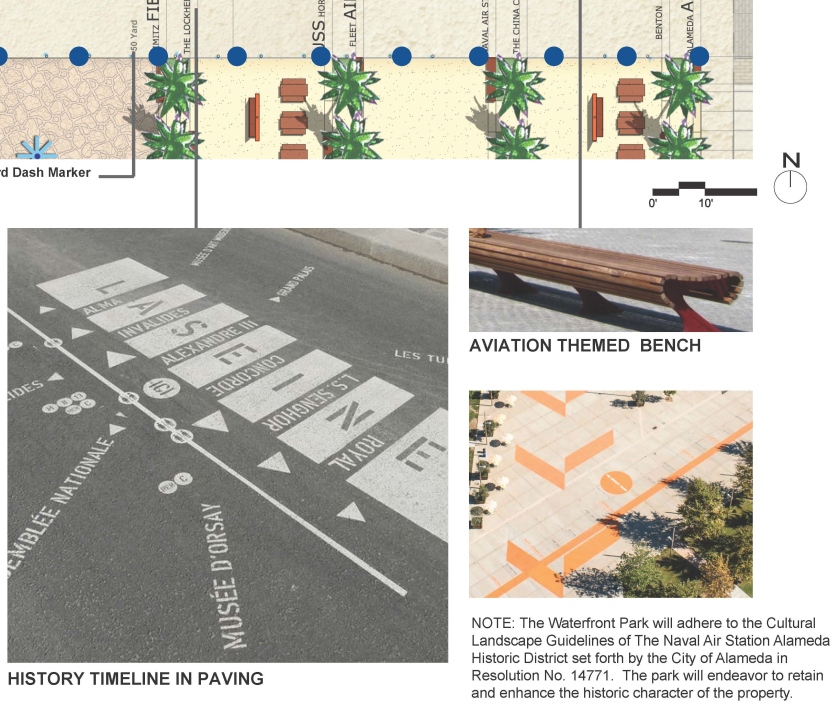
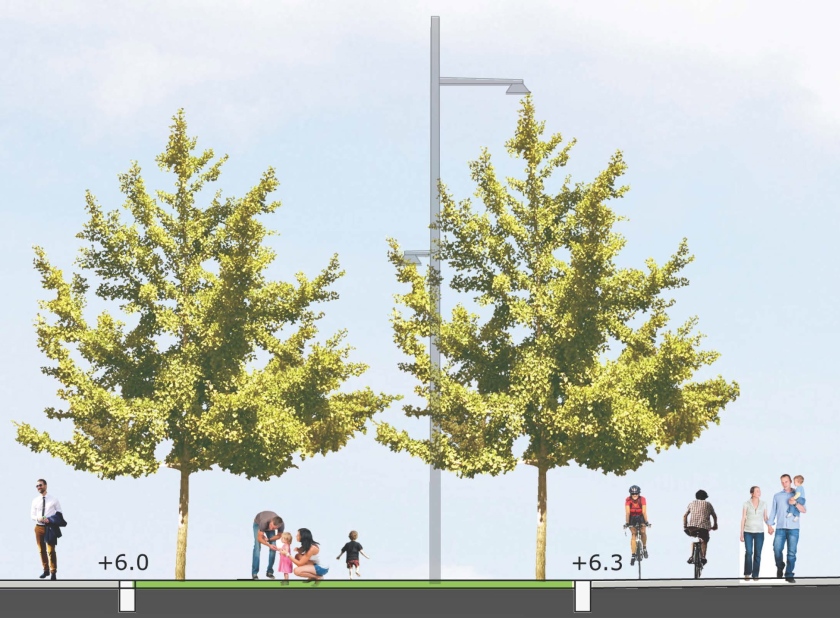
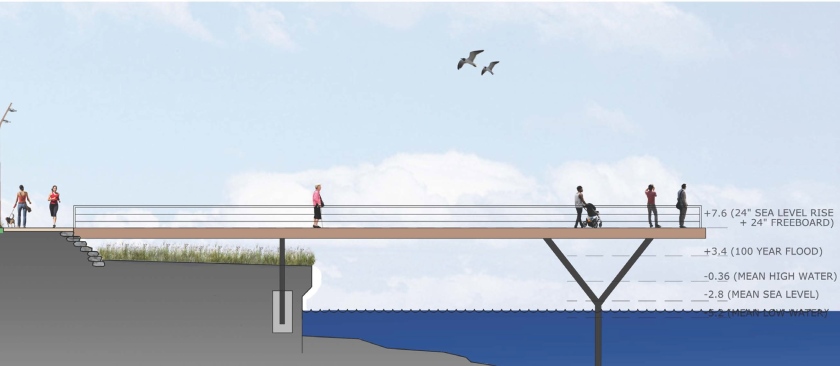
Below are excerpts from the city staff report, along with a series of images in an easy-to-examine format excerpted from the complete design proposal. Click on any image to enlarge.
“Alameda Point Partners (APP) has been working with their design consultants, park planners, a Planning Board Subcommittee and City staff to prepare detailed designs for the individual buildings and parks within Site A. APP has submitted an application for design review for a 2.63-acre Phase 1 of the waterfront park along the northern edge of the Seaplane Lagoon that is intended to be constructed concurrent with Block 11.”
“Phase 1 Waterfront Park is designed to provide a variety of public spaces for passive recreation and opportunities for the public to enjoy the waterfront location and special events, and appreciate the views of the San Francisco skyline and the historic row of seaplane hangar buildings at the entrance to the Historic District, along the northern edge of the Seaplane Lagoon.”
“The 2.63-acre Phase 1 Waterfront Park is designed to create three primary sub-areas (i.e., the Overlook, the Promenade & Terraces, and the Taxiway).”
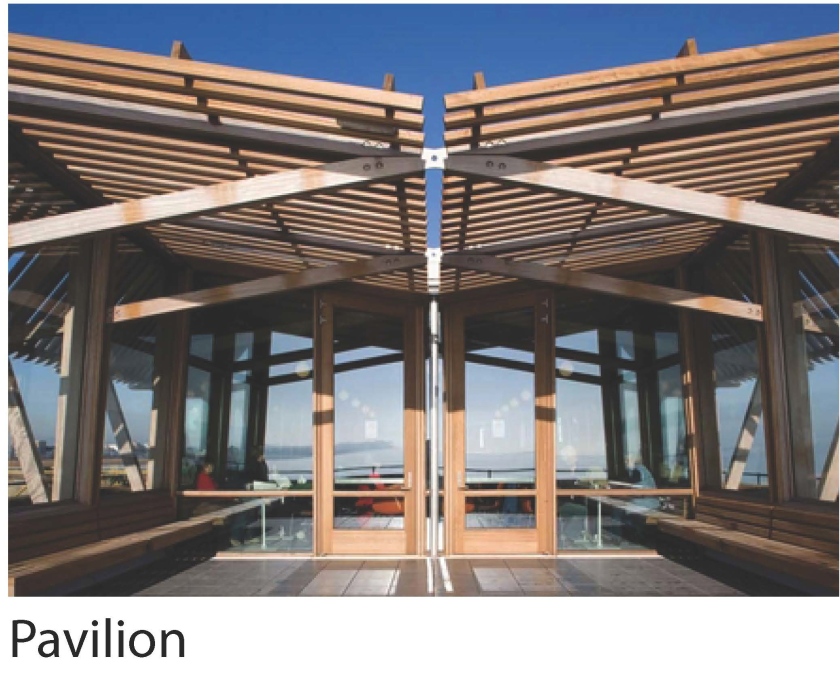
“The Overlook includes a pavilion for a café with outdoor seating and restrooms, as well as an elevated salvaged or reclaimed wood outdoor area for overlooking the promenade at the water’s edge, as well as portions of the promenade adjacent to the water. The Overlook also accommodates flexible event and programmable space.”
“The Promenade and Terraces consists of a series of terraces and promenade spaces leading down to the water’s edge that provide for a variety of more passive spaces for enjoying and experiencing the waterfront. Access to the waterfront promenade allows for universal design through slightly sloped walkways and seating elements that provide for a variety of all age groups and needs.”
“The Taxiway area is intended to pay homage and respect to the historic elements of the former NAS Alameda by engraving a timeline along the major east west gathering area into the concrete to remind and educate the public about the history of the site and the Historic District, and by minimizing tree plantings and planted areas to preserve the ‘openness’ of the historic taxiways consistent with the Historic District guidelines. This area includes open and unobstructed areas planned for special events and food trucks and future retail buildings as conceived in the Site A Development Plan and a temporary multi-purpose lawn for active recreation uses until future phases of the Waterfront Park are constructed and this area is designed consistent with the areas to the north.”
“Address Sea-Level Rise. With anticipated sea level rise, the existing taxiways will flood. Consistent with the approved MIP and San Francisco Bay Conservation and Development Commission (BCDC) policies, the Phase 1 Waterfront Park is designed to address 24-inches of sea level rise and additional sea level rise in future years beyond 24 inches through adaptive management strategies.”
“The Phase 1 Waterfront Park design maintains the “horizontality” of the space and minimizes the use of walls in order to respect the cultural landscape guidelines for the Historic District.
“Additionally, the sea level rise strategy is designed around a series of short terraces spread over a larger space to minimize the impression of changes in elevation. This approach also allows for the preservation of the existing bulkhead, which is a character defining feature of the Historic District. During storm events and “King Tides” (unusually high tides), the bulkhead and adjacent promenade will flood occasionally as the sea level rises over time, but major portions of the public park and Bay Trail will remain above the flooded areas behind the stepped terraces. As such, the design balances the competing needs to address sea-level rise, preserve the bulkhead, and maintain the horizontality of the site.”
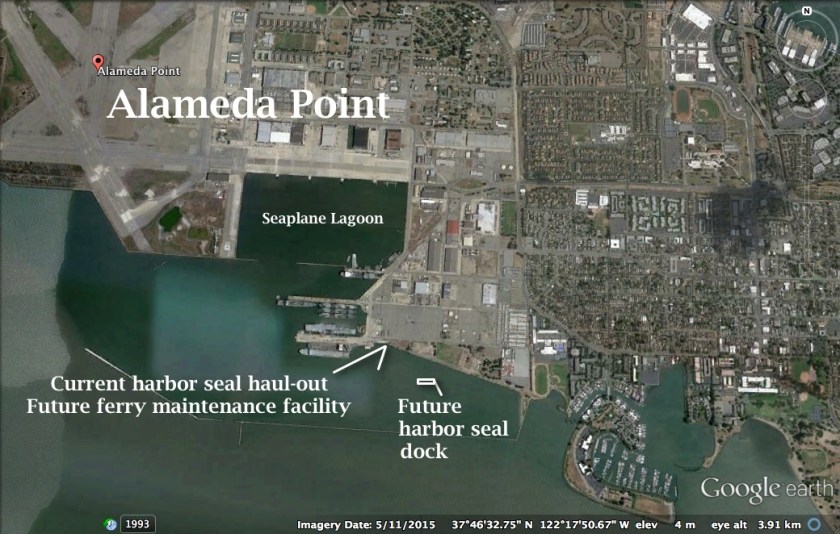
The Water Emergency Transportation Authority (WETA) is aiming for the delivery of a new dock for harbor seals at Alameda Point as early as April, ahead of the start of construction of its new ferry maintenance facility this summer.
Because the maintenance facility’s new berthing dock would displace the seals’ current resting spot, a provision was approved for a new harbor seal dock as a condition for permitting the new facility. WETA, the city council, and the Bay Conservation and Development Commission (BCDC) approved the provision at the urging of community activists.
WETA issued design specifications for its 12-berth maintenance facility and administrative offices to prospective contractors in December. It expects to award the contract on March 31, with work commencing as soon as May 6. The estimated cost is pegged at $45 million, $9 million of which is for design work and the remaining $36 million going for construction, according to Chad Mason, senior planner at WETA. Funding for the project is coming from federal, state, and regional funds.
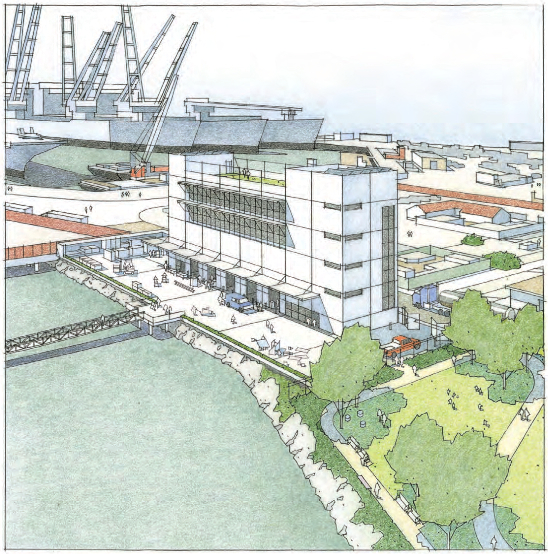
The facility will include a 70-foot-tall four-story building and is expected to be complete in 2018.
The project will also fund other benefits, among them, a new water line from Main Street, park enhancements, and sand for the least tern nesting area on the airfield.
WETA will construct a shoreline viewing terrace, bicycle parking, interpretive signage, improved lighting and landscaping, and seating on an adjacent half-acre of parkland on West Hornet Avenue.
WETA will also be providing some assistance for the California least terns, an endangered bird species that nests at Alameda Point and dives for fish in surrounding waters. As a mitigation for the impacts of the new ferry traffic on the terns’ foraging waters, WETA will be delivering enough truckloads of sand to the terns’ nesting area on the airfield in February to add a few inches of depth. Erosion of the 9.6-acre beach-like nesting landscape necessitates periodic replenishment.
The replacement harbor seal dock, also referred to as a haul-out, will be the first time such a structure has been built on San Francisco Bay specifically to retain or attract harbor seals. It will be located a short distance to the east of the old dock. Time will tell whether this experimental effort is successful.
“Meeting the permitting requirements for the new harbor seal haul-out is underway,” said Mason. BCDC is the state permitting agency for all Bay shoreline and in-water projects. It requires assurances from other agencies that the harbor seal dock does not introduce any unwanted environmental impacts before granting approval.
“With the help of the environmental consulting firm Dudek, the harbor seal haul-out is on a fast-track approval timeline,” said Mason. “The only regulatory delay is due to the herring spawning season. Regulations require that the pilings for the new haul-out be installed after the end of the herring spawning season in late March of 2016.”
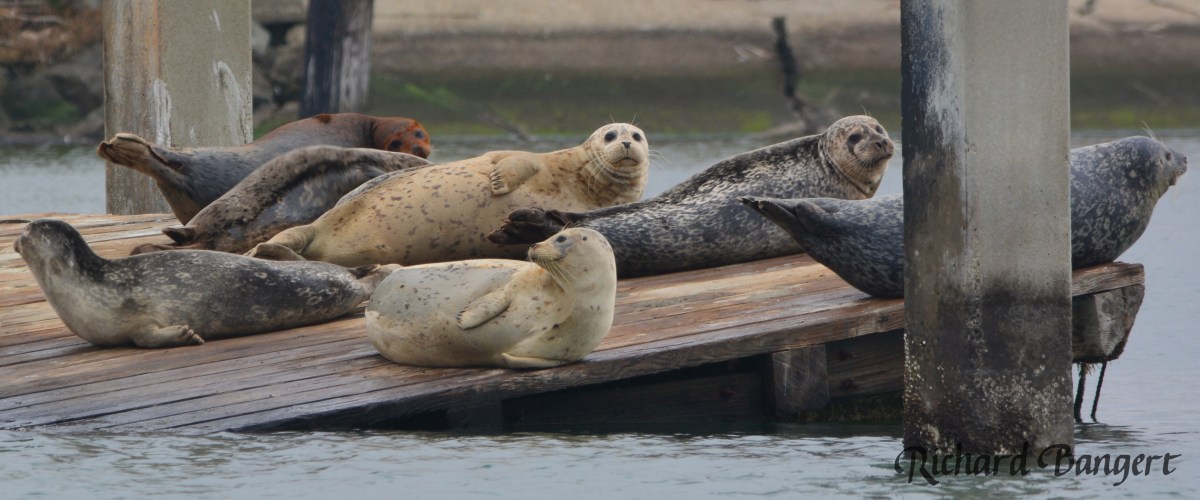
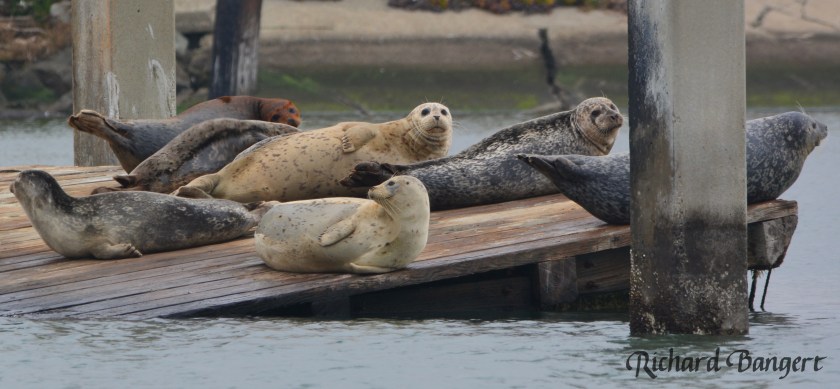
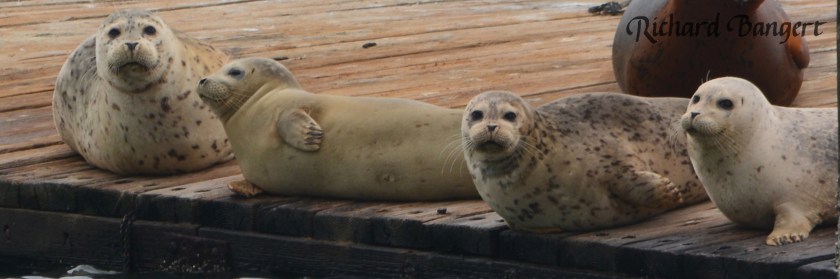
Harbor seals near the old dock in December 2015.
“We are currently reviewing two options for providing the new harbor seal haul-out: Build a new one from scratch, or modify an existing mobile dock if we can find one that meets our needs,” said Mason. “We hope to issue the contract for the haul-out in January.” WETA will be responsible for constructing, maintaining and replacing the harbor seal dock when necessary for the 60-year term of its lease.
WETA has been working with a citizen advisory group of local harbor seal advocates who spearheaded the effort for the new haul-out. The group gained the support of the Sierra Club and the Audubon Society. The location for the new seal dock was chosen with the help of marine mammal expert Dr. Jim Harvey, Director of California State Universities’ Moss Landing Marine Laboratories.
This winter, the seals favor the afternoon for getting out of the water. Their numbers can vary from a dozen to a recent high of over three dozen. It is the only haul-out site in the East Bay between Yerba Buena Island and the marshlands of Fremont and Newark near the Dumbarton Bridge, both of which require watercraft for public viewing access. The seals at Alameda Point can be viewed from the Bay Trail.
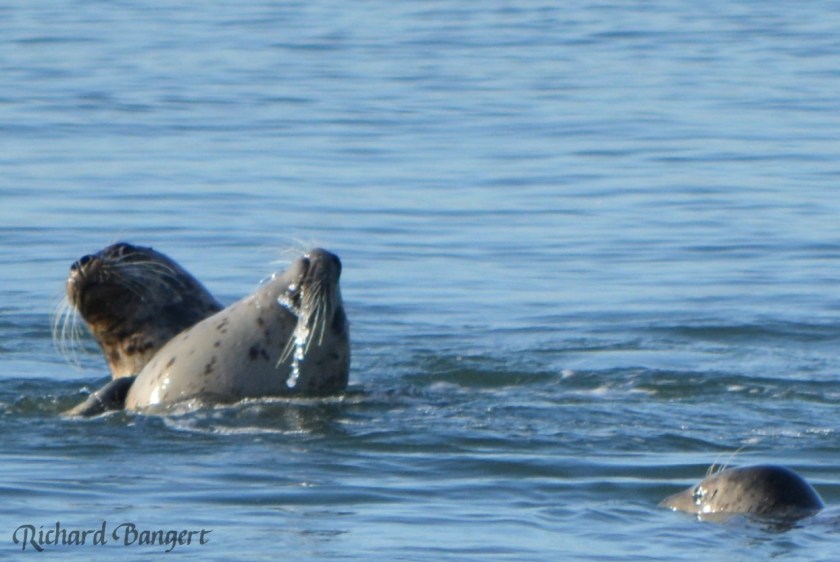
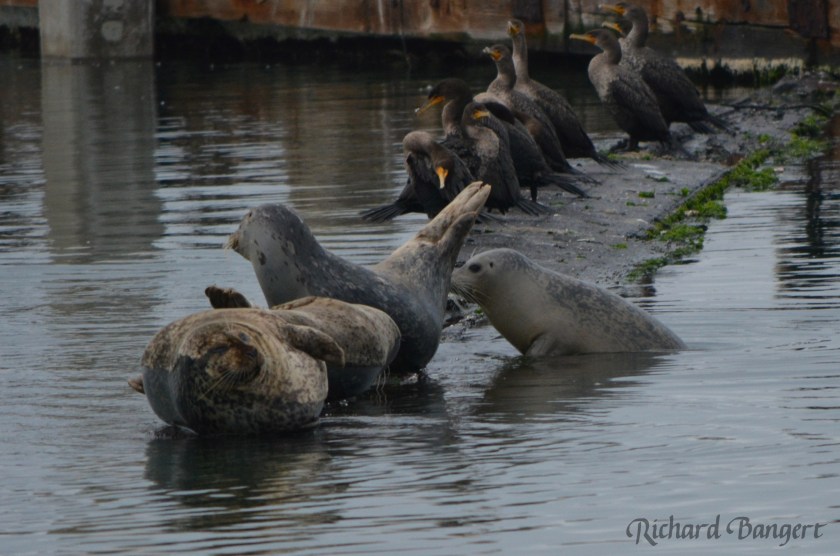
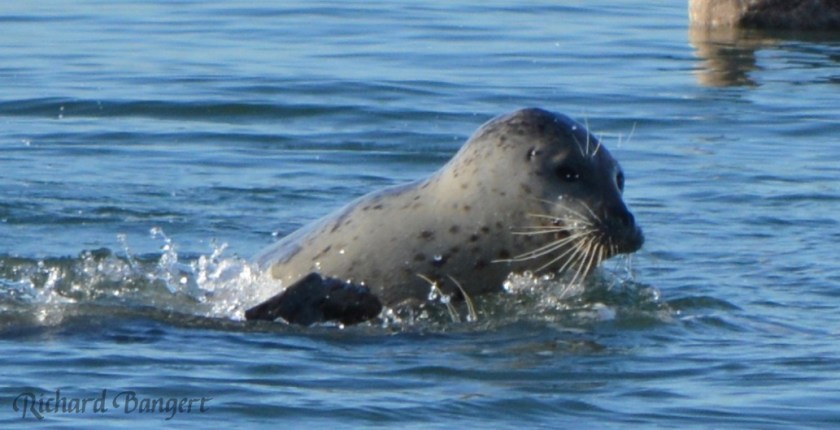
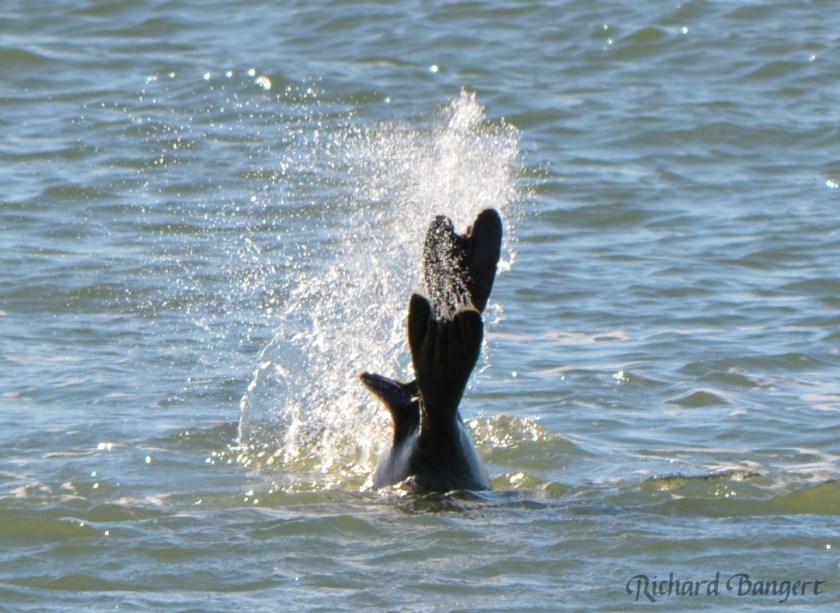
Harbor seals using old plank for hauling out.Harbor seal near old dock in December 2015.Two harbor seals diving together near the old dock in December 2015.
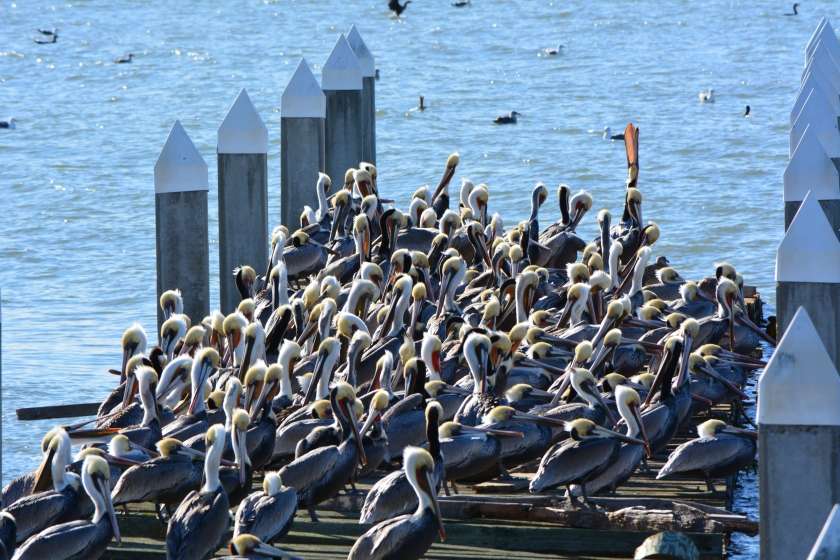
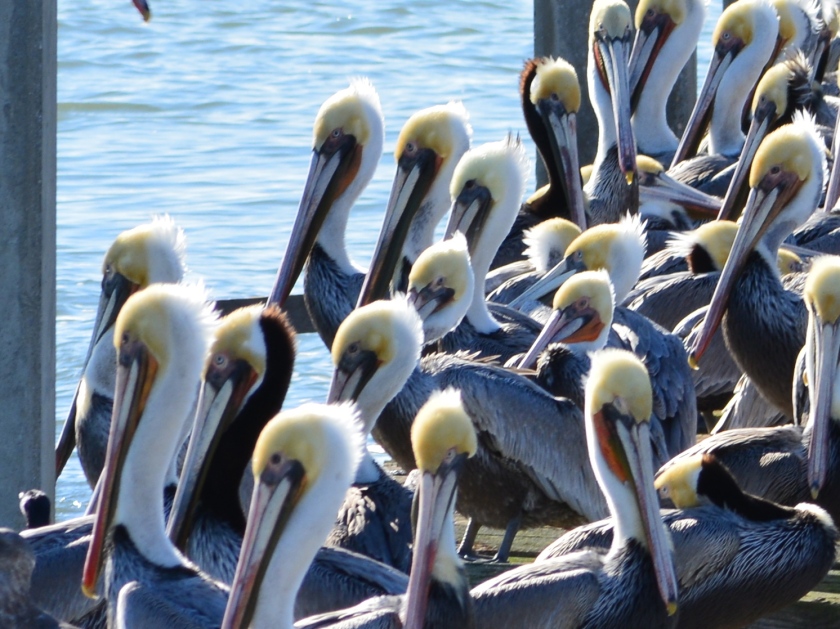
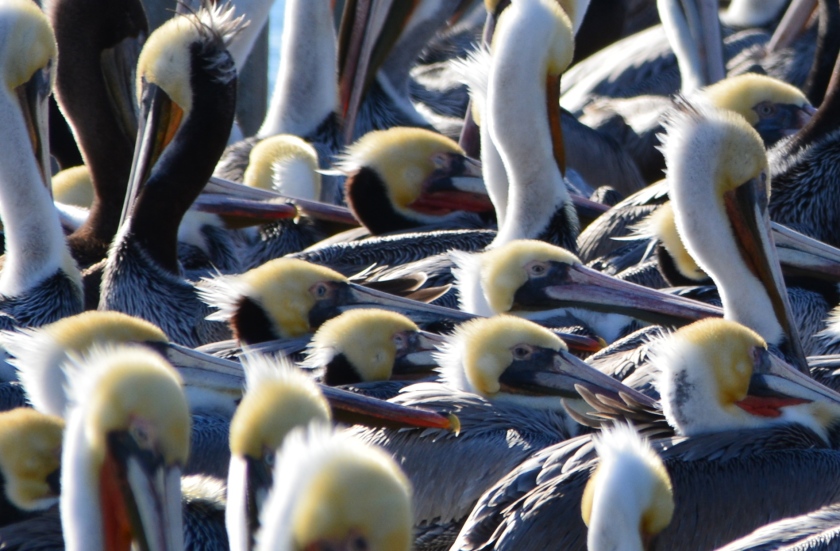
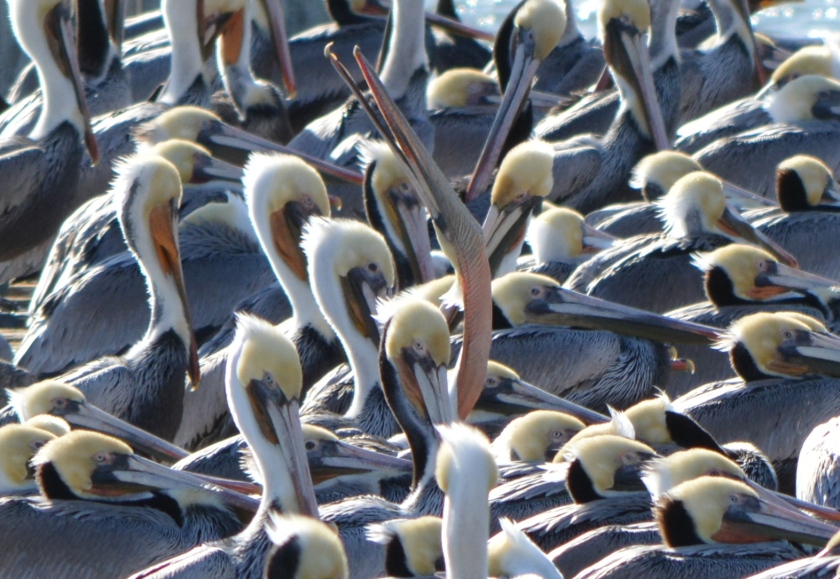
About 100 California Brown Pelicans made an unusual appearance on the old wooden dock on the south side of Alameda Point near the U.S.S. Hornet on December 23. The visit provided a rare close-up view of this colorful and iconic bird, but also a reminder of their struggle to survive as a species. Only one of the pelicans could be identified as a one- or two-year-old.
Brown Pelicans resting on old recreational boating dock on south side of Alameda Point in December.
During the past four years, the breeding rate for California Brown Pelicans has been dismal. This recent trend has been directly attributable to the dwindling supply of sardines along the California coast, according to a Brown Pelican status report issued in October by the Washington State Department of Fish and Wildlife. The sardine population has dropped so low that in April of 2015, the agency responsible for managing Pacific Coast fisheries banned commercial fishing of sardines until the end of June 2016.
In May, the U.S. Fish and Wildlife Service urged the same agency to consider additional management measures to stave off a decline in northern anchovy, another important food source for pelicans and other marine life.
Brown Pelicans were removed from the federal endangered species list in 2009 with great fanfare after recovering from the devastating effects of the agricultural pesticide DDT on their eggs. But they no sooner recovered from chemical contamination than they fell victim to a plunge in food supply.
“Although most essential nesting and roosting habitat throughout the subspecies’ range is protected, the California Brown Pelican has experienced unusual mortality events and a multi-year decline in breeding success since delisting, both of which appear to be due to the lack of adequate forage,” wrote the U.S. Fish and Wildlife Service to the Pacific Fishery Management Council on May 14, 2015.
About 10 percent of California Brown Pelicans nest on two islands in Channel Islands National Park off the coast of Southern California. The remainder nest and rear their young off the western coast of Mexico.
The University of California at Davis and the Mexican national conservation agency conducted a study of the 2014 nesting season off the coast of Mexico. The U.C. Davis news summary of the study results stated, “The scientists found that this year, areas that typically host hundreds or thousands of nesting pairs held only a few hundred at most, and in some cases zero nesting pairs.” Co-author of the study, U.C. Davis wildlife biologist Dan Anderson, is quoted in the story saying, “That’s what we call a failure, a bust. The bottom dropped out.” Anderson has been monitoring Brown Pelicans for 46 years.
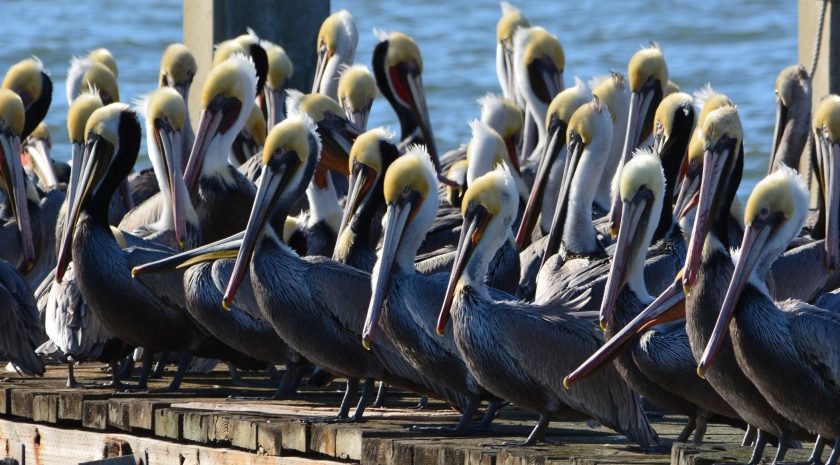
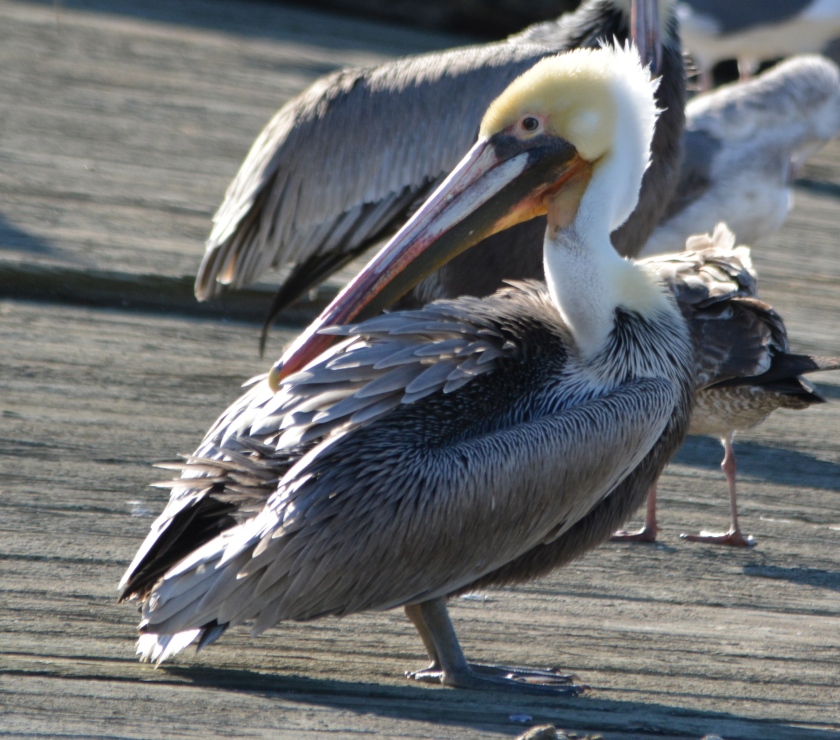
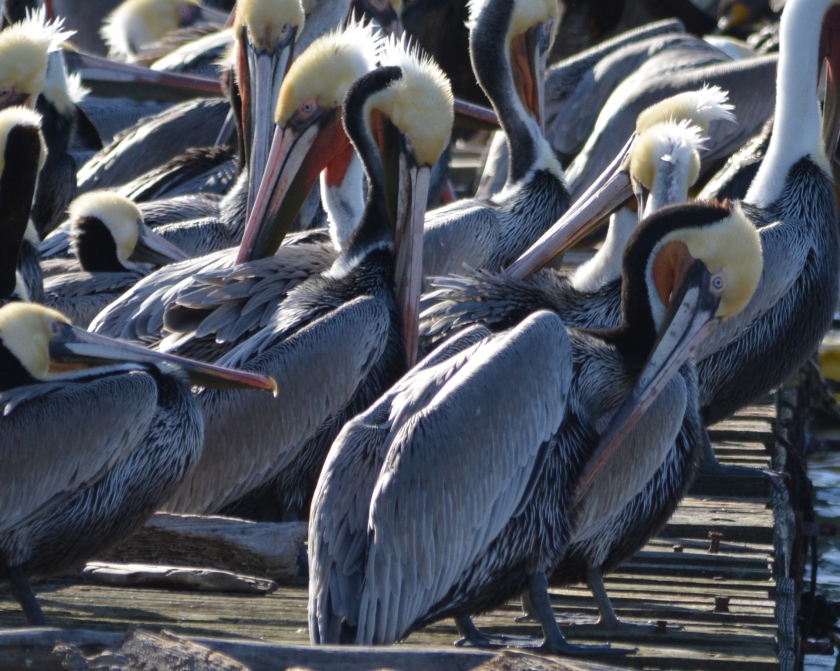
Brown Pelicans soaking up the sun during a rare visit to an old dock on Alameda Point’s south shore.
Breeding normally begins in January. Whether the pelicans currently at Alameda Point will make the journey south is yet to be seen.
Breakwater Island along the south side of the Alameda Point Channel serves as the most popular resting site for Brown Pelicans on San Francisco Bay during the warmer months.
Immature (1 or 2 years old) Brown Pelican with all-brown head and neck, the only one spotted among about 100 pelicans on the dock on December 23, 2015.
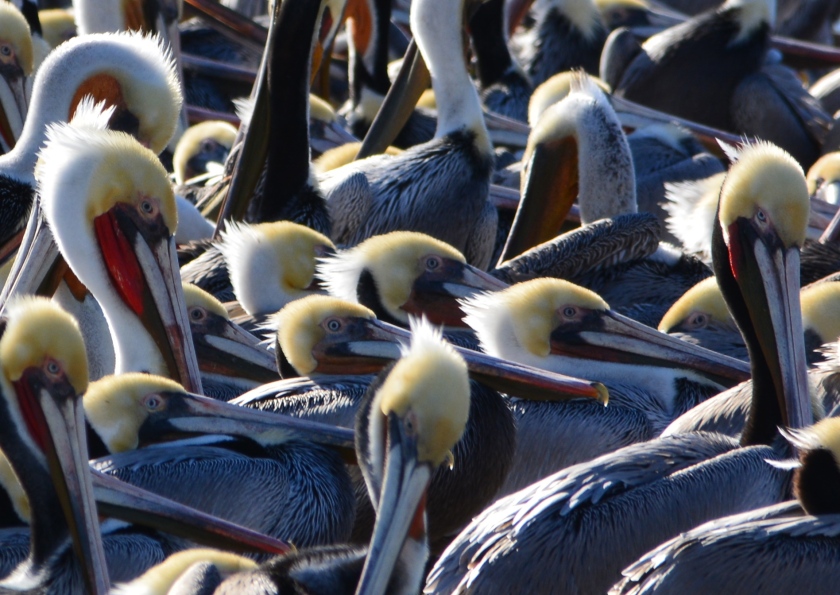
Immature Brown Pelicans are distinguishable by being entirely brown, except for their whitish underbelly. By their third year, the neck becomes white and the head yellow. During breeding season, the neck of adults becomes dark chestnut and the pouch under their bill becomes red.
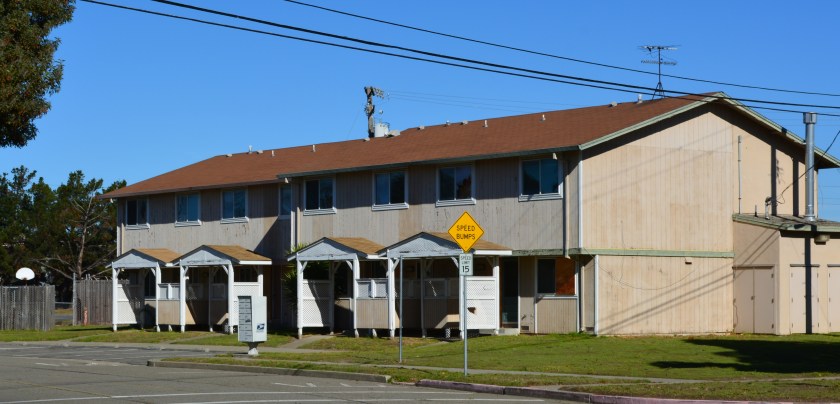
The vacated residential area known as North Housing—located between Alameda Point and Alameda Landing—has been deemed environmentally safe for transfer out of Navy hands. The approval comes after a four-year effort to clean up groundwater to drinking water standards was declared unnecessary and terminated.
Center courtyard in former Navy housing area called North Housing. Looking north/northeast.
The original overly cautious risk assumption in the 2007 cleanup plan—that humans might somehow ingest the salty groundwater 10 to 20 feet below the surface—is now seen as implausible. The vapor extraction system covering a six-acre area of benzene and naphthalene-contaminated groundwater was dismantled in 2014 after a new round of tests showed that there is no evidence of harmful vapors rising to the surface.
The land was originally slated for transfer to the Coast Guard. But the Coast Guard decided in 2008 that it no longer wanted the property. The Navy and the city then worked out a plan that incorporates a federal requirement for homeless accommodation and a for-profit development.
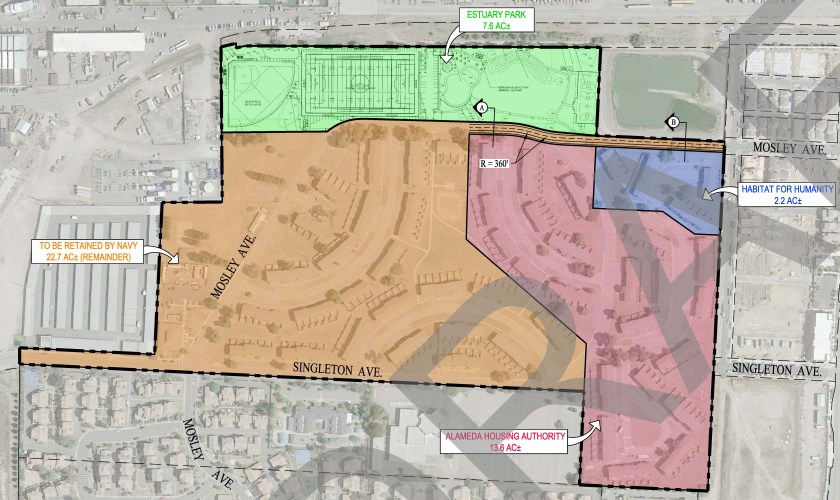
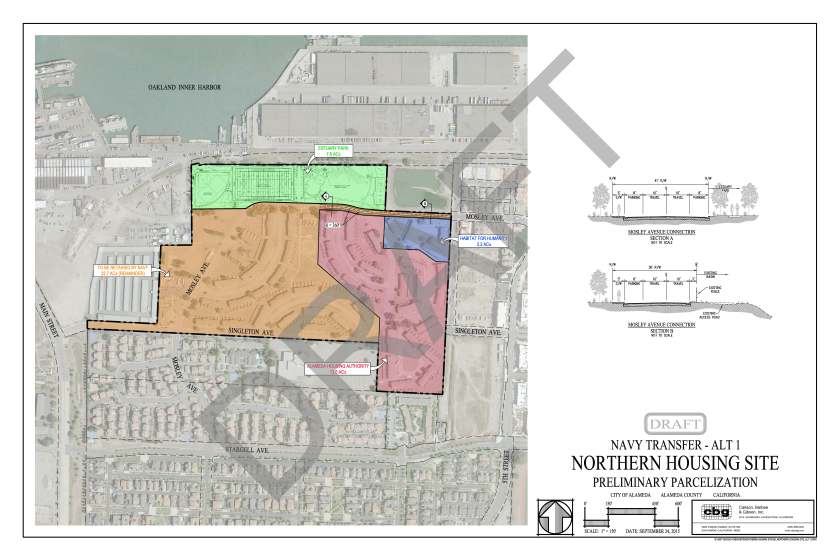
The 22.7 acres slated for auction to a private developer will be tagged with utility infrastructure costs—streets, drainage, utilities—on all of the North Housing area, except for the Housing Authority’s 13.6 acres and Habitat for Humanity’s 2.2 acres. The Housing Authority and Habitat for Humanity will be responsible for bringing new utility services from the nearest street to their housing units.
Draft map prepared by the city of Alameda showing proposed Housing Authority, Habitat for Humanity, and private developer parcels. Pending final approval. Dusty rose area going to Housing Authority, blue to Habitat for Humanity, tan to private developer. Click on map to enlarge.
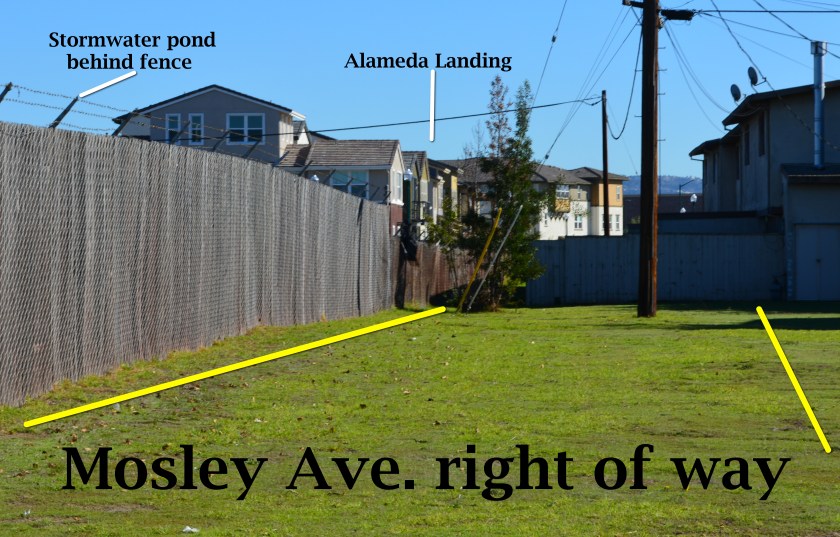
Mosley Avenue will be connected between Alameda Landing and North Housing with 360 feet of new roadway.
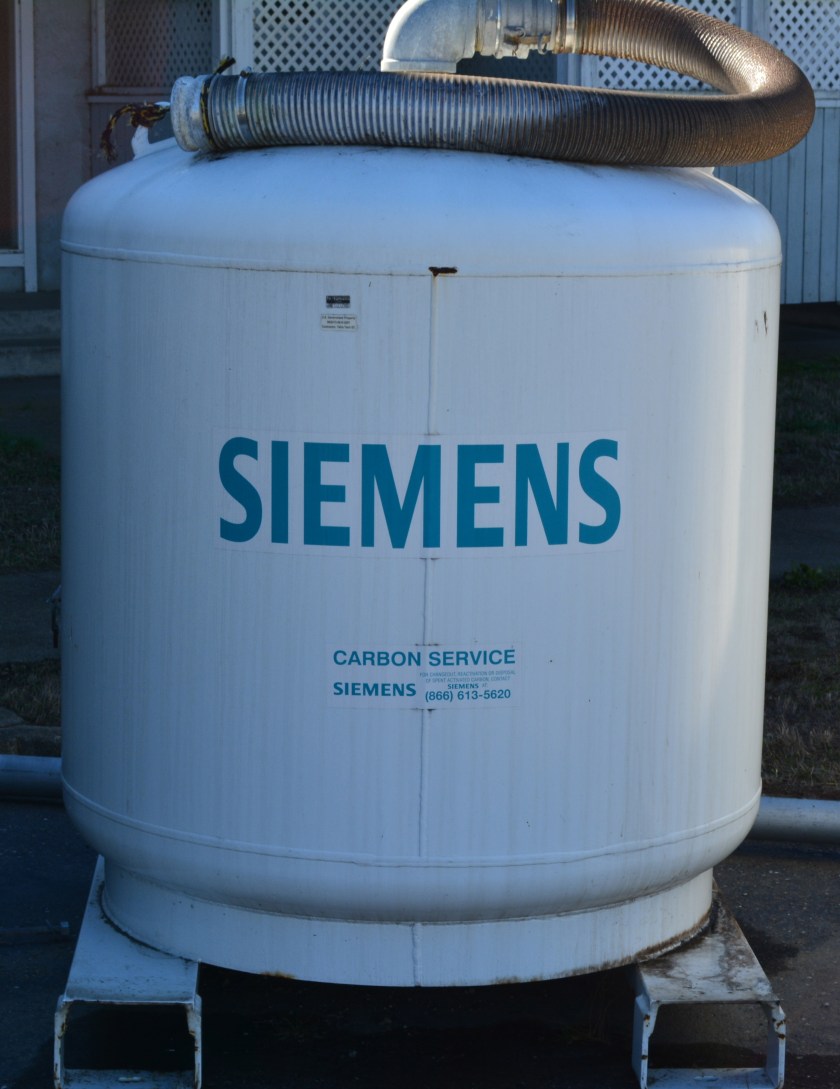
In 2013, the Navy turned off its air pump and carbon filter vacuum cleanup system to see if it made any difference in the concentrations or movement of contaminants. It didn’t.
But before the U.S. Environmental Protection Agency (EPA) would sign off on a permanent shutdown of the cleanup system, it wanted a new set of tests at ground level to ensure there is no risk of harmful vapors. The Navy conducted tests inside the vacant housing, in the crawl spaces, and under the parking lot and basketball courts at the former Island High School property. The negative results satisfied the EPA.
In April the Navy officially amended its original 2007 Record of Decision cleanup plan, with regulatory agency concurrence, citing new evidence. It also cited city, county, and state regulations that prohibit intrusive activities and specifically prohibit well installation in the shallow groundwater where the contamination is located. The cleanup plan amendment said that results of the evaluations of extensive data for this cleanup area “show that there is no unacceptable risk for current residential and school uses and any potential future land uses.”
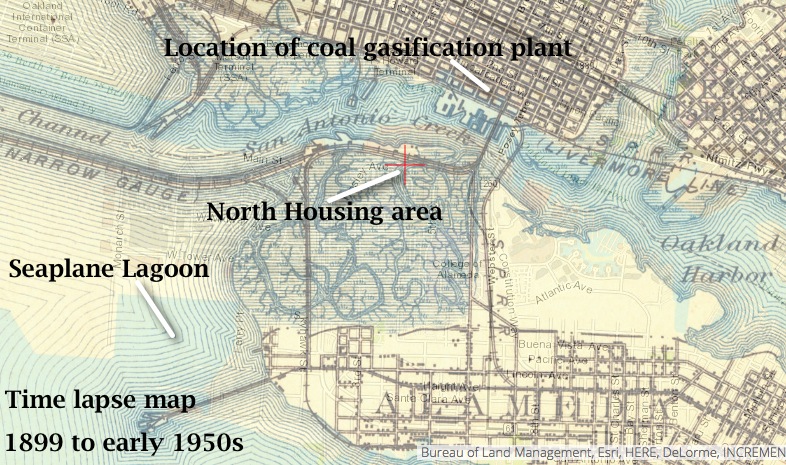
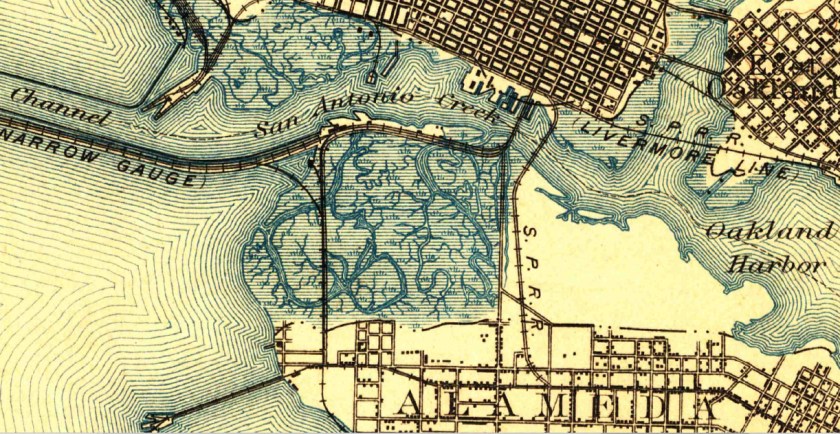
The amended plan also cited new evidence that suggested the contaminants were part of what is called the Marsh Crust at around 20 feet below ground and essentially stuck there. The Marsh Crust is a layer of “hydrocarbon gunk” that Oakland Gas Light Company’s coal gasification plant discharged from about 1880 to 1910. The waste discharges went into what was then San Antonio Creek, and much of it settled on the nearby marshland where North Housing now sits.
Time lapse map showing former marshland where North Housing is now located. Source: US Geological Survey Historical Topographic Map Explorer.
The land was never cleaned up before being filled in for use as San Francisco Bay Aerodrome—hangars and two runways—from 1930 to 1941. The Marsh Crust extends from the Oakland Estuary to Bayport and over to central Alameda Point. A city ordinance requires a permit before digging into the Marsh Crust to ensure safe handling.
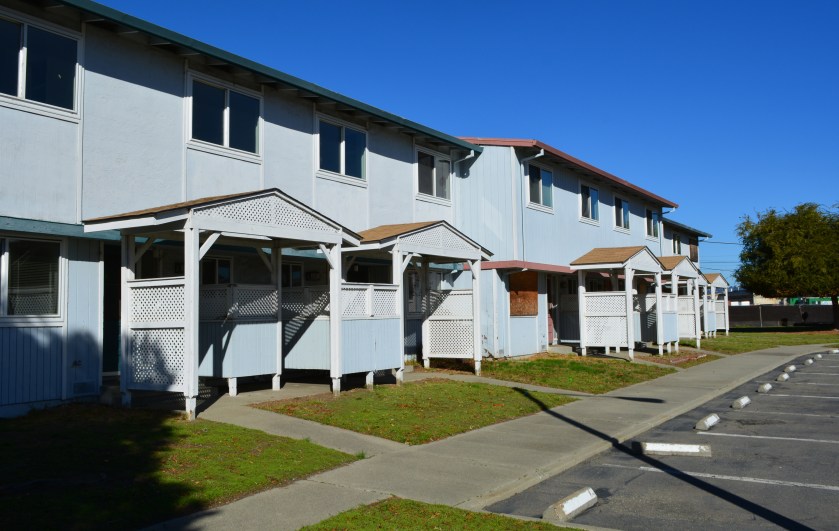
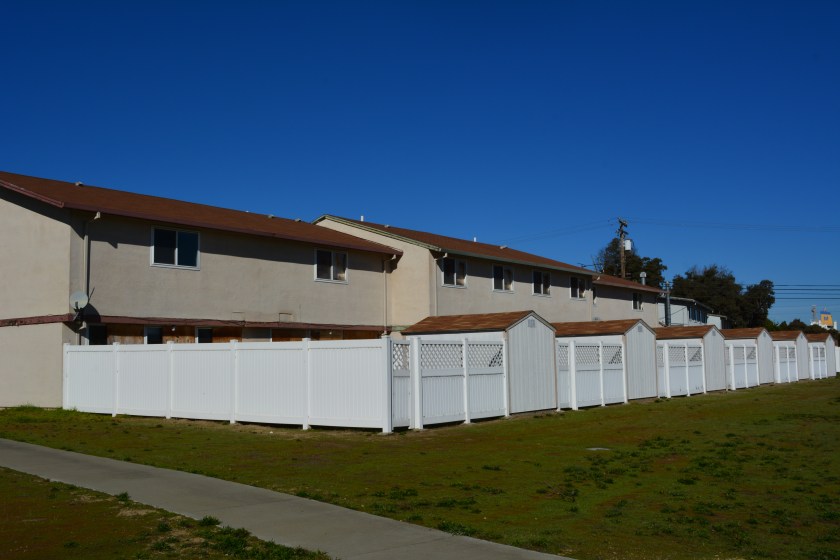
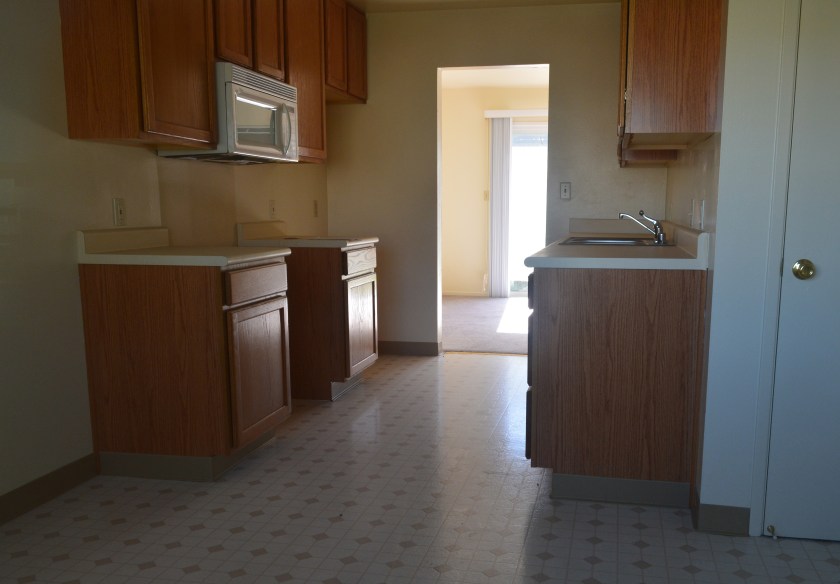
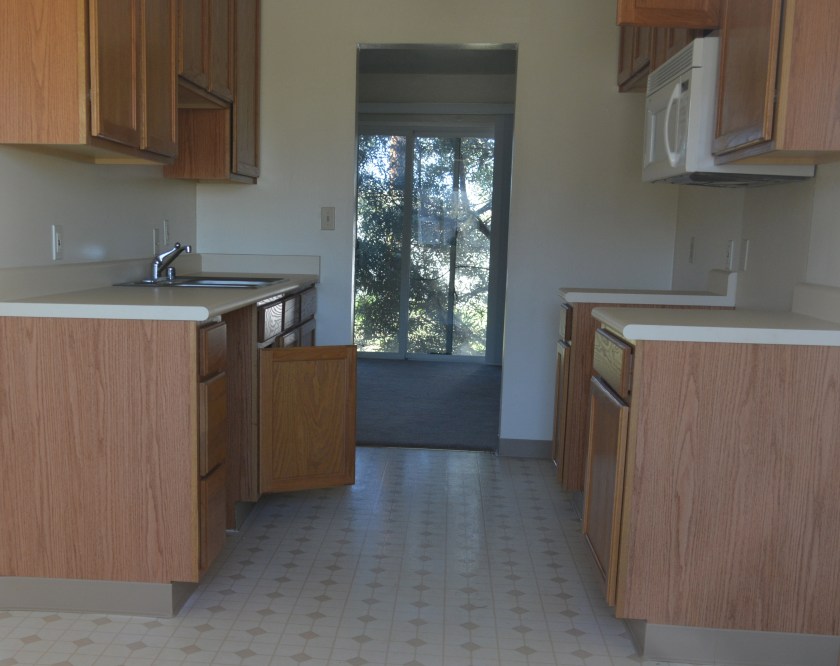
The 37-acre North Housing area lies adjacent to the new Alameda Landing residential neighborhood. The site currently contains 51 residential structures with 282 three- and four-bedroom units constructed in 1969. With the possible exception of the two acres going to Habitat for Humanity, all of the units will be demolished to make way for new construction.
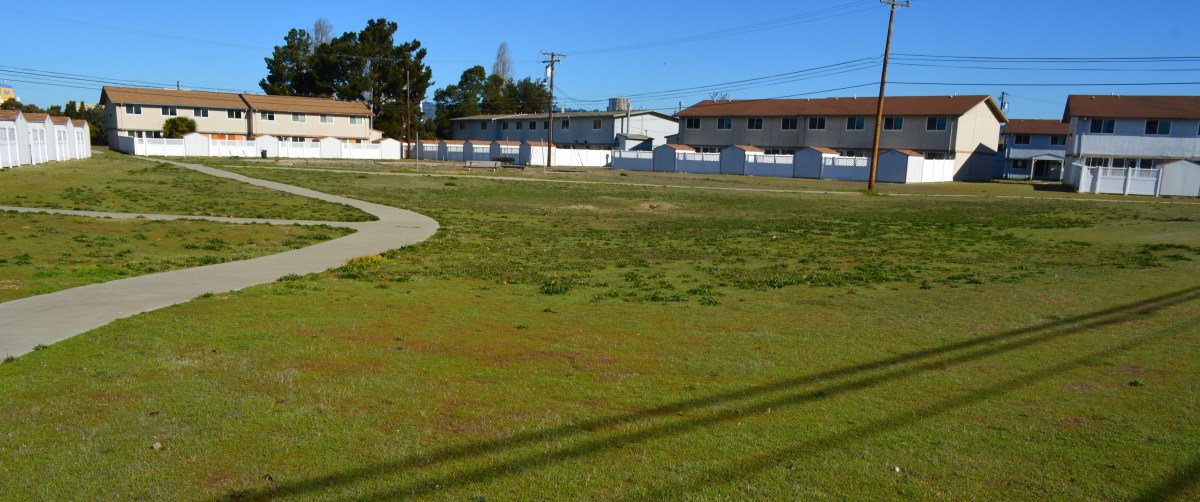
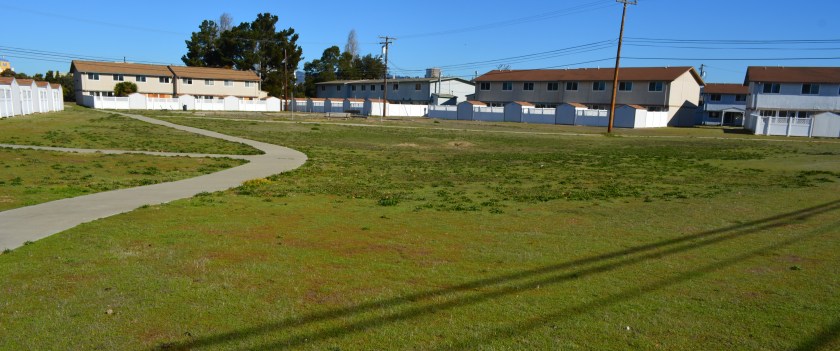
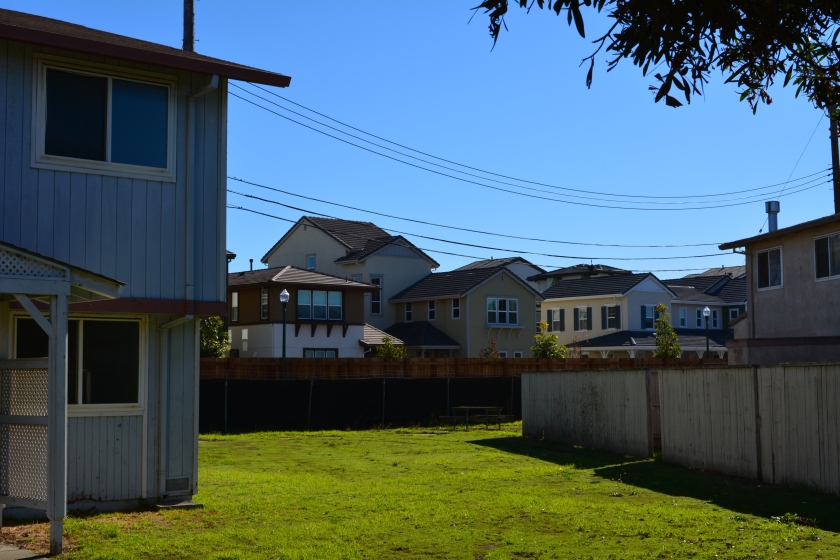
Future Housing Authority property, with new Alameda Landing houses in the background.
The Housing Authority will build 90 units of supportive housing that will include a community center.
It is not yet determined what Habitat for Humanity will do with its parcel. The private developer area is currently zoned for 315 units of multifamily residential housing and may exceed that number if the density bonus is applied for.
The transfer of properties is expected in 2016. The auctioning of the for-profit North Housing Navy property will follow, but no firm timeline has been announced.
Edited version of article first appearing in the Alameda Sun.
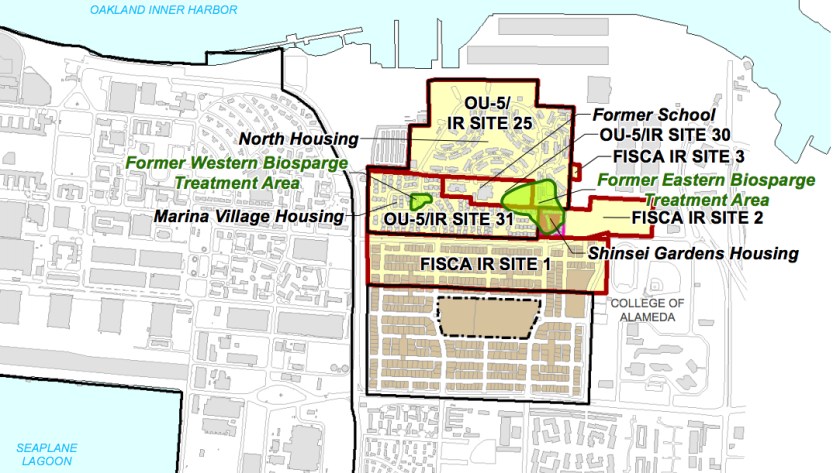
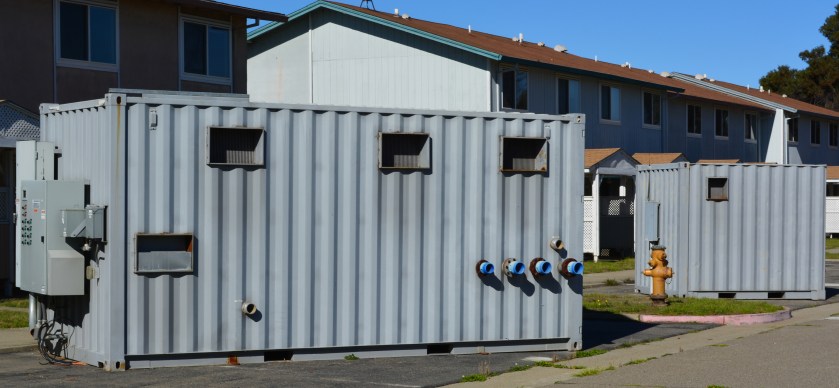
Map showing two groundwater cleanup areas in OU-5.Control module with pumps for groundwater cleanup system waiting to be hauled away from North Housing.Charcoal filter tank to remove benzene and naphthalene from groundwater vapors, waiting to be hauled away.
Typical current condition of North Housing interiors.Typical current condition of North Housing interiors. Photo date: November 19, 2015.
Draft North Housing site map, with Mosley Avenue connection details. Click on map to enlarge.1899 topographical map of western Alameda showing marshland. Source: US Geological Survey Historical Topographic Map Explorer.
Around 50 people took part in the first city-sponsored tour across the old naval airfield to the western shoreline of San Francisco Bay on Monday, Oct. 26.
The convoy of automobiles stopped near the future site of the Department of Veterans Affairs (VA) clinic and at the shoreline next to a restored 30-acre wetland site. The wetlands are located within the Navy’s 100-acre cleanup site known as Site 2.
Tour group at the western shoreline listening to Dr. Peter Russell explaining environmental cleanup work the Navy has completed at Site 2.
While Site 2 has been known for the past 18 years as a mysterious off-limits environmental cleanup site, most of the visitors on Monday’s tour seemed more interested in the area as a scenic viewing site.
Despite the sparse showing of birds on the wetland during the visit, the group appeared awed by the vast expanse of land, water and sky that surrounded them as they stood on the embankment overlooking the wetland and the Bay.
View of the trail on embankment, with tour group and Port of Oakland in the background. Wetlands are to the right. San Francisco Bay is to the left.
A future leg of the San Francisco Bay Trail will eventually pass between the wetland and the shoreline, with views all the way to the Golden Gate Bridge on a clear day. The state’s Bay Conservation and Development Commission requires the VA, via its shoreline authority, to grant an easement to the city for construction and operation of the trail. No date has been set for when this process will begin.
During the stop near to the future VA clinic site, Jennifer Ott, the city’s chief operating officer for Alameda Point, informed the group about the public roadway, including underground utilities, that the VA is going construct leading to the western shoreline. The roadway will provide public access and utility hook-ups for city-owned open space property along the Oakland Estuary. The group parked at the western shoreline where the future observation point and trail access parking lot will be located at the end of the road.
Tour group listening to Jennifer Ott explaining plans of the US Dept. of Veterans Affairs while stopped next to future clinic site. San Francisco skyline in the background.
The tour was arranged at the urging of Vice-Mayor Frank Matarrese. Also in attendance was Mayor Trish Spencer.
“The VA’s future home and the wetlands restoration area at Site 2 are key features of the old airfield surrounding the least tern nesting area,” said Matarrese. “It is absolutely important that people get a chance to see how these three assets work together in this huge tract of land.”
Another view from the stop next to the future VA clinic site. Small wetland in between runways can be seen in the background. VA is expected to enhance the wetland, which remains covered with water in the middle of the airfield despite a drought.
The Navy still retains some responsibilities at Site 2 — namely, for ensuring that the grassland vegetation on the landfill soil cover is successful.
Jennifer Ott answering questions at the western shoreline. This location is where the VA’s future road will end, with a small parking lot, benches, and access to the Bay Trail.
“Seeing the wetlands makes me want to accelerate our wetlands efforts on city property,” said Matarrese.


















 Alameda Point Environmental Report