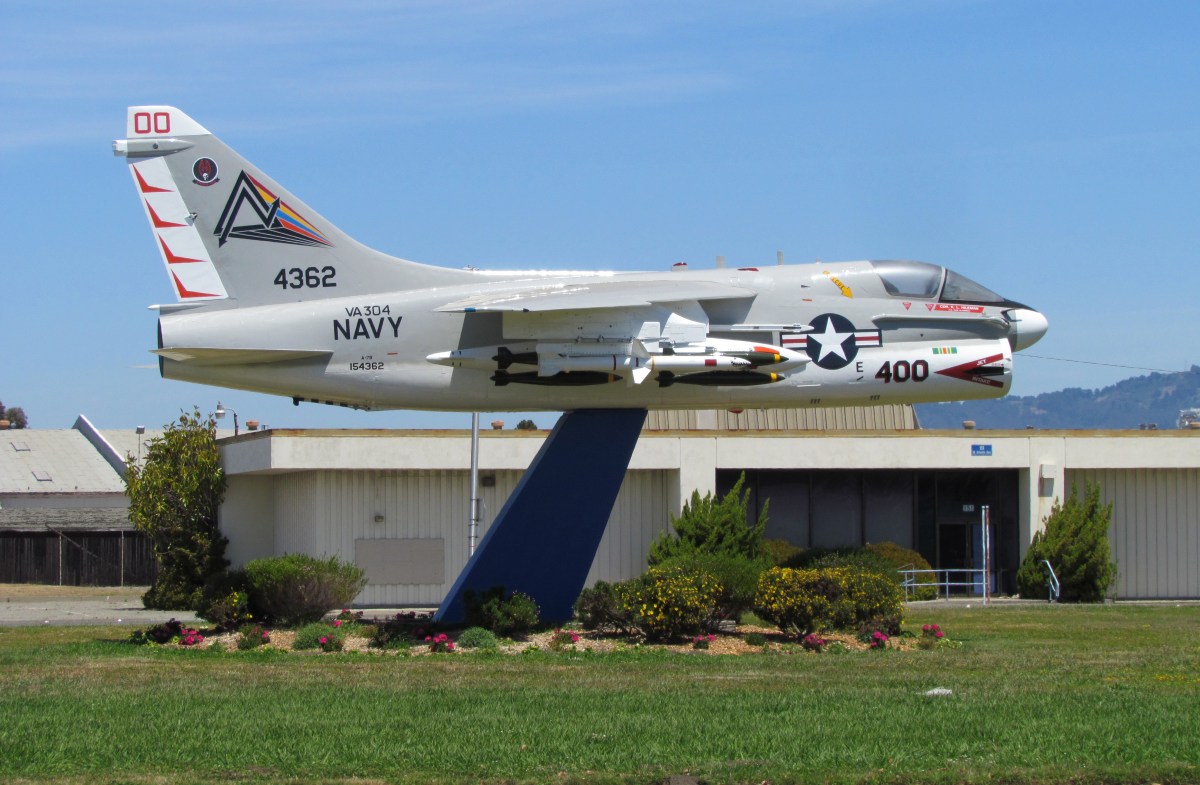
Cleanup at future Town Center – Alameda Point East Gate area

The city has announced that over 500 acres of land will be transferred from the Navy to the city on June 4, 2013.  It will be the first – and largest – of a four-phase schedule of land transfers to the city.  One of the areas that won’t be transferred this year is located at the main entryway into the future Town Center currently being designed.
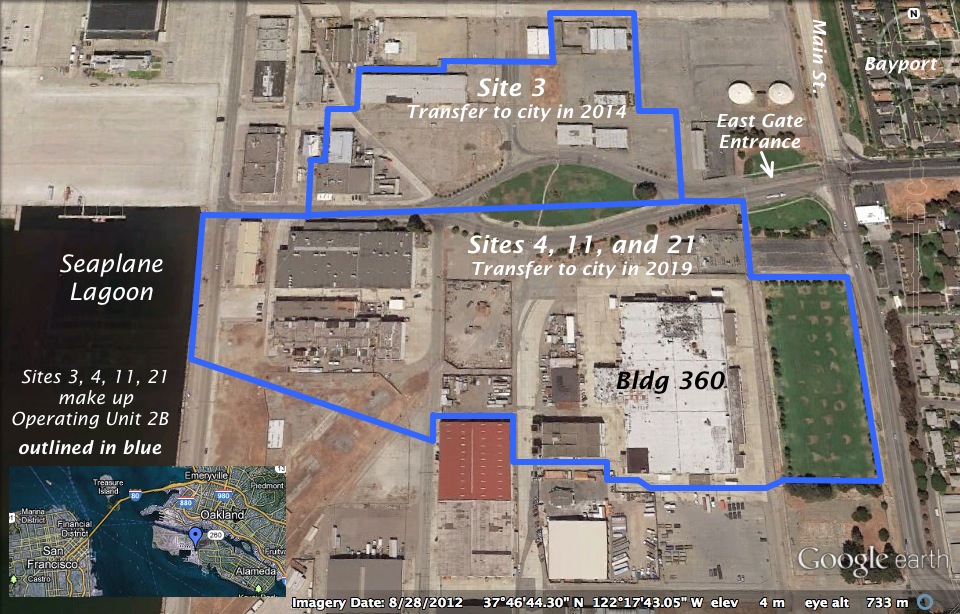
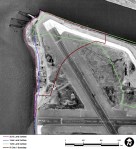
OU-2B cleanup area
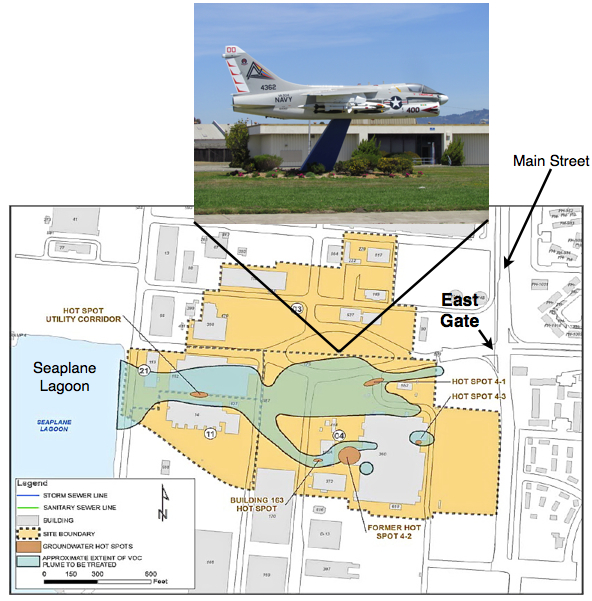
Illustrations on map by Richard Bangert. Click on map to enlarge.

Driving into the “East Gate” on West Atlantic Avenue to Ferry Point Road at the Seaplane Lagoon takes you through part of the future Town Center – and through a major environmental cleanup area called Operating Unit (OU) 2B.
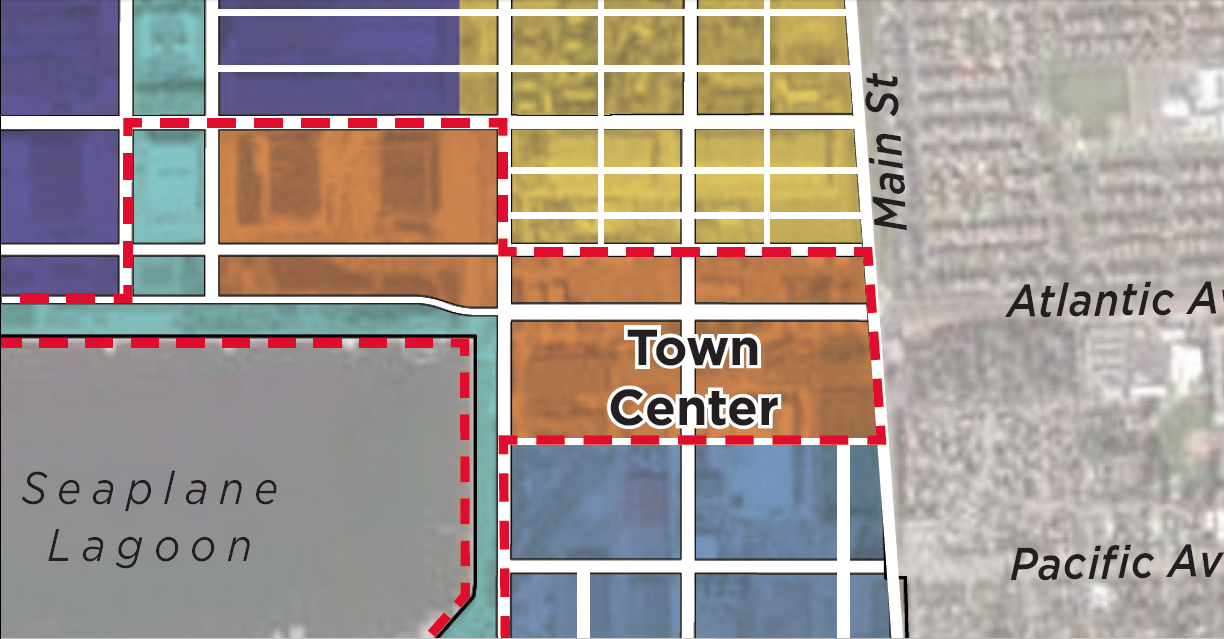
Town Center close-upPlans for a vibrant mixed-use Town Center to kick off redevelopment are now in the design stage, but 33 acres on the south side of West Atlantic Avenue won’t be transferred to the city until 2019.  That’s when contaminated groundwater is expected to be cleaned up to commercial standards, allowing the Navy to turn over the land.

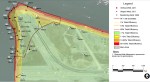
The overhaul of aircraft and ship engines in this area led to major contamination of groundwater with trichloroethane and vinyl chloride, as well as pockets of soil contamination.  After testing various cleanup methods on the contaminated groundwater area – called a plume – the Navy and regulatory agencies have decided to rely mainly on bioremediation – natural bacteria – to degrade the contamination. 

Soil hot spots will be removed, except under buildings.  Future developers will be responsible for soil under buildings once they are demolished.

One of the groundwater hot spots close to the Seaplane Lagoon was successfully treated last year with a heat and vapor extraction system.  Some of the other hot spots are impossible to treat with electrical heating because of underground power lines nearby.
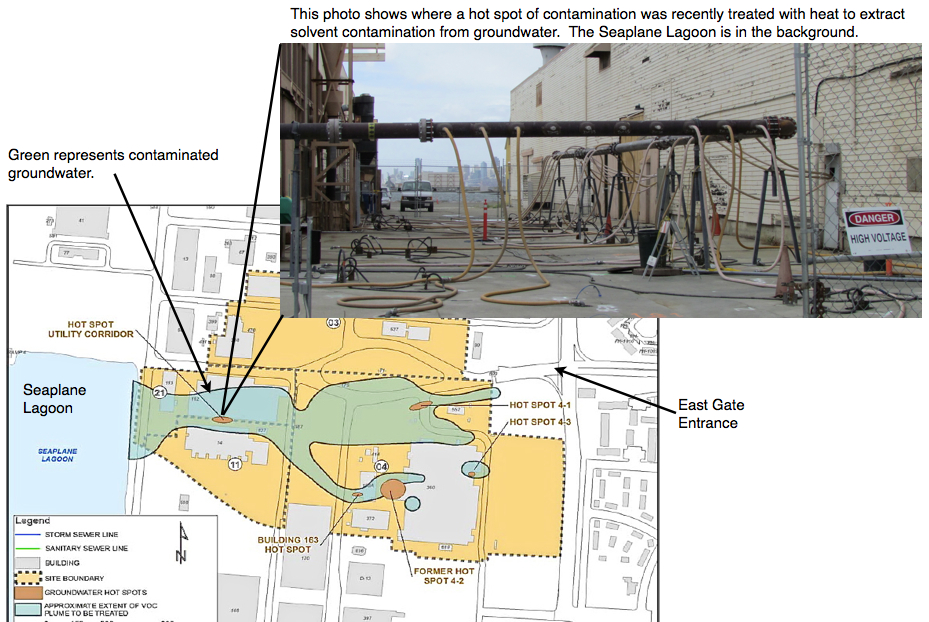
UO-2B plume map w:photo overlay
Click on image to enlarge

The Navy has found bioremediation to be the most practical method to finish the job.  Work details will be finalized later this year.  Bioremediation can involve injecting new bacteria, but here it will likely mean injecting oxygen to spur the growth of existing bacteria.  It’s the carbon atoms in the chemical contaminants that are attractive to bacteria, allowing them to naturally disassemble a chemical compound.

Someday, decades from now, the danger from vapors entering buildings will be low enough to permit ground floor residential use.  Current restrictions imposed under the Navy’s cleanup plan will prohibit ground floor residential, but will allow residential use above the first floor, provided an approved vapor barrier and venting system is installed under any new construction.  First floors will be allowed to have commercial uses once the city receives the land in 2019.  Groundwater monitoring wells around the cleanup area will remain usable and accessible for regular monitoring for at least 20 years.

The cleanup area north of West Atlantic – 13 acres called Site 3 – will be turned over to the city next year following removal of several contaminated soil hot spots containing lead and other contaminants.  Some of the contaminated soil areas are under building slabs on Site 3 and will be the responsibility of a future developer.  All of the buildings in the East Gate cleanup area called Operating Unit (OU) 2B – 46 acres – are expected to be demolished rather than reused.

Site 3 north of West Atlantic was also heavily contaminated with jet fuel around an area where underground fuel storage tanks were once located.  The former storage tank area is west of the jet monument and is still dotted with white pipe stubs once connected to a maze of cleanup pipes.  The jet fuel cleanup was completed two years ago under the Navy’s Petroleum Program using a vapor extraction system.  Removal of underground tanks and fuel lines was completed in 1999.
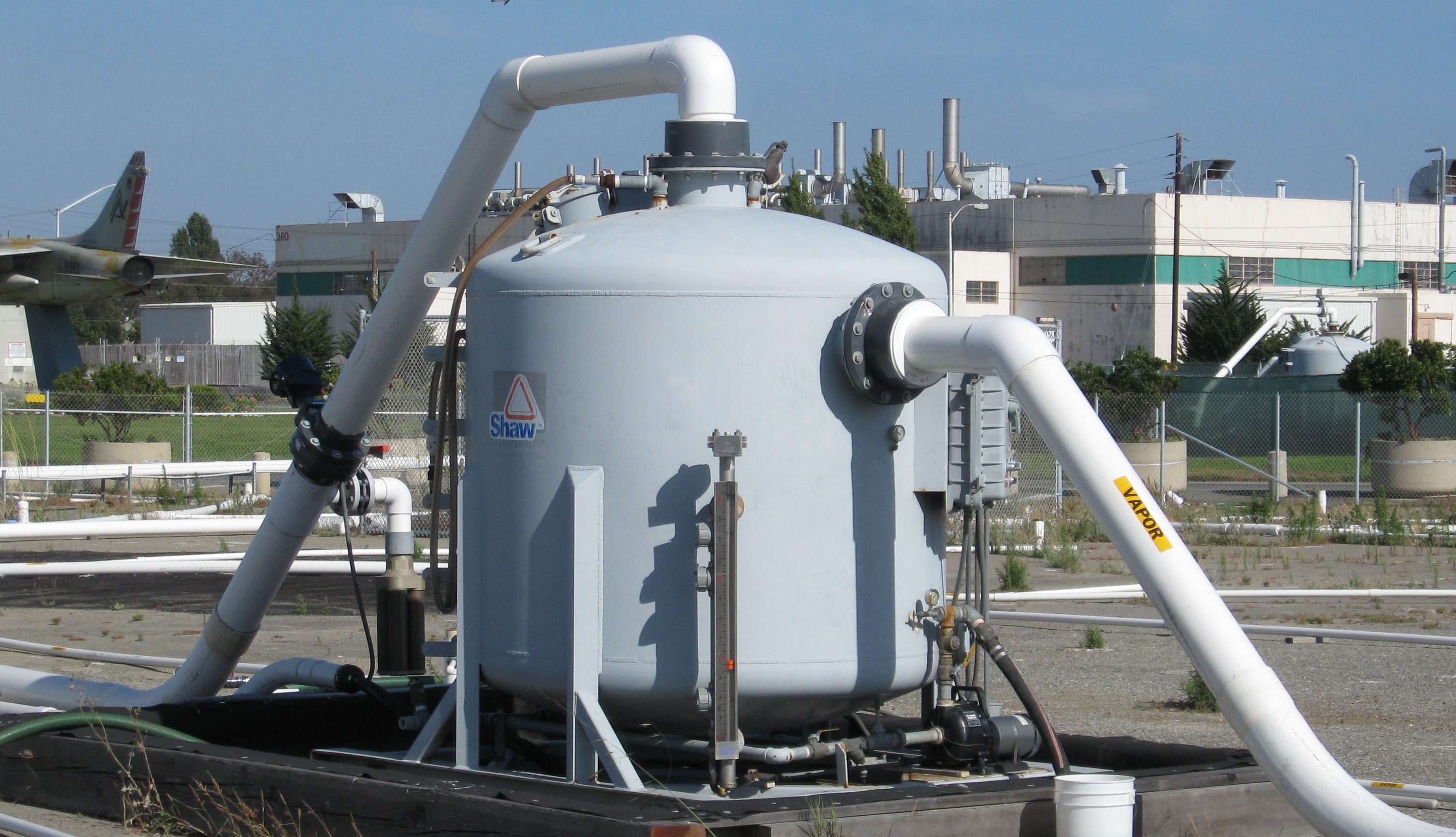
Vapor extraction system that operated for several years to clean up jet fuel in the ground on Site 3.
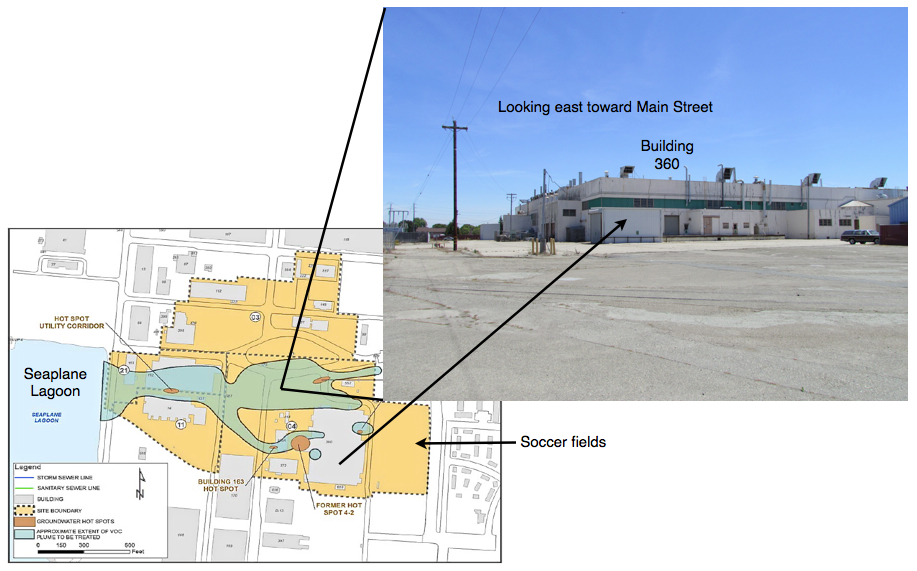
Vapor extraction system that operated for several years to clean up jet fuel in the ground on Site 3. Charcoal filter tank has been removed. Jet monument and Building 360 are in the background.
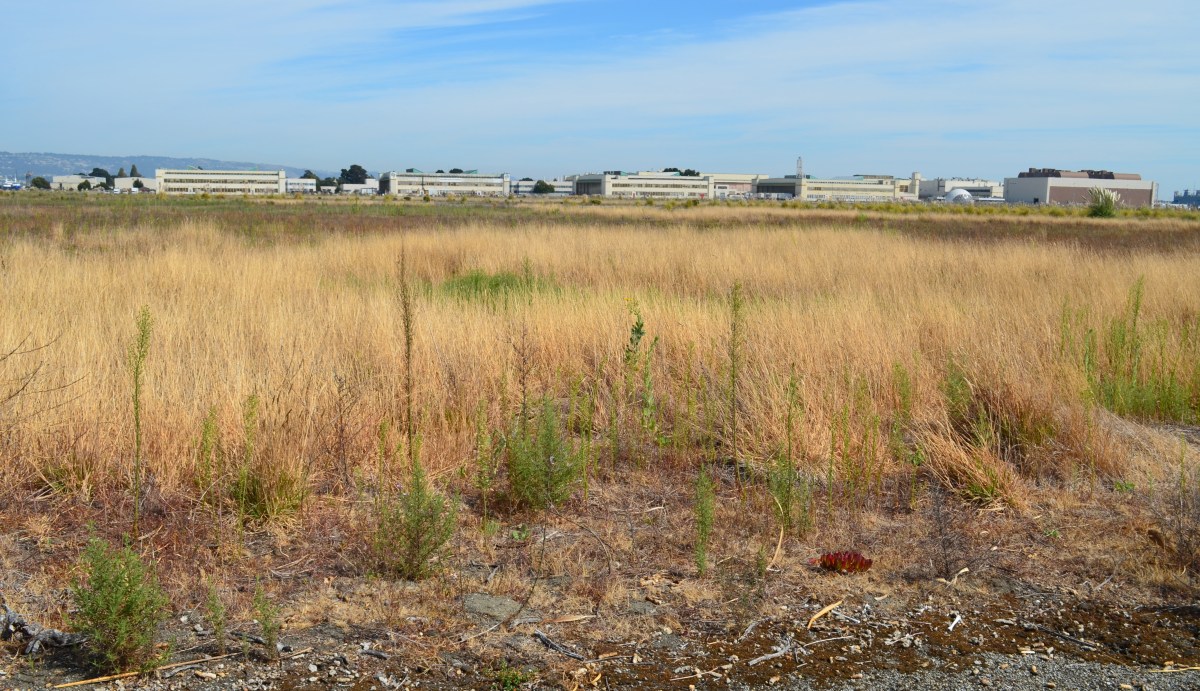
OU-2B looking east toward Bldg 360
Click on image to enlarge.

Jet at East Gate w OU-2B

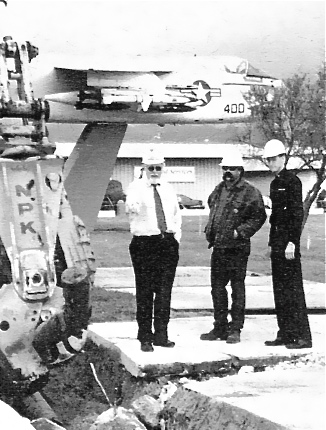
Removing jet fuel line in OU-2B cleanup area in 1999.  Jet monument is in background.
Removing jet fuel line in OU-2B cleanup area in 1999. Jet monument is in background. Source: Navy environmental newsletter, Winter 1999.
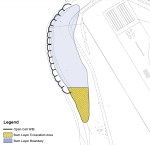
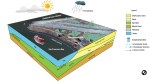
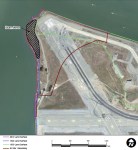
Navy’s Proposed Cleanup Plan for OU-2B.

Bird life on the Nature Reserve at Alameda Point

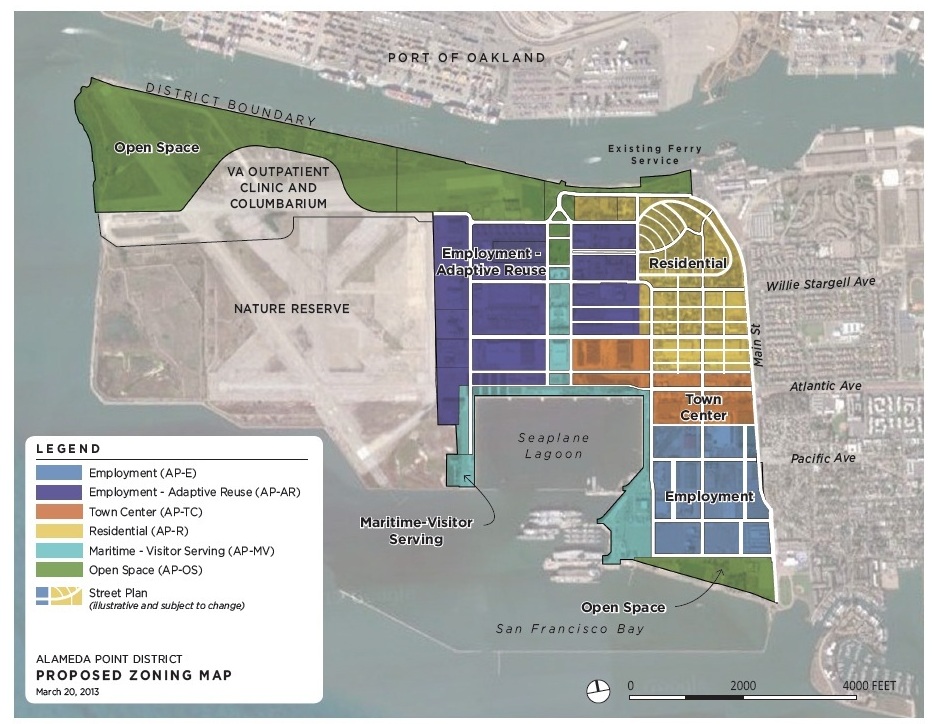
The Alameda City Council, on March 19, 2013, unanimously approved a resolution affirming support for a nature reserve at Alameda Point.  The resolution calls for a zoning designation of “Nature Reserve” for the runway area formerly proposed for a national wildlife refuge.

Alameda Point Proposed Zoning MapAfter an impasse was reached in negotiations between the Navy and the US Fish & Wildlife Service for creation of a national wildlife refuge in 2004, the property was offered to the Department of Veterans Affairs (VA).  The VA plans to build an outpatient clinic and columbarium on 112 acres of its land, but the remaining 511 acres of VA land will remain undeveloped.  The undeveloped area is where the endangered California Least Terns come to nest from early April to mid-August every year.  

The city’s nature reserve zoning designation will not have any mandatory impact on the VA, but rather is intended to convey the continuing value that the community places on wildlife conservation at Alameda Point.

March and April 2013 bird sightings on the Nature Reserve at Alameda Point.

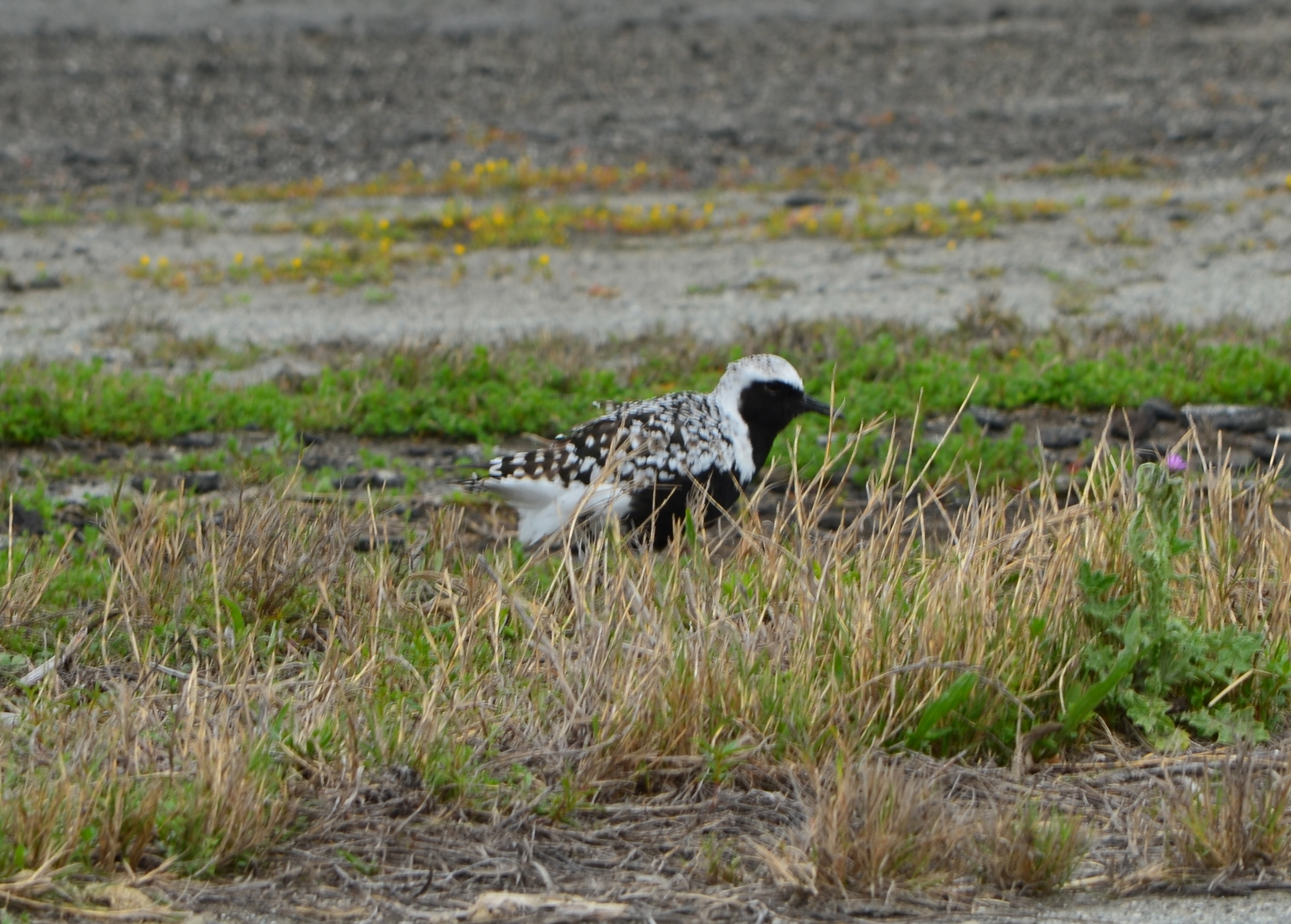
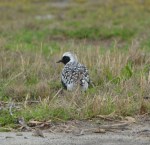
Black-bellied Plover.  Summer breeding range is the north coast of Alaska and the Canadian Arctic.
Black-bellied Plover. Summer breeding range is the north coast of Alaska and the Canadian Arctic.  Seen here on the margins of seasonal wetland that the VA project will impact.
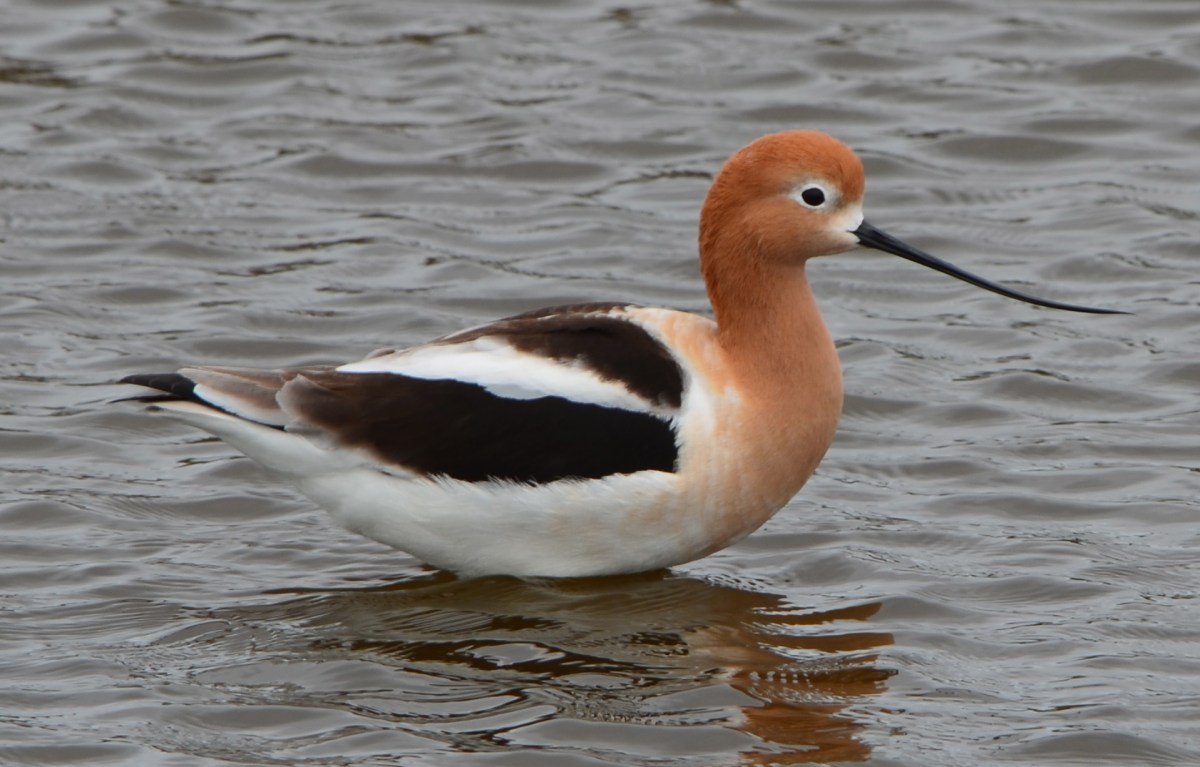
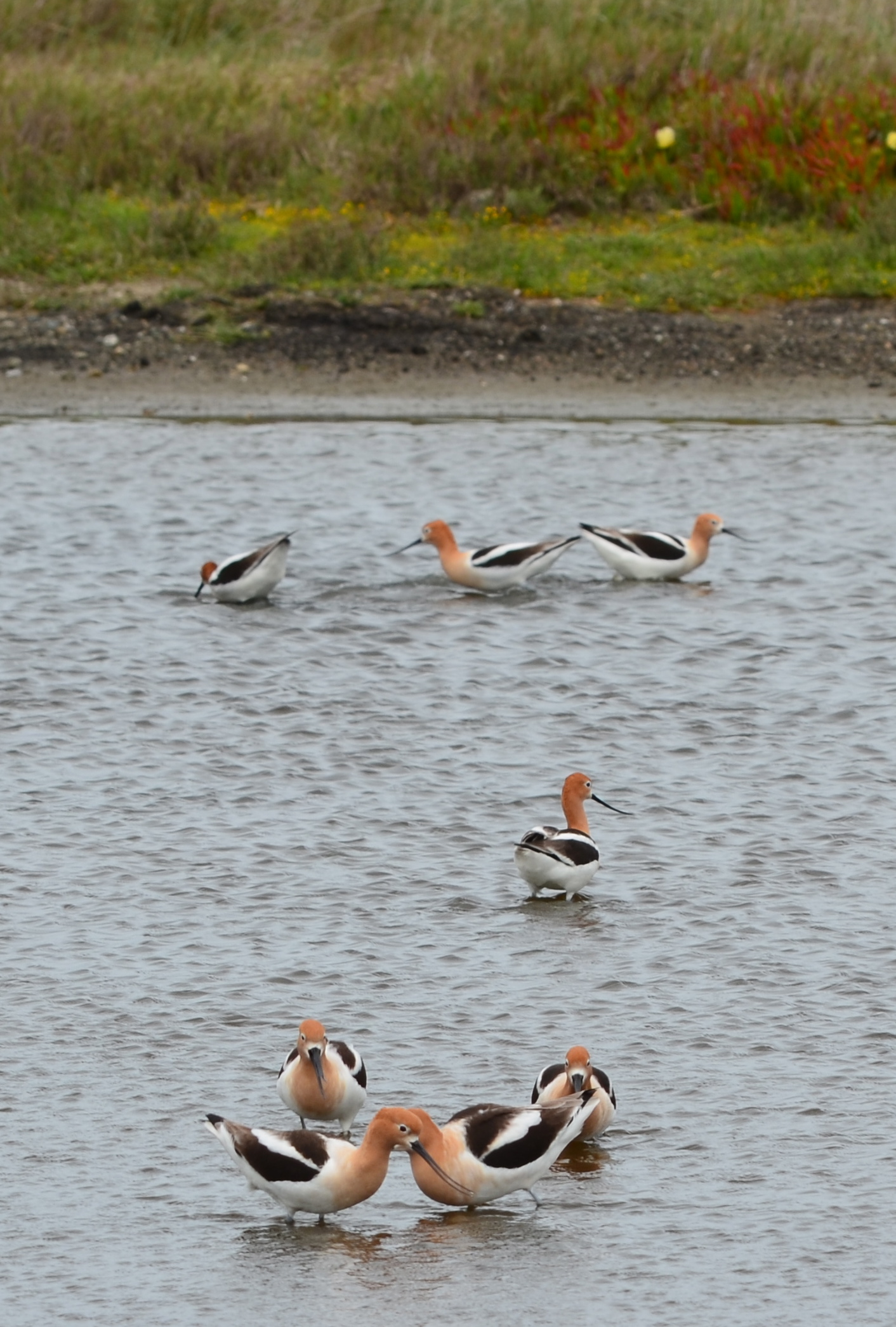
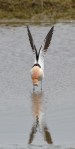
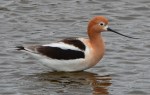
American Avocets on seasonal wetland that will be covered by VA clinic/columbarium project.  Can be replaced elsewhere on Nature Reserve.
American Avocets on seasonal wetland that will be covered by VA clinic/columbarium project. Can be replaced elsewhere on Nature Reserve.
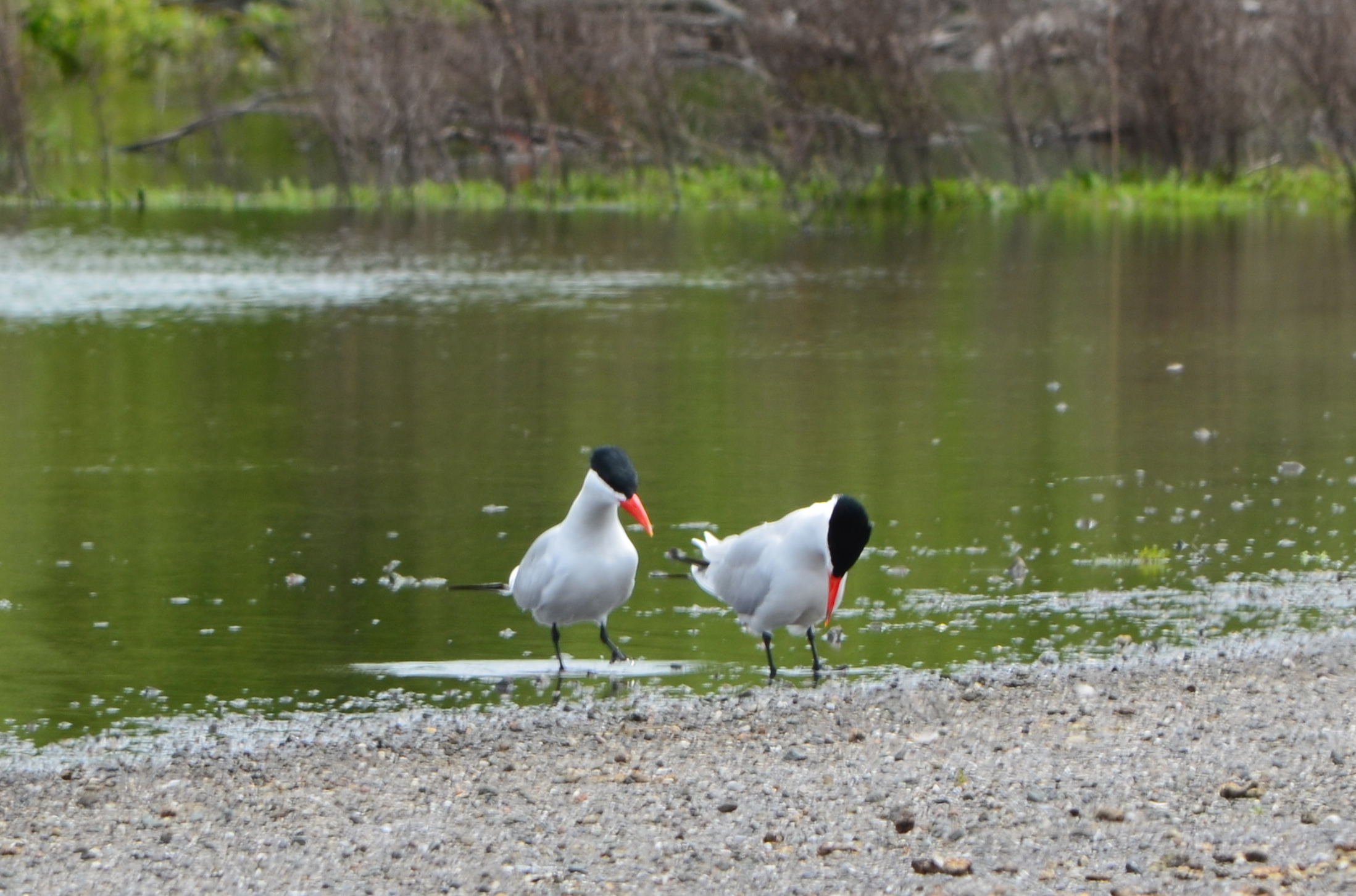
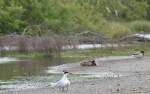
Caspian Terns next to seasonal wetland that will be impacted by VA project.
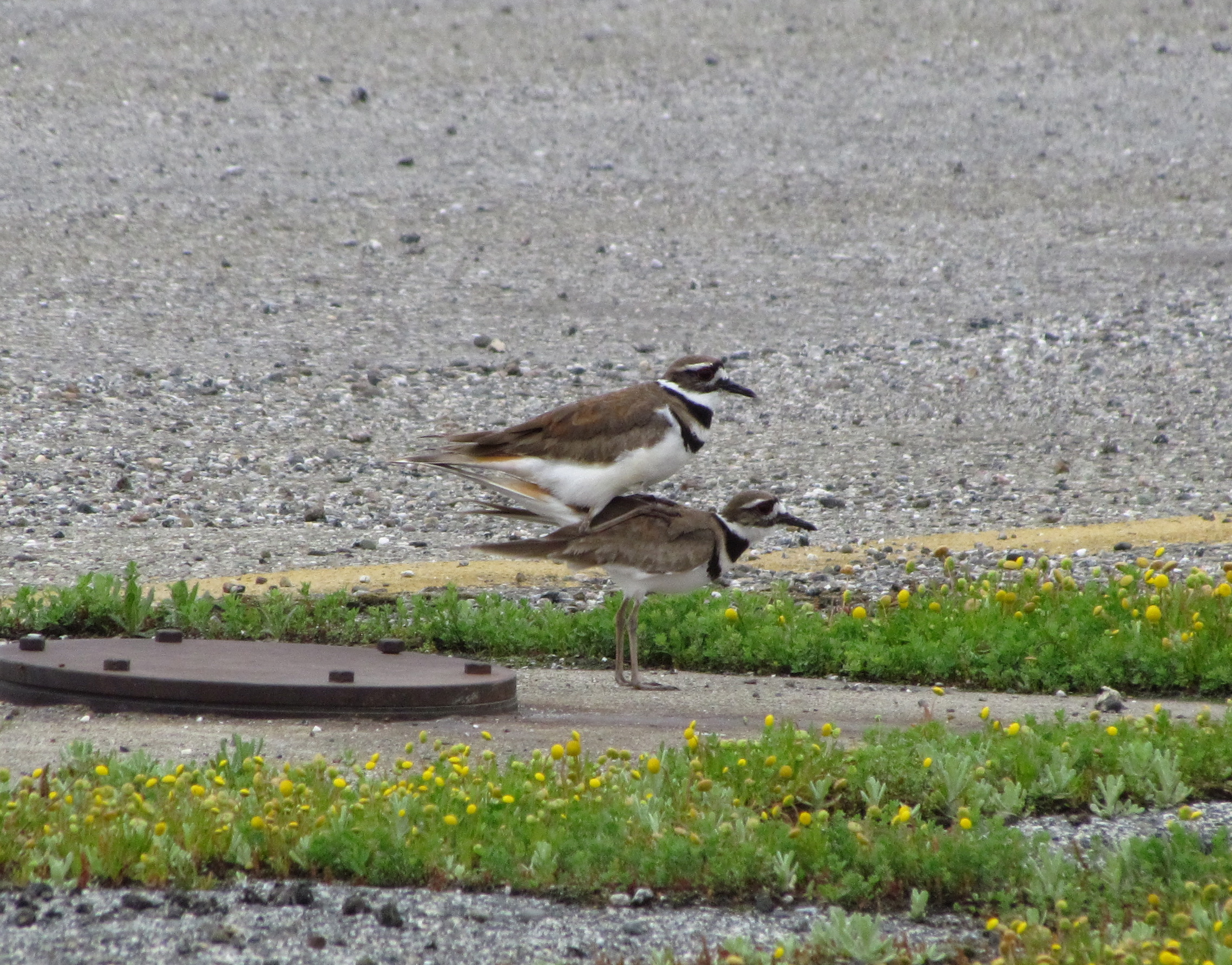
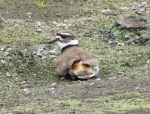
Killdeer mating next to least tern nesting site.  Killdeer often nest inside the least tern area.  Killdeer are attracted to the Nature Reserve in abundance.
Killdeer mating next to least tern nesting site. Killdeer often nest inside the least tern area. Killdeer are attracted to the Nature Reserve in abundance.
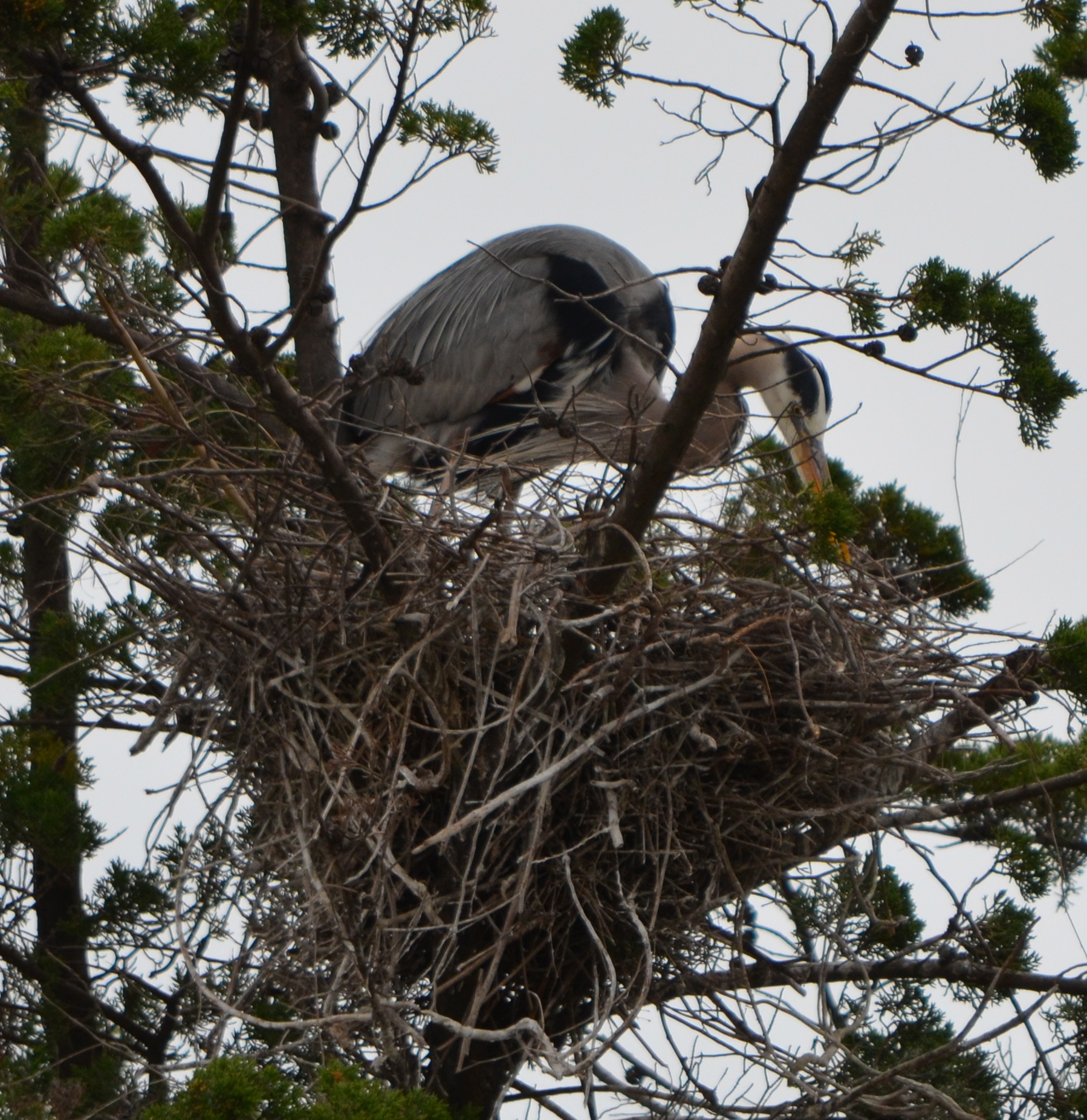
Great Blue Heron nesting in a cypress tree in the Runway Wetland.
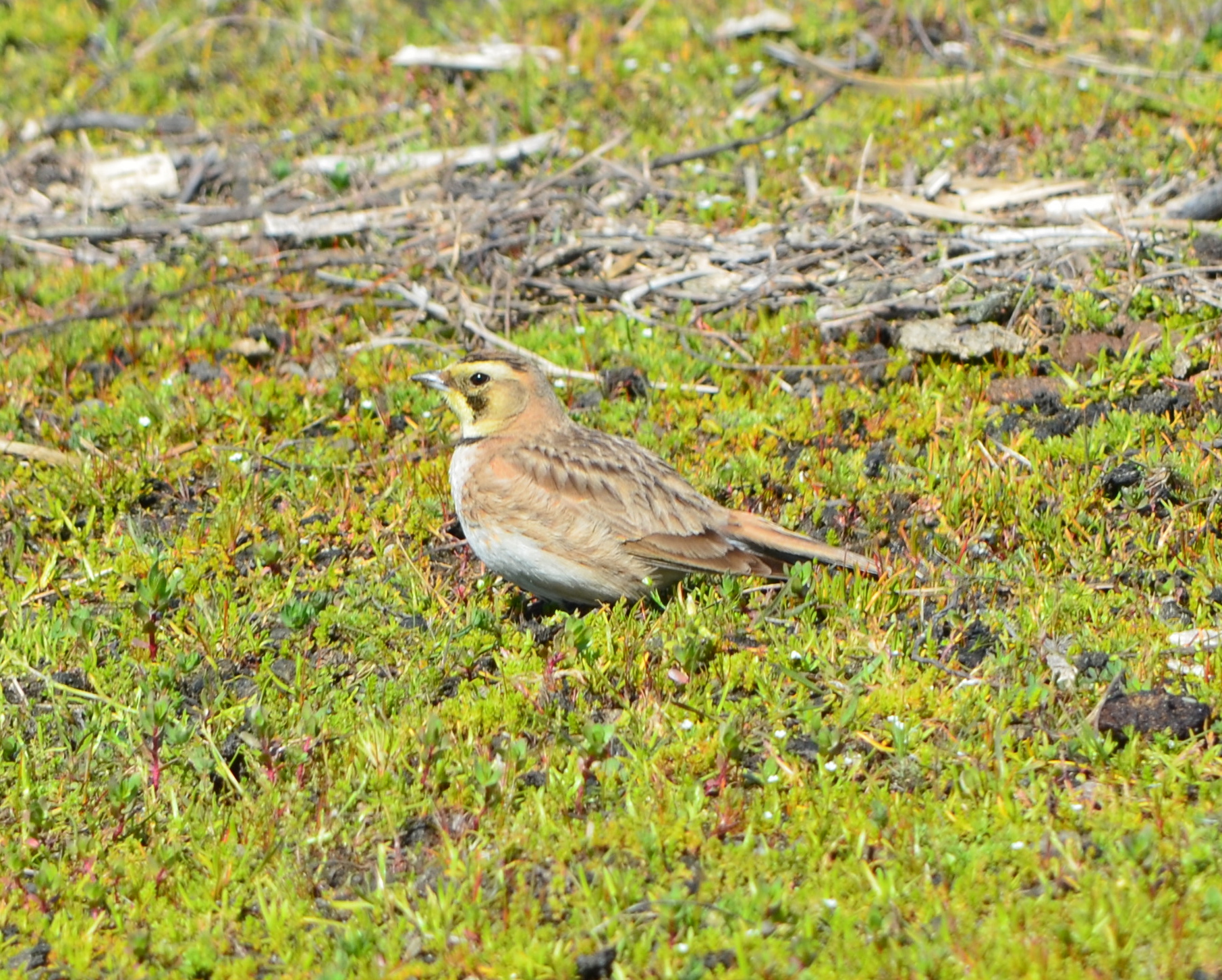
Horned Lark on foraging on grassland, with mate nearby.
Horned Lark foraging on grassland, with mate nearby.
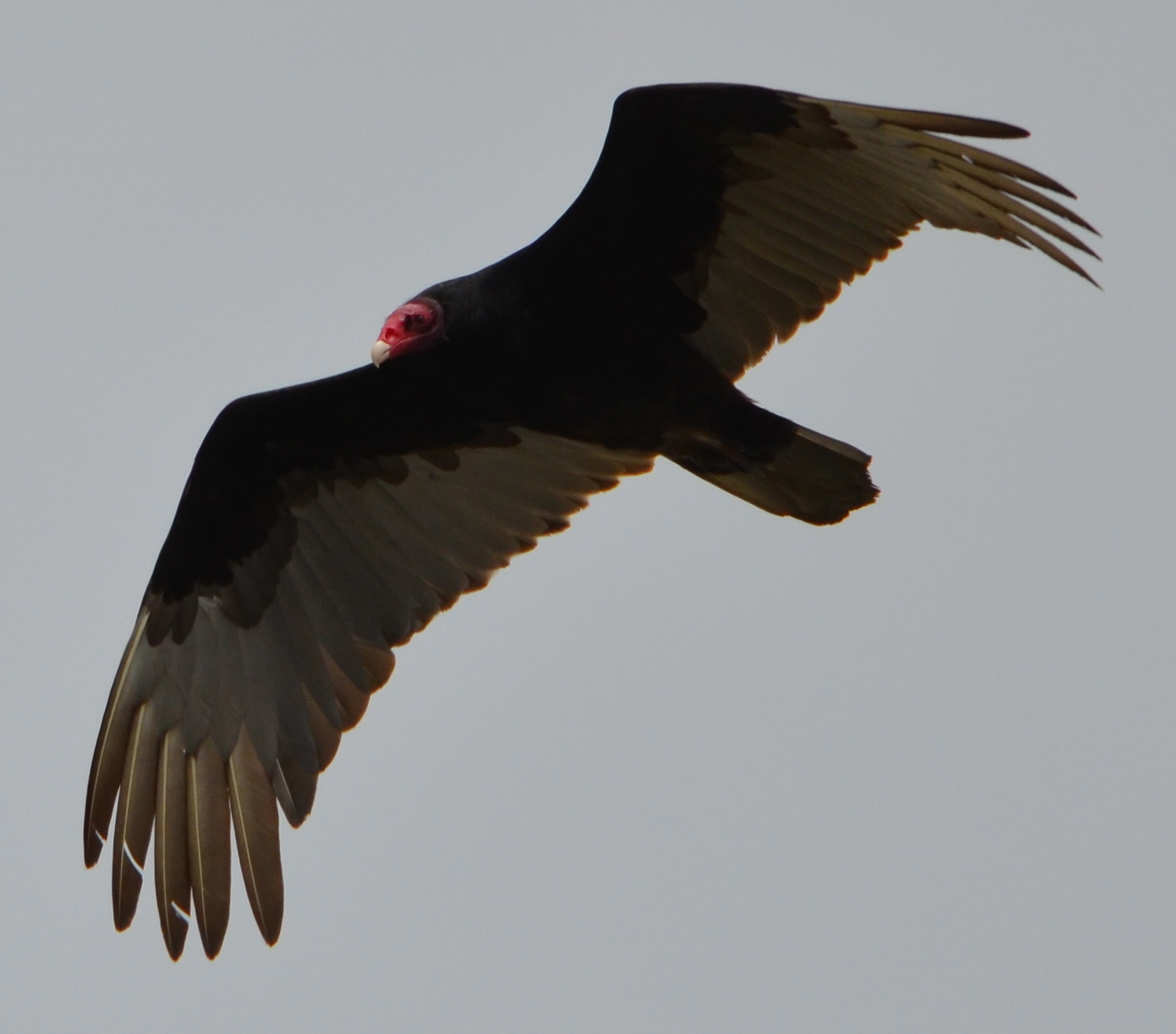
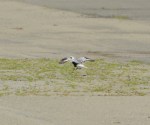
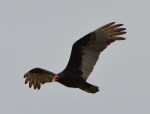
Turkey Vulture soaring over the reserve.  Turkey Vultures feed on animal carcasses, such as rabbits that have been taken by hawks.
Turkey Vulture soaring over the reserve. Turkey Vultures feed on animal carcasses, such as rabbits that have been taken by hawks.

Cleanup plan changes at waste burning area

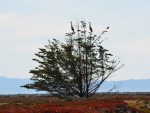
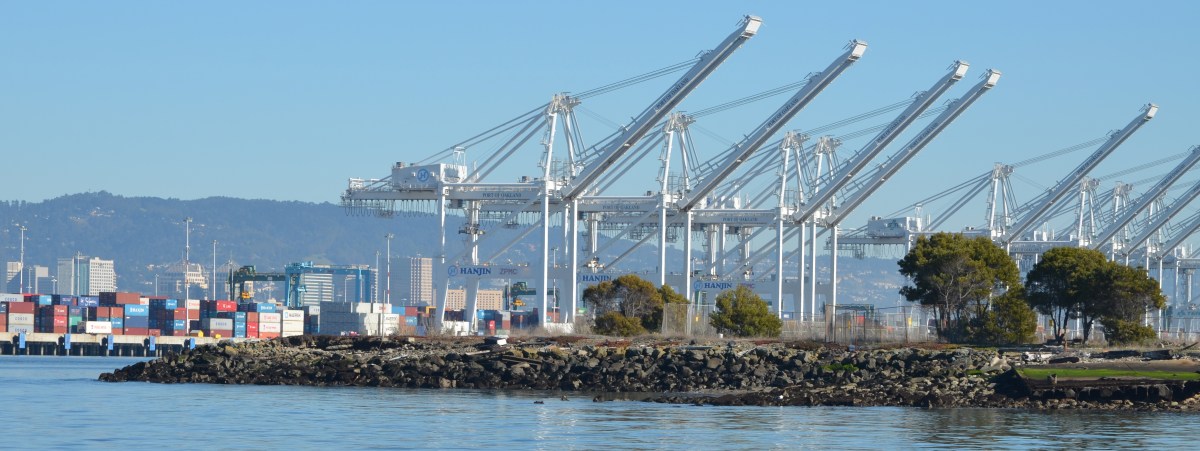
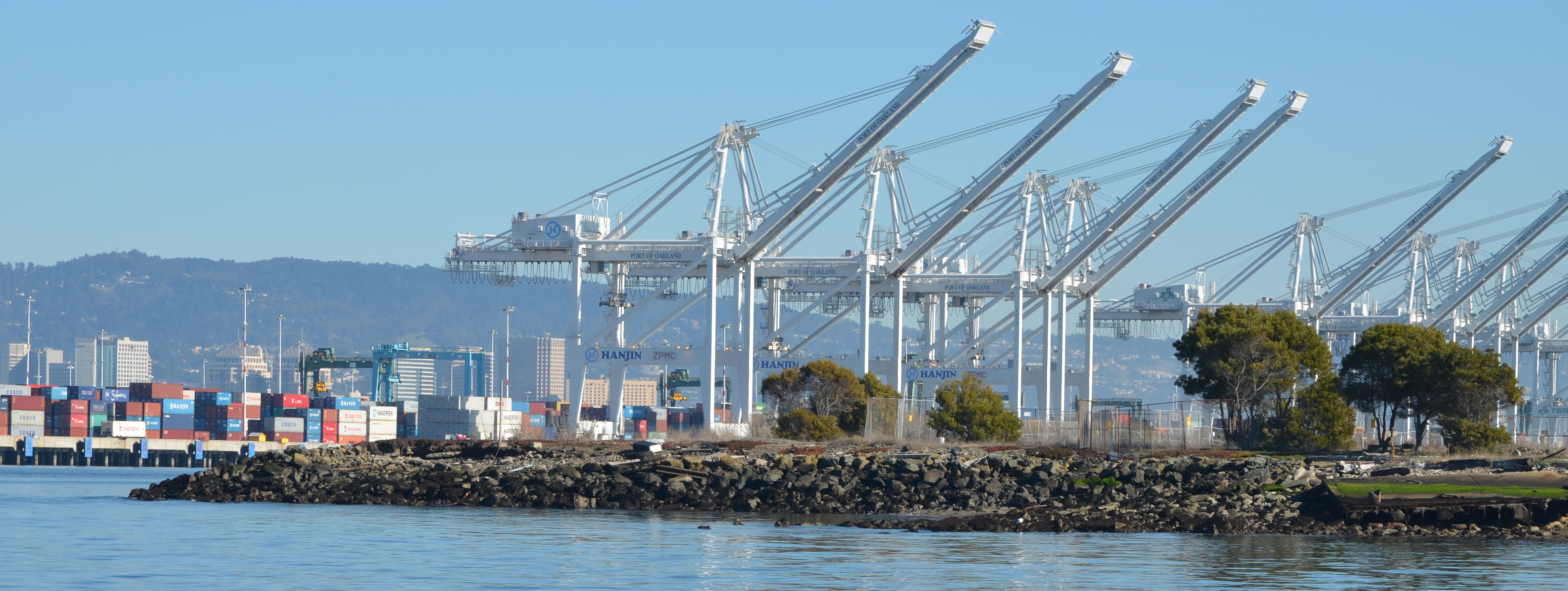
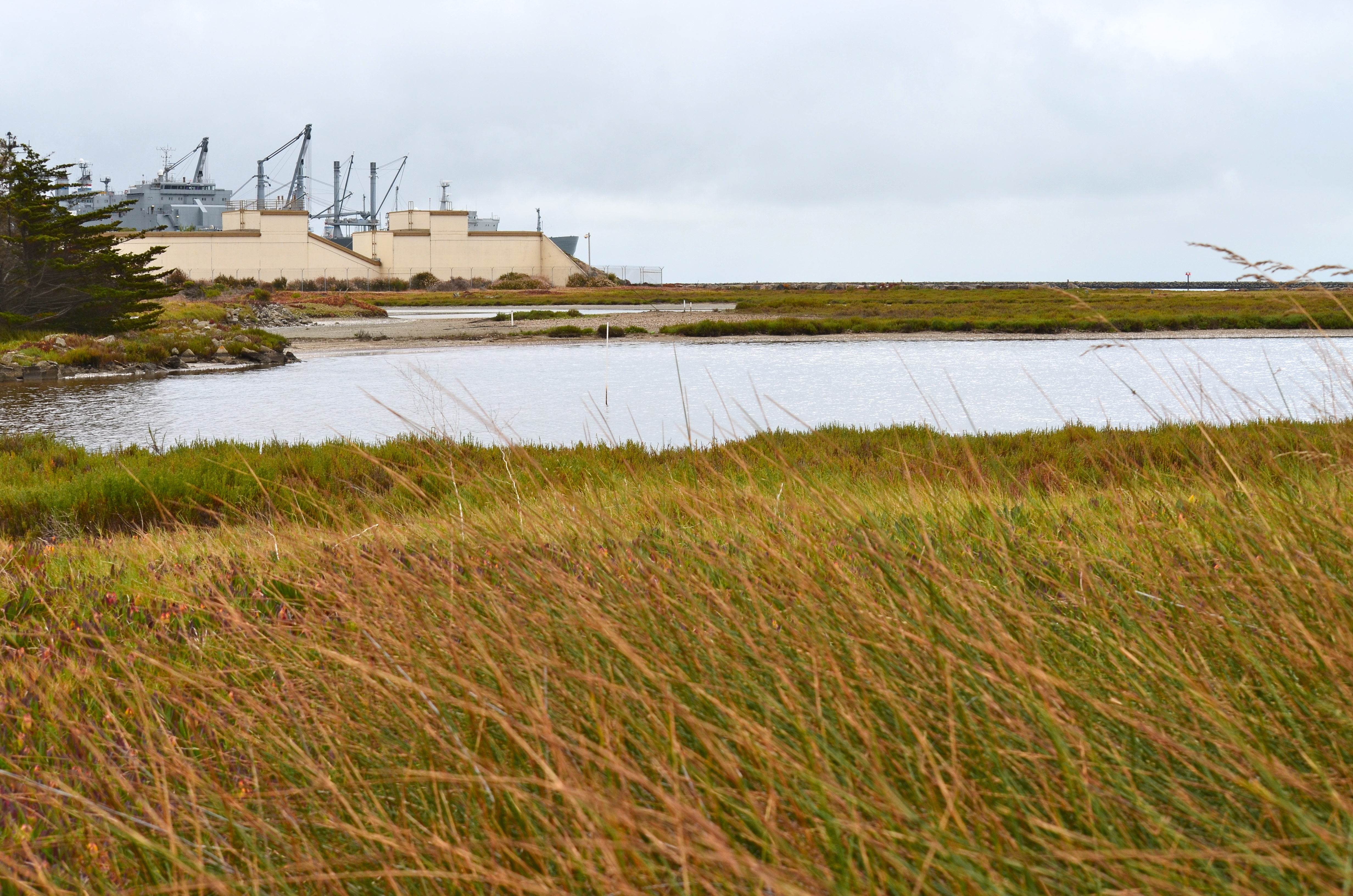
Northwest tip of Alameda Point.  Waste burning area is immediately to the right of trees.  Port of Oakland is in background.
Northwest tip of Alameda Point. Waste burning area is immediately to the right of trees.  Port of Oakland is in background.

It was the 1950s, before the environmental movement of the 1970s and the laws that followed in its wake.  Hauling waste materials out to the western shoreline of Alameda Point to be burned and bulldozed into the Bay was not considered irresponsible.  The “Burn Area,” as it is called, lies next to the shore near the entrance to the Oakland Estuary.

Burn Area on Site 1.  San Francisco Bay to the left.  Oakland Estuary to the north.
Burn Area on Site 1. San Francisco Bay to the left. Oakland Estuary to the north.

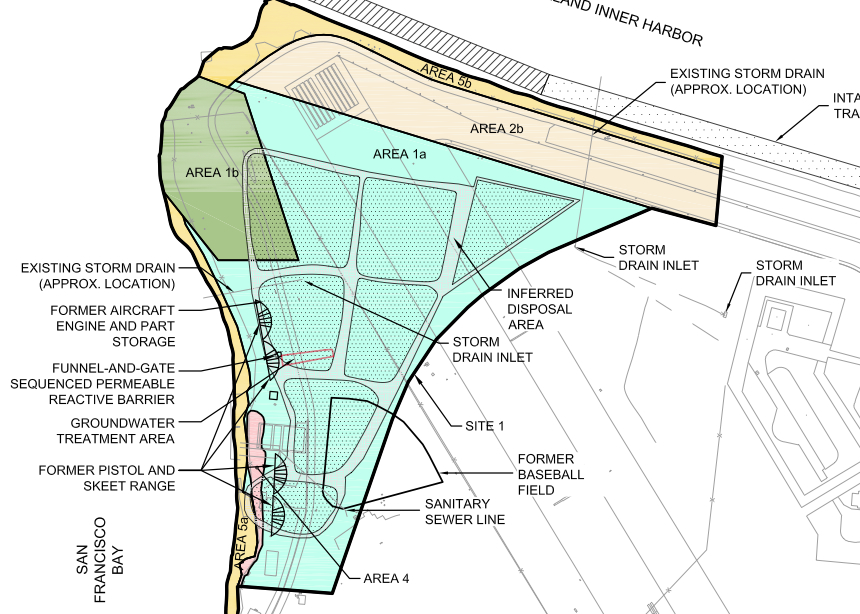
By 2009, the Navy was ready with a plan to finally remove several acres of contaminated Burn Area soil and haul it away.  In 2010, testing by the cleanup contractor preparing to do the work, however, revealed additional burn residue that extends over a longer area and under the shoreline slope.  The new information triggered a complete re-evaluation of the plan.

Excavation and removal at the greater depth and under the shore would drive the cost up from the original $5 million to $40 million.  Fortunately for the Navy, a new and lower cost option became available just as the Navy and regulatory agencies were gathering more soil and groundwater data and discussing options.

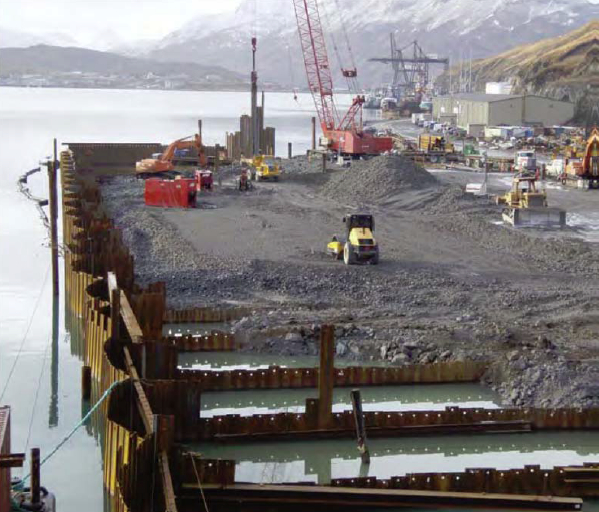
In 2011, the US Army Corps of Engineers approved a shoreline steel containment system called an “open cell vertical confined disposal facility.”  Primarily used for harbor and waterway reinforcement and as a containment area for dredge sediment, the system is also suitable for permanently isolating and containing the toxic burn material along several hundred feet of Bay shoreline.  This option will cost $13 million.

Open cell sheet pile containment system under construction at Dutch Harbor, Alaska.  Photo source:  US Army Corps of Engineers 2011 report.
Open cell sheet pile containment system under construction at Dutch Harbor, Alaska.  The same system is proposed for the Alameda Point Burn Area.  Photo source: US Army Corps of Engineers 2011 report.

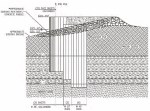
The Navy calls the open cell system a “waste isolation bulkhead.”  It consists of a wall of interlocked steel plates embedded in the earth along the shoreline.  Perpendicular steel walls extend toward the shoreline to form cells, or compartments, and provide anchorage.  The absence of welding to hold the system together allows it to flex without failing and eliminates the problem of welds corroding.

Tests around the Burn Area were conducted in 2010, 2011, and 2012 to determine if any of the chemicals in the burn residue were entering San Francisco Bay.  None were found to be entering the Bay.  Nevertheless, the Burn Area’s proximity to the Bay requires that it either be removed or permanently isolated.

The Burn Area is located on the 37-acre Site 1 cleanup area.  The site includes about a half dozen unlined underground pits that were used for waste disposal and are now partially covered by runway pavement.

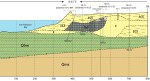
Site 1 landfill map.  Area 1b is the Burn Area as it was originally configured.
Site 1 landfill map. Area 1b is the Burn Area as it was originally configured.  Click to enlarge.

Cleanup of a solvent plume on Site 1 that posed a potential threat to the Bay took place last year.  Previous cleanup on the site included removal of debris and soil contaminated by radium-226 used in painting luminescent aircraft dials.

When the Navy is finished with the Burn Area bulkhead barrier, the Burn Area will again be tested for radiological contamination.  All 37 acres of Site 1 will then be covered by at least two feet of clean soil and seeded with native grasses.

Site 1 will be available for passive recreational use as part of the proposed 147-acre regional park along the northern shoreline.  Site 1 will be part of the final conveyance of land to the city slated for 2019.  The VA’s property is adjacent and to the south and east.
The Navy’s project manager along with the cleanup contractor for Site 1 will be present at a special public meeting to answer questions and take comments on the new proposed plan for the Burn Area.  The meeting is on April 9 at the Alameda Main Library, 1550 Oak Street, from 6:30 pm to 8:00 pm.

Originally published in the Alameda Sun.

Further Reading on the Navy’s Burn Area Study

The Navy’s recently-completed soil and groundwater study for the Burn Area is called a Focused Feasibility Study (FFS) and is located on the state Envirostor website.

The FFS is very large and is divided into parts.  Recommended parts to look at first:

Part 1, Part 3 (cool maps), Part 4 (mostly raw data, but has trench photos), and Part 8 (descriptive letters from PND Engineers that own the patent on the open cell system, and all the comments by the regulatory agencies and the responses to comments.)  Part 5 has a lot of technical data and description of the groundwater model in relation to the Bay.

Reference material on the open cell barrier proposed for the Burn Area:

US Army Corps of Engineers 2011 report on the use of the Open Cell Sheet Pile Containment System for contaminated dredge material.

Overview of the Open Cell Confinement Disposal Facility system by PND Engineers.

2012 report to the Alaska Legislature on the Open Cell system.

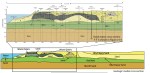
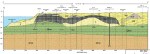
Image highlights from the Focused Feasibility Study for the Site 1 Burn Area

Click on images to enlarge.

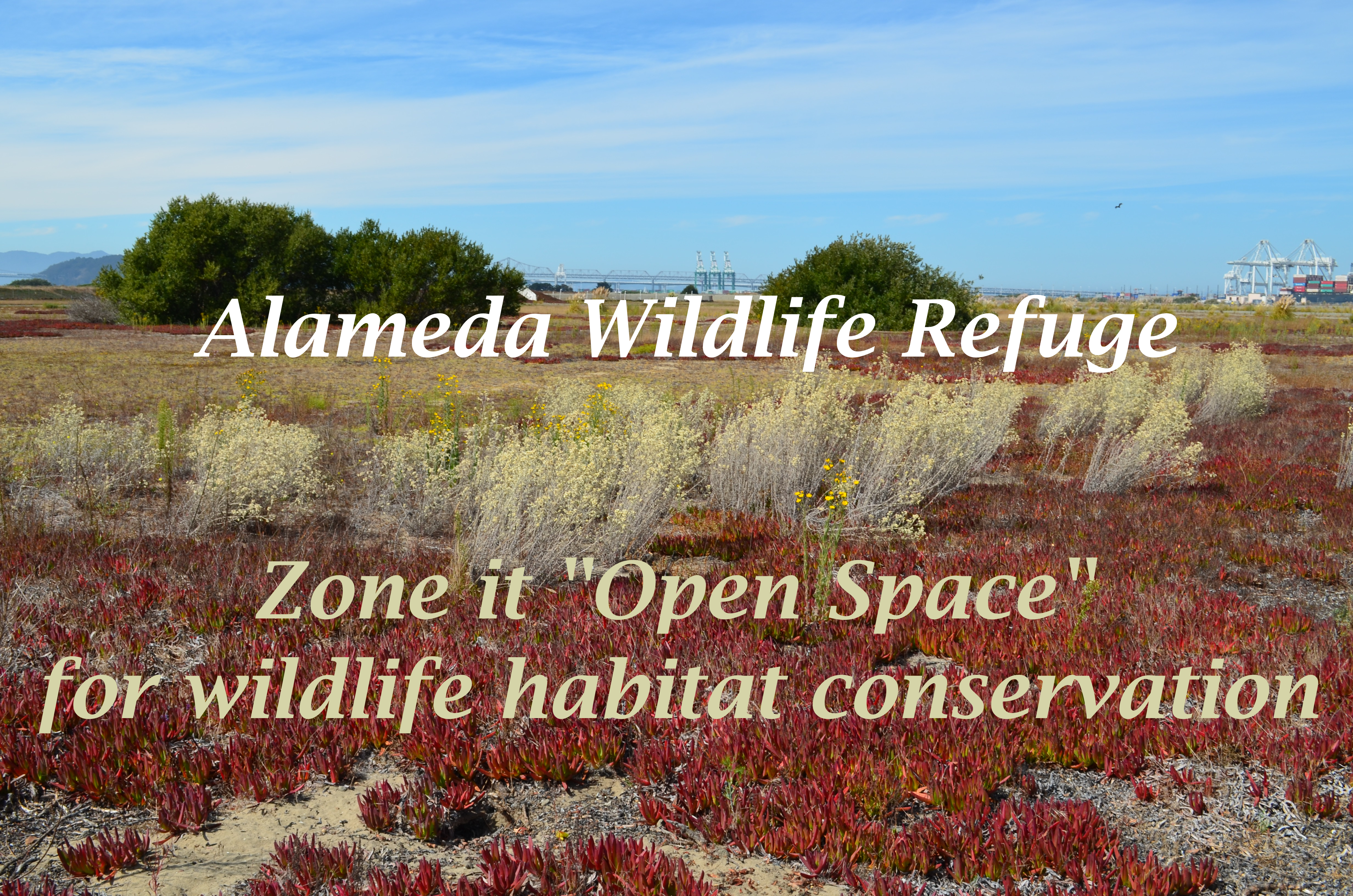
Zone the wildlife refuge “Open Space”

Below is the draft of a city council resolution that has been introduced to the council by councilmembers Stewart Chen and Tony Daysog.  It is on the council agenda for 7 PM, Tuesday, February 19, 2013.  The community is urged to attend and voice their opinion.  

The refuge has been home, harbor, and safe haven for many species, even during use as a military base.  As the property transitions to VA ownership, the protective status of “Open Space” and “Wildlife Refuge” should travel with it on into the future.  It is a rare piece of earth on the Bay that should be available for nature to reclaim.  Proper zoning will reflect the level of commitment we have toward environmental stewardship in an era of growing demands on ecosystems everywhere.

zone it open space

Draft – City Council Resolution

Resolution re-affirming support for creation of the Alameda Wildlife Refuge at Alameda Point

Whereas, the 1996 Community Reuse Plan identifies the southern two-thirds of the Naval Air Station-Alameda airfield for preservation as a wildlife refuge;

Whereas, the 1996 Community Reuse Plan stipulates that this area “would remain as open space to provide for the preservation of wetlands, sensitive species, and regional open space uses”;

Whereas, the City of Alameda General Plan was amended in 2003 to add Chapter 9 on Alameda Point, which includes support and encouragement for funding and implementation of the U.S. Fish and Wildlife Service’s Comprehensive Conservation Plan for the Alameda National Wildlife Refuge;

Whereas, the General Plan amendment supports “a system of trails that provide public access to and within the Wildlife Refuge” that balances natural conservation with public access and education;

Whereas, the General Plan amendment supports the creation of education facilities and programs, similar to other conservation areas such as the Elsie D. Roemer Bird Sanctuary;

Whereas, the wildlife refuge is home to one of the most successful nesting sites in California for the endangered California Least Tern;

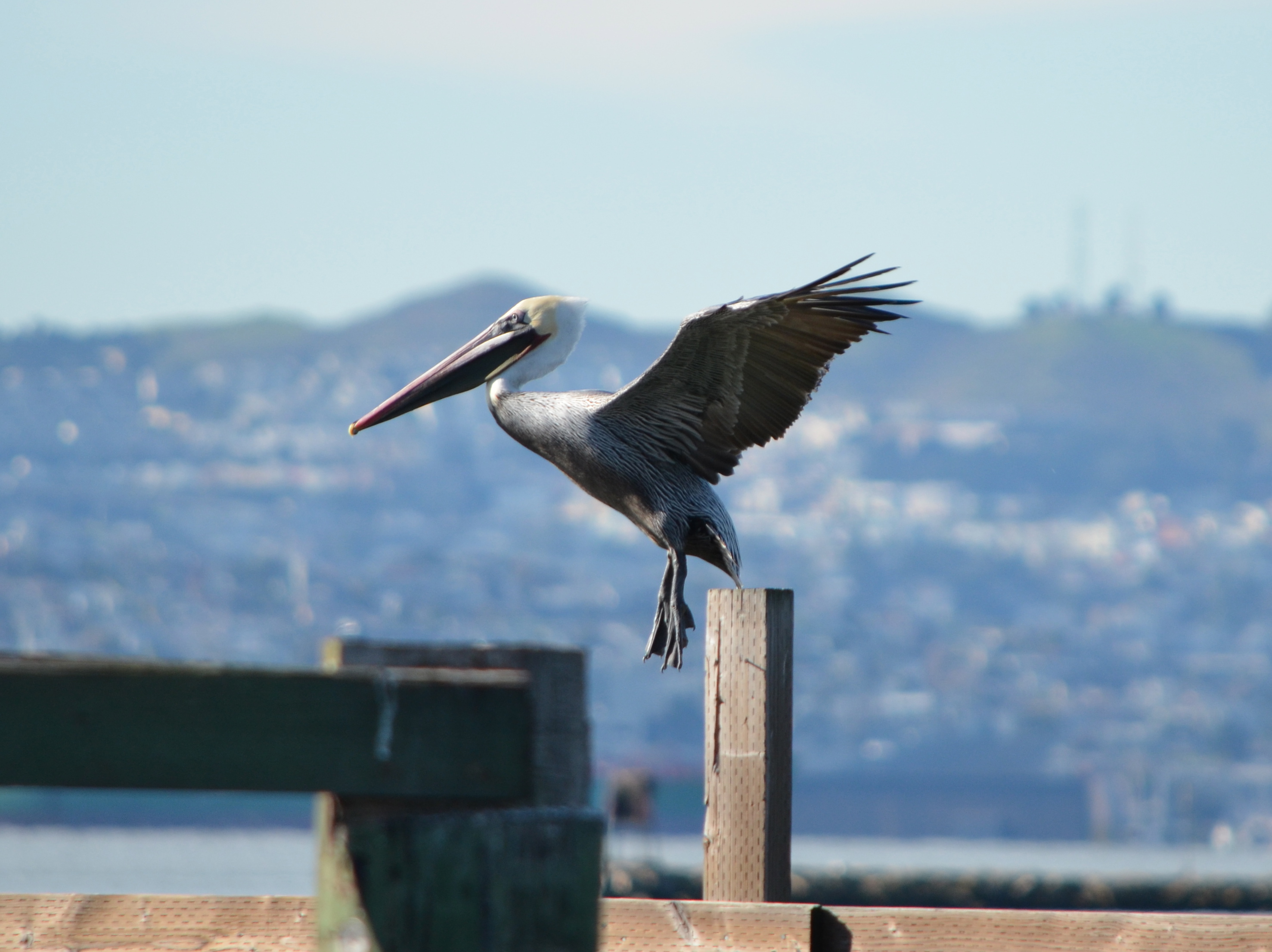
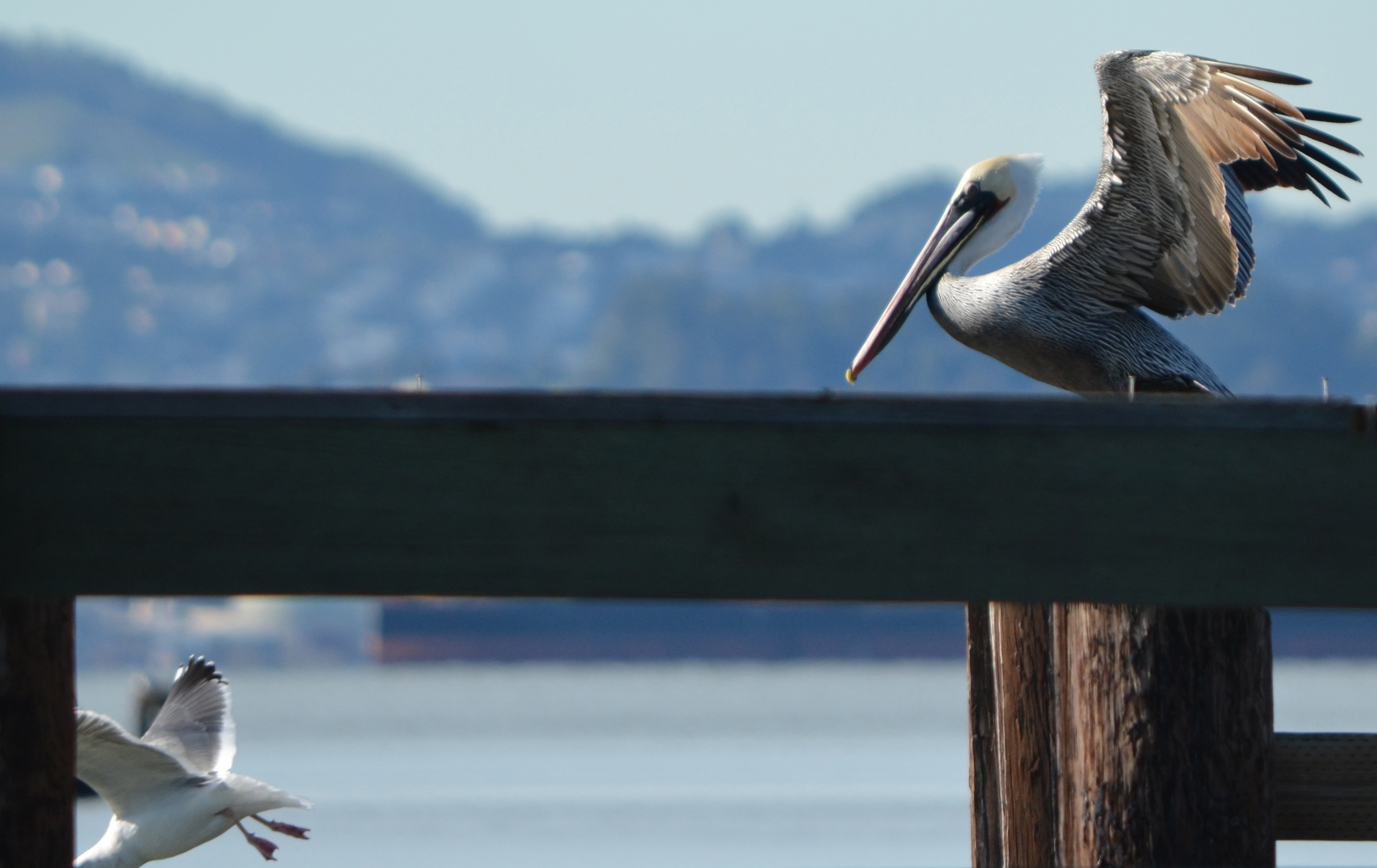
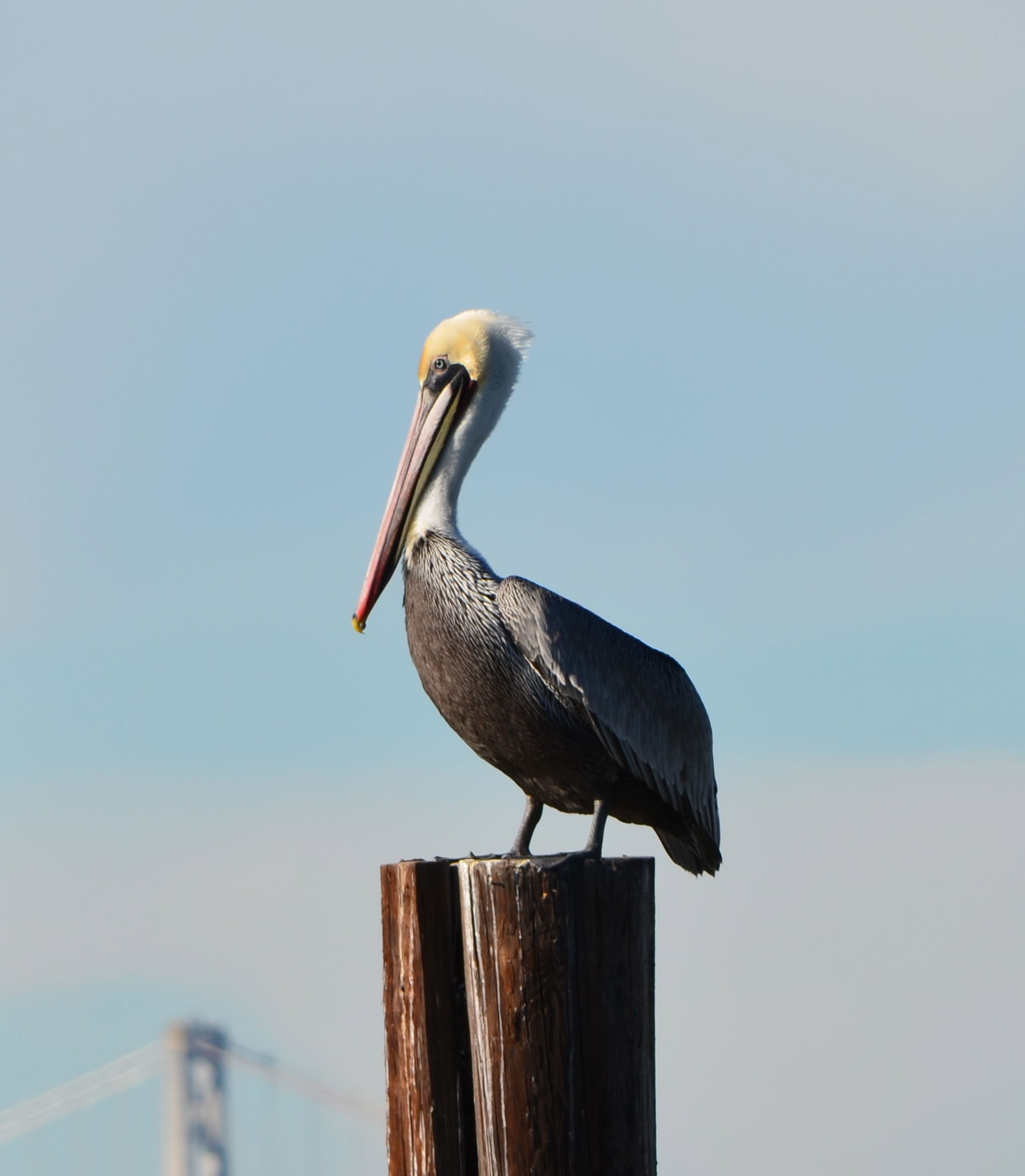
Whereas, Breakwater Island is part of the wildlife refuge vision in the 1996 Community Reuse Plan, and it is the only night roosting area of its kind in San Francisco Bay for California Brown Pelicans, which were only recently removed from the Endangered Species List;

Whereas, the wildlife refuge, and the entirety of Alameda Point and its adjacent waters, are subject to special restrictions for protection of the least terns by authority of the 2012 Biological Opinion issued by the US Fish & Wildlife Service, the responsible agency for enforcement of the Endangered Species Act;

Whereas, the 511-acre refuge area offers a rare and vast inner urban opportunity for public access and education, a respite and retreat from the built environment, introduction of native plant species, expansion of wetlands, and wildlife recovery and protection efforts;

Whereas, the Alameda Wildlife Refuge would complement the land uses contemplated for the mixed-use area of Alameda Point, as well as complementing the entire city and the Bay Area;

Whereas, numerous federal, state, and regional public agencies possess the experience and mission for collaboratively managing a wildlife conservation area;

Whereas, environmental cleanup and remediation will be completed by the Navy in compliance with federal and state environmental laws;

Whereas, ownership by the VA will ensure that potential environmental cleanup liabilities regarding the Site 2 landfill, and any other portion of the federal property, will be borne by the VA (unless retained by the Navy) regardless of the land uses;

Whereas, the wildlife refuge vision is compatible with, and complementary to, proposed plans for a VA clinic and columbarium;

Now be it therefore resolved:

          The City Council of the City of Alameda re-affirms our commitment to and support for the creation of a wildlife conservation area known as the Alameda Wildlife Refuge at Alameda Point;

          And be it further resolved that the adjacent waters of the Alameda Point Channel, and Breakwater Island, are to be included in the management plan for the refuge;

          And be it further resolved that the City Council of the City of Alameda will support the zoning of the wildlife refuge property as “Open Space with a Refuge Overlay,” or similar conservation zoning designation, to promote the protection and implementation of the values and goals recited in this resolution.

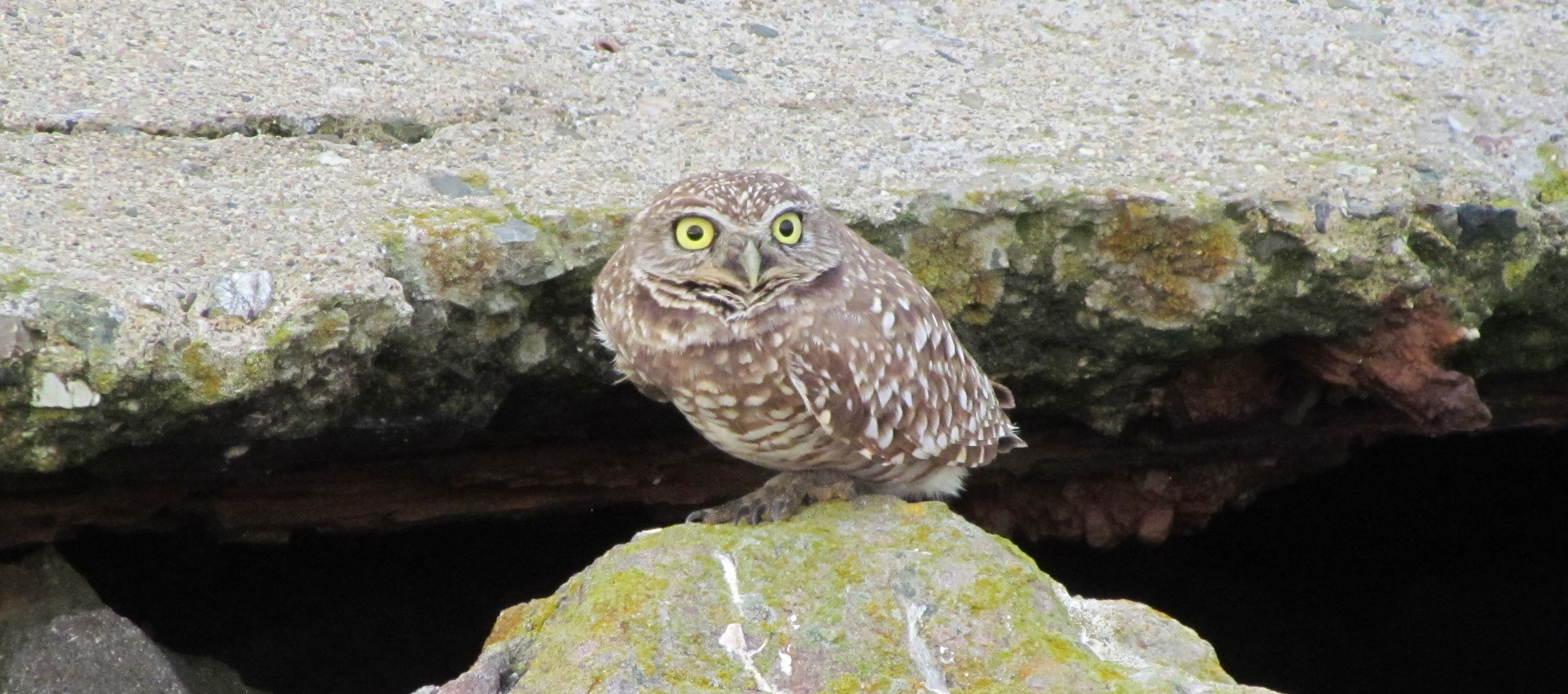
Burrowing owl on refuge.

Alameda Wildlife Refuge podcast

This interview with wildlife biologist Leora Feeney was done in 2008 as part of the San Francisco Bay Joint Venture’s “Your Wetlands” series.

Click hereor on image below, to access the podcast.

Your Wetlands podcast AWR

The only updates are that the Loggerhead Shrikes are no longer seen nesting on the western shoreline following cleanup work that was performed.  And the Harriers have not been seen nesting at Alameda Point in recent years.  

The refuge remains a unique wildlife habitat that deserves permanent protection.

Runway Wetland on southeastern corner of refuge.

Navy could shut down groundwater treatment at housing site

The Navy often hears calls to increase its environmental cleanup effort.  Now, the community and regulators are hearing a call from the Navy to eliminate one cleanup effort altogether.

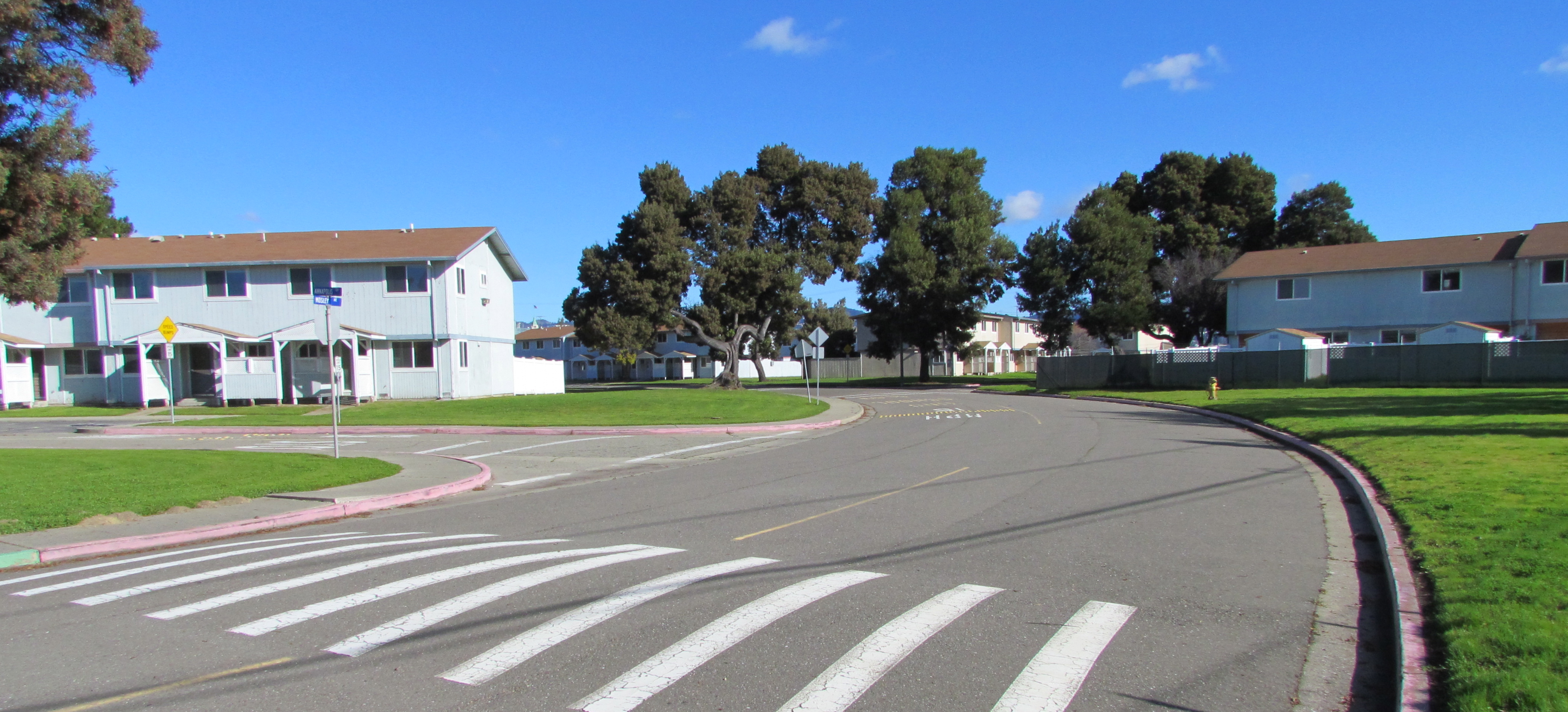
North Housing area next to Island High School where benzene plume is located.

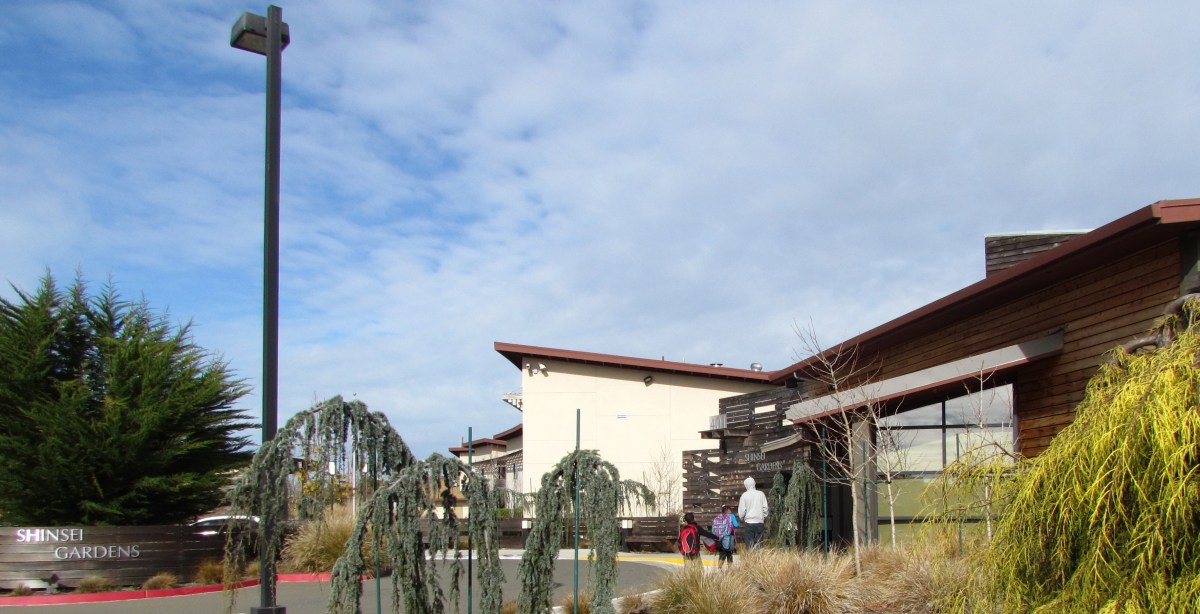
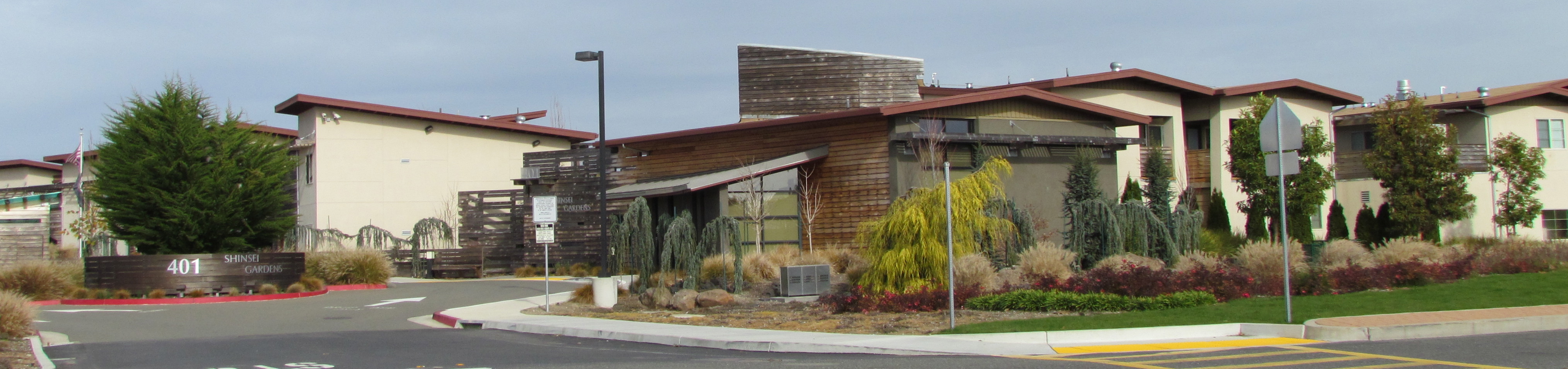
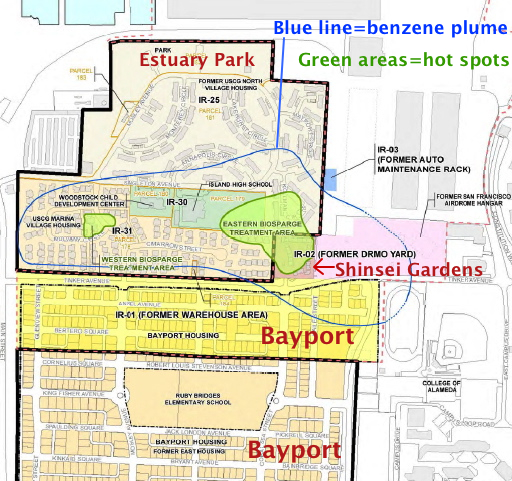
Since 2009, several acres of the area north of Bayport that includes the Shinsei Gardens affordable housing development, former Coast Guard and military housing, the closed Island High School, and the Woodstock Child Development Center have been undergoing groundwater treatment to eliminate hot spots of benzene and naphthalene vapors.  Shinsei Gardens also included special building slab engineering in its design as an extra precaution against vapor intrusion.  The Navy now says that its groundwater treatment system is unnecessary and should be shut down.

Shinsei Gardens
Shinsei Gardens

In a report issued in December 2012, the Navy said the underground vapor extraction system called biosparging is not making the area any safer for human habitation.  Biosparging is a form of bioremediation that uses air and oxygen injections to stimulate the growth of naturally occurring bacteria, which break down toxics.  In this case, the contamination is composed of waste material discharged from an Oakland coal gasification plant and an Alameda oil refinery that operated long before the area was filled in.  The contamination layer has been dubbed the Marsh Crust.

OU-5 map with plume & landmarks

The Navy’s report points to the initial studies in the area that showed no risk from vapors.  The only justification for the remediation in the first place was the limited risk of contact with water through non-potable uses, since drinking water will always be supplied by East Bay Municipal Utility District. 

Now the Navy says that even non-potable uses are impractical and off the table due to high levels of minerals such as salt.  With no way of coming in contact with water containing benzene and naphthalene, the Navy decided to review the data for vapor exposure and concluded there is plenty of evidence to turn off the pumps.  The biosparge system was designed to run for eight years in order to reach its cleanup goals.

The Navy’s December 2012 Technical Memorandum is seeking to amend the original cleanup decision — known as the Record of Decision (ROD) — for this cleanup area.  They will need the concurrence of the regulatory agencies:  the regional Water Board, state Department of Toxic Substances Control (DTSC), and the Environmental Protection Agency (EPA).  But the EPA and DTSC are not ready to agree without further testing. 

According to EPA’s Chris Lichens, “The Navy’s conclusions are not based on current data, site conditions, or investigation methods.  Before proceeding with a ROD Amendment,” he said, “the agencies would like the Navy to collect additional data to verify that vapor intrusion would not present a significant risk in the absence of biosparging.”  Lichens added, “Along those lines, EPA and DTSC jointly prepared recommendations for additional groundwater, soil vapor, and indoor air sampling and provided those recommendations to the Navy.  The Navy has not yet agreed to collect additional data, although we are still discussing it with them,” he said.

Originally published in the Alameda Sun.