Scouts join volunteer effort for least terns at Alameda Point

Boy Scouts and Cub Scouts were helpful in getting the least tern nesting area ready for the 2015 season.

Cub Scouts distributing oyster shells around the nesting area for the least terns.

Fifteen boys from Cub Scout Pack 1015 and three boys from Boy Scout Troop 73, along with 18 parent volunteers, came out to the least tern nesting area at Alameda Point on Sunday, April 12. They joined a dozen students from UC Berkeley’s Tau Beta Pi fraternity, and five students from Oakland School for the Arts’ Club Impact and Empowerment. The volunteers put out oyster shells and tern shelters, made fence repairs, and trimmed weeds. It was the final work party before the terns arrive later in April to begin nesting. 

Piles of oyster shells.  Two students mending plastic mesh fencing to keep chicks from wandering through the chain link fence.
Piles of oyster shells. Two students mending plastic mesh fencing to keep chicks from wandering through the chain link fence.

“The older boys in our Webelos Den have been studying the least tern as part of their Naturalist Badge where they study local birds who are endangered, as well studying the local ecosystem and wetlands,” said Dorinda von Stroheim, Bear Den Leader Pack 1015. “The younger scouts are working towards their World Conservation Award where the boys are encouraged to ‘think globally’ and ‘act locally.’”

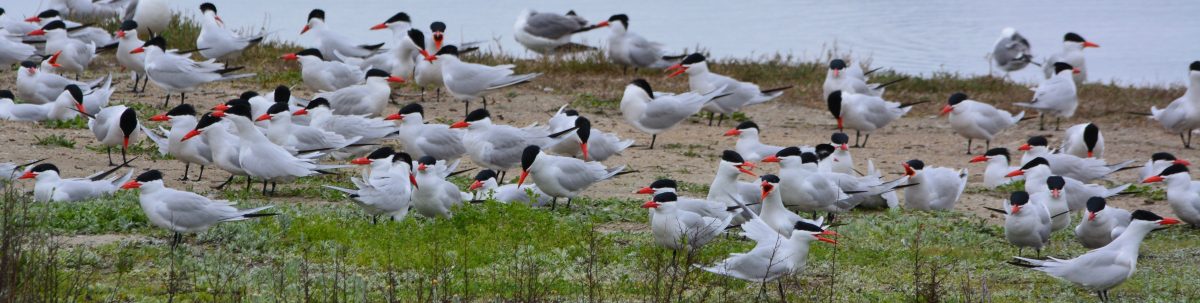
Least tern adult with chick sitting in a depression in the sand in 2014.

When asked what they liked most about their day of volunteering, Dash, age 9, said, “Digging up all the weeds! We did a lot of work but that part was fun!” Will, age 8, said, “I liked putting out the oyster shells the best because the little baby birds will now be protected. Also we saw a big spider!” They also saw some crickets and fence lizards.

The oyster shells are similar in color to a tern chick and make it harder for flying predators to spot them, especially if the chicks hunker down under the flanks of a larger shell. A-frame wooden shelters and terracotta drain tiles also provide shelter from predators and from the sun.

Scouts loading oyster shells

By mid-June, the 9.6-acre sand-covered site could be humming with activity with as many as 300 chicks scampering around waiting for food to arrive. The adults dive for small fish in nearby waters from Alameda Point to Crab Cove.

“The boys felt a big sense of accomplishment being part of the conservation project in April,” said von Stroheim. “It was great to see how even these young boys age 8-12 could contribute in a meaningful way to the work. The parents also enjoyed getting to be part of such an important Alameda project.” The Elks Lodge in Alameda sponsors Cub Scout Pack 1015.

The public will have an opportunity to visit the site on Saturday, June 20. The annual Return of the Terns bus tours leave from the Crab Cove Visitor Center on McKay Avenue following a presentation. Tour times are 11 am, 12:15, and 1:30.

Registration is required via the East Bay Regional Park District’s website. The cost is $11 for adults or $9 for youth (over 8 years).  The tours are co-sponsored by the East Bay Regional Park District and Golden Gate Audubon Society.

Published in the Alameda Sun.

Picking up oyster shells.
Volunteers at work.  Looking south.
Volunteers at work. Looking south.
The view toward San Francisco at the start of the volunteer work day.  Lettered and number cinder blocks are used to record nesting activity by a grid system.  Tiles and A-frames were spread around the site for use as shelters.
The view toward San Francisco at the start of the volunteer work day. Lettered and number cinder blocks are used to record nesting activity by a grid system. Tiles and A-frames were spread around the site for use as shelters.
UC Berkeley students trimming tall pampas grass near the nesting site.

City blocks car access to Alameda Point waterfront

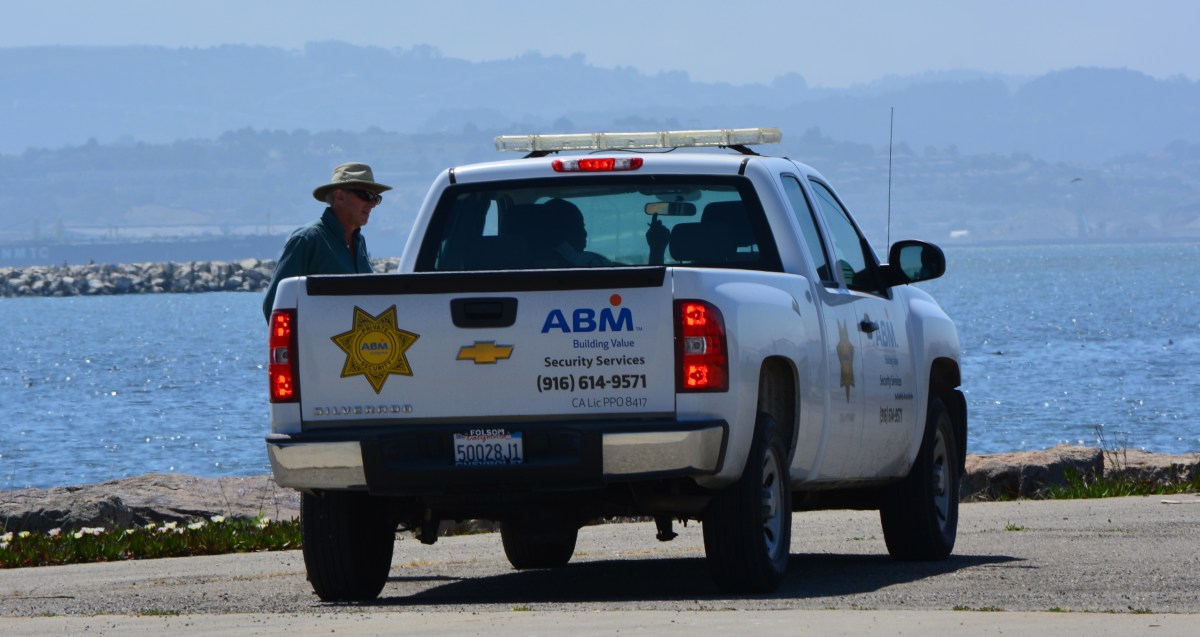
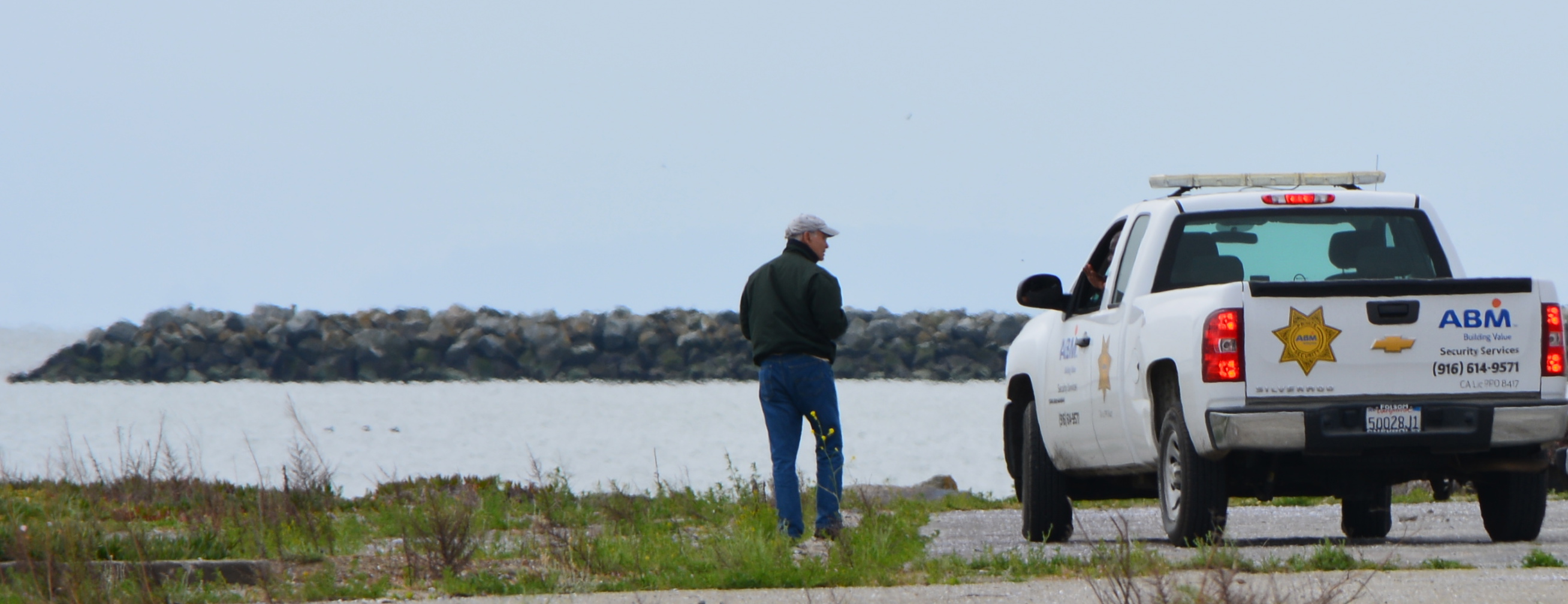
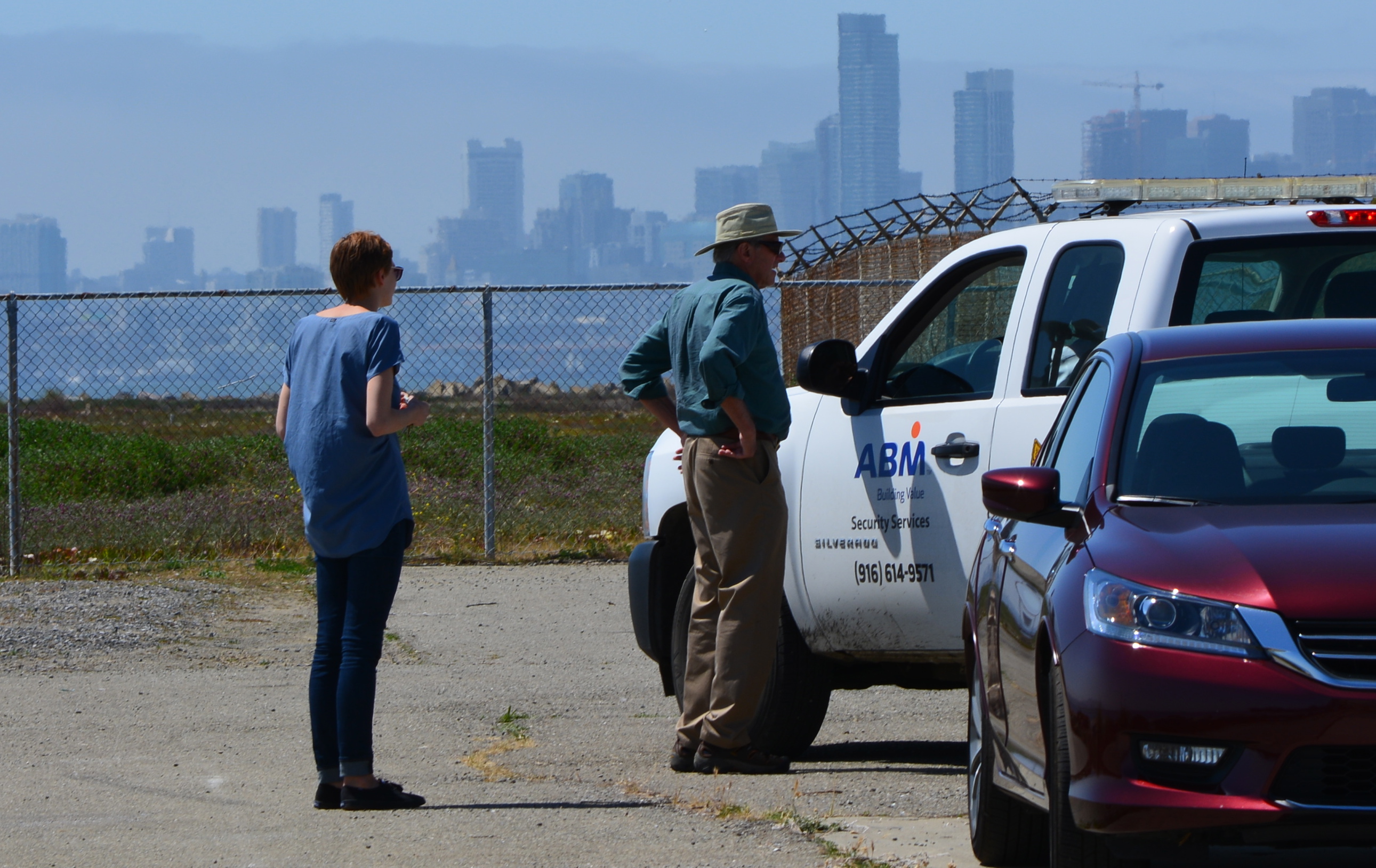
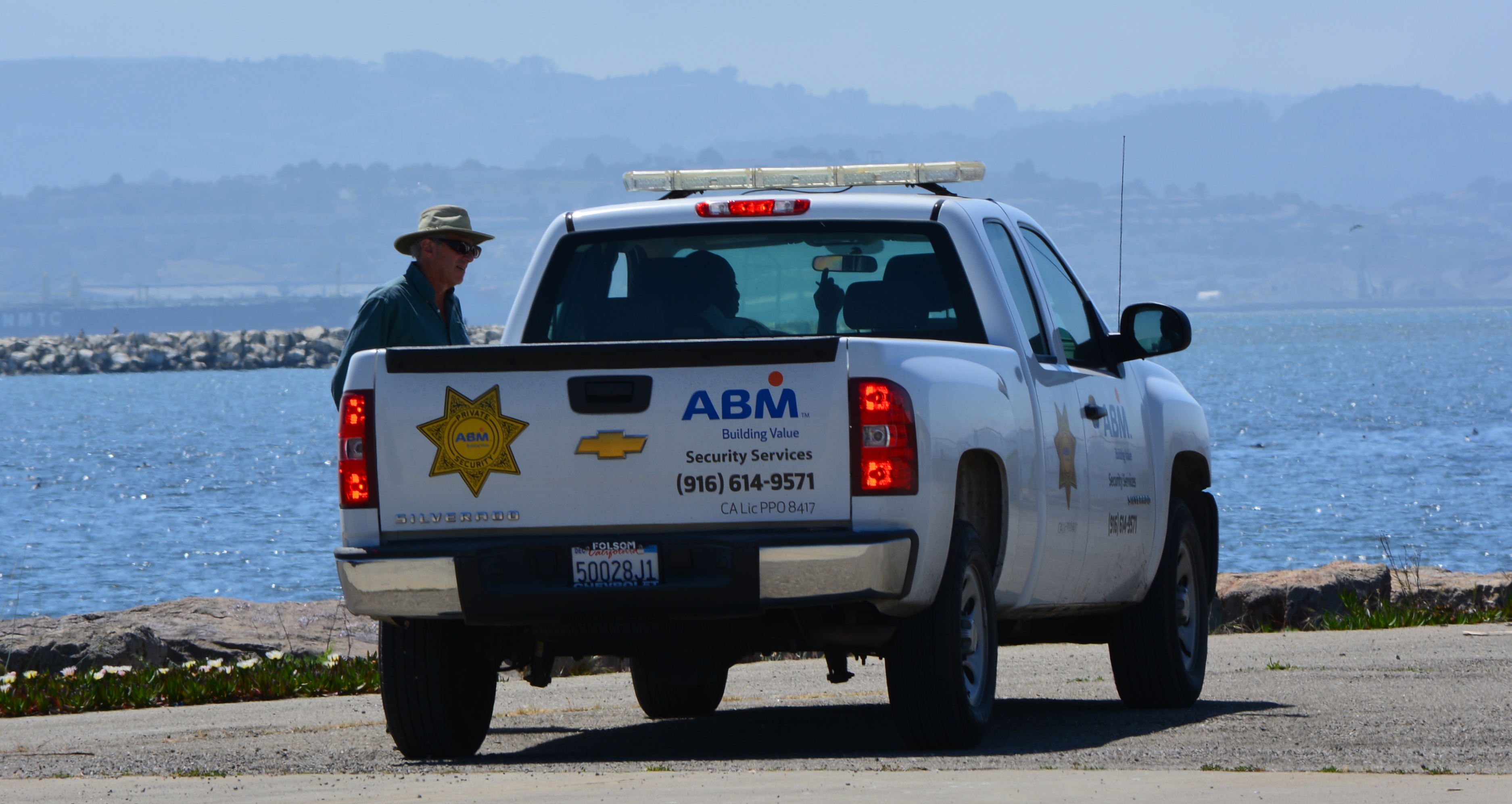
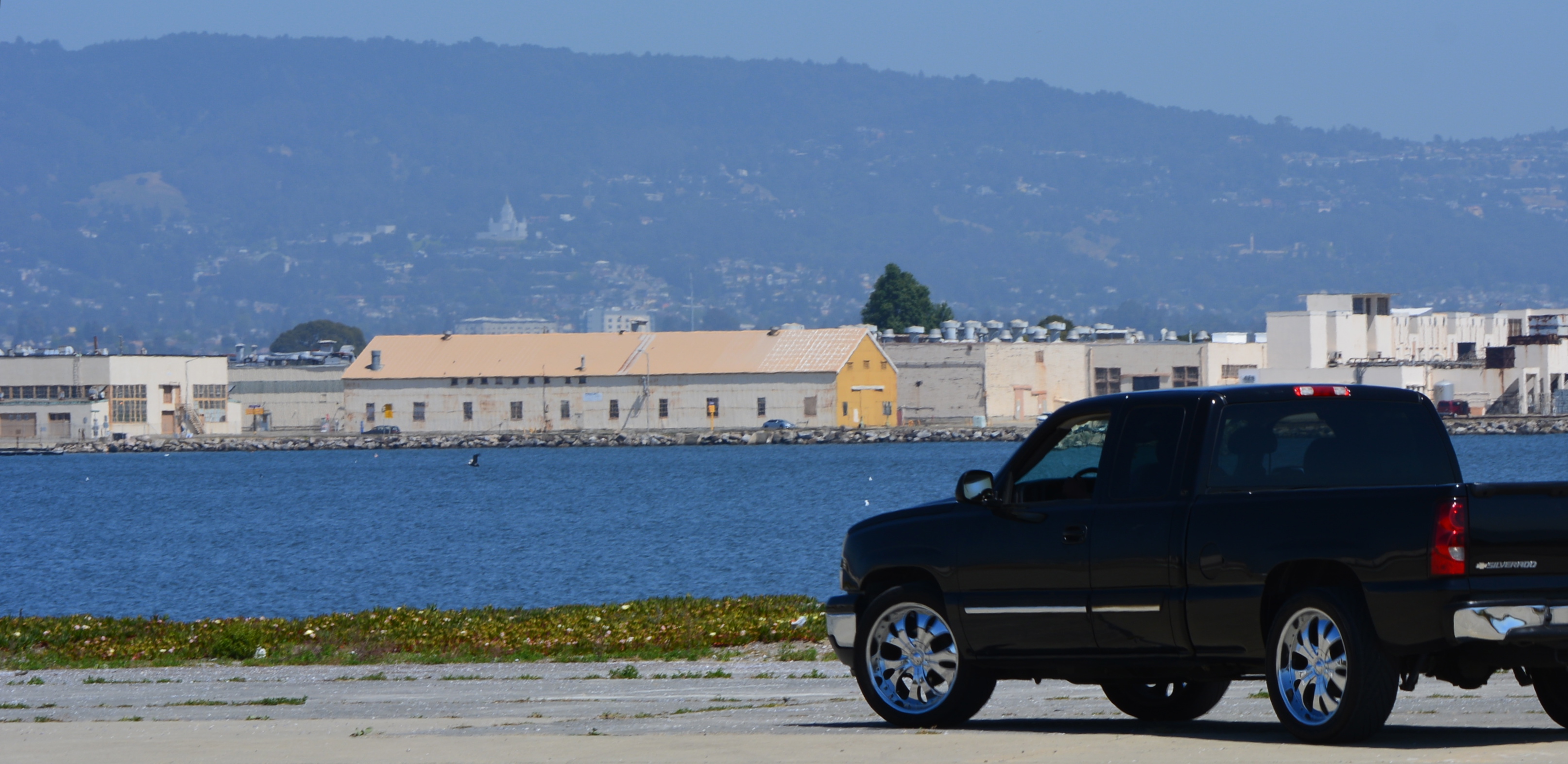
On Sunday, April 19, Vice Mayor Frank Matarrese drove to the shoreline on the west side of the Seaplane Lagoon, and within minutes of arrival he was ordered to leave the area by Alameda Point security. He was not alone. Anyone visiting the area, which is designated as a future naturalized park on planning maps, was subject to the same experience.

Alameda Vice Mayor Frank Matarrese being ordered to leave the shoreline of Alameda Point by Alameda Point security on Sunday, April 19, 2015.

The Navy temporarily restricted public access to the area over the last few years because of environmental cleanup, but removed its fencing in mid-March allowing the public to once again visit the waterfront.

Nanette Mocanu, the city’s Economic Development Division Manager, explained that the city immediately re-established the no public access rule because of a case of illegal dumping and evidence of car “side show” activity. “We will be installing our own fencing that will prevent car traffic to the area, except for the tenants,” said Mocanu.  “There will be a pedestrian gate to allow people to walk along the waterfront area.”  

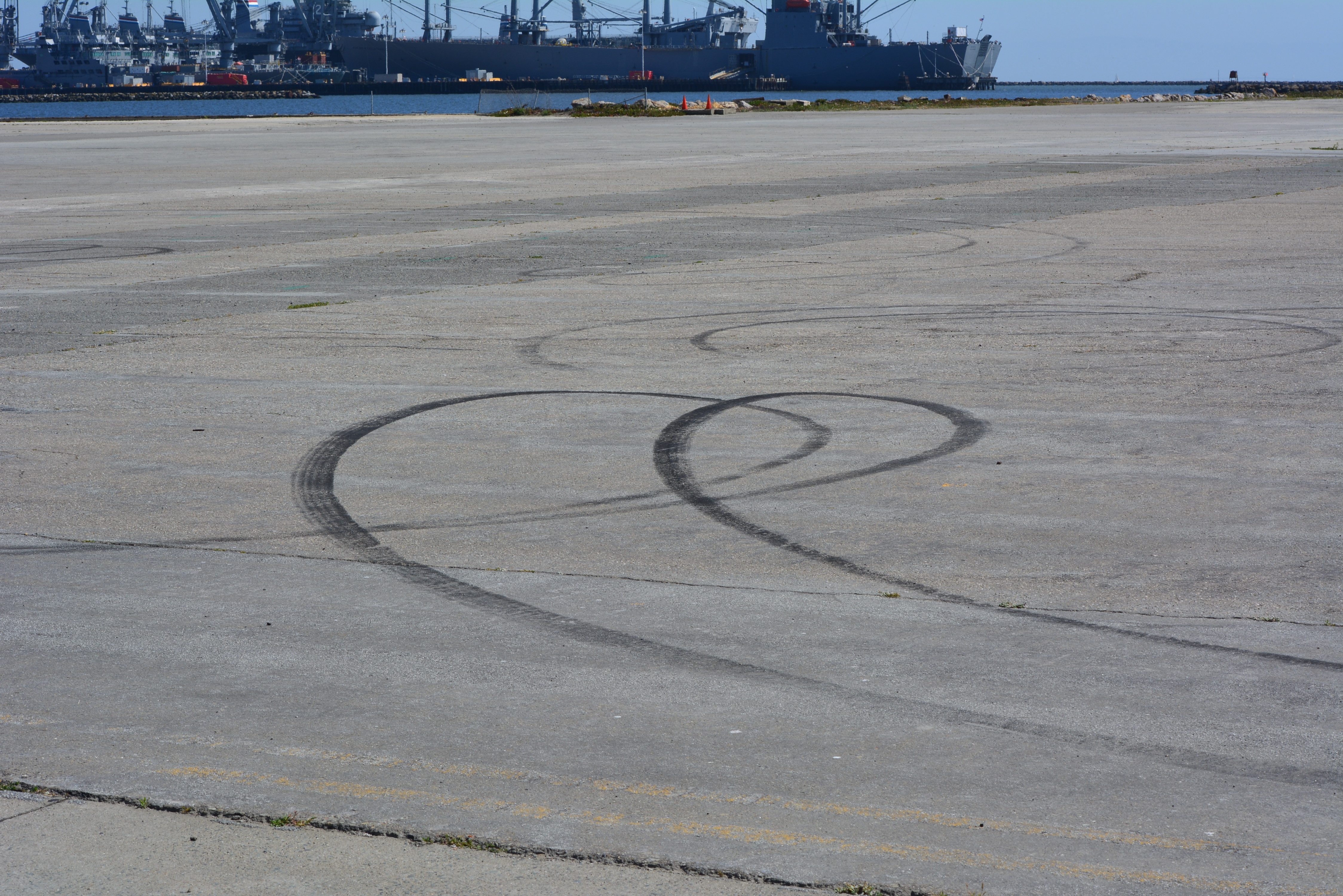
Car tire tracks at Seaplane LagoonAn investigation of the tarmac area revealed a few tire tracks, but otherwise it was clean. Similar displays of tire tracks from “side show” activities appear prominently throughout Alameda Point. Illegal dumping has been a problem at the former Naval Air Station since its closure, concentrated mainly in abandoned housing areas, not on the tarmac.  

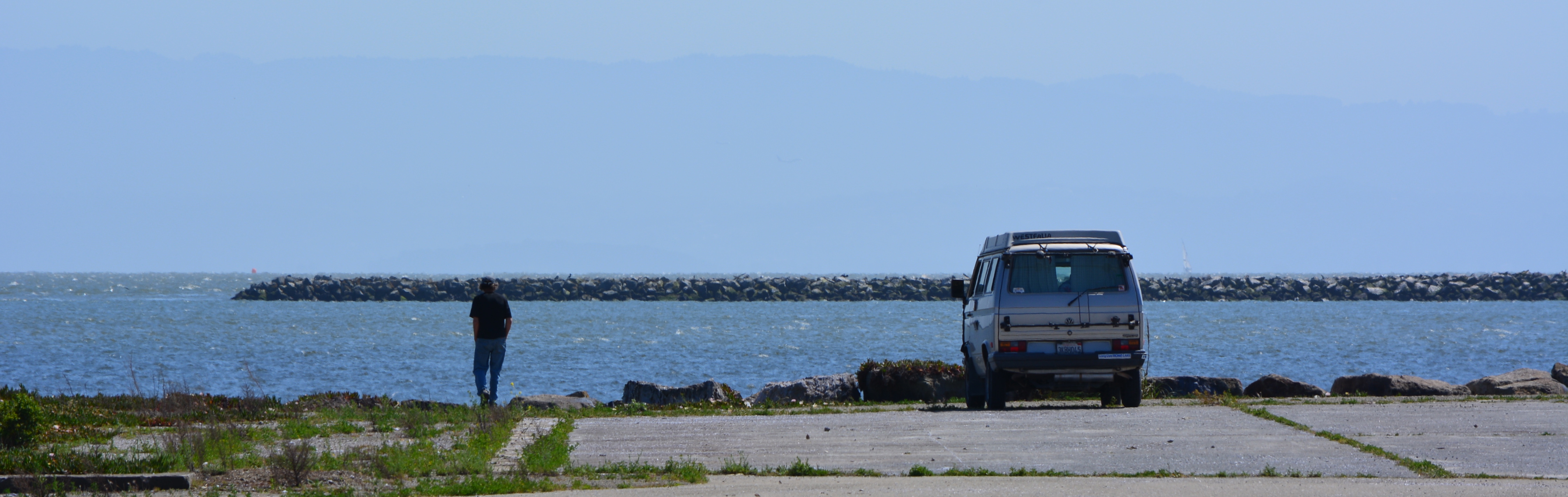
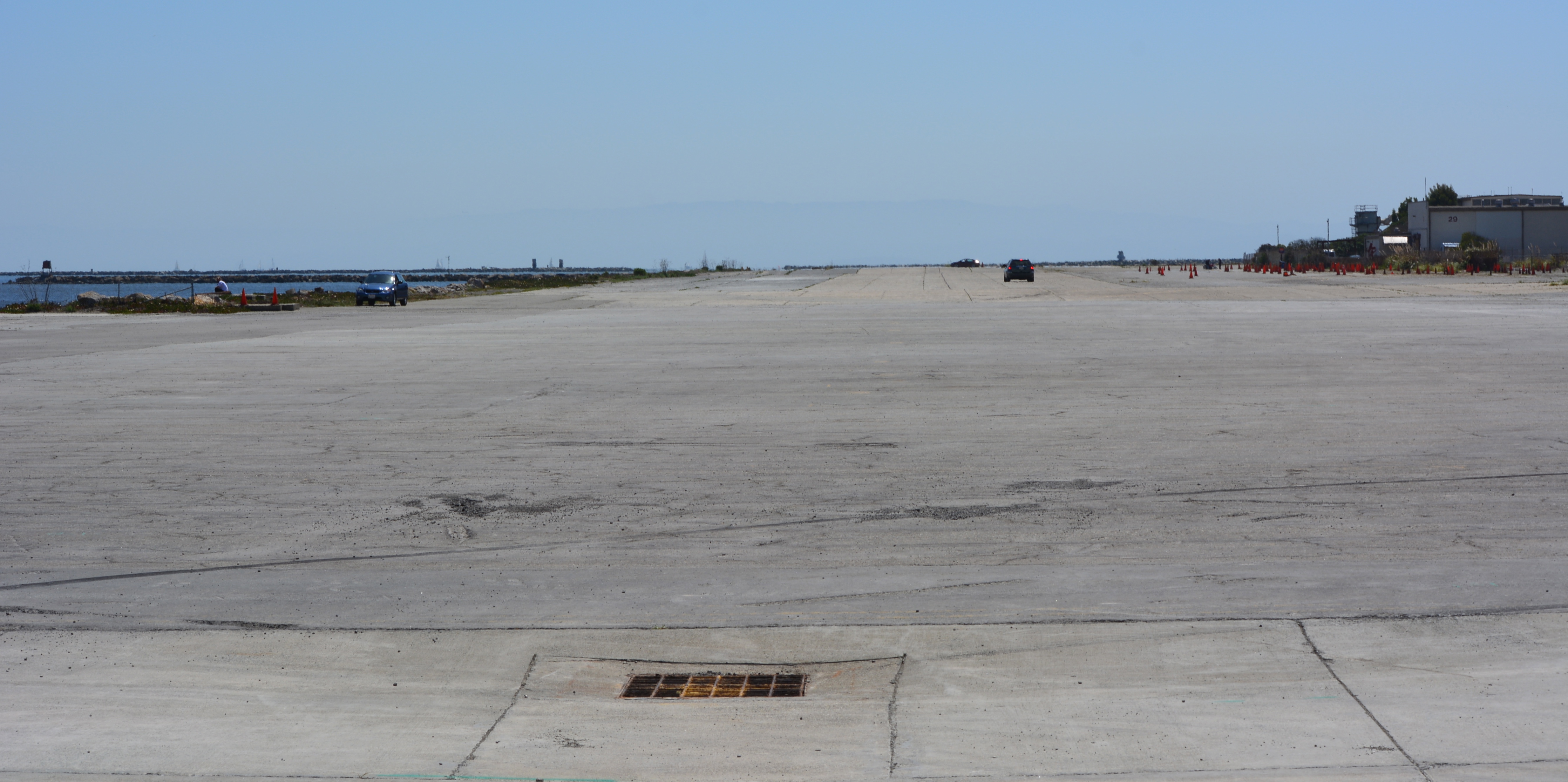
Most visitors to the area have one destination in mind, the southern shoreline facing San Francisco Bay. They are usually there for only short periods of time. Under the city’s car restrictions, visitors arriving in cars will have to walk four tenths of a mile across a paved landscape to arrive at the Bay shoreline. Access will be limited to those with the desire and mobility to make the trek out to the shoreline vista point.

Car visitors to shoreline

Matarrese was not pleased with the city’s plan to restrict the area. “I do think there is a better way, like opening and closing the gate at sunrise and sunset, since the guard is out there anyway,” said Matarrese. “I’d even be able to live with the stated restrictions if it meant a concerted effort, with a plan and a timeline, to build the park described in the waterfront plan adopted last year.”

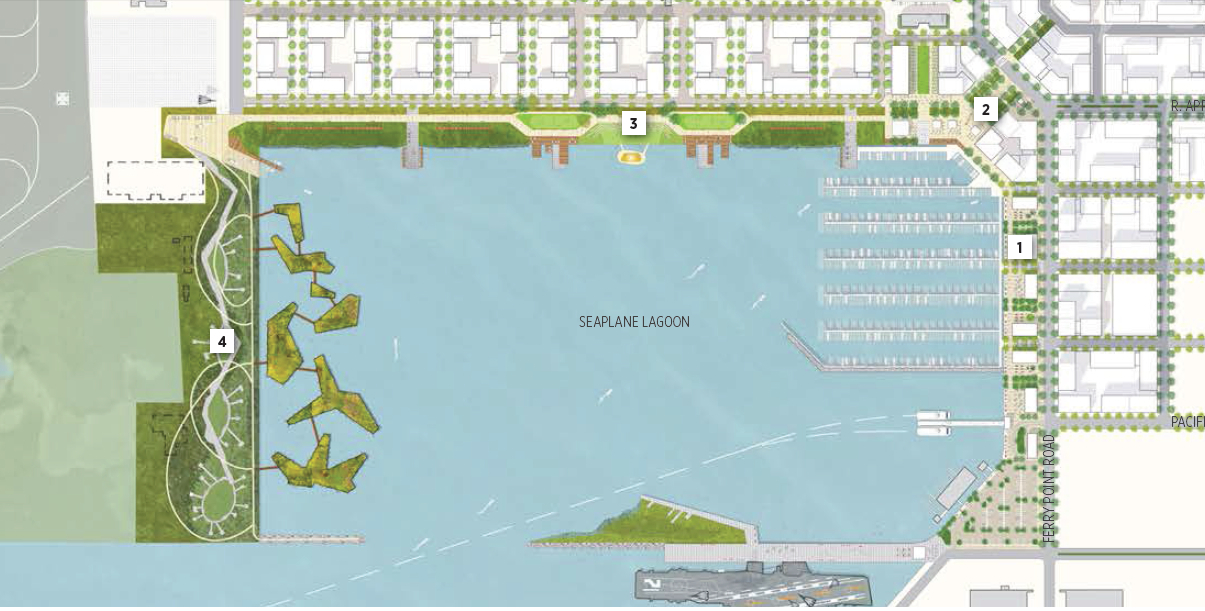
The Town Center and Waterfront Precise Plan, approved by the city council in July 2014, calls for the western side of the Seaplane Lagoon to become “a park for visitors to enjoy nature and appreciate ecologically rich constructed habitat areas.” Referred to as De-Pave Park, it “combines a proactive ecological agenda with a compelling visitor experience by placing a picnic, camping and interpretive program within a large scale sustainable landscape,” states the plan. “The landscape strategy is to transform this vast paved area into a thriving ecology by removing the paving and nurturing ecological succession.”

Published in the Alameda Sun.
Waterfront plan showing proposed natural park on west side (left) of Seaplane Lagoon.
The distance to walk to the Bay shoreline from the gate, at the west side of Seaplane Lagoon, looking south.
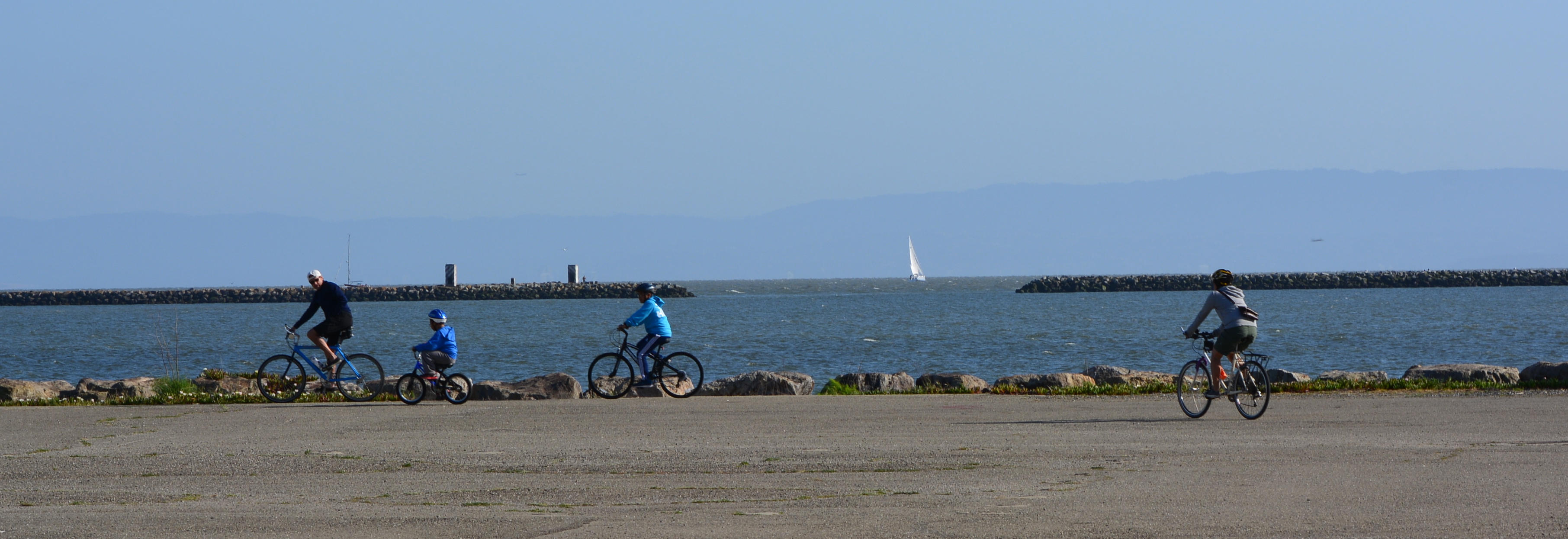
Family bicycling to the shoreline on west side of Seaplane Lagoon.

Cyclists on the shoreline

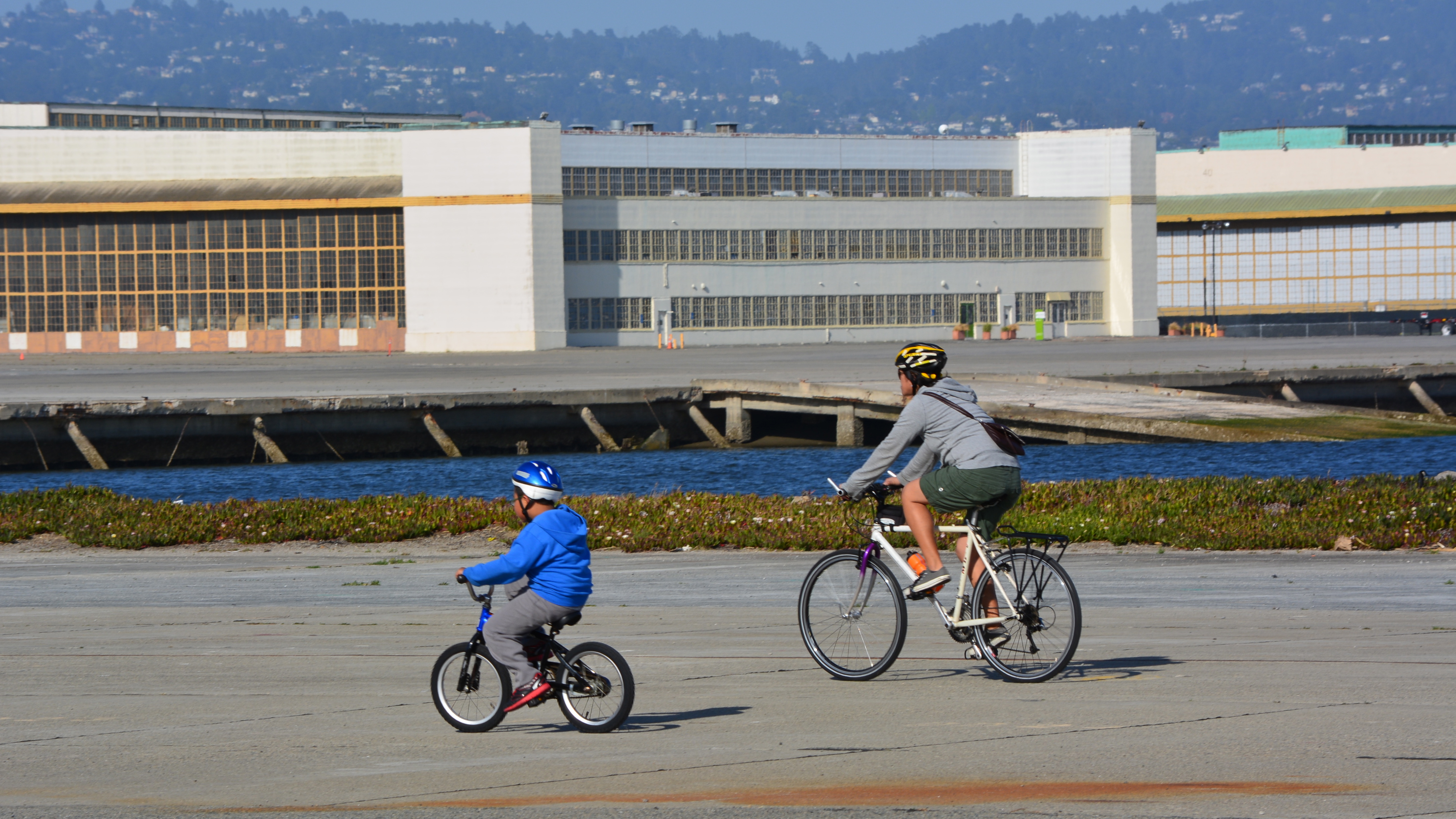
Mother and son cycling on west side of Seaplane Lagoon.
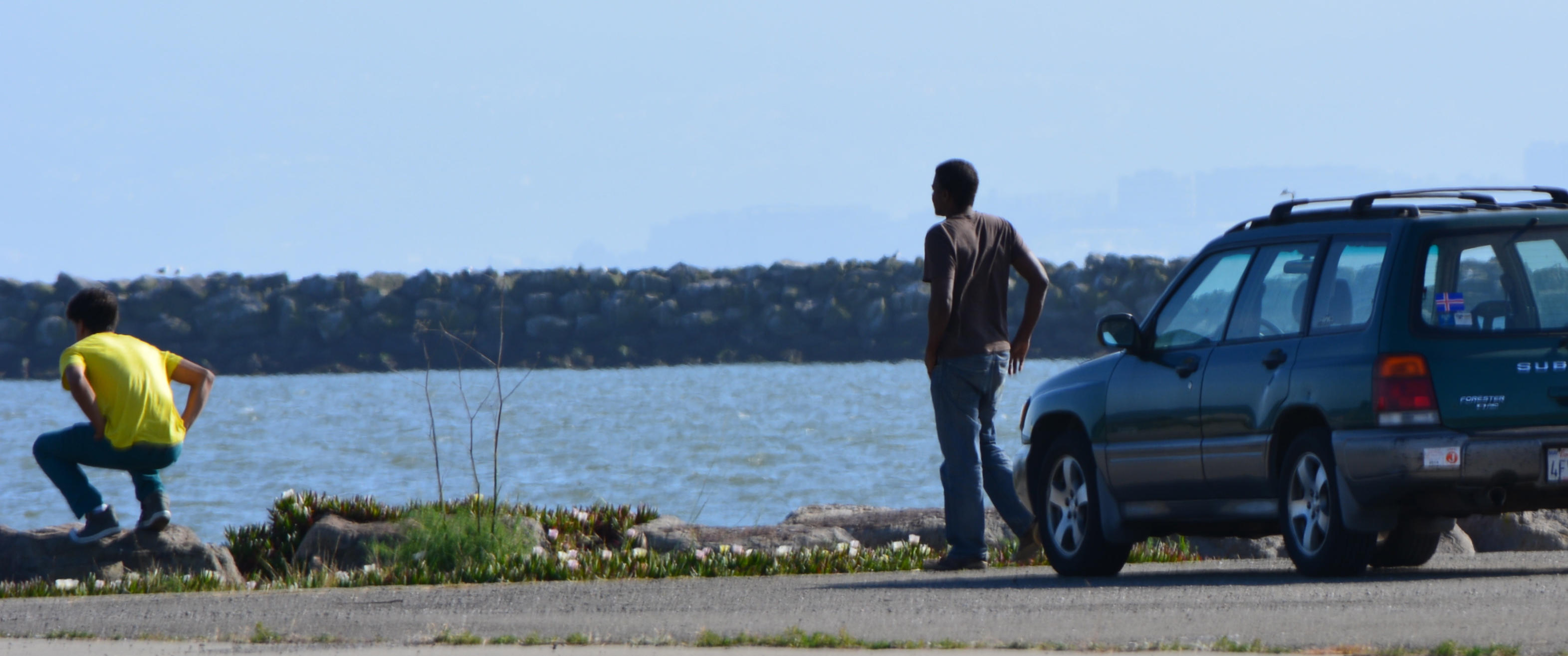
Two visitors to west side of Seaplane Lagoon shoreline being ordered to leave by security.
Security guard telling car driver and his friend they had to leave.
This driver was approached by security shortly after photo was taken as he was leaving.

Vista Point

Rehab falters at historical Bachelor Enlisted Quarters

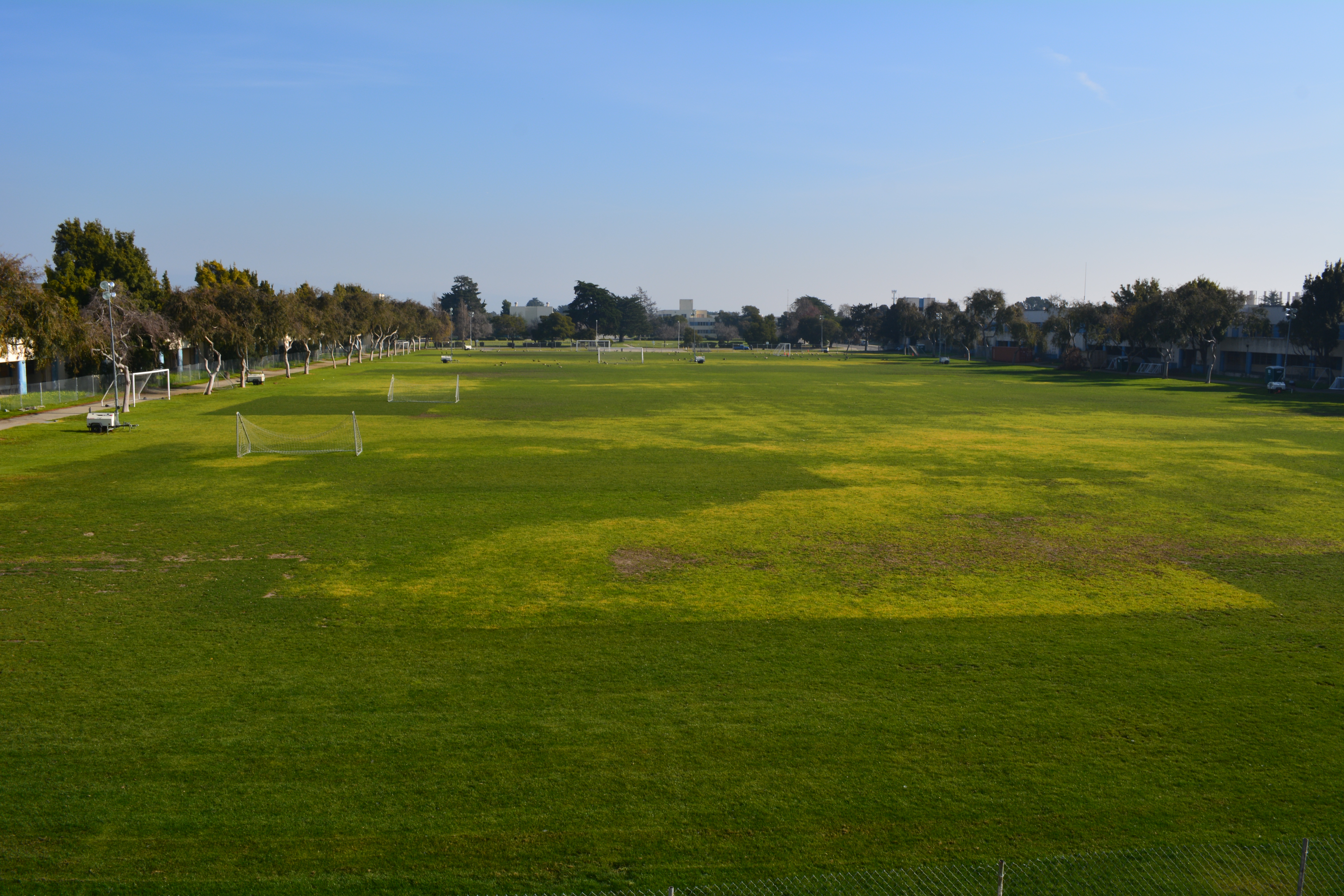
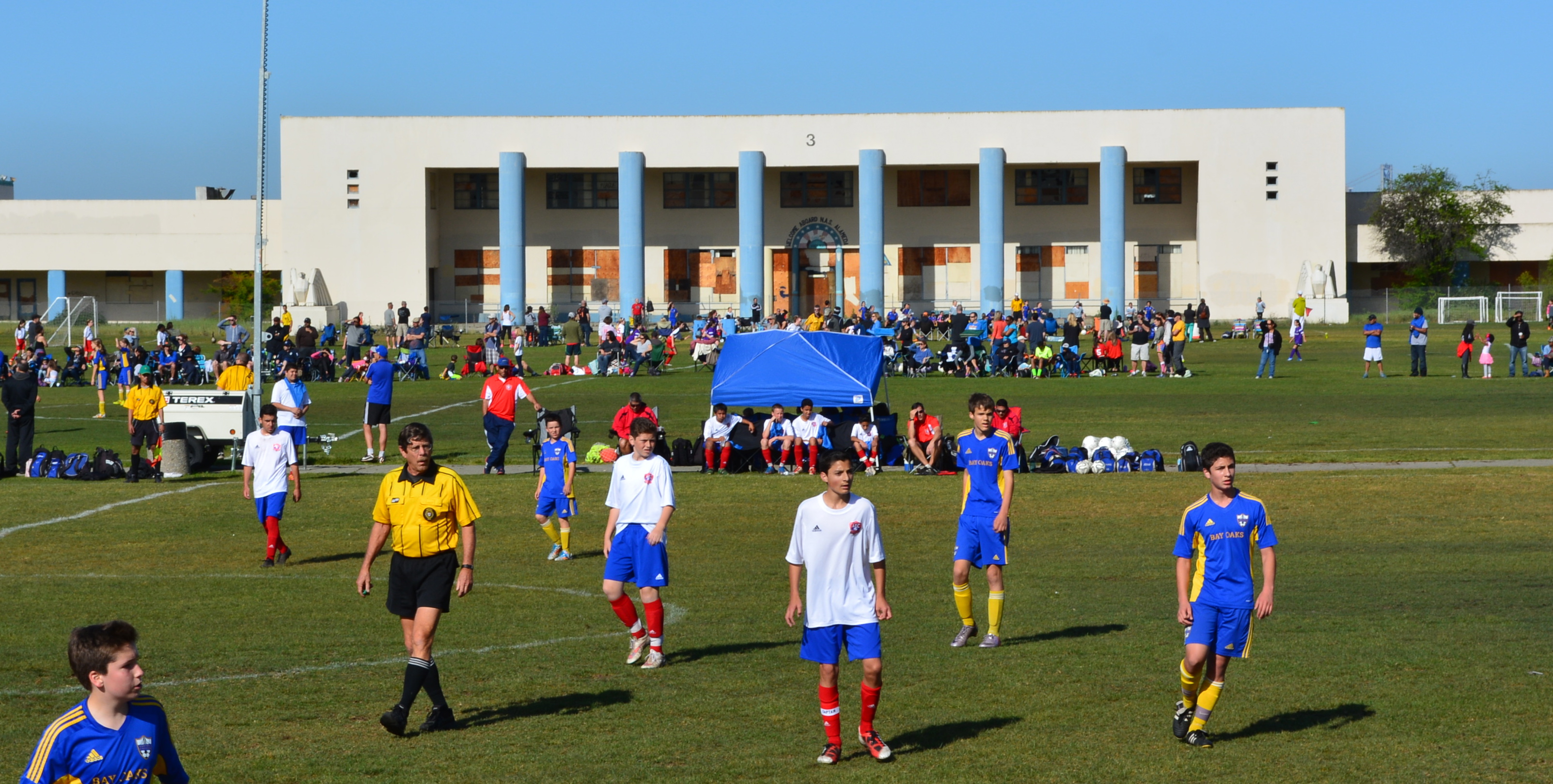
Outdoor soccer activities thrive in the field outside the Bachelor Enlisted Quarters (BEQ) on Lexington Street at Alameda Point. Unfortunately, potential indoor activities languish for lack of a viable business plan.

Soccer game on BEQ Quadrangle at Alameda Point.

Negotiations for converting the BEQ to an international boarding school and a senior assisted living facility ended on January 31, 2015, without a deal. The city council had authorized a six-month exclusive negotiating agreement with developer Alameda United Commercial (AUC) in August of 2014. The developer sought to purchase 20 acres that includes the U-shaped three-building complex, but not the quadrangle lawn area in the middle used by soccer teams.

Despite a favorable staff recommendation to the Planning Board in December to approve the Development Plan for the project, agreement on terms of the deal could not be reached.

The international school (K-12) would have offered boarding for students in junior high and older, commercial offices, an assisted senior living facility, and recreation and dining amenities. The developer proposed landscaping upgrades, 500 bike racks and up to 1,000 parking spaces. “The uses of the site will provide financial support to expand transit services to Alameda Point and the users of the property,” stated city planner Andrew Thomas.

The proposed deal called for the city to receive $7.76 million that would have remained dedicated to Alameda Point. In addition, the developer was going to provide roadway, sidewalk, bike lane and utility infrastructure upgrades to the surrounding four streets totaling $20 million, according to a letter to the city from AUC’s Salvatore Caruso.

South side of BEQ with West Midway Avenue on the right.

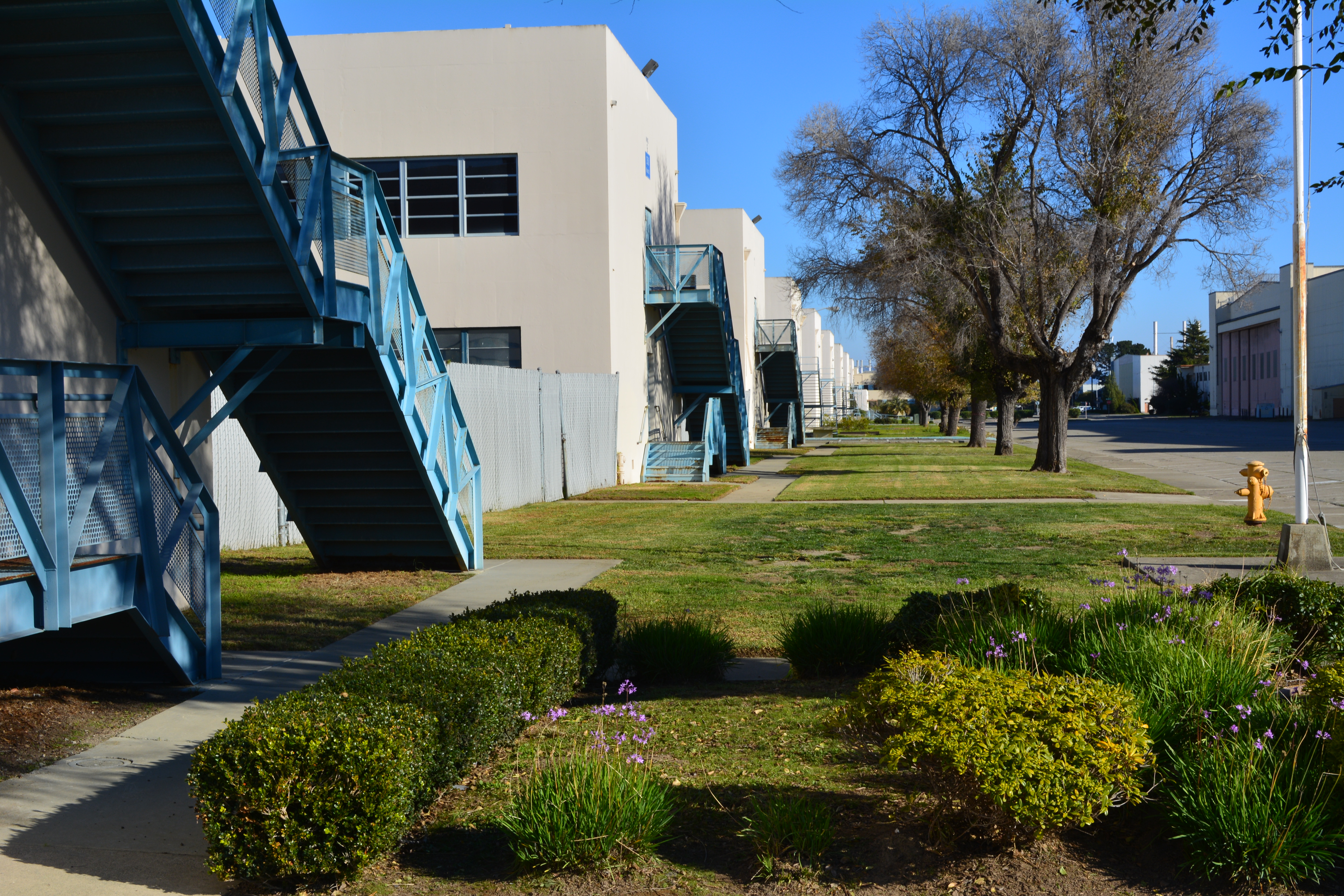
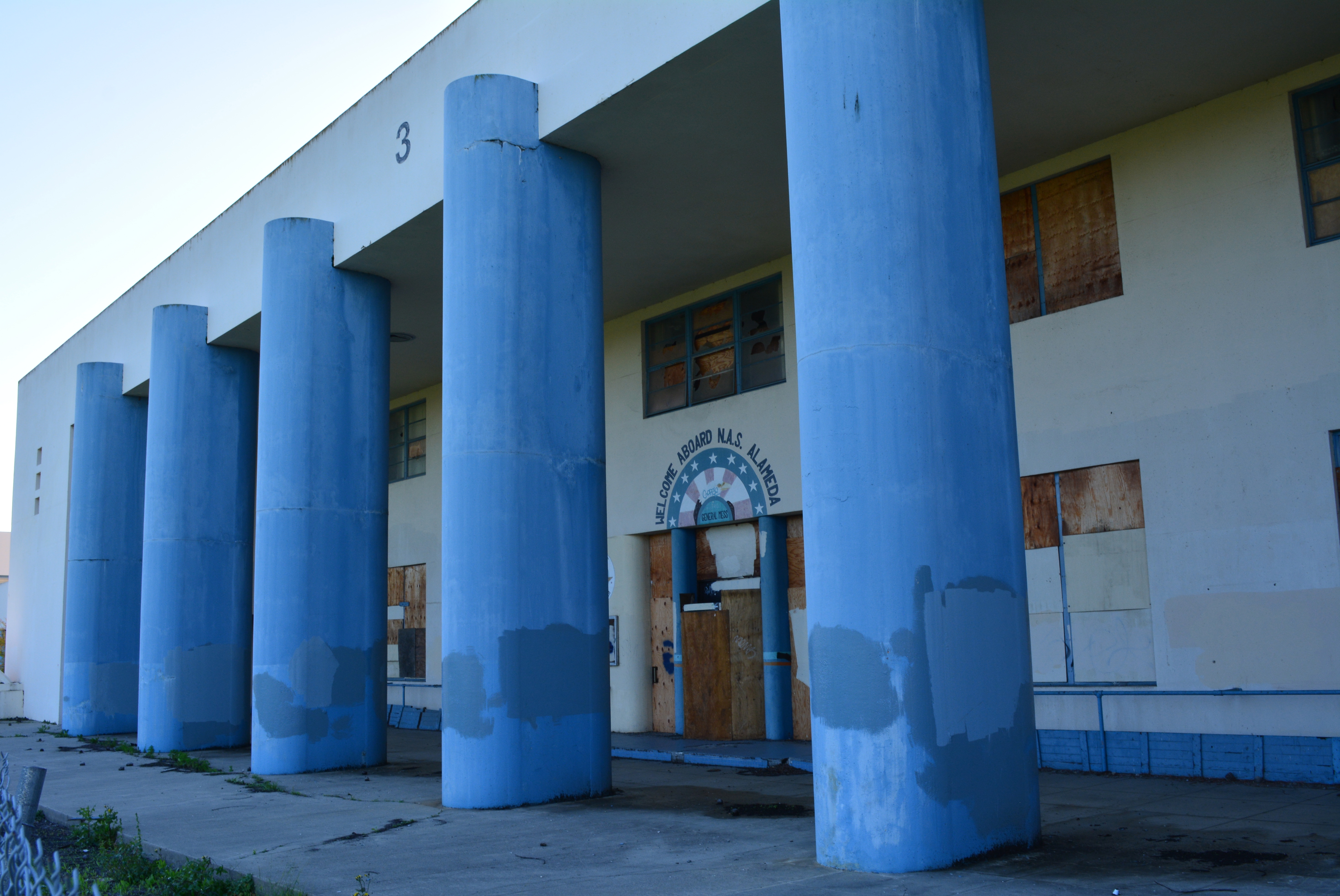
The BEQ complex, with a 518,219-square-foot building footprint, is one of the most important contributing sites to the Naval Air Station Historic District. The U.S. Navy constructed the complex in 1940 to provide facilities for the boarding, dining and recreating of enlisted men. The architectural style of the complex is known as “Moderne” and is a unifying design theme of the Historic District.

BEQ Mess Hall

“The City remains very interested in developing the BEQ and believes firmly that it has the potential to be a flagship development in Alameda Point,” said Jennifer Ott, Chief Operating Officer for Alameda Point. “We will be open to any proposals that come our way in the future.”

Meanwhile, the four soccer fields on the BEQ Quadrangle that are leased to the Alameda Soccer Club are booked solid on weekends by as many as 100 East Bay soccer teams that the club is affiliated with. The soccer club funded the replacement of various lawn sections and general lawn refurbishment last year as part of their lease agreement.

BEQ Quadrangle

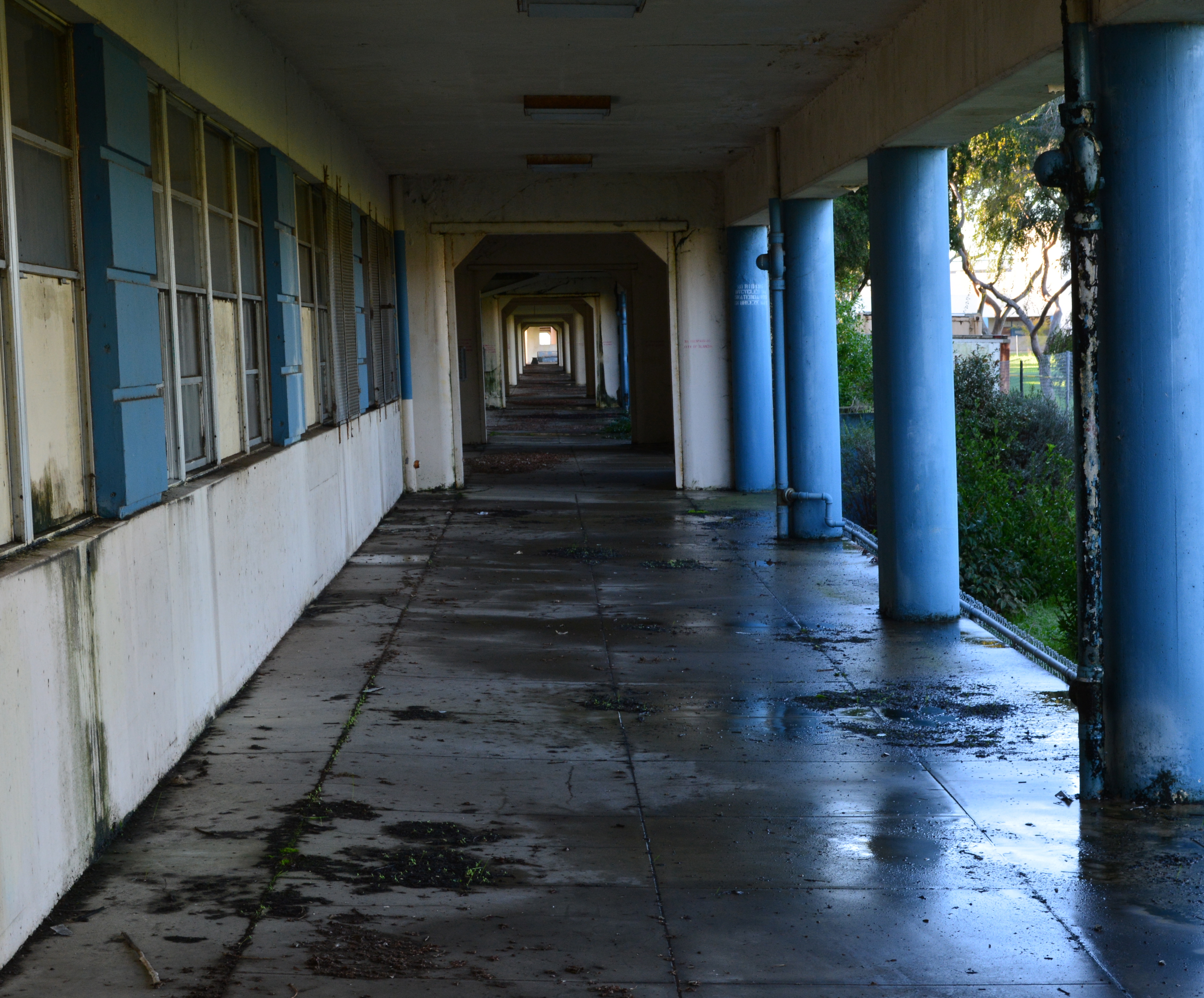
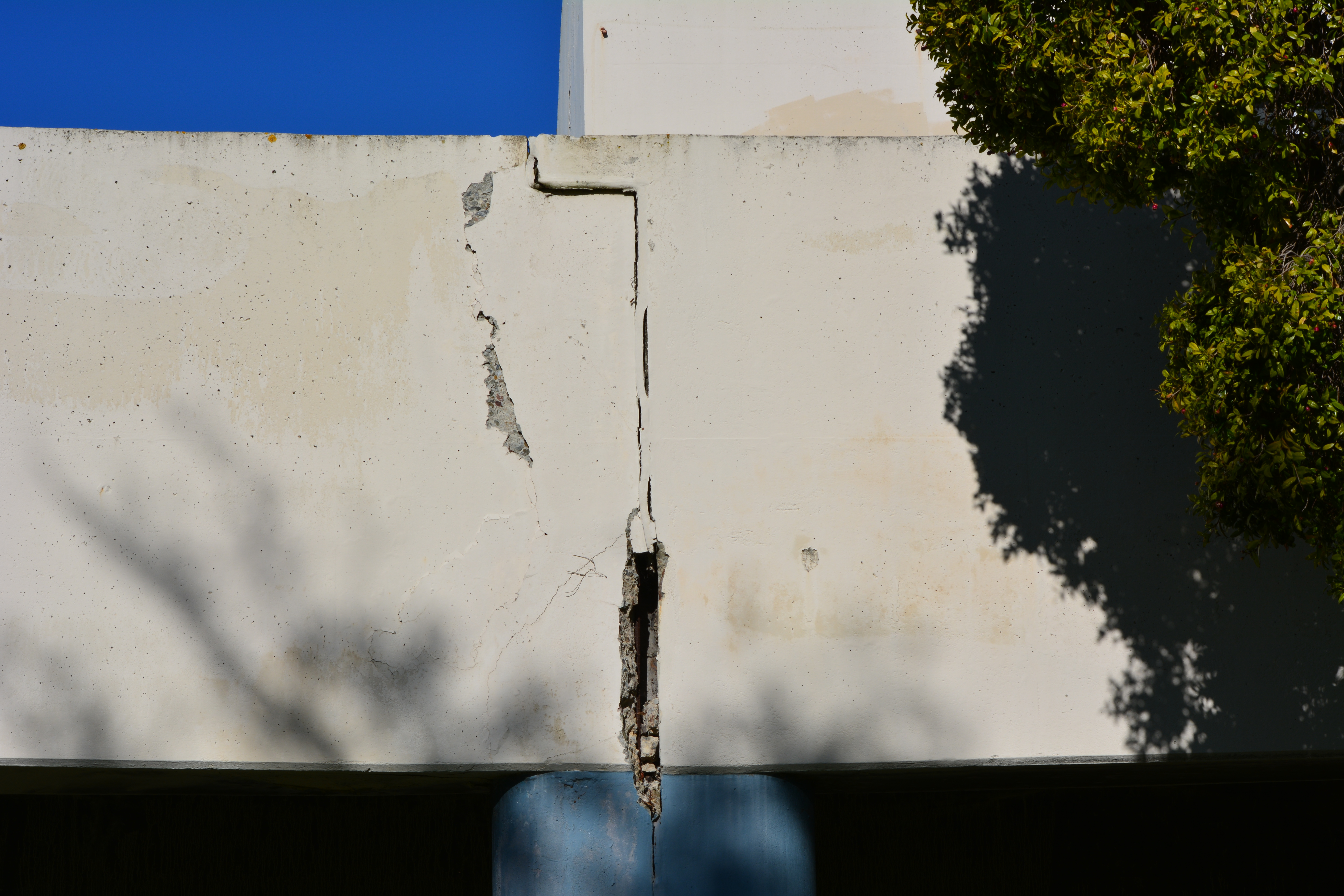
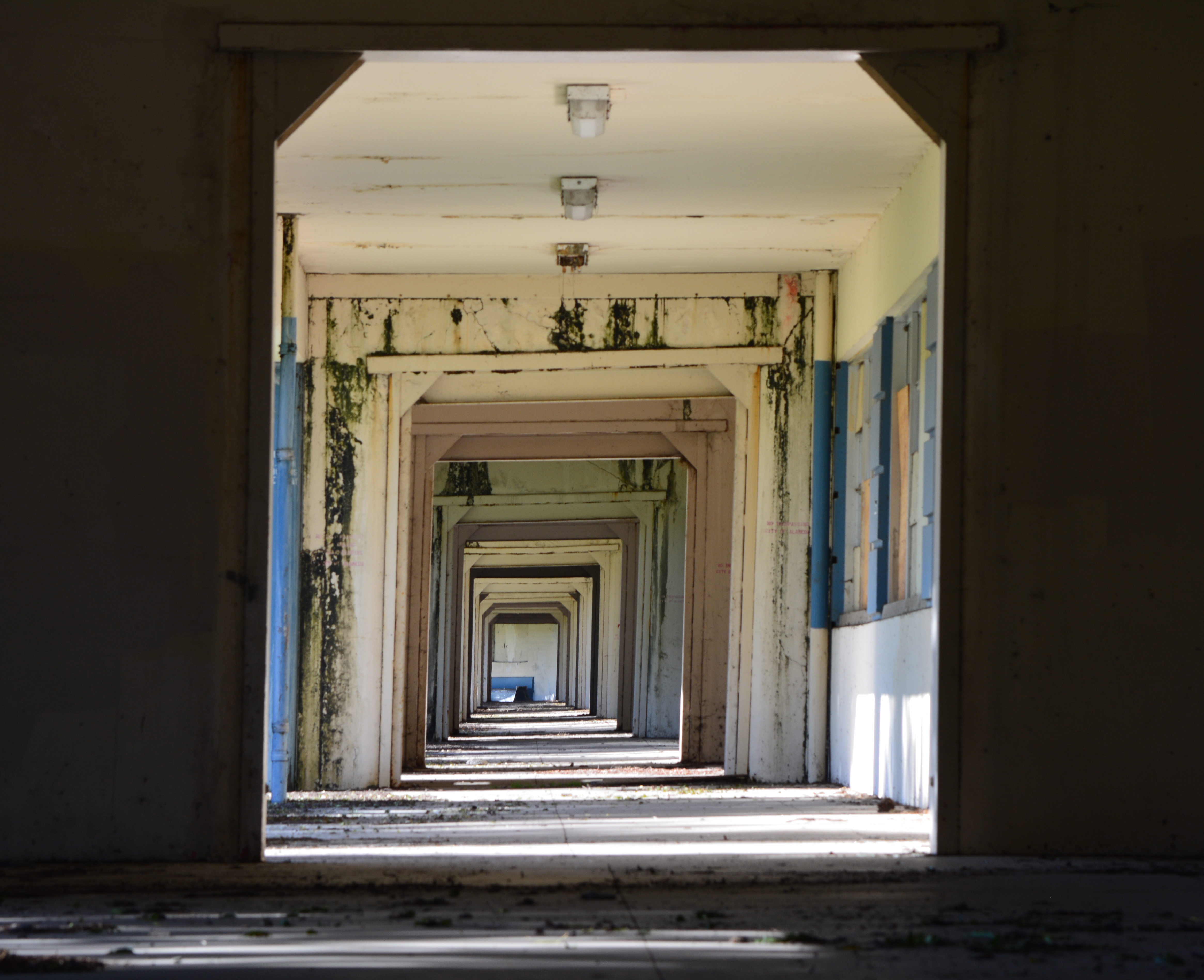
The exteriors of the fortress-like reinforced concrete buildings show few signs of cracking and structural deterioration since 1940. The interiors are a different story.

BEQ south wing residential and office

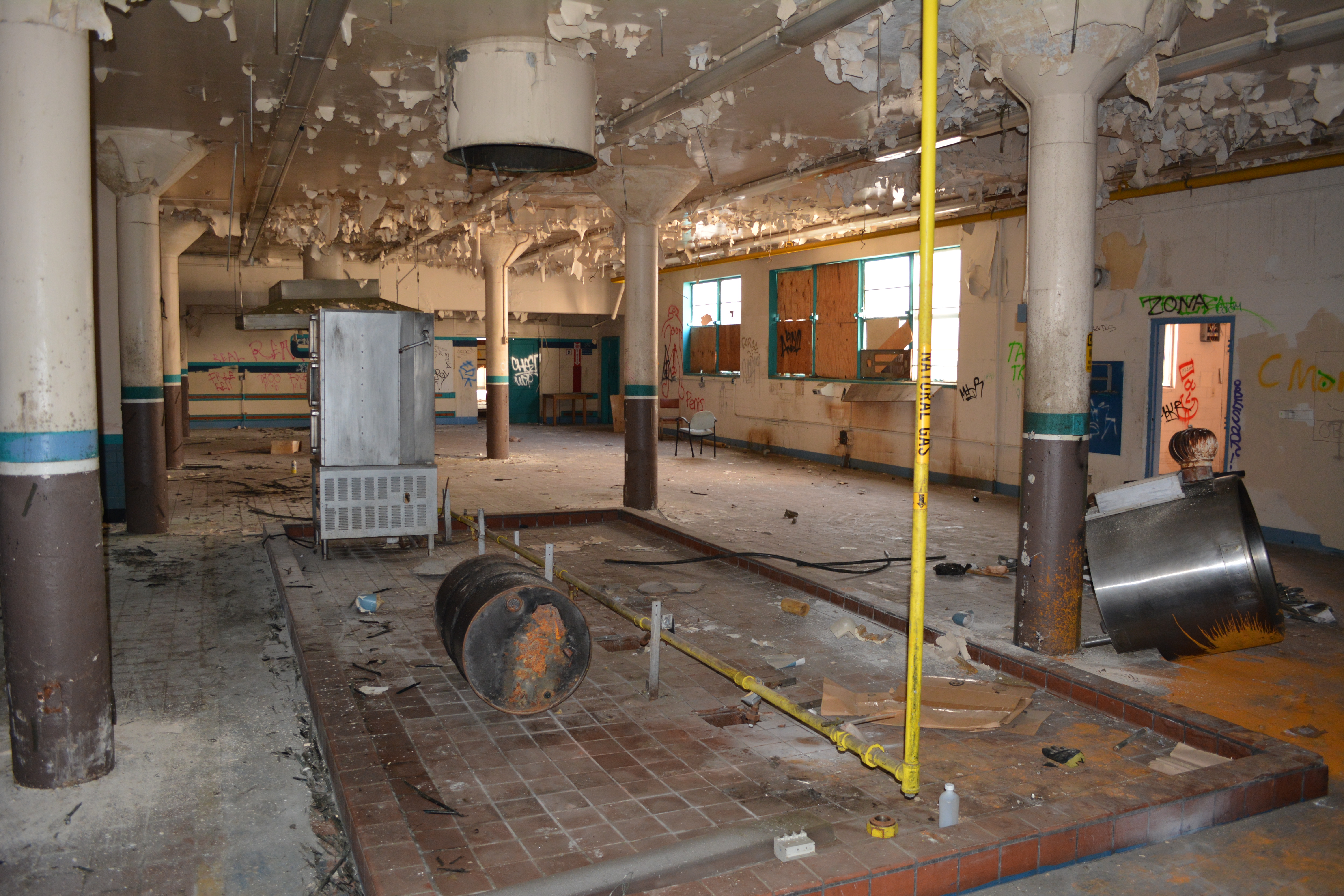
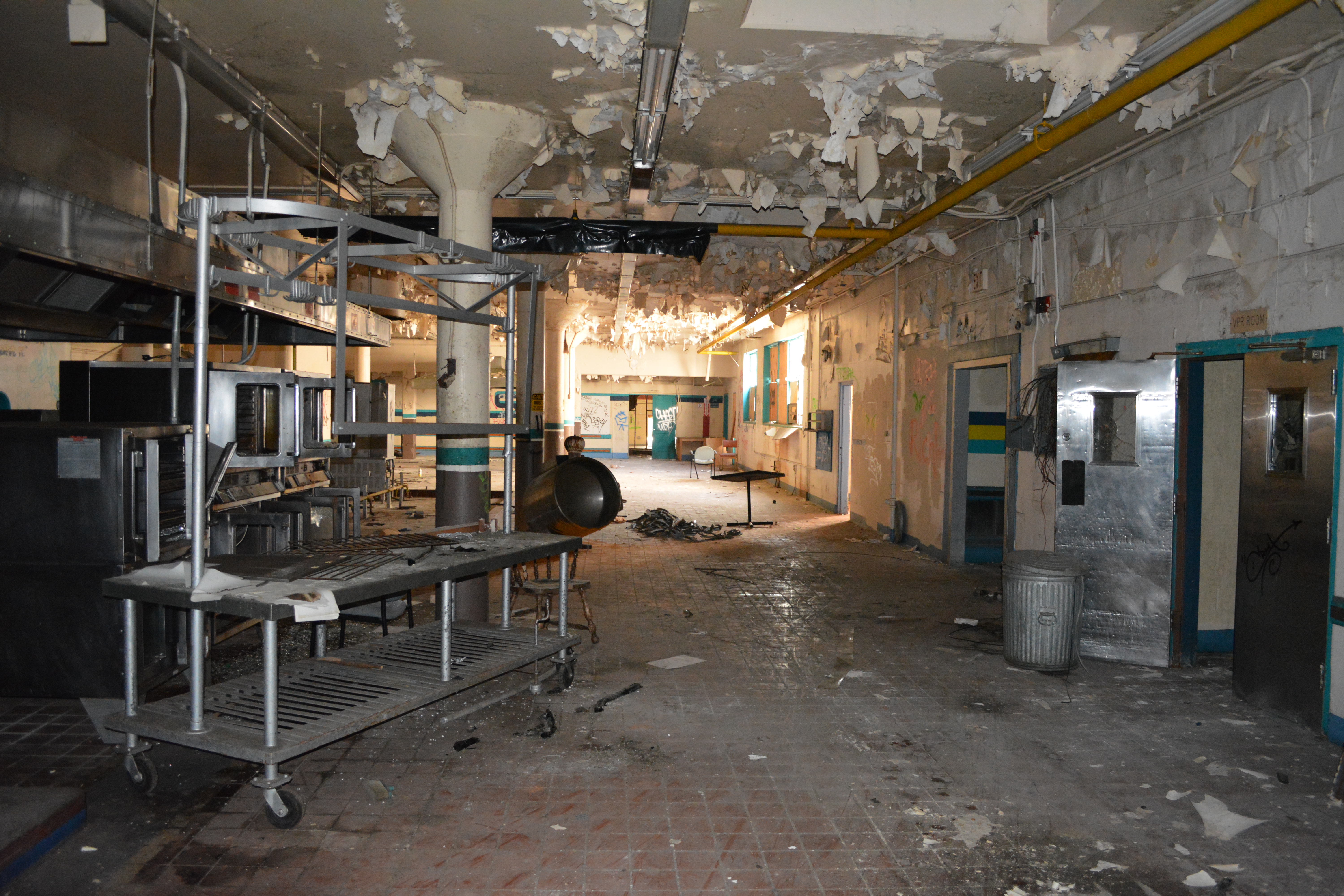
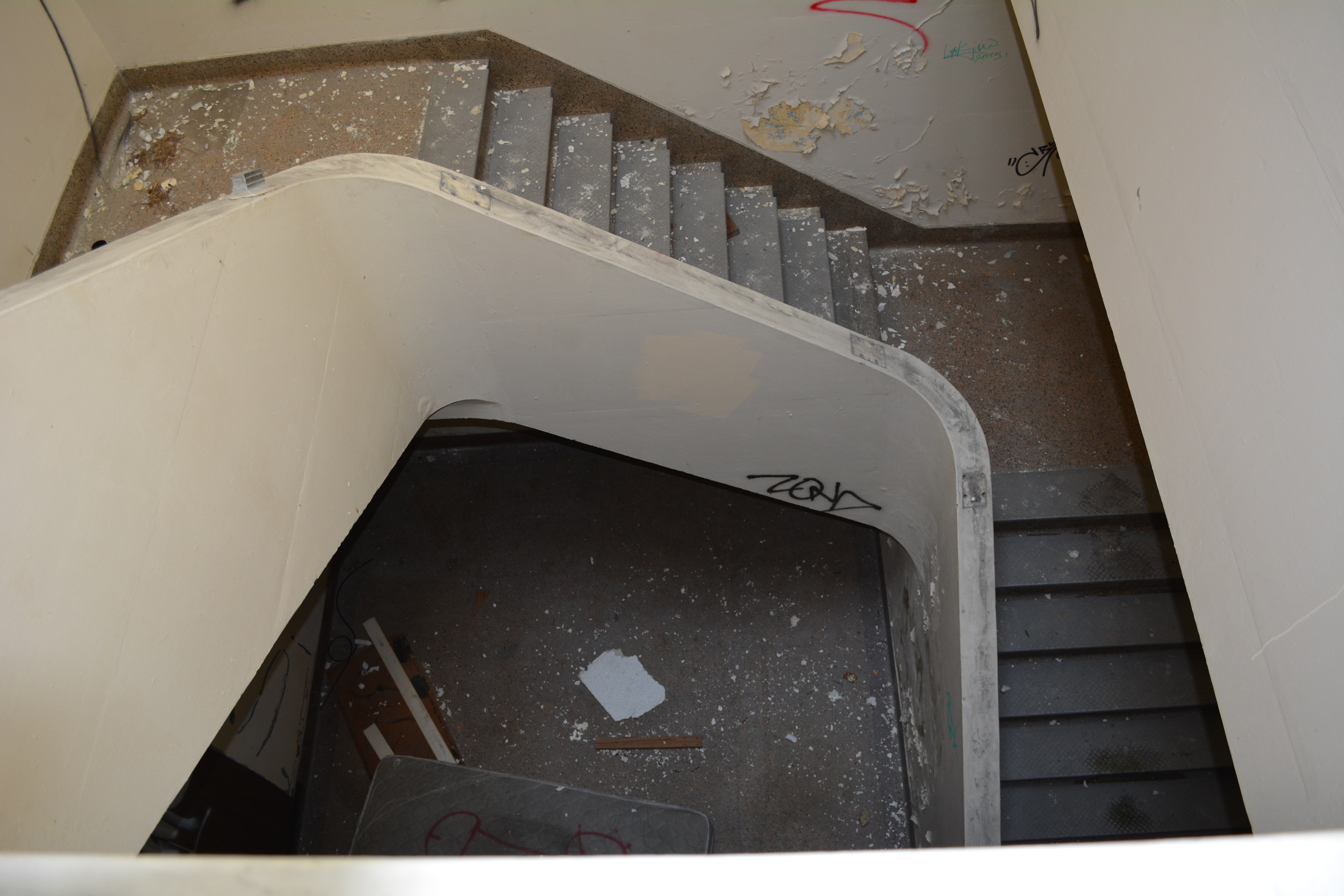
Metal thieves have trashed the insides to remove copper wire. With the copper cache picked clean, thieves have turned to aluminum, removing a 15-foot-long aluminum handrail from a mess hall staircase. Some night visitors just come to party and leave behind their spray-painted artwork on the walls. Peeling layers of paint the size of a hand towel dangle from the ceiling of the mess hall kitchen.

BEQ Mess Hall kitchen

“I think it is likely that as Site A [a 68-acre proposed residential and commercial development next to the Seaplane Lagoon] hopefully comes to fruition there will be increased attention on the historic properties in Alameda Point and we will receive more interest in the property,” said Ott.

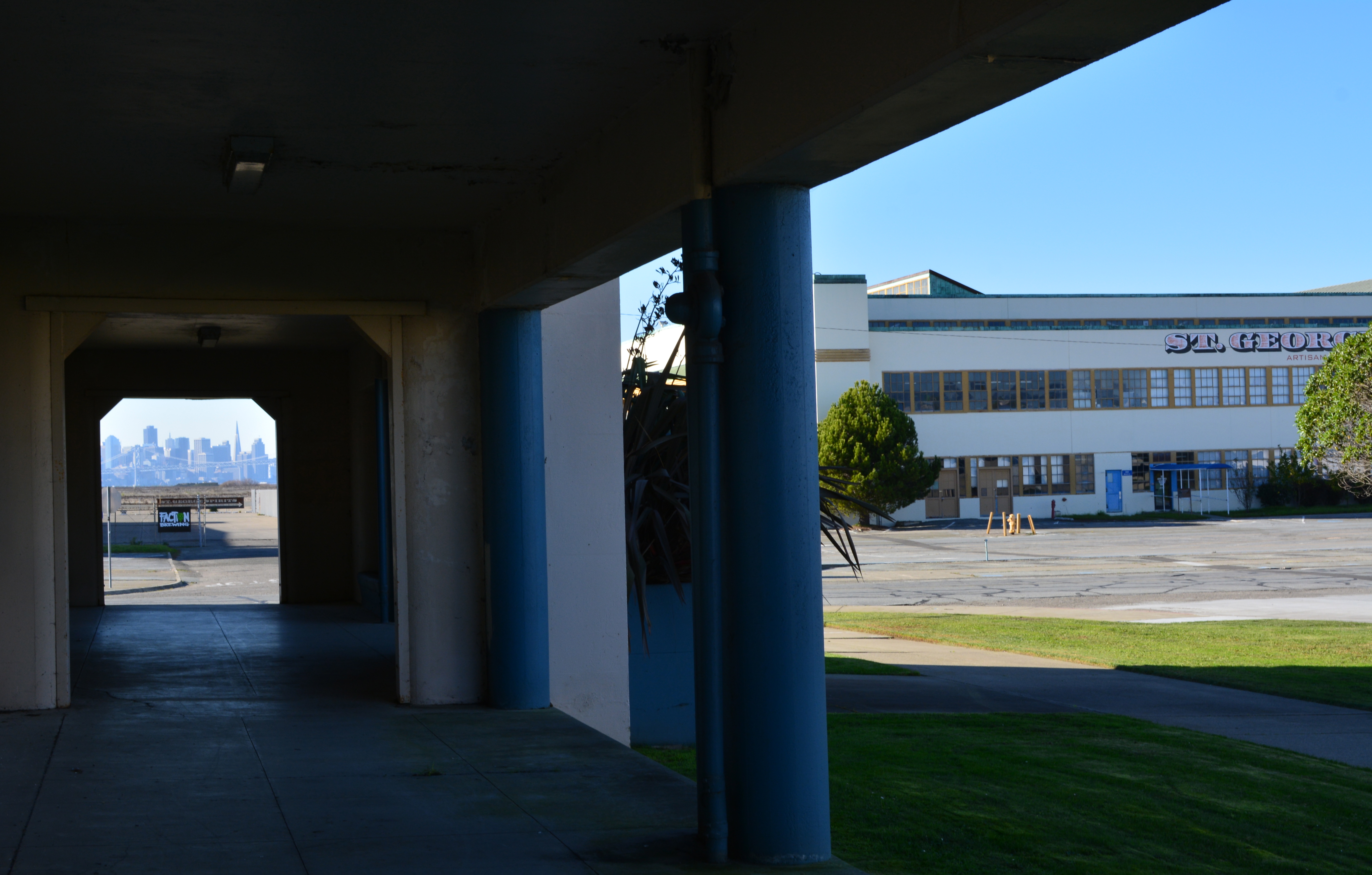
West side of BEQ along Monarch Street looking toward San Francisco.

Last year, negotiations between the city and AUC on a separate proposal to construct a hotel and condominium project between the aircraft hangars and the Seaplane Lagoon also ended without a deal.

Originally published in the Alameda Sun.
Appendix of photos

Pegasus statue at BEQ

BEQ Mess Hall

BEQ Mess Hall - Alameda Point

BEQ Mess Hall kitchen

BEQ Mess Hall Alameda Point

BEQ Mess Hall kitchen Alameda Point

BEQ Mess Hall dining area Alameda Point

BEQ Mess Hall

BEQ Mess Hall staircase with missing aluminum handrail.
Living quarters on second floor of BEQ Mess Hall.
BEQ Mess Hall second floor living quarters.

BEQ

BEQ Mess Hall dining area.
BEQ Mess Hall storage room.
Second floor room in BEQ Recreation Center.

BEQ Homeport Club recreation center

View from BEQ toward Monarch Street.
BEQ north side.  West Redline Avenue is to the right.
BEQ north side. West Redline Avenue is to the right.
One of the rare cracks in the 75-year-old BEQ.
BEQ north wing living quarters with balcony.

BEQ north wing

BEQ Mess Hall
BEQ Mess Hall

BEQ living quarters

BEQ Mess Hall staircase showing exceptional structural integrity after 75 years.

Soccer on the BEQ Quadrangle

Soccer on BEQ Quadrangle

Soccer on the BEQ Quadrangle

BEQ Mess Hall exterior

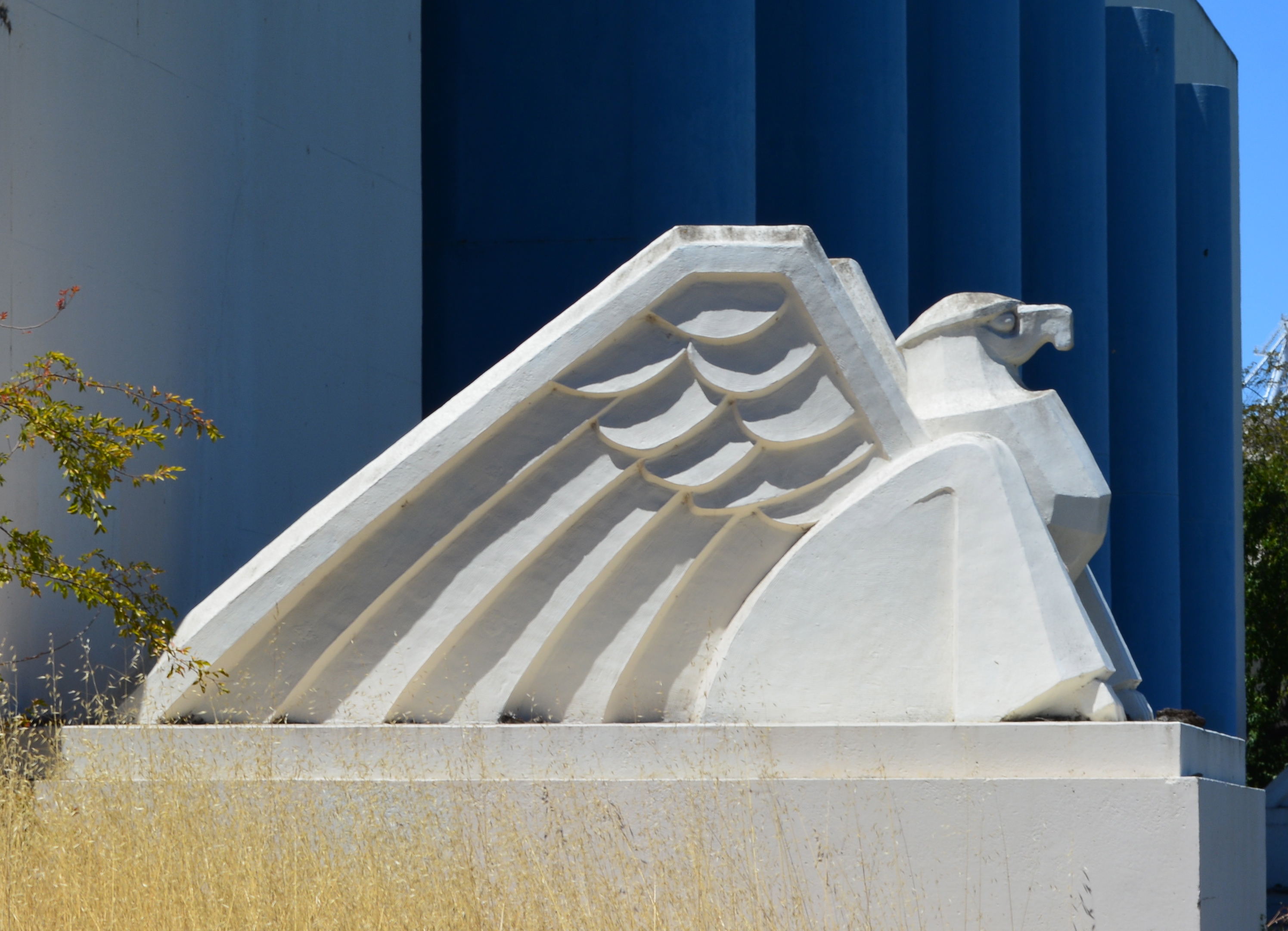
BEQ Eagle

Federal Fisheries Service turns its back on harbor seals at Alameda Point

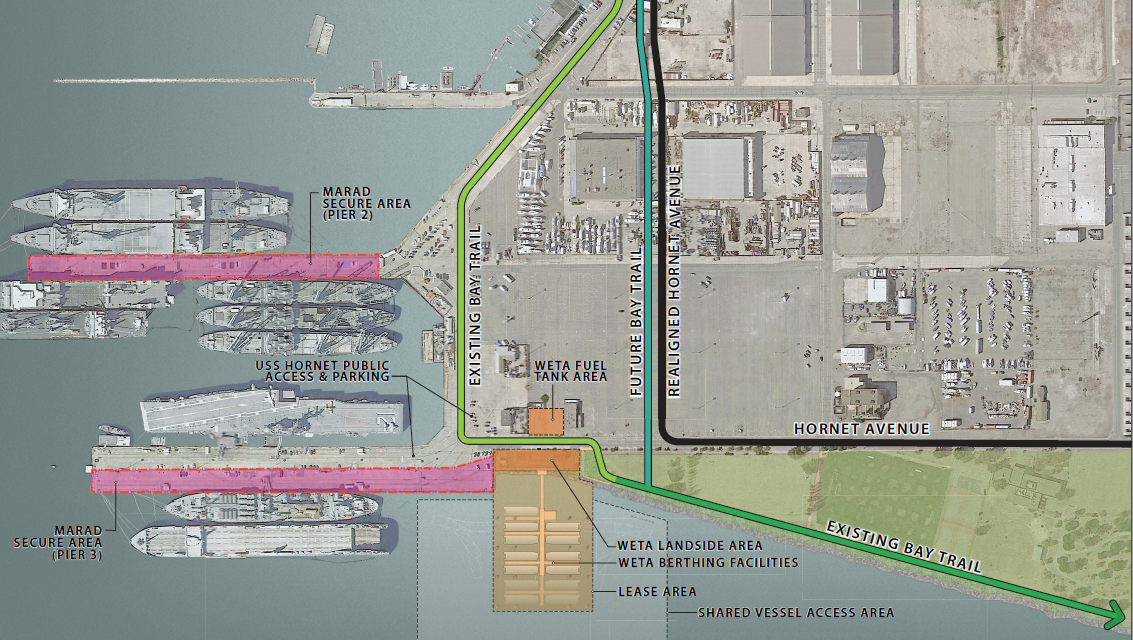
The National Marine Fisheries Service (NMFS or Fisheries Service) issued a permit to the Water Emergency Transportation Authority (WETA) on February 25, 2015, for proposed in-water dock construction activities at Alameda Point that may impact resident harbor seals.

WETA site plan and vicinity Oct. 2014

In its permit, they brushed off concerns of the Sierra Club, the San Francisco Bay Conservation and Development Commission (BCDC), and many residents that removal of the old dock used by harbor seals as a haul out could cause them to abandon the area.

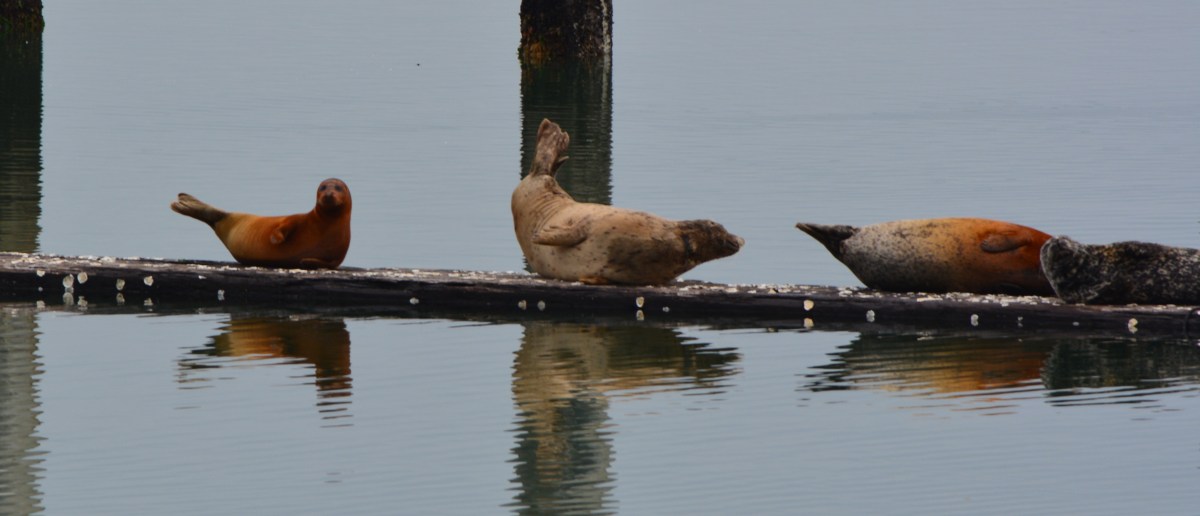
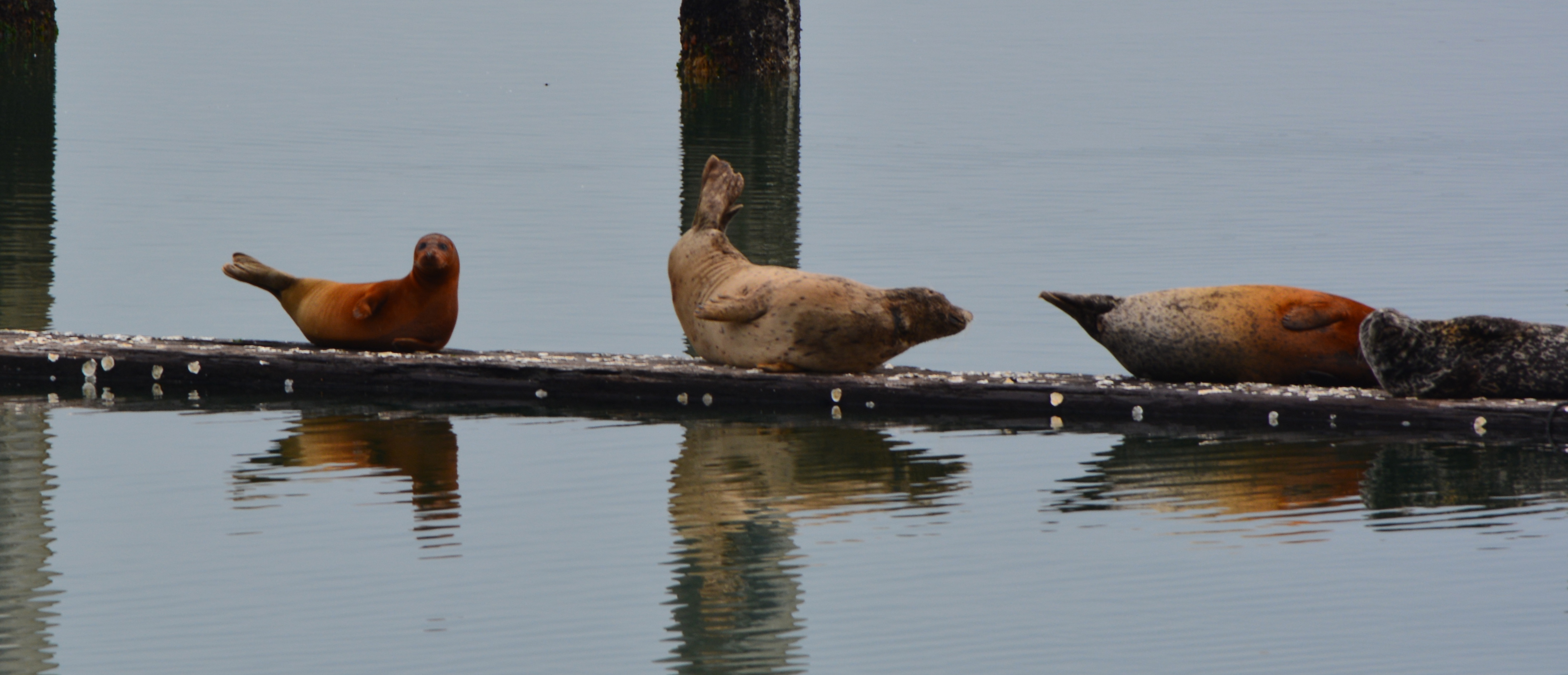
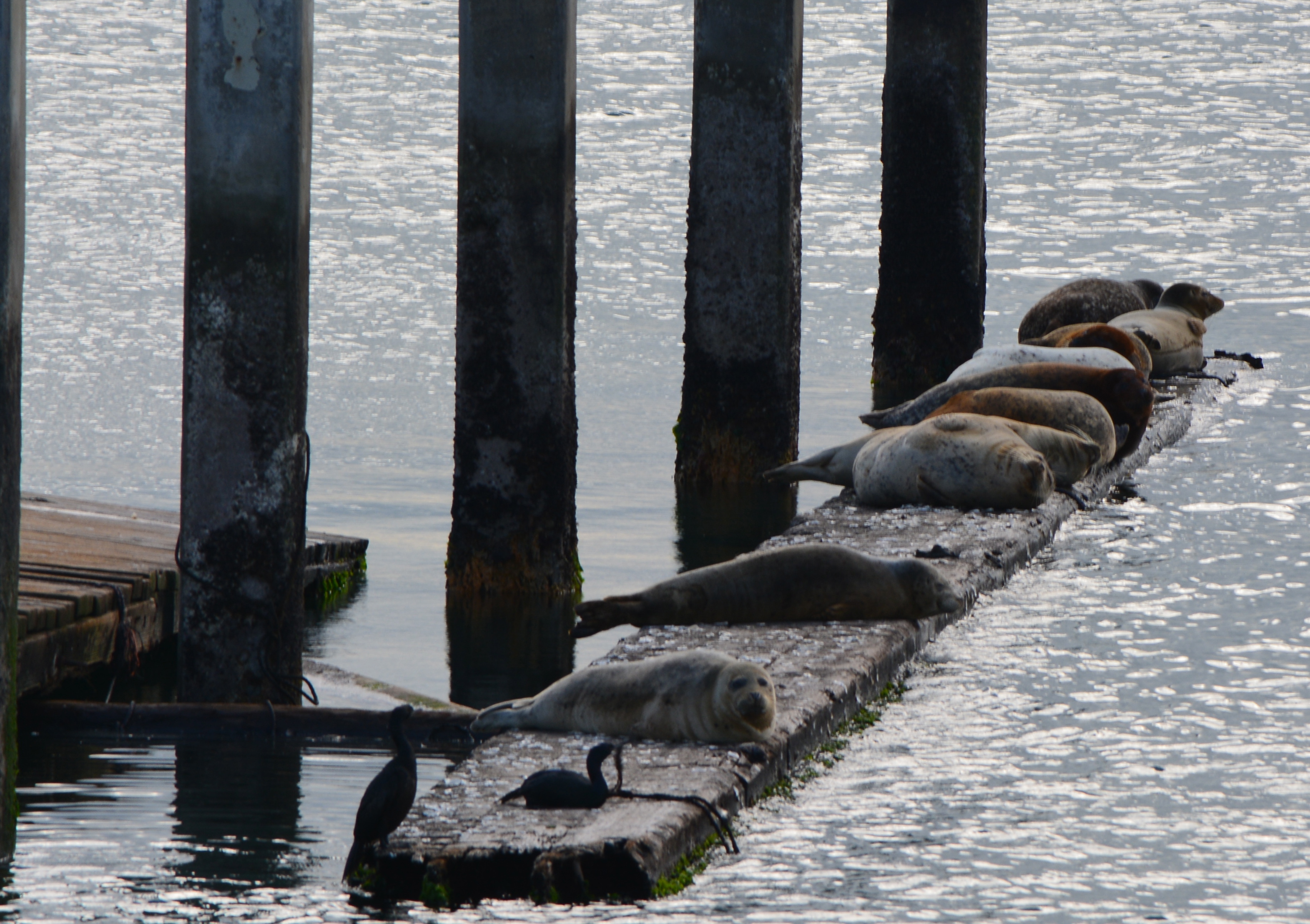
Harbor seals on Alameda Point haul out

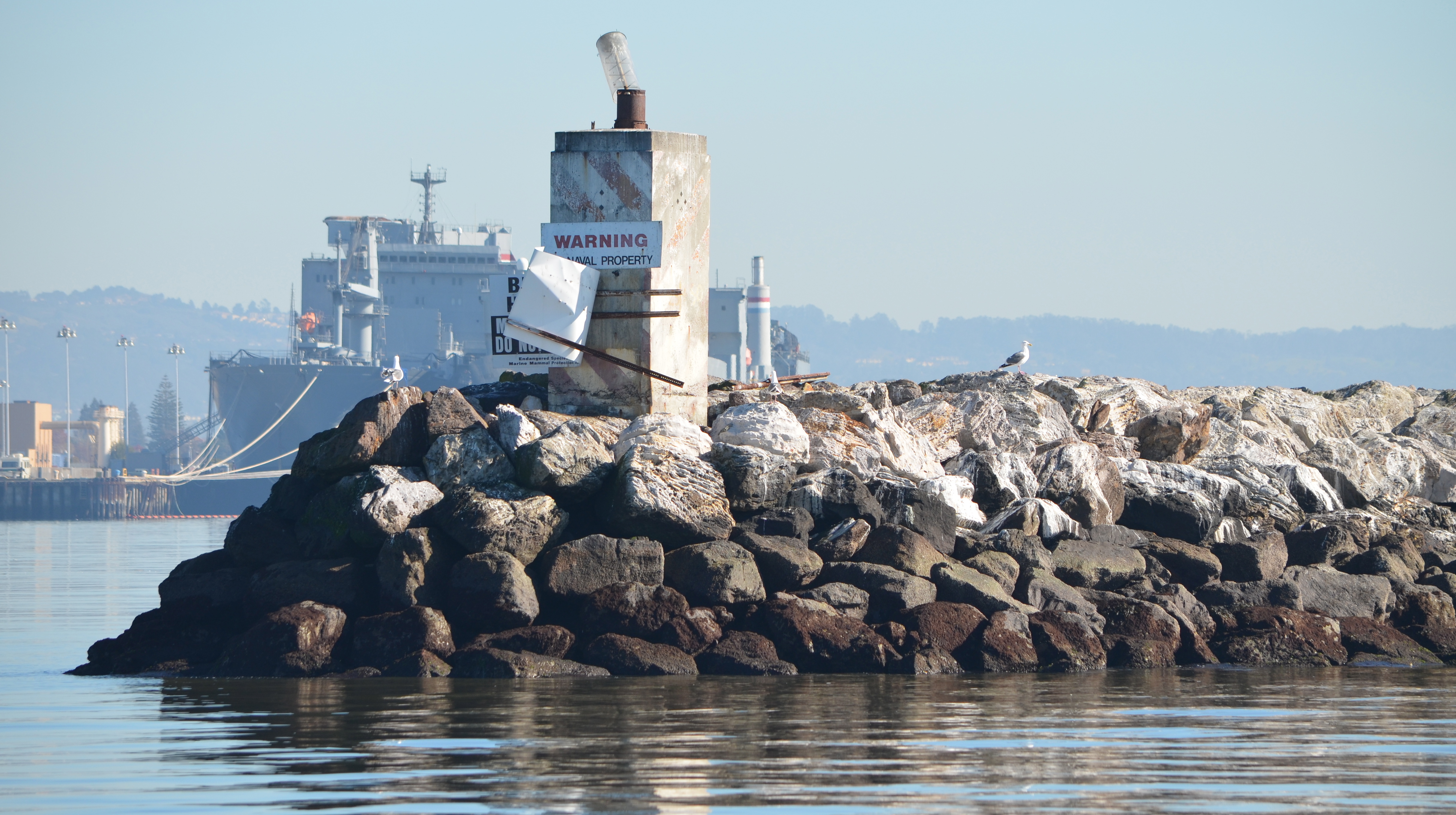
The Fisheries Service doesn’t seem bothered that the seals might abandon the area. They suggest the harbor seals could use a nearby rocky breakwater or a beach on Yerba Buena Island about four miles away. The Fisheries Service even went as far as belittling the dock structure and location preferred by the harbor seals as being “artificial” and “manmade,” even though examples of artificial wildlife habitat enhancements are widespread, some of them sanctioned by the Fisheries Service.

Western tip of Breakwater Island where Fisheries Service said harbor seals should go.  This city-owned property is ill-suited to raising seal pups and not inviting as a resting site, as evidenced by where the seals currently go.
Western tip of Breakwater Island where Fisheries Service said harbor seals should go. This city-owned property is ill-suited to raising seal pups and not inviting as a resting site, as evidenced by where the seals currently go.

The Fisheries Service stated, “NMFS does not consider building an artificial harbor seal haul-out is a good conservation measure to compensate for the loss of the old floating dock that is being used as a haul-out by 10-20 harbor seals. The floating dock proposed to be removed is a manmade structure that is bound to disappear as it deteriorates and falls apart. To build another new structure without maintenance will likely have the same issue in the near future. Therefore, NMFS considers it better conservation practice not to construct a new structure just to replace the current deteriorating artificial one.”

The one remaining beam moored to old dock - similar to log booms used by harbor seals elsewhere to haul out.
The one remaining beam moored to old dock – similar to log booms used by harbor seals elsewhere to haul out.

No one suggested that conservation measures come “without maintenance.” Some periodic maintenance would obviously be necessary.

Fisheries Service philosophy out of touch

If “manmade” artificial landscape features were poor conservation measures, then we would have to assume the Fisheries Service would not approve of fish ladders in rivers and streams to aid fish migration. Nor would they have approved of the artificial reef constructed off the coast of Texas using decommissioned and cleaned ships, and decommissioned oil rigs. A thriving marine reef habitat — through artificial means — has been the result.

At Alameda Point, the entire least tern nesting site is artificial, from the imported sand, oyster shells, shelters and fence to the entire land mass underneath it created by filling in a marsh. Likewise, the least tern nesting island in the Hayward Shoreline marsh is artificially constructed and may someday be underwater. Both of these artificial sites are successful in aiding endangered birds by replacing habitat lost due to human development and uses.

The Fisheries Service response to the comments on the impacts of the ferry maintenance facility gives the appearance of being out of touch. Instead of calling for a small mitigation measure in the form of a new haul out by the agency that is altering the ecosystem, they have shifted the burden to the harbor seals. This is backwards. It sets the baseline conditions as “tomorrow” rather than “yesterday” before modern development ruined most of the shoreline habitat in the Bay.

But there is still hope. The Alameda City Council will have an opportunity at its Tuesday, March 3 meeting to rectify the pending lease agreement with WETA that fails to include provisions for the harbor seals. And a few weeks later, BCDC will have an opportunity to ensure that its permit for the project contains harbor seal haul-out requirements.

Appendix pelican graphic

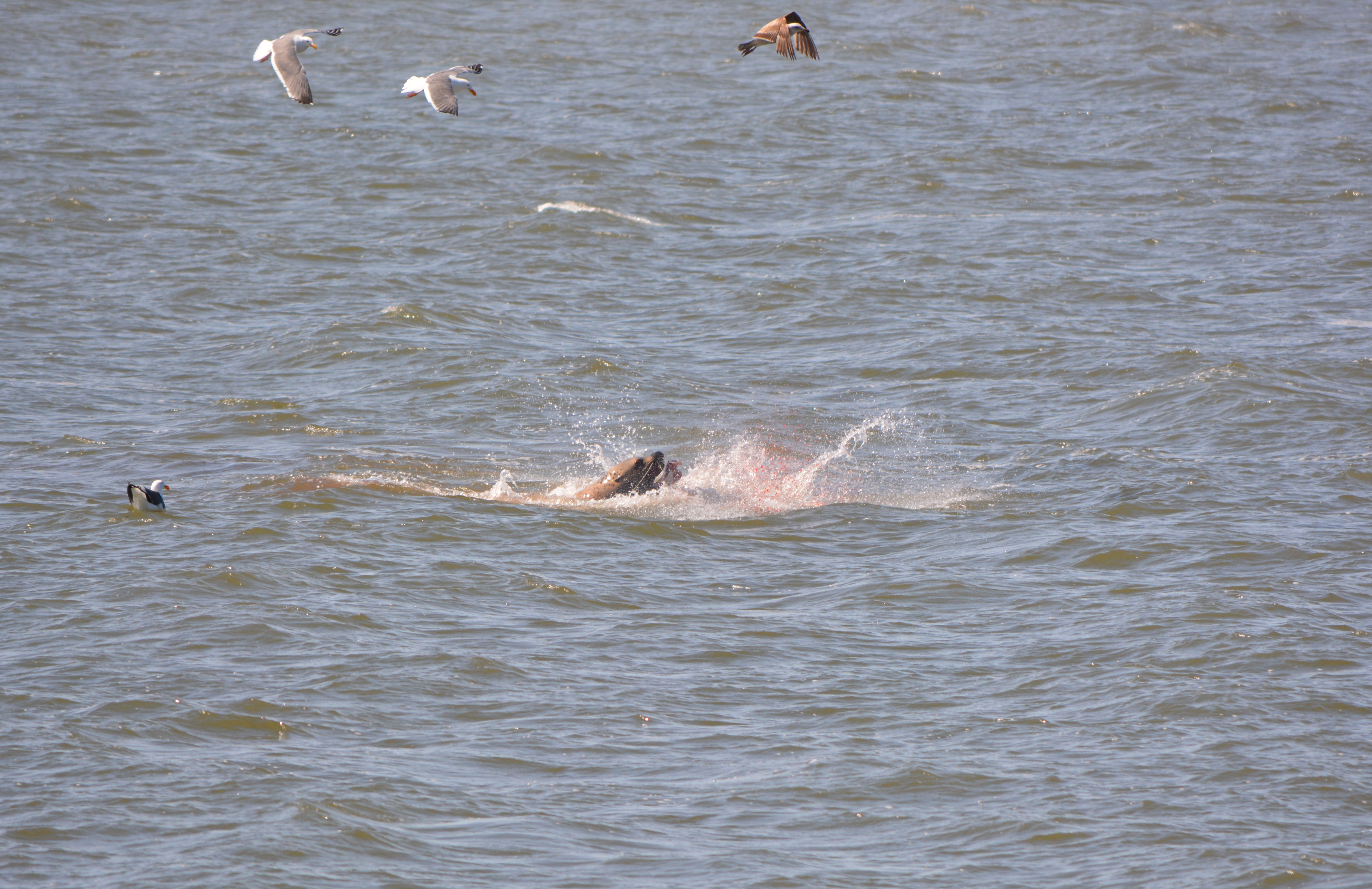
Harbor seal feeding on bat ray in Alameda Point Channel where new haul out could potentially be located.
Breakwater Island landscape that Fisheries Service and city of Alameda say is suitable harbor seal haul-out habitat.

Sierra Club comment letter to Alameda City Council on WETA lease

BCDC comment letter to National Marine Fisheries Service on WETA permit

Sierra Club comment letter to National Marine Fisheries Service on WETA permit

News updates: Main St. neighborhood planning, Veteran Affairs project, ferry service

Alameda Point is on the cusp of a new era in civilian reuse. Plans for construction of residential neighborhoods and commercial space are taking form, alongside growing productive reuse of aircraft hangars. The U.S. Department of Veterans Affairs (VA) is poised to begin the first phase of their $240 million clinic and columbarium project. In addition, the Water Emergency Transportation Authority (WETA) is studying plans for accommodating their increasing ferry ridership.

Designing the Main Street neighborhood

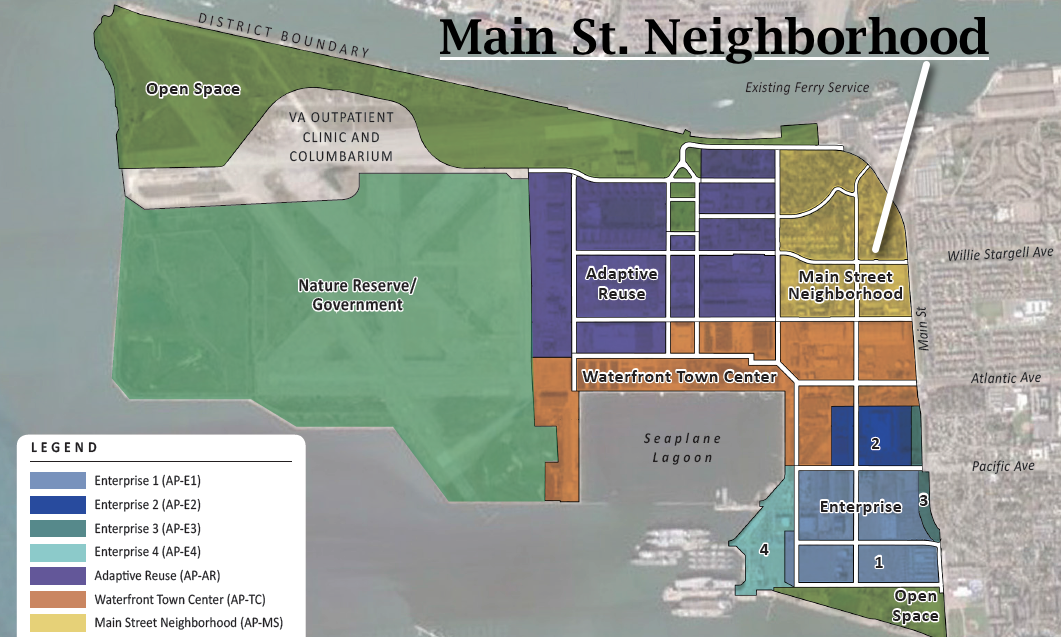
Alameda Point zoning - Main St. neighborhood

At next Tuesday’s city council meeting, the council will be updated on the pending 68-acre Site A residential and retail plan. They will also consider authorizing an urban design firm to draft detailed plans for a 100-acre residential neighborhood along Main Street near the ferry terminal. Continue reading “News updates: Main St. neighborhood planning, Veteran Affairs project, ferry service”

Alameda Point gateway plan begins taking shape

At its January 20, 2015 meeting, the city council will weigh-in on the preliminary layout proposed by developer Alameda Point Partners (APP) for a 68-acre residential and commercial parcel between Main Street and the Seaplane Lagoon.

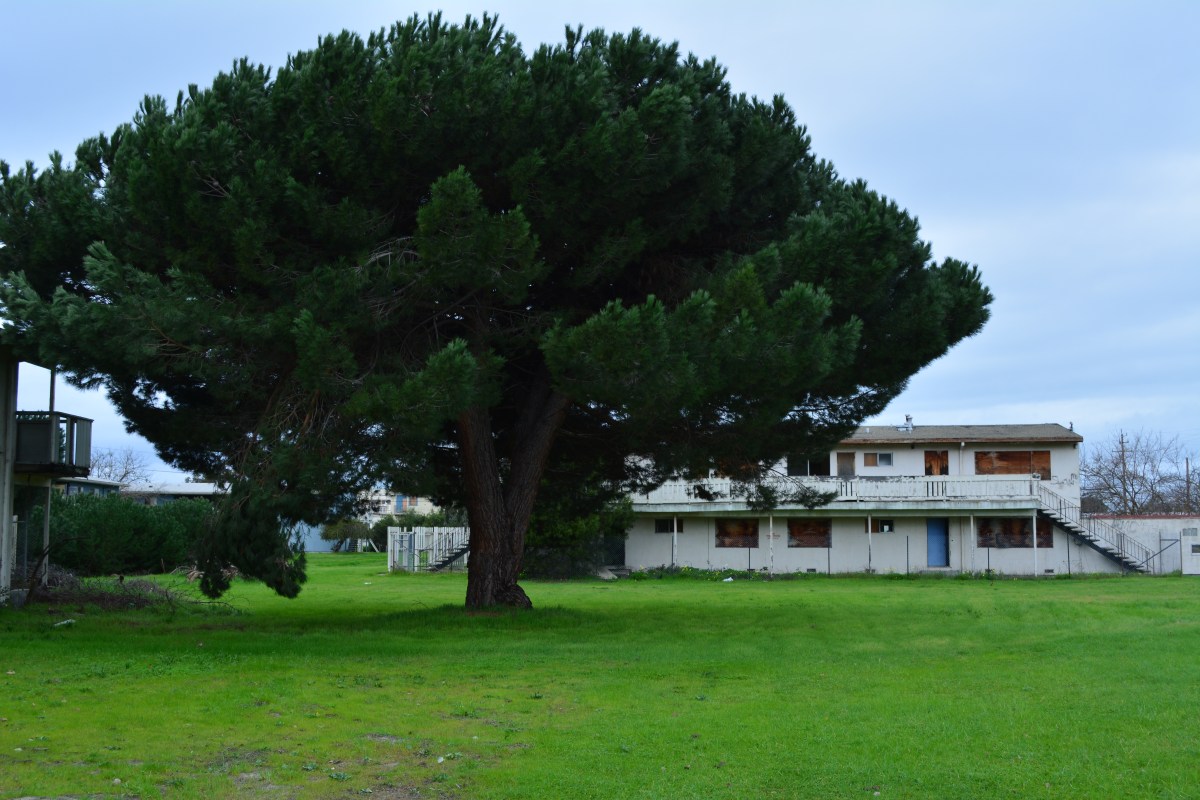
West Atlantic Avenue will be realigned as a four-lane divided street to the right of the big tree and become a continuation of Ralph Appezzato Memorial Parkway.  Main Street in foreground.
West Atlantic Avenue will be realigned as a four-lane divided street to the right of the big tree and become a continuation of Ralph Appezzato Memorial Parkway. Main Street in foreground.

APP was selected by the former city council on November 18, 2014, to work up a plan for 800 condos and apartments and 200,000 square feet of retail and commercial space. The developer will also be responsible for changing the gateway street alignment from an oval to a straight line leading to a new public plaza at the Seaplane Lagoon. Continue reading “Alameda Point gateway plan begins taking shape”

Volunteers help maintain successful least tern nesting site at Alameda Point

Volunteers at the Alameda Point nesting site of the endangered California Least Tern continued their efforts this fall after a successful 2014 nesting season.

Tau Beta Pi members help out during the November 2014 work party.  Port of Oakland in background.
Tau Beta Pi members help out during the November 2014 work party. Port of Oakland in background.

The Alameda Point colony produced over 350 least tern fledglings this year, and a record number of the nests had three eggs, as opposed to the usual two. The 45 nests with three eggs may be due to in part to better than normal availability of small fish in nearby waters. The terns arrive at the airfield site in early April. By mid-August the terns have headed south to Mexico and Central America.

Least Tern adult with two chicks - June 2014.  Viewed through chainlink fence.
Least Tern adult with two chicks – June 2014. Viewed through chainlink fence.

Continue reading “Volunteers help maintain successful least tern nesting site at Alameda Point”