News About Cleanup, Sustainability, Parks, Open Space, and Wildlife at Alameda Point, Alameda, CA
Author: richard94501
My blog is Alameda Point Environmental Report covering parks and open space, environmental cleanup, wildlife, and sustainability at the former Navy base in Alameda now called Alameda Point.
Articles on my blog are frequently posted on the Alameda Post news site.
I also host a Flickr photo site, which is accessible via the sidebar wildlife photo gallery.
I hope you find my stories and photos of interest.
Richard Bangert
Alameda, California
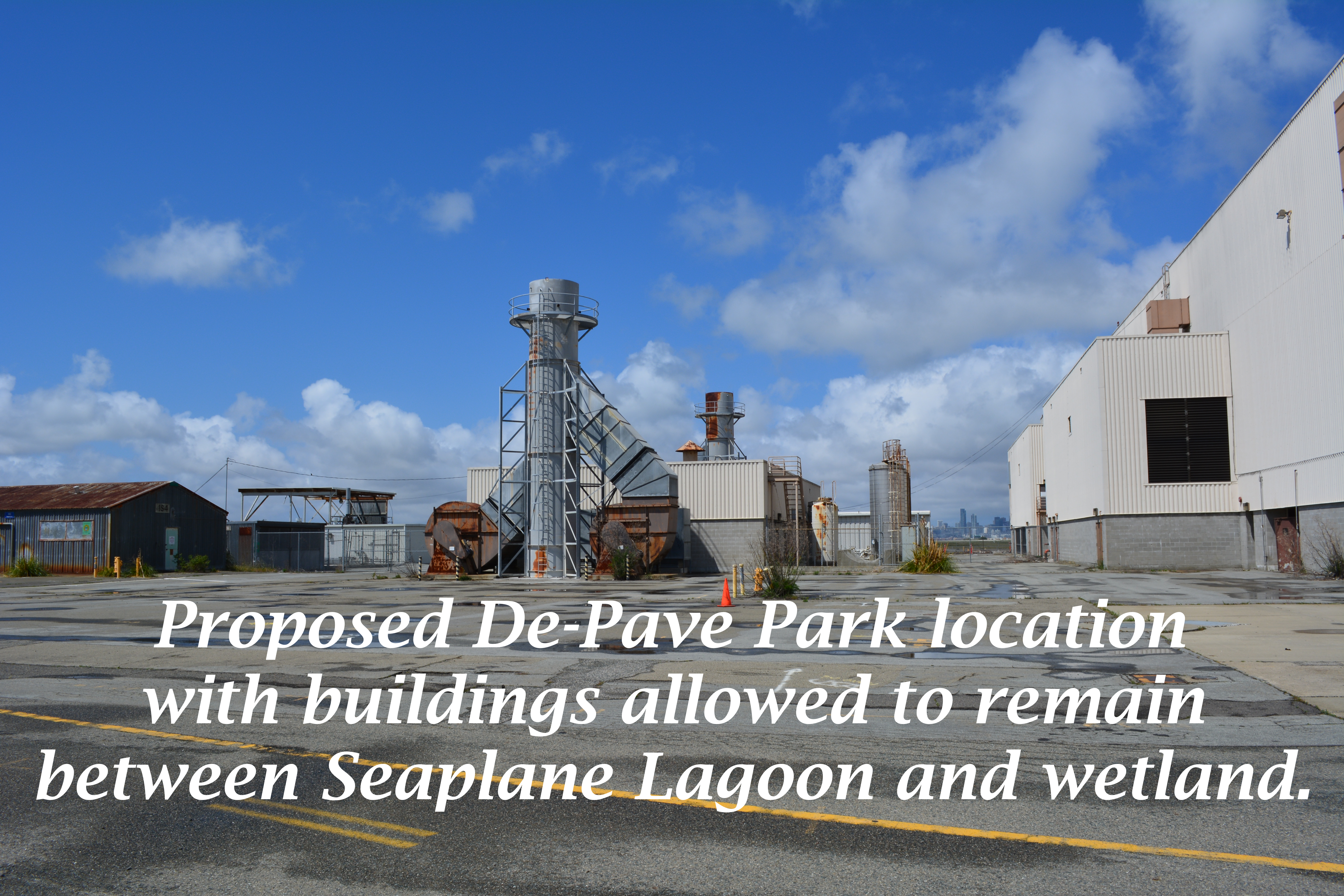
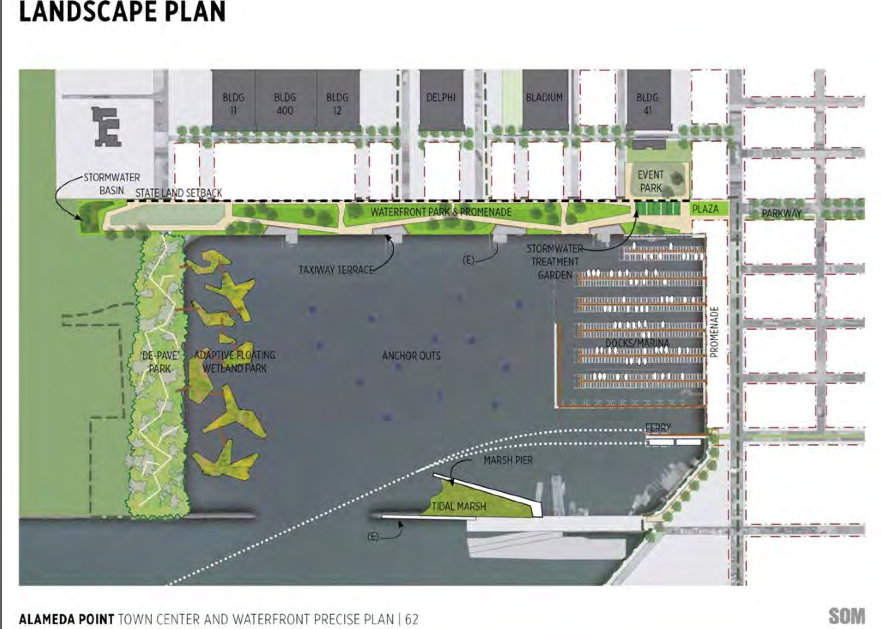
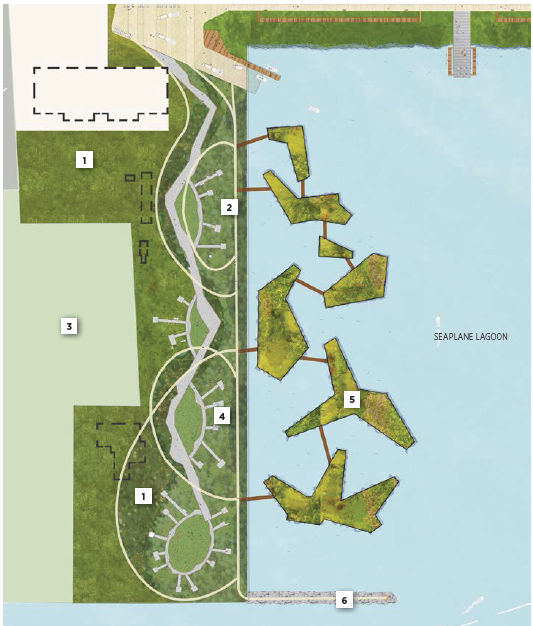
The drawing and images for the so-called “De-Pave Park” on the western side of the Seaplane Lagoon would be something to cheer about if the park had any chance of ever being created. The text of the city’s recently released Town Center and Waterfront Plan, however, allows existing industrial buildings along the western edge of De-Pave Park to remain “if needed.”
Such a caveat sets the framework for never moving forward with the plans. If the buildings are being leased, the buildings will be “needed.” If the buildings are needed, then the pavement around them will also be needed. The city is continuing to market these buildings to tenants and, thus, there’s not likely to come a day when we try to secure grant money to develop the park.
This is a change from the first presentation of De-Pave Park in 2013 when the Town Center and Waterfront Plan was rolled out. The existing structures were not shown in that drawing. The community was led to believe that all structures would be removed to provide a natural wetland-oriented transition to the existing Runway Wetland on federal property. Not so anymore. The structures can stay.
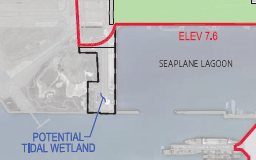
Conceptual plan presented in 2013 did not indicate that any buildings would remain between De-Pave Park and the Runway Wetland on the federal property.2014 De-Pave Park plan shows dashed lines indicating existing structures that will be allowed to remain “if needed.” Floating wetlands do not exist right now, and probably never will.
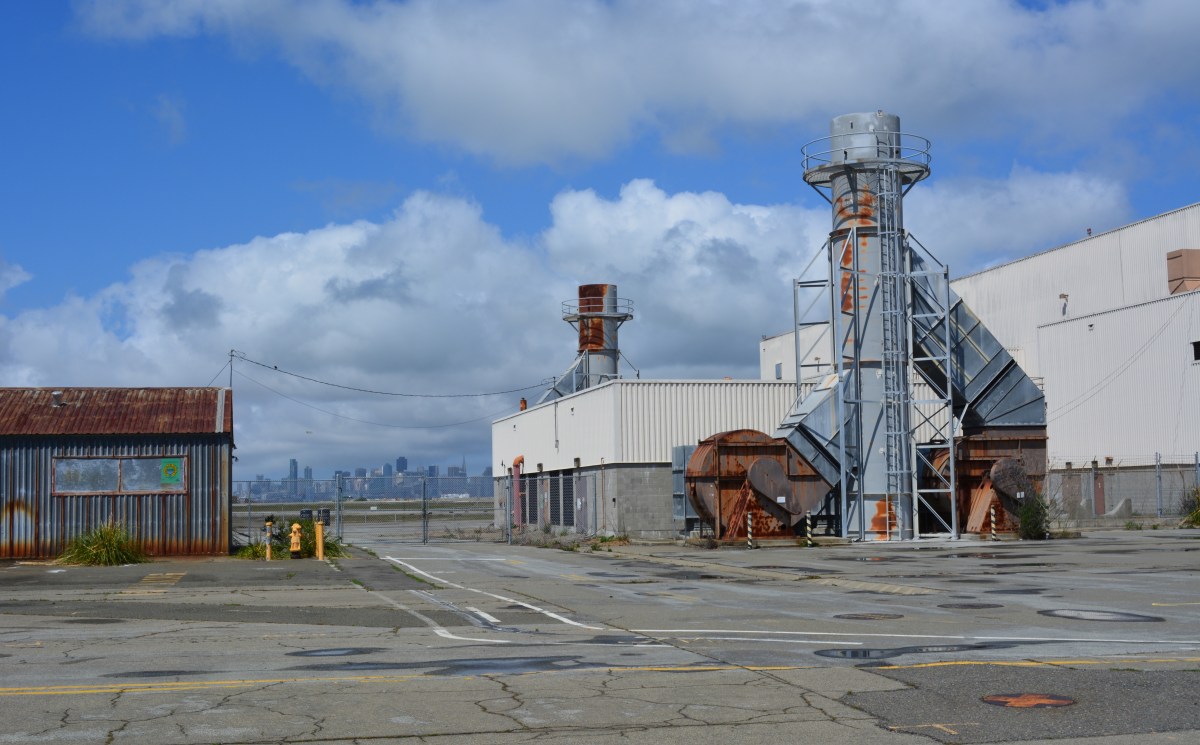
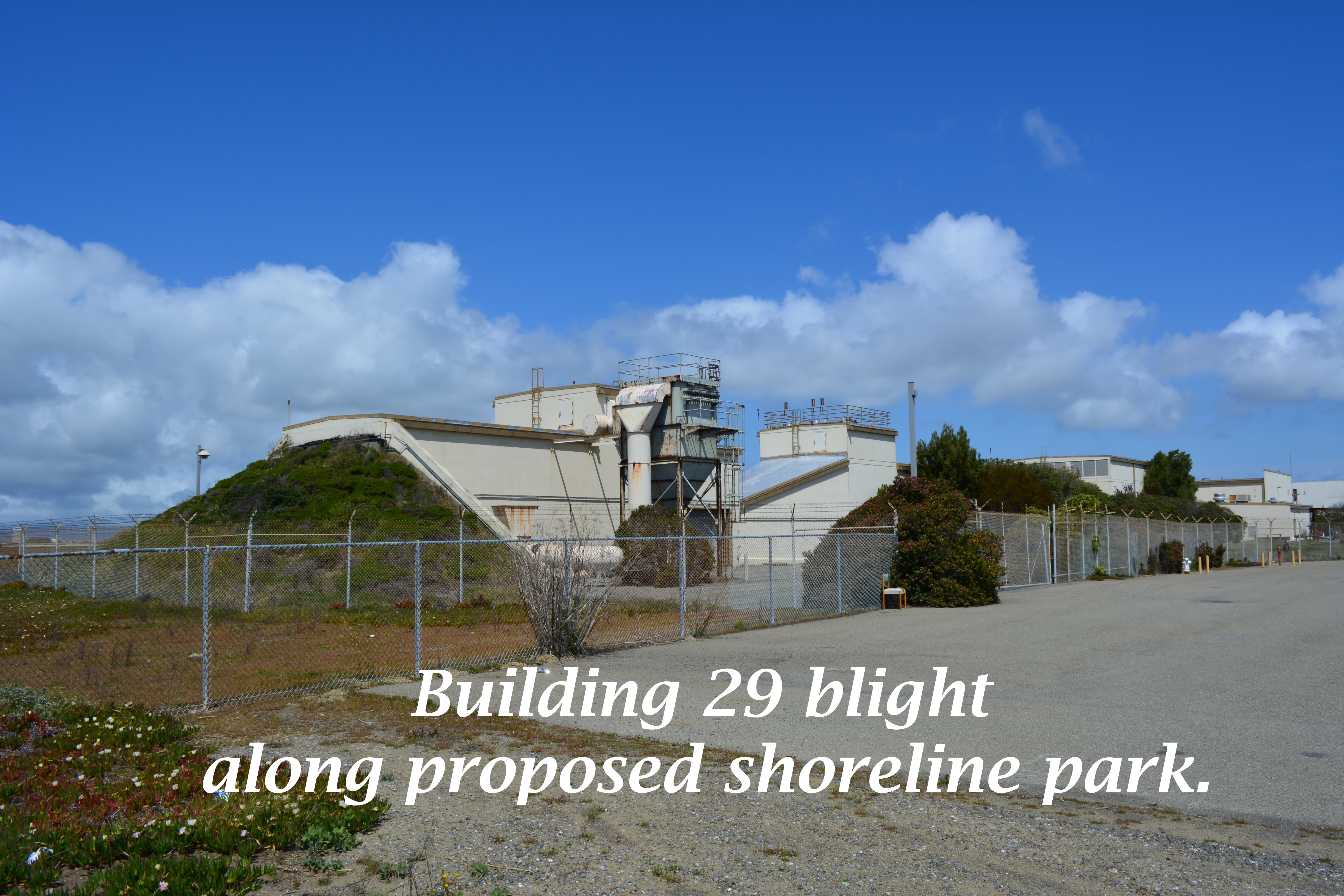
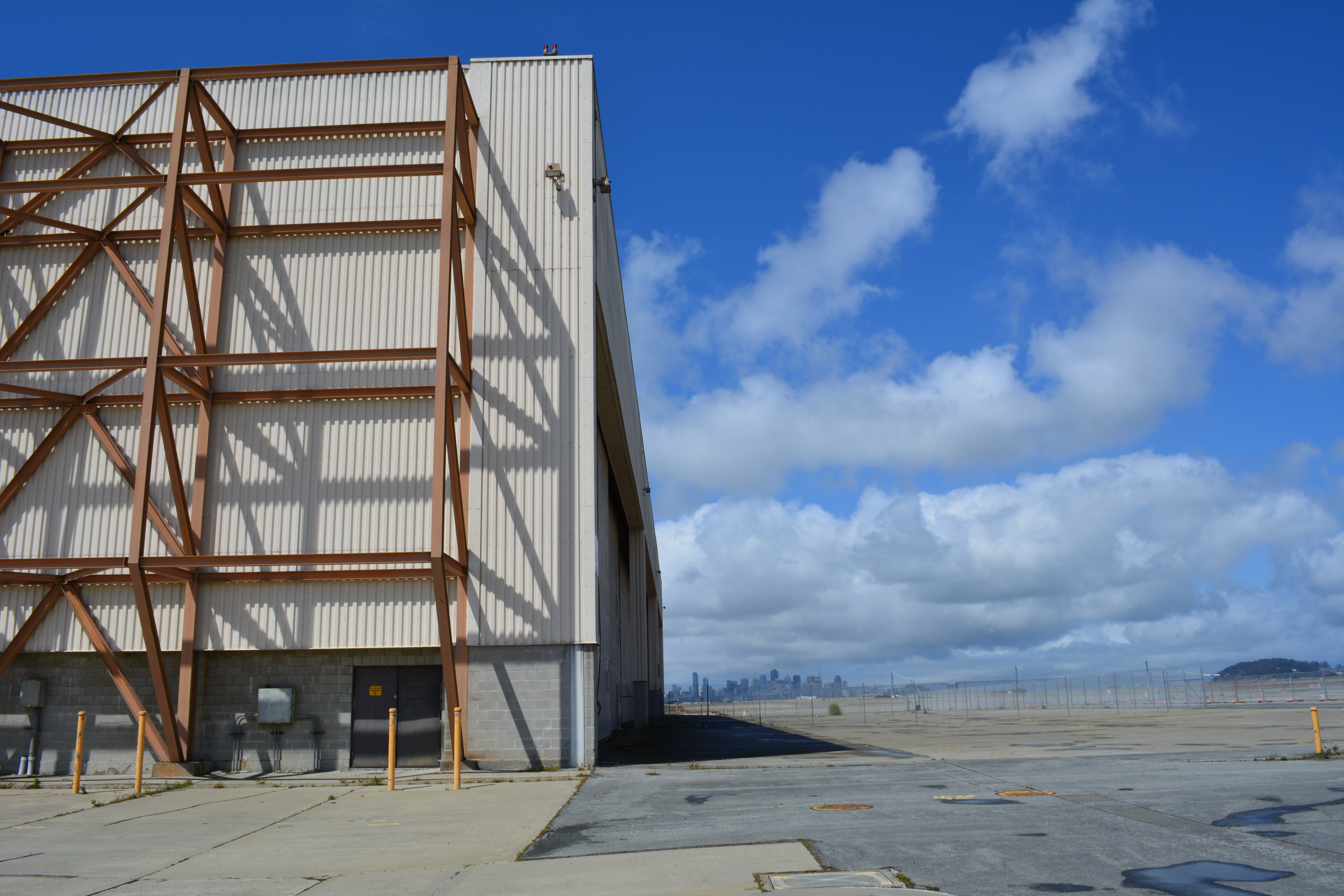
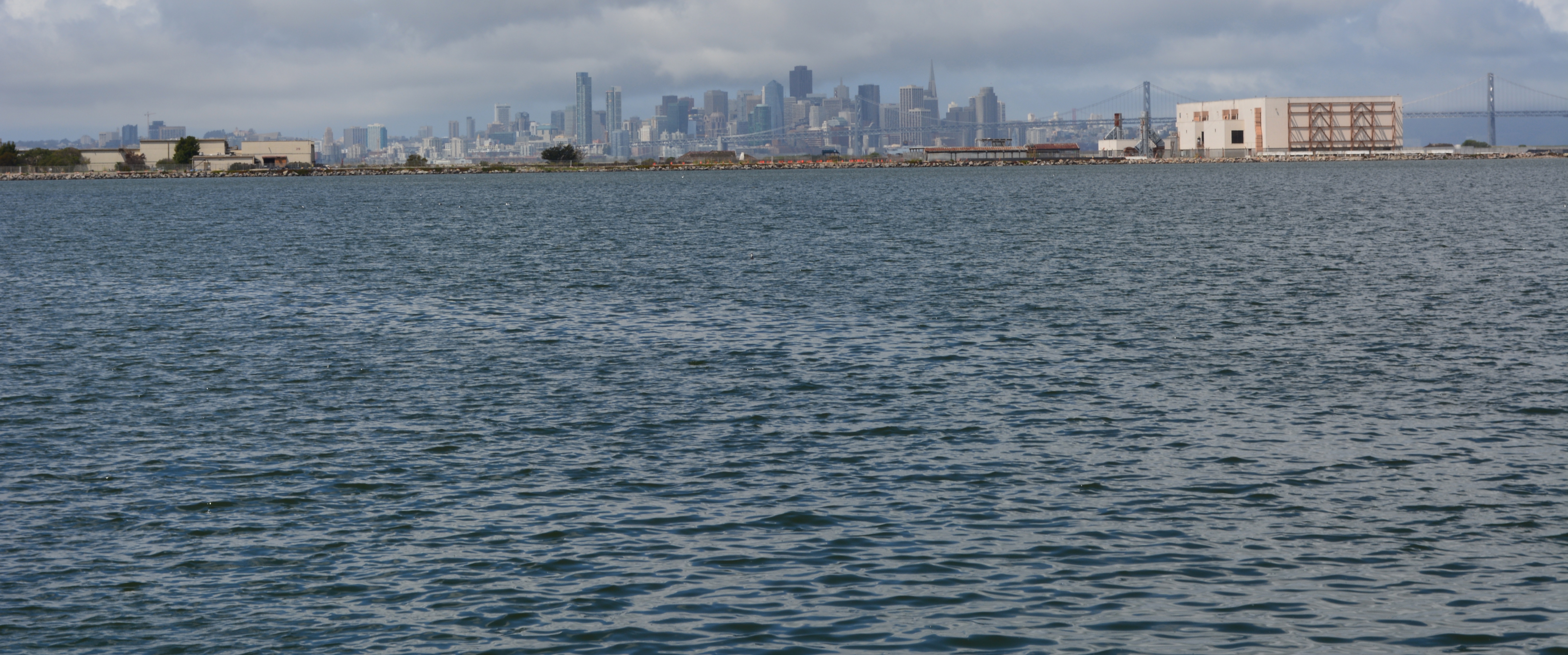
The infrastructure plan now has a levee protecting the 55-foot tall “Building 25” from sea level rise. There would be no reason to protect this eyesore if it was slated for permanent removal. Furthermore, the building is part of the mixed-use commercial and residential waterfront zone where even a hotel is permitted.
55-foot tall “Building 25” that will be protected by a levee, and remind campers that they are on an old military industrial site, as they gaze at the night stars.
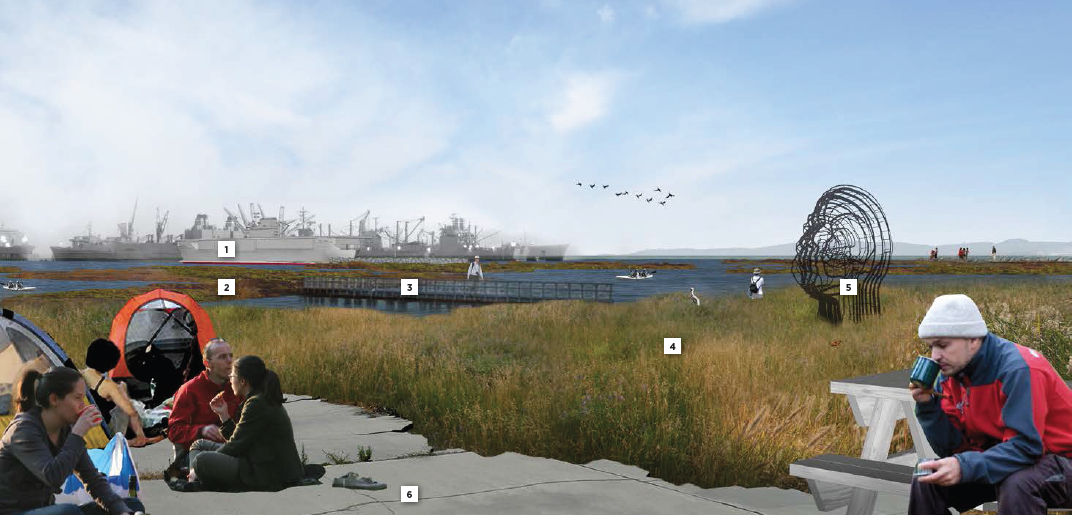
The plan’s conceptual drawing and photo collage showing campers, hikers, and grasslands does not include a view to the west, and with good reason. It would show the industrial legacy that will interrupt the potentially expansive views toward the west. It’s deceptive advertising.
Looking toward the Seaplane Lagoon in conceptual drawing for De-Pave Park. No drawings are offered to inform viewers that directly behind this vantage point are old industrial buildings that will be allowed to stay “if needed.” There is currently no plan to remove the industrial buildings.
Parks, as we’ve learned during the new zoning designations for Alameda Point, are zoned Open Space. This “park” is not zoned Open Space. It’s another indication that the so-called “De-Pave Park” is phony.
Changing the western shoreline of the Seaplane Lagoon to a wetland-grassland landscape connected to the Runway Wetland would implement climate change adaptation goals and carbon sequestration goals. Without a commitment by the city to implement De-Pave Park in the Town Center and Waterfront Plan – including removal of all buildings on the western side of the Seaplane Lagoon – a great opportunity to help rebalance the San Francisco Bay ecosystem will fall through the loopholes.
City Hall is requesting comments on the draft plans for the Town Center and Waterfront Plan by May 15, in preparation for a June 9 Planning Board meeting. The plan will be the guiding document on how, where, and what gets built around the Seaplane Lagoon. The city council is expected to approve the plan in July. Comments can be submitted to city planner Andrew Thomas at athomas@alamedaca.gov for forwarding to the Planning Board.
Red line indicates levee that will protect “Building 25.”Western side of the Seaplane Lagoon with potential for major improvements to the Bay ecosystem.Seaplane Lagoon looking west, with blighted viewscape that will be allowed to remain. San Francisco is in background. “Building 25” is the large building on the right that will be saved by a levee.
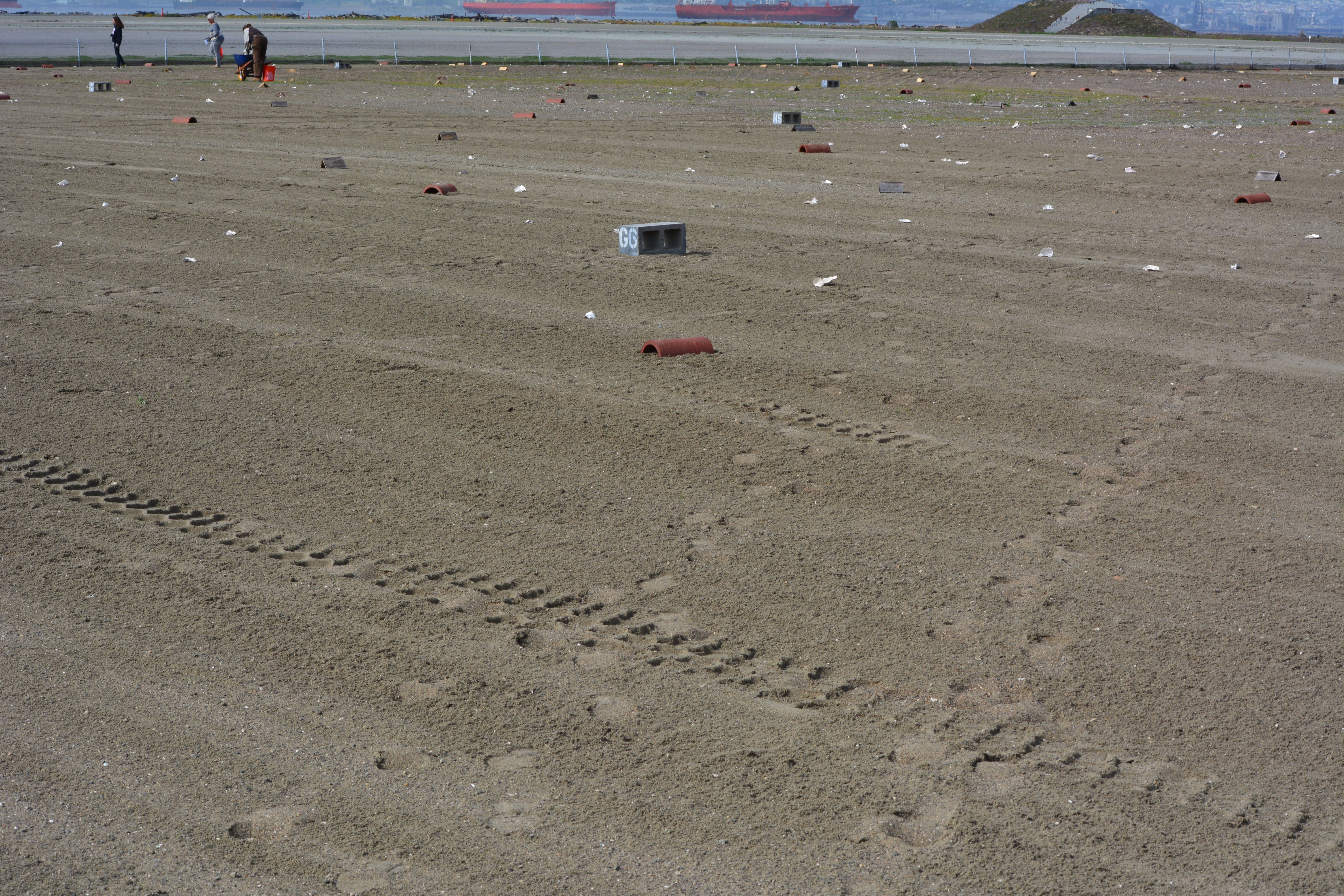
The 9.7-acre nesting area for the endangered California least terns at Alameda Point received a new layer of sand this year. Sixty dump truck loads of sand were delivered to the site on the old Navy airfield in March, paid for by the U.S. Fish & Wildlife Service (USFWS).
Fresh layer of sand on Alameda Point least tern nesting site. Looking south, with ships in San Francisco Bay in background.
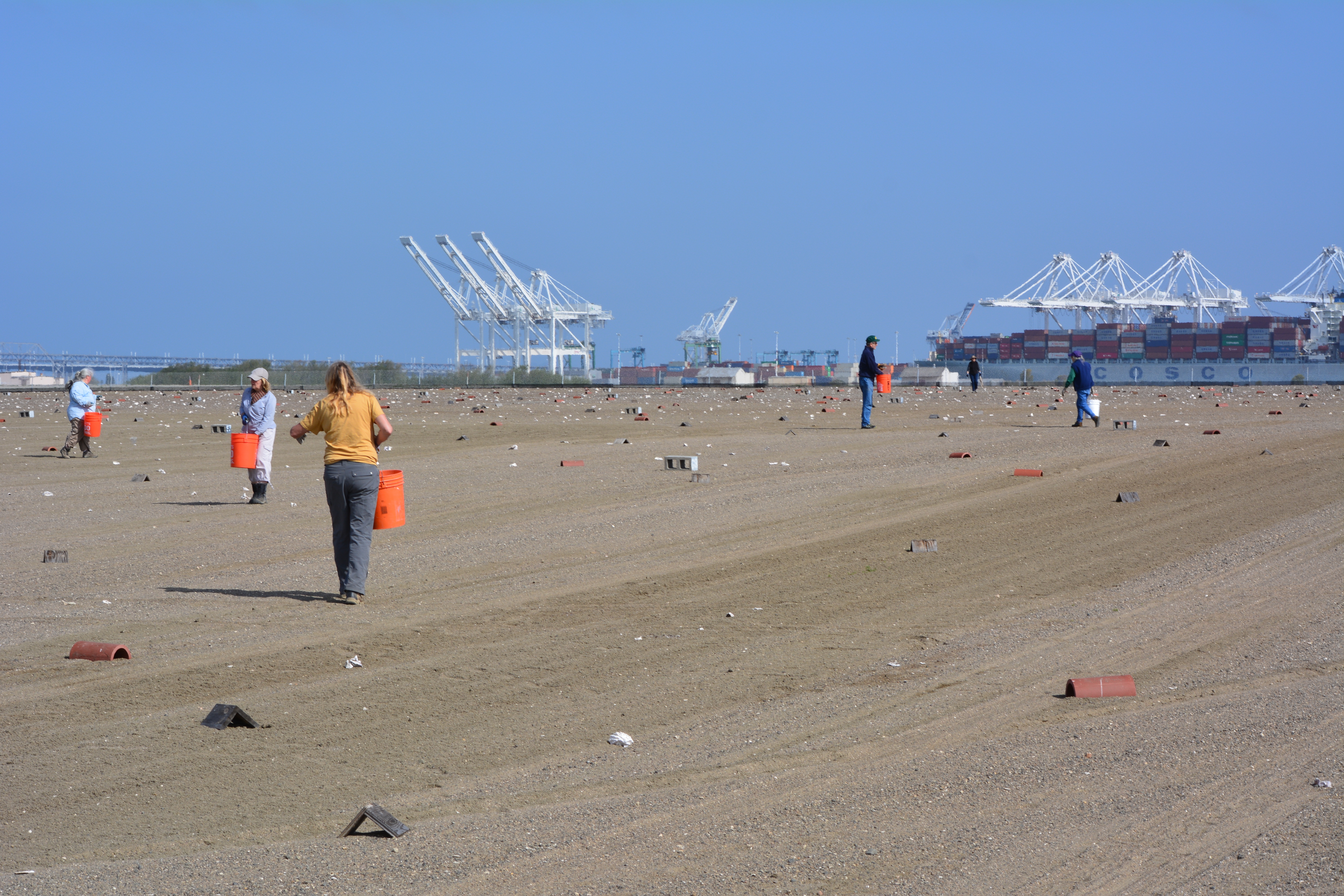
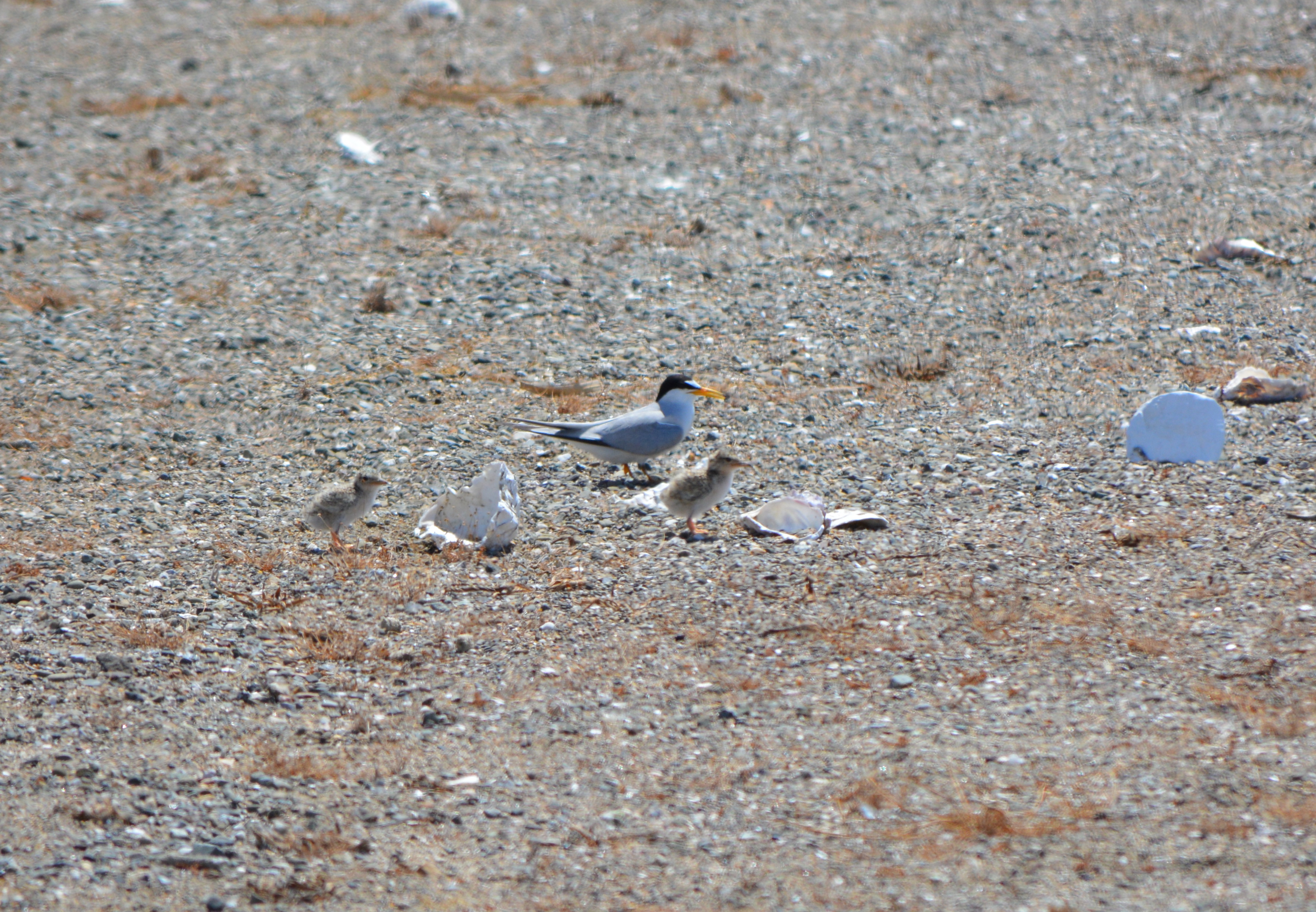
After the sand was moved into place, USFWS and volunteers set up a numbered cinderblock grid system used for recording behavior and also distributed chick shelters and oyster shells for the chicks to use as protection from the elements and predators.
On Sunday, April 13 a dozen volunteers showed up for the last work party prior to nesting. The task of the day was distributing oyster shells around the site, which provide a nominal amount of sun protection for chicks and, in theory, helps make it more difficult for avian predators like red-tailed hawks and peregrine falcons to spot the chicks amongst all the white shells.
From now until the end of the nesting season in mid-August, volunteers will be participating in another program called the Tern Watch Program. Participants monitor behavior and watch for predators from their vehicles outside the nesting area.
Throughout the nesting season a USFWS biologist makes periodic walks through the site and places numbered plaster markers next to nests so that the number of eggs and success rates can be accurately recorded. If there are three eggs in a nest one week, for example, and one egg the next week with no chicks, it’s an indication that predators have grabbed the eggs.
Each year following the end of the nesting season in August, volunteers at monthly work parties gather up the oyster shells, the wooden A-frames, drain tiles, grid markers, and the hundreds of numbered markers used to identify nests. Clearing the site makes it easier to remove weeds and grade the sand, which can erode during rains. The volunteers pull weeds from inside and around the perimeter of the fenced-in site. The volunteer program during the non-nesting season is organized by the Golden Gate Audubon Society’s Friends of the Alameda Wildlife Reserve committee, in conjunction with the USFWS biologist in charge of the Alameda Point tern colony.
The effort to protect the least terns was begun by the Navy when nesting activities were first noticed in the 1980s. The likely reason for the terns choosing such an unlikely place to nest was the absence of people who might trample on the nests. The nesting site was chosen by the terns, not by the Navy or USFWS, and has been expanded to its current size as the colony expanded. The sandy substrate that approximates the traditional beach nesting habitat for terns is on top of old airfield pavement. Due to erosion caused by wind and rain, the sand has to be periodically replaced, as it was in 2009 and 2011.
Training sessions for this year’s Tern Watch Program will be held at the USFWS office at Alameda Point on April 26, April 30, May 28, and May 31. Volunteers do not have to be a bird expert, just be very interested in observing and reporting about them. Participants are required to attend one training session and commit to signing up for a minimum of three of the 3-hour shifts. Also required are binoculars, cell phone, and personal vehicle. Reservations for the training sessions can be made by calling Susan Euing at 510 521-9717 or by emailing susan_euing@yahoo.com. Directions and registration materials will be sent by email.
The annual Return of the Terns bus tour to the nesting area will be held on June 14 this year. The tour departs from the Crab Cove Visitor Center in Alameda. Registration required through the East Bay Regional Park District’s website or at the visitor center.
Adult least tern with chicks next to oyster shells at Alameda Point, June 15, 2013, during the Return of the Terns tour. Plaster marker with number on reverse side is to the right.April 13, 2014 work party, looking north, with Port of Oakland in background.Killdeer sitting on four eggs in the least tern nesting area on April 13, 2014. It is not uncommon for a few killdeer to nest among the terns. Killdeer lay their eggs about a month before the terns lay eggs.
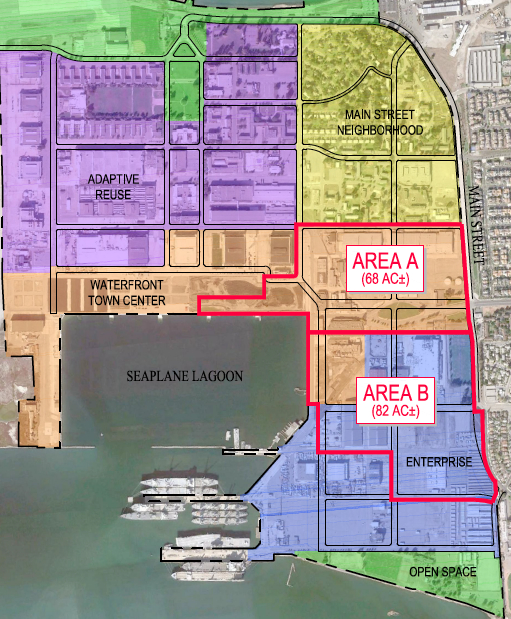
The city council will consider a staff proposal on April 15 to begin a major construction effort at the eastern entryway to Alameda Point, formerly known as the East Gate. The proposal seeks approval to solicit qualified developers for two parcels totaling 150 acres that would bring 800 new homes and a major sales tax generator.
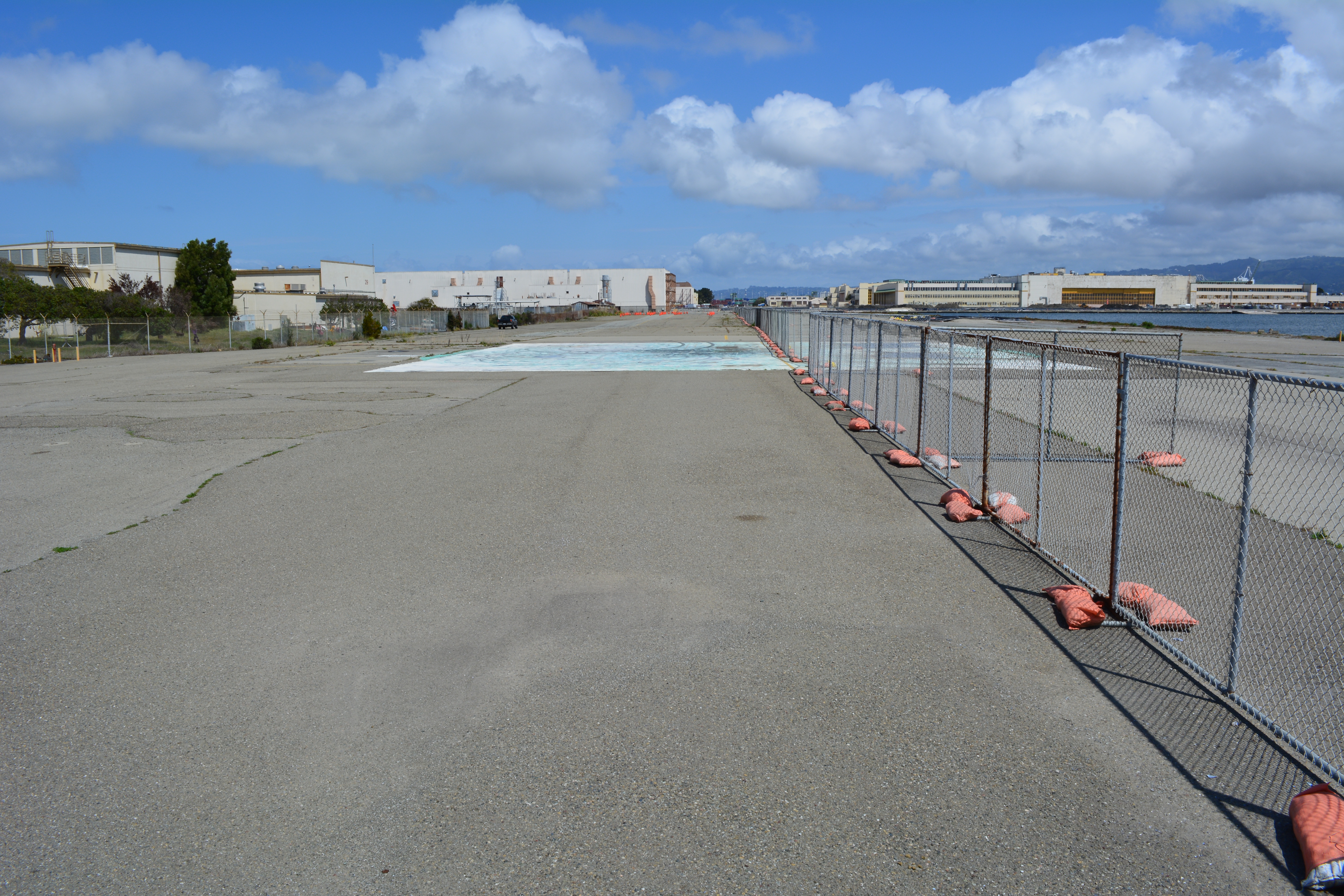
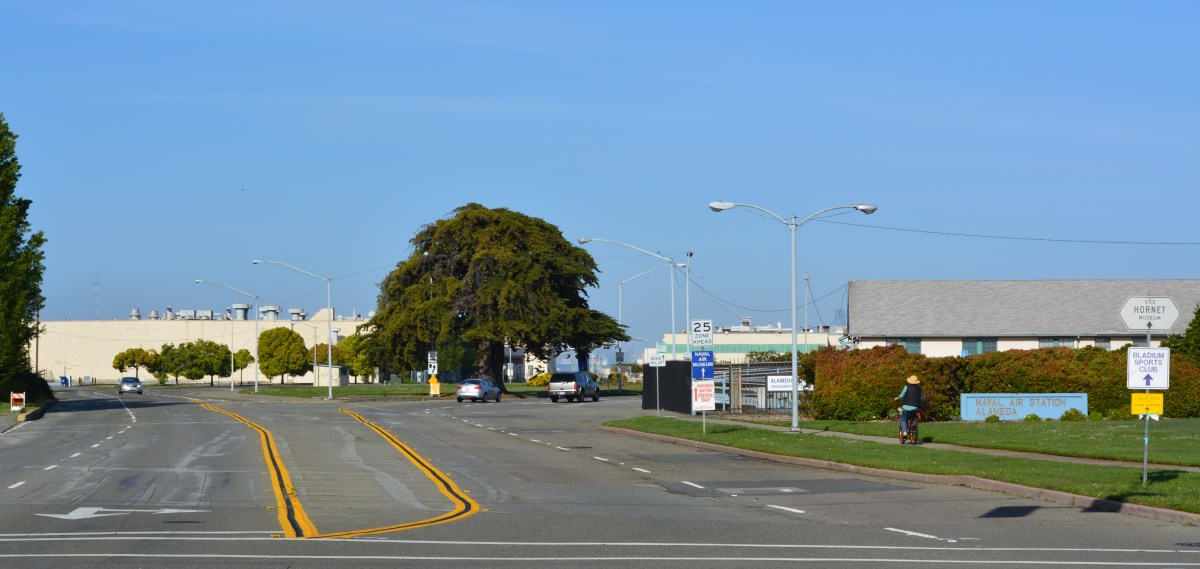
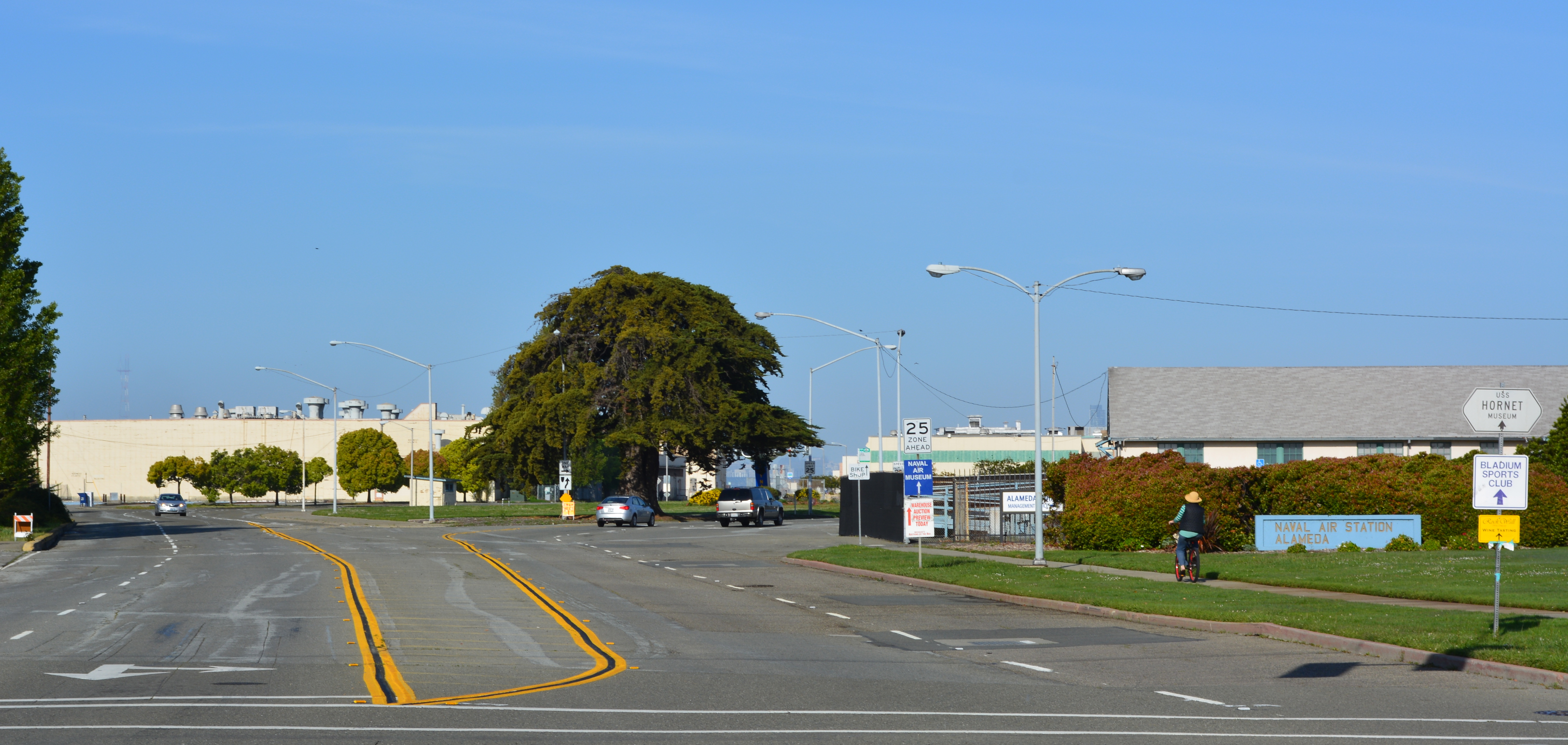
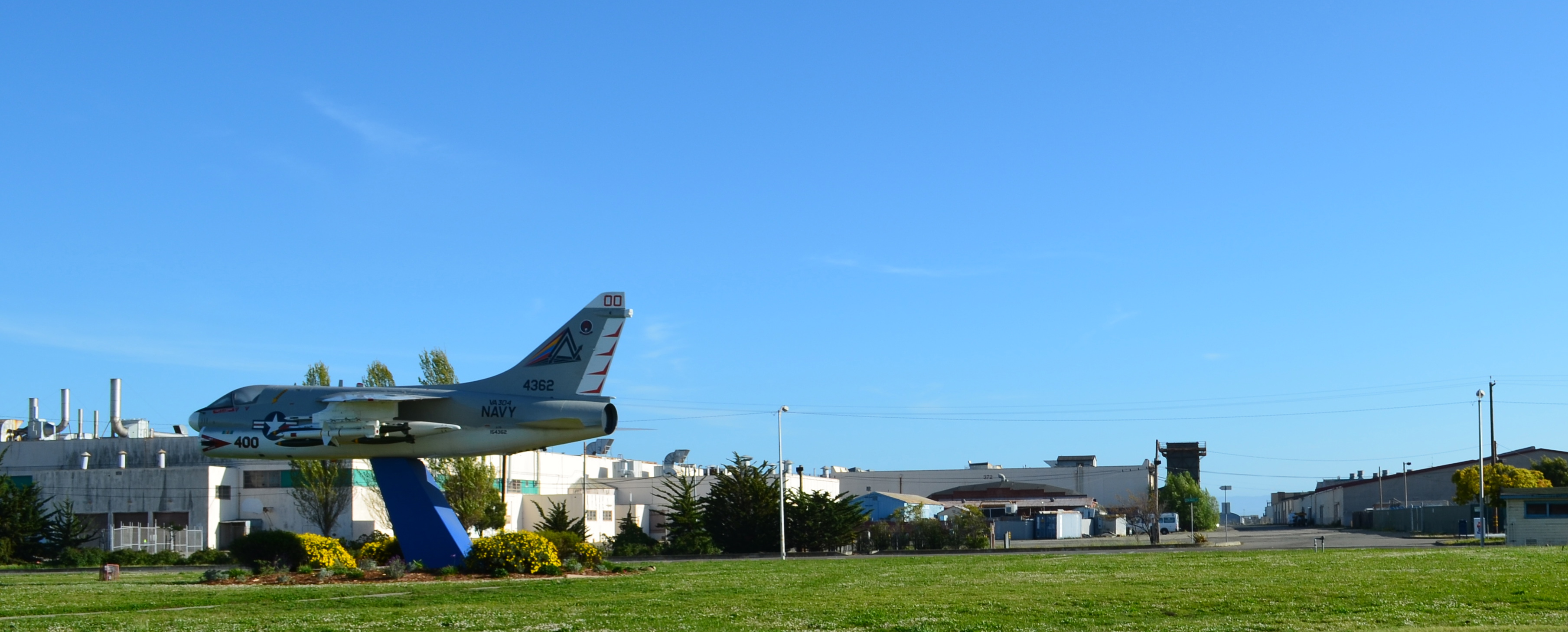
West Atlantic Avenue on Alameda Point, looking west toward San Francisco.
The quest for developers is being proposed “in order to facilitate new residential and commercial mixed-use projects that are of a sufficient scale to support major infrastructure investment,” said Jennifer Ott, Chief Operating Officer for Alameda Point. “It will create a catalyst for additional new development and investment elsewhere” at Alameda Point.
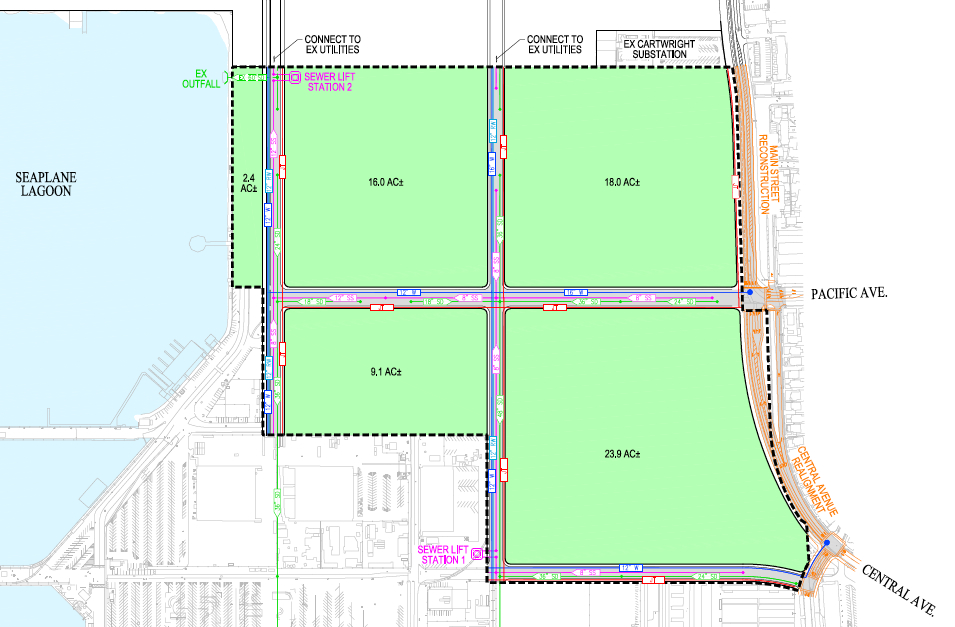
The proposal seeks a single developer for an entire 68-acre parcel, dubbed Site A, which extends along West Atlantic Avenue from Main Street to the Seaplane Lagoon. It would feature a mixed-use, 800-home development that is consistent with the recently approved Town Center Waterfront Plan. The plan requires ground-floor retail along certain blocks and public plazas and amenities at the heart of the area. Hotels and office development will also be highly encouraged.
Site B is composed of 82 acres in southeastern Alameda Point. Part of the site is within the commercial Enterprise Zone and part is within the Town Center Waterfront Plan area. Unlike Site A, the proposal for Site B will entertain multiple developers. “This approach allows the city to potentially attract interest from a large corporate user or retail outlet operator, who may not be interested in the entire area,” says the staff report. Preference will be given to developers who furnish letters of interest from a corporate user or retail outlet operator.
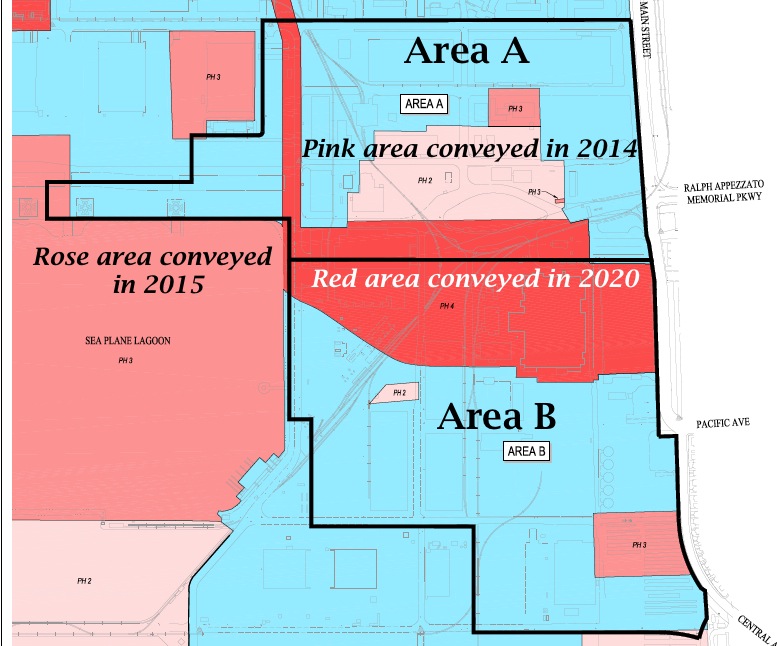
The staff report notes that significant early phases of development can commence around a 33-acre area that is undergoing environmental cleanup by the Navy. The groundwater cleanup area is not scheduled for transfer to the city until 2020. One of the early defining phases of development will be the realignment of West Atlantic Avenue so that Ralph Appezzato Parkway continues in a straight line to Ferry Point Road.
The staff proposal outlines an aggressive schedule, which calls for bringing a short list of developer candidates to the city council by September. In November, the council will be asked to approve exclusive negotiating agreements with developers. By the spring of 2015, the staff hopes to produce development contracts and development plans, with developers beginning their detailed site-specific infrastructure designs. By the end of 2015, the schedule calls for beginning infrastructure construction and drafting the building designs, according to Ott. By the spring and summer of 2016, the city hopes to see vertical construction.
West Atlantic Avenue Gateway to Alameda Point. Area B begins at far side of lawn area where all new construction is proposed. Looking south.
Developers will be required to submit a project description, but will be expressly prohibited from submitting site plans or any design renderings of any proposed development. “The selection of the developers/users will be solely based on the qualifications of the developers/users and the quality of their submittal, including past projects, not on the quality of any design drawings purporting to show the future of Alameda Point,” says the staff report. “Submission of a site plan or renderings at this stage of the process will result in disqualification of the responding entity.”
“City staff also receives significant interest in, and is actively pursuing, other long-term investment opportunities, such as the recently approved Google lease, in the other areas of the base, especially in the Historic District,” said Ott.
Current plans call for 1,425 housing units at complete build-out of Alameda Point, 25% of which are required to be affordable.
The Tuesday, April 15 city council meeting will be held at 7 PM at City Hall, 2263 Santa Clara Avenue, Council Chambers, 3rd Floor.
The city staff report and agenda exhibits can be found here.
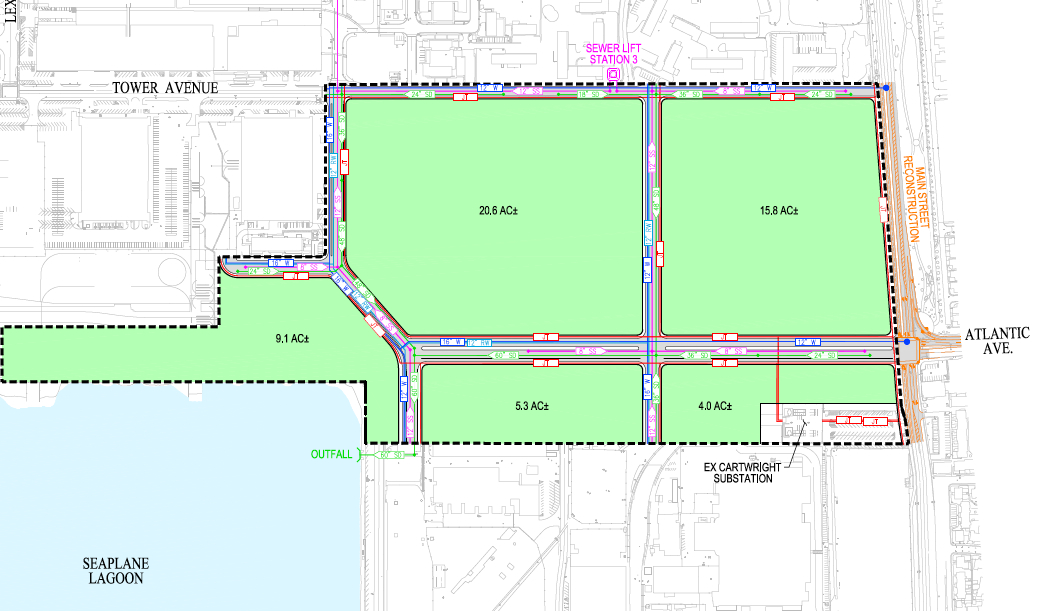
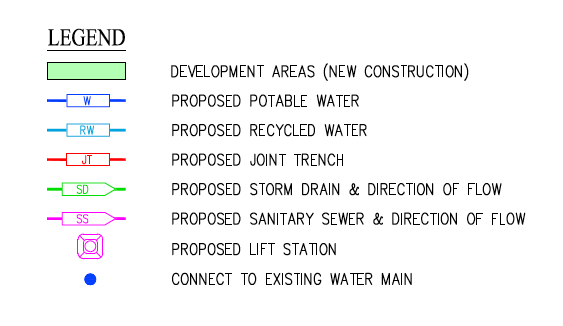
Proposed development areas A and B outlined on Navy land conveyance schedule map.Area A new street grid. See legend below. Click on image to enlarge.Proposed development Area B street grid. See legend below.Infrastructure legend for Areas A and B.
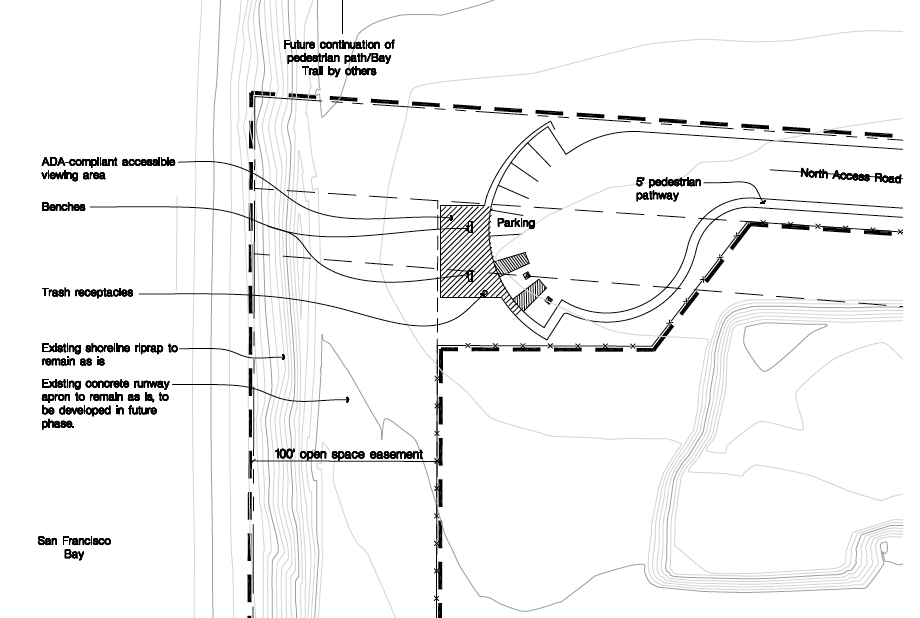
The San Francisco Bay Conservation and Development Commission (BCDC) gave its approval for the shoreline access provisions of the Veterans Affairs’ (VA) project at Alameda Point at its January 16, 2014 meeting. The VA submitted plans that include a public road with sidewalk and bike lane leading to the western shoreline, a one-acre parking and observation area at the shoreline, restrooms, drinking fountains, long term maintenance, and a shoreline easement for the city to construct the Bay Trail. The VA’s plan reflects collaboration with BCDC staff and the City of Alameda.
Some of the BCDC commissioners were concerned about the size of the undeveloped buffer area for the California Least Terns that nest on the former airfield, and the lack of public access on the proposed Bay Trail from April 1 to mid-August while the terns are present. Other commissioners were concerned that the VA and the Army Corps of Engineers had not finalized a plan to mitigate wetlands that the VA project will cover up.
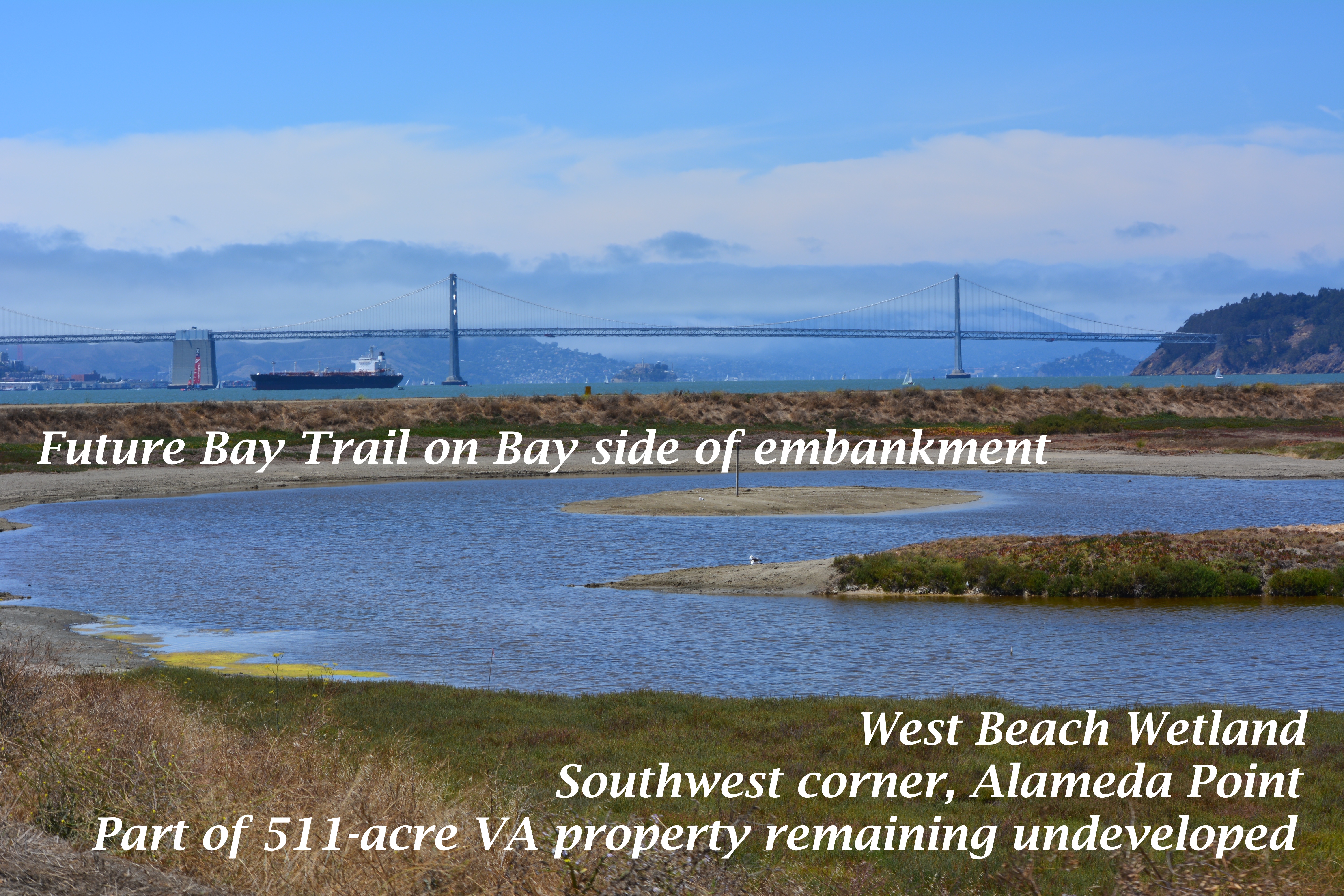
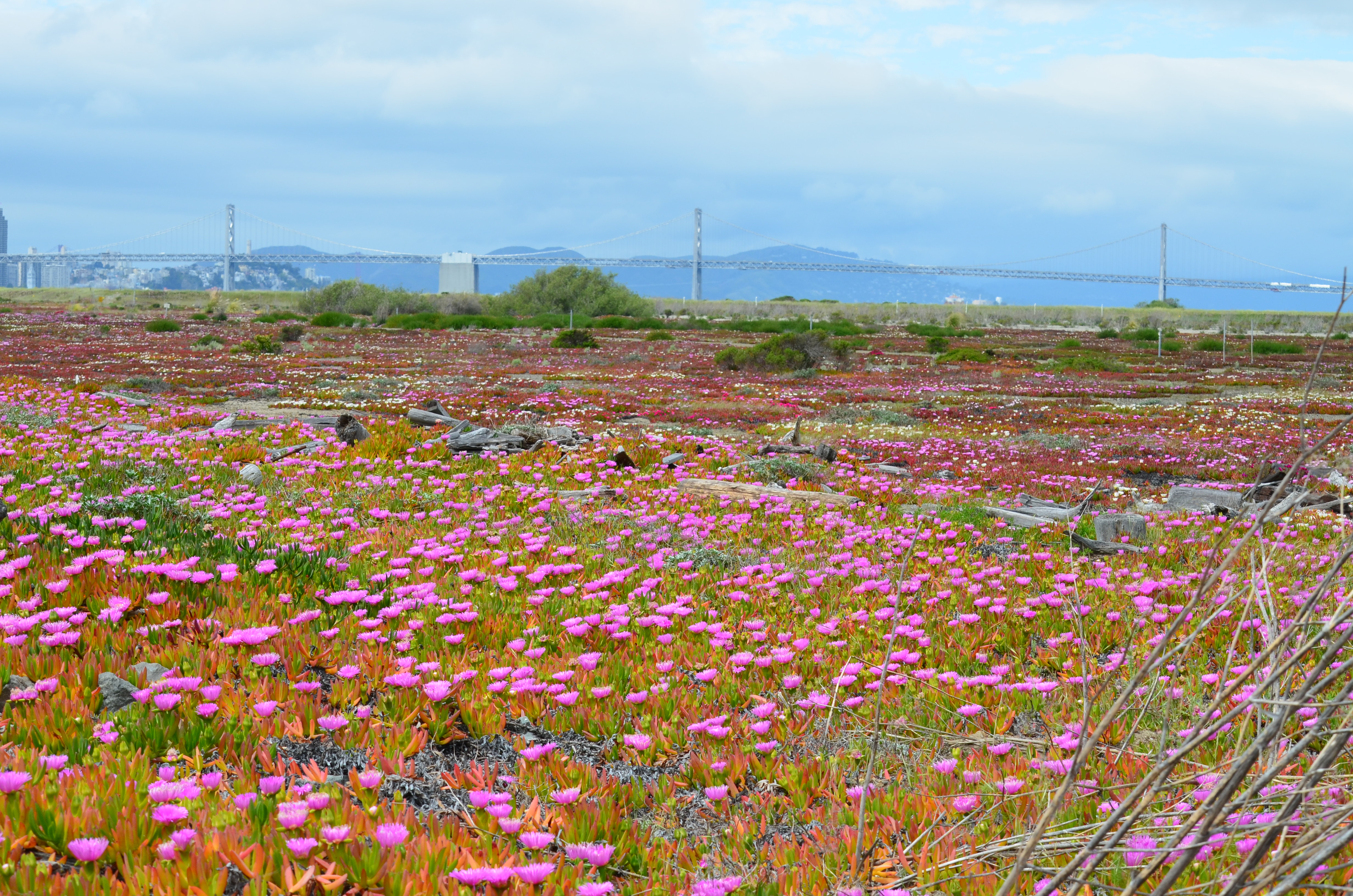
Part of the 511 acres that will be owned by the VA and remain undeveloped. Current restrictions call for prohibiting Bay Trail access to this area from April 1 to mid-August because of potential threats to least terns that nest about a half-mile to the east.
The following excerpts from the 18,000-word meeting minutes for this agenda item offer insight into the long and sometimes contentious effort to construct a VA outpatient clinic, offices, and a new national cemetery at Alameda Point.
West Beach Wetland area (partially shown in photo above) is on the lower left portion of this map. Click on map to enlarge.
Commissioner Geoffrey Gibbs enquired, “I would like to know from the city of Alameda how these plans are consistent with the city’s hope for a mixed-use development on or near the site.” Alameda Point Chief Operating Officer Jennifer Ott responded, “We’ve been working with the VA for several years and they are consistent with our plans,” Ott said, “and the city has planned over 150 acres of additional park space, passive, open space that by building that road will actually help us bring down the cost of our development of that space to the north. It is a huge help to us to be able to implement additional significant regional open space facilities.”
Commissioner Jim McGrath questioned the VA about the need to prohibit access to the shoreline during the Least Tern breeding season from April 1 to mid-August. McGrath said, “I’m excited that something has been found to work in the long term to manage and preserve the wildlife area. I would love to see it expanded. When I began looking at the maps I said, boy, that Least Tern colony is a long way from the shoreline, over a mile.
“While I absolutely support science-based information that protects nesting areas for endangered species as warranting the highest level of protection, I don’t necessarily see the analytical gap bridged here between the potential for impact, the need for management and the need for, on a long term, restrictions of this nature.
“Some of the research that I’ve seen for the development of habitat areas within the restoration of the South Bay Salt Ponds, the research established that predation from avian species, particularly Western Gull, were the main threats to the Least Tern successful breeding.
“I know from my own experience that there has been successful breeding at fenced sites in southern California at Playa Del Rey and in Orange County; smaller sites on beaches with much less robust buffers.
“It raises in my mind the question of, would we not be better off with some active management of the Least Tern area that is science-based looking at the sources of predation, looks at the actual colony. I don’t want to pick on this project so much as say, if under the consistency review authority which is our single shot at trying to balance wildlife protection and provision of public access, we don’t ask those questions at this stage, we may miss the opportunity to try to achieve a better balance.
“I am a little bit troubled with a mile buffer.”
Mr. Richard Crowe from the VA responded: “We spent several years negotiating with the U.S. Fish and Wildlife Service. From our research, there is no science or an adequate buffer from a development to a colony. There is science on adequate buffer between colony nests. There is a paucity of research in that area.
“The U.S. Fish and Wildlife Service was adamant and we’ve negotiated in good faith and they felt that that quarter mile, 1674 linear feet, was the necessary buffer for the human impacts potential on the Least Tern.
“We’ve negotiated as much as we could and in order to get a favorable biological opinion that those were the final buffers.”
Commissioner McGrath continued the dialogue: “I understand and sympathize with your dilemma but adamancy does not constitute peer-reviewed science. And while we don’t have the U.S. Fish and Wildlife Service here, I guess to some degree I do think of that as the independent analytical role of the staff and the Commission.
“I have no trouble with the provisions and the burden with the VA with the exception of, that may end up being de facto management of this system on a hands-off basis when that, in fact, is not the best thing for either habitat or public access.
“I don’t know what to do with that concern. It certainly bothers me.”
Mr. Crowe responded: “The biological opinion is subject to negotiated modification should any other new science come up or new position by the current managers. The development was going to be below that little bulge but the U.S. Fish and Wildlife Service felt that that was going to jeopardize the Least Tern and they were going to issue a jeopardy opinion, which would kill the project. We negotiated very well and successfully with the city of Alameda to move that development up and that satisfied the U.S. Fish and Wildlife Service and all parties agreed to that and I think that was our way forward.”
This photo shows part of the area on the VA property that was recently zoned Nature Reserve by the city of Alameda. The Bay Trail will pass through this area. The fenced-in 10-acre Least Tern nesting site is nearby to the right. The adult terns roost on pavement near where this photo was taken, which is outside the fenced nesting area. Pedestrians and cyclists coming this close to roosting terns would cause them to flush, which is the reason for the trail closure during the nesting season. How close is too close has yet to be scientifically determined.
Jennifer Ott added, “From the City’s perspective we would have much rather have had a year-round trail. I can imagine the City approaching the VA at a future time, once things have settled, bringing this up again as an issue.”
Wetland Mitigation
The VA’s project will entail filling in about 11 acres of wetland. The VA will be required to mitigate the loss of wetland, but those plans have not yet been agreed to and approved by the U.S. Army Corps of Engineers. Some commissioners wanted to postpone the vote to approve the VA plans until they could see the wetland plans, even though the wetlands are outside BCDC’s jurisdiction.
Runway Wetland in foreground is the best area in which to add additional wetland as mitigation for losses in the VA developed area to the far right on the airfield (outside of view).
Commissioner Kathrin Sears said, “We look at the Least Tern in a different way because the birds fly. Wetlands can become connected to the Bay and have a broader impact on areas in our jurisdiction as sea level rises. I think there are different issues there that might make it appropriate for us to look at the wetlands.
Commission Chair R. Zachary Wasserman said, “Coming back to the issue of the wetlands that are outside of our jurisdiction, that are within the Corps’ jurisdiction; the issue being raised is, will the Least Terns – we are legitimately taking that into consideration because they’re migratory, they use the Bay, they use our jurisdiction. The question that has been posed is for the wetland that is outside our jurisdiction, which theoretically is used by shore birds; is that sufficient then to bring it within our consideration just as the Least Tern issue is?”
The VA’s Doug Roaldson commented: “We appreciate the [U.S. Army] Corps [of Engineers] and we have had numerous talks with you. We are clearly interested in those wetlands. We’ve had numerous discussions about a strategy. We’re still evaluating that strategy. We don’t know what’s happening and this is outside of your jurisdictional discussion right now. What’s the VA going to do? We’re going to take care of those wetlands. We’re either going to move them and we’ve got two very high quality wetlands on the property and they are very easy to mitigate into. We’ve had these discussions with the Corps.
“We’ve had a discussion, if we mitigate do we mitigate by phase or do we mitigate the entire site?”
The last comment offers insight into why the VA and Corps of Engineers have not yet agreed on a plan. The Corps wants the entire 11 acres of wetland mitigated at the beginning of the project, even though some of those acres won’t be impacted for decades when more of the columbarium is built out. The VA, on the other hand, wants to pay for the mitigation when the wetlands are actually filled in.
Whether the wetlands are mitigated in phases or all at once, the plan will have to be agreed upon when the VA begins their project. BCDC’s approval contains special conditions that require Corps of Engineers approval of a wetland plan at the project’s commencement.
BCDC staff member Jaime Michaels said, “I just want to point out given the conversation we’ve been having [about wetland mitigation], there is also a condition and it’s Special Condition II.C that talks about the need for the VA to get other local, federal and state approvals before they begin their work. That would include the Corps of Engineers’ approval.”
A motion was made and seconded to approve the VA’s project as being consistent with state law, in this case the San Francisco Bay Plan, as required under the federal Coastal Zone Management Act. On a roll call vote, the motion passed with 13-Yes, 2-No, and 4-Abstain.
The property is slated to be transferred from the Navy to the Department of Veterans Affairs in 2014.
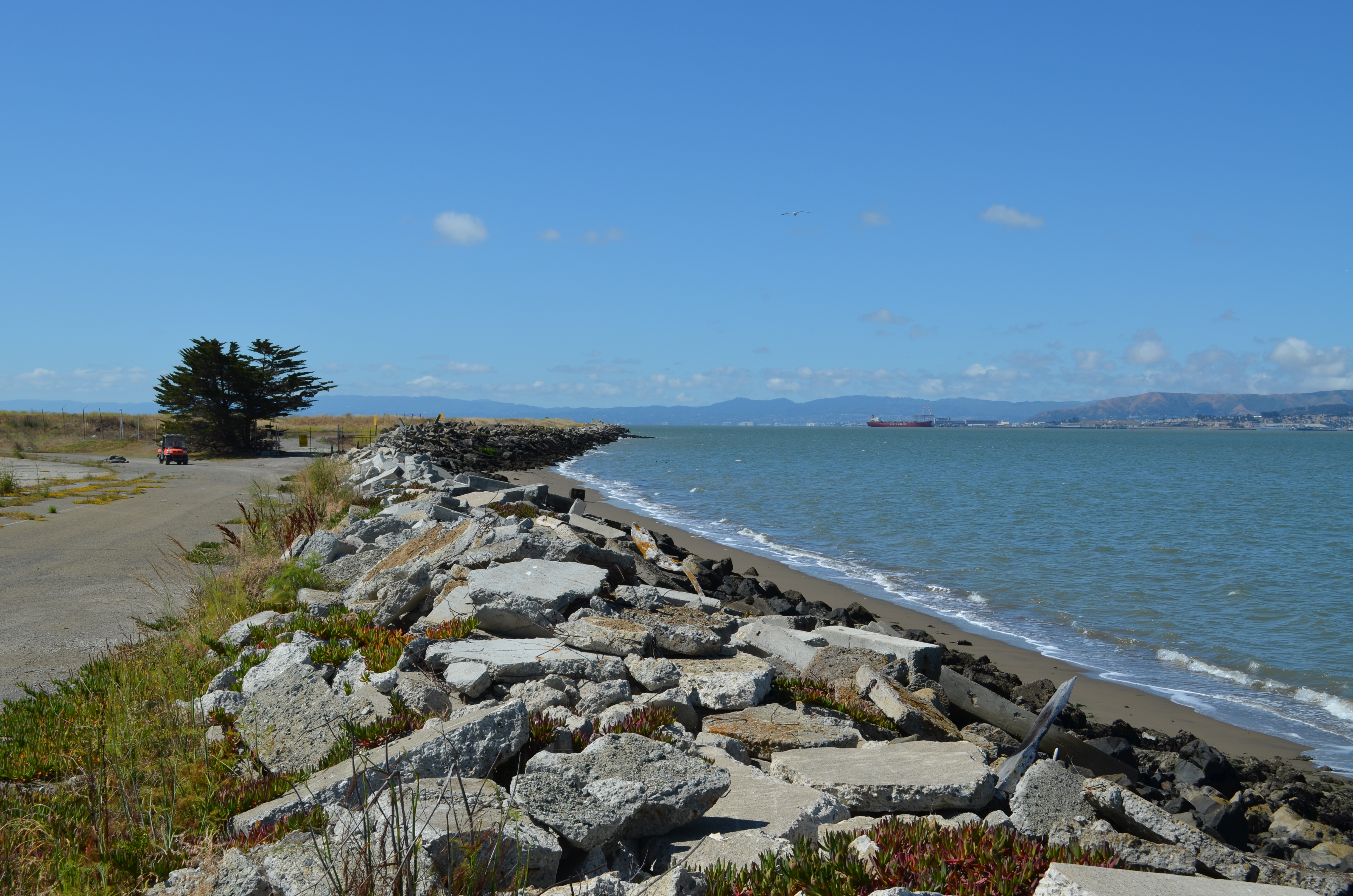
Alameda Point western shoreline where one-acre public access site with parking will be constructed on VA property. Looking south.Shoreline public access site on VA property. San Francisco Bay to the left.
A public hearing is scheduled for January 6, 2014 in San Francisco to take comments on the proposed facility for Bay ferries at Alameda Point. It is the Bay Conservation and Development Commission (BCDC) Design Review Board’s first hearing to determine if the project complies with guidelines for ensuring maximum public shoreline access, preserving scenic views, and enhancing the shoreline visual experience through appropriate design appearance.
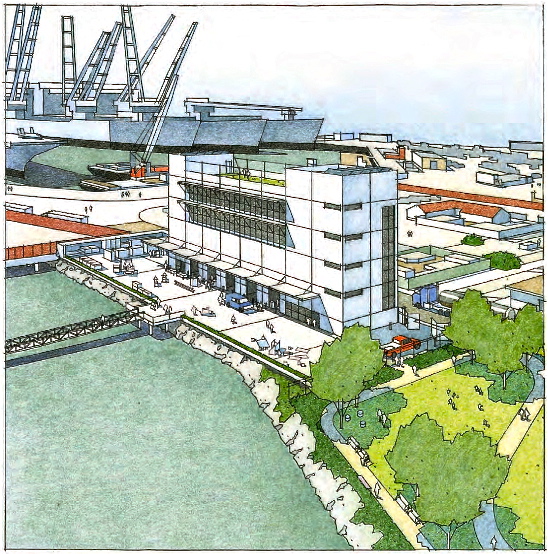
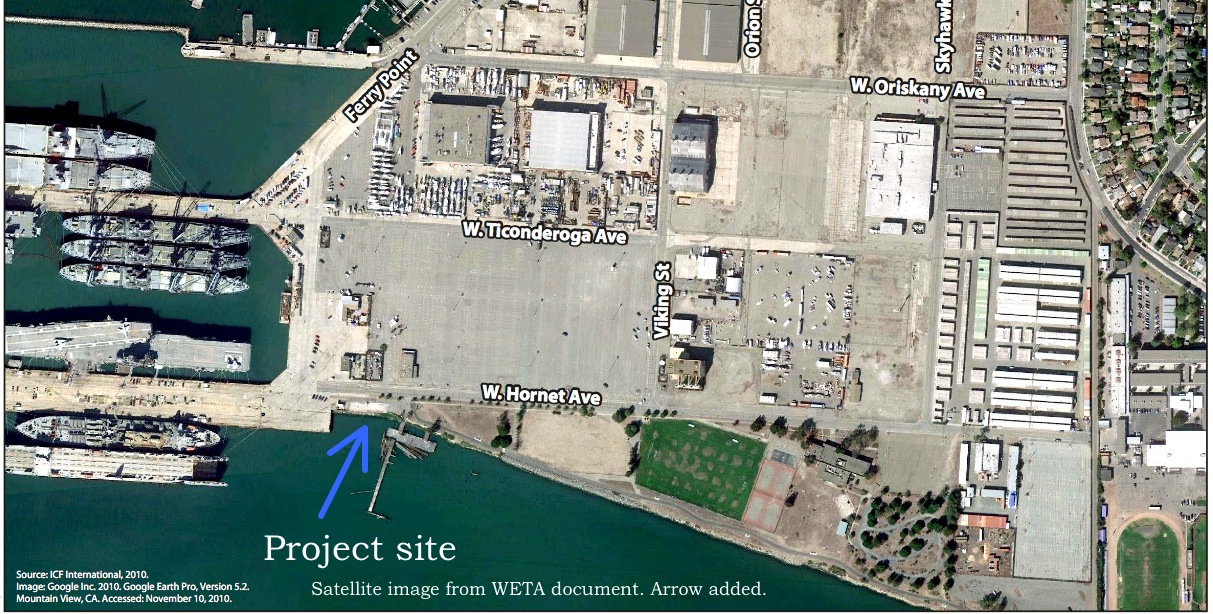
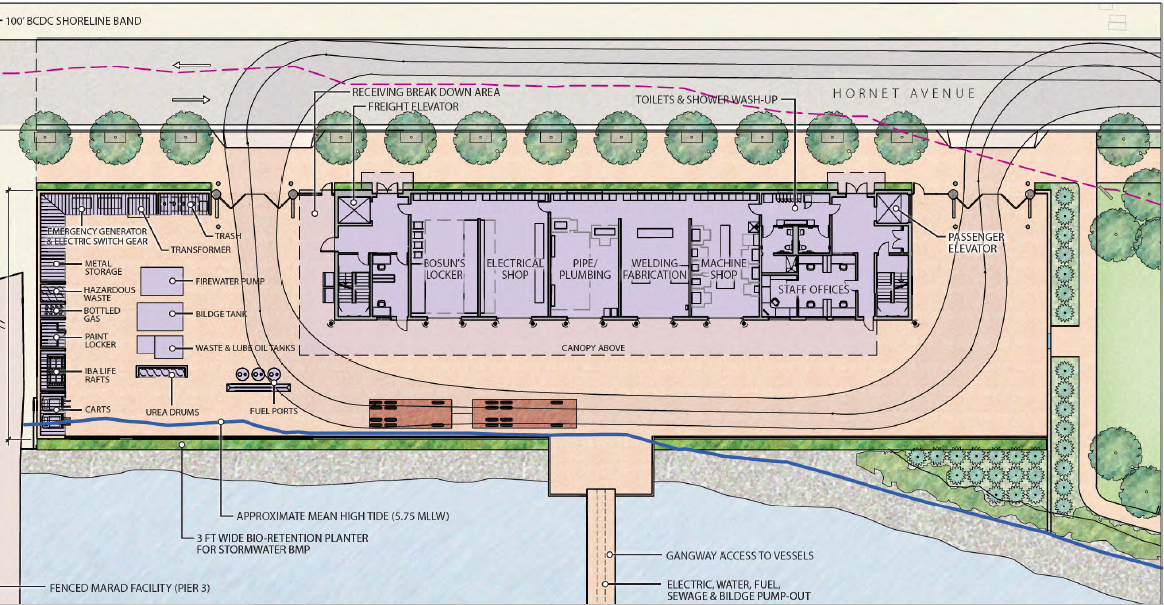
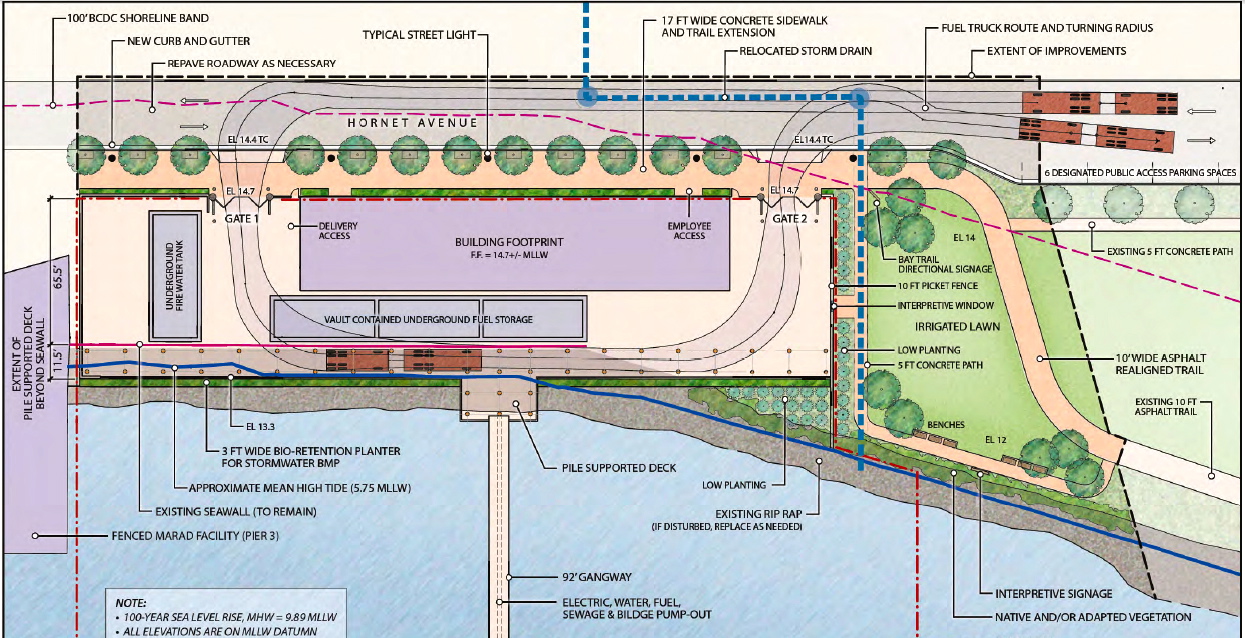
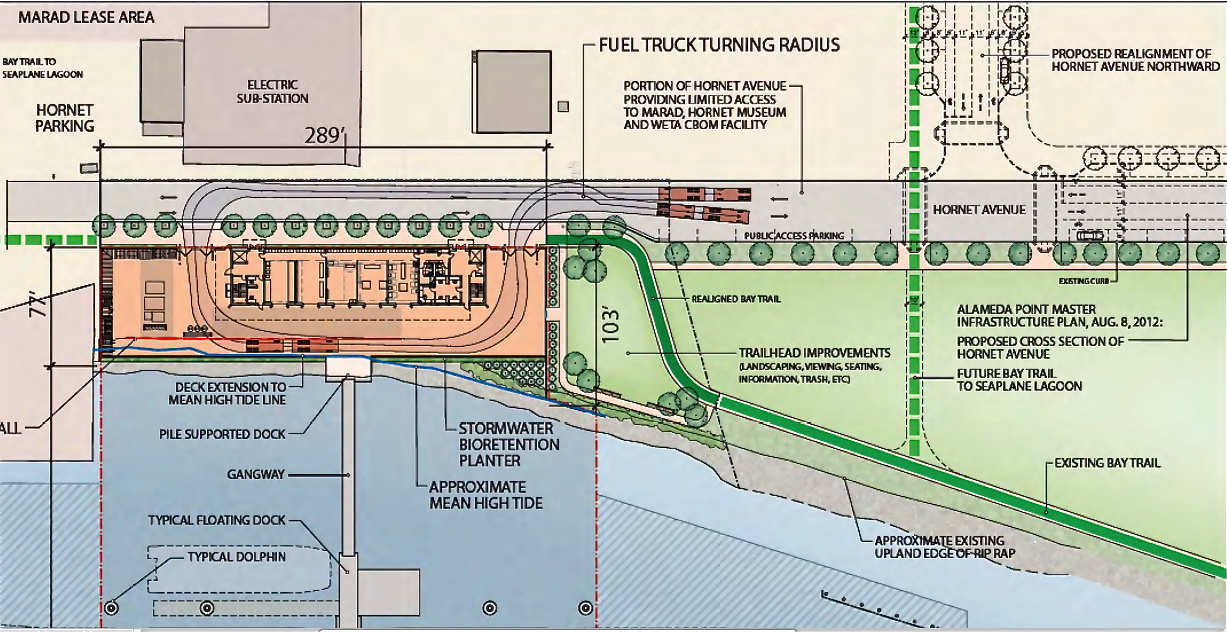
Located on Hornet Avenue at Ferry Point Road near the U.S.S. Hornet on a four-acre site to be leased from the City of Alameda, the facility will service and maintain ferries owned by the Water Emergency Transit Authority (WETA) operating in the Central Bay. The project will include a 70-foot-tall four story building for maintenance, dispatch, and administrative tasks, a service yard, and floating berthing facilities for 12 vessels. Demolition of the old recreational dock and retaining wall, and dredging of the berthing area is scheduled to begin in the summer of 2014.
Click on image to enlarge.
A variety of activities will take place at the facility, including refueling ferries from new underground fuel tanks, bilge and sewer pump-out, fluid replenishment, repair and replacement of vessel equipment, trash disposal, cleaning and painting of vessels, and storage and replenishment of concessionary items for passengers.
Click on image to enlarge.
WETA, in consultation with BCDC staff, proposes enhancements to the adjacent park area owned by the city. The proposal that BCDC is seeking comment on would realign and extend the existing Bay Trail so that it better serves as a connection to the U.S.S. Hornet Museum and the existing public access areas through the maritime ship site to the Seaplane Lagoon. Approximately 100 feet of the existing trail and path would be removed and replaced with approximately 145 feet of new 10-foot wide trail and path.
According to the BCDC staff report, “In addition, a new 17-foot-wide extension of the Bay Trail would be constructed along the 289-foot northern length of the project site along Hornet Avenue. This portion of the trail would include a two-foot-wide landscaped area adjacent to the project site, 12 new street trees in three-foot by six-foot tree wells adjacent to a six-inch curb and an 11.5-foot-wide pedestrian and bicycle trail. Beyond this area and through the Hornet and MARAD [maritime ship] site, signage would indicate the route for pedestrians and bicyclists.”
Click on image to enlarge.
The BCDC report continues by saying, “Approximately 6,850 square feet of the park would be landscaped between the realigned trail and the project site, including irrigated turf and low lush planting with a break in the landscaping provided to create ‘windows’ into the work yard. Interpretive signage would describe the unique working waterfront activities. Nine trees in three clusters are proposed to better define the spatial qualities of the setting and to provide shade and visual interest. In addition, six benches are planned along the shoreline. Opposite the benches will be an interpretive sign describing the role and function of the WETA berthing facilities.”
Click on image to enlarge.
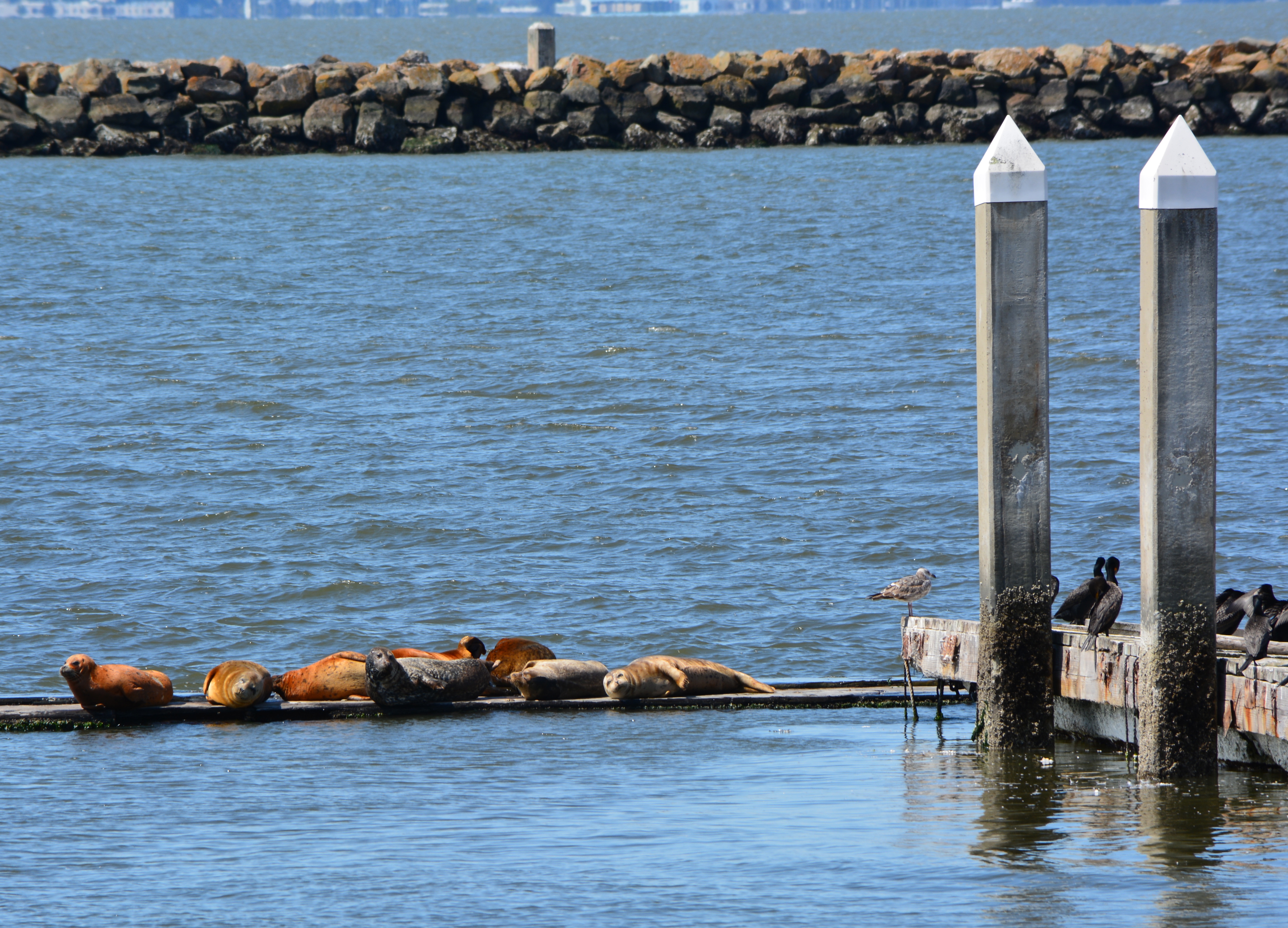
One impact not accounted for in WETA’s state and federal environmental reviews is the displacement of harbor seals when WETA removes the old dock that is used as a haul out. Constructing an anchored floating platform nearby for harbor seals and birds would make up for the old dock that has served as a wildlife resting site since base closure 16 years ago. WETA should add a wildlife platform to its budget. Wildlife and the visiting public will greatly appreciate it.
Harbor Seals on Alameda Point dock in the Spring of 2013. Located on Alameda Point’s south side in the Inner Harbor, the dock will be demolished to build the new ferry maintenance facility. San Francisco Bay is in the background beyond the breakwater. Copyrighted photo by Richard Bangert.
The Monday, January 6, 2014 hearing will be held at the BCDC McAteer-Petris Conference Room, 455 Golden Gate Avenue, Suite 10600, San Francisco. The hearing begins at 6:30 pm. For information about the meeting, the public is directed to contact Ellen Miramontes at (415) 352-3643 orellenm@bcdc.ca.gov.
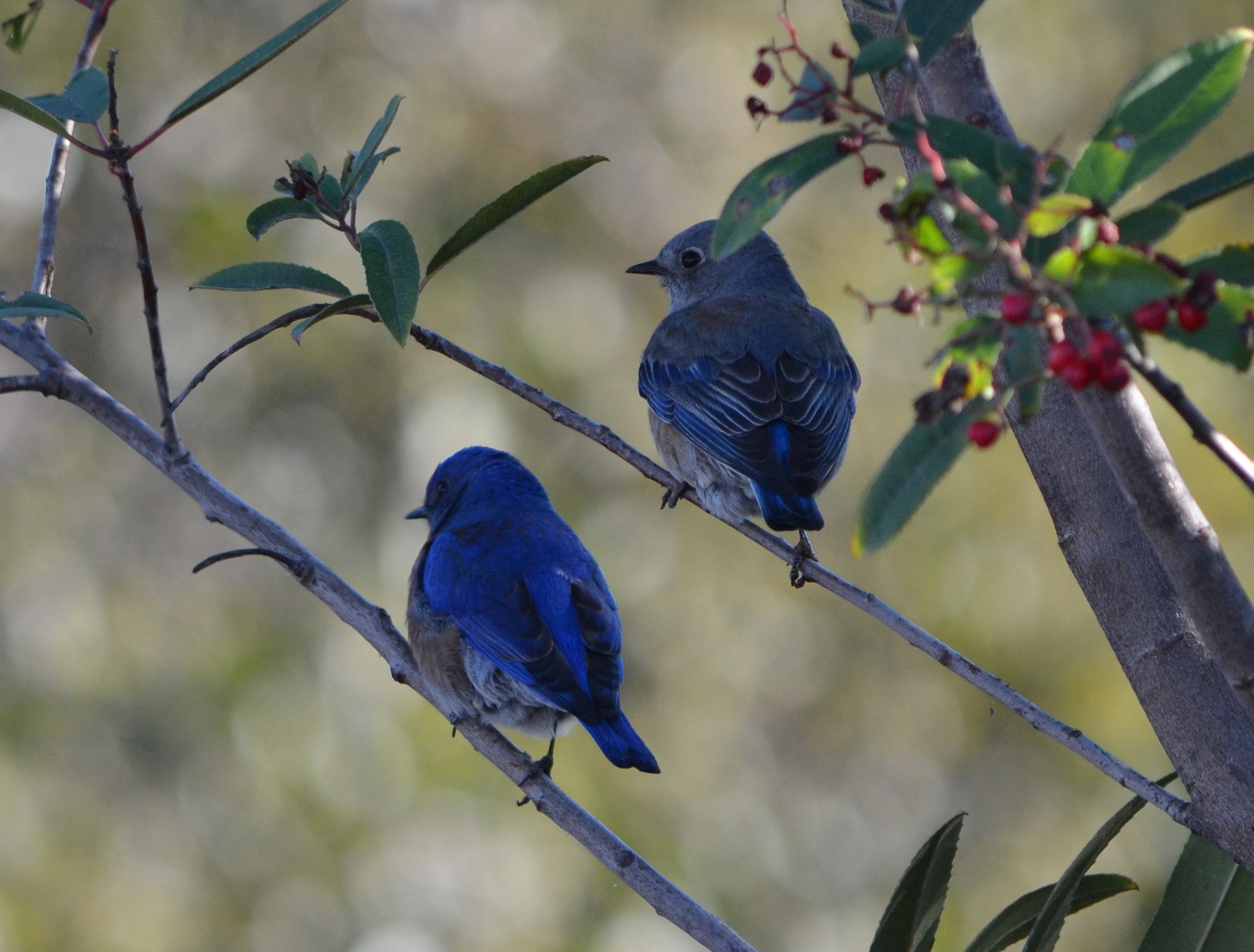
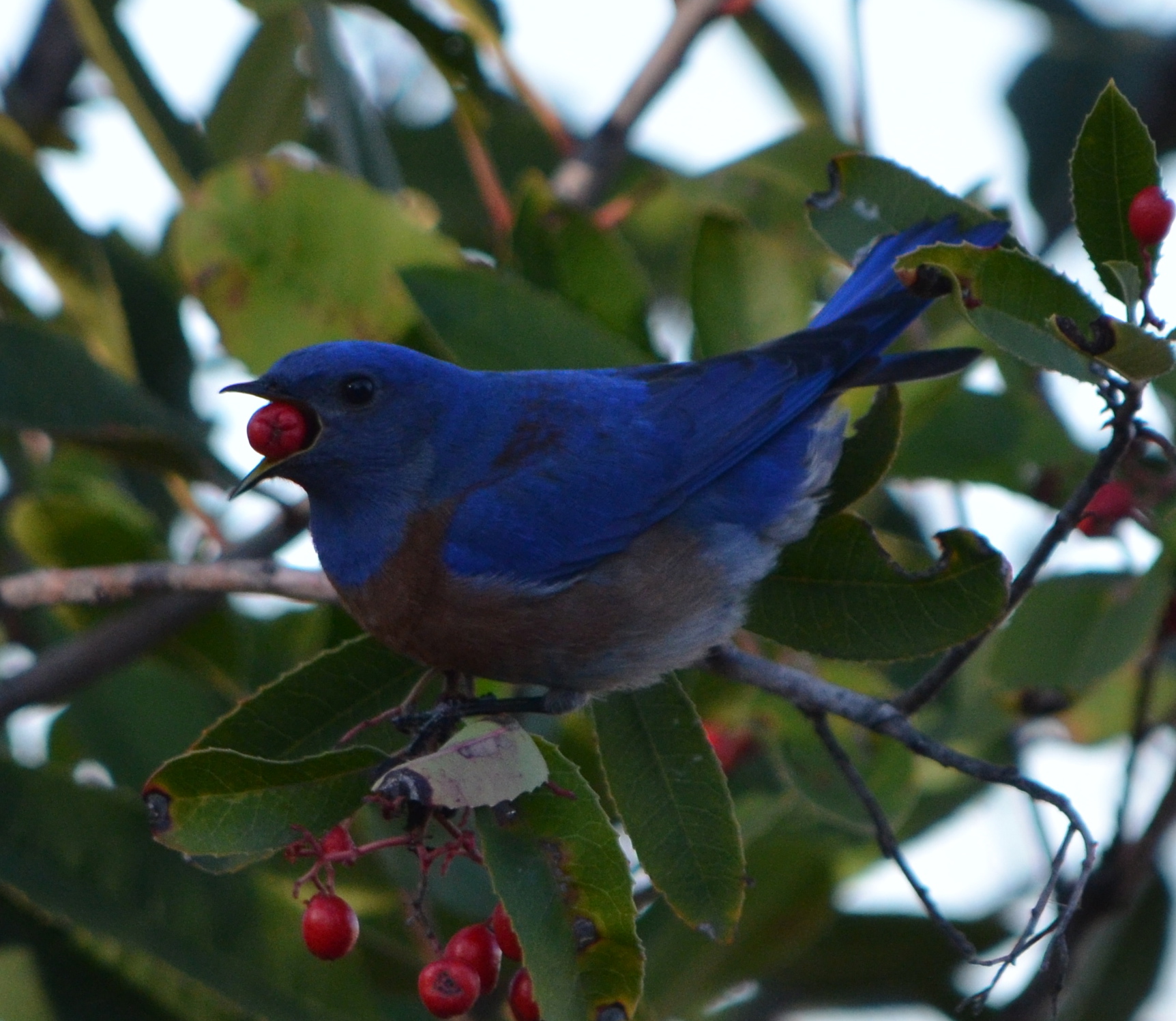
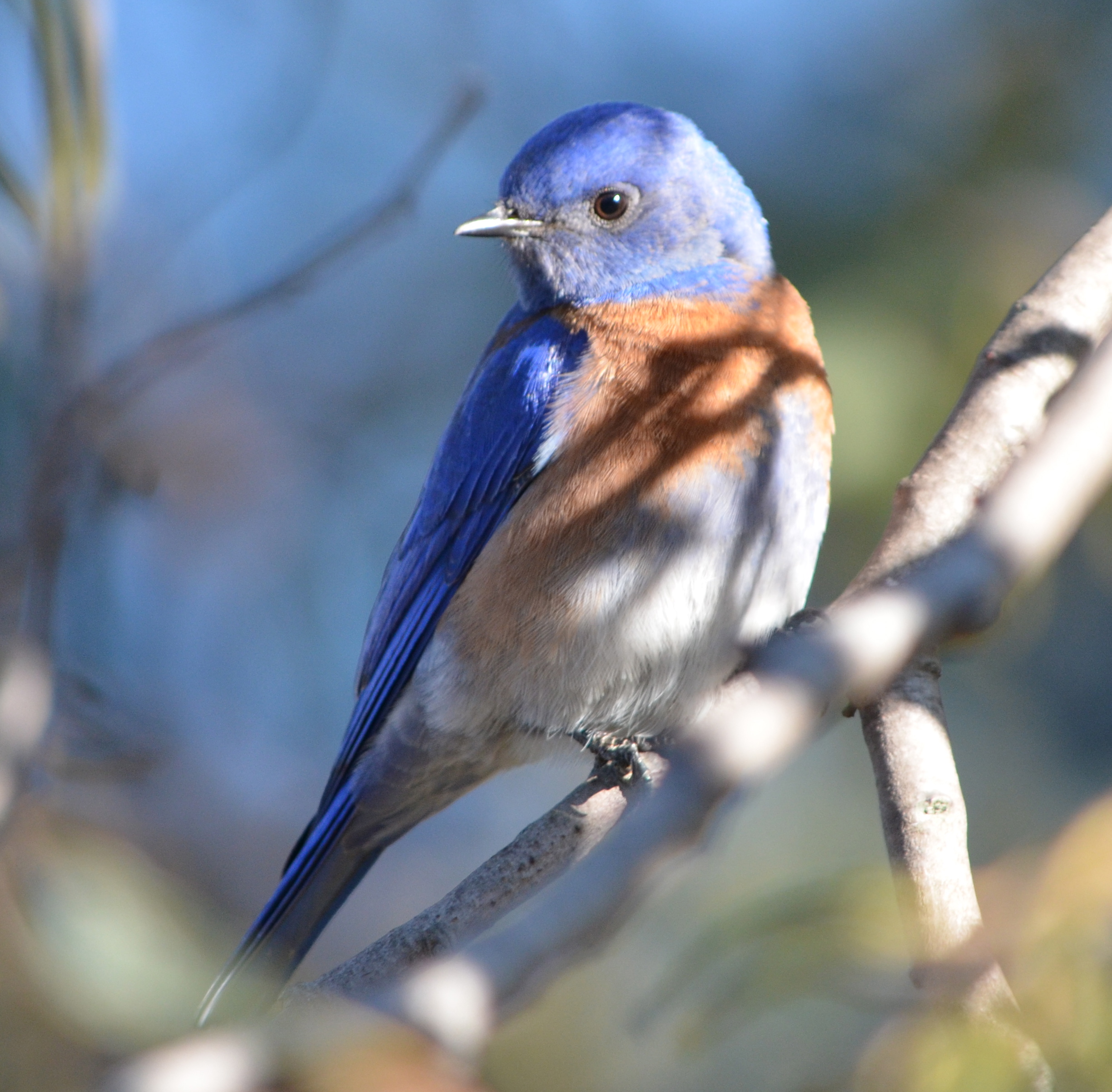
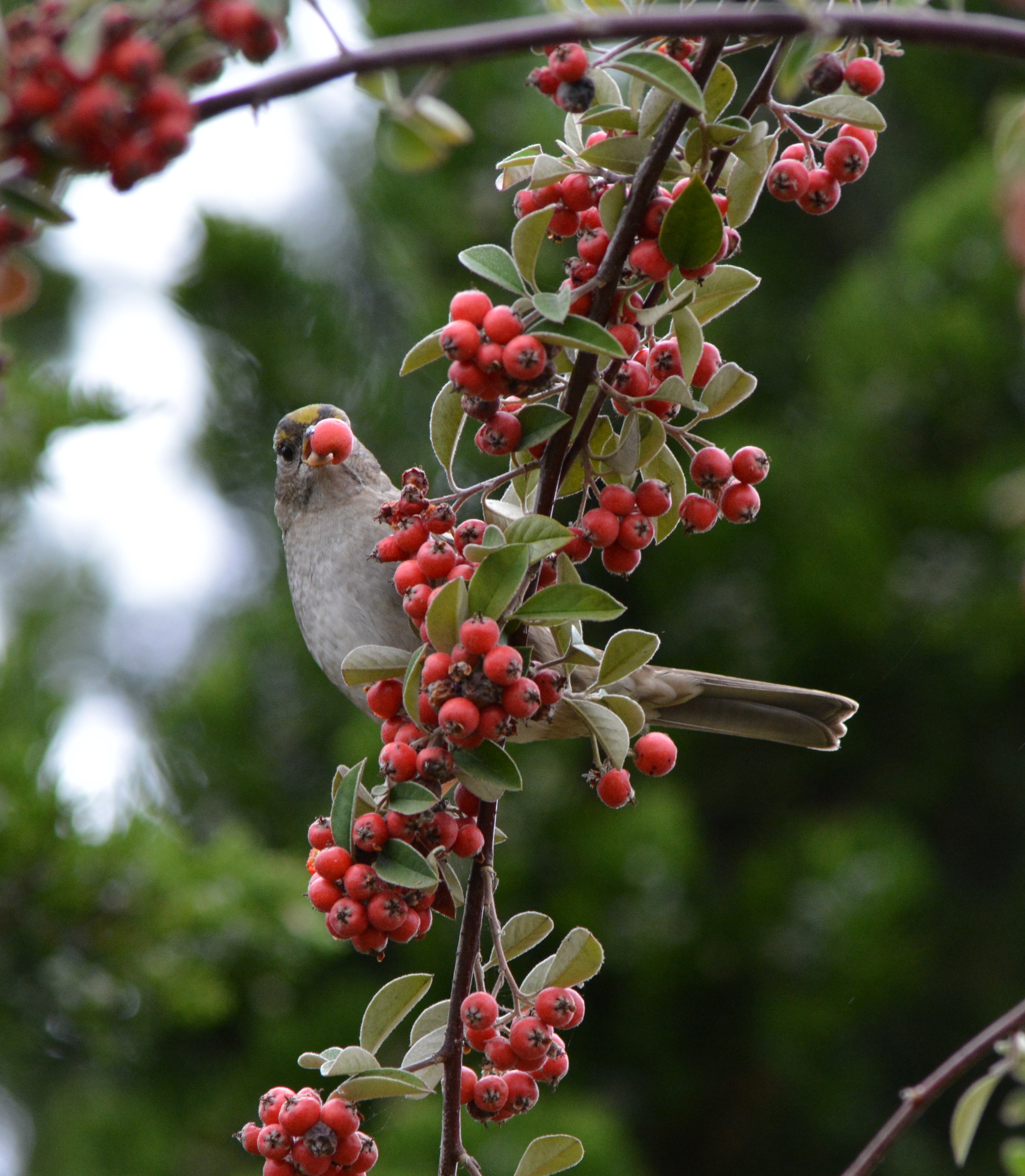
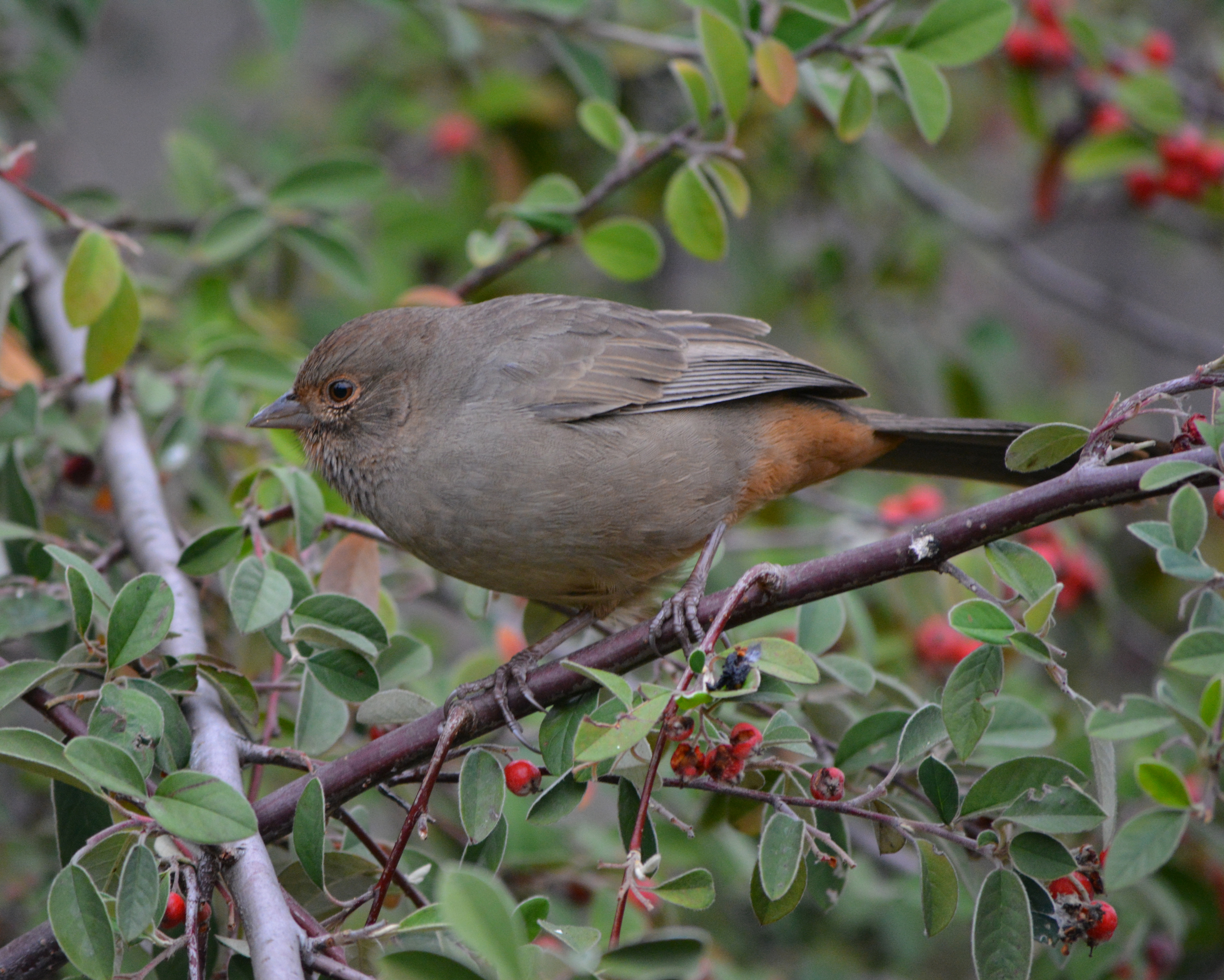
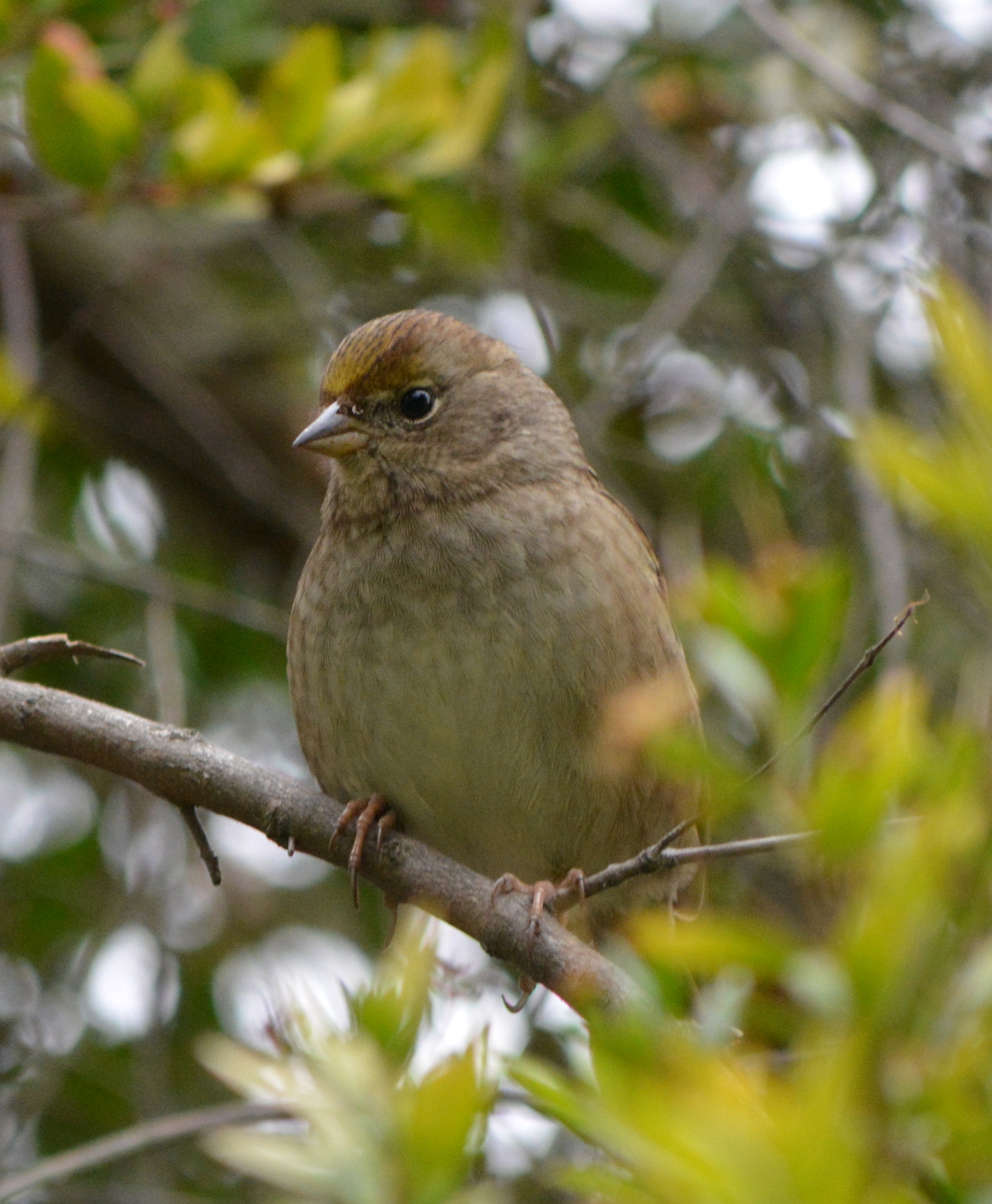
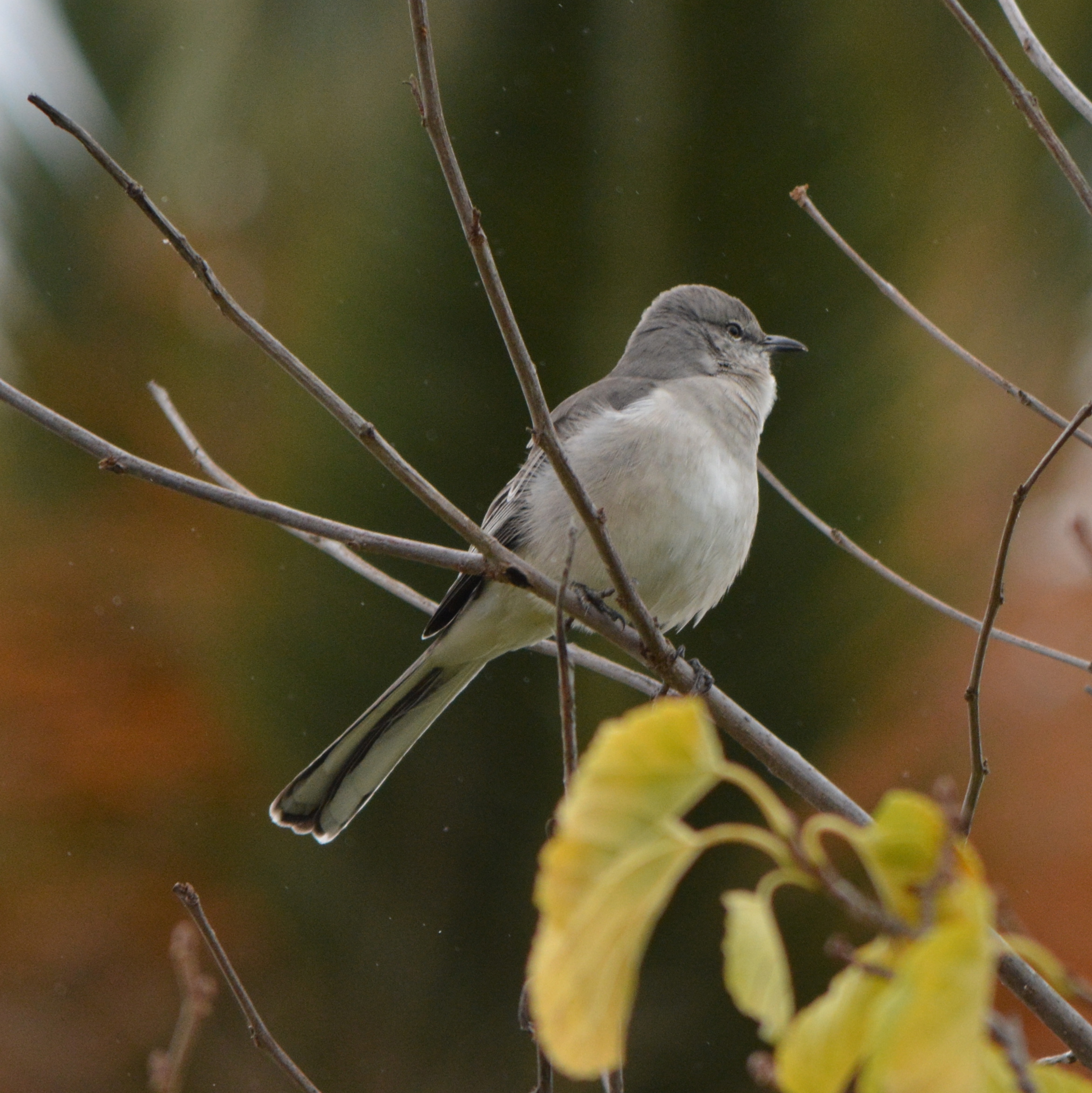
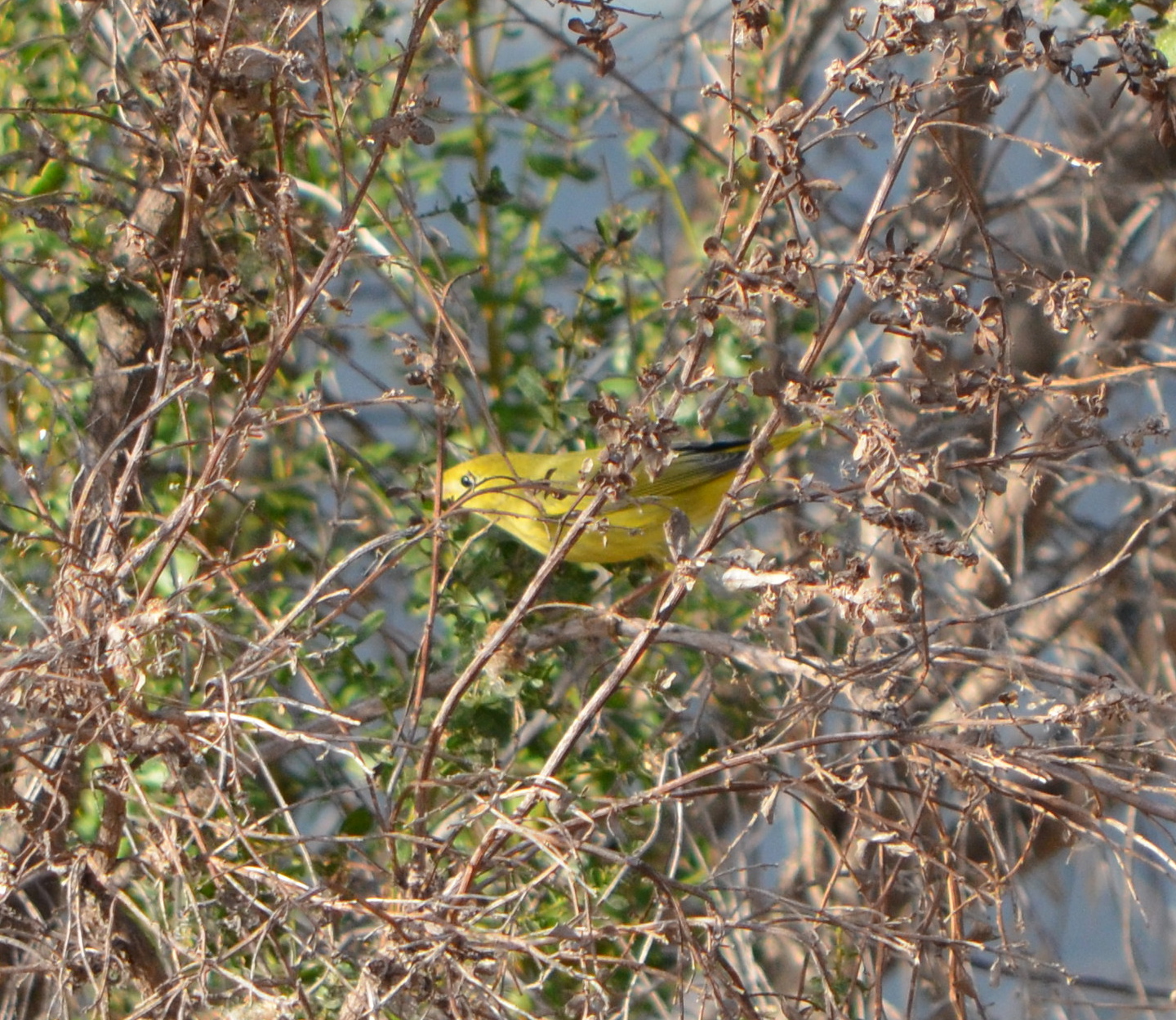
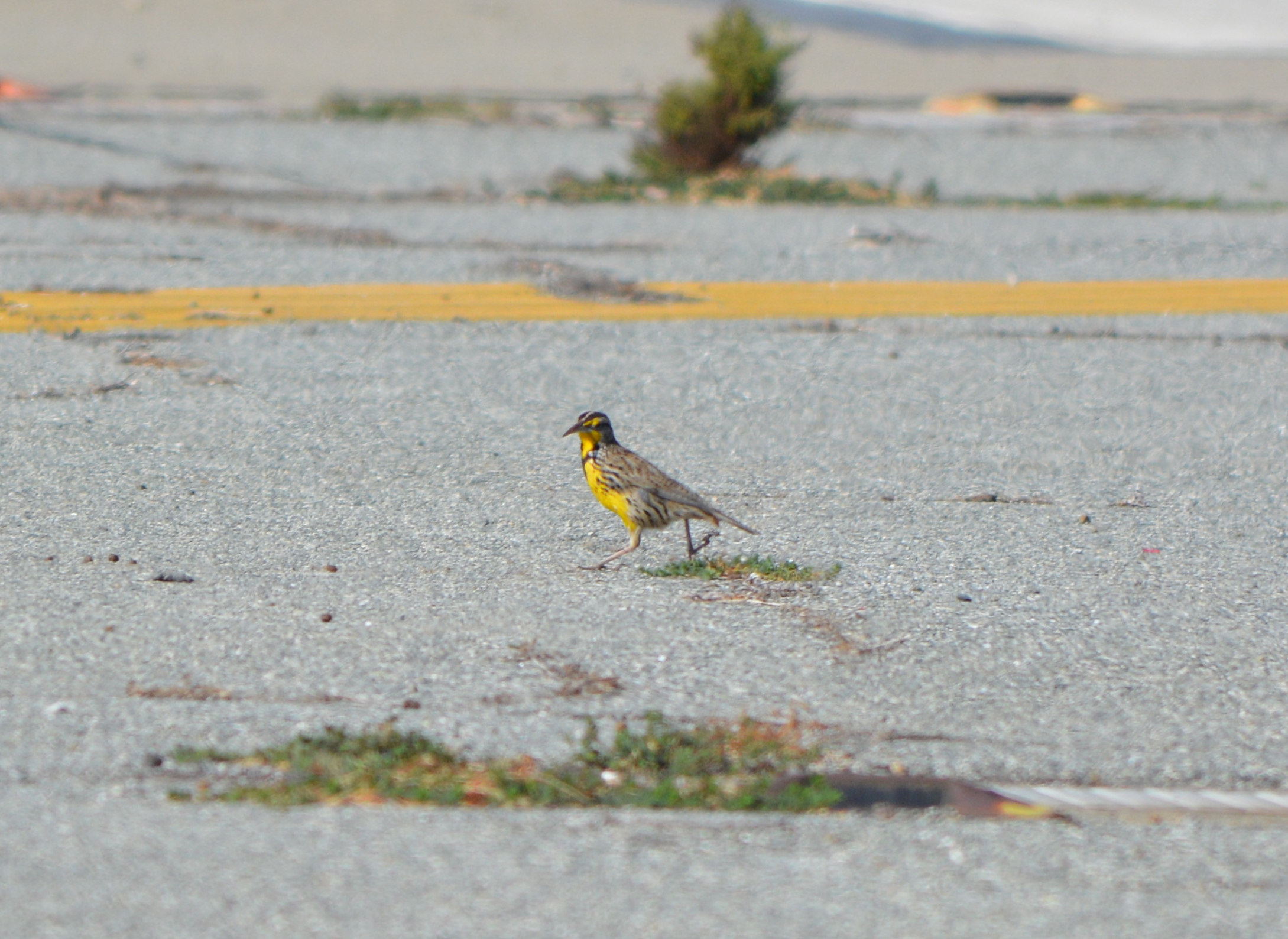
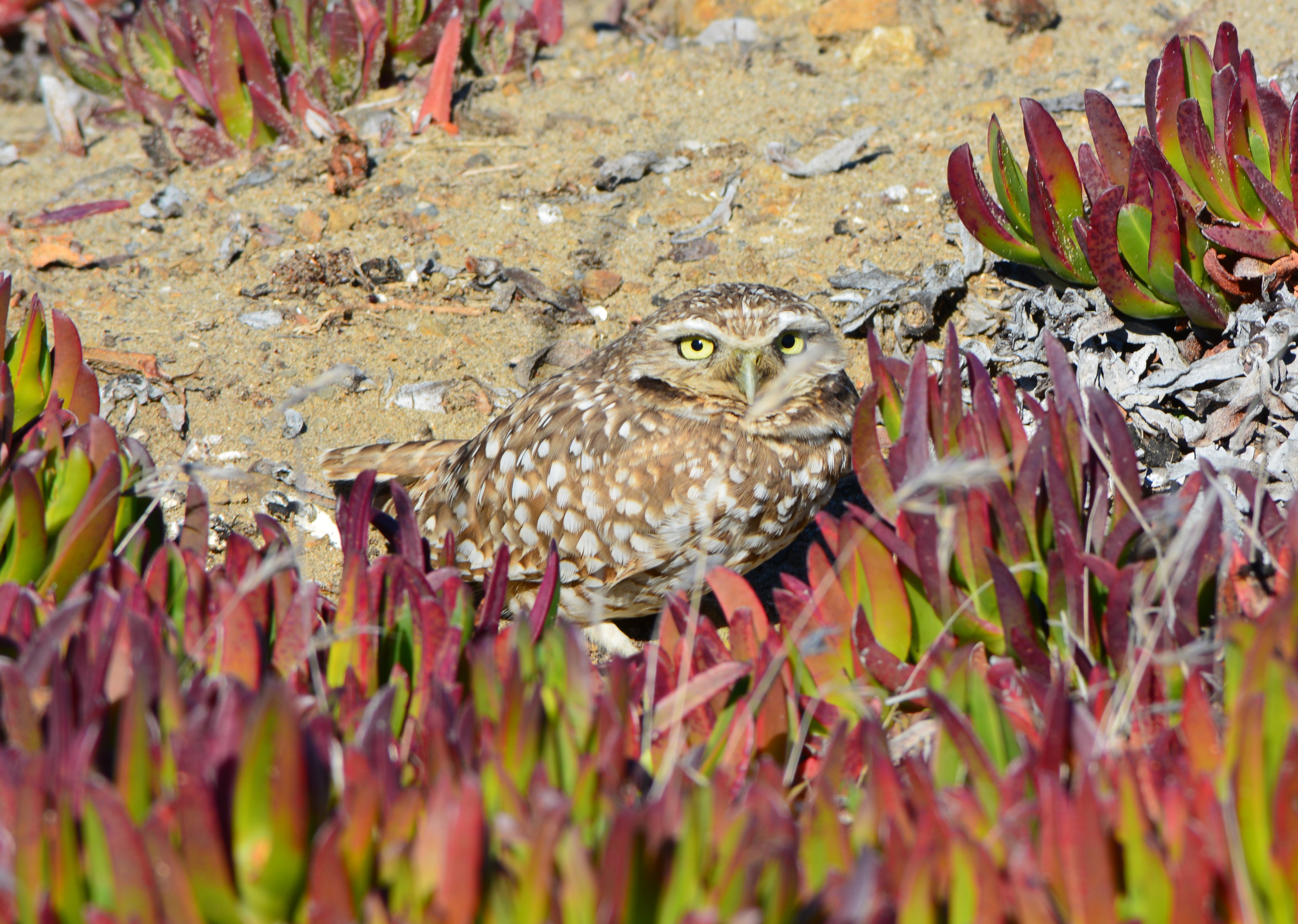
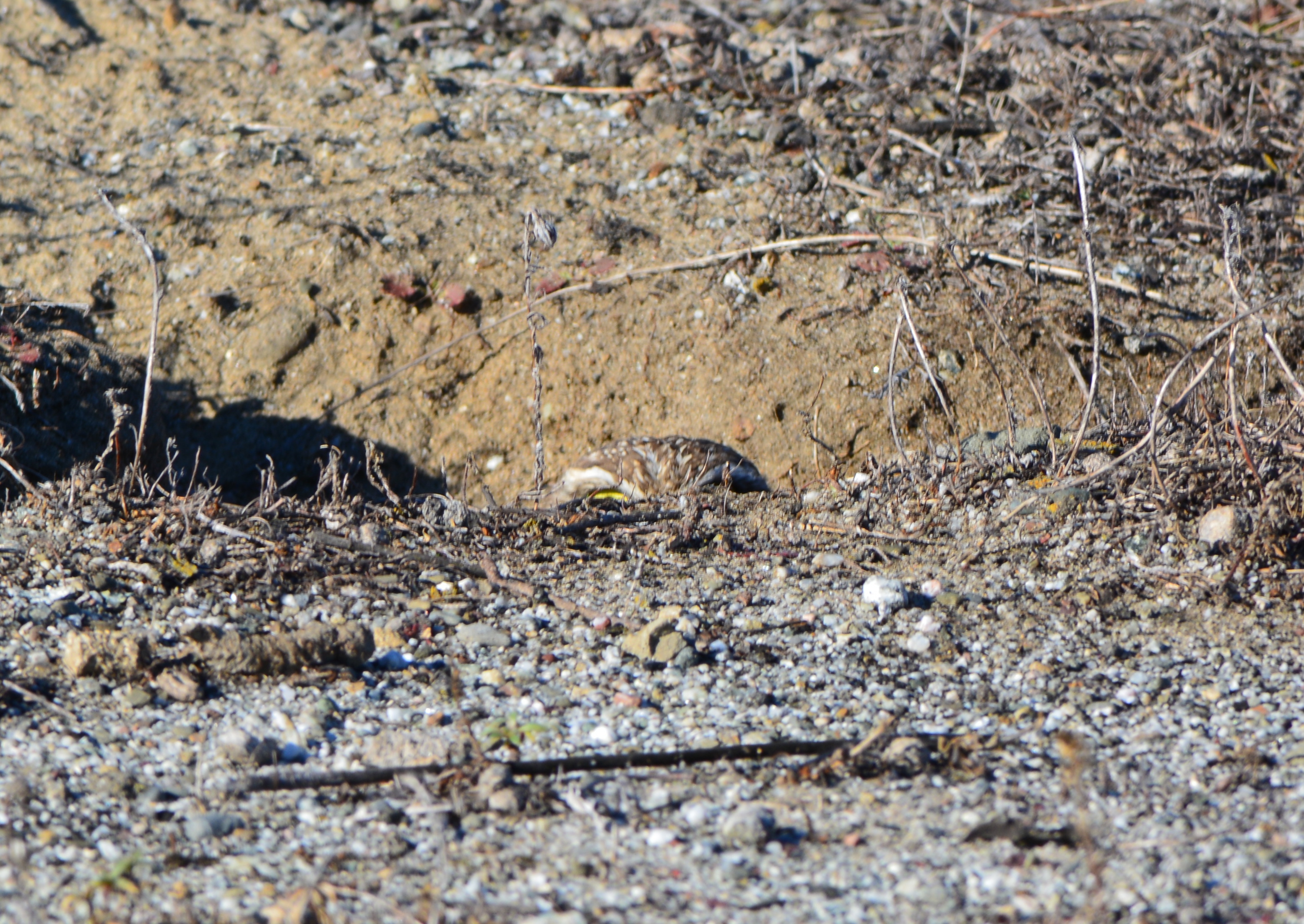
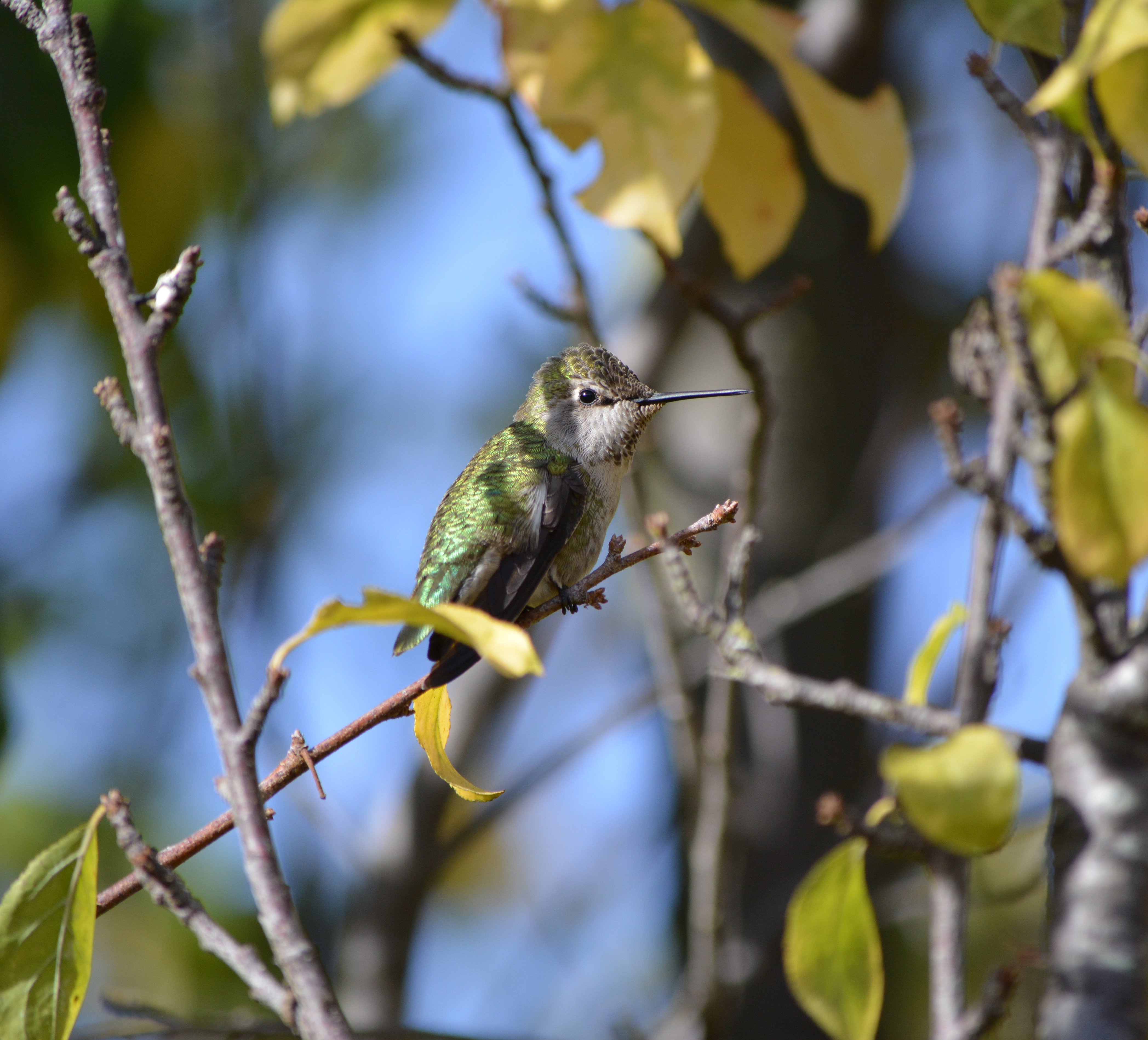
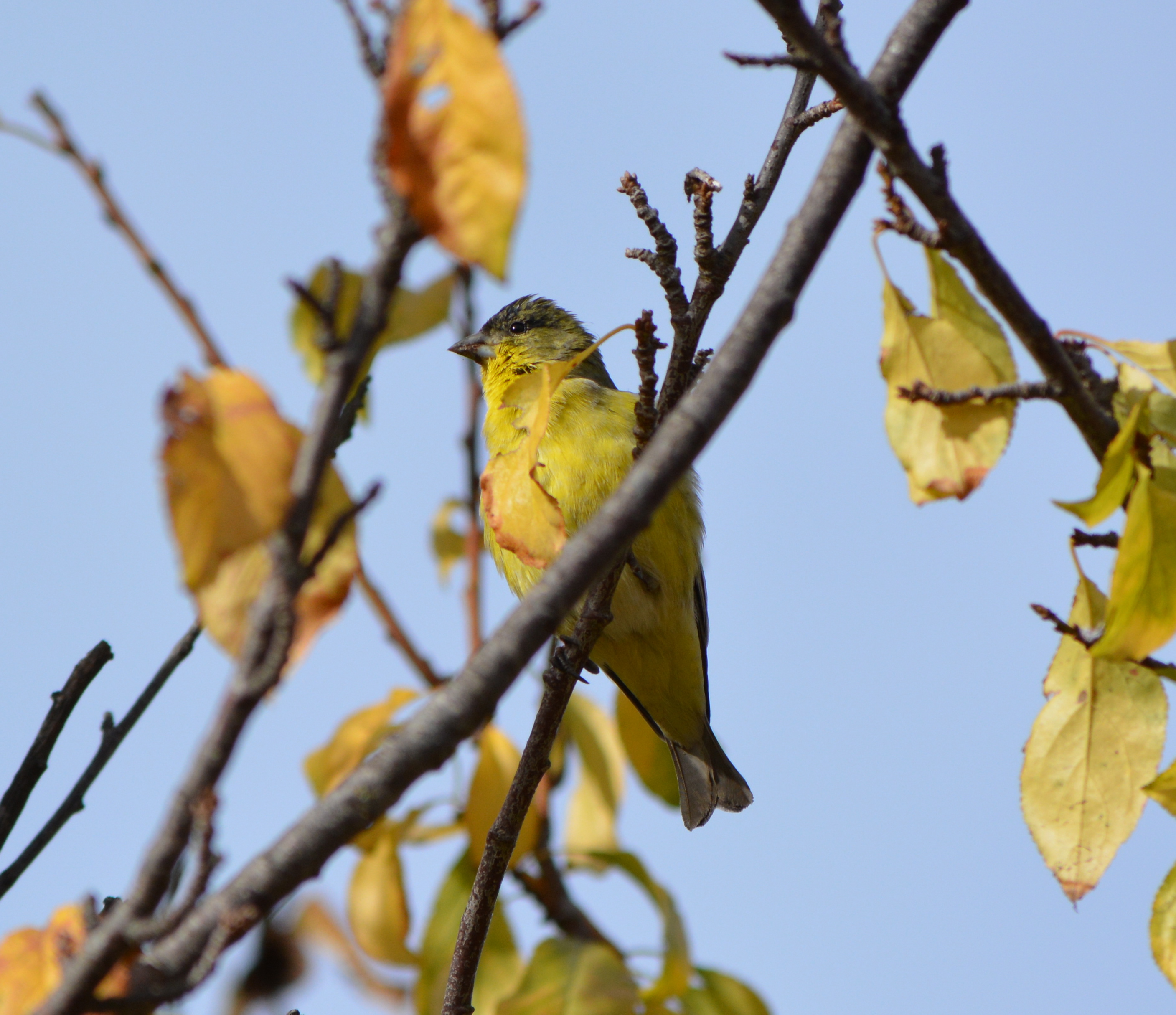
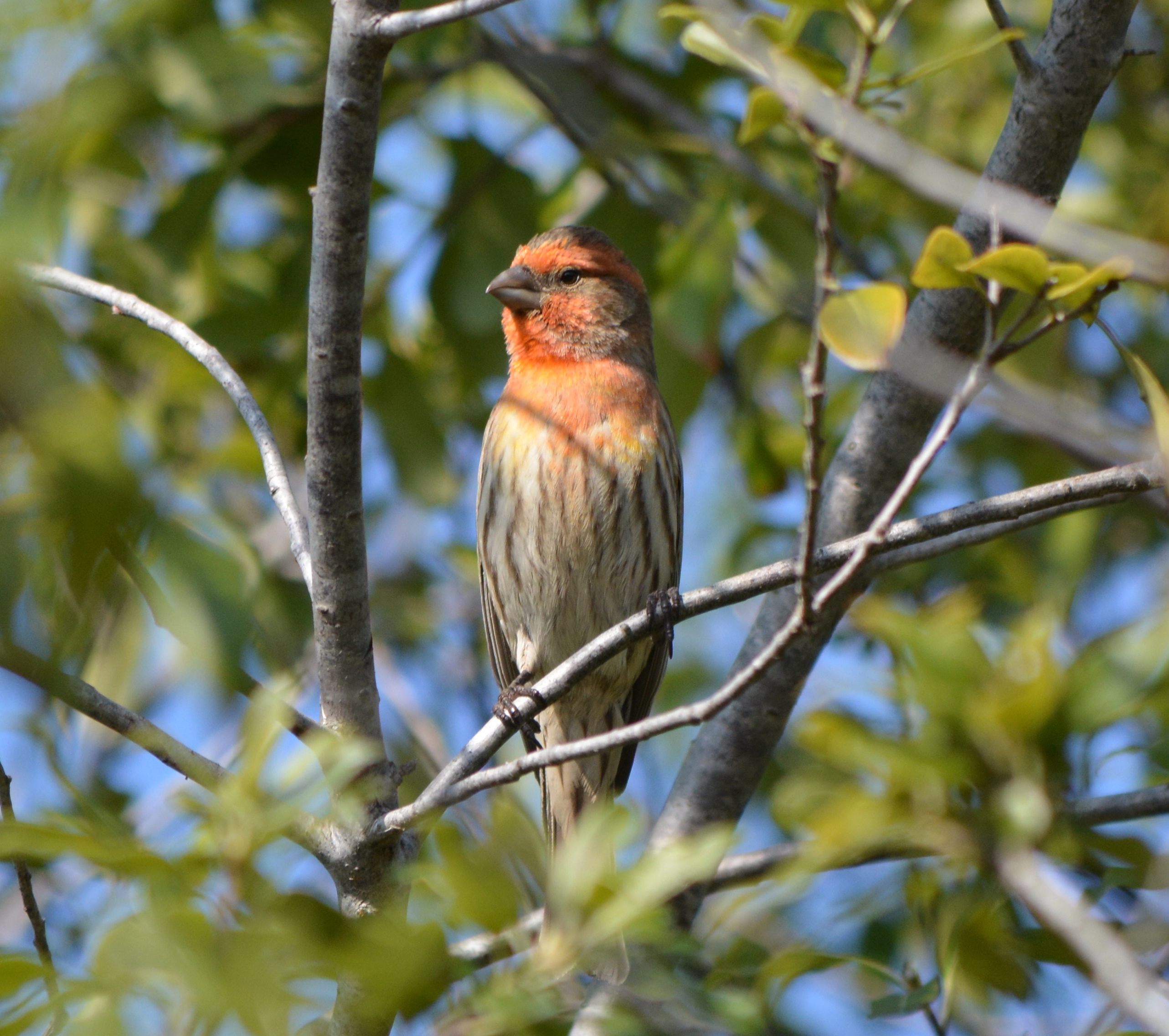
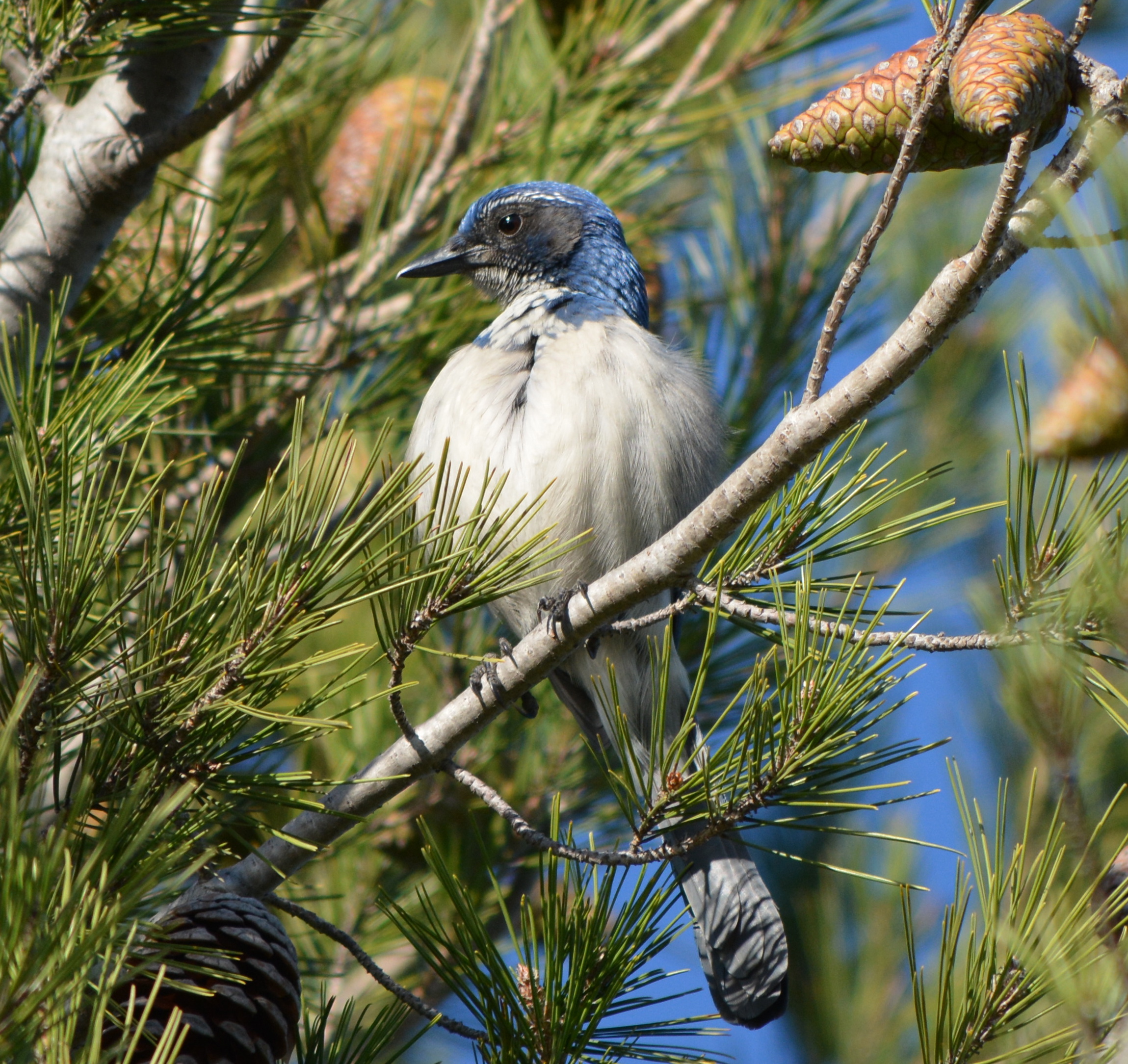
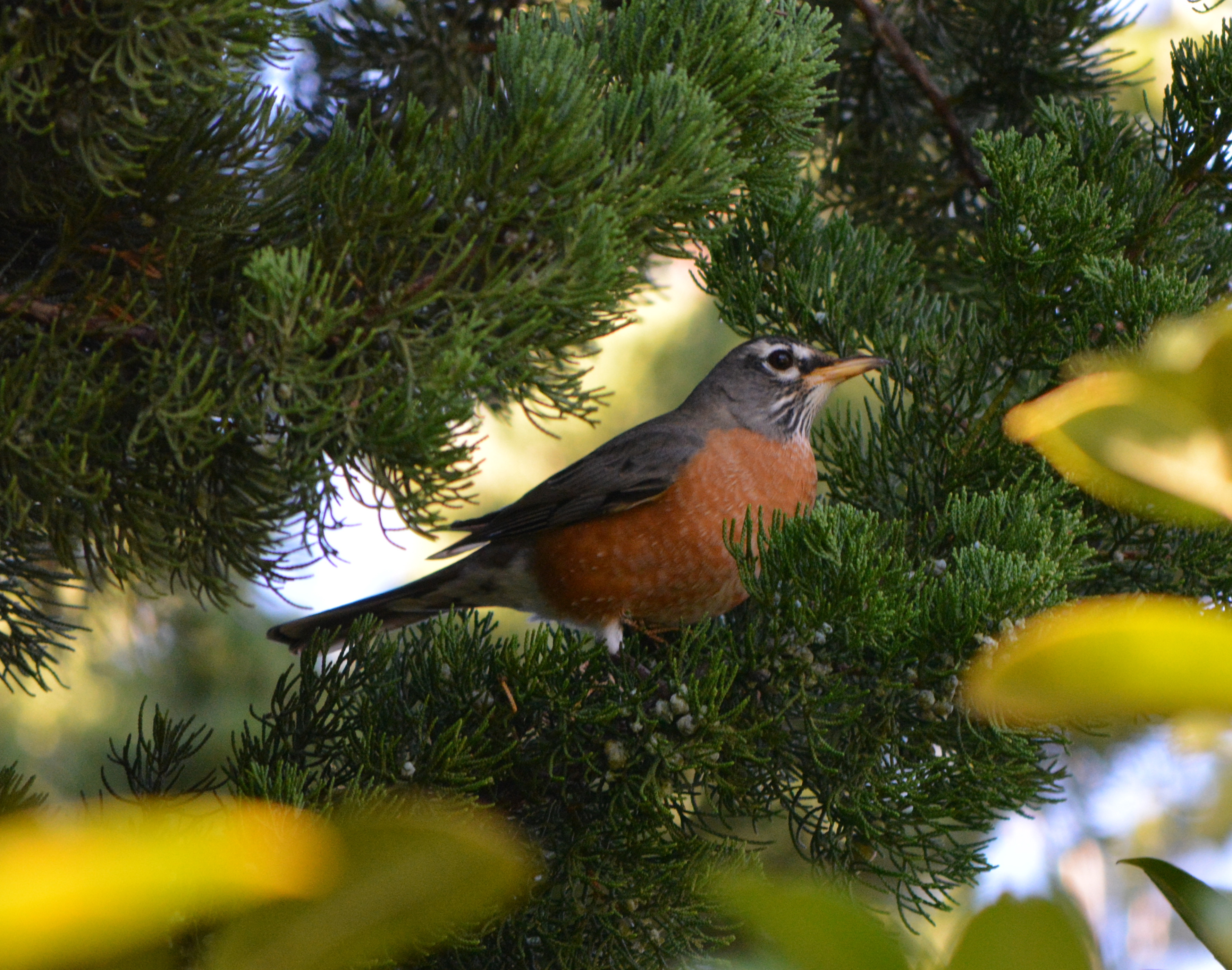
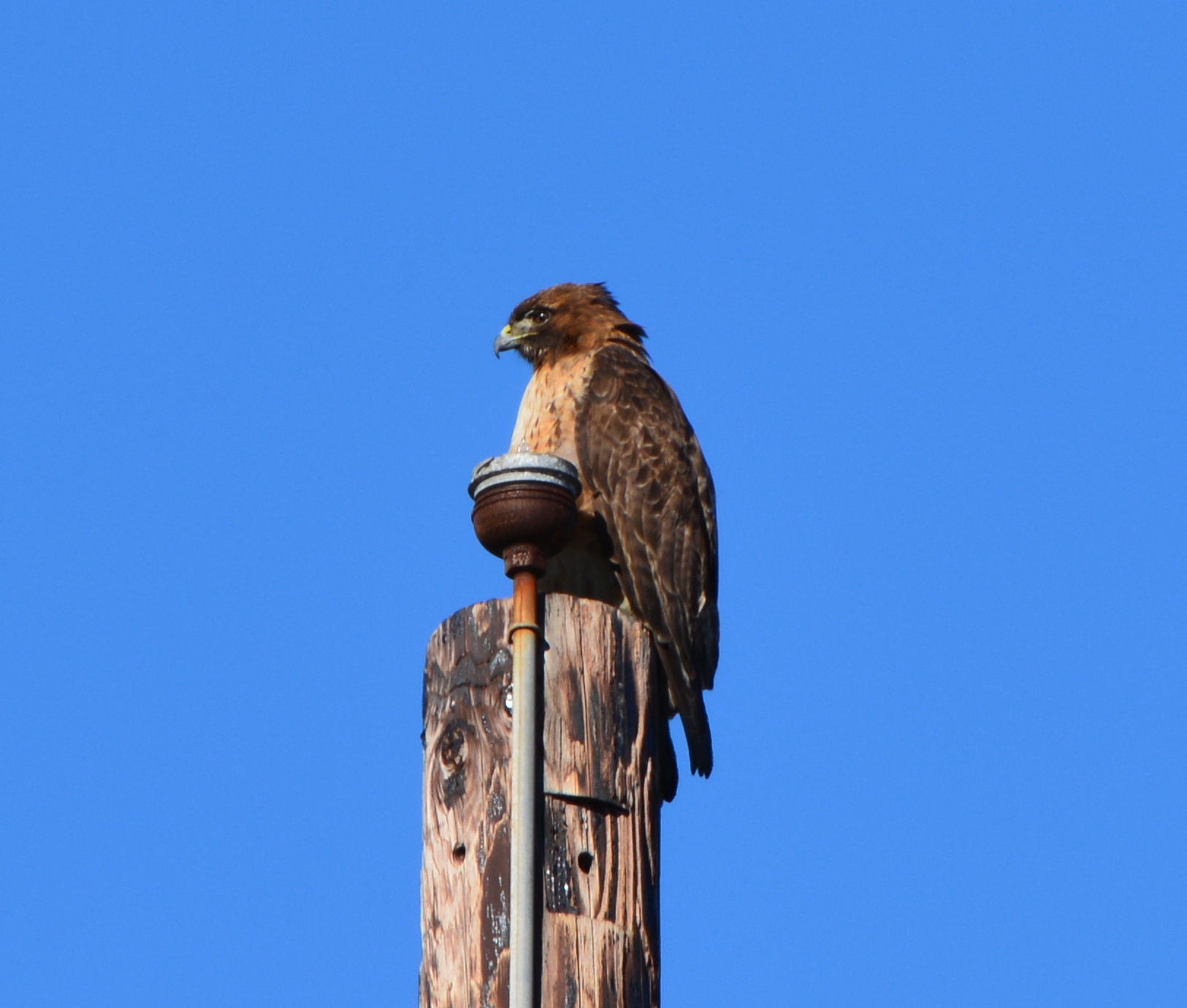
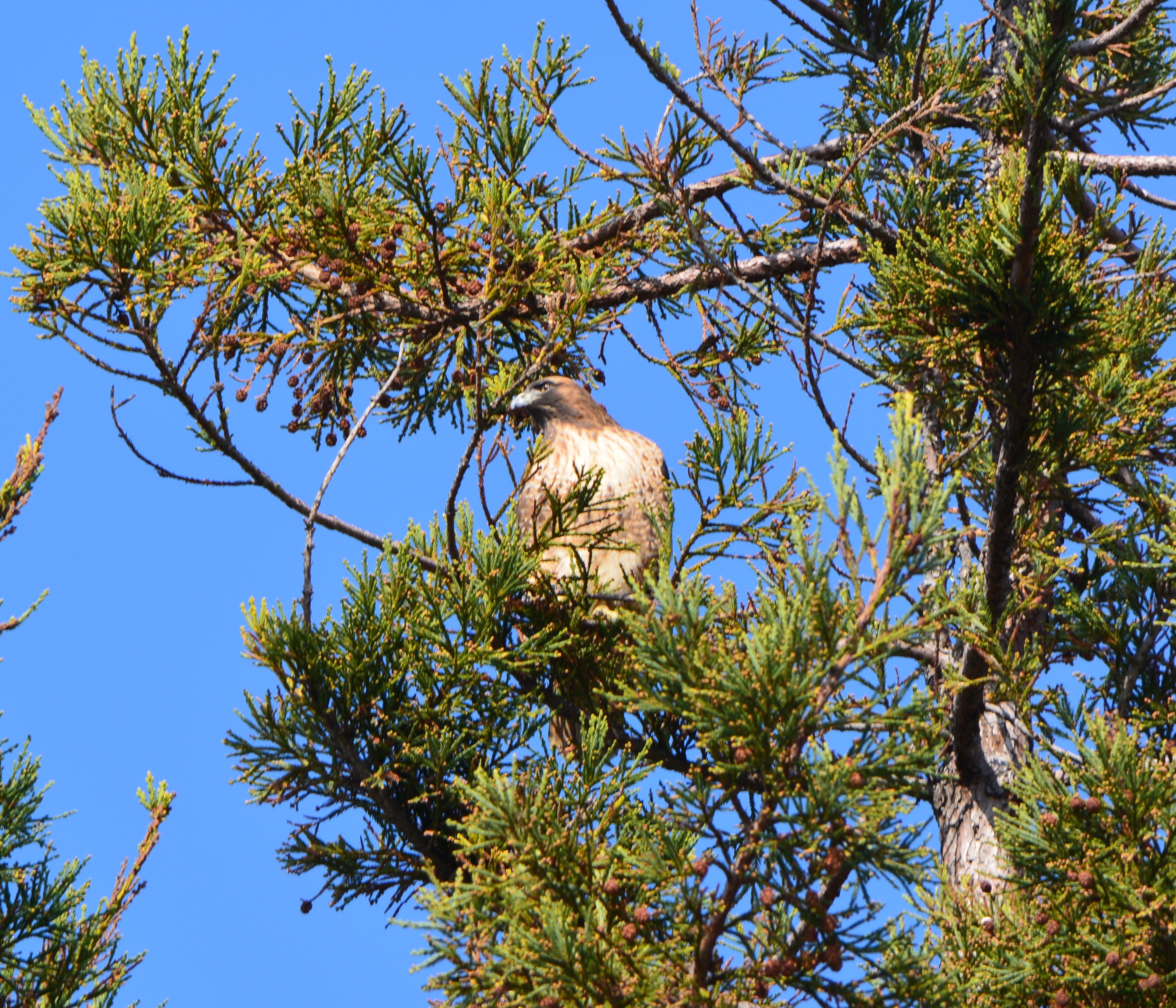
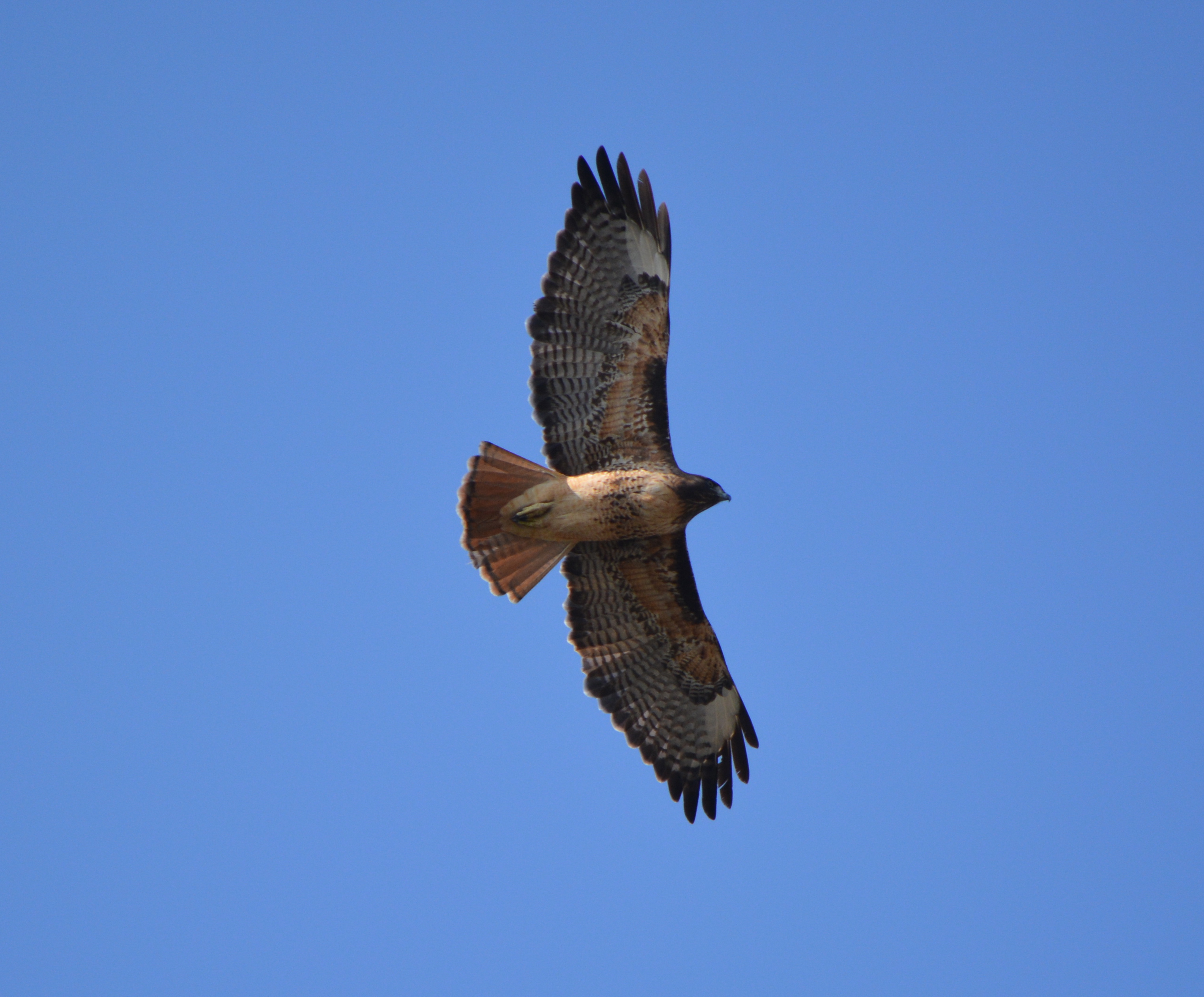
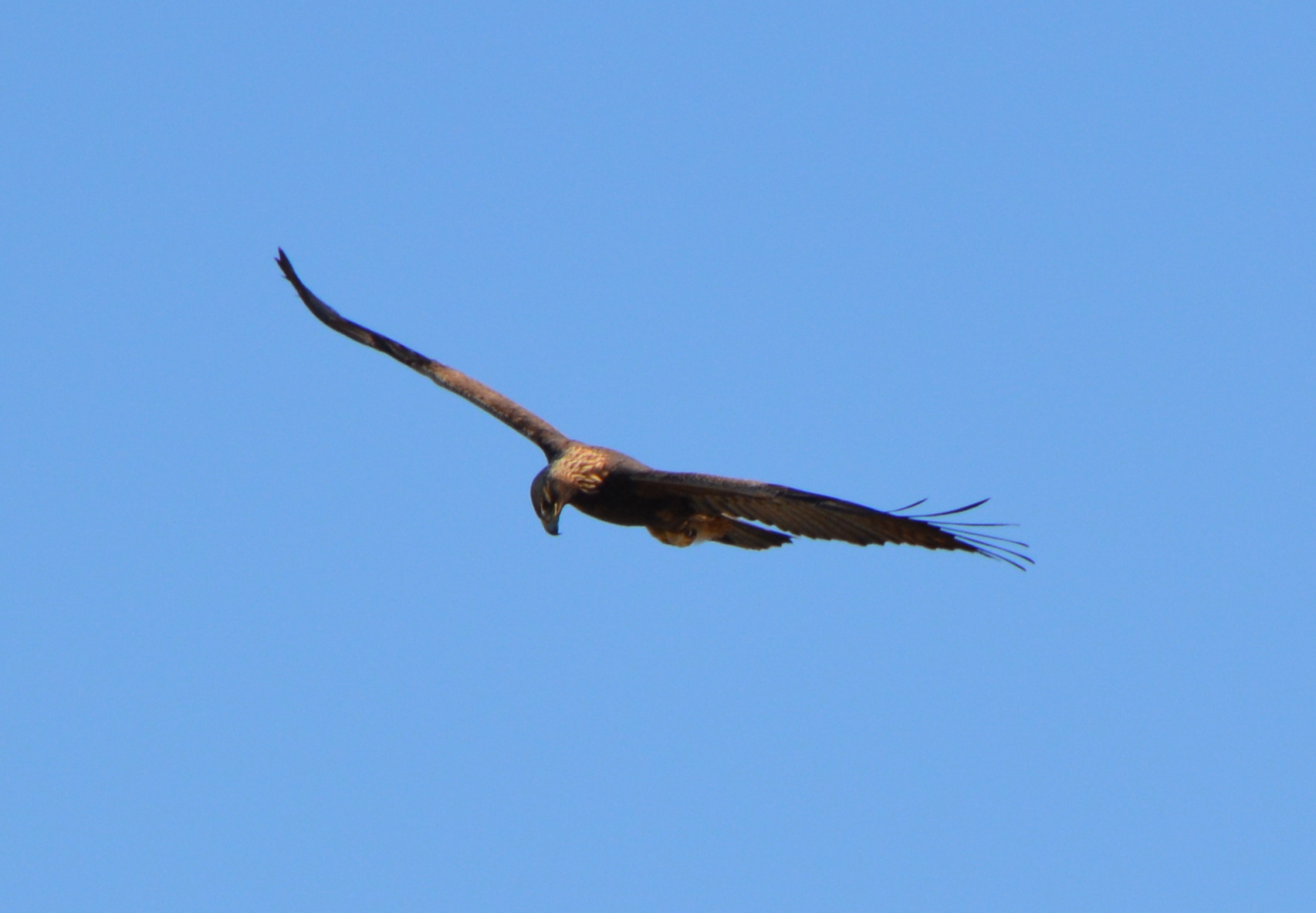
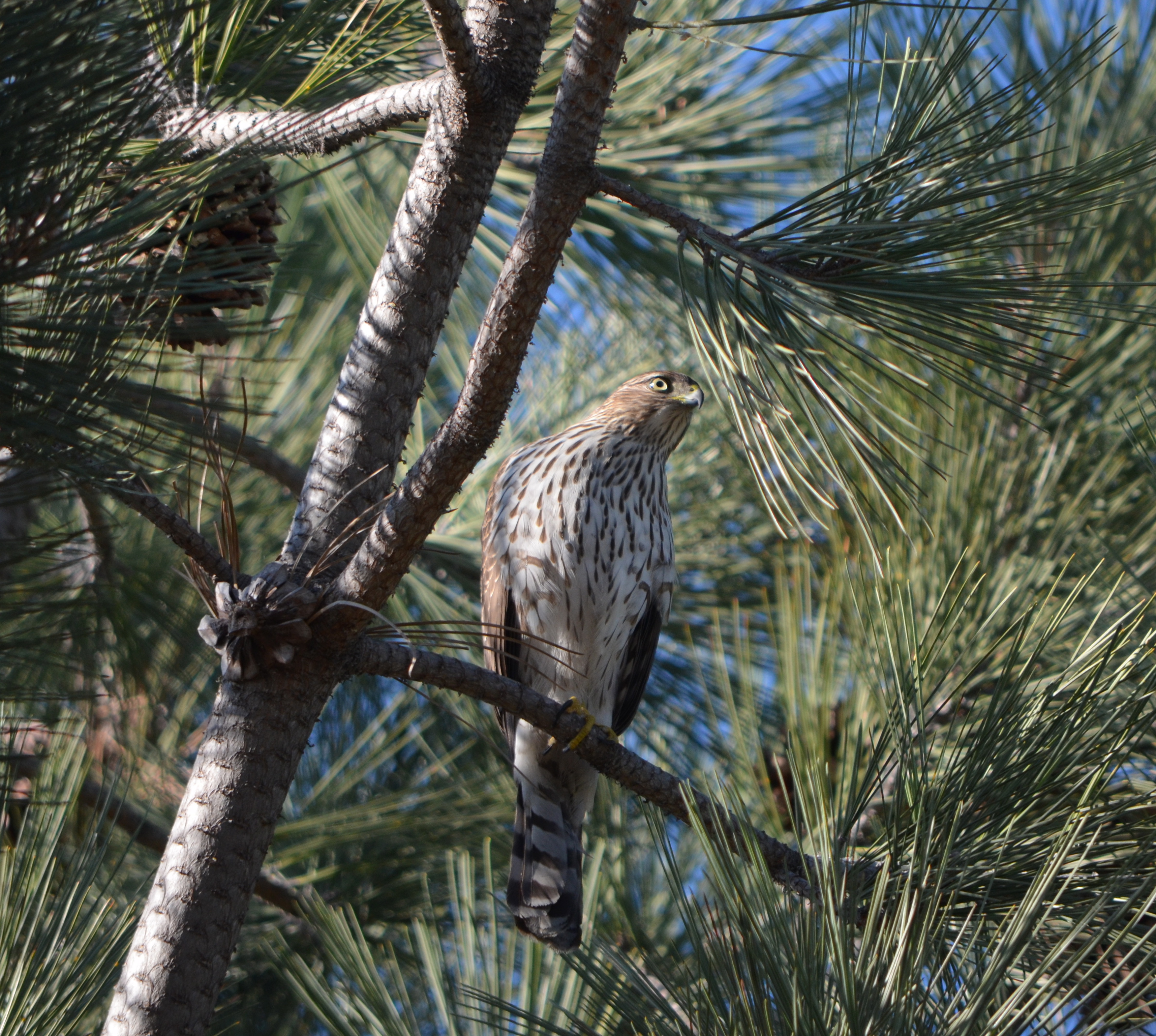
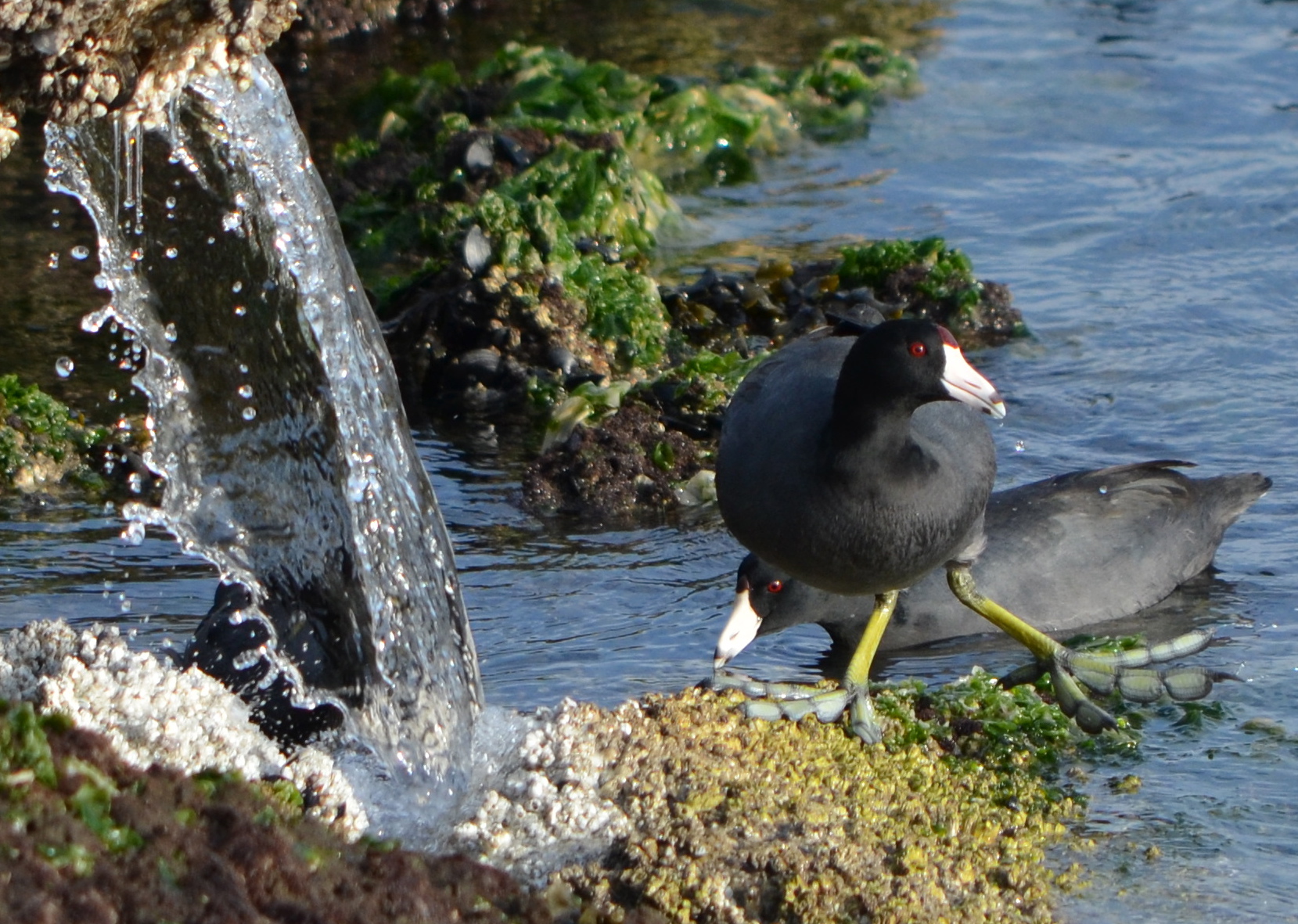
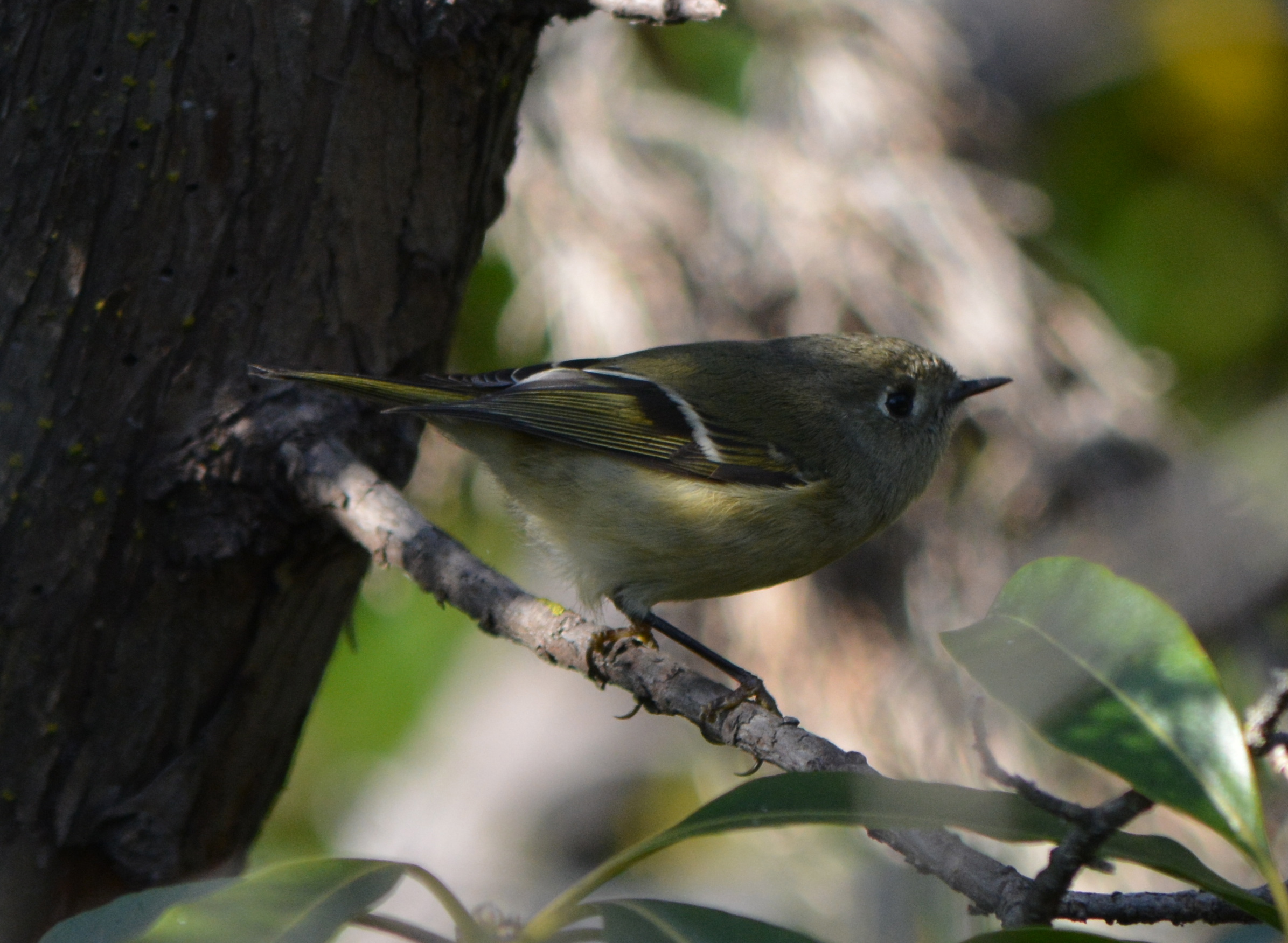
Featured here is a sampling of the wide variety of birds that enjoy the Alameda Point environment, from the wooded residential neighborhood and wooded parkland, to the shoreline, to the wide open runway area. Most notable of recent sightings is the Golden Eagle, which has been seen off and on for at least a year hunting for rabbits and other prey on the runway area Nature Reserve.
Western BluebirdsWestern Bluebird on pyracantha bushWestern BluebirdGolden-crowned Sparrow on pyracanthaCalifornia TowheeGolden-crowned SparrowMockingbirdYellow WarblerMeadowlarkBurrowing OwlBurrowing OwlAnna’s HummingbirdLesser GoldfinchHouse FinchWestern Scrub-JayRobinRed-tailed HawkRed-tailed HawkRed-tailed HawkGolden EagleCooper’s HawkAmerican CootRuby-crowned Kinglet
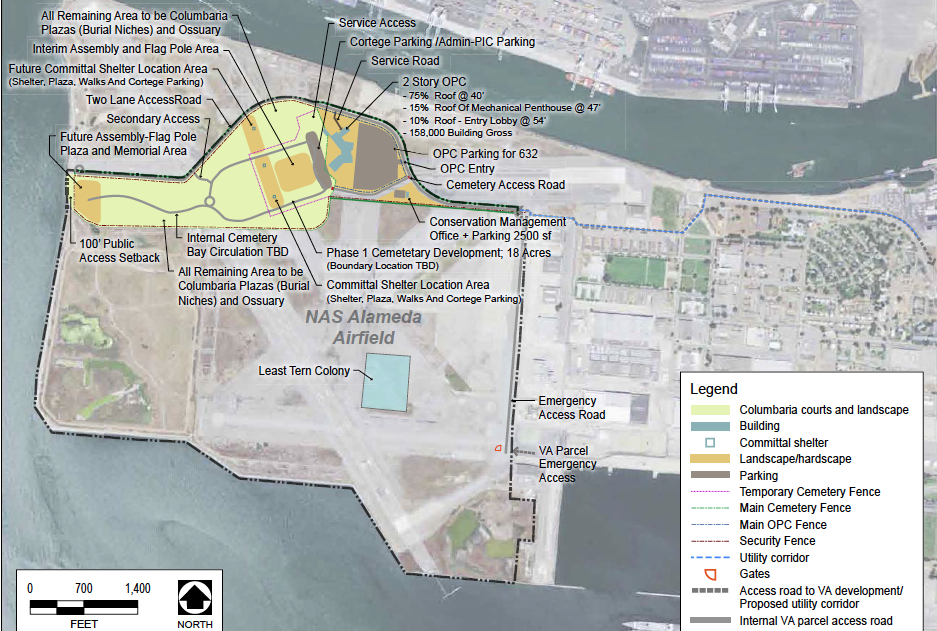
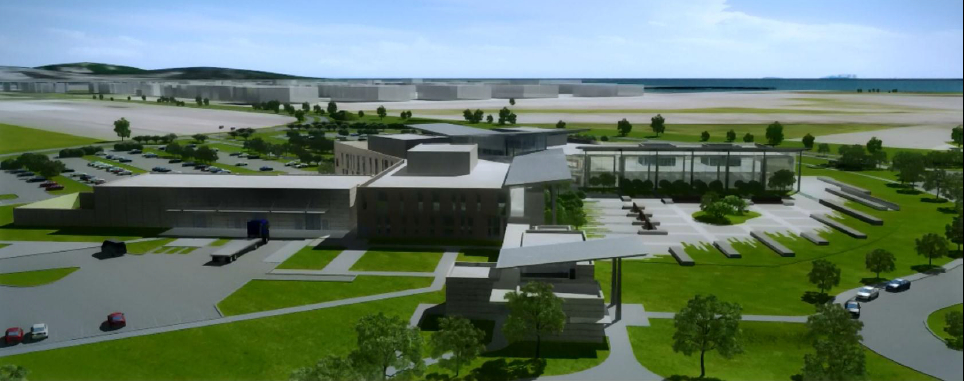
The Department of Veterans Affairs (VA) and the Navy jointly issued their final Environmental Assessment on November 18, 2013 for the VA’s proposed Alameda Point outpatient clinic, offices, and columbarium cemetery. The report found that the 112-acre project on the northern part of the former Naval Air Station airfield would cause no significant impacts to the environment. The environmental review culminates years of debate over the project’s potential impacts on the endangered California Least Terns that nest on the nearby runway, and paves the way for the Navy to transfer 624 acres of the airfield to the VA in 2014.
Background
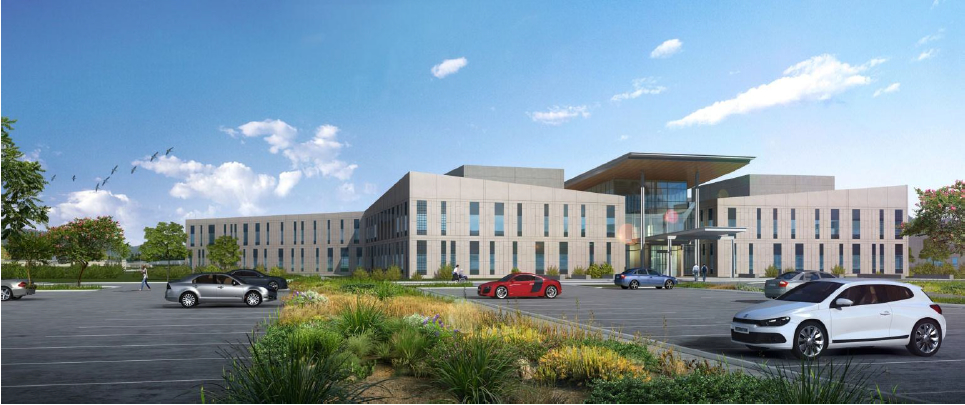
The VA began looking at the Alameda site in 2004 for expansion and consolidation of services from undersized and scattered facilities, which are currently leased by the VA until 2018. More than 9,000 veterans are enrolled in clinical services in the Oakland/Alameda area, with patient visits up 50% in the last five years. Approximately 543 veterans will be seen at the Alameda Point outpatient clinic each weekday and 70 on Saturday and Sunday. The VA anticipates employing a staff of 250, including 26 physicians and 34 nurses.
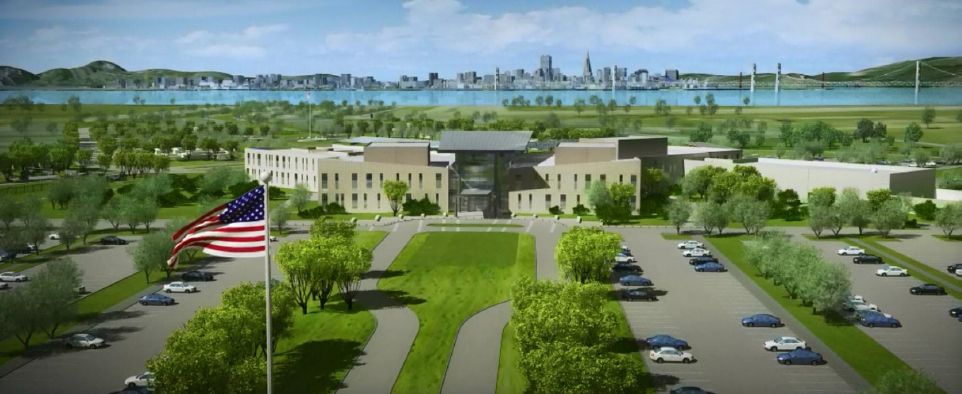
VA Lobby, looking toward San Francisco.
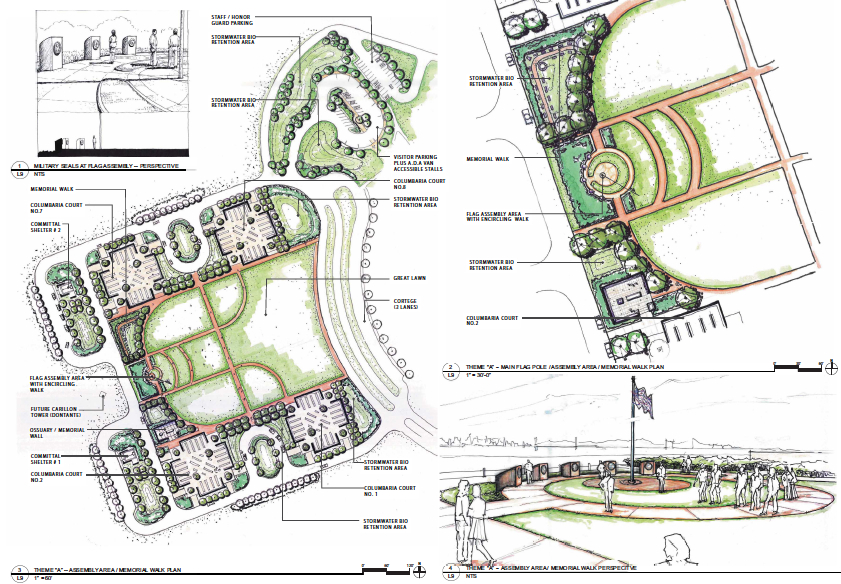
The VA will also establish a new national cemetery at Alameda Point. The two closest national cemeteries in San Bruno and San Francisco’s Presidio no longer accept new interments. Currently the closest burial options for Bay Area veterans are San Joaquin Valley National Cemetery in Santa Nella and Sacramento Valley National Cemetery in Dixon. The new columbarium cemetery will initially be 20 acres, with the remaining 60 acres built out in increments until completion in 2116. Approximately six services will take place Monday through Friday.
Columbarium in foreground, clinic/office building in background. Looking east, with Oakland Estuary on left.
Traffic and Transportation
The VA and Navy evaluated seven intersections in Oakland and four in Alameda, as well as the Posey/Webster Tube and segments of I-880, for traffic impacts. The report noted that two Oakland intersections and the Atlantic/Webster intersection would be performing at unacceptable levels regardless of the VA project because of other Alameda Point development. The assessment states, “The minimal additional traffic resulting from the Proposed Action would not, cumulatively, make the already unacceptable intersections significantly worse.”
The VA plans to operate a 24-person shuttle bus service between Alameda Point and the 12th Street Oakland City Center BART station every half hour, seven days a week. Extending AC Transit bus line 31 to the clinic would provide additional service if the transit agency decides to add service.
Wetland Mitigation
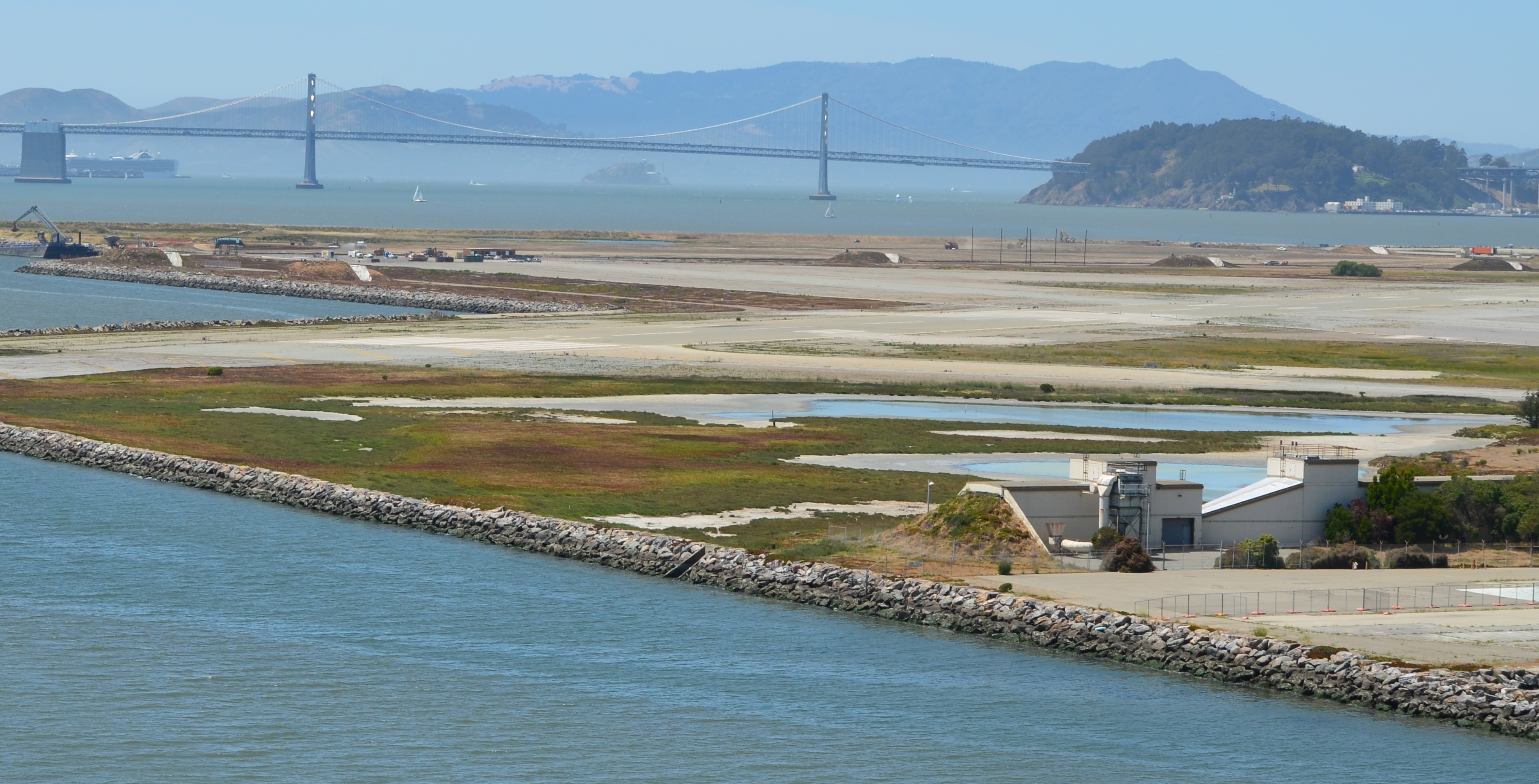
Several acres of seasonal wetland will be impacted by the VA’s project and will need mitigation, either through on-site replacement or paying into a wetland mitigation bank. The VA has not reached agreement yet with the Regional Water Quality Control Board and the U.S. Army Corps of Engineers on a mitigation plan. However, the VA has stated that their preference is to “enhance and expand existing conditions” at the Runway Wetland on the southeast corner of the runway area. Plans will be finalized before issuance of any permits for the VA’s project.
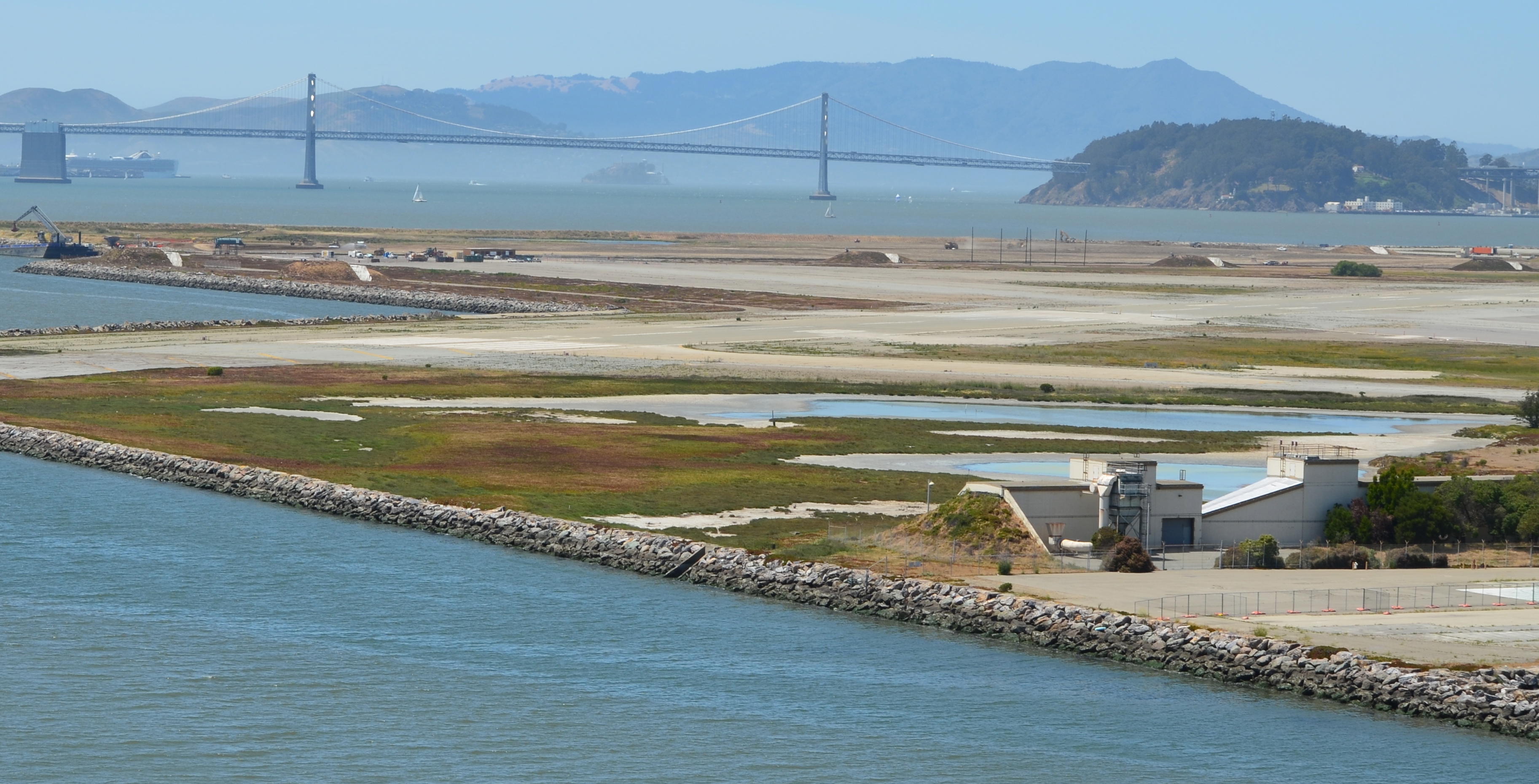
Alameda Point Runway Wetland in foreground, suitable for wetland enhancement as mitigation for wetland loss on VA developed area.
Nature Reserve, Least Tern Management
Most of the VA’s runway area will remain undeveloped. Initial plans allowed for periodic emergency preparedness training on the undeveloped area. The new plans allow training exercises only in the VA’s developed area about every 14 months between mid-August and April 1 when the terns are gone.
The influence of years of lobbying by the Golden Gate Audubon Society and open space advocates for wildlife stewardship in the undeveloped area is reflected in the VA’s final report. The VA states, “The remainder of the 512 acres of the Transfer Parcel will remain as a preserve for the California Least Tern or open space, with no plan for development, and will be available to wildlife for future generations.”
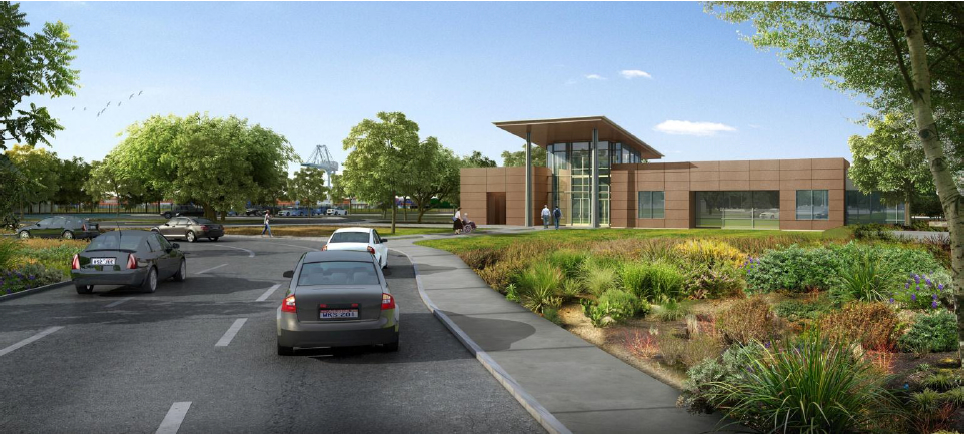
The VA will construct a 2,500-square-foot Conservation Management Office (CMO) near the entrance to their property. The CMO will provide office space for the U.S. Fish & Wildlife Service, meeting space for educational programs and volunteers, and public restrooms. The VA will fund the management of the Least Tern colony and the undeveloped area.
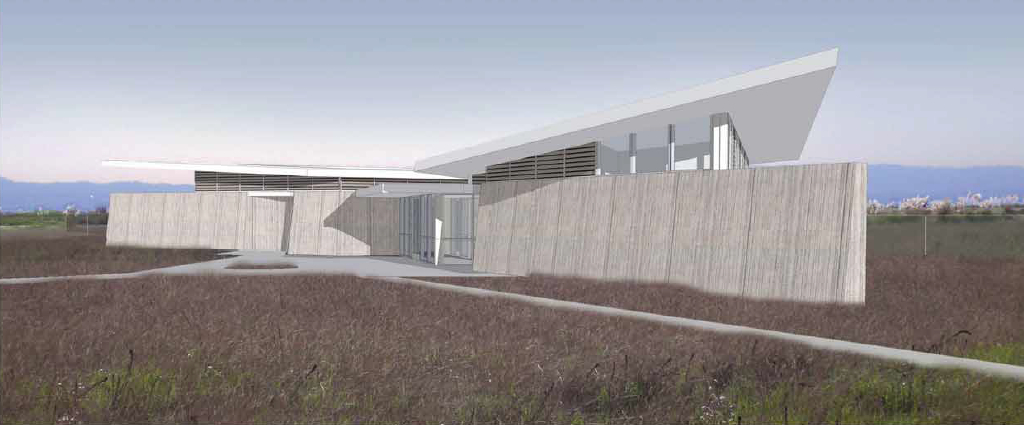
The winglike roof lines on the CMO and the main clinic/office building were inspired by the Least Tern colony and the site’s history as part of the Alameda Naval Air Station.
Conservation Management Office, with meeting room for nature education and Least Tern volunteer activities, U.S. Fish & Wildlife Service Office.
Public Access
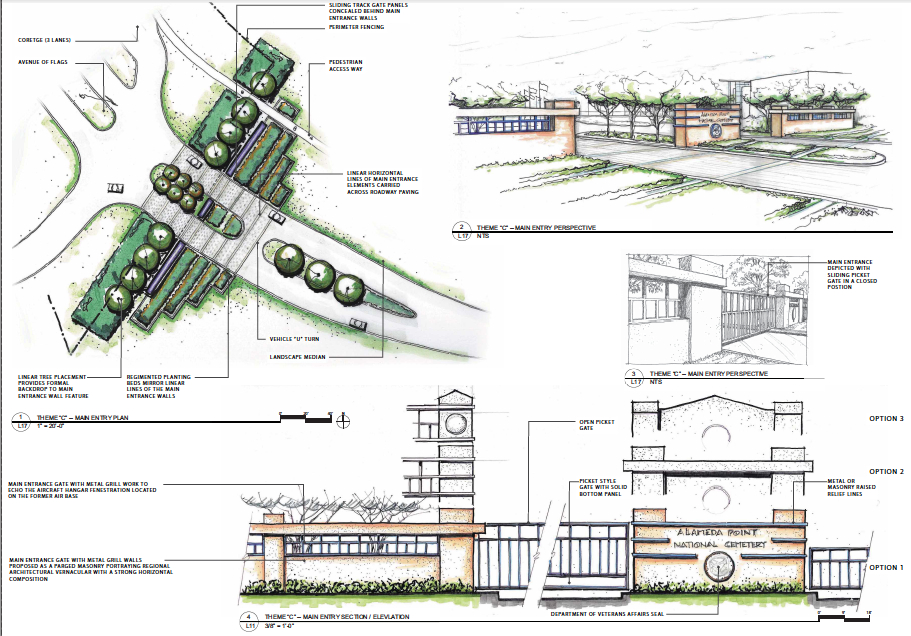
As part of their project, the VA will construct a pedestrian/bicycle/vehicle roadway along the northern border of their property all the way to a public viewpoint on the western shoreline. The roadway will include power, water, and sewer utilities that will be available for the city or a region-serving public park operator on the Northwest Territories to make connections to. The city will be granted a shoreline easement for constructing the Bay Trail. The VA will also be constructing a new north entryway to Alameda Point and laying oversized infrastructure, which the city can use, along Redline Avenue out to their site.
Raising Elevation
The VA plans to bring in over 400,000 cubic yards of clean fill material to raise the elevation of their site by as much as three feet, bringing the highest elevation to 13.5 feet above Mean Sea Level. Plans are based on a 2009 Bay Conservation and Development Commission sea level rise prediction of 16 inches by 2050 and 55 inches by 2099. The 18-month construction project is expected to begin by 2016 and be completed in 2017.
The VA is made up of three administrations: Veterans Health Administration, Veterans Benefits Administration, and National Cemetery Administration. All three will have offices at the Alameda Point VA.
The complete Environmental Assessment is on theVA website. A 30-day final public comment period began on November 18, 2013.












 Alameda Point Environmental Report