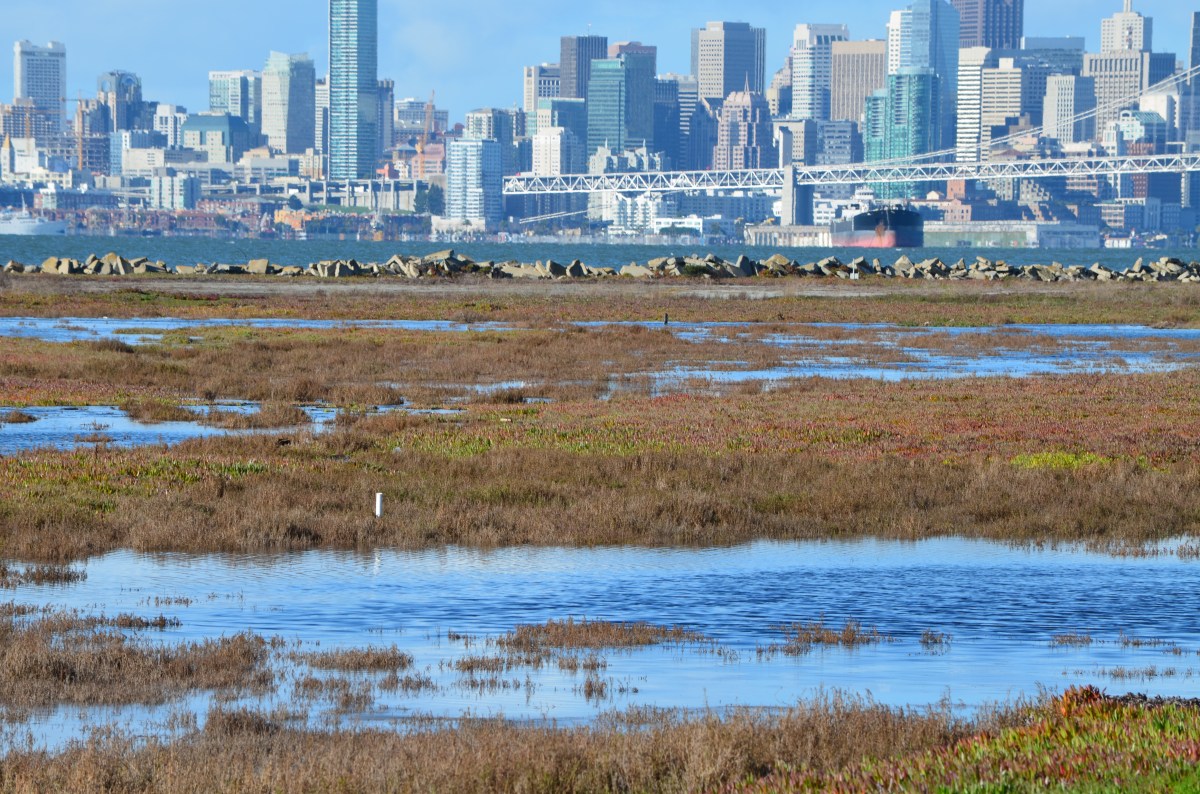
Navy and VA ignore economics, environment in killing Alameda National Wildlife Refuge

White-tailed kiteOnce upon a time there was talk about a national wildlife refuge at Alameda Point.  It was included in the reuse plan for Naval Air Station (NAS)-Alameda that was accepted by the Department of Defense.  It was added to Alameda’s General Plan.  The US Fish & Wildlife Service was poised to be the owner and caretaker of the refuge.

But after talks broke down between the Navy and US Fish & Wildlife Service nearly a decade ago, the Navy arbitrarily decided to give the land to the Department of Veterans Affairs (VA) for a clinic and columbarium.  The VA is counting on the City of Alameda to give them an additional 70 acres of land early next year so that their clinic can be located further away from the nesting site of the endangered California least terns.  This would bring the VA’s property to roughly 620 acres, even though they need only 110 acres.

The city should impose a condition on this land deal:  Before the city changes its reuse plan footprint to accommodate the VA, the city should insist that the Navy place a conservation easement on the 511 acres that the VA does not need.  A conservation easement would lay the groundwork for creation of a wildlife refuge or wildlife conservation area to be operated by another agency.

Golden Gate Audubon Society 1995 study examines economic value

The benefits of creating a wildlife refuge at Alameda Point go beyond environmental stewardship.  They also include economic benefits to Alameda and the region.  The Golden Gate Audubon Society (GGAS) understood the economic angle back in 1995 when they were advocating for creation of a wildlife refuge.  To provide substance to their views, they commissioned a study by Robert Hrubes and Associates that was released in March of 1995.  It’s called “The Potential Economic Benefits of the Proposed Alameda National Wildlife Refuge:  An Overview.”  The conclusion of the 1995 study—that a wildlife refuge will complement economic development—still holds true today.
2012_Composite_NoFence_Rev1The study went on to extol the intersecting virtues of wildlife habitat protection and economic value.  “While important in their own right, the benefits that would be generated by establishment of the wildlife refuge are not limited to habitat and species protection,” stated Hrubes and Associates.  “[T]here are indeed potential economic benefits that could derive from a wildlife refuge/day-use recreation area located in the central Bay Area. That is, the wildlife refuge proposal is not an ‘either/or’ choice between environmental quality and economic development.  Rather, it constitutes a land use that not only will take optimal advantage of the environmental attributes the site has to offer but also will generate economic activity that benefits the local region. Further, it will enhance the economic value for development of the remainder of the NAS.”

VA’s project requires further study of impacts
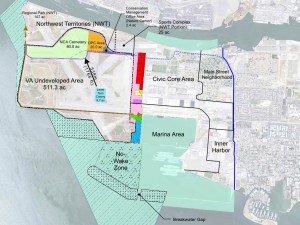
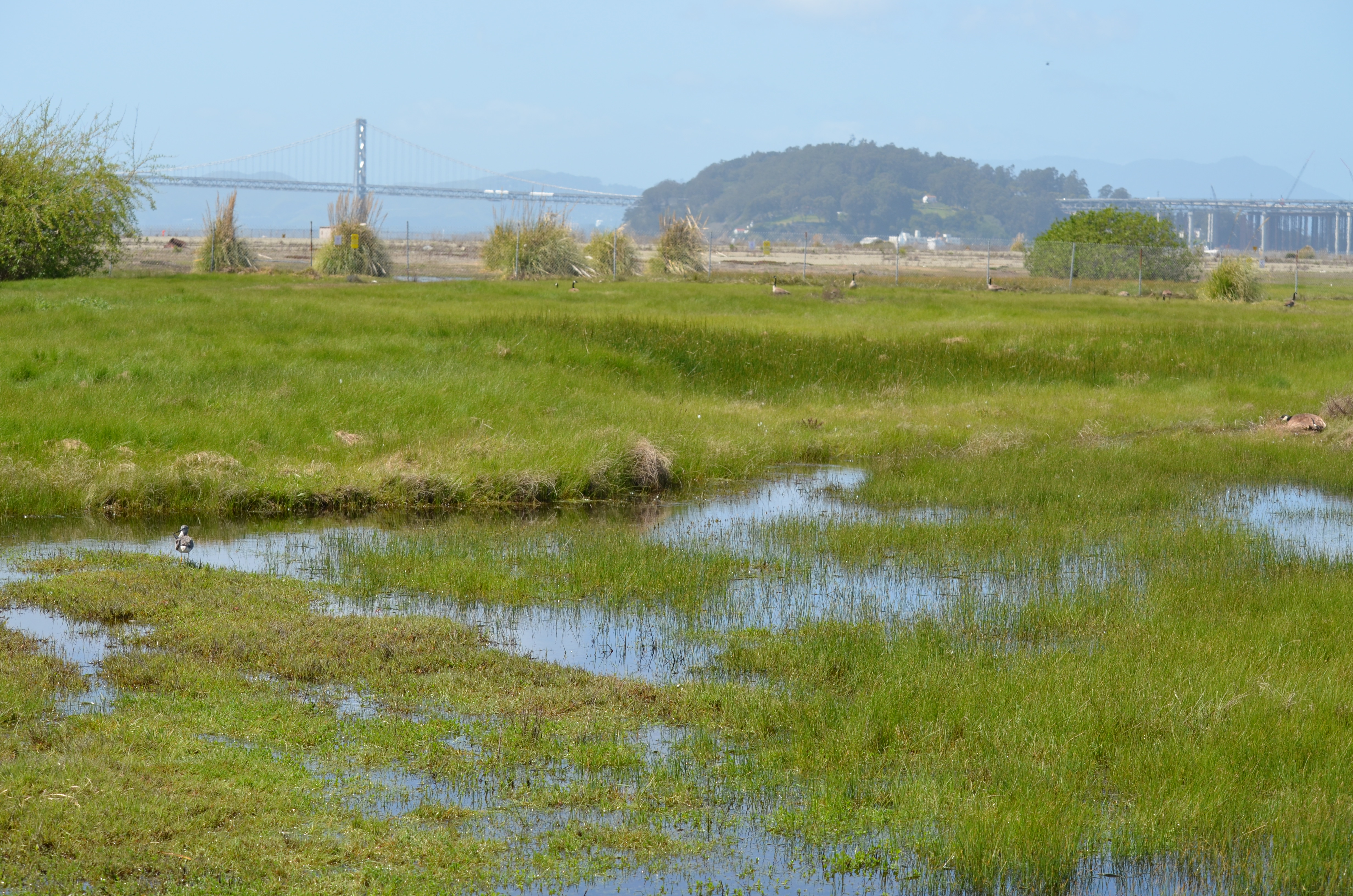
VA development area - Version 2The current proposal for the VA to own and control the 511-acre refuge area next to their 110-acre medical clinic and columbarium makes it all but impossible for this area to become the urban wildlife oasis that it could be.  The VA’s proposed project map makes this clear by wiping out the words “Wildlife Refuge” and replacing them with “VA Undeveloped Area.”

At this stage of the environmental review process, the only significant environmental requirement that has been imposed on the VA is that they provide predator management, housekeeping, and record-keeping for the California least terns during their four-and-a-half-month nesting season at Alameda Point from April to mid-August.  This is because the Biological Opinion issued by the US Fish & Wildlife Service in the summer of 2012 focused only on one species – the least tern – due to its listing as an Endangered Species.  It remains to be seen whether the VA and Navy will prepare a full Environmental Impact Statement (EIS) as typically required for a federal project of this size and scope.  The National Environmental Policy Act provides for an impact report that is similar to California’s Environmental Impact Report.  If the Navy and VA perform an EIS, they will then have to look at impacts to other species (such as the burrowing owl), habitat values, climate and traffic impacts, as well as identify alternative sites for all or part of their project.  

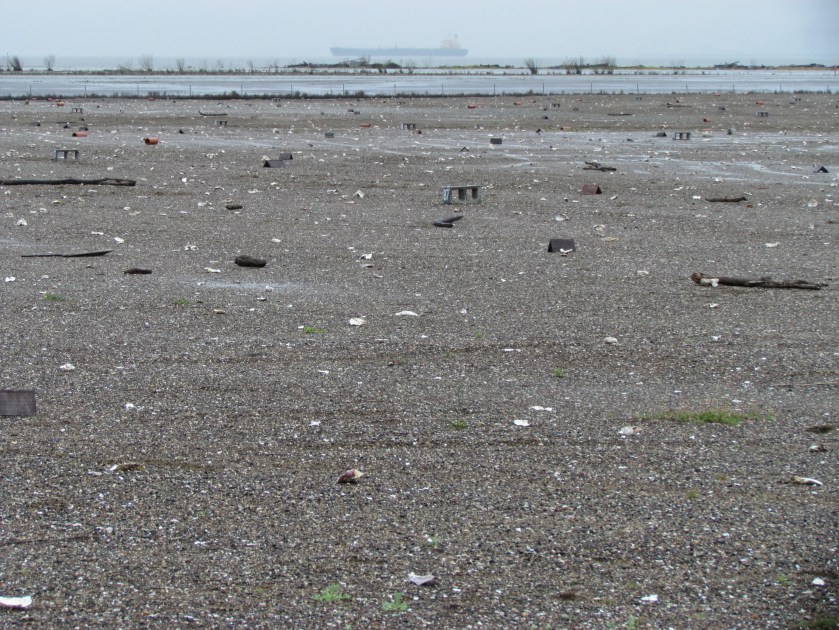
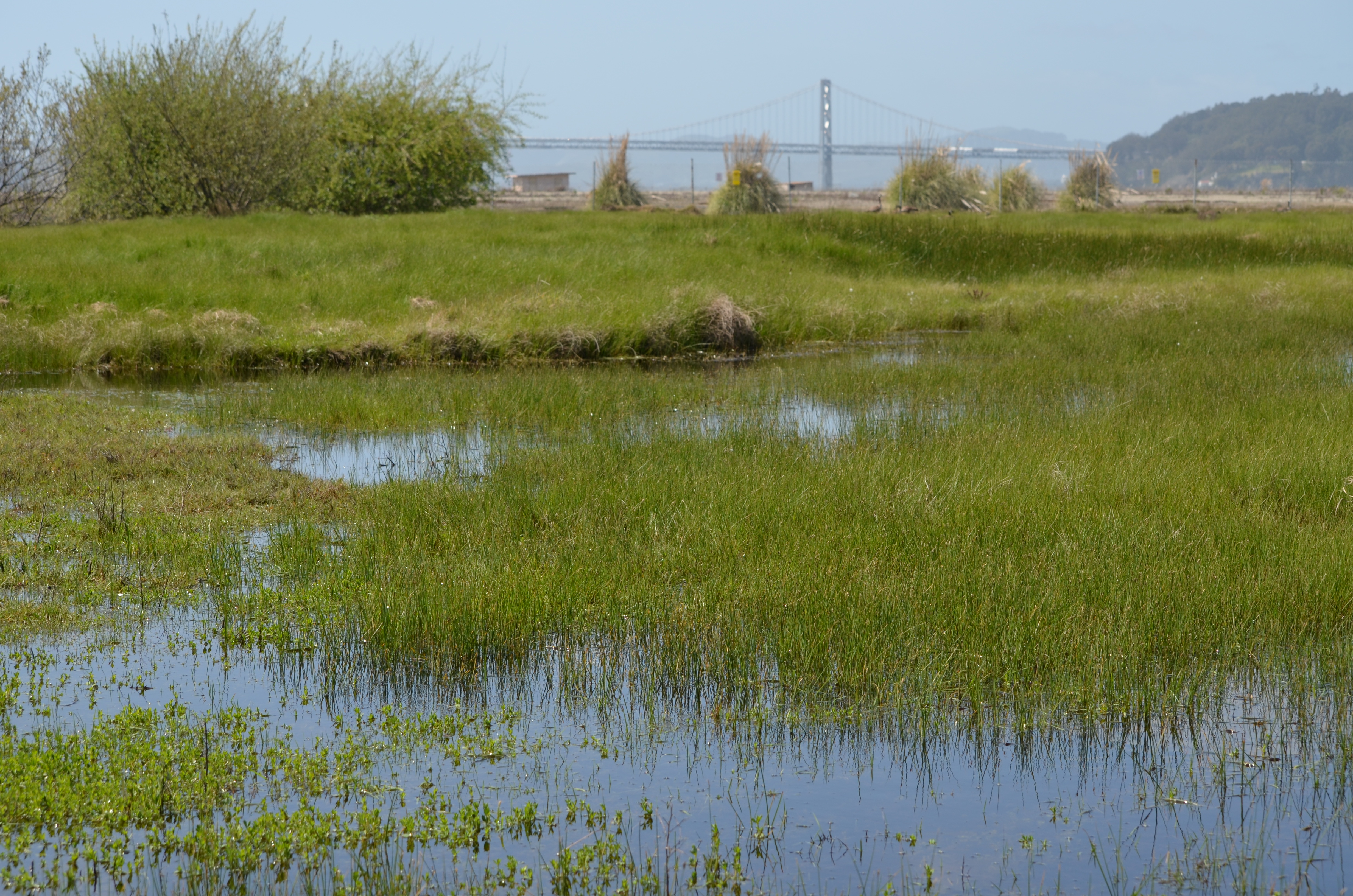
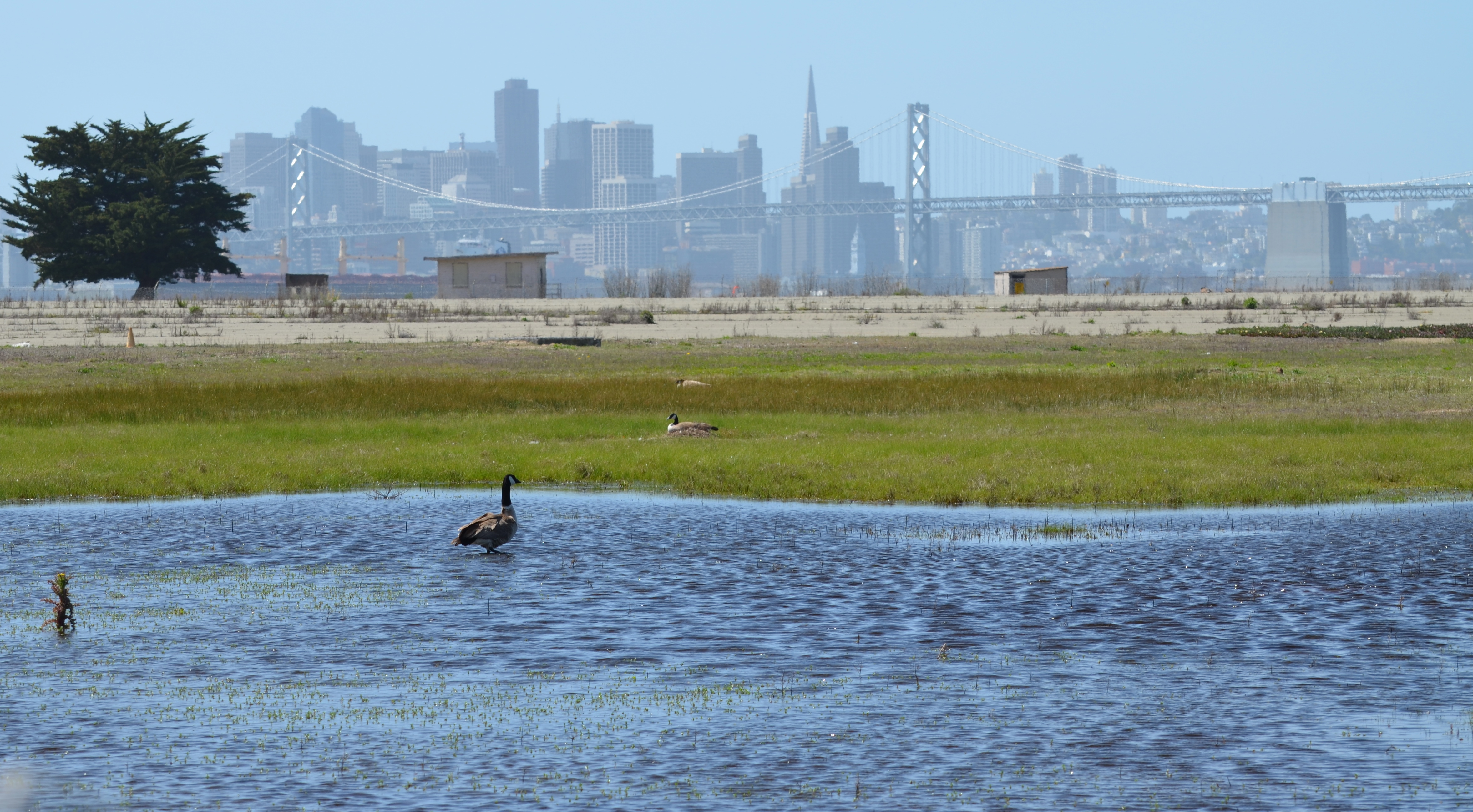
Existing grasslands between runways on wildlife refugeHowever, based on public statements from the VA about their timeline for construction, it does not appear that they have any intention of doing a full EIS, and thus their environmental commitment will be limited.  This will mean that rather than adding grasslands to perimeter areas that already have pockets of grasslands between runways and taxiways in order to divert hawks and other avian predators away from nesting terns, they will keep the refuge looking as much like a fenced-in stadium parking lot as possible (like it has been for the past decade).  The pretext is that it removes habitat for predators, but in this case they would be torturing the concept by making the tern nesting site so conspicuous that it will invite predation.  Virtually all of the least tern predation events have been from flying predators—like the peregrine falcons that come from miles away on the other side of Alameda.
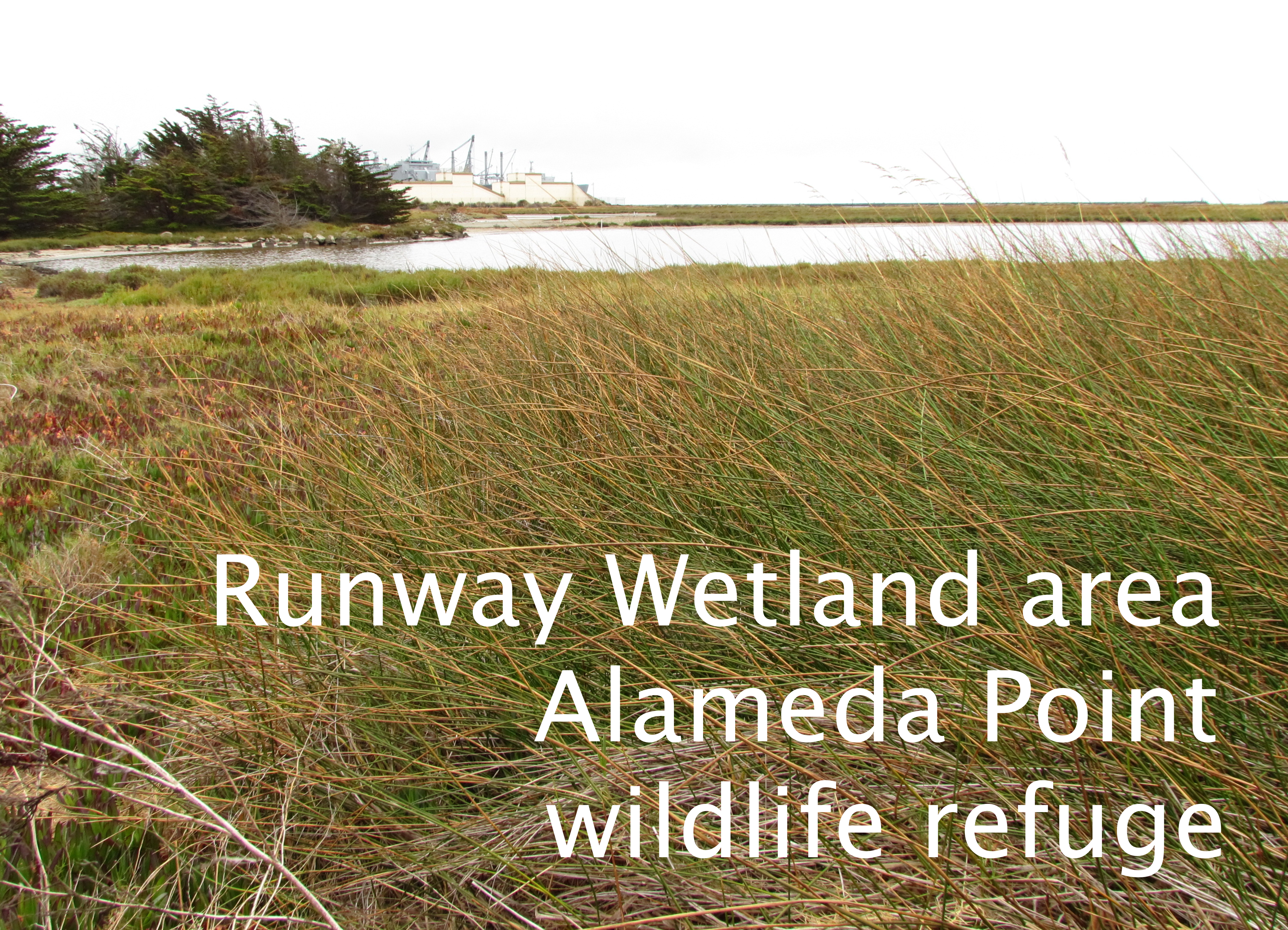
Runway'taxiway area of wildlife refugeThe real reasons for maintaining the industrial look are to reduce maintenance and capital costs, and to exploit the paved areas for revenue-generating uses that don’t require construction.  They have already said they will use the area for emergency preparedness training, disaster staging, and storage of supplies.

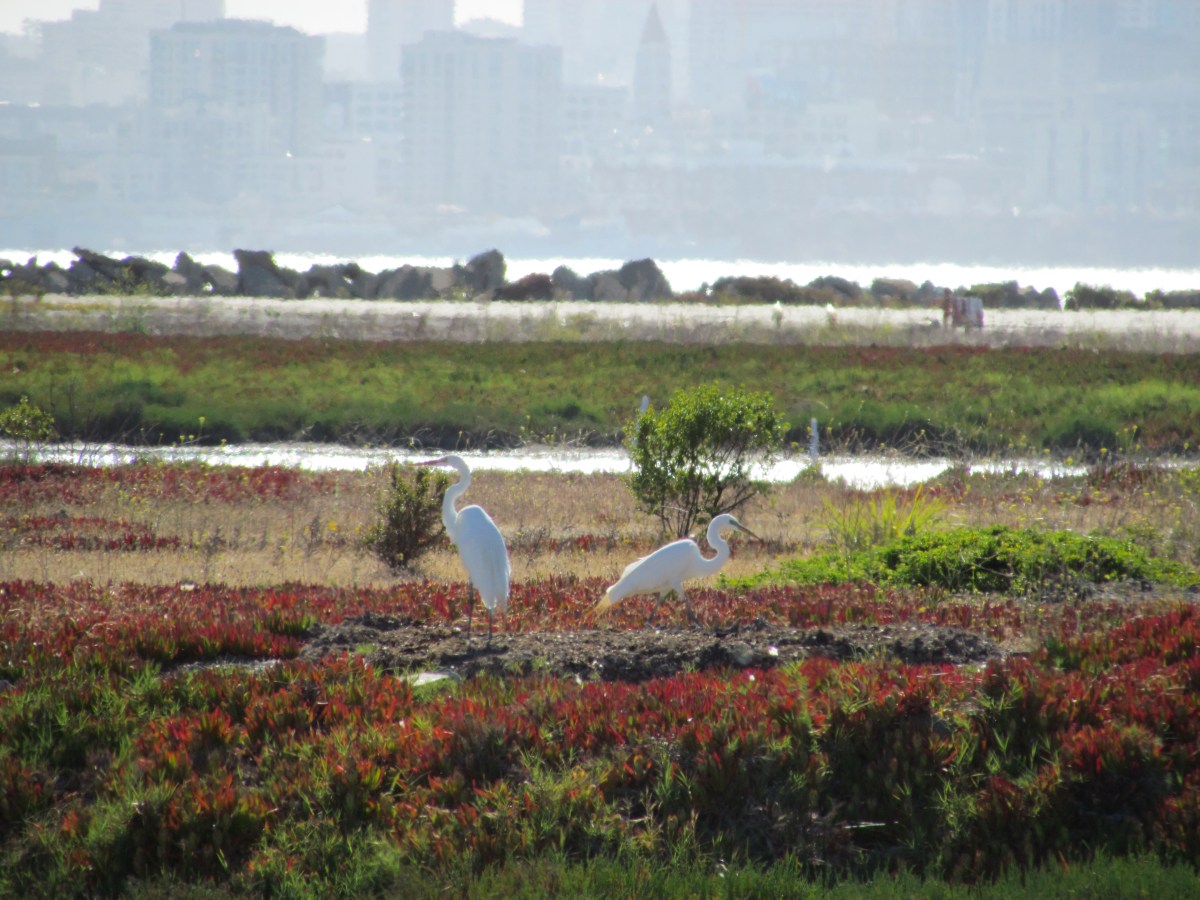
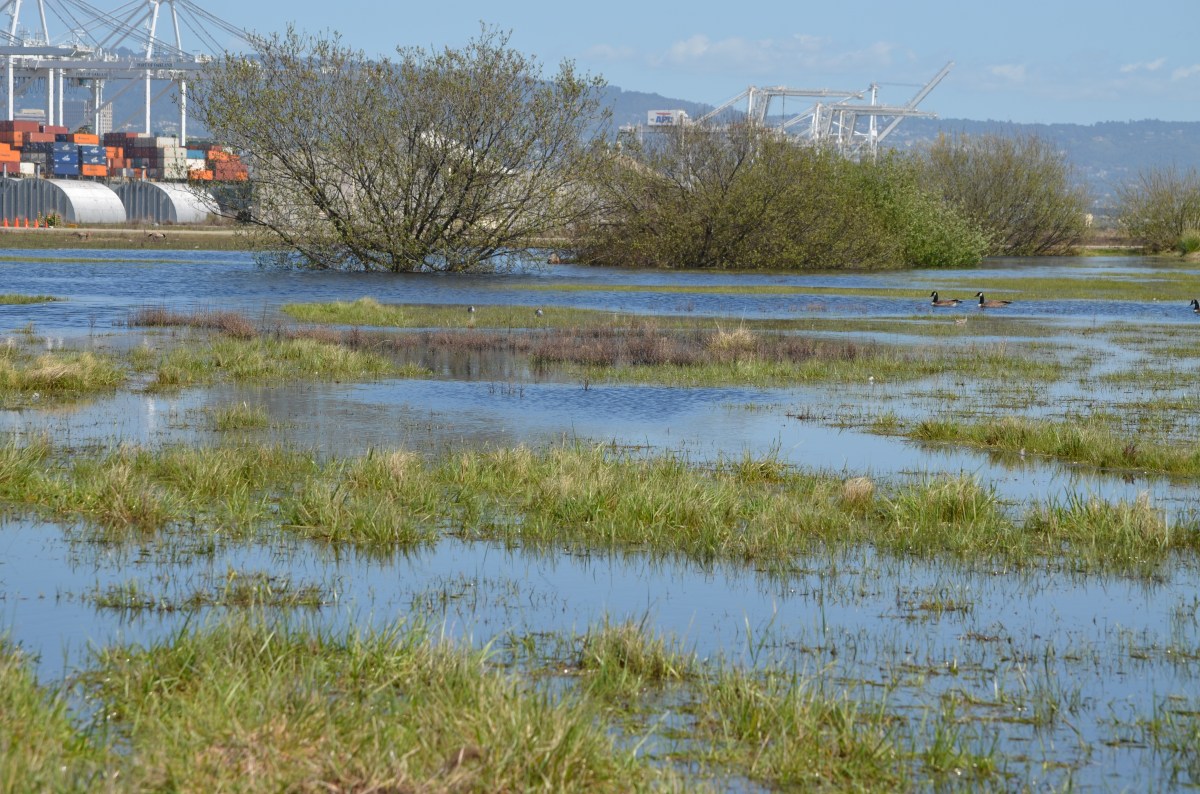
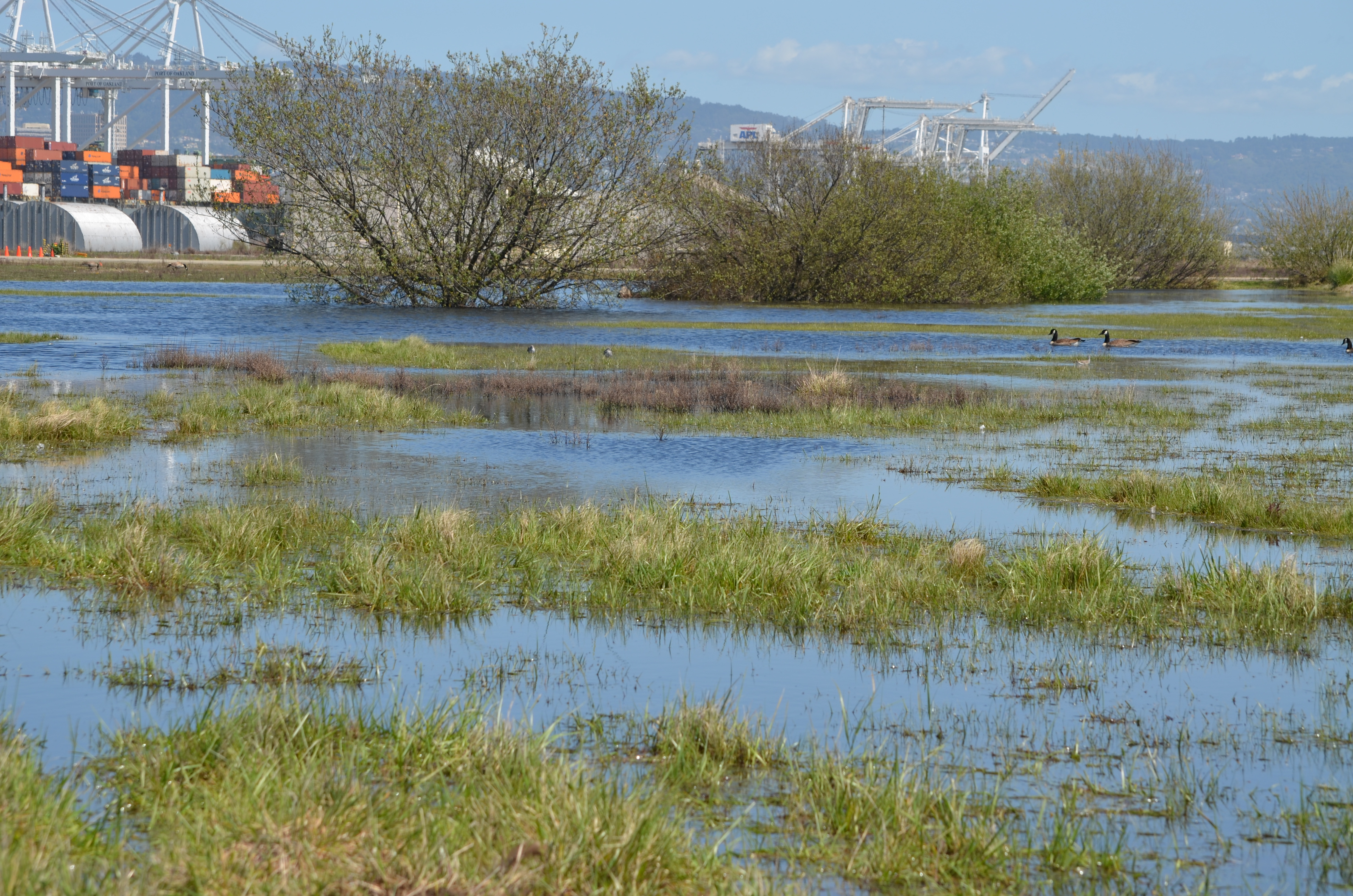
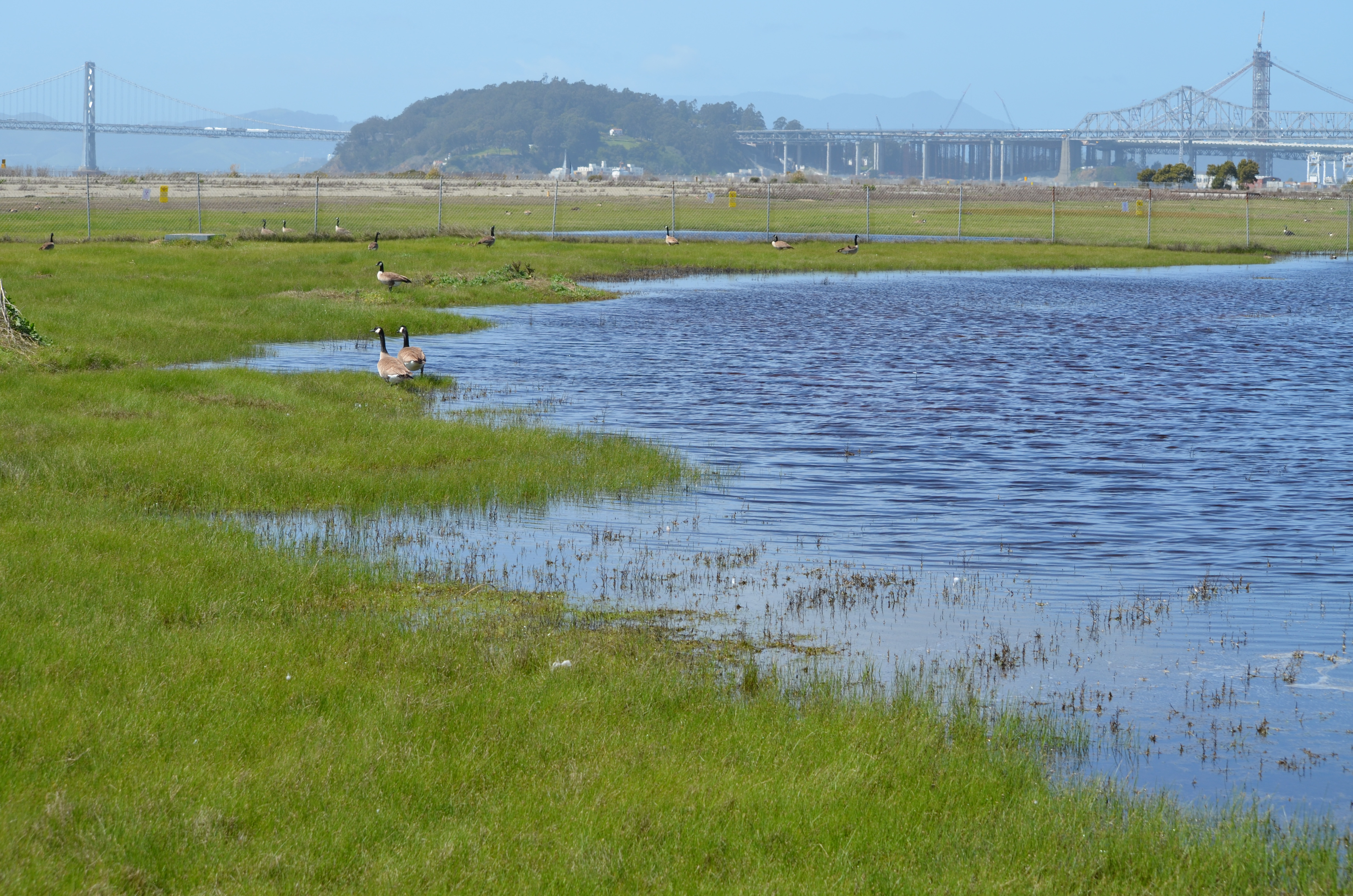
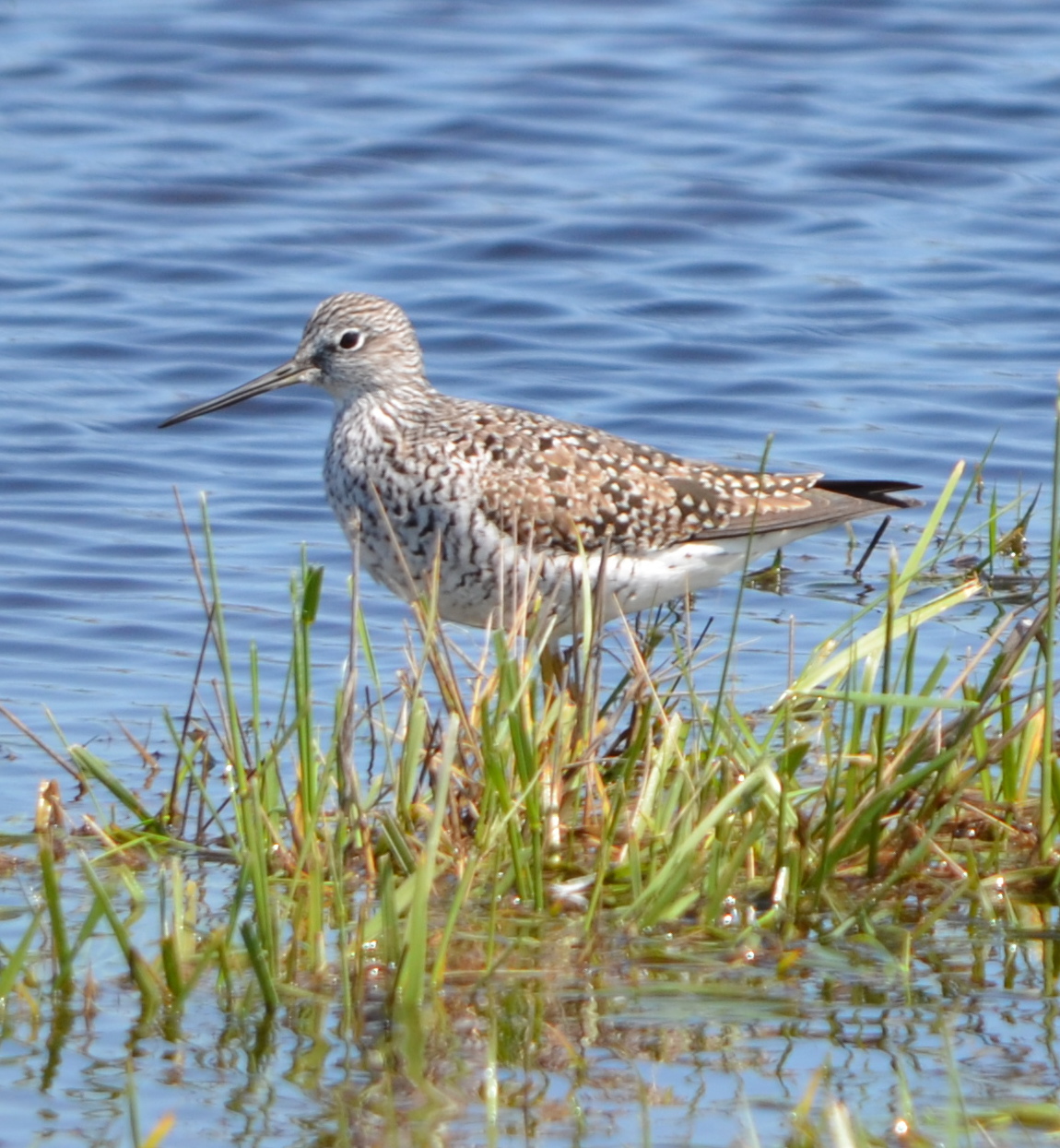
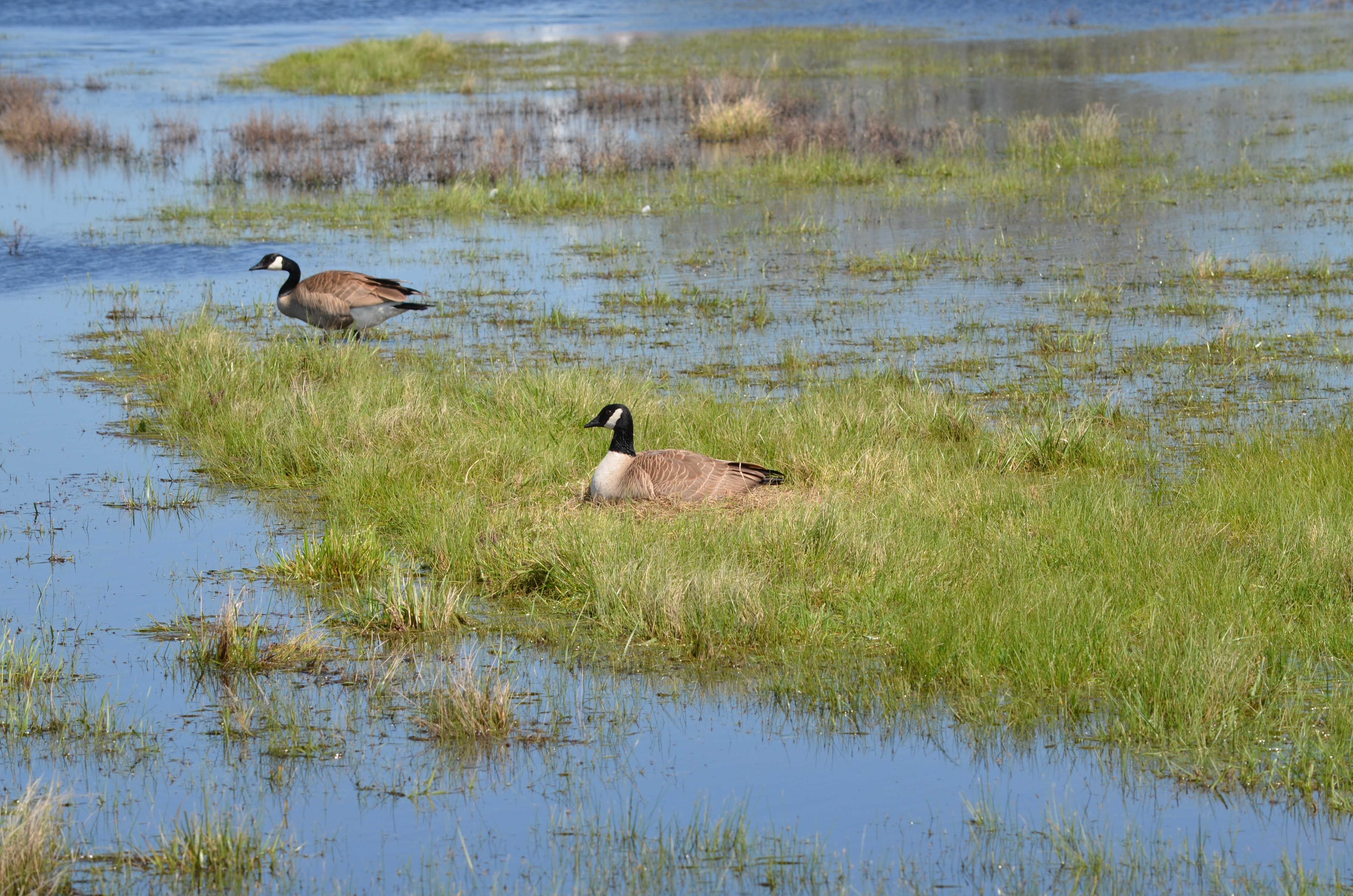
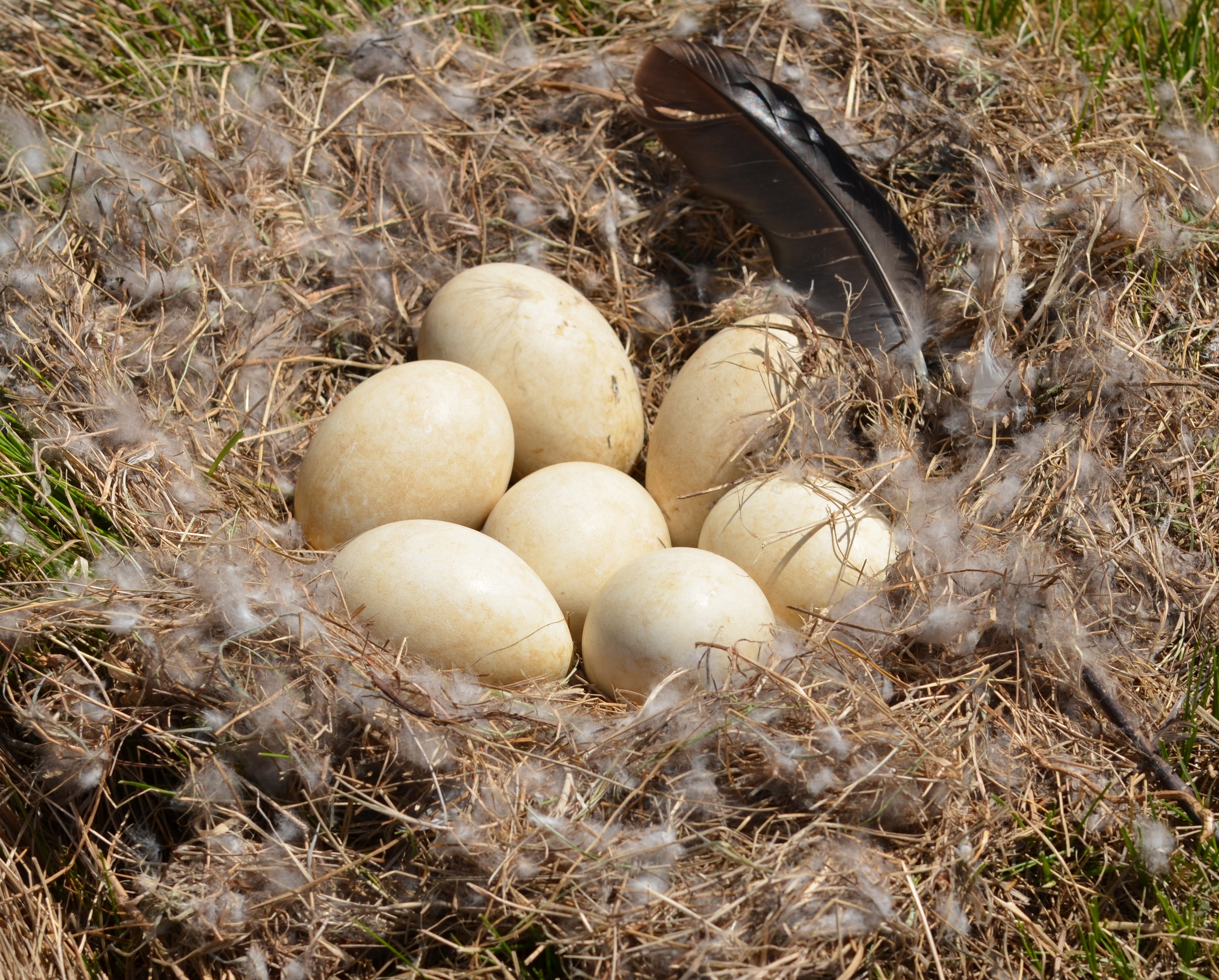
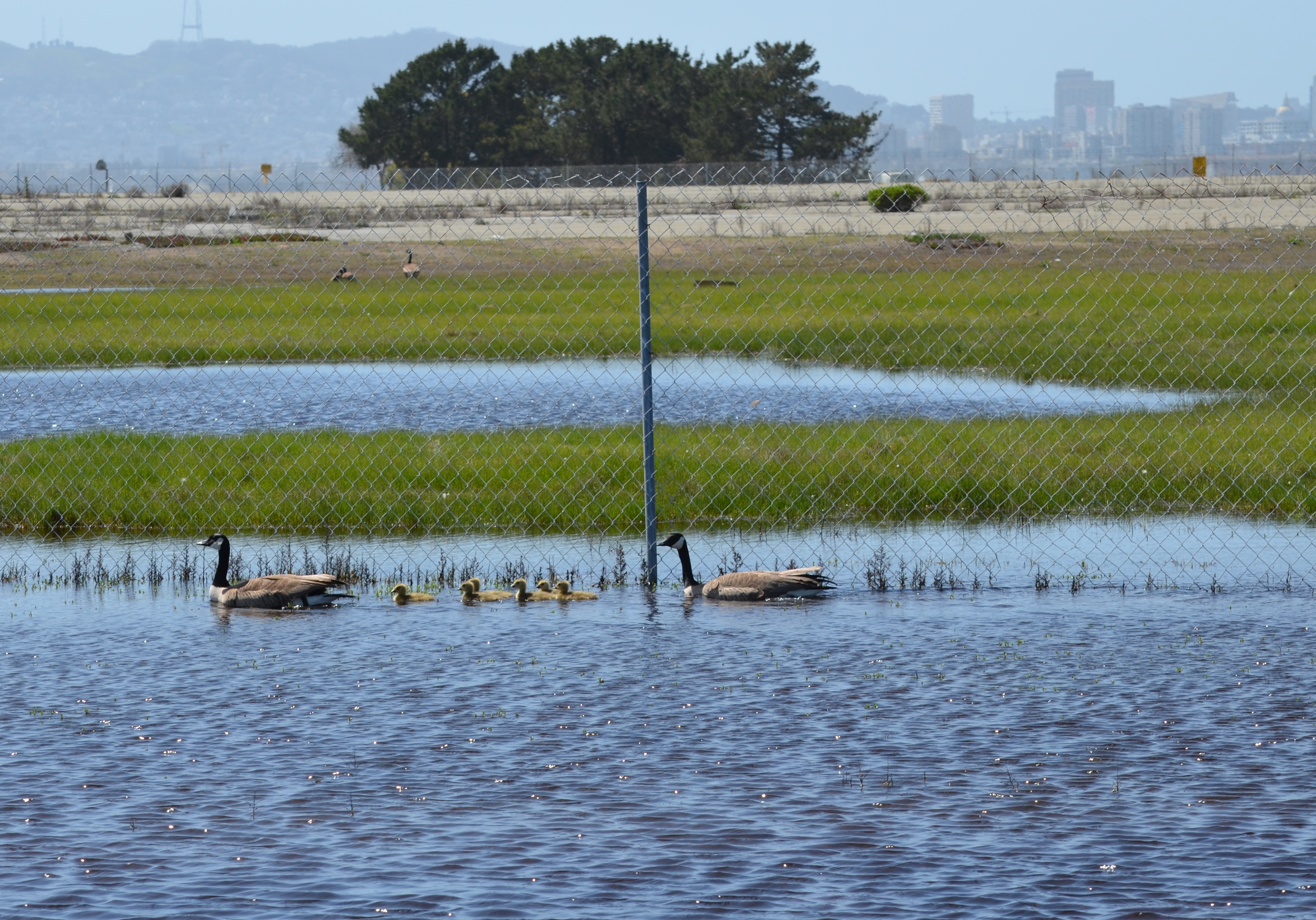
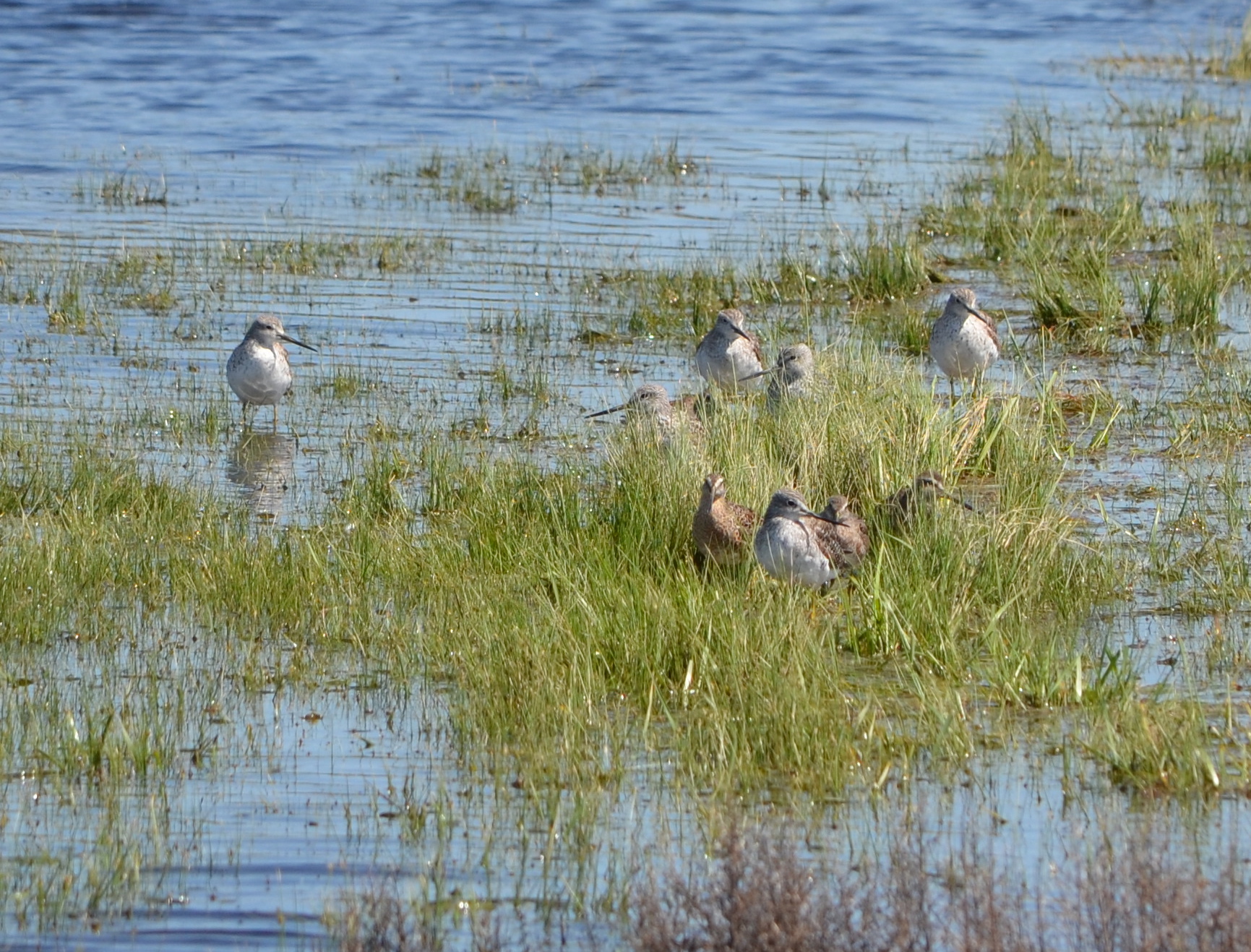
Over 180 different species of bird have been spotted on the refuge at one time or another.  Some of the wetland area can easily be expanded and linked permanently to the Bay.  Grasslands could be added.  Instead, what we can expect to see added are auto driving events and RV shows.

Early in 2013, the Alameda city council will play a pivotal role on whether the VA is able to permanently kill the wildlife refuge vision.  The city council must vote on an amendment to its no-cost conveyance deal with the Navy in order to allow the VA project to move forward.  By their action, the city will decide whether the 1996 Community Reuse Plan for Alameda Point will be amended to remove the wildlife refuge as a goal, or if it remains.

Killing the wildlife refuge is not only a bad idea for the environment.  It’s a bad idea for the economy.

Read more in the Conservation Action section of the Alameda Point Environmental Report.

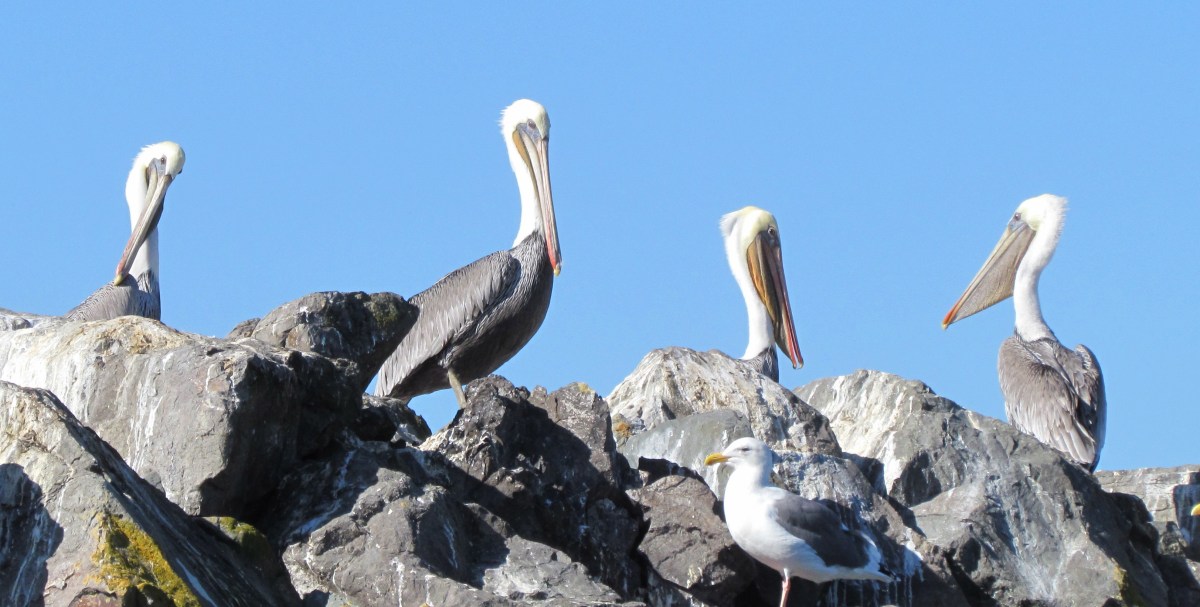
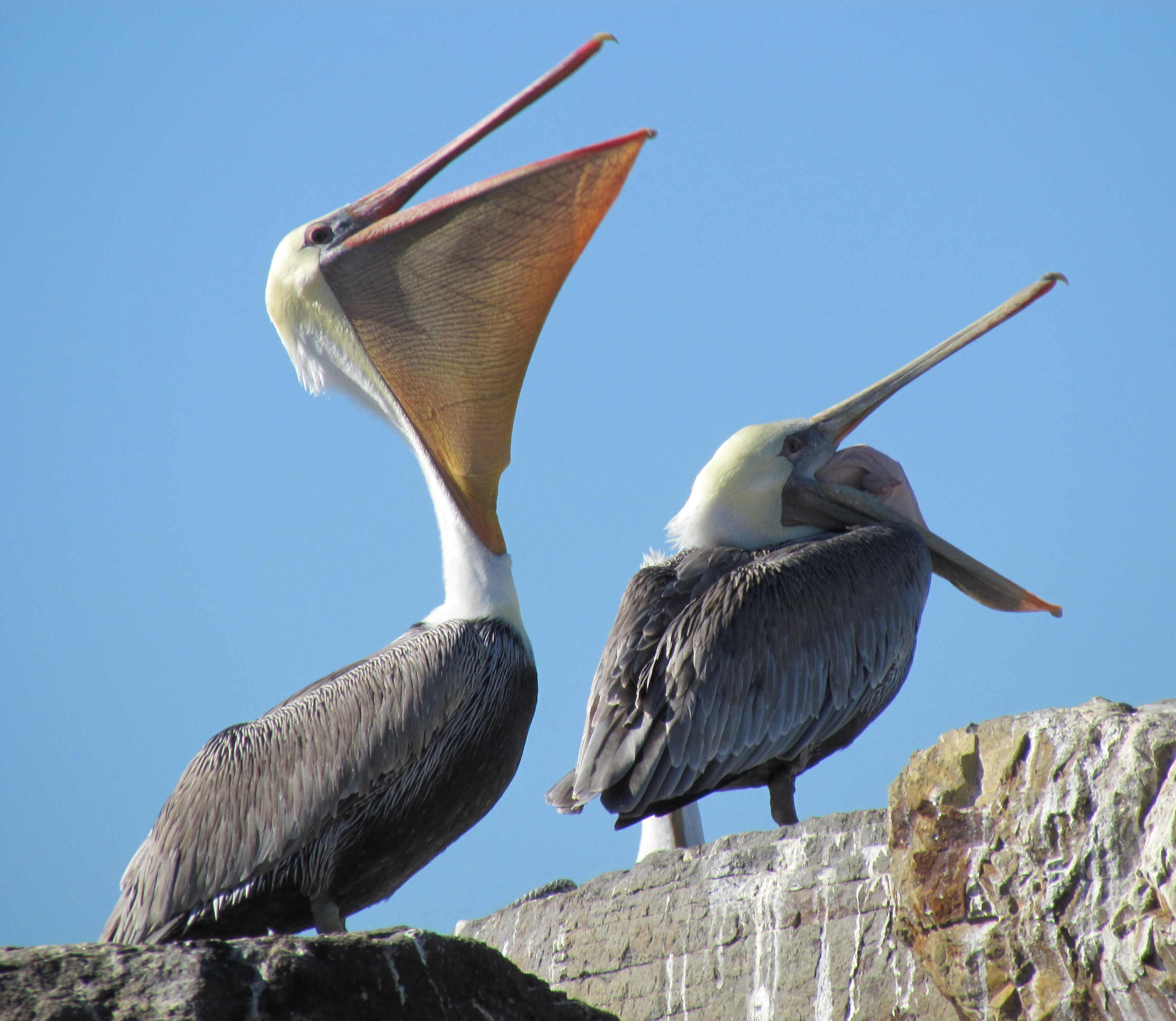
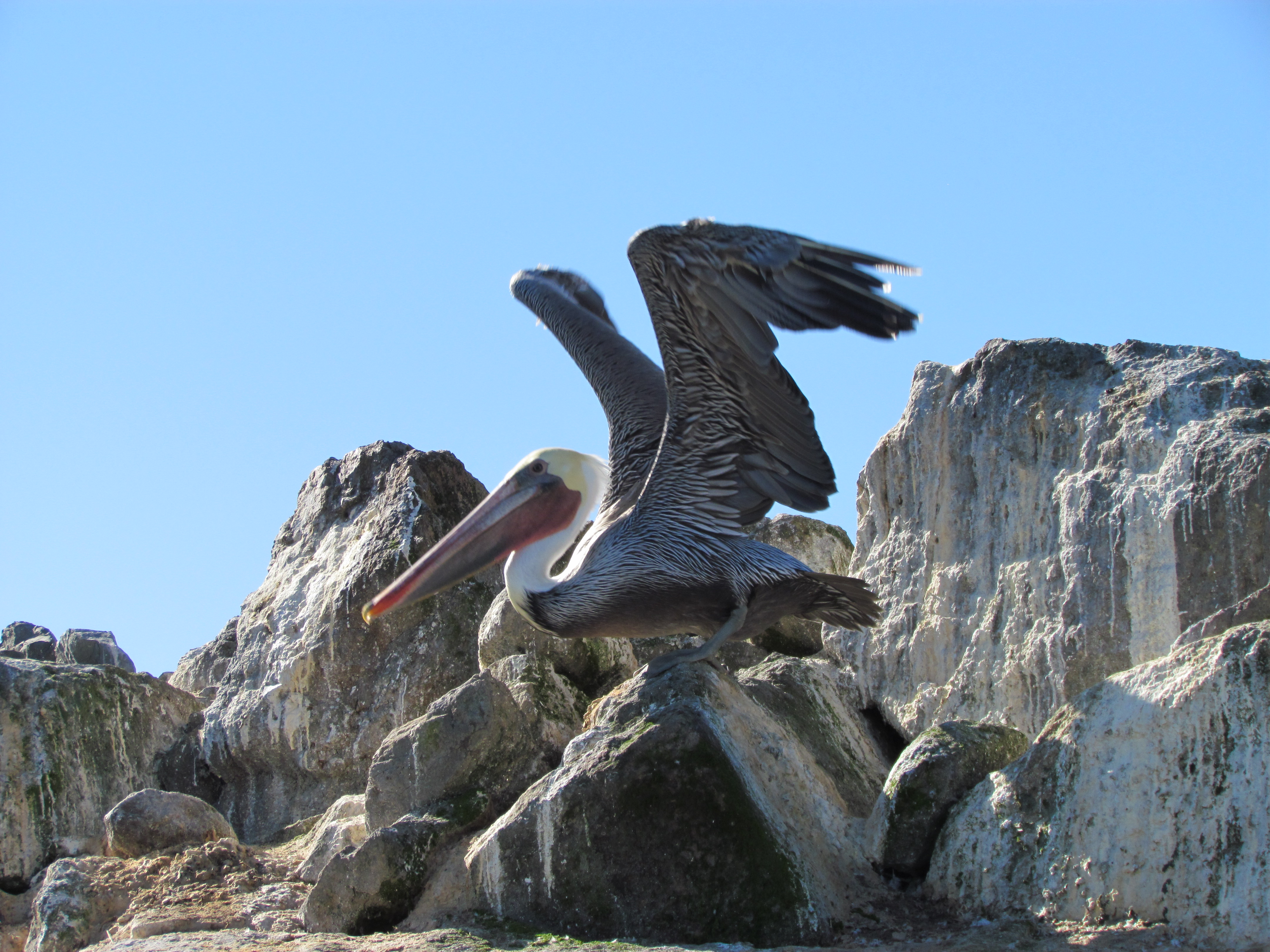
California Brown Pelicans roosting at Alameda Point

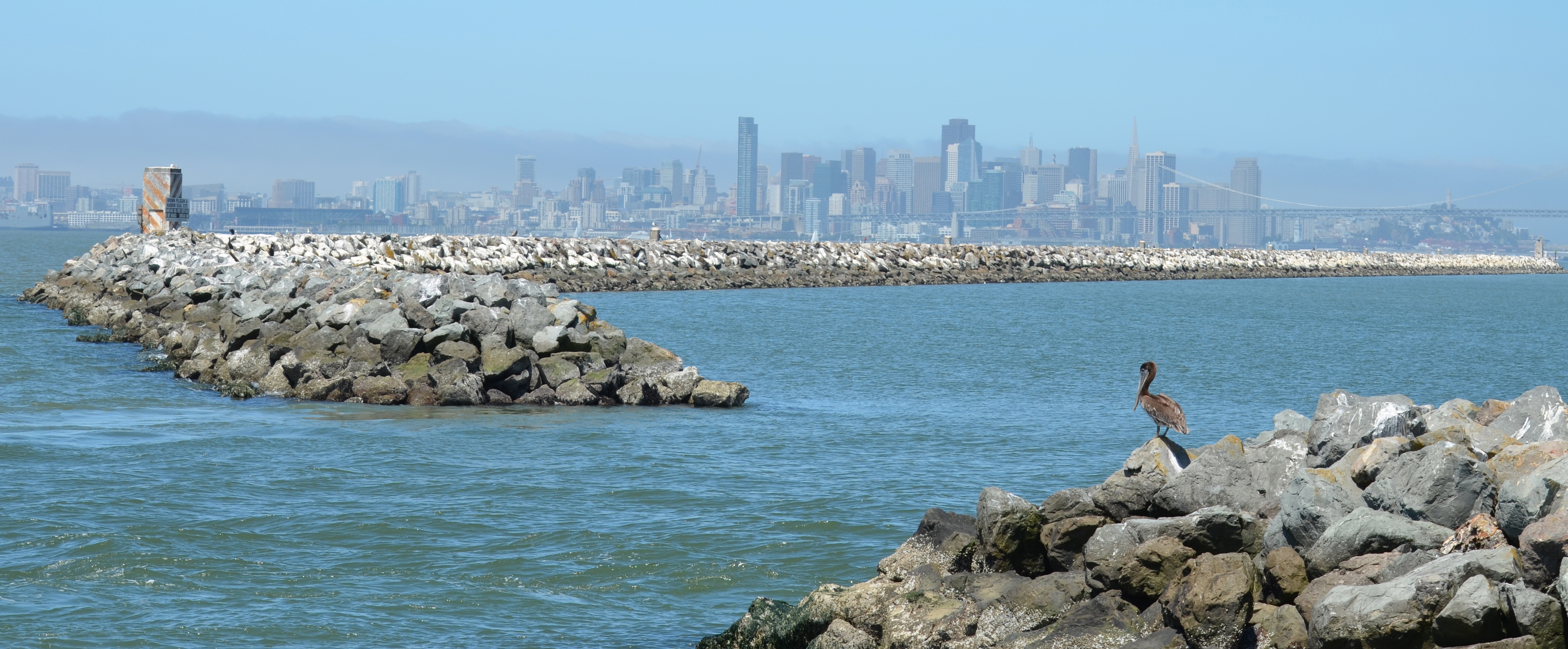
L-shaped Breakwater Island – largest brown pelican roosting site in San Francisco Bay – with San Francisco in background. Breakwater rocks in foreground extend back to Encinal Boat Ramp.  Former Naval Air Station is located to the right.
The successful recovery effort for the once endangered California brown pelican is evident every summer through fall on Breakwater Island, an area which forms the beginning of the Alameda Point Channel leading to the ship docks and Seaplane Lagoon.  The breakwater is a wall of boulders built up from the Bay floor to reduce wave action in the harbor.
California brown pelicans were listed as an endangered species in 1970.  The pesticide DDT was identified as the cause of their decline.  It caused reproductive harm, and altered the birds’ calcium absorption, which led to thin eggshells that would break under the parents’ weight.  Use of DDT was banned in the United States 1972. 

A recovery effort was launched in the 1970s on Channel Islands National Park off the coast of Santa Barbara. The only breeding colonies of California brown pelicans in the western United States are within Channel Islands National Park on West Anacapa and Santa Barbara islands.

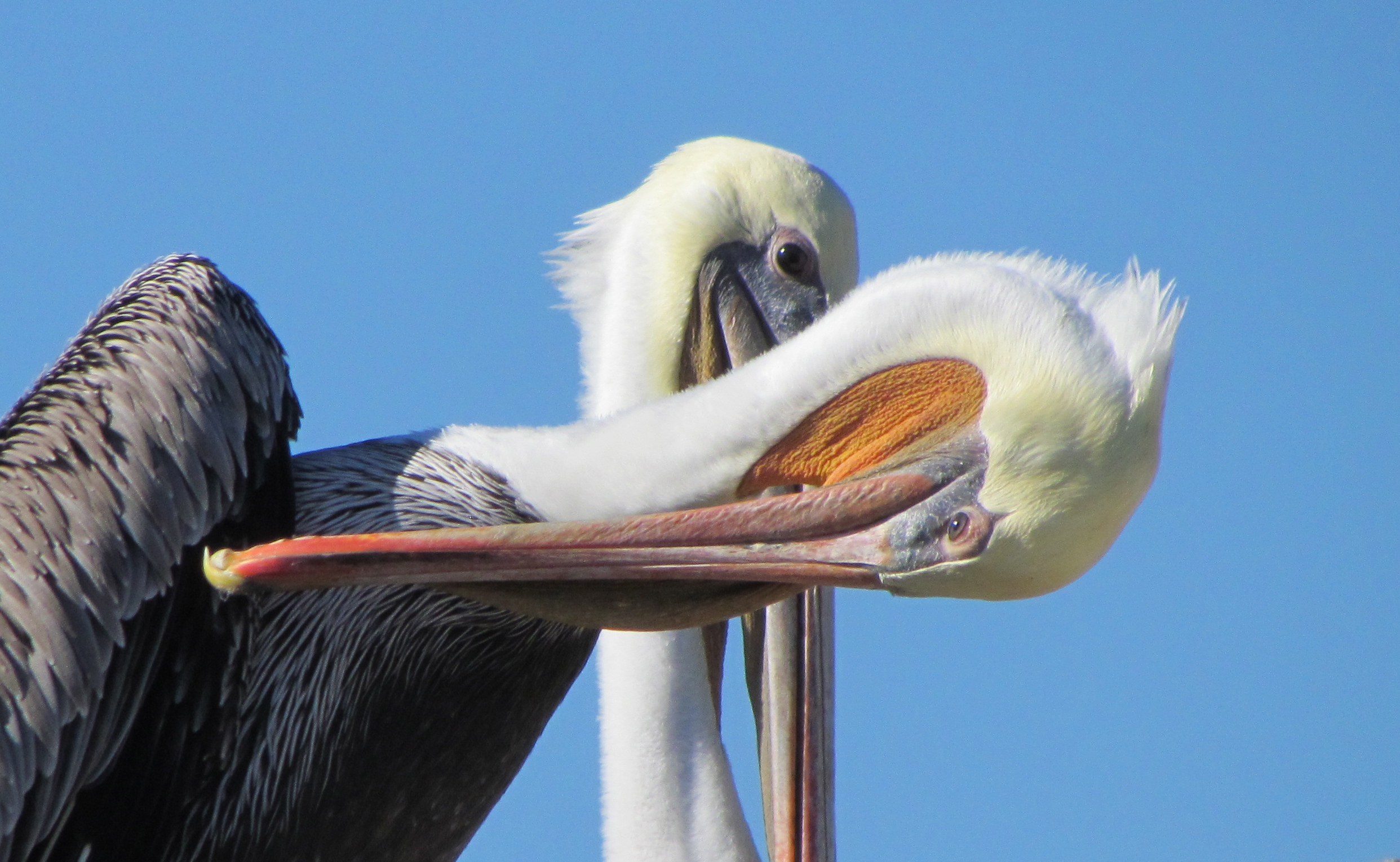
California brown pelican preening on Breakwater Island.

In the summer and fall, the brown pelicans can range from nesting colonies in Mexico and the Channel Islands all the way up to British Columbia.  Alameda Point’s Breakwater Island is the largest roosting site in San Francisco Bay. A safe, secure roosting area is essential for pelicans to rest, preen, dry their feathers, maintain body temperature, and socialize.

When the Naval Air Station was still active, the Navy enforced restrictions against boats landing on the Island and posted signs that warn against disturbing the birds.  Since the base closed, there has been no one to enforce regulations against disturbing the pelicans. 

California brown pelicans relaxing on Breakwater Island on sunny fall day. Their mouth sack is the largest of any bird and is used to scoop fish when they plunge into the water.

The California Brown Pelican was removed from the Endangered Species List in 2009 after an almost 40-year recovery.  There is currently no plan to look out for the welfare of these magnificent birds after the base is transferred out of Navy ownership.  One way to ensure adequate protection and provide public education and appreciation of this unique ecological asset is to have it be part of an “Alameda Point Wildlife Conservation Area.” The East Bay Regional Park District would be an excellent agency to manage it; they already have a marine conservation area at nearby Crab Cove.

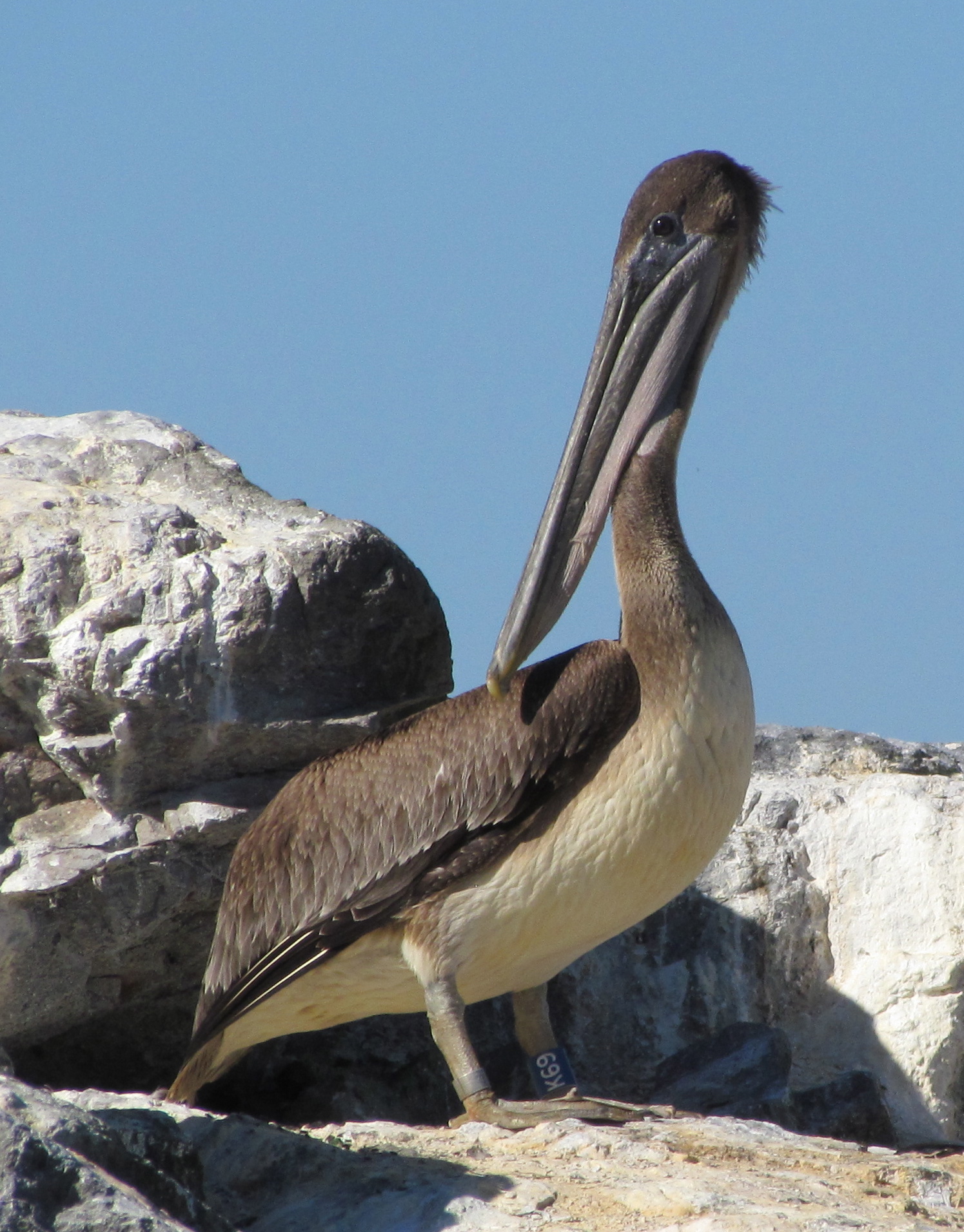
Young California brown pelican with leg band.

Young brown pelican
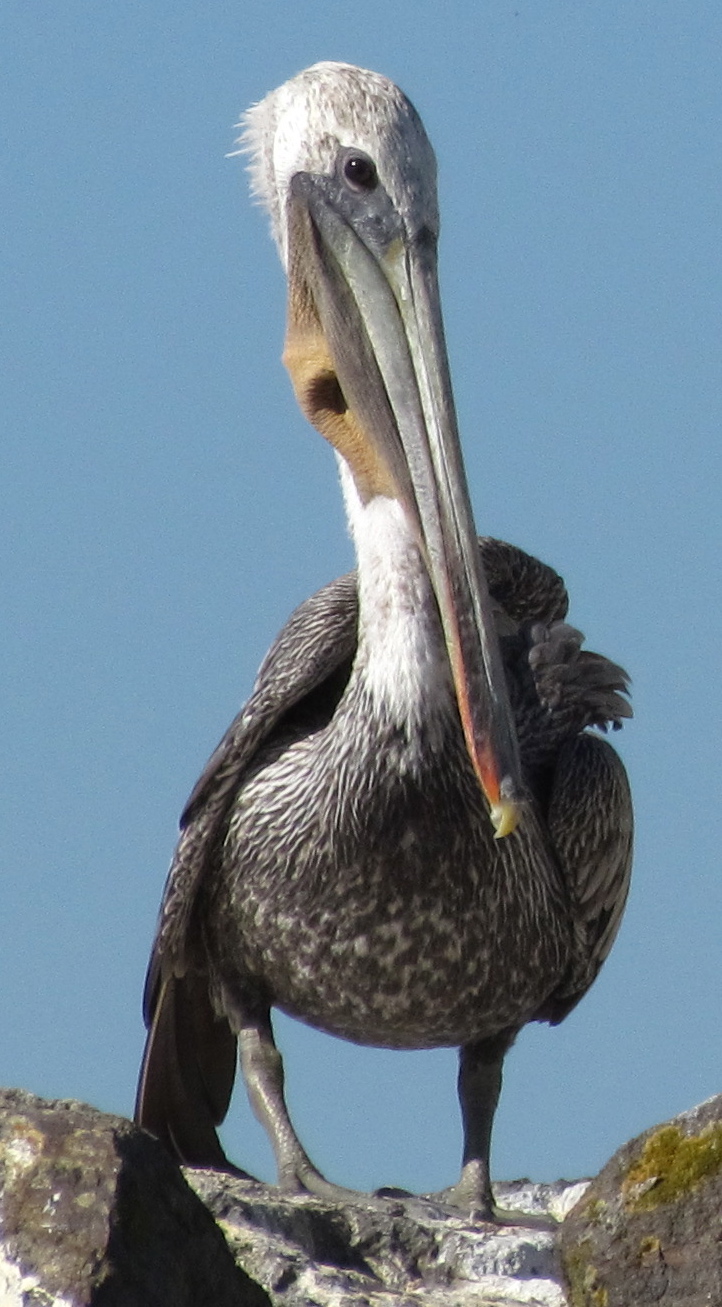
Old-timer. Brown pelicans can live to 30 years.

Close-up photos of Breakwater Island pelicans were taken in October 2012 from a kayak.

View more Breakwater Island pelican photos in the Flickr photo set.

More information is available on the Channel Islands National Park website.

This story is reprinted on the Golden Gate Audubon Society’s blog Golden Gate Birder.

Update – October 23, 2012

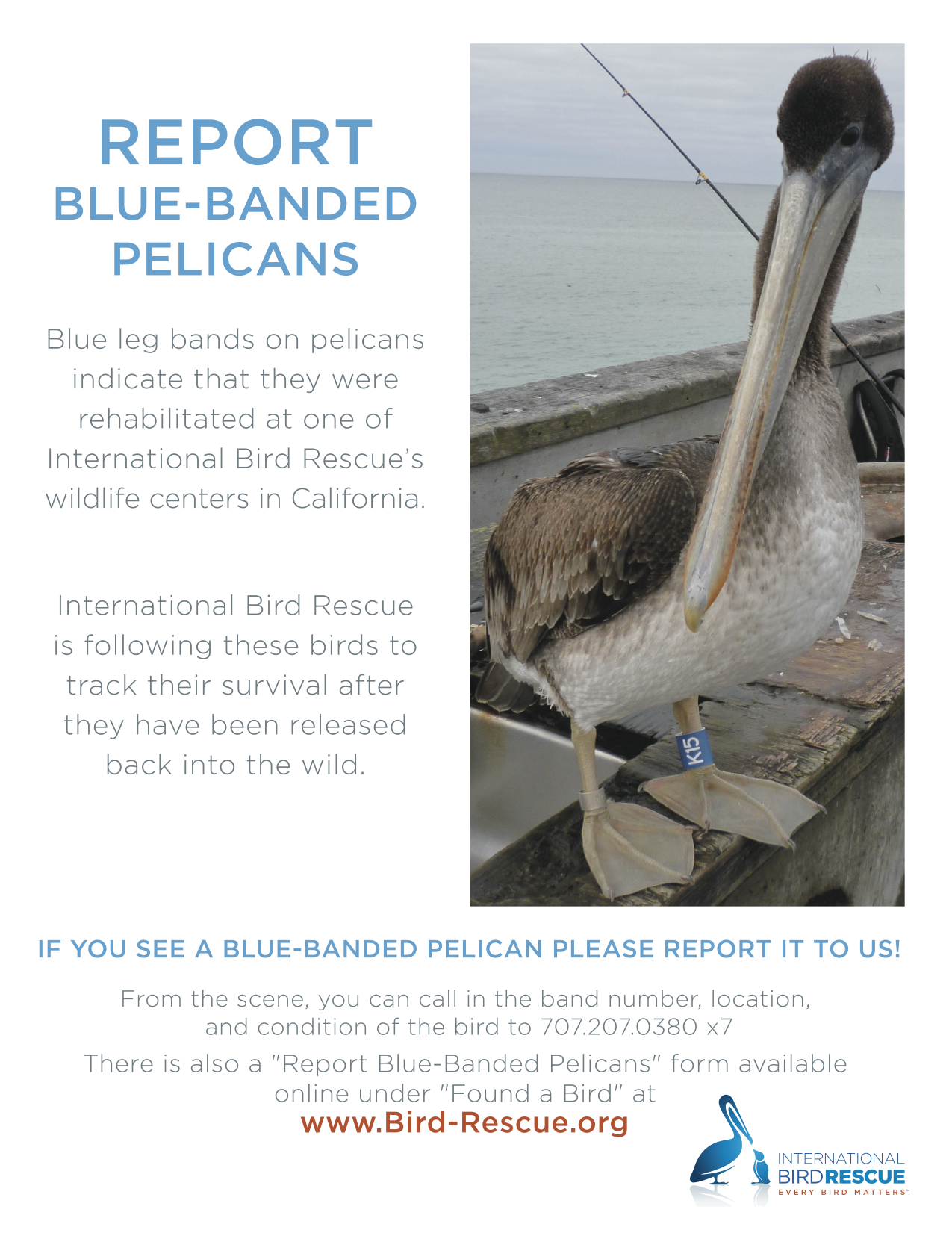
The brown pelican pictured above with a leg band reading “K69” was brought to the International Bird Rescue clinic in Cordelia near Fairfield, CA on July 9, 2012 in a thin and weak condition.  It is less than a year old.  After a one-month rehab, it was released at the Elkhorn Slough Estuarine Reserve near Watsonville on August 10.  A blue band on a pelican leg means it was given a helping hand at one of the two clinics operated by International Bird Rescue – located in the San Francisco Bay Area and Los Angeles. Some of their released pelicans have been spotted in Oregon and Washington.  If you see a pelican with a blue leg band, they’d like to hear about it.

Wildlife refuge activist nominated for KTVU award – Vote online

Alameda resident Leora Feeney is one of three finalists in KTVU’s annual Cox Conserves Heroes contest.  KTVU, owned by Cox Media, is partnering with The Trust for Public Land to honor local environmental activists for their work and inspire others.  The winner will be determined through online voting that is underway now through September 24.

KTVU will donate $10,000 to the nonprofit of the winner’s choice.  Feeney’s choice will be the Friends of the Alameda Wildlife Refuge, a committee of the Golden Gate Audubon Society.  Feeney hopes that some of the money will go toward a video camera system on the perimeter of the Least Tern nesting area that would help with monitoring activity and public education.  The Friends of the Alameda Wildlife Refuge helps maintain the site during the non-nesting season and conducts educational programs in schools.

You can vote for Feeney, and help our wildlife refuge, by going to KTVU’s Cox Conserves Heroes page  and clicking on the headline ***Vote now through September 24***.

Feeney first got involved with the Least Terns at Alameda Point in the 1980s when it was still an active naval air station.  She was managing a small California Least Tern colony on the Oakland Airport property when she offered to help the Navy’s biologist overseeing the recently established tern colony at the Navy base.

When the announcement came down in 1993 that the base was closing, Feeney helped organize a symposium at the College of Alameda on “Alameda Naval Air Station’s Natural Resources and Base Closure.”  This symposium was instrumental in laying the groundwork for setting aside over 500 acres for a wildlife refuge in the 1996 Community Reuse Plan.

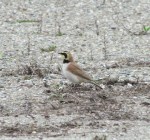
Horned Larks arrived shortly after weeds were pulled from this area near the tern nesting site in early 2012 to forage for food.

The Friends of the Alameda Wildlife Refuge became an official committee of the Golden Gate Audubon Society in 1997, the same year that Navy lowered the flag for the last time.  She has been working to protect the terns ever since.  She, along with other experienced birders, began doing twice-monthly bird surveys on the refuge in 2004, which she shares with the US Fish & Wildlife Service and the Navy.  One object of the surveys is to document predators of the Least Tern.

To date, Feeney has seen over 176 different species of birds on the refuge.  About 26 of these species, according to Feeney, have been documented as breeding on the refuge.  One of her most unusual sitings was of a Golden Eagle that came in one spring to eat goslings.  “When the eagle was hunting at the refuge, adult geese would be out on the Bay waters,” Feeney said.  “That was our clue to look for the eagle.”

The wildlife refuge property is slated for transfer to the US Department of Veterans Affairs next year.

Read more and watch a video:  “Protecting the California Least Terns at the Alameda Point Wildlife Refuge”  posted on the Alameda Point Environmental Report on May 3, 2012.

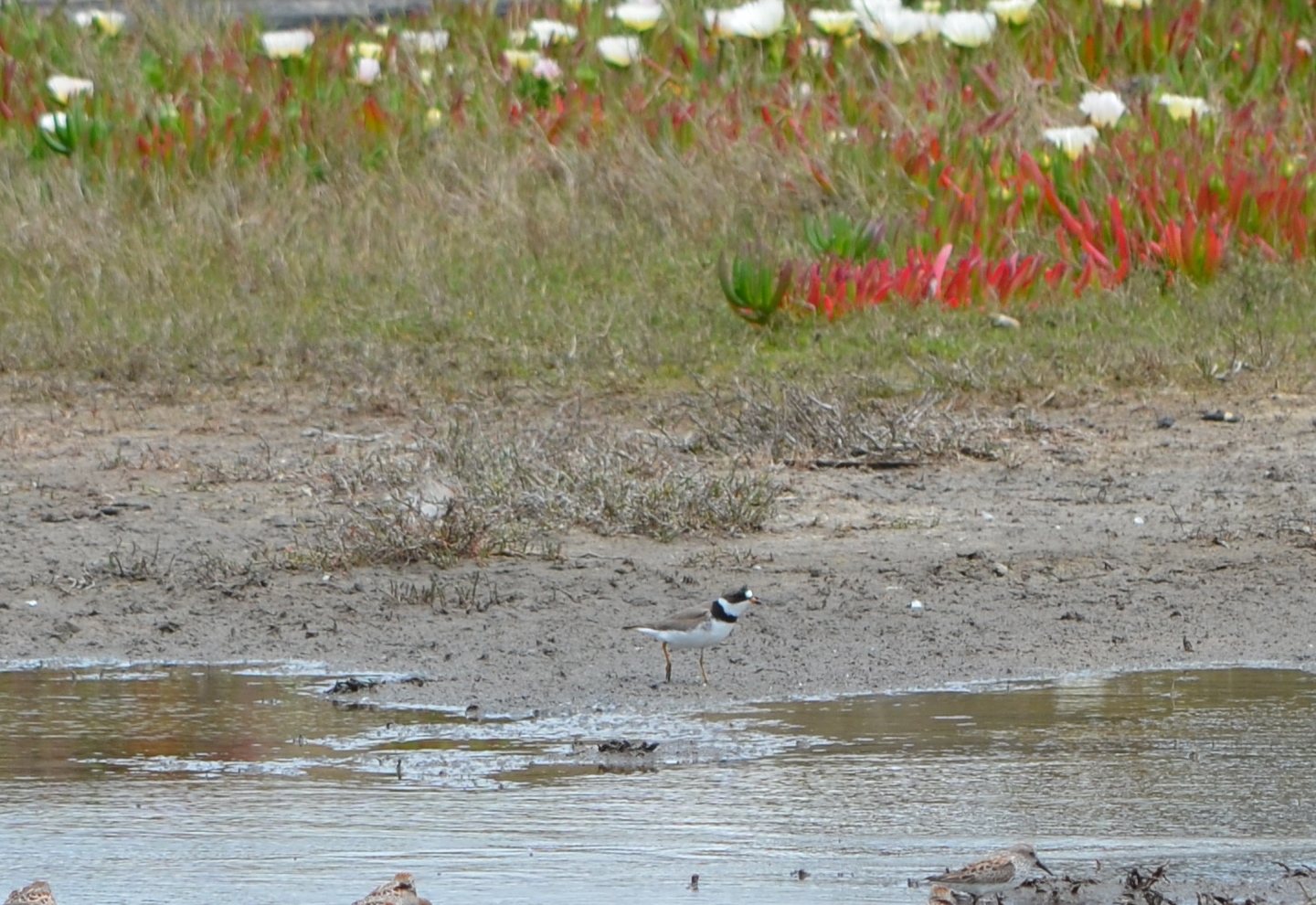
Semi-palmated Plover at Runway Wetlands – Alameda Point wildlife refuge
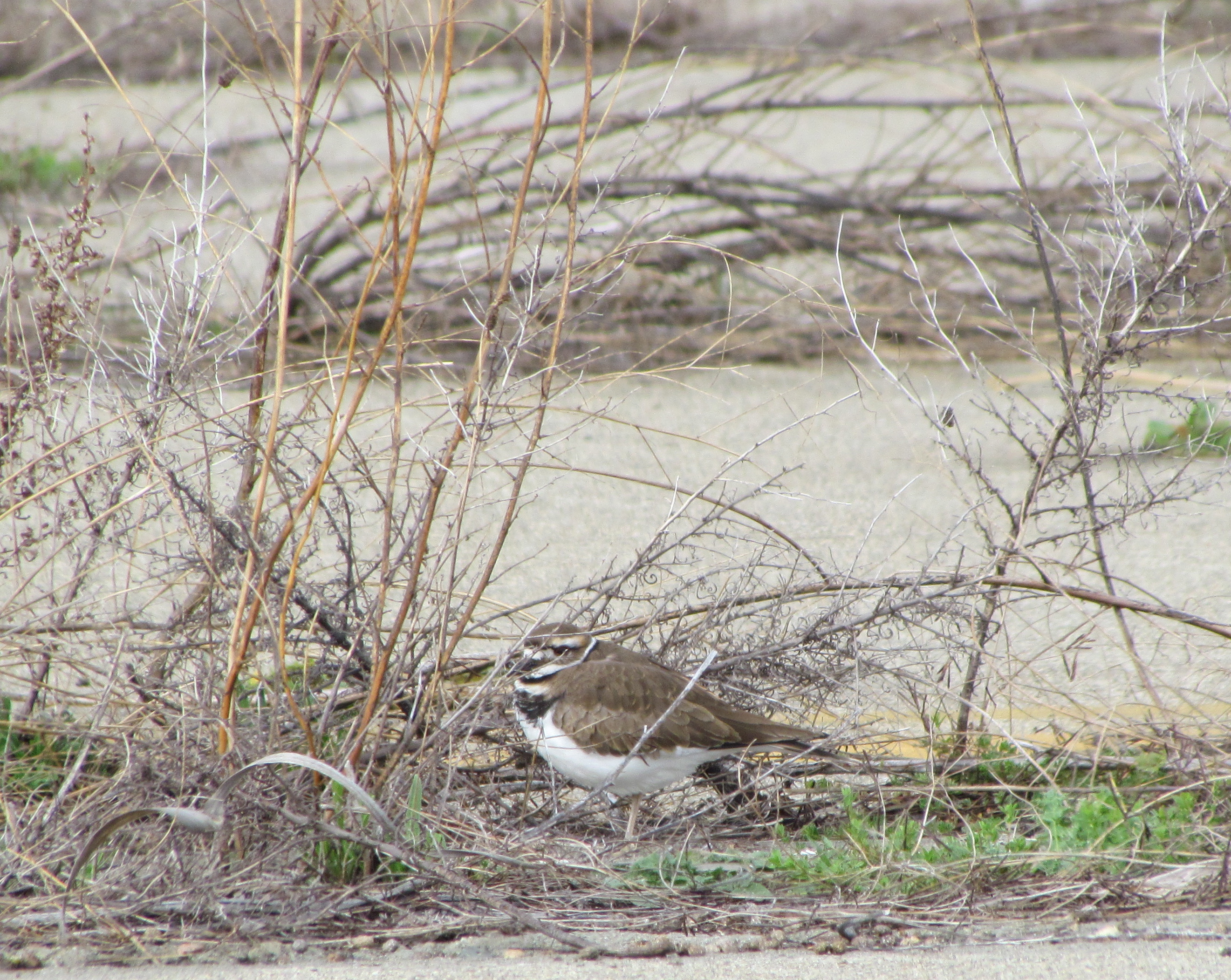
Plants growing between pavement cracks are a popular hiding place for Kildeer at Alameda Point’s wildlife refuge.
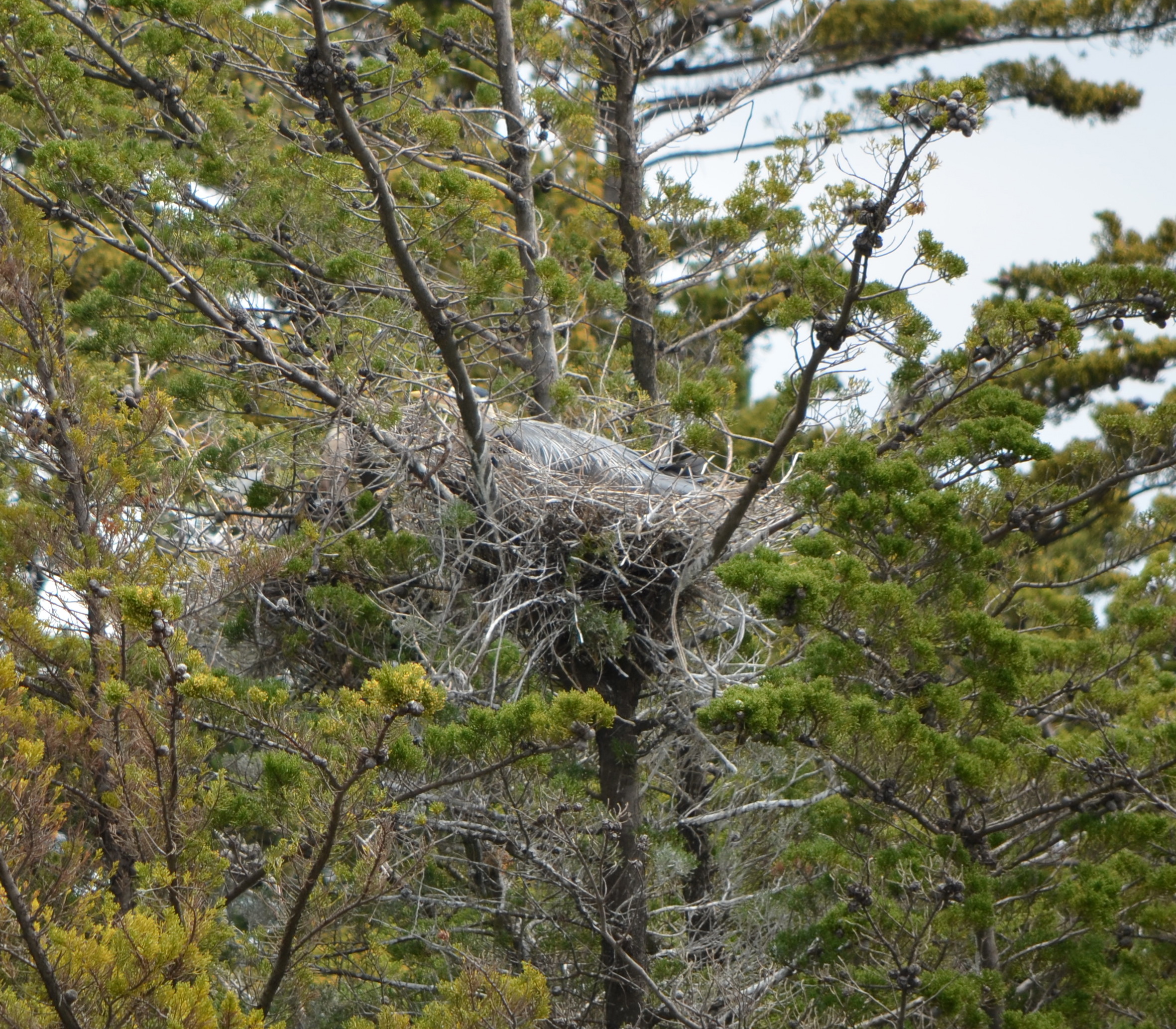
Great Blue Heron nesting in cypress tree on Alameda Point wildlife refuge – April 2012.

Young osprey at Alameda Point leaving soon

Parent osprey landing with fish as fledgling waits on right, with parent looking on.

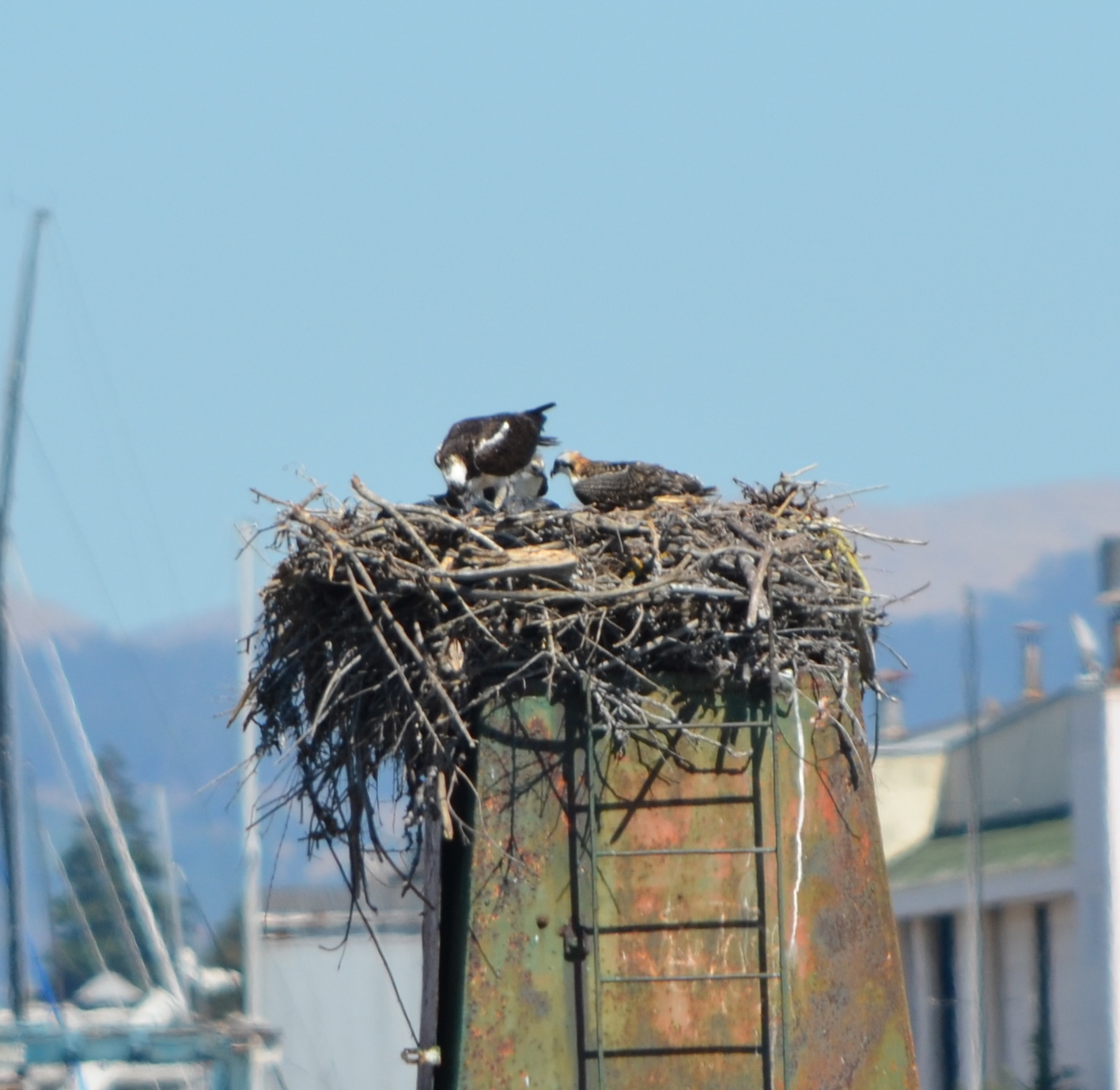
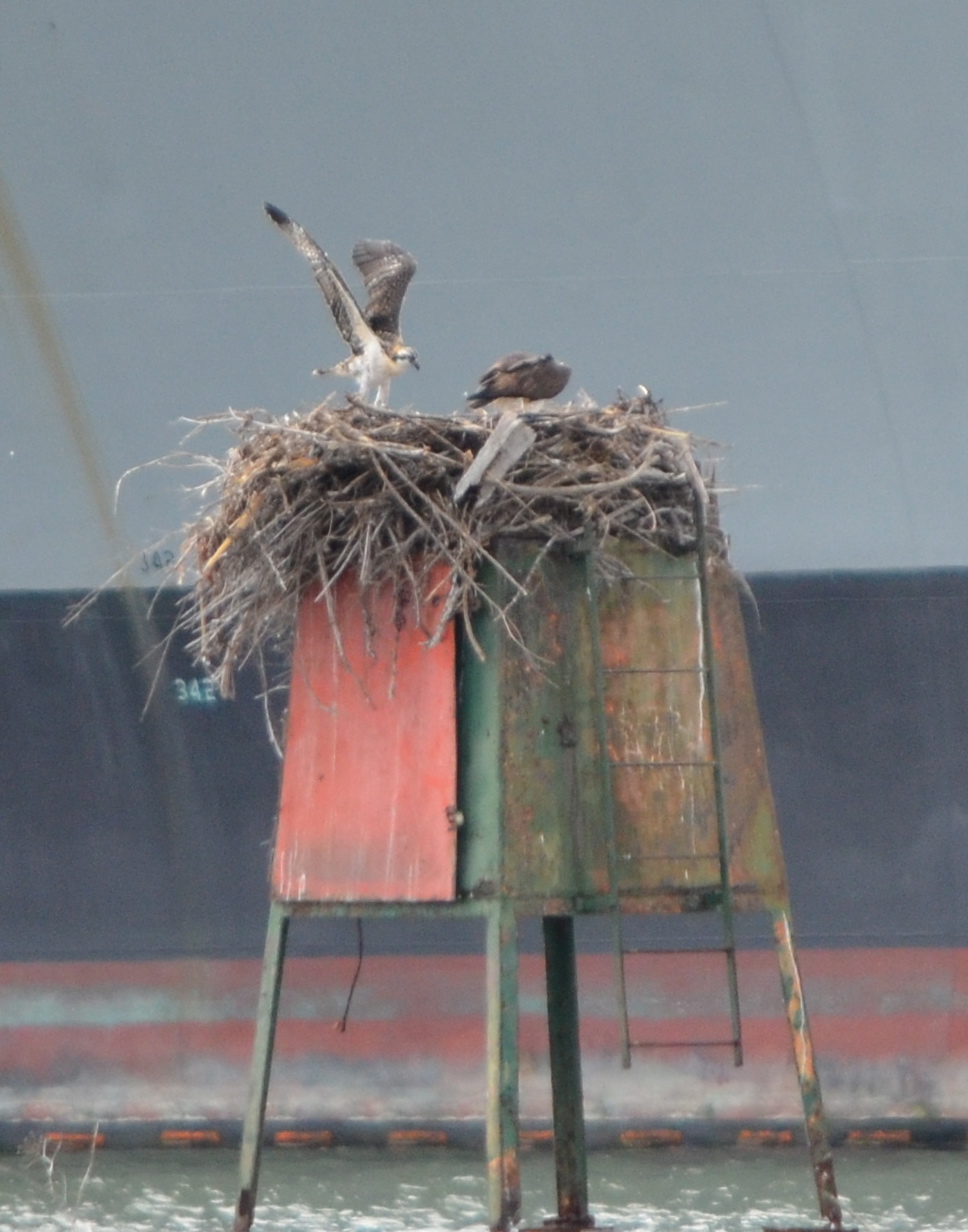
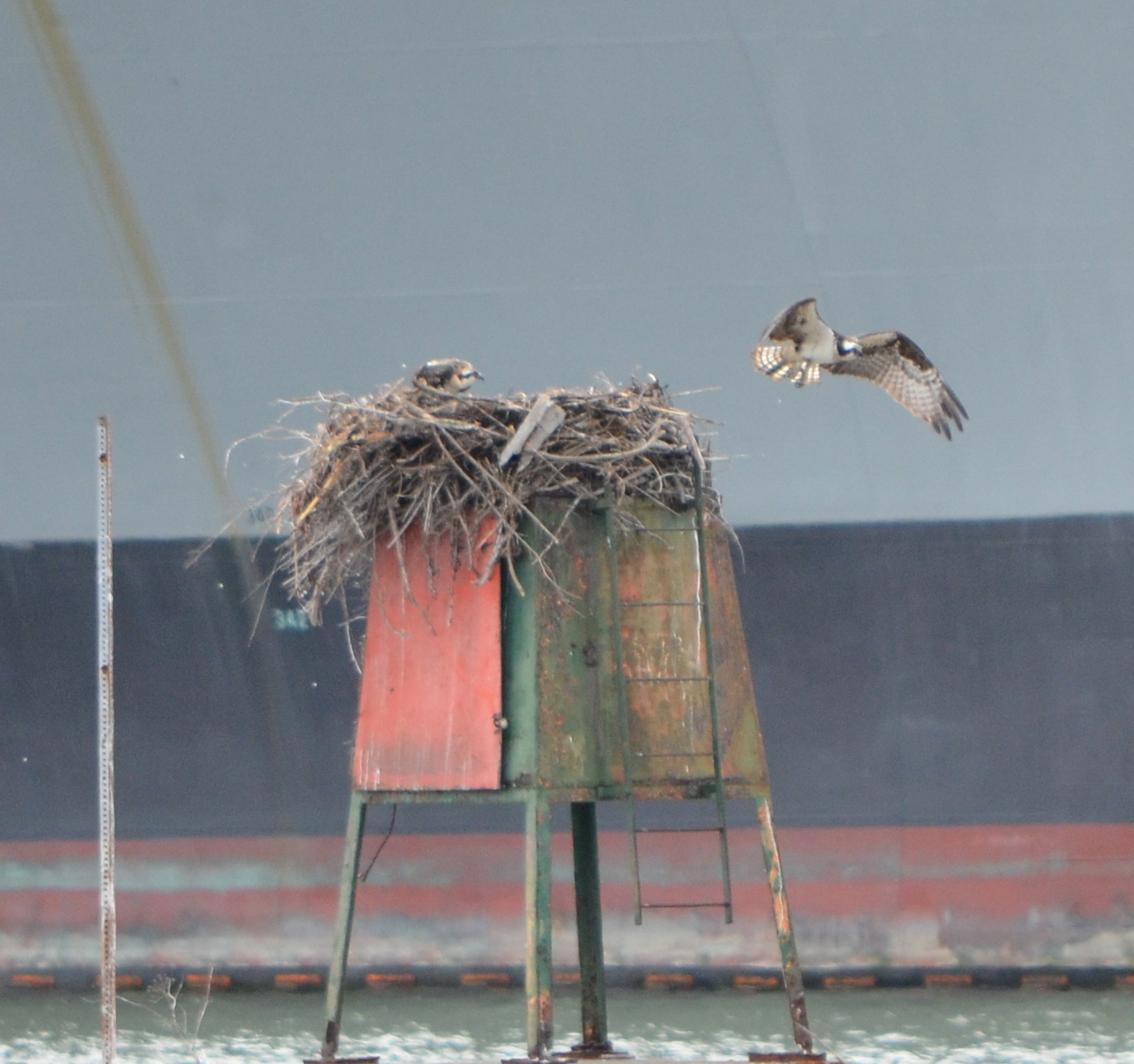
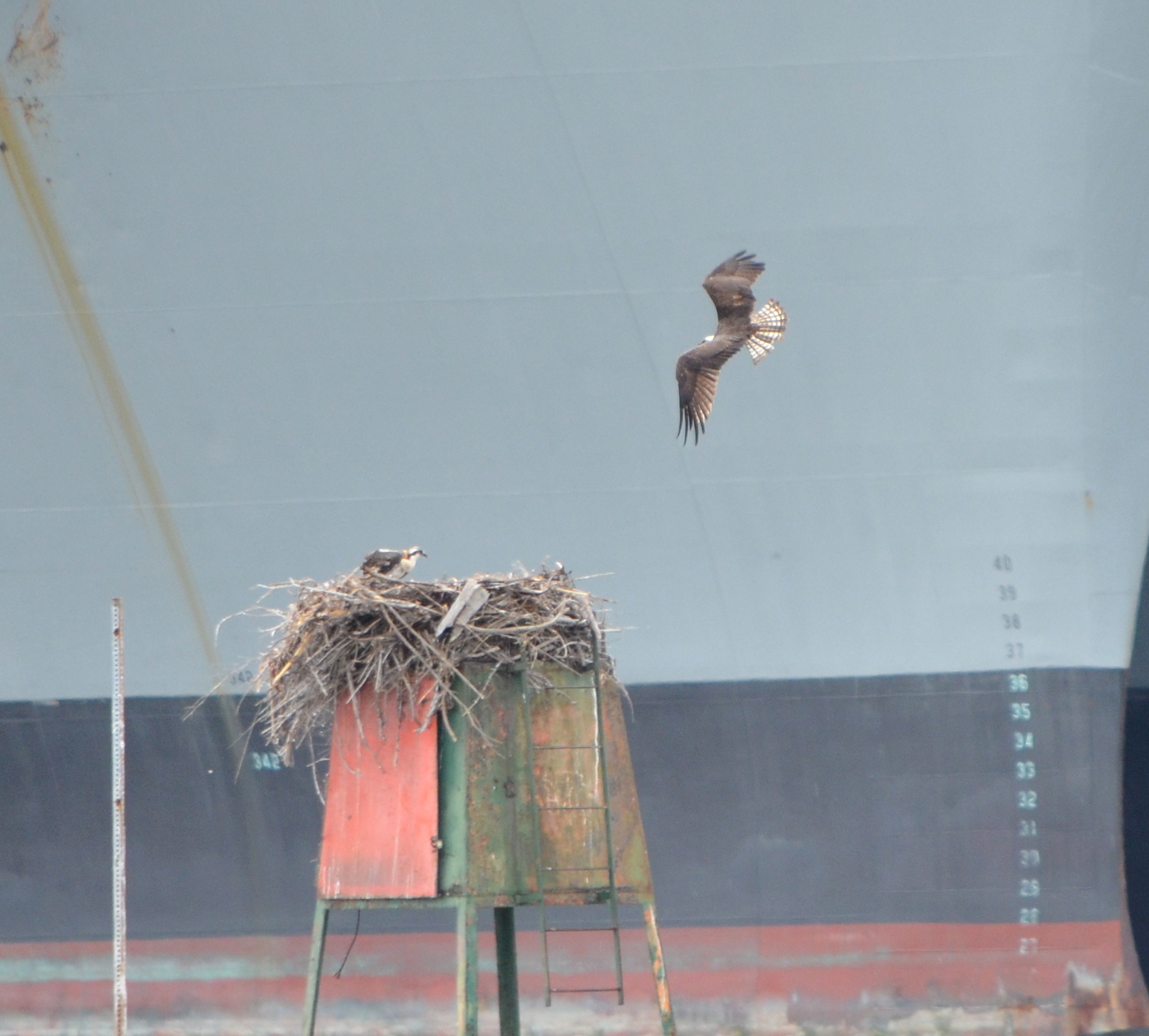
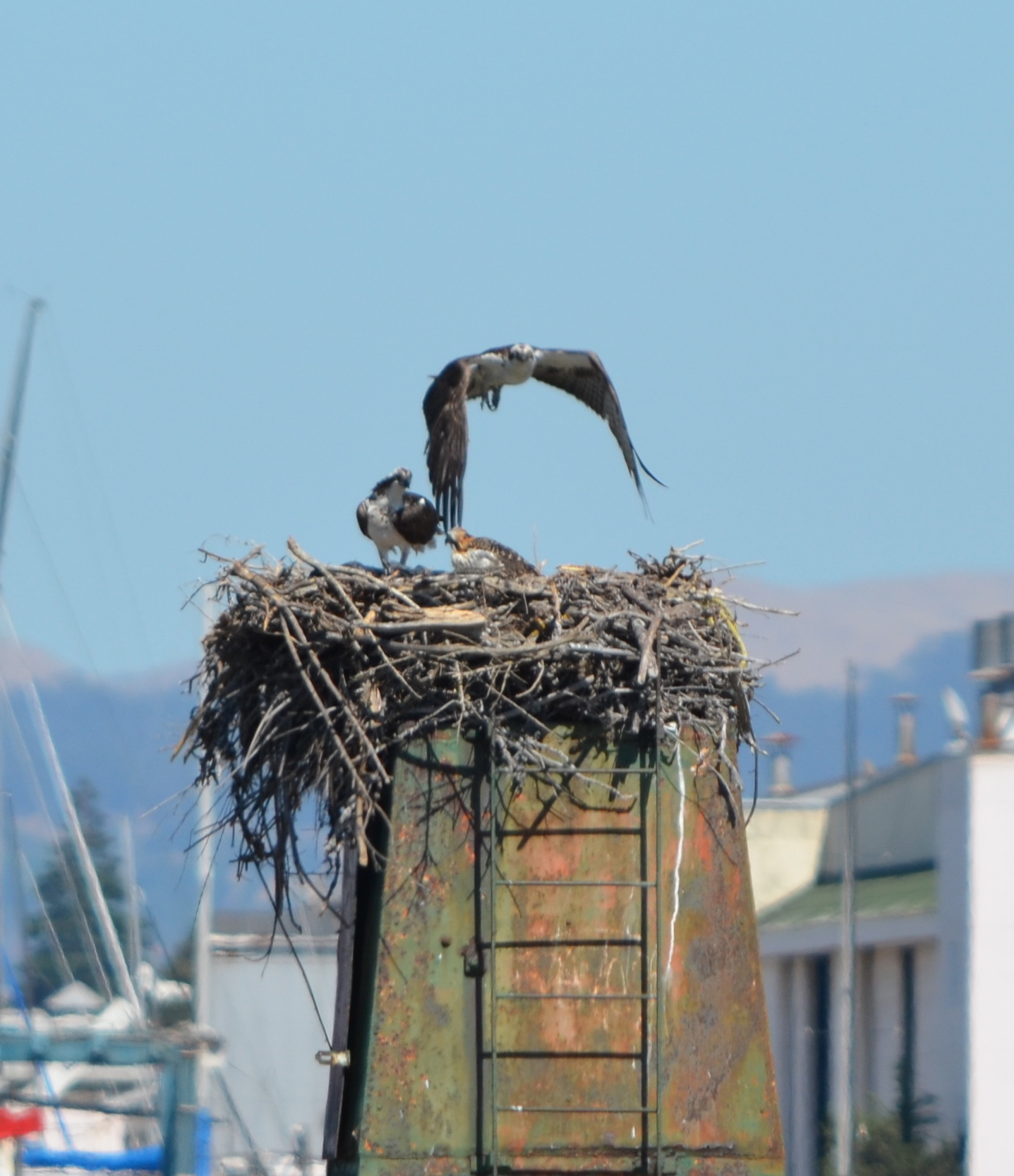
This is the third year that a pair of ospreys has nested on the old light stand at the entrance to the Seaplane Lagoon.  This year’s mating effort produced one fledgling. 

As June draws to a close, the fledgling can been seen standing on the nest and going through a series of wing calisthenics as one of the parents looks on.  Occasionally a parent will fly in a circle around the nest as if to say, “Look, this is how it’s done.  It’s easy.”   Spending most of its time hunkered down in the nest, often with brisk winds coming in across the Bay, the fledgling waits patiently for the high points of the day – its parents returning to the nest with a fish.  It won’t be long before this osprey family will be winging their way back to the wild.

Fledgling osprey watching and waiting for its turn as parent eats fish.

Fledgling osprey exercising its wings above, while parent looks on.

Above and below – parent osprey appears to be giving flight demo as it circles nest with fledgling looking on.

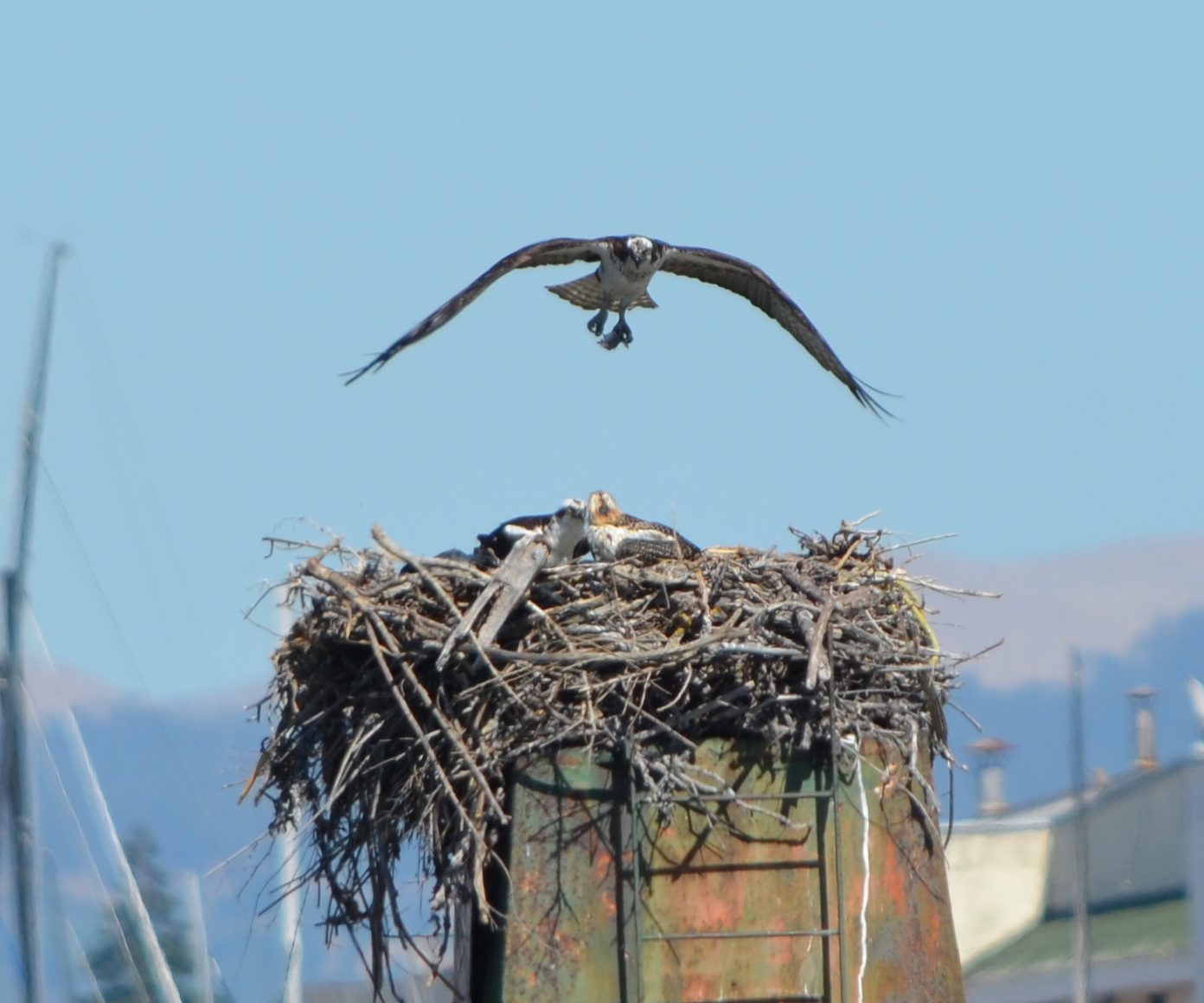
Parent osprey lifting off from nest as fledgling sits, with other parent looking on.  Note juvenile colors and wing spots.

This slideshow requires JavaScript.

See also 2011 osprey nesting at Alameda Point.

Protecting the California Least Terns at the Alameda Point Wildlife Refuge

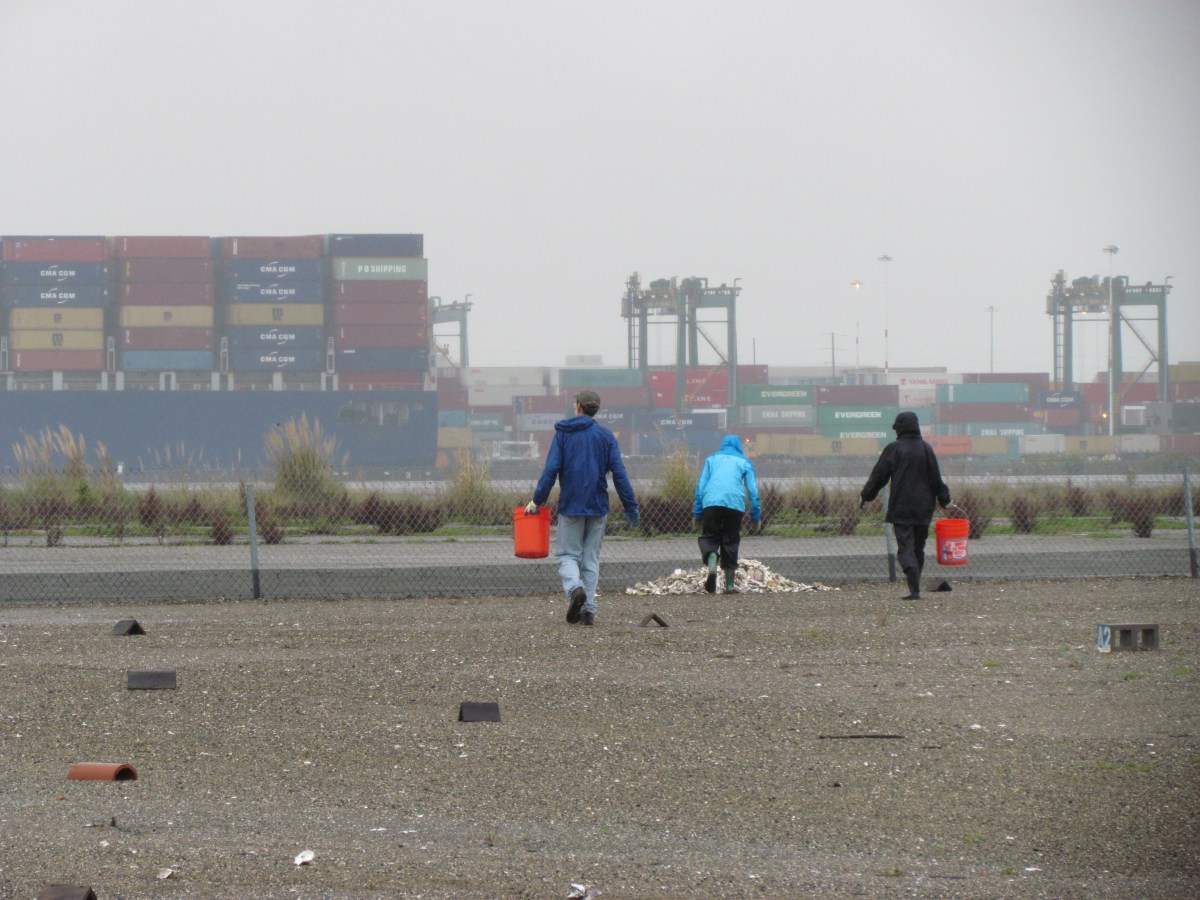
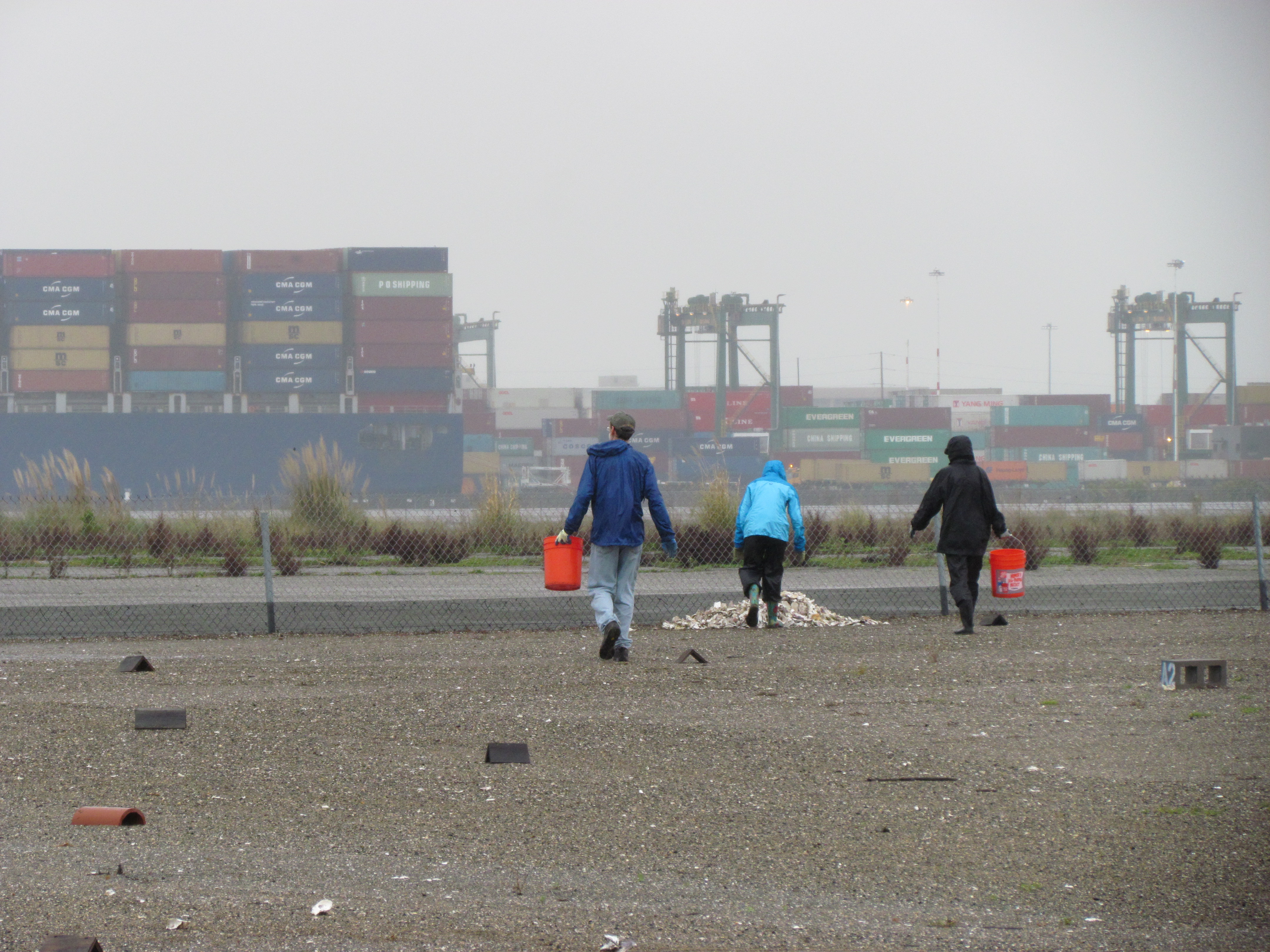
Volunteers distributing oyster shells on nesting site in April 2012

The California Least Terns are arriving back at Alameda Point’s wildlife refuge to lay their eggs and raise their young.  The volunteers, who help maintain the site, and the US Fish & Wildlife Service (USFWS) biologist responsible for the tern colony, have never left.  They carry out maintenance tasks during the non-nesting season – September to early April – as well as help monitor bird behavior during the nesting season.

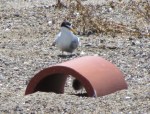
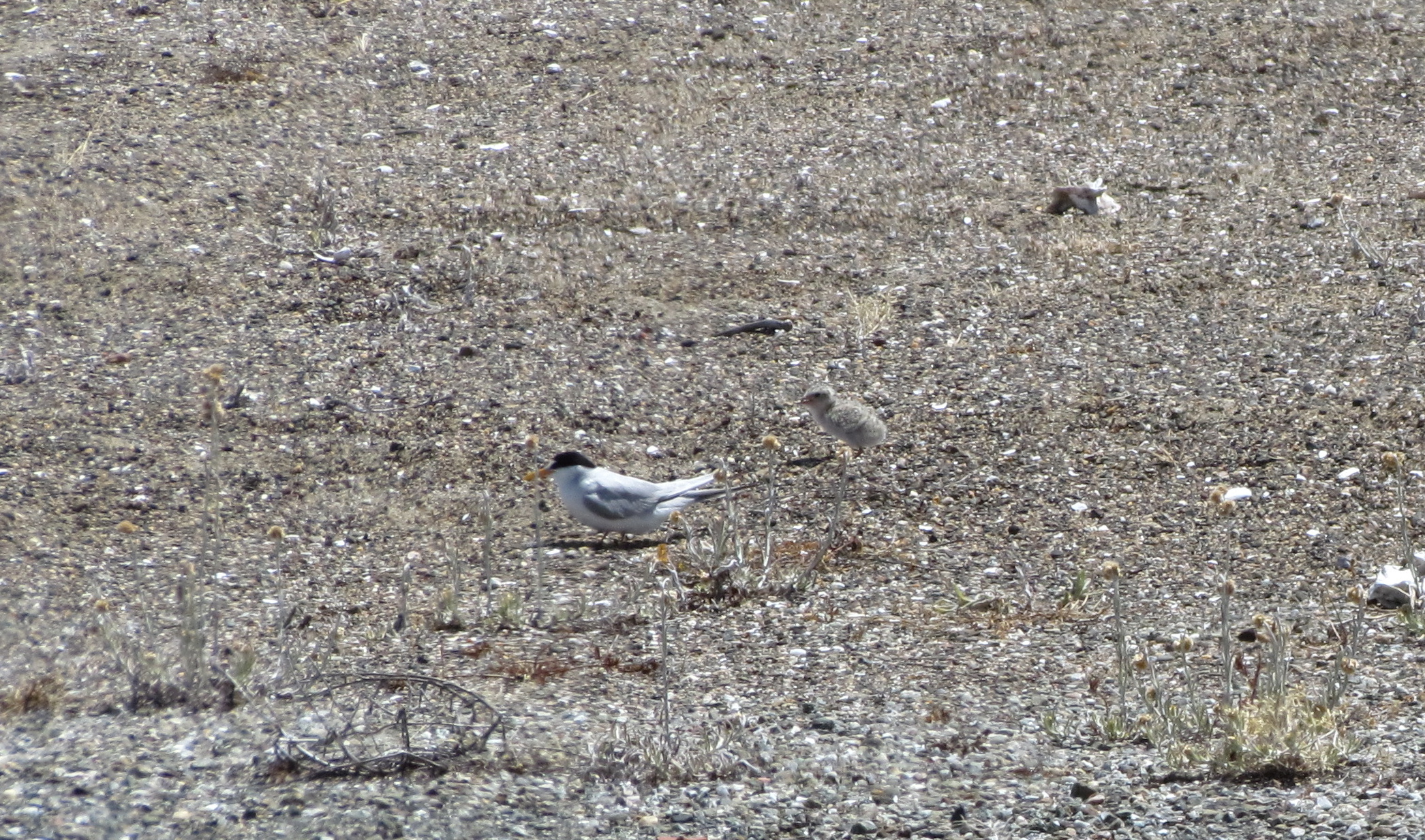
California Least Tern, with chick under tile, at Alameda Point

The California Least Terns return to California every April from Central America.  The old Navy runway area at Alameda Point is among the limited number of sites where these endangered birds come to nest.  Driven to adapt to a loss of undisturbed beach habitat, they began nesting at Alameda Point decades before the Naval Air Station closed in 1997.

While Navy jets would be disturbing for humans to live next to, for the terns the movement of the jets was predictable and easy to avoid.  That’s not the case on an increasing number of beach areas where people and pets can easily trample eggs in the sand and frighten the adult birds.

The Alameda Point colony is considered the most successful for this bird.  It is believed that the success at Alameda Point has led to new colonies elsewhere in California.

Looking south on a rainy day in April 2012 on the Alameda Point nesting site for CA Least Terns
Oyster shells on Alameda Point nesting site for CA Least Terns

Volunteers are recruited by the Friends of the Alameda Wildlife Refuge, a committee of the Golden Gate Audubon Society.  Activity at the Least Tern nesting site started ramping up in January this year as it always does, with guidance from the USFWS biologist.  Volunteers perform tasks such as removing weeds, repairing the mesh barrier that keeps chicks from wandering off or getting injured in the chain link fence around the nesting site, and distributing oyster shells to confuse hawks and other flying predators that often circle overhead during the nesting season.

Every year the US Fish & Wildlife Service re-positions all of the numbered cinder blocks that establish a grid pattern for recording bird behavior.  The blocks, along with all the other “tern furniture” – wooden A frames and clay tile that chicks shelter under and in, oyster shells, driftwood – are gathered up and set to the side after the nesting season.  This allows for easier weed control and for the sand and gravel surface to be graded.

The grid blocks are placed into position using a global positioning system for complete accuracy.  When Tern Watch volunteers or the Fish & Wildlife biologist observe activity, they record the data according to a grid letter/number.  Without a grid system, it would be difficult to record accurate data for hundreds of eggs and chicks, i.e., did a predator steal an egg last night, or is that the nest that had only one egg?

This year there are two training sessions for the Tern Watch program.

The public is invited to take a bus tour to the site on June 16th.  The annual event is hosted jointly by USFWS and the East Bay Regional Park District.  The bus tours leave from the Crab Cove Visitors Center in Alameda.  Advance registration is required and is handled through the park district.  (See comment below.)

Adaptive reuse of trash at Alameda Point

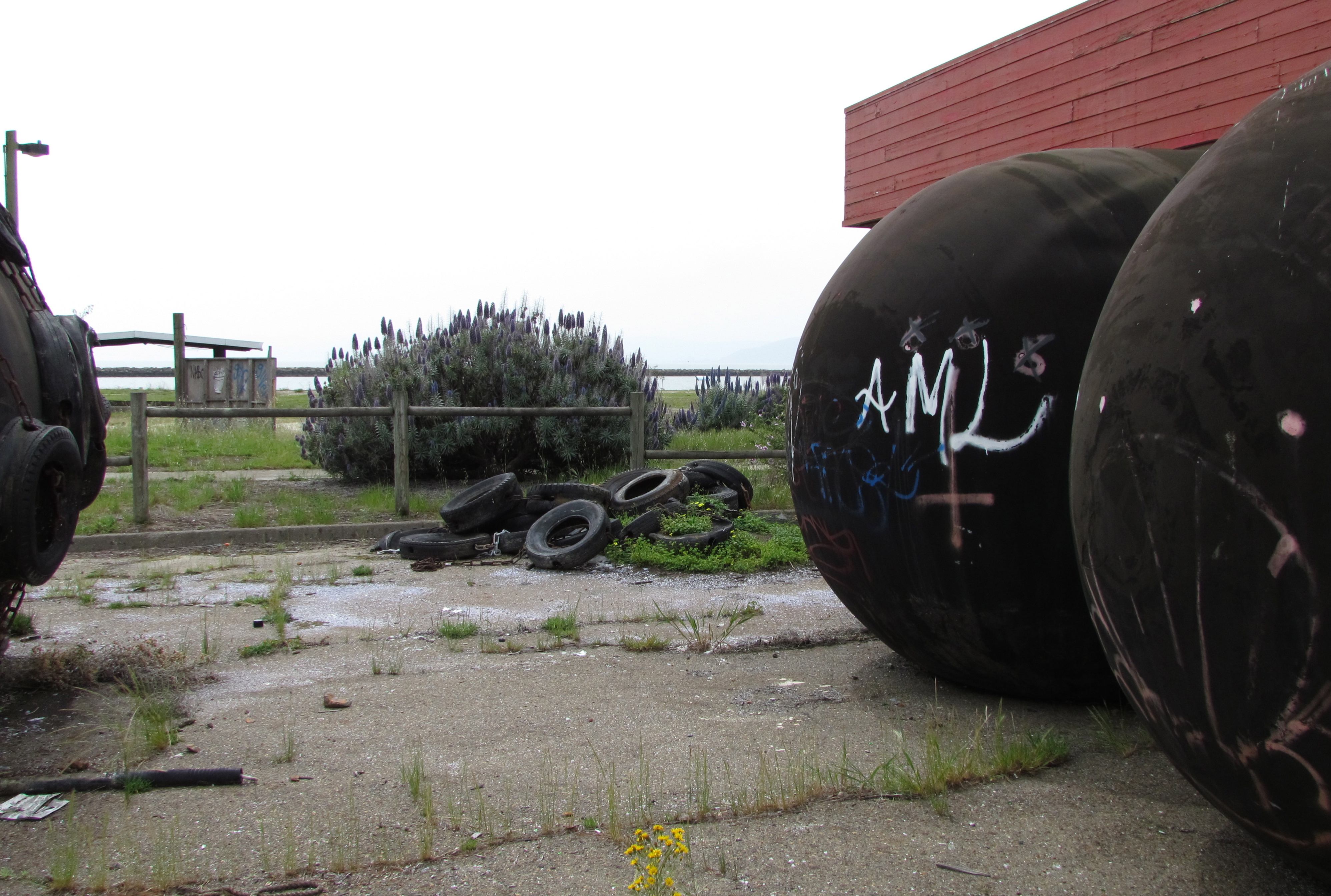
Lizards go rogue on city’s adaptive reuse plans, setting up multi-family housing complex outside of the adaptive reuse area.

The lizards hope that a tire pile discarded in the last century will be grandfathered into reuse plans because of their low-impact, eco sustainable practices.  Capturing rainwater, reducing global warming with plants, and keeping carbon-based tires out of the waste stream are cited as benefits.

This slideshow requires JavaScript.