Alameda Point VA Project – Final Environmental Assessment Released

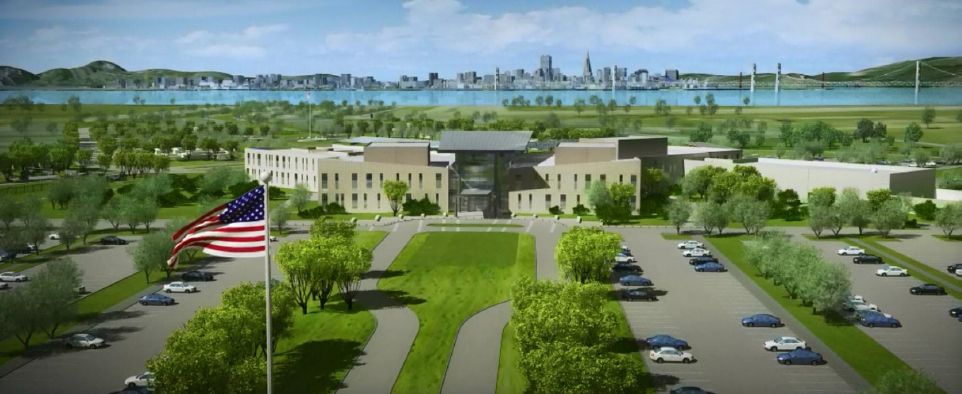
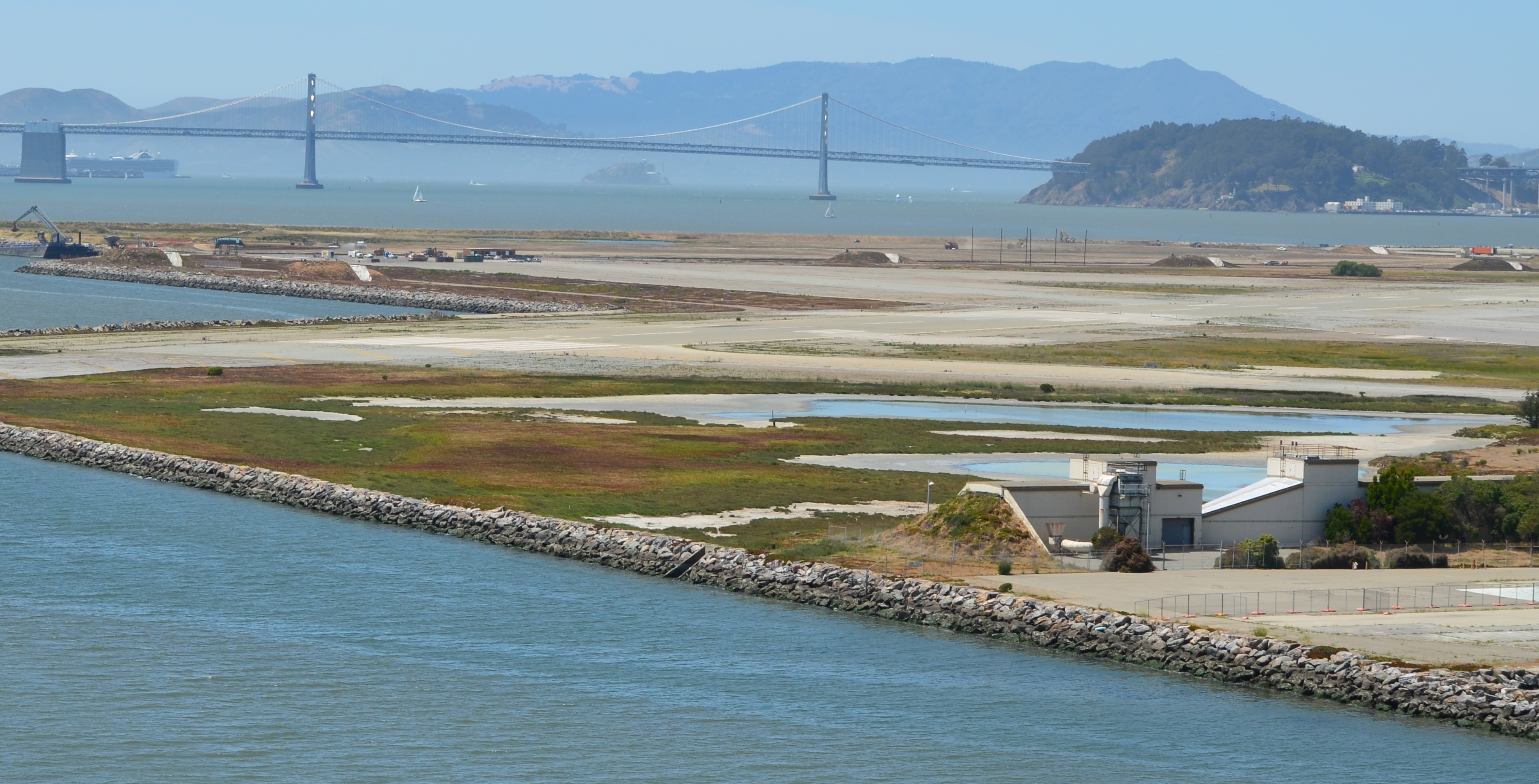
VA Alameda Point aerial view toward SF

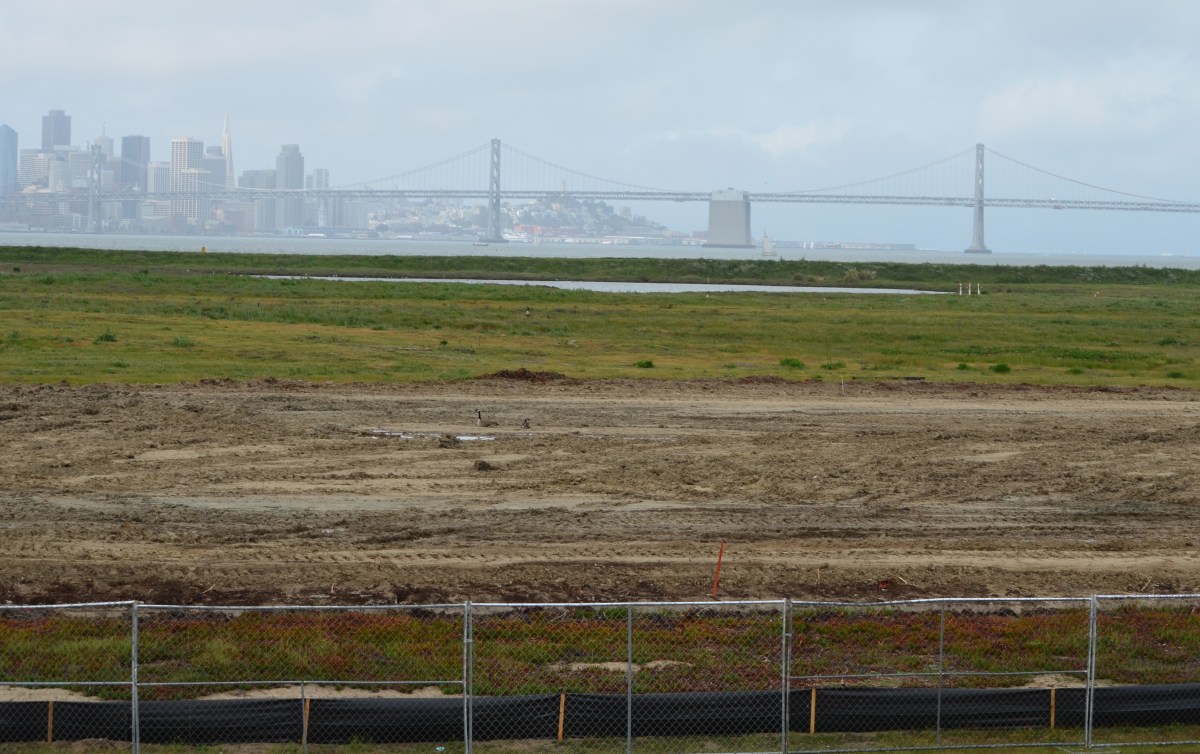
The Department of Veterans Affairs (VA) and the Navy jointly issued their final Environmental Assessment on November 18, 2013 for the VA’s proposed Alameda Point outpatient clinic, offices, and columbarium cemetery.  The report found that the 112-acre project on the northern part of the former Naval Air Station airfield would cause no significant impacts to the environment.  The environmental review culminates years of debate over the project’s potential impacts on the endangered California Least Terns that nest on the nearby runway, and paves the way for the Navy to transfer 624 acres of the airfield to the VA in 2014.

Background

The VA began looking at the Alameda site in 2004 for expansion and consolidation of services from undersized and scattered facilities, which are currently leased by the VA until 2018.  More than 9,000 veterans are enrolled in clinical services in the Oakland/Alameda area, with patient visits up 50% in the last five years.  Approximately 543 veterans will be seen at the Alameda Point outpatient clinic each weekday and 70 on Saturday and Sunday.  The VA anticipates employing a staff of 250, including 26 physicians and 34 nurses.

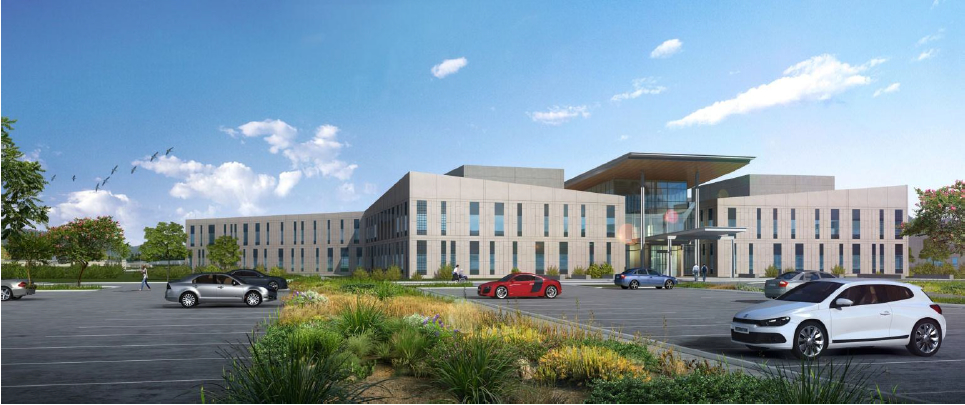
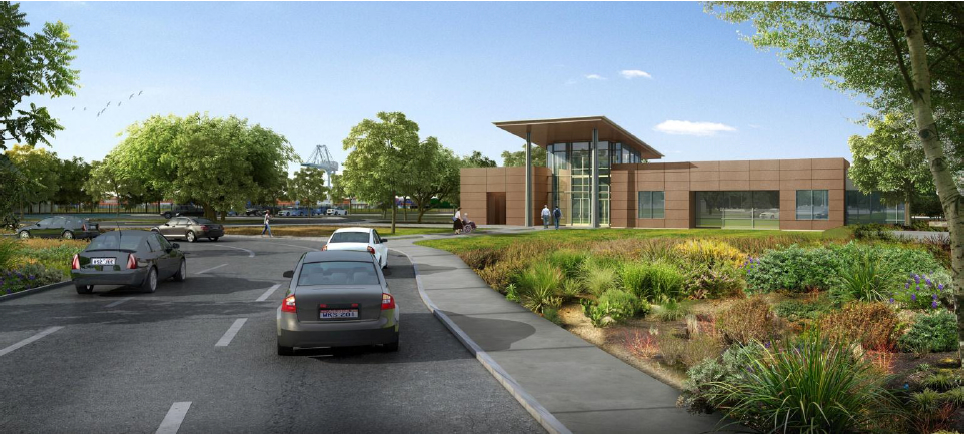
VA Lobby, looking toward San Francisco.

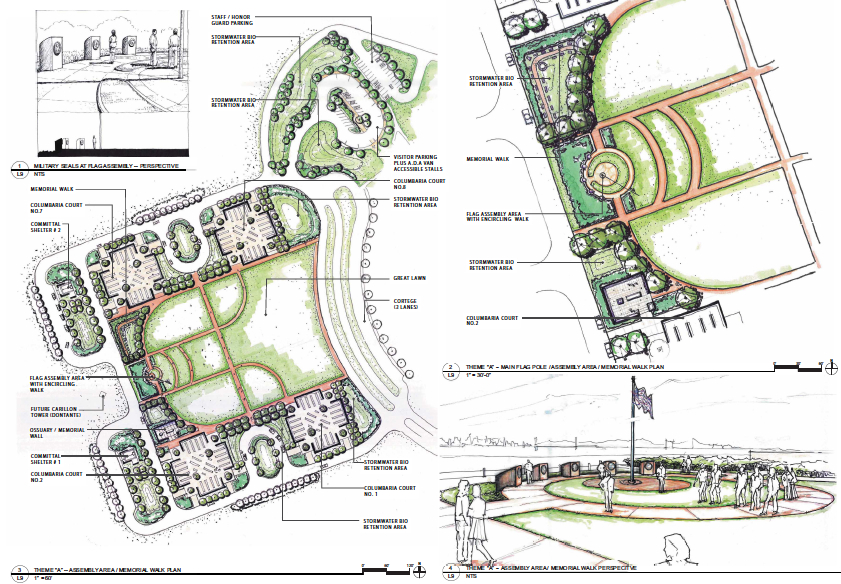
The VA will also establish a new national cemetery at Alameda Point.  The two closest national cemeteries in San Bruno and San Francisco’s Presidio no longer accept new interments.  Currently the closest burial options for Bay Area veterans are San Joaquin Valley National Cemetery in Santa Nella and Sacramento Valley National Cemetery in Dixon.  The new columbarium cemetery will initially be 20 acres, with the remaining 60 acres built out in increments until completion in 2116.  Approximately six services will take place Monday through Friday. 

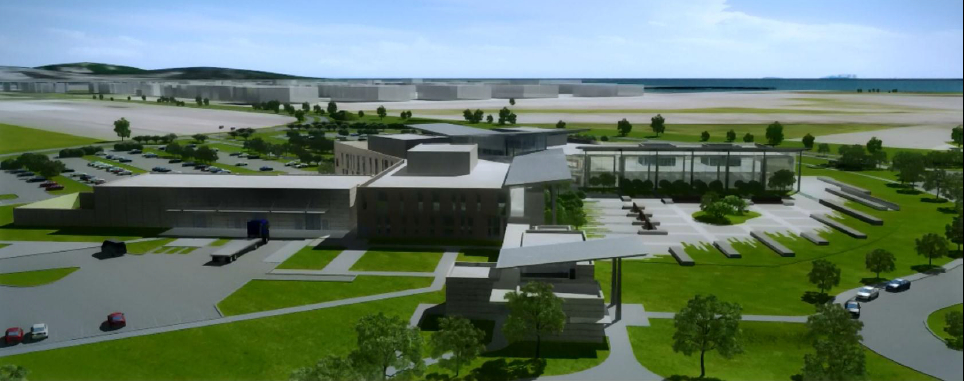
Columbarium in foreground, clinic/office building in background.  Looking east, with Oakland Estuary on left.
Columbarium in foreground, clinic/office building in background. Looking east, with Oakland Estuary on left.

Traffic and Transportation

The VA and Navy evaluated seven intersections in Oakland and four in Alameda, as well as the Posey/Webster Tube and segments of I-880, for traffic impacts.  The report noted that two Oakland intersections and the Atlantic/Webster intersection would be performing at unacceptable levels regardless of the VA project because of other Alameda Point development.  The assessment states, “The minimal additional traffic resulting from the Proposed Action would not, cumulatively, make the already unacceptable intersections significantly worse.”  

The VA plans to operate a 24-person shuttle bus service between Alameda Point and the 12th Street Oakland City Center BART station every half hour, seven days a week.  Extending AC Transit bus line 31 to the clinic would provide additional service if the transit agency decides to add service.

Wetland Mitigation

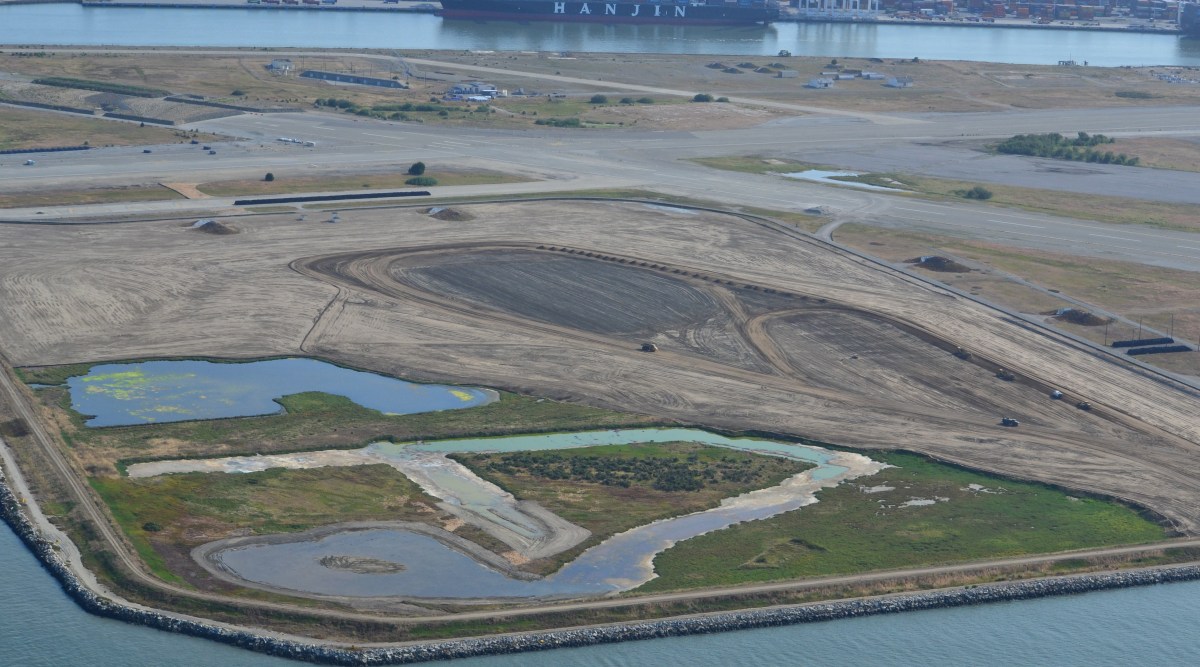
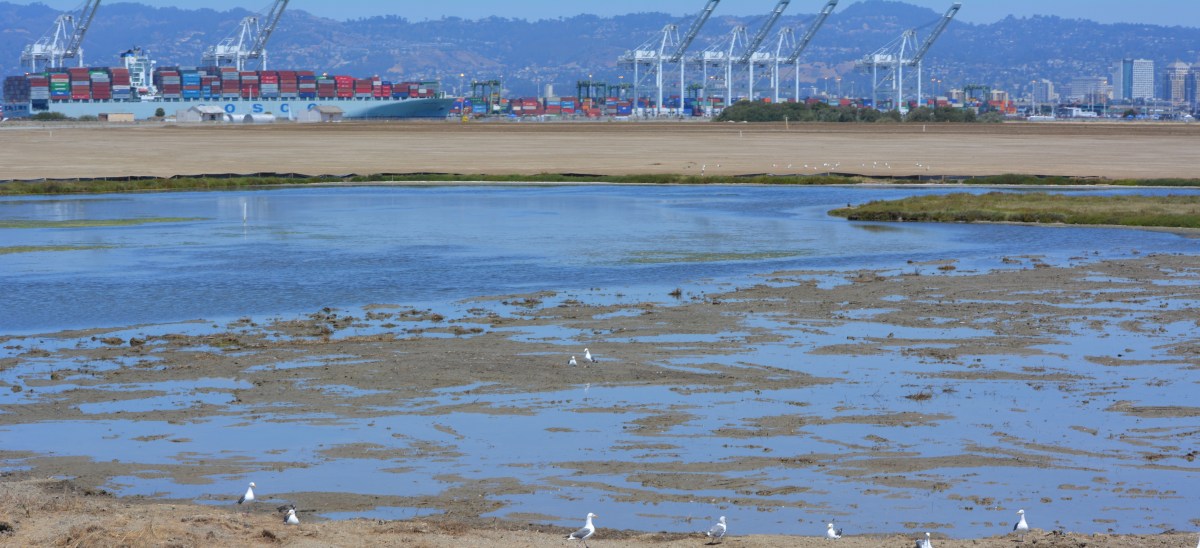
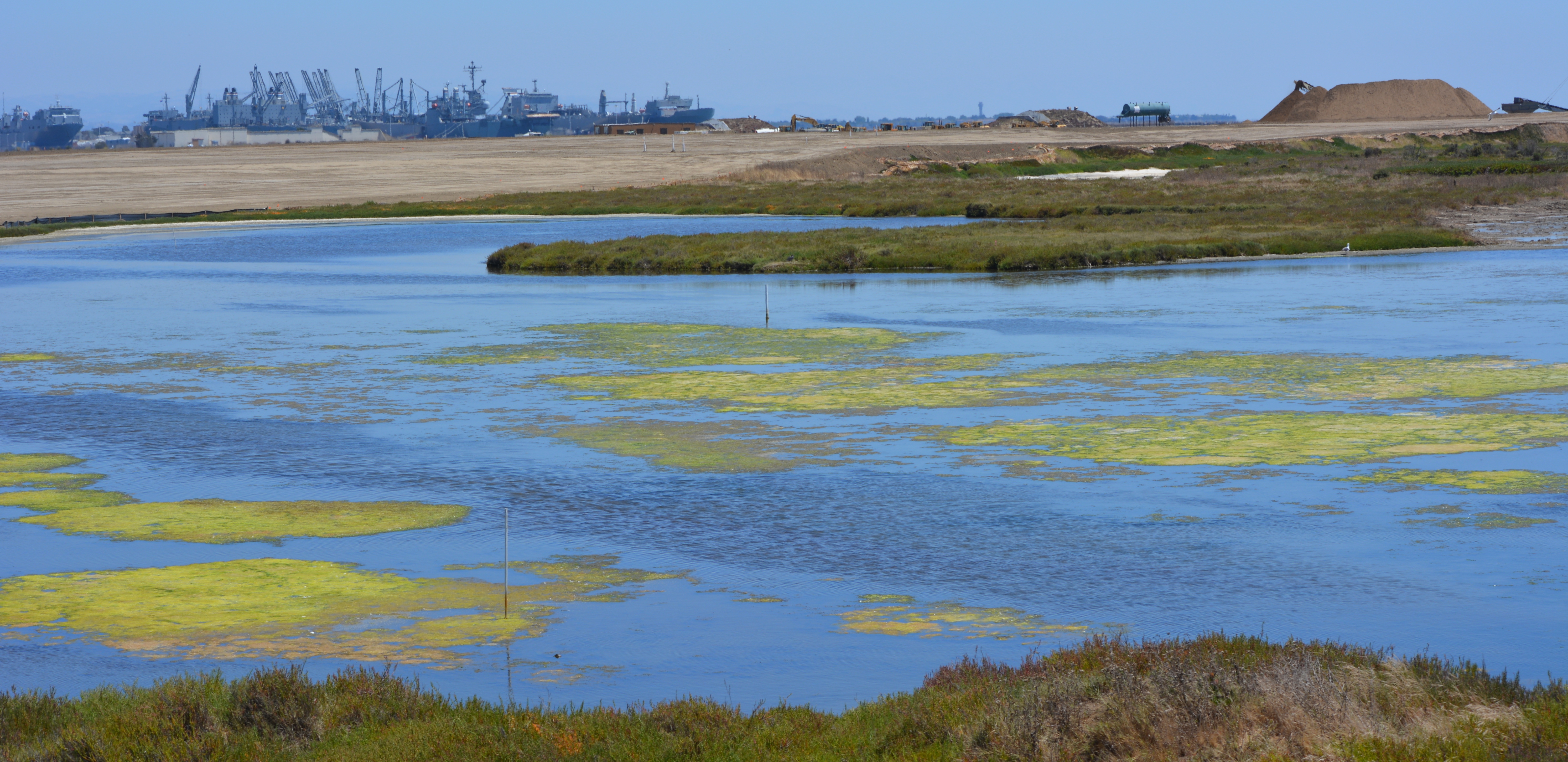
Several acres of seasonal wetland will be impacted by the VA’s project and will need mitigation, either through on-site replacement or paying into a wetland mitigation bank.  The VA has not reached agreement yet with the Regional Water Quality Control Board and the U.S. Army Corps of Engineers on a mitigation plan.  However, the VA has stated that their preference is to “enhance and expand existing conditions” at the Runway Wetland on the southeast corner of the runway area.  Plans will be finalized before issuance of any permits for the VA’s project.

Alameda Point Runway Wetland in foreground, suitable for wetland enhancement as mitigation for wetland loss on VA developed area.

Nature Reserve, Least Tern Management

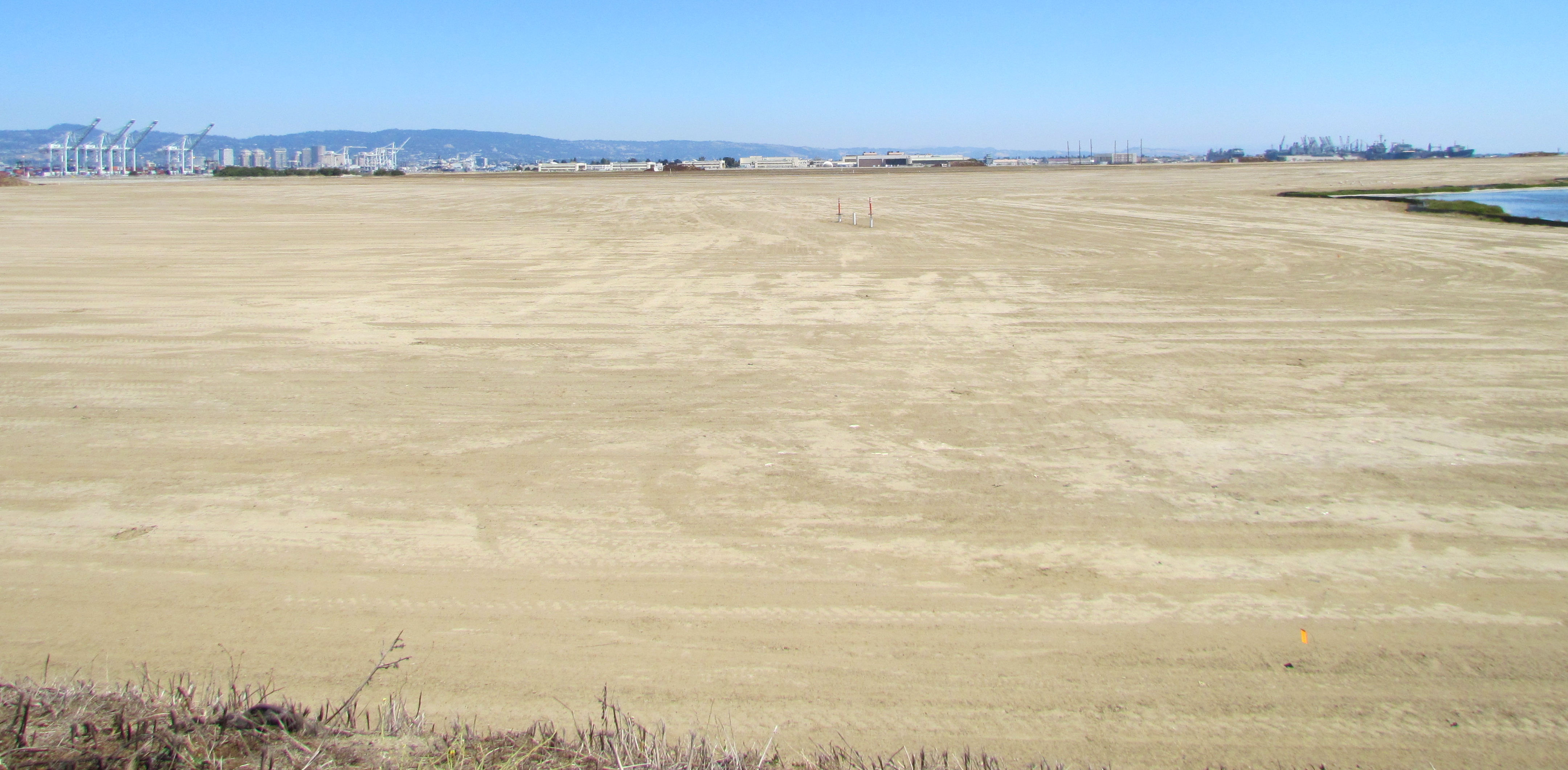
Most of the VA’s runway area will remain undeveloped.  Initial plans allowed for periodic emergency preparedness training on the undeveloped area.  The new plans allow training exercises only in the VA’s developed area about every 14 months between mid-August and April 1 when the terns are gone.

The influence of years of lobbying by the Golden Gate Audubon Society and open space advocates for wildlife stewardship in the undeveloped area is reflected in the VA’s final report.  The VA states, “The remainder of the 512 acres of the Transfer Parcel will remain as a preserve for the California Least Tern or open space, with no plan for development, and will be available to wildlife for future generations.” 

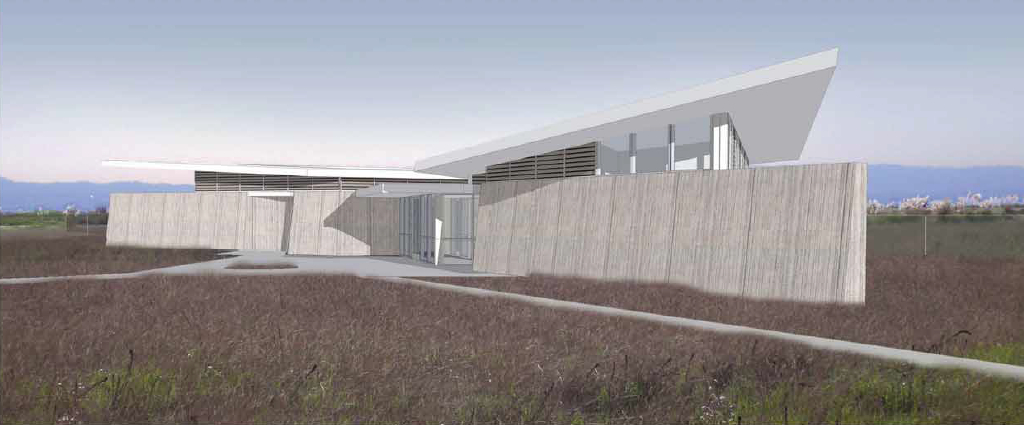
The VA will construct a 2,500-square-foot Conservation Management Office (CMO) near the entrance to their property.  The CMO will provide office space for the U.S. Fish & Wildlife Service, meeting space for educational programs and volunteers, and public restrooms.  The VA will fund the management of the Least Tern colony and the undeveloped area.

The winglike roof lines on the CMO and the main clinic/office building were inspired by the Least Tern colony and the site’s history as part of the Alameda Naval Air Station.

Conservation Management Office, with meeting room for nature education and Least Tern volunteer activities, U.S. Fish & Wildlife Service Office.

Public Access

As part of their project, the VA will construct a pedestrian/bicycle/vehicle roadway along the northern border of their property all the way to a public viewpoint on the western shoreline.  The roadway will include power, water, and sewer utilities that will be available for the city or a region-serving public park operator on the Northwest Territories to make connections to.  The city will be granted a shoreline easement for constructing the Bay Trail.  The VA will also be constructing a new north entryway to Alameda Point and laying oversized infrastructure, which the city can use, along Redline Avenue out to their site.

Raising Elevation

The VA plans to bring in over 400,000 cubic yards of clean fill material to raise the elevation of their site by as much as three feet, bringing the highest elevation to 13.5 feet above Mean Sea Level.  Plans are based on a 2009 Bay Conservation and Development Commission sea level rise prediction of 16 inches by 2050 and 55 inches by 2099.  The 18-month construction project is expected to begin by 2016 and be completed in 2017.

The VA is made up of three administrations:  Veterans Health Administration, Veterans Benefits Administration, and National Cemetery Administration.  All three will have offices at the Alameda Point VA.

The complete Environmental Assessment is on the VA website.  A 30-day final public comment period began on November 18, 2013.

Looking southeast.
Looking southeast.

VA Alameda Point landscaping #2

VA exterior

VA Alameda Point landscaping

Conservation Management Office

Phase 1 Plan VA Alameda Point

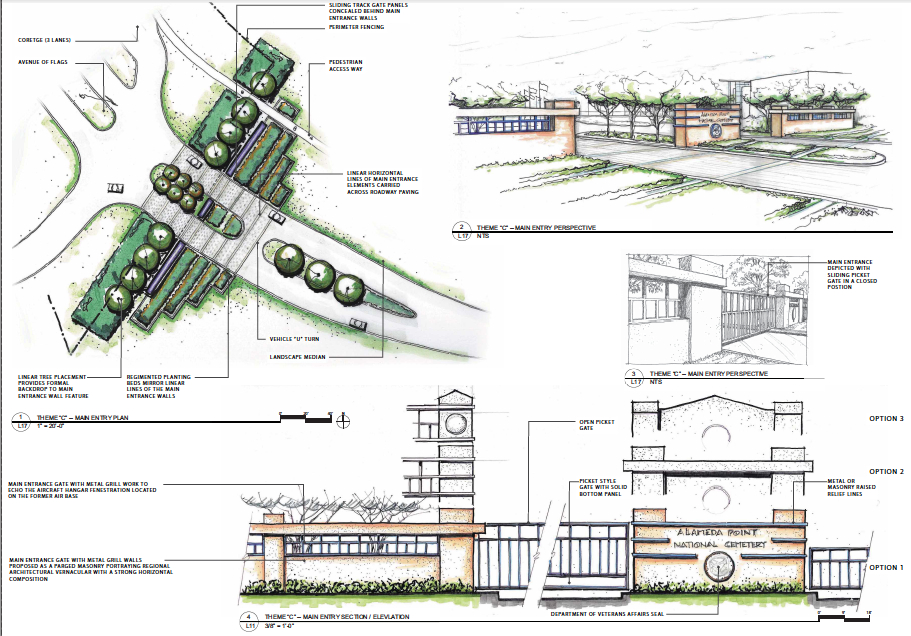
Cemetery Main Entry

Columbarium courtyard

Cemetery Entrance

Memorial Wall at Columbarium.

VA Project Site - Alameda Point

Landfill landscaping on Nature Reserve – Update October 2013

Landscaping of the 100-acre landfill area on the southwest corner of Alameda Point is nearing completion.  The seeding of the landfill site with flowering native grasses is almost ready to begin.  Contouring of the site is complete.  Stabilization of the shoulder around the wetland area is complete.  Placement of the final soil cover is underway.

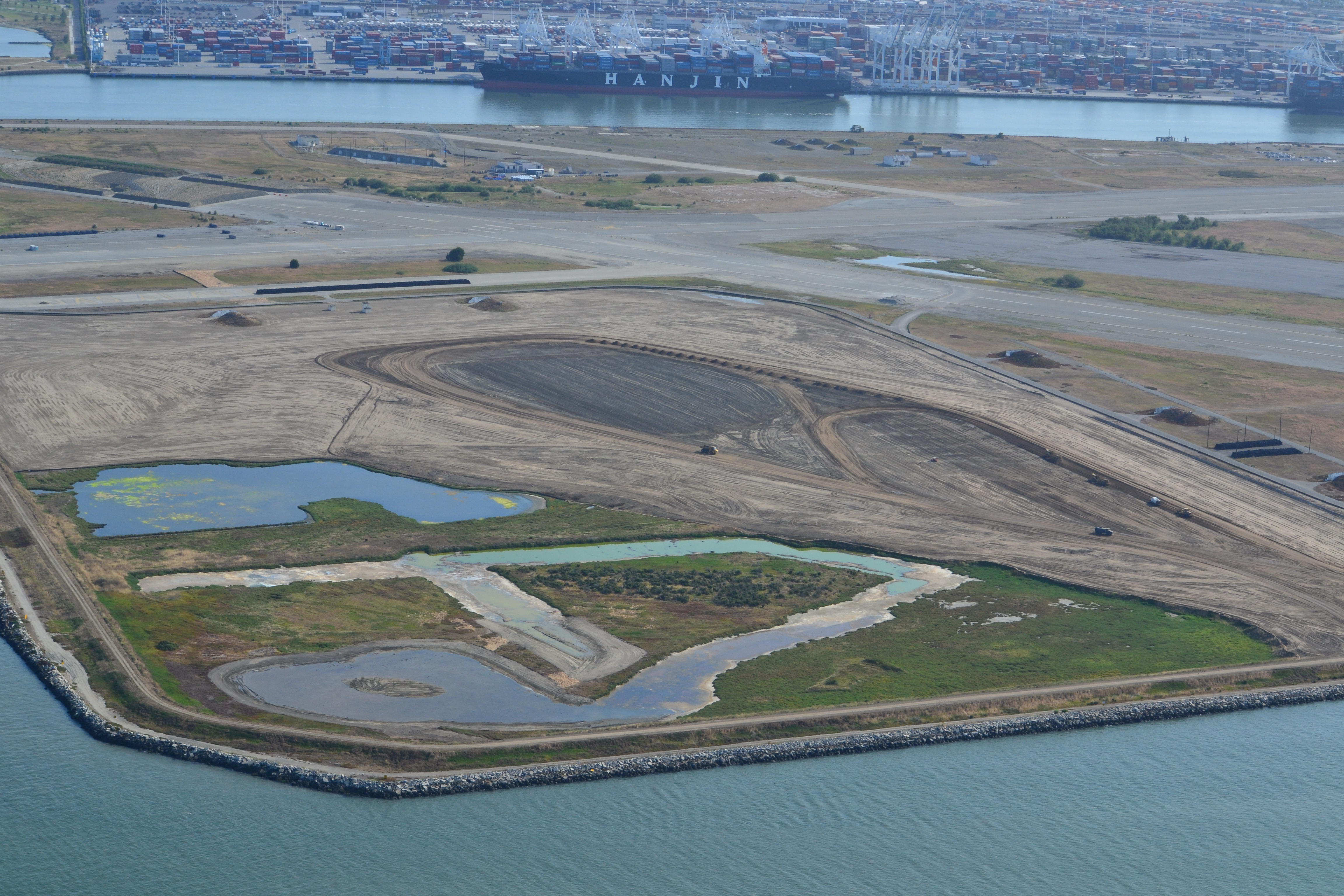
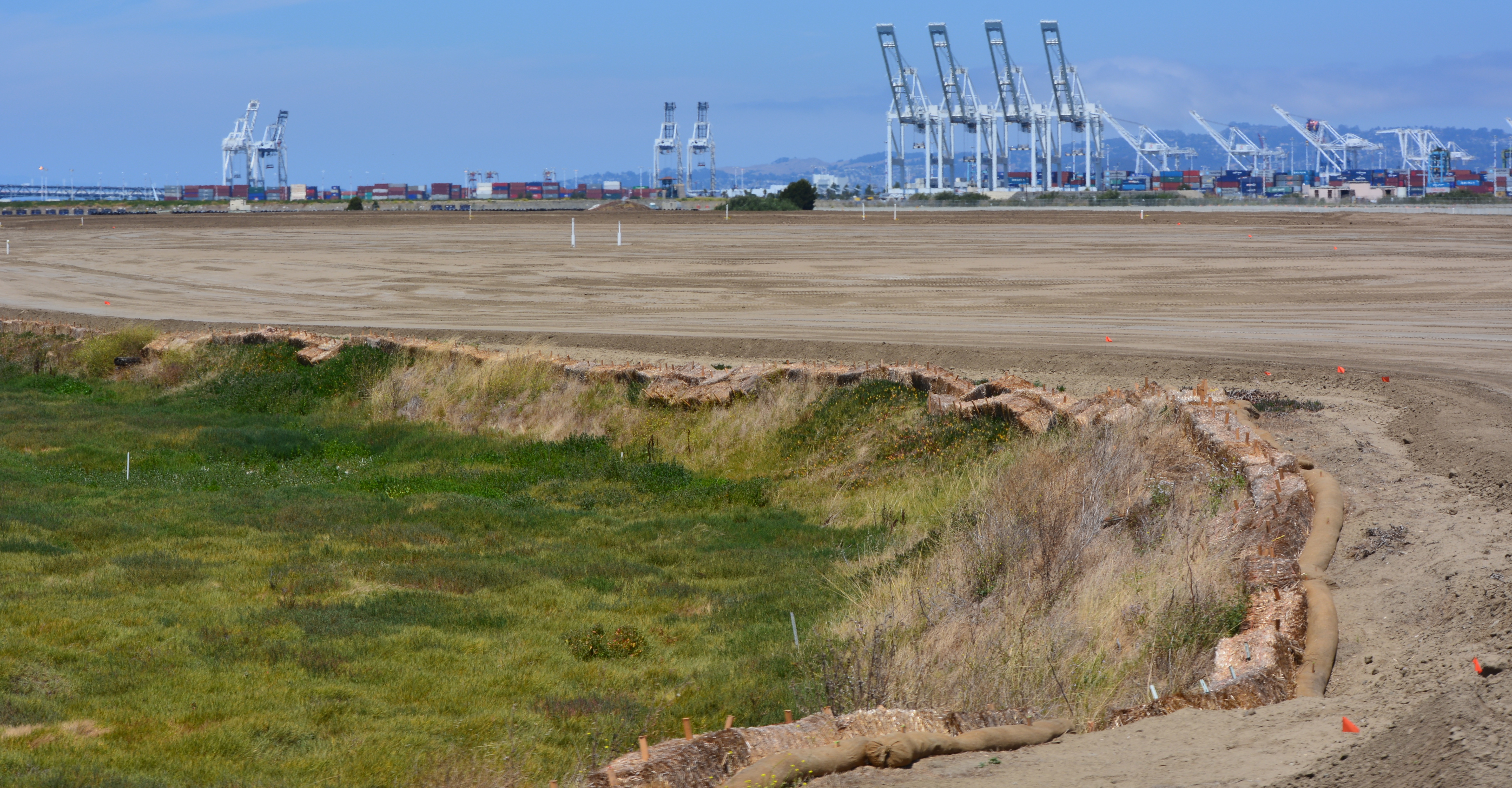
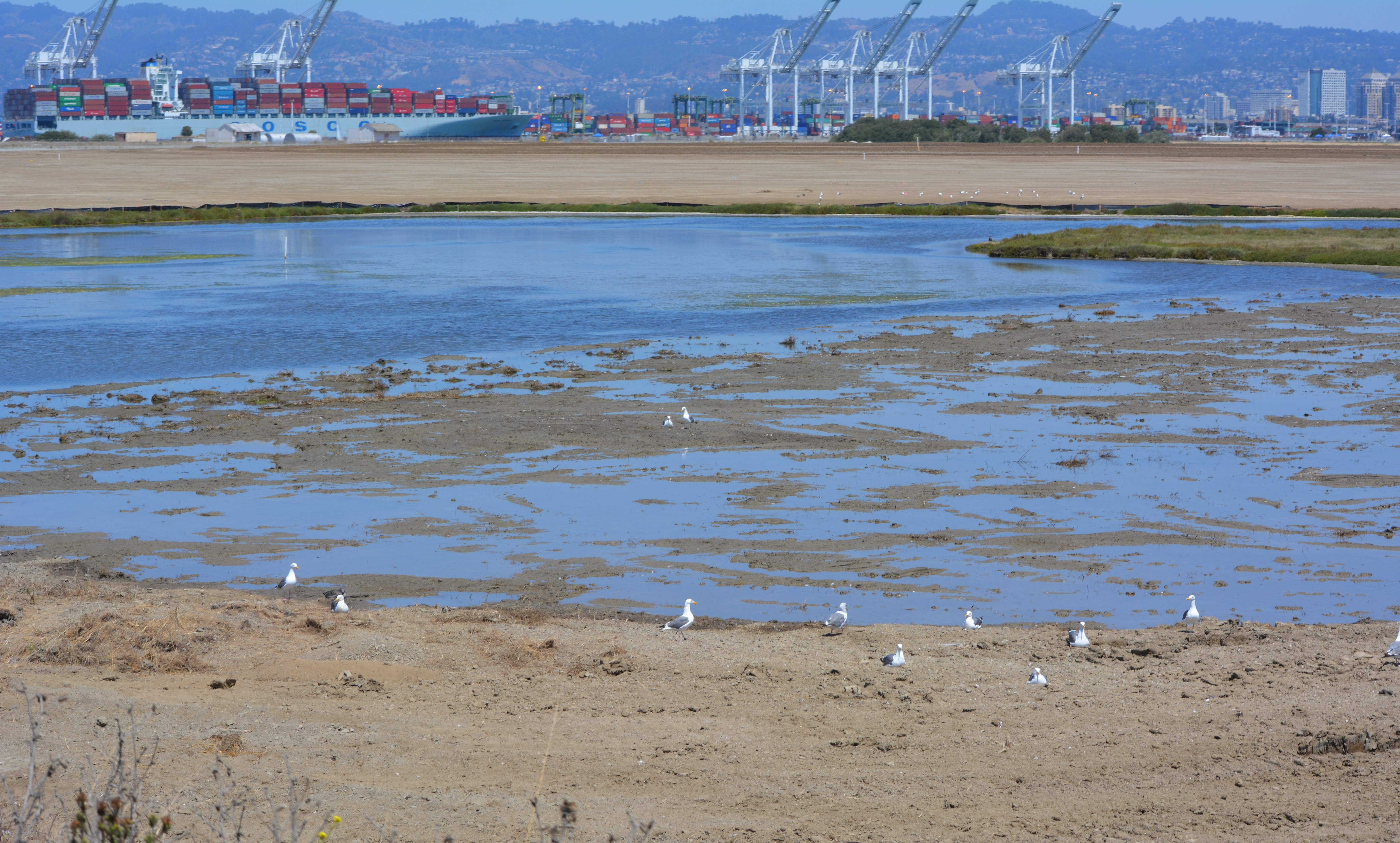
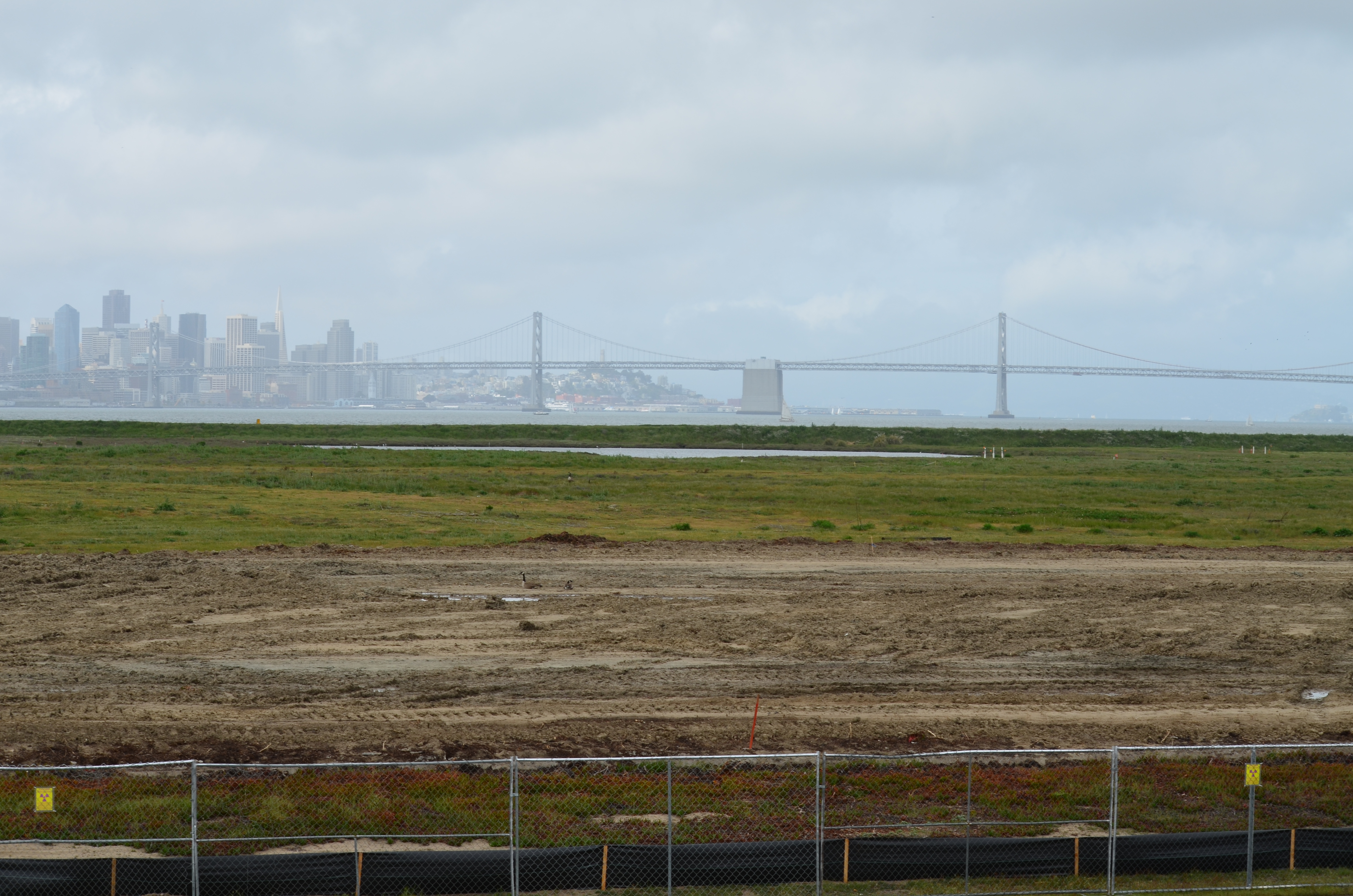
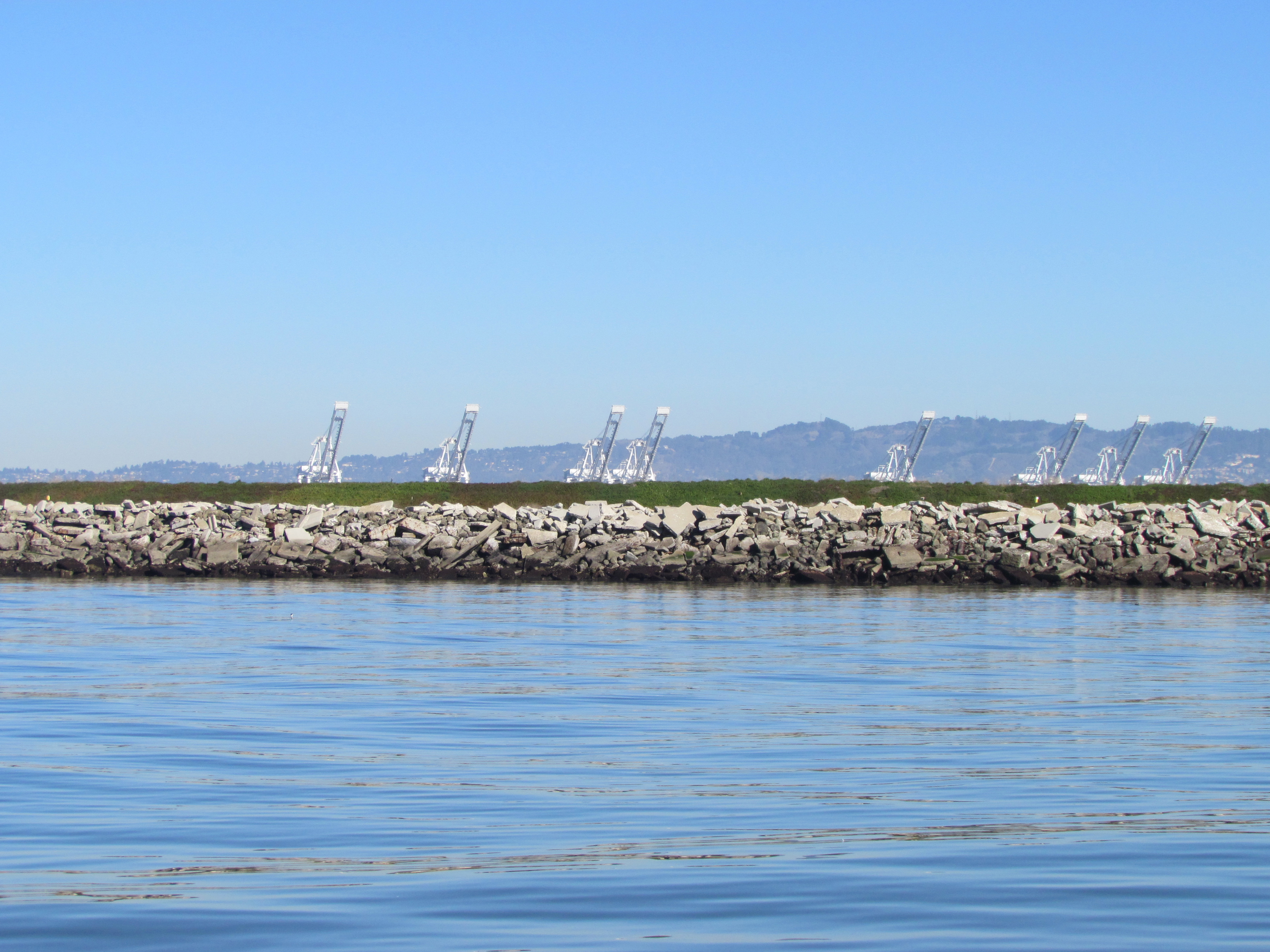
Site 2 wetland area and adjacent contouring underway in early July 2013.  Wetland area has since been expanded by several acres.  Port of Oakland is in the background.  Bay Trail will eventually follow the foreground shoreline along the Bay.  Funding and construction of the Bay Trail is not part of this project, and is yet to be funded.
Site 2 wetland area and adjacent contouring underway in early July 2013. Wetland area has since been expanded by several acres. Port of Oakland is in the background. Bay Trail will eventually follow the foreground shoreline along the Bay. Funding and construction of the Bay Trail is not part of this project, and is yet to be funded.

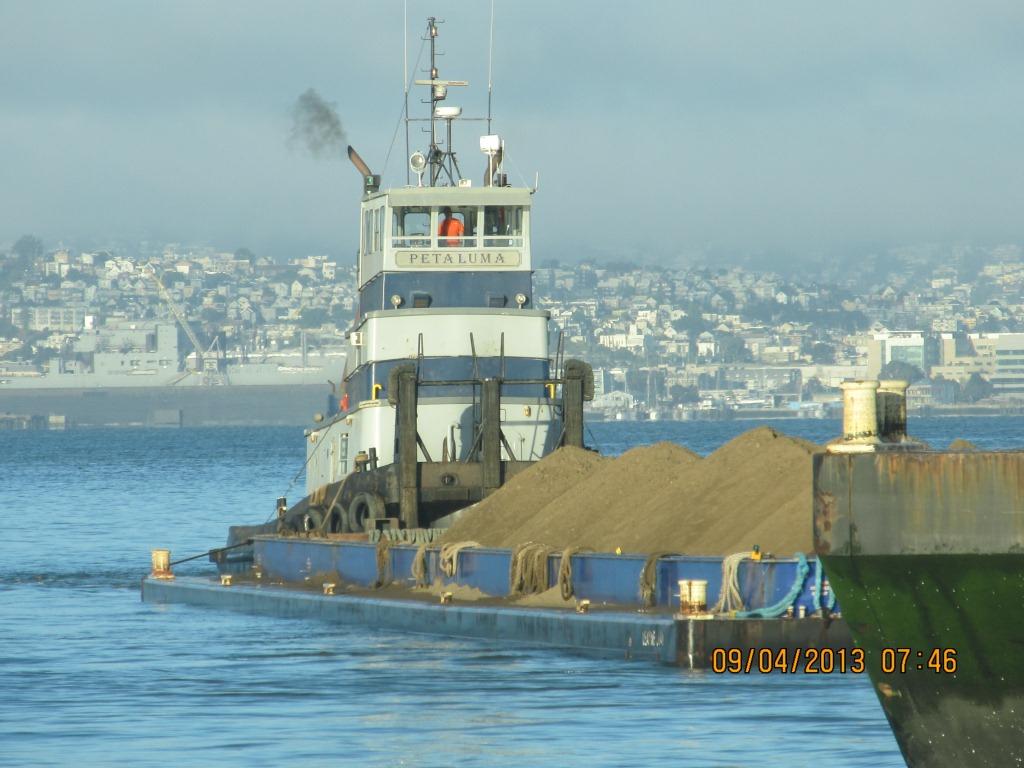
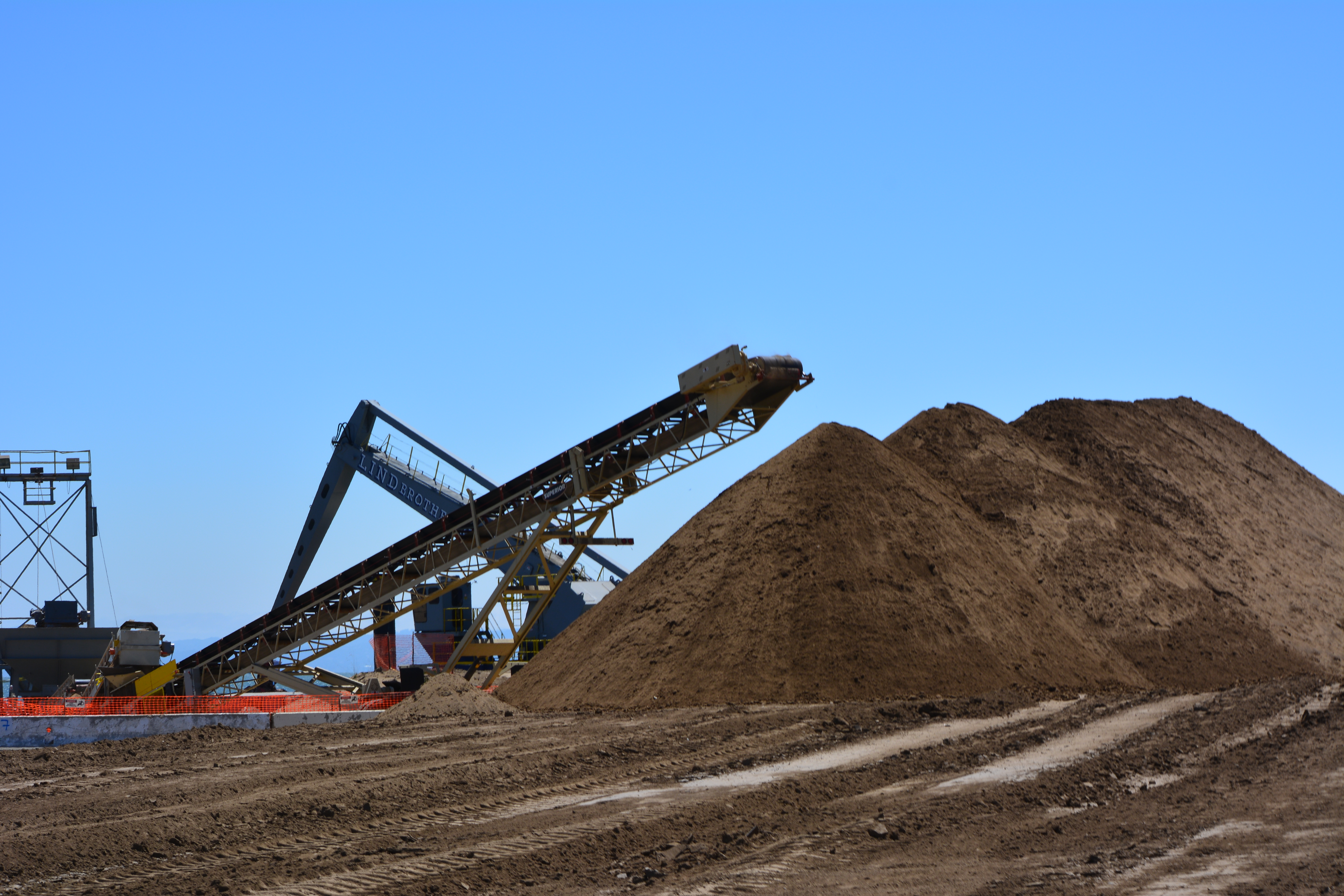
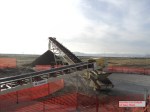
The contouring of this industrial landfill site was completed on August 16, 2013.  Approximately one-third of the contouring, or base layer, soil is clean soil recycled from Seaplane Lagoon dredging.  The recycled soil stock was quickly exhausted, along with soil recycled after removing some of the berms and high areas.  More than half of the base layer – 193,000 cubic yards – is soil barged in from Decker Island in the Sacramento River. 
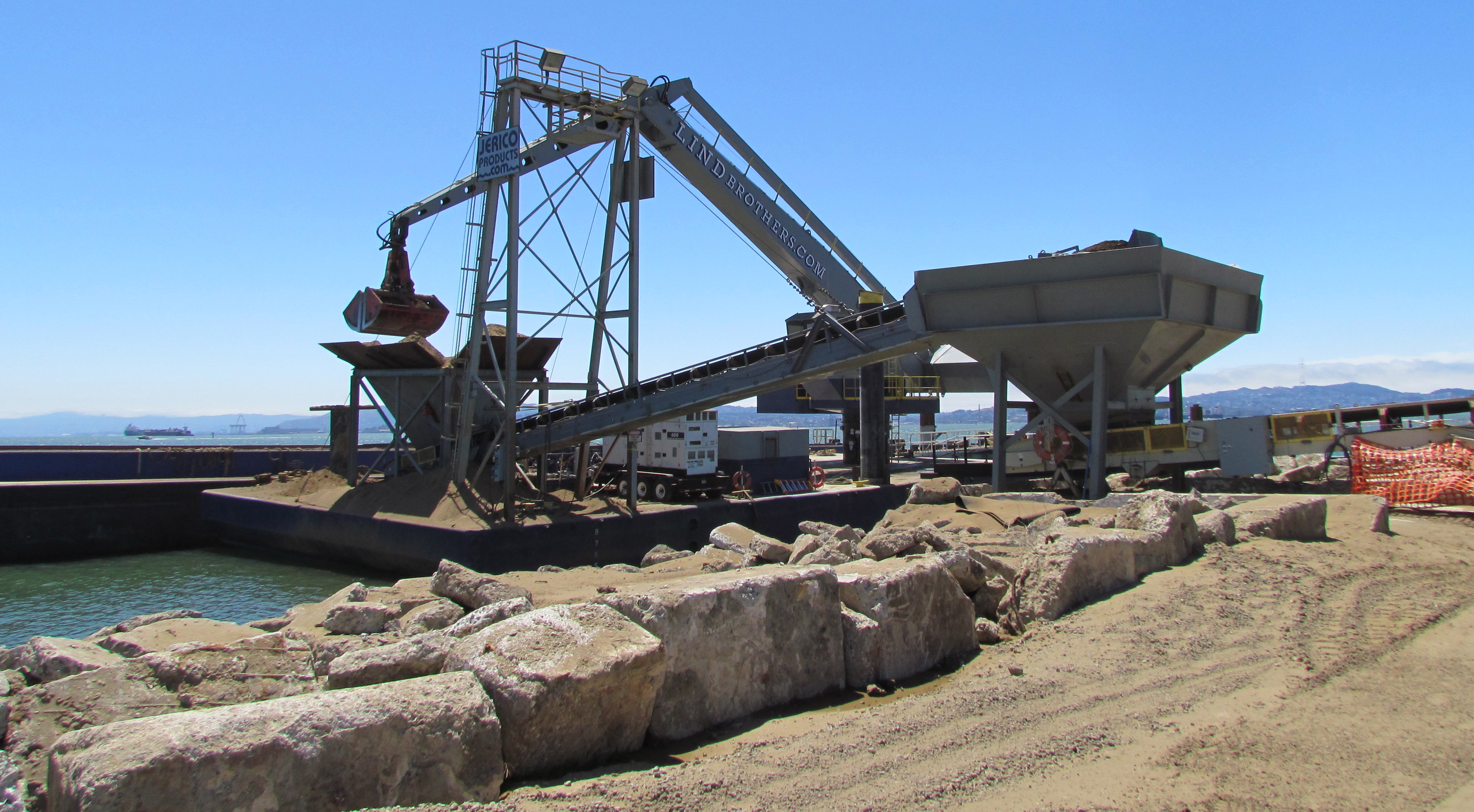
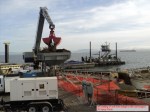
Soil being delivered from Decker Island.

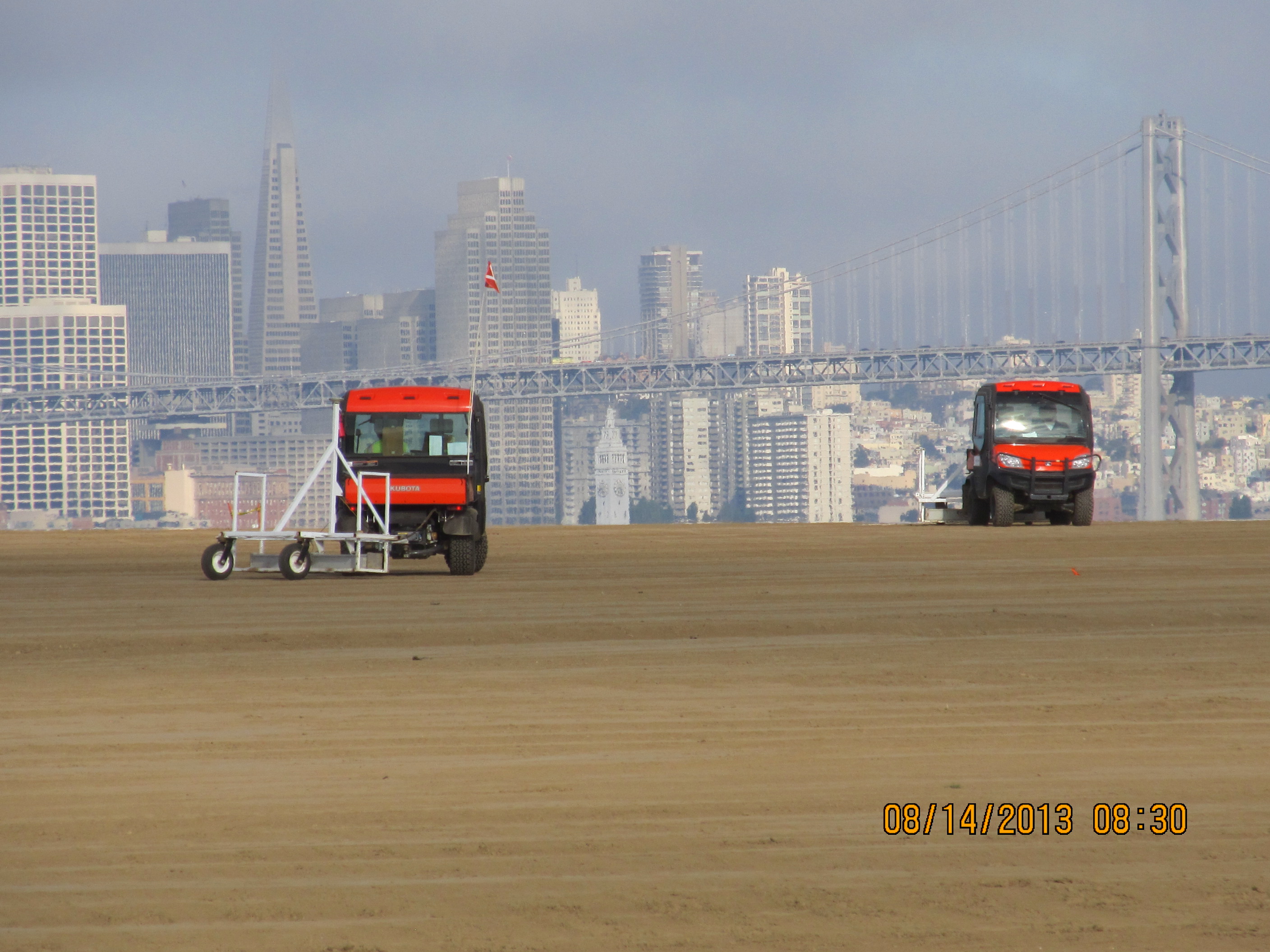
This contouring phase, which began in January of 2013, created the base layer with a specially-engineered slope.  It was then scanned for radiation using scanners towed by a small vehicle, even though the site had been surveyed for radiation prior to placing the base layer.

Scanning the base layer for radiation.

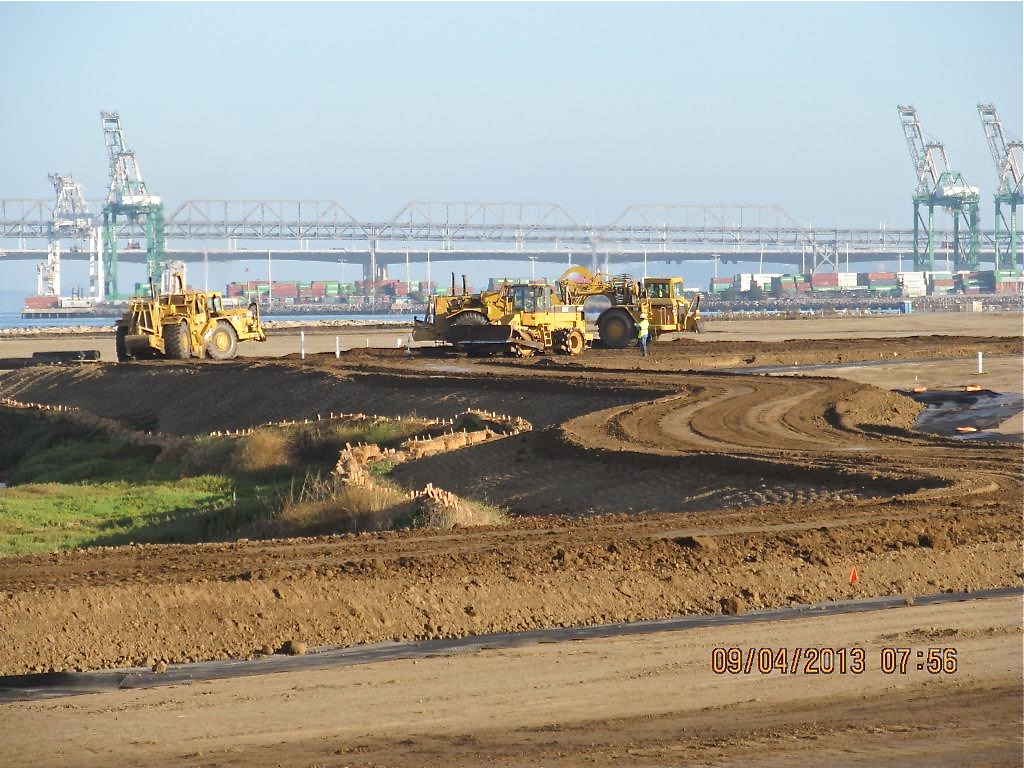
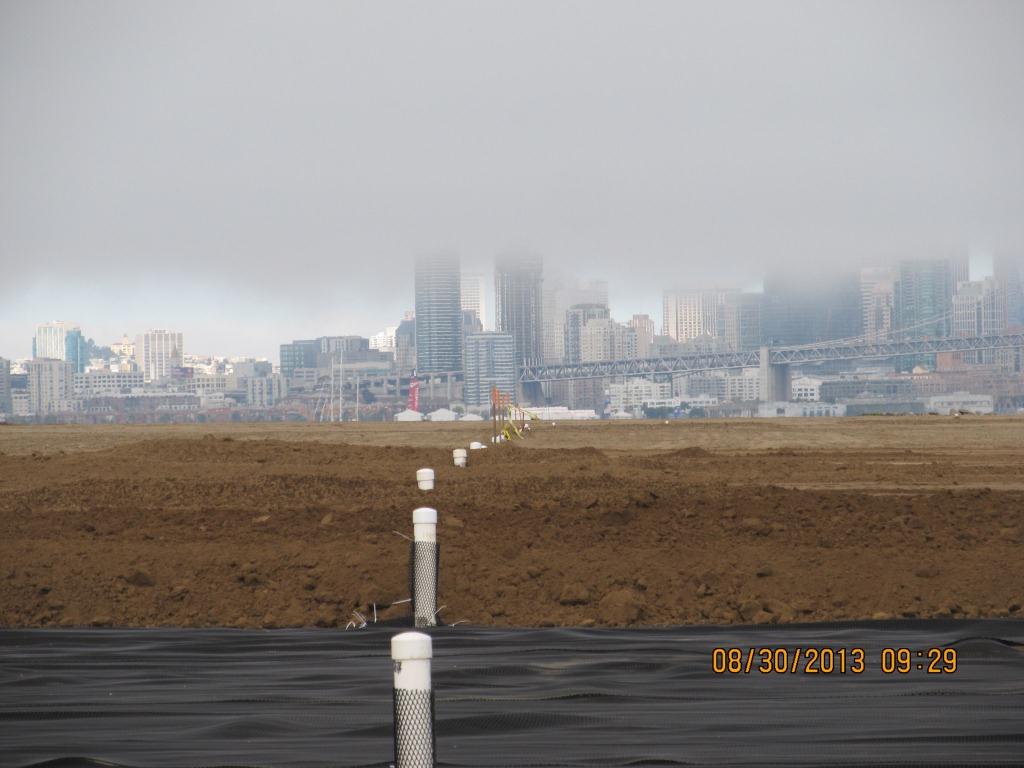
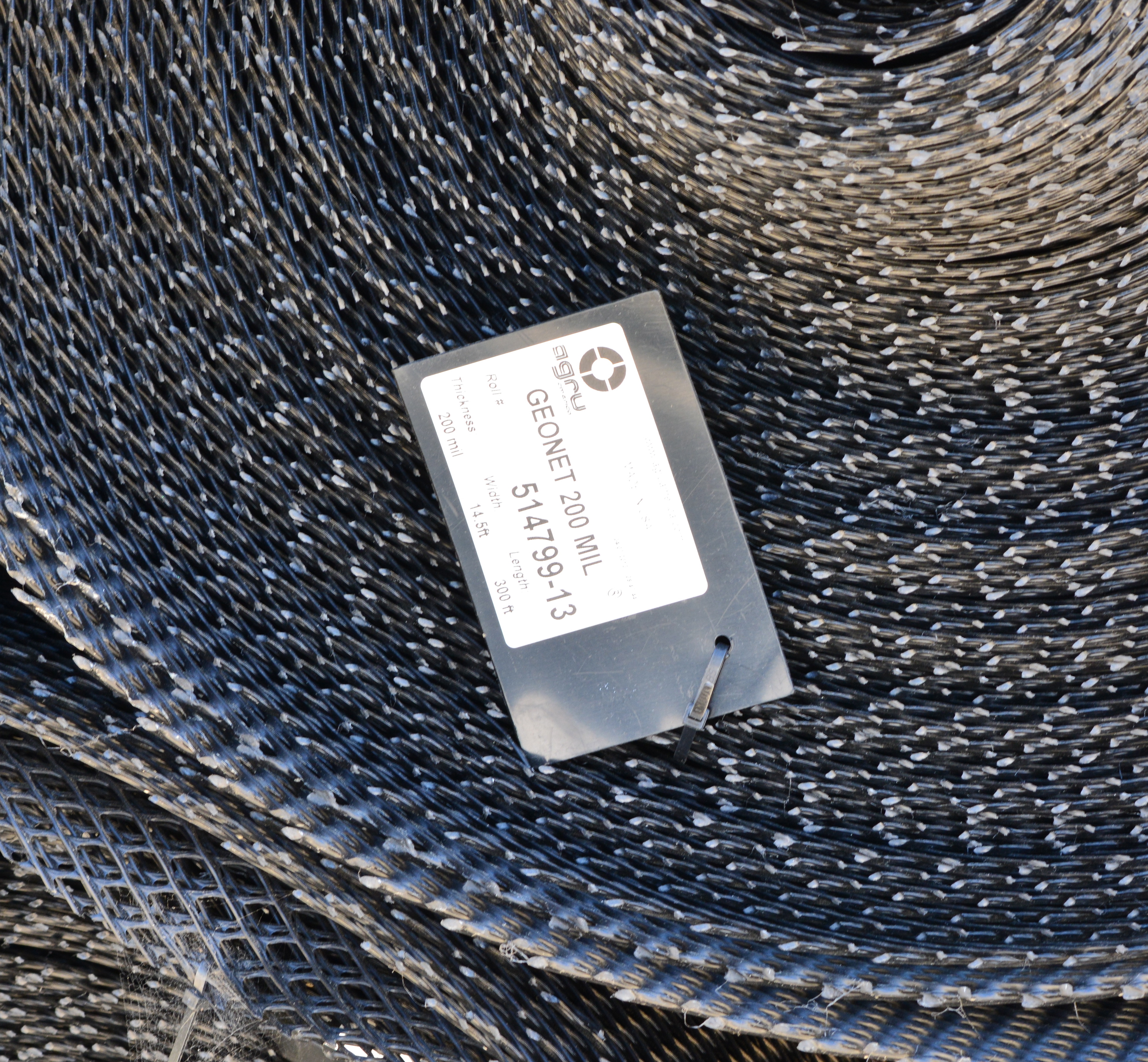
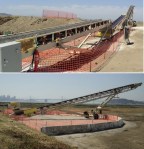
Placement of the plastic biobarrier (see photo below) and the final soil cover using soil barged in from Decker Island began on August 19, 2013.  The biobarrier is a plastic mesh that is designed to discourage burrowing animals from coming into contact with the waste area.  The biobarrier installation is over 90% complete as of week #38 (October 24, 2013).  The final two-foot soil cover is over 60% complete.  The final soil cover includes six inches of soil amended to promote growth of vegetation. 

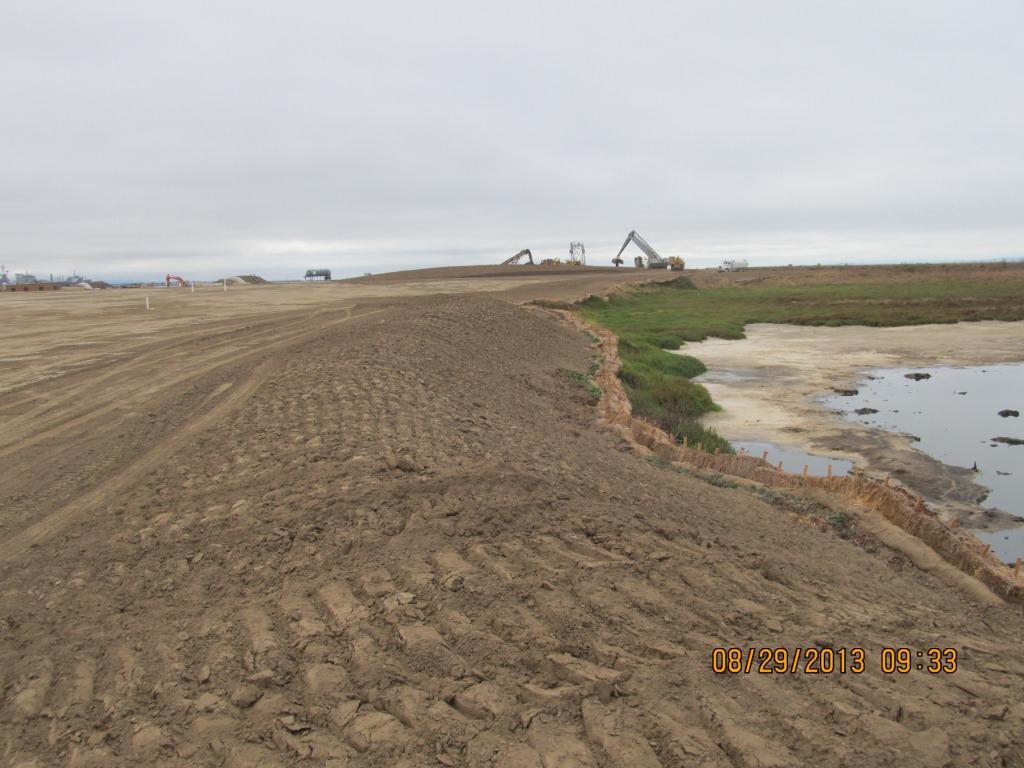
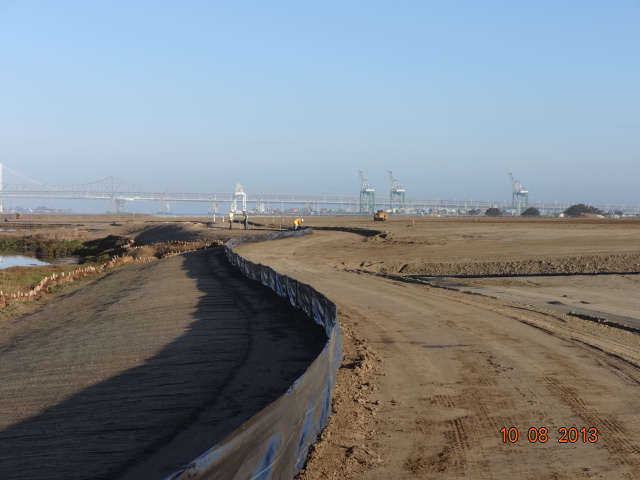
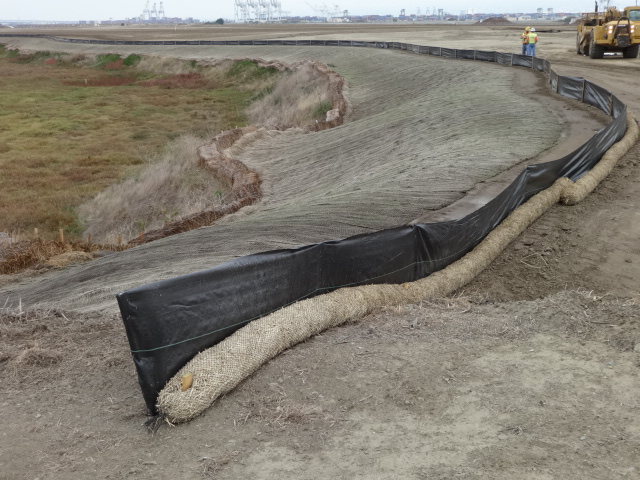
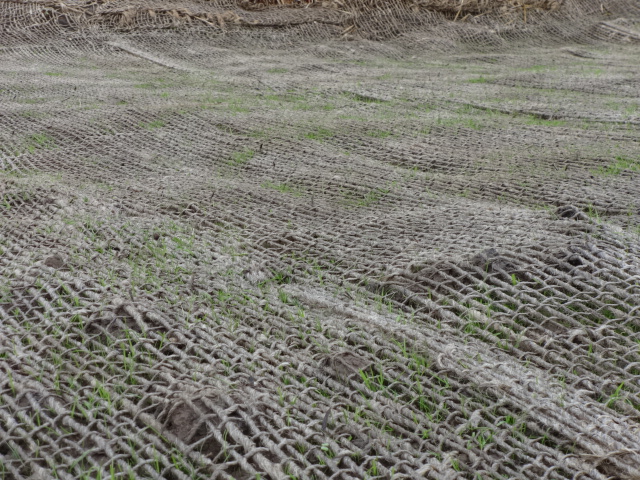
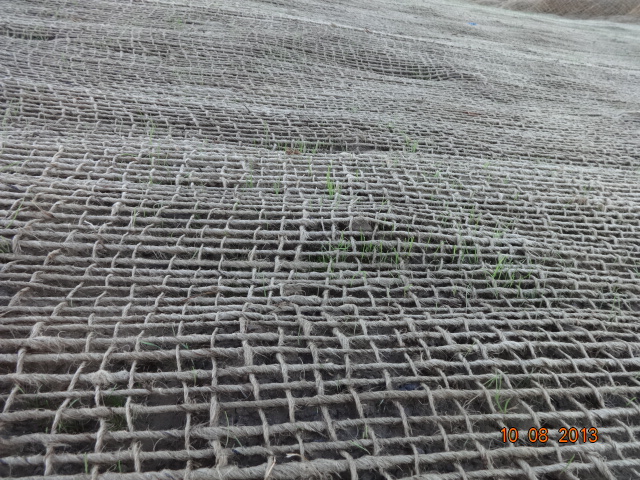
The soil stabilization and drainage work on the shoulder around the wetland area is also completed.  It includes native rye grass seeding, a jute mesh cover, and a silt fence.  Some of the rye grass has already started to sprout.

Stormwater controls near wetland area being created.

New monitoring wells will be installed starting in late November. 

Hydroseeding of the site with an assortment of California native grasses will begin in late November or early December. 

In 2014 the old culvert connecting the north side of the wetland with San Francisco Bay will be replaced with a new culvert.

Fifty tons of old fence and metal have been recycled.  The temporary work fence will be removed at the end of the job.  The methane gas vents will be short and virtually unnoticeable (see photo below).  Due to the age of the landfill and the fact that very little organic waste was deposited there, the methane gas produced is minor and will not require the 10-foot tall vent stacks proposed in an earlier workplan.

Methane gas vent pipes.

This site, along with adjacent land, will be transferred to the U.S. Department of Veterans Affairs in late 2013 or early 2014.

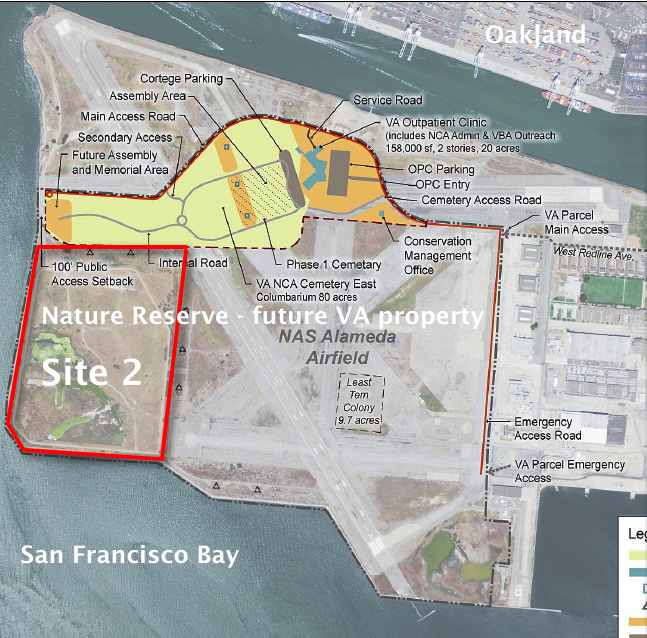
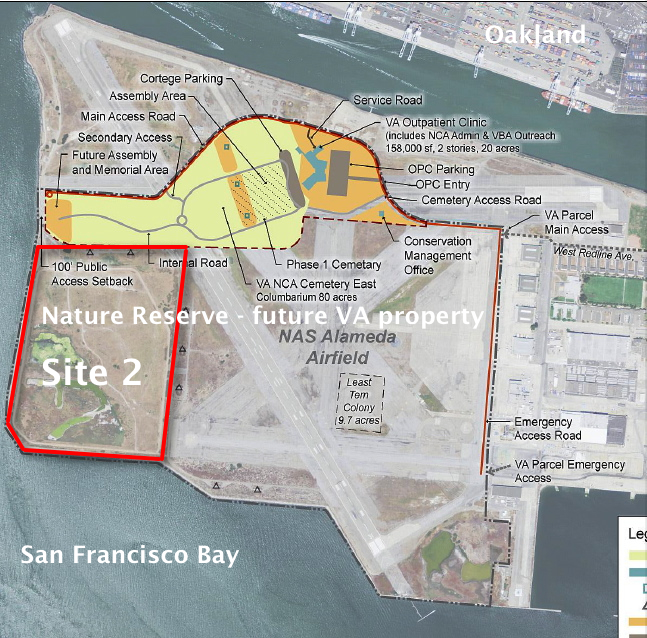
VA map, with Site 2 and Nature Reserve notations added by Alameda Point Environmental Report.
Biobarrier to discourage burrowing animals.  Photo credit:  Alameda Point Environmental Report.
Biobarrier to discourage burrowing animals. Photo credit: Alameda Point Environmental Report.

Interim stormwater controls - tracked slope.

Silt fence installed above jute mesh around wetland area.
Silt fence under construction.
Jute mesh around wetland should, with grass starting to sprout.
Jute mesh around wetland shoulder, with grass starting to sprout.
Week 36 - Vegetation growing through jute mesh around shoulder of wetland area.
Week 36 – Vegetation growing through jute mesh around shoulder of wetland area.

Source:   The information in this update was gathered from the weekly progress reports for Installation Restoration Site 2 Remedial Action at Alameda Point.  The progress reports are posted on the Envirostor website maintained by the California Department of Toxic Substances Control (DTSC).  The source for all photos in this update, unless otherwise credited, is DTSC.

Hawks on the Nature Reserve at Alameda Point

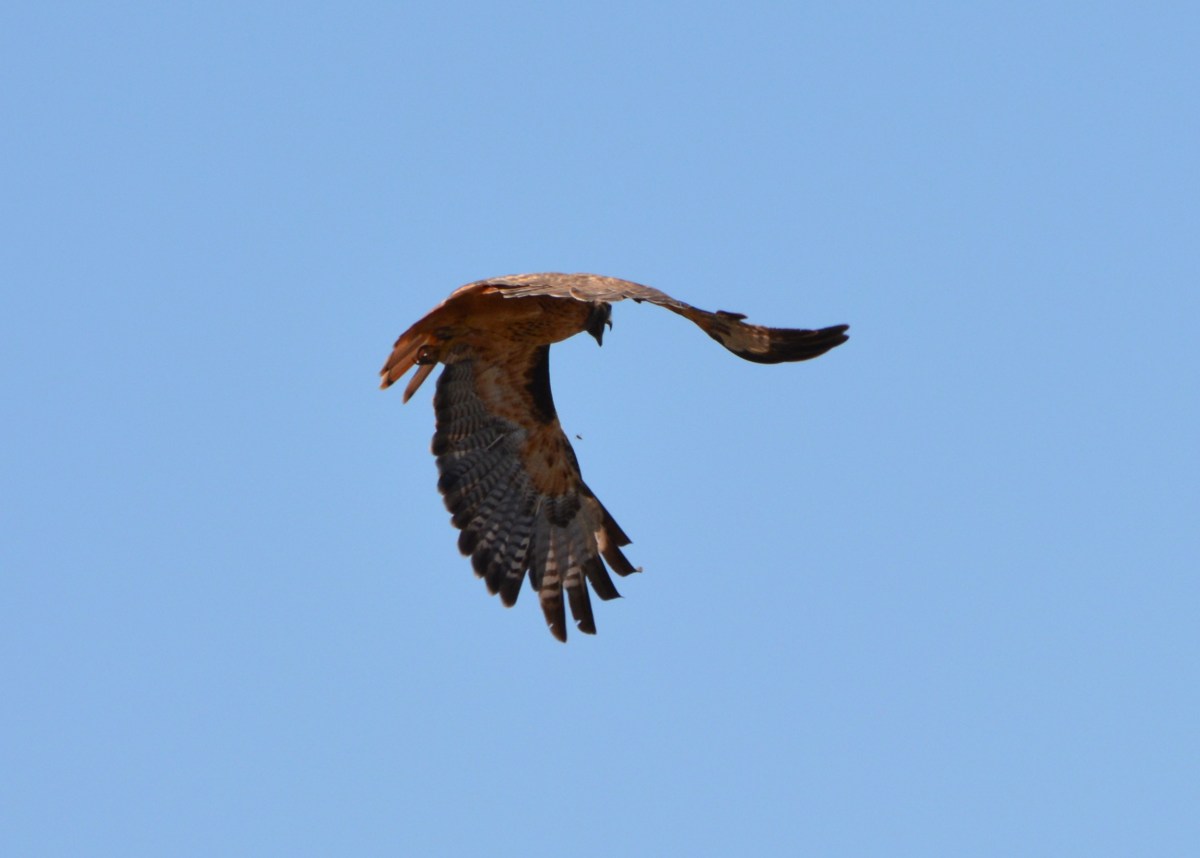
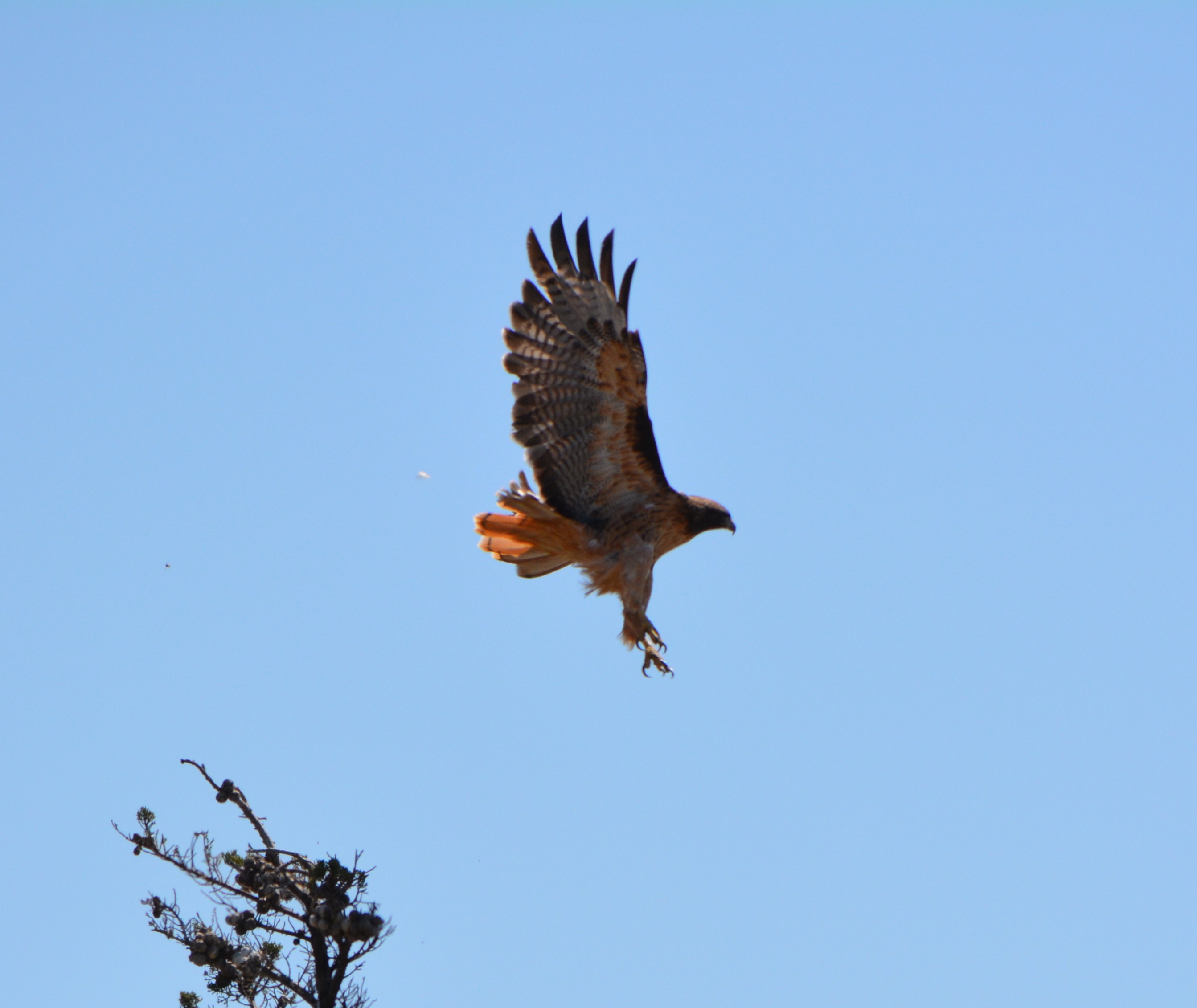
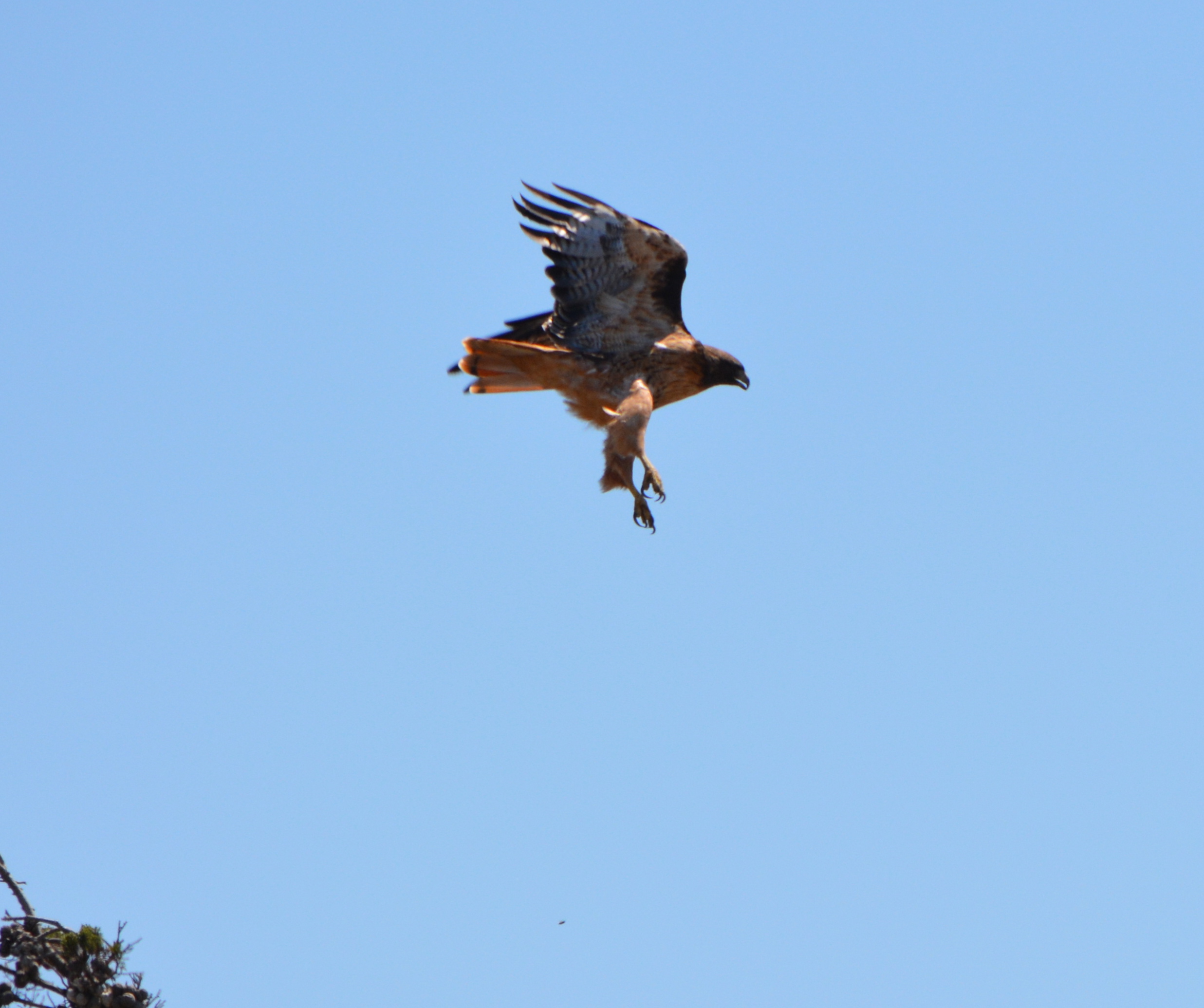
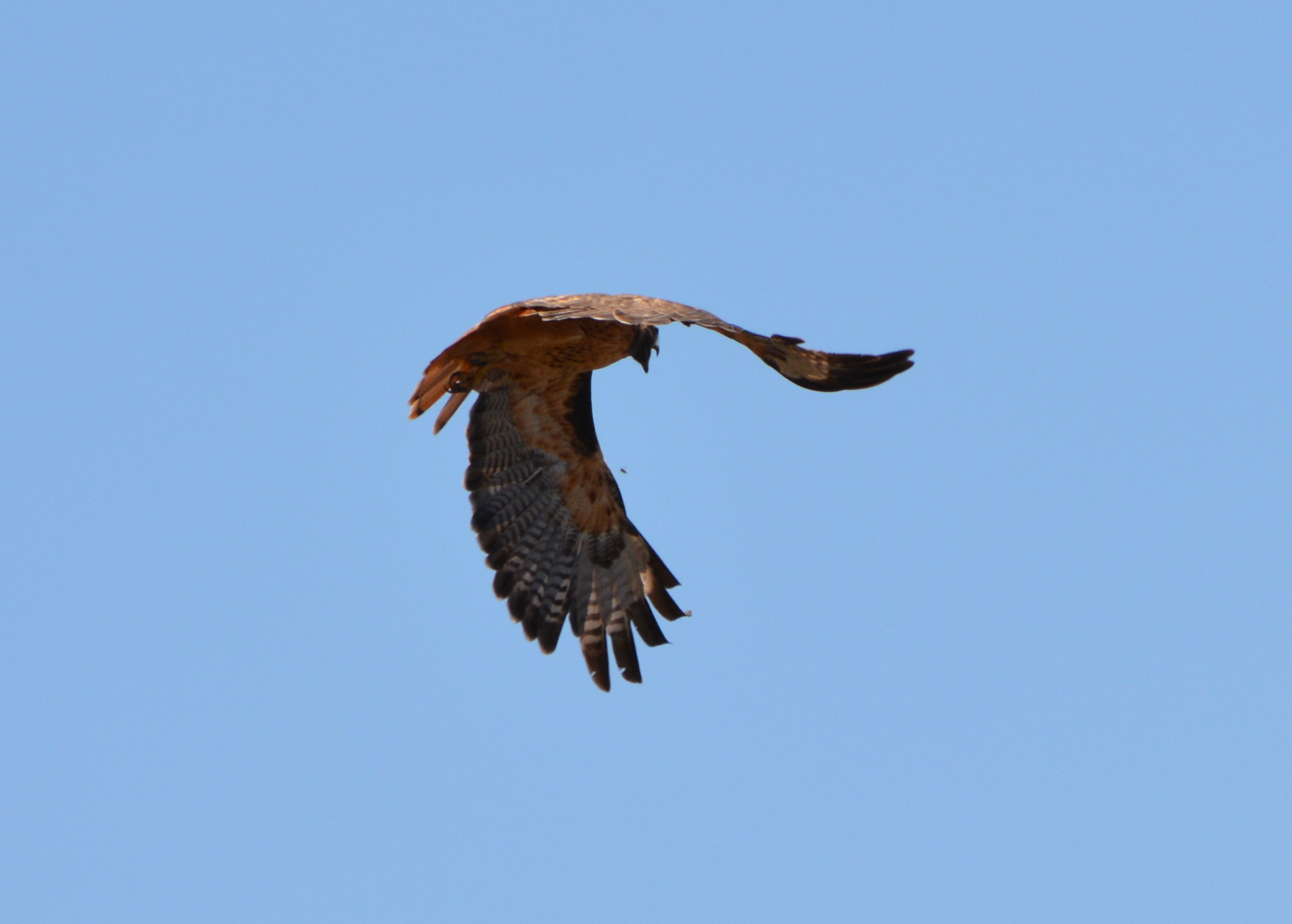
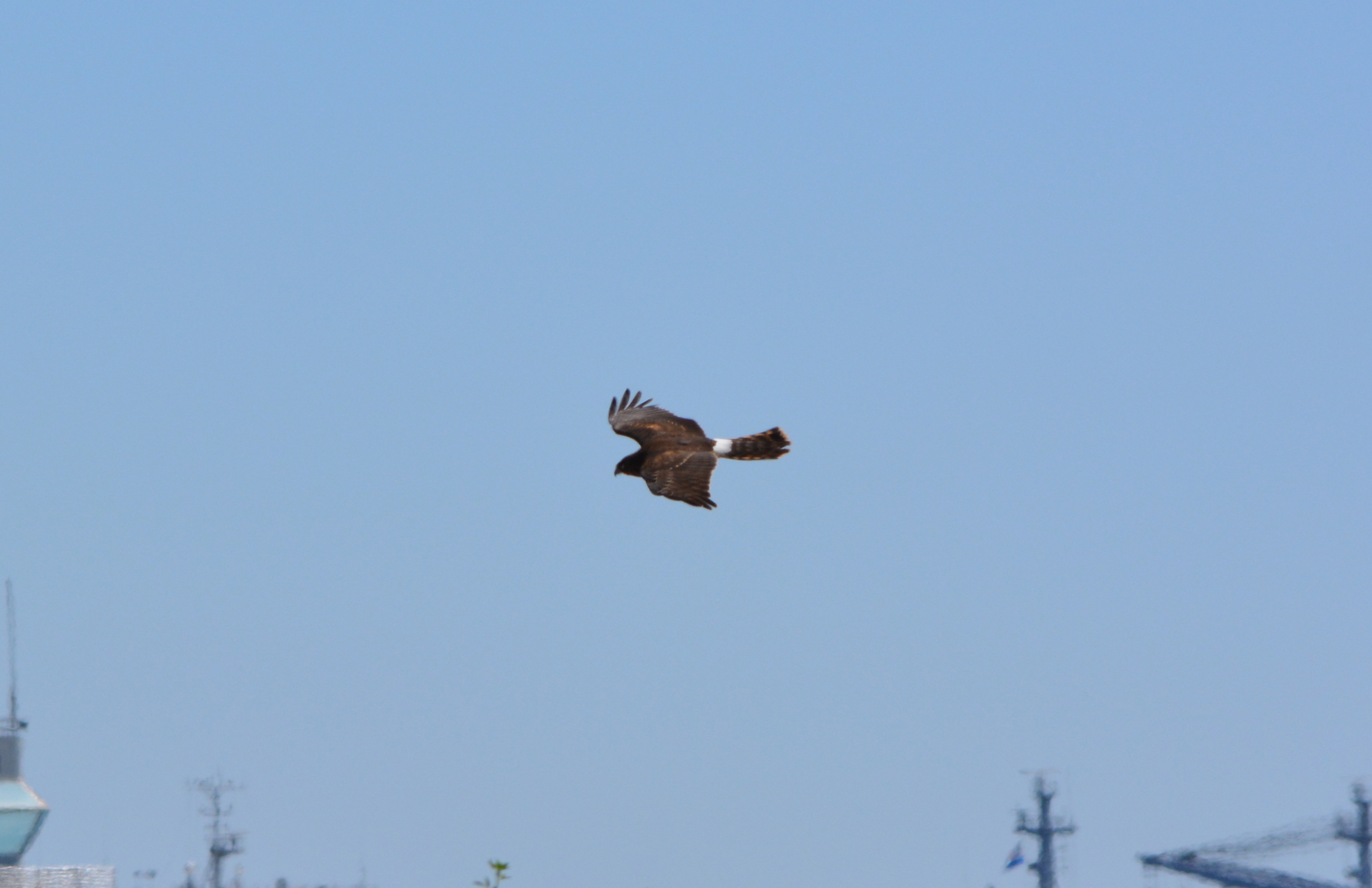
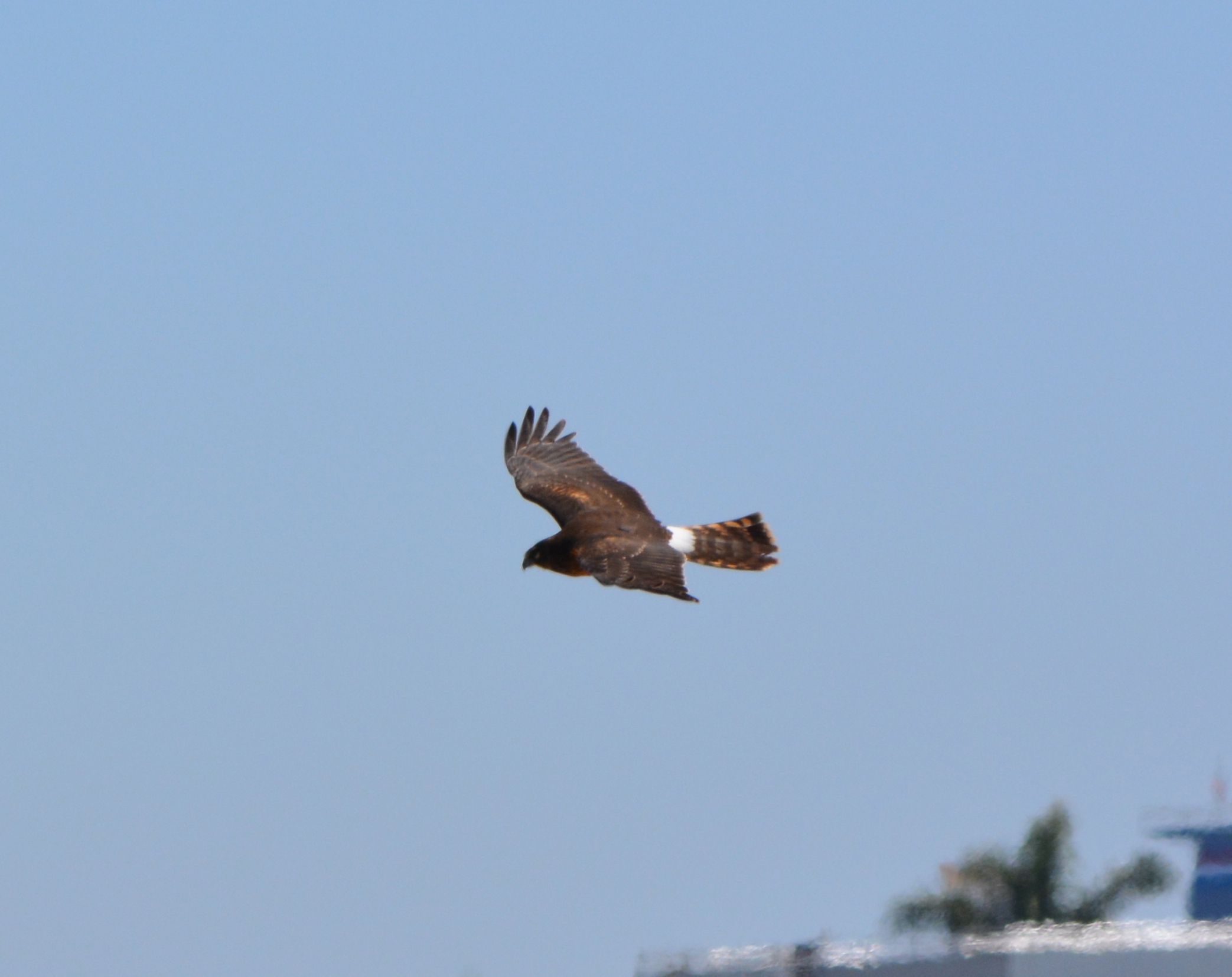
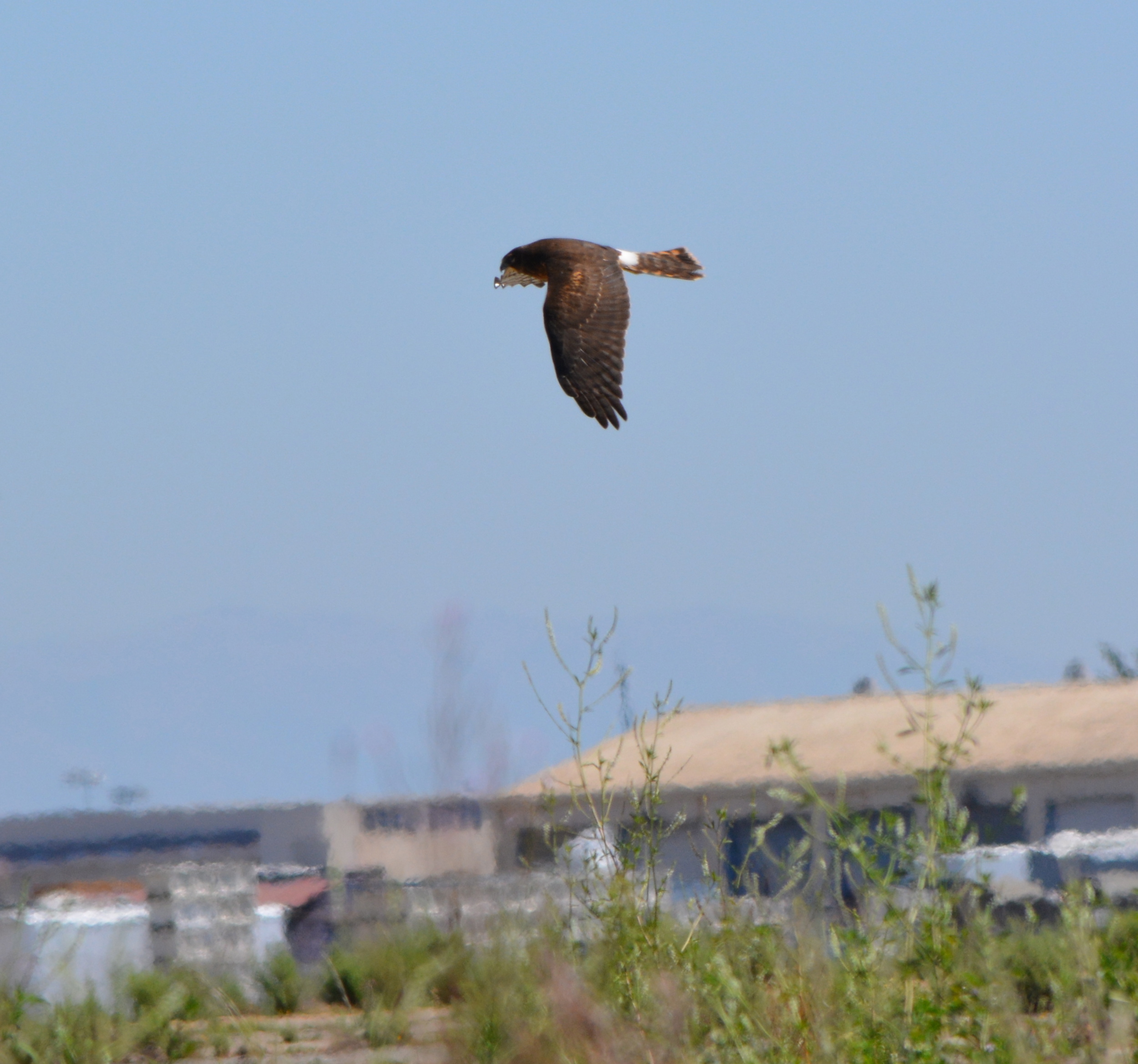
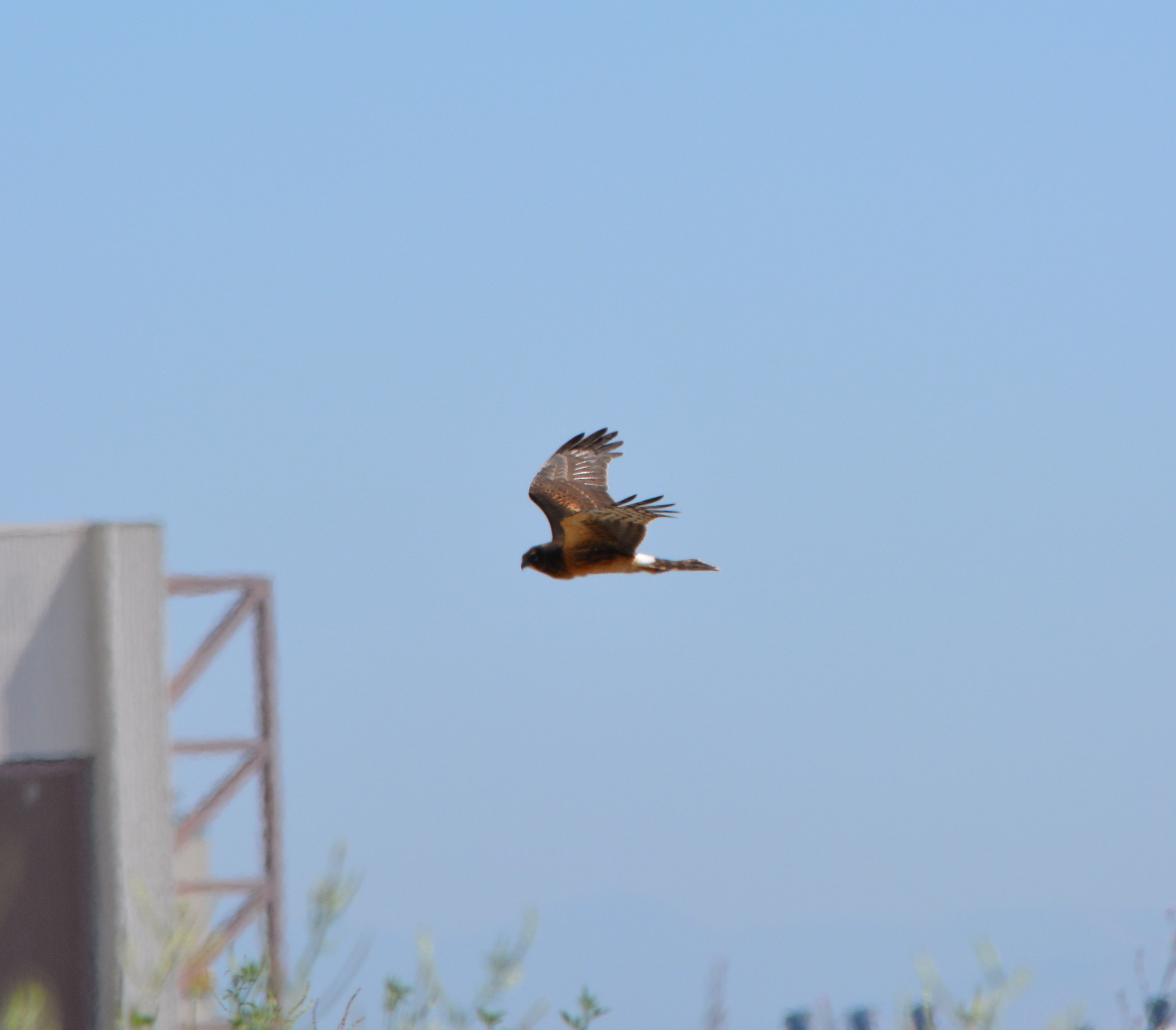
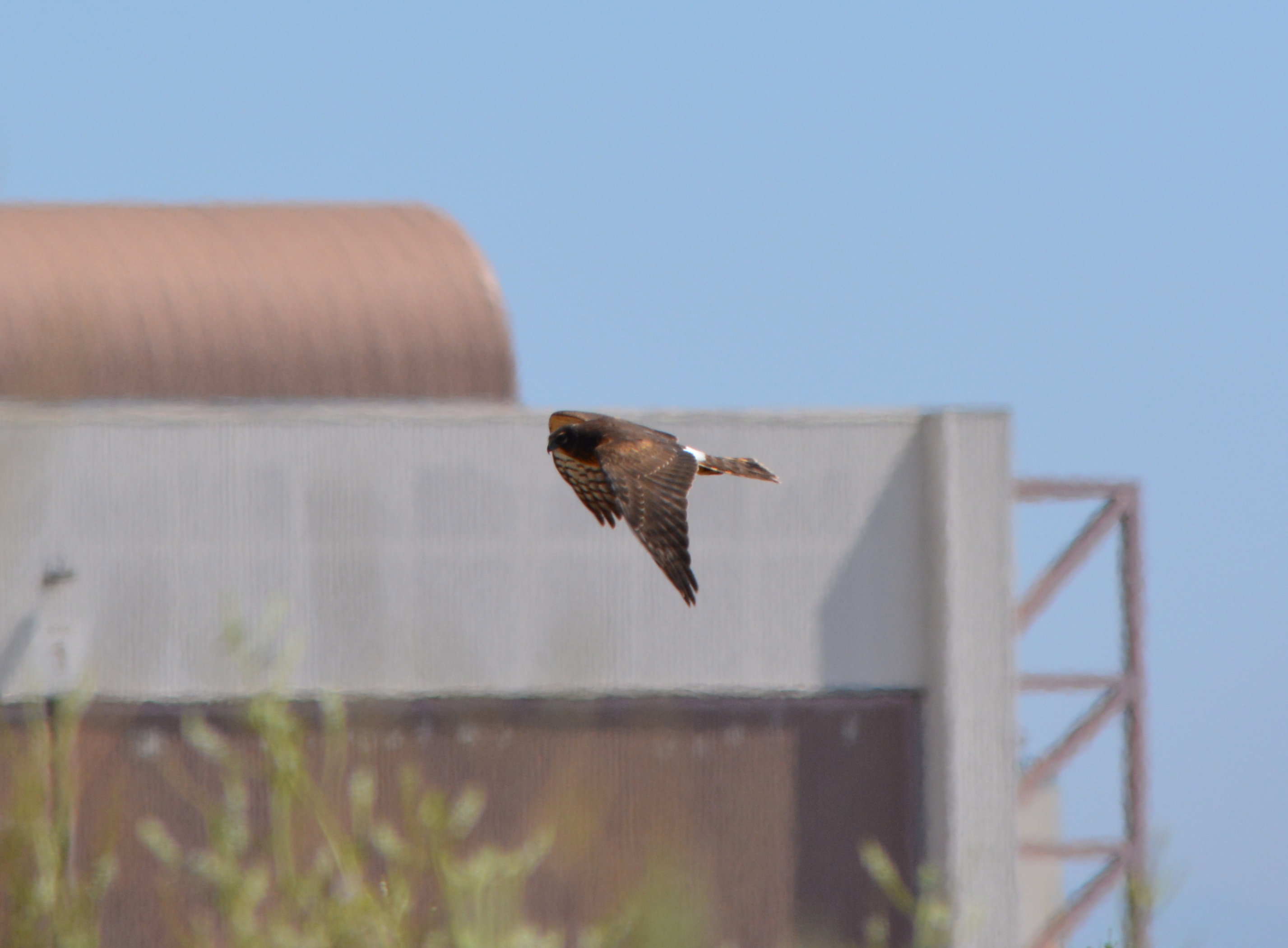
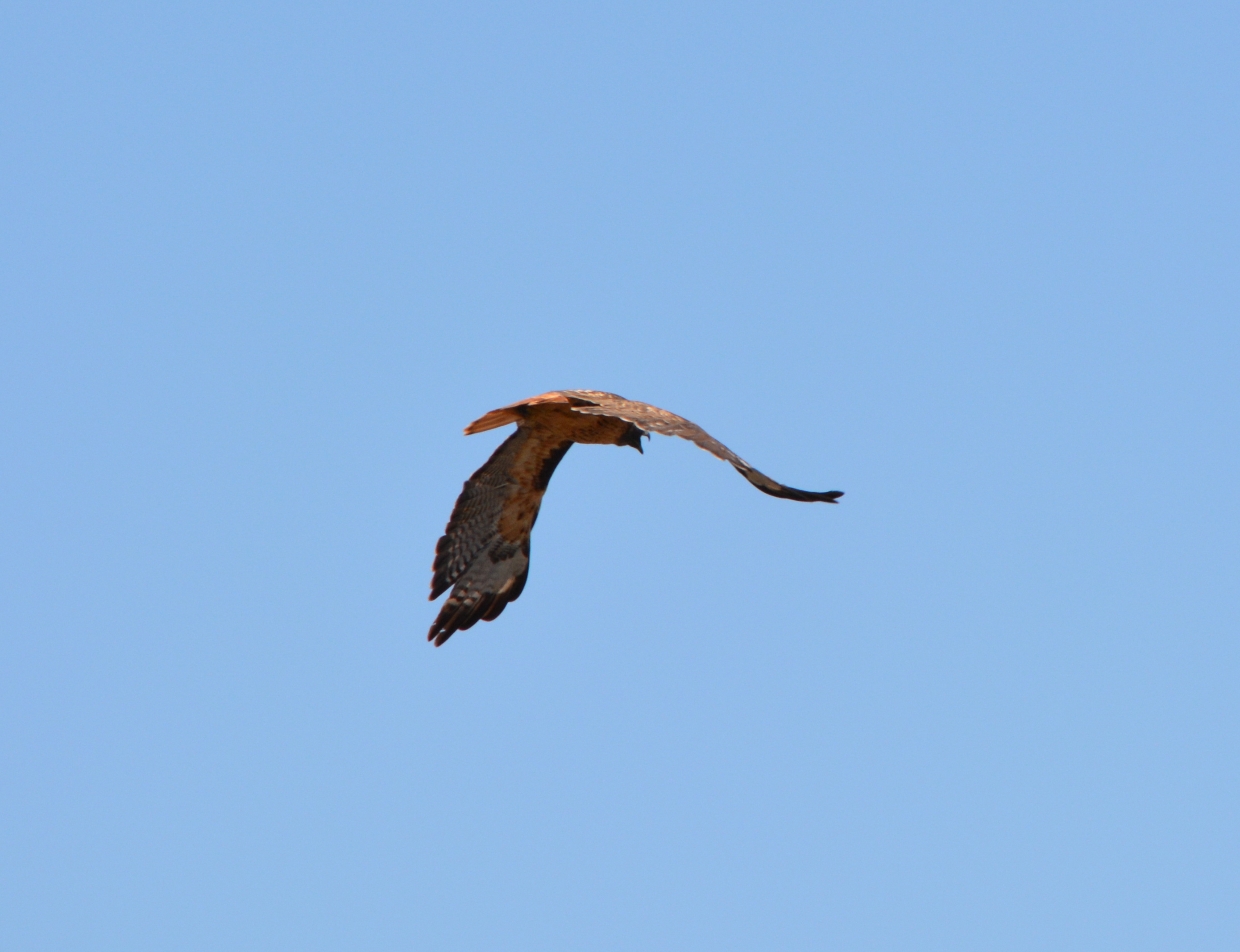
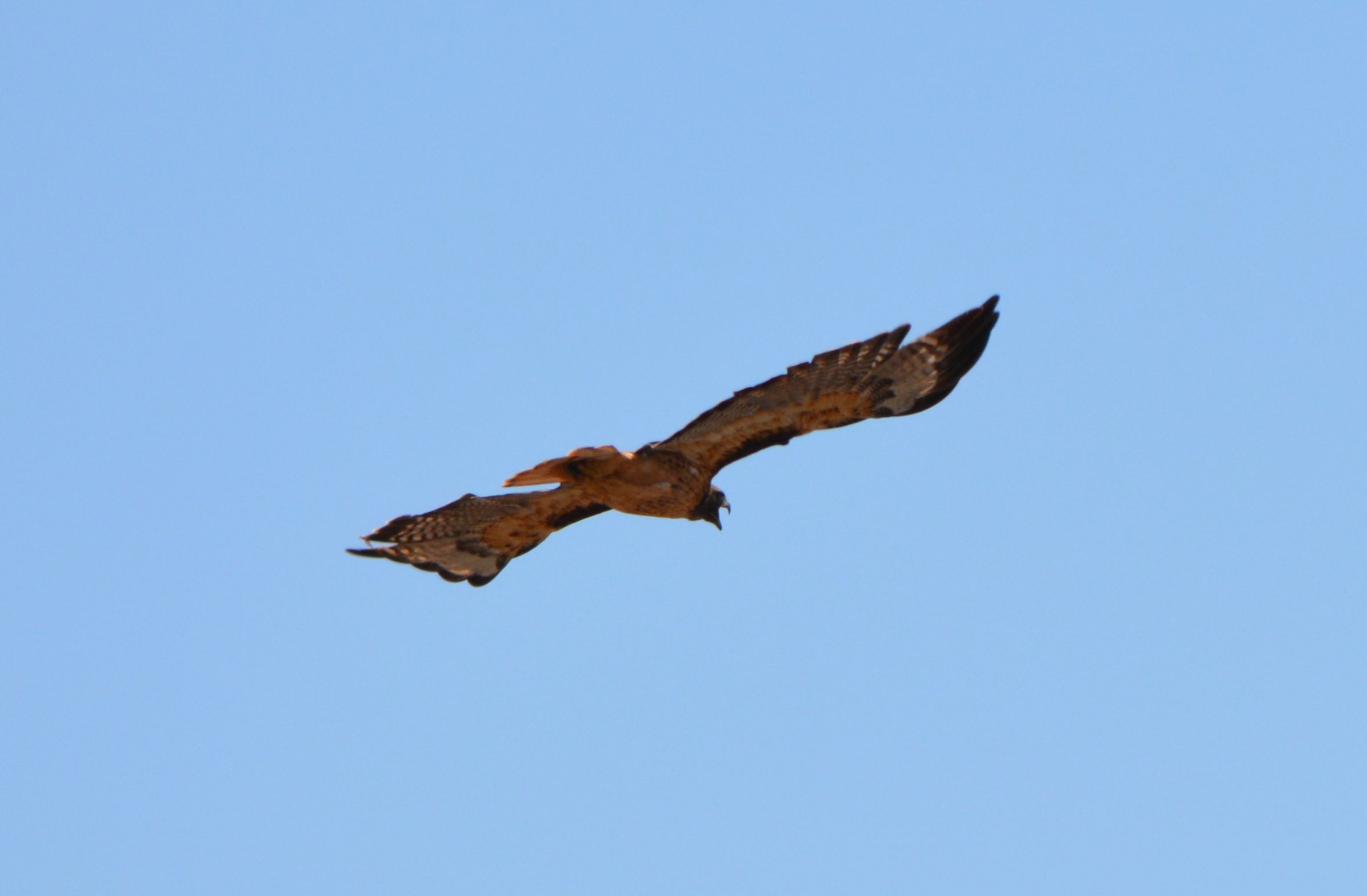
Red-tailed Hawks are regular visitors to the Nature Reserve on the former airfield at Alameda Point.  The Northern Harrier, another type of hawk, also visits the reserve, but are fewer in number and harder to spot.  

Red tails and harriers both like the wide open space and grassland where they hunt for prey, but they differ in their abilities to hunt.  The red tails rely on keen vision and are able to hunt from great heights and distance.  Harriers, on the other hand, rely on hearing in the same way that an owl does.  The harrier’s face has characteristics similar to an owl that allows it to capture sounds and direct them to their ears.  They have the ability to hear the sounds of small animals moving in the grass.  They fly close to ground, sometimes within 10 feet, methodically moving about listening for movement.  

Occasionally during the least tern nesting season red tails and harriers prey on the terns and have been trapped by the Fish & Wildlife Service and relocated further inland.  Red tails can catch jackrabbits, but harriers might have a tough time with a full-grown rabbit and look instead for small rodents.  

Adding more grassland on the periphery of the Nature Reserve would help the least terns by providing more hunting opportunities for predators away from the nesting site.  These wild and magnificent birds are but two examples of why the Nature Reserve offers unique opportunities for wildlife habitat enhancement.

The two birds below were photographed in September of 2013.

Red-tailed Hawk

Red-tailed Hawk #1

Red-tailed Hawk #2 Alameda Point

Red-tailed Hawk #3 Alameda Point

Red-tailed Hawk #4 Alameda Point

Red-tailed Hawk #4 Alameda Point

Northern Harrier

Northern Harrier #1 Alameda Point

Northern Harrier #2 Alameda Point

Northern Harrier #3 Alameda Point

Northern Harrier #4 Alameda Point

Northern Harrier #5 Alameda Point

Massive landscaping project changing scenic area on Nature Reserve

On August 3, 2013, the Navy’s annual environmental cleanup tour visited the worksite known as Site 2 on the southwest corner of Alameda Point.  Work has been underway at the site since early this year, constructing a 79-acre soil cover atop the old waste disposal area.  Due to budget cutbacks this year, only the Restoration Advisory Board was taken on the tour.

Transition from soil cover to wetland.  Port of Oakland in background.
Transition from soil cover to wetland. Port of Oakland in background.

The site was closed for waste disposal in the mid-1980s and given a soil cover that did not meet landfill closure standards.  For more than a decade after it was added to the Superfund cleanup program, the regulatory agencies and the Navy went back and forth about how best to close the site in an environmentally safe manner.

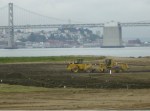
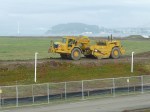
The slope of the soil cover is so important to the engineering design that the blades on the graders are not even controlled by the driver.  Blades on the graders, and even the bulldozer, are controlled by an onboard computer that uses a GPS satellite to maintain a uniform elevation.  The engineering concept for this soil cover is to minimize the slope so as to minimize movement in an earthquake, while at the same time providing for drainage.

Looking east at partially completed soil cover from the western shoreline of Alameda Point.

Soon the contractor will be laying down a 200-mil-thick HDPE geonetting material to act as a barrier to burrowing animals.  Next, they will add two more feet of soil before installing monitoring equipment, drainage features, access road, and seeding the soil with a variety of California native grasses.  Seeding is planned for this fall before the rainy season.

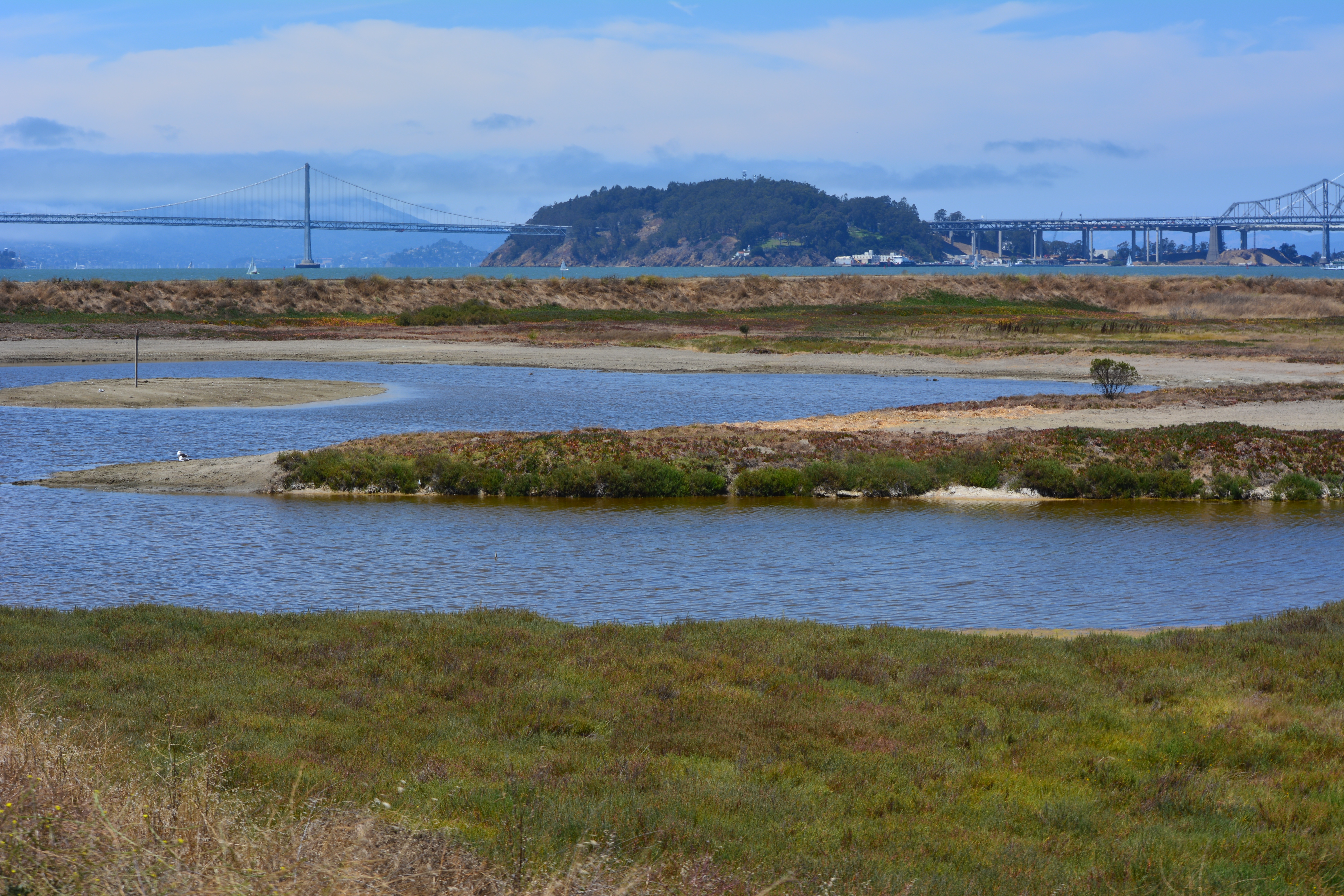
The 30-acre wetland area is not contaminated, but it will receive some upgrades with additional wetland.  There is both a freshwater wetland area fed by rainwater, and a saltwater wetland area connected to San Francisco Bay via an underground culvert.  The culvert will be replaced due to its age.

Partial view of wetland on southwest corner of Alameda Point.       Maritime ships and USS Hornet in background.
Partial view of wetland and soil cover on southwest corner of Alameda Point. Looking east with maritime ships in background.

More than 600,000 cubic yards of soil is required to complete the project.  Of that amount, 110,000 cubic yards have been recycled from the Seaplane Lagoon dredging after it tested clean.  The rest is being barged in from Decker Island in the Sacramento River near the town of Rio Vista.

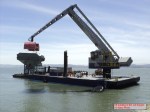
Soil from Decker Island being off loaded from barge at southwest corner of Alameda Point.

This 110-acre project site, featuring the most scenic viewpoint in all of Alameda, will be transferred to the U.S Department of Veterans Affairs (VA) along with another 400 acres of the Nature Reserve, and 112 acres for the VA’s clinic and columbarium.  A nearby public access area on the western shoreline will be developed when the VA completes their road along the northern perimeter of the columbarium to the western shore.  The Bay Trail will eventually run along the shoreline.

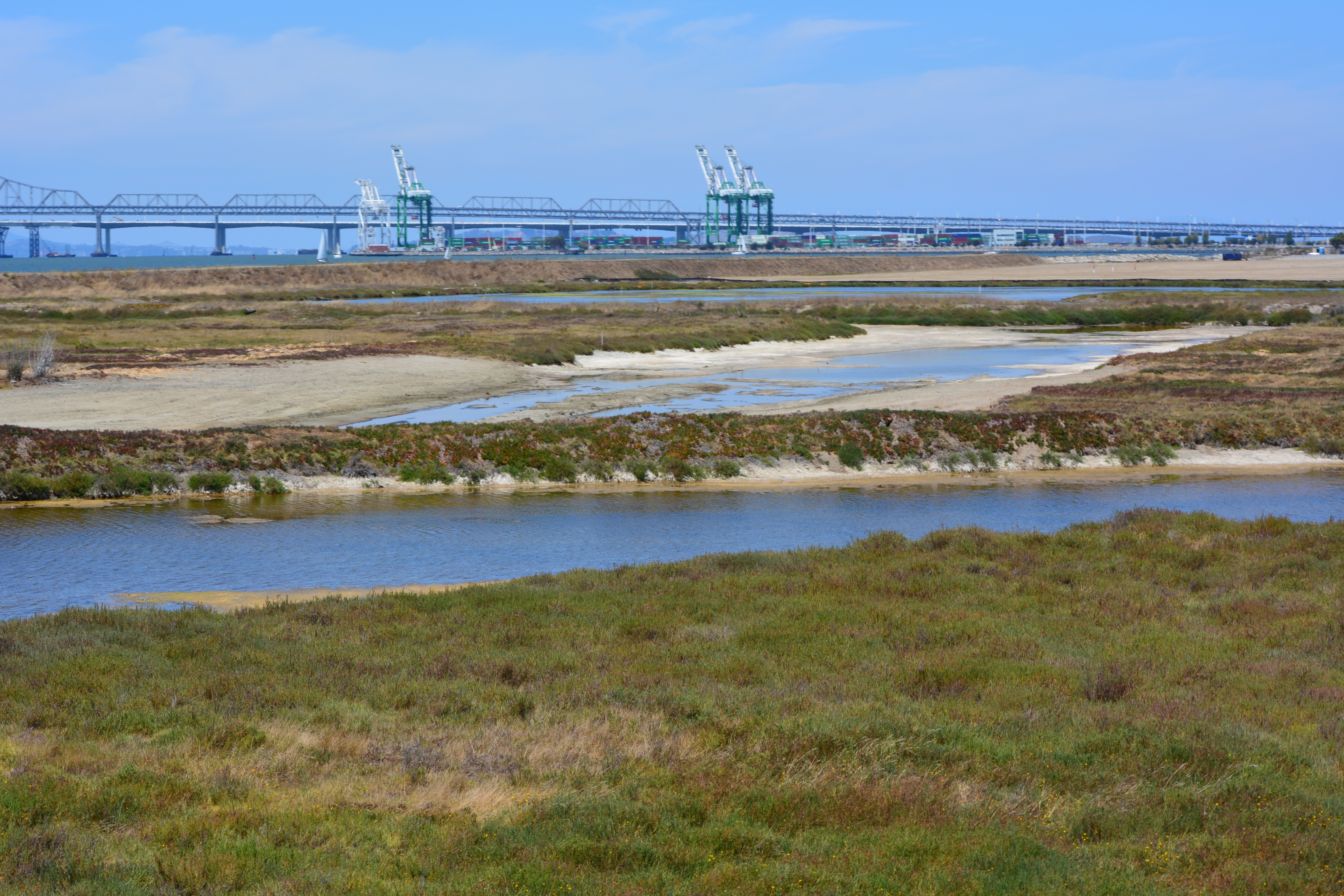
Partial view of wetland area on Site 2 - Alameda Point Nature Reserve.
Partial view of wetland area on Site 2 – Alameda Point Nature Reserve. Bay Trail will be on the other side of the embankment that runs along the far side of wetland area.
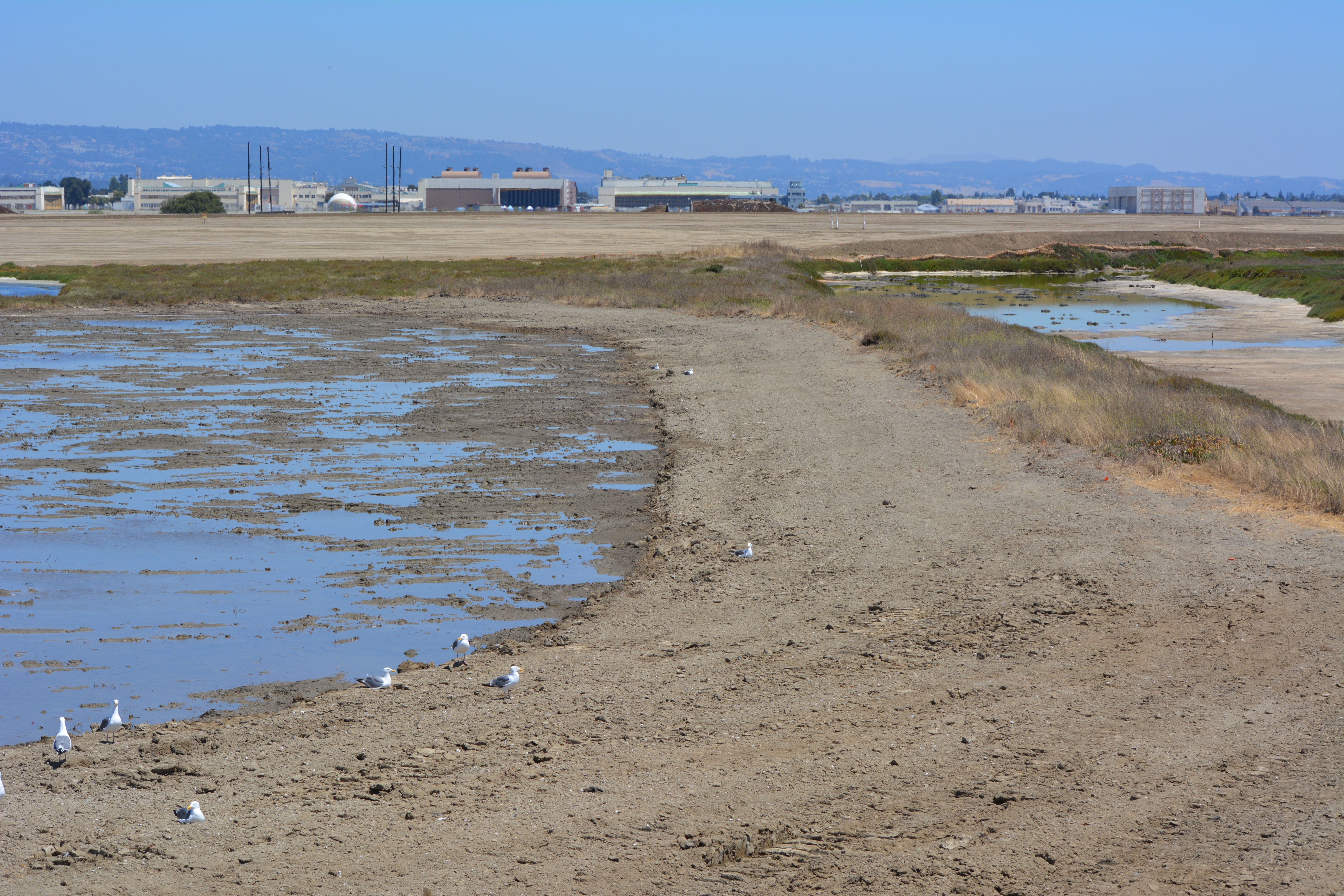
Showing wetland on the left that was added and will be allowed to naturally revegetate.  Wetland on the left connected to San Francisco Bay.  Freshwater wetland is to the right.  Looking east toward hangars.
Wetland on the left connected to San Francisco Bay. The muddy part in the photo was recently added and will be allowed to naturally revegetate. Freshwater wetland to the right. Looking east toward hangars.
North Pond wetland connected to San Francisco Bay.  Port of Oakland in background.
North Pond wetland connected to San Francisco Bay. Port of Oakland in background.
Wetland area on Site 2 looking north from southern perimeter of the site.
Off loading soil from barge for Site 2 soil cover at Alameda Point.  Southern shoreline.
Off loading soil from barge for Site 2 soil cover at Alameda Point. Southern shoreline.
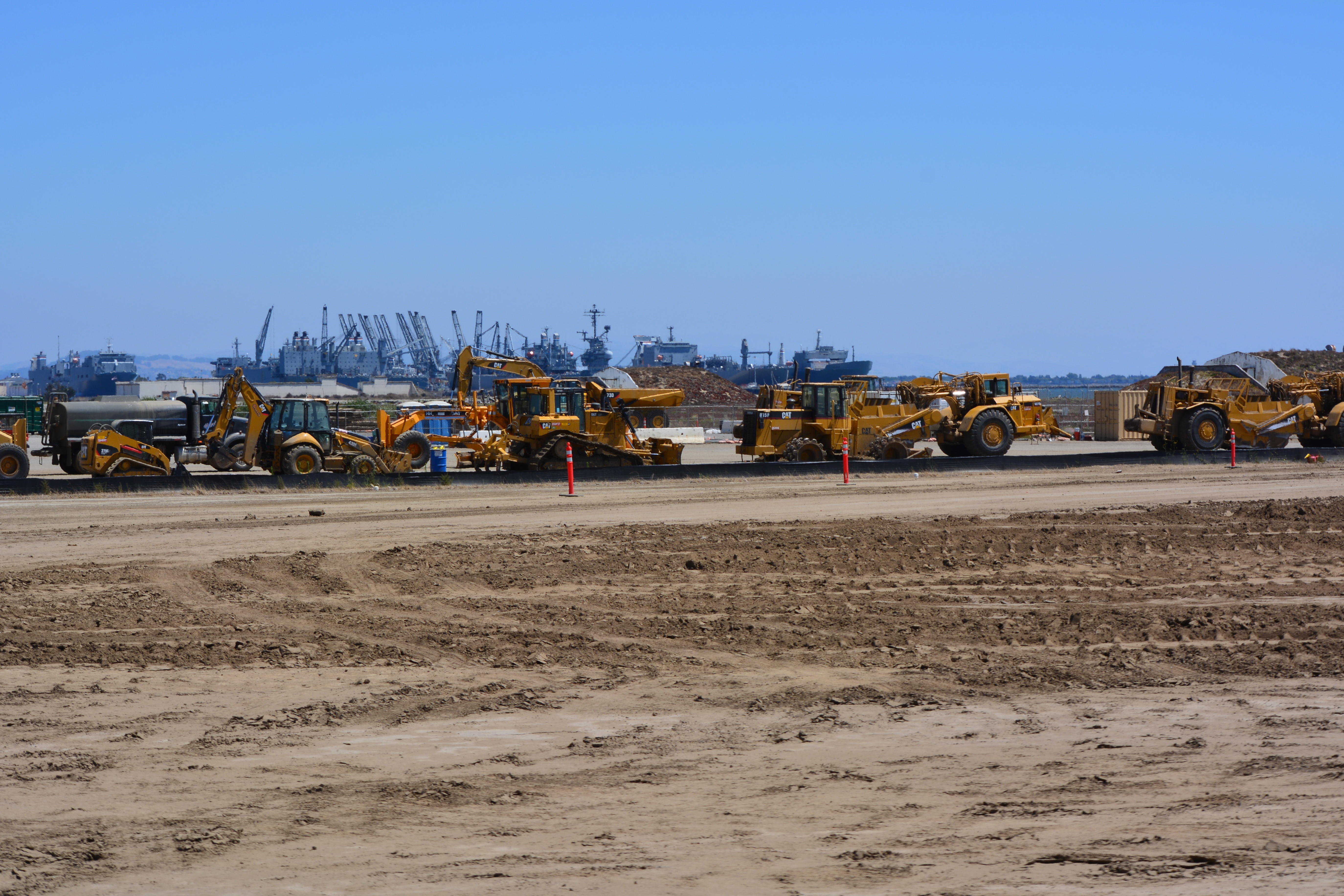
Construction equipment at Site 2.  Looking east with maritime ships in background.
Construction equipment at Site 2. Looking east with maritime ships in background.
VA project at Alameda Point with adjacent Nature Reserve that includes Site 2 remediation area.
VA project at Alameda Point with adjacent Nature Reserve that includes Site 2 remediation area. 

Google map showing Site 2 is here.

For more background, see previous story “Landscaping the Navy’s underground waste disposal site.”

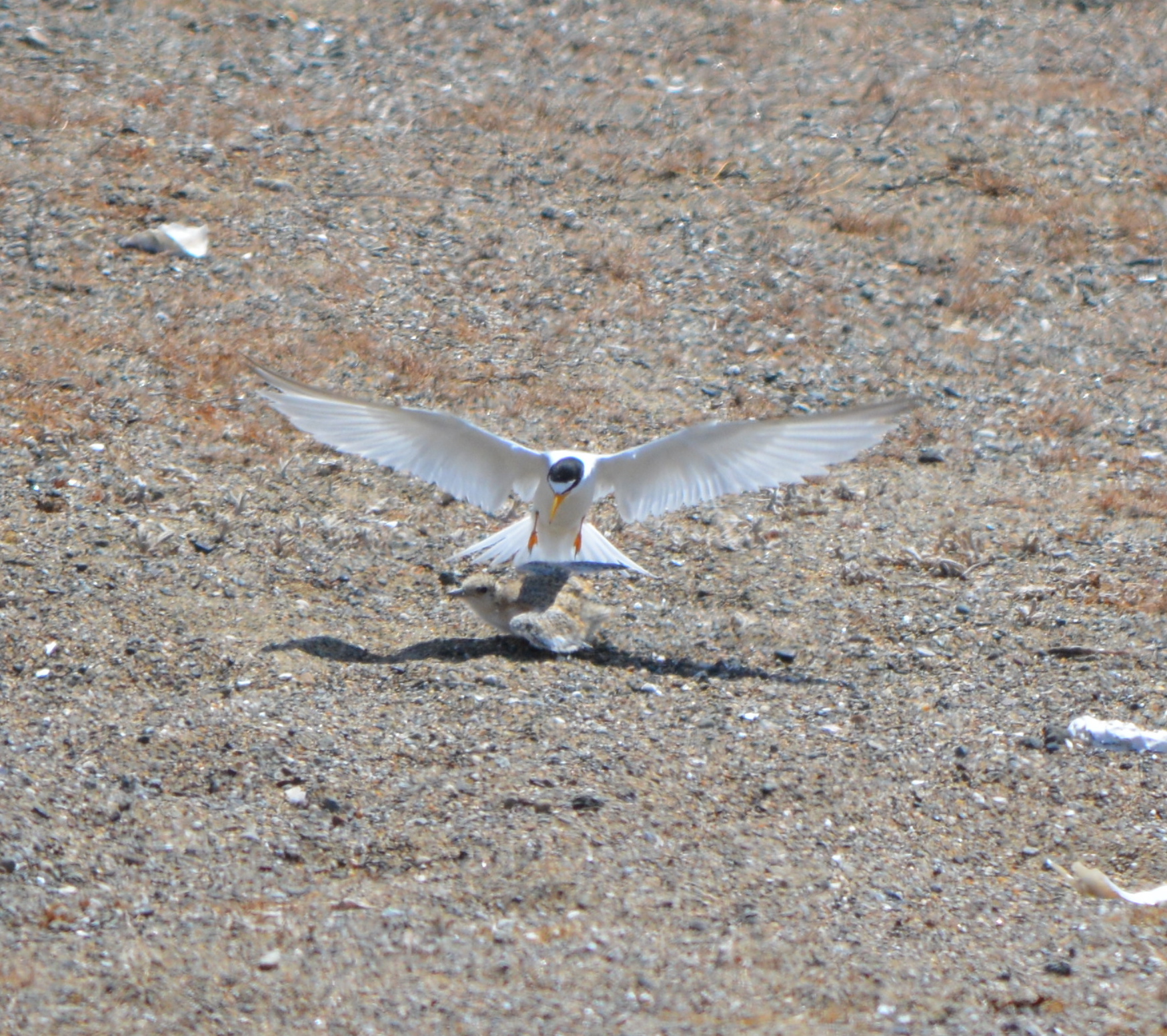
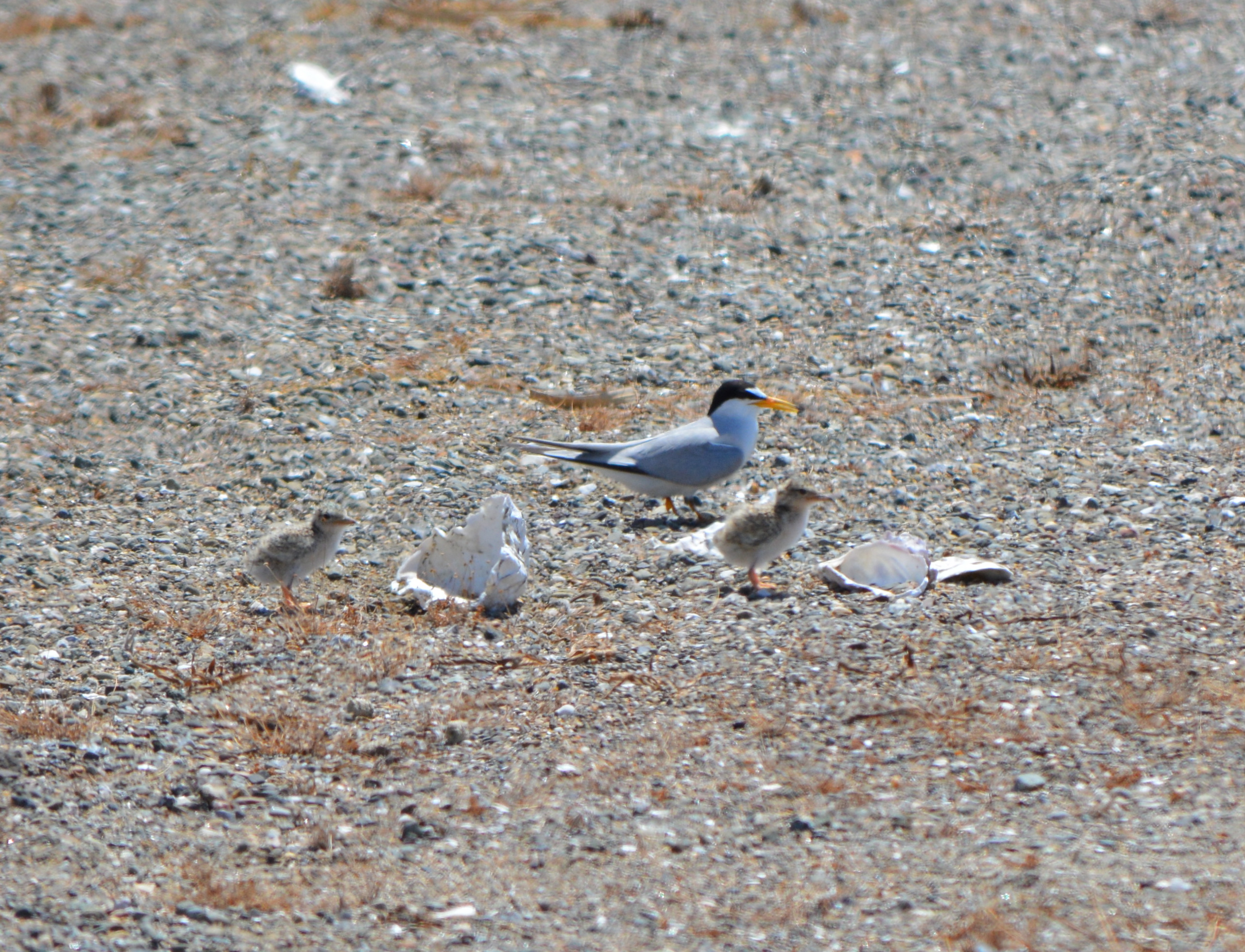
Least Terns thriving this year at Alameda Point

Three busloads of visitors to the nesting area were treated to a great show on the annual “Return of the Terns” day, June 15.  The nesting area is on the Nature Reserve, located on the airfield of the former naval air station.  Adult terns could be seen busily bringing small fish to their young, and doting on the young chicks as they scampered around the sandy colony.  The cool temperatures of the day made it less stressful for the young birds. 

The adults will continue bringing fish to their young and watching over them until they’re ready to fly south in early August.  It looks like it will turn out to be a very good year for Alameda’s least tern colony, the largest in Northern California.  Another tern colony is on the Hayward shoreline.  The California Least Tern is an endangered species.  The colony at Alameda Point is managed by the U.S. Fish & Wildlife Service.

CA Least Tern @ Alameda Point - June 15, 2013
CA Least Tern @ Alameda Point – June 15, 2013
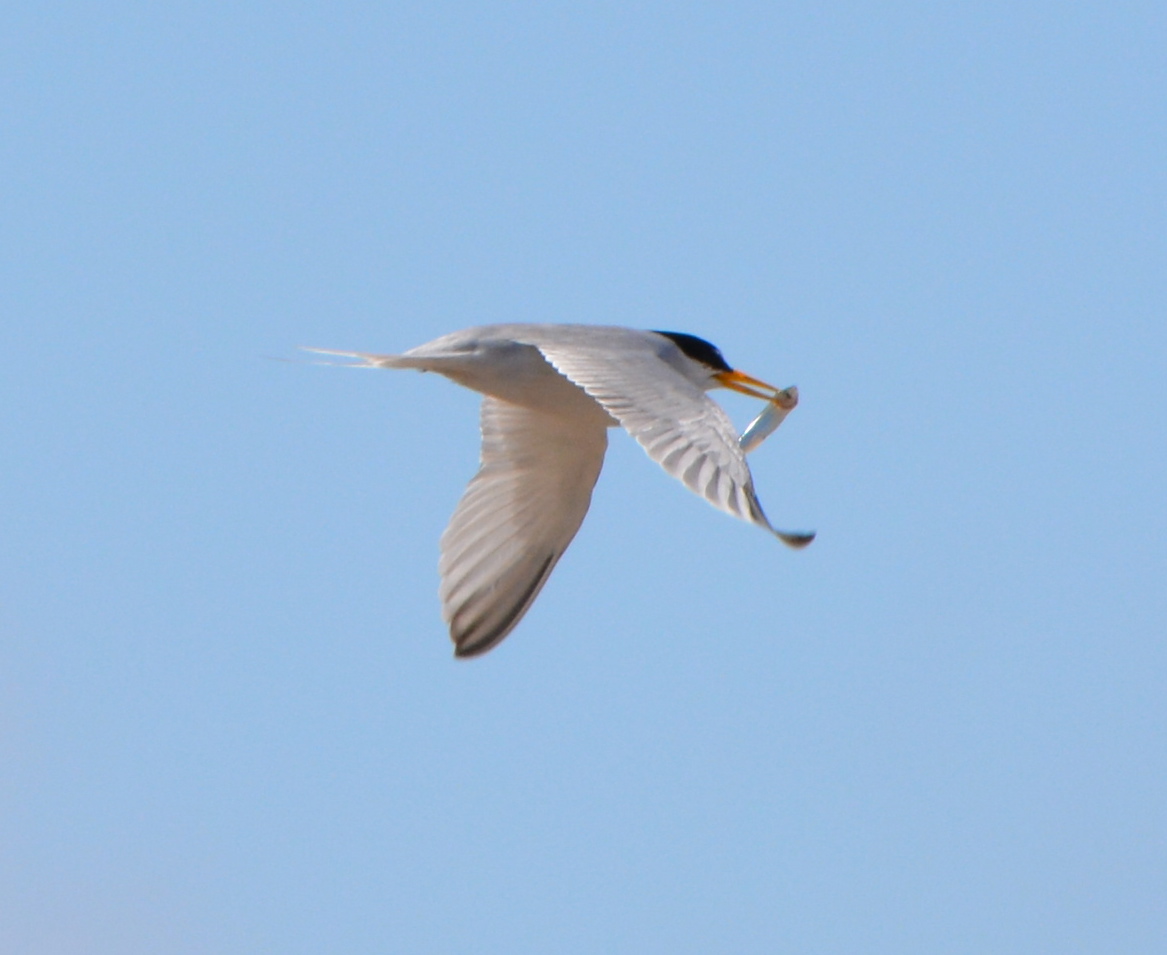
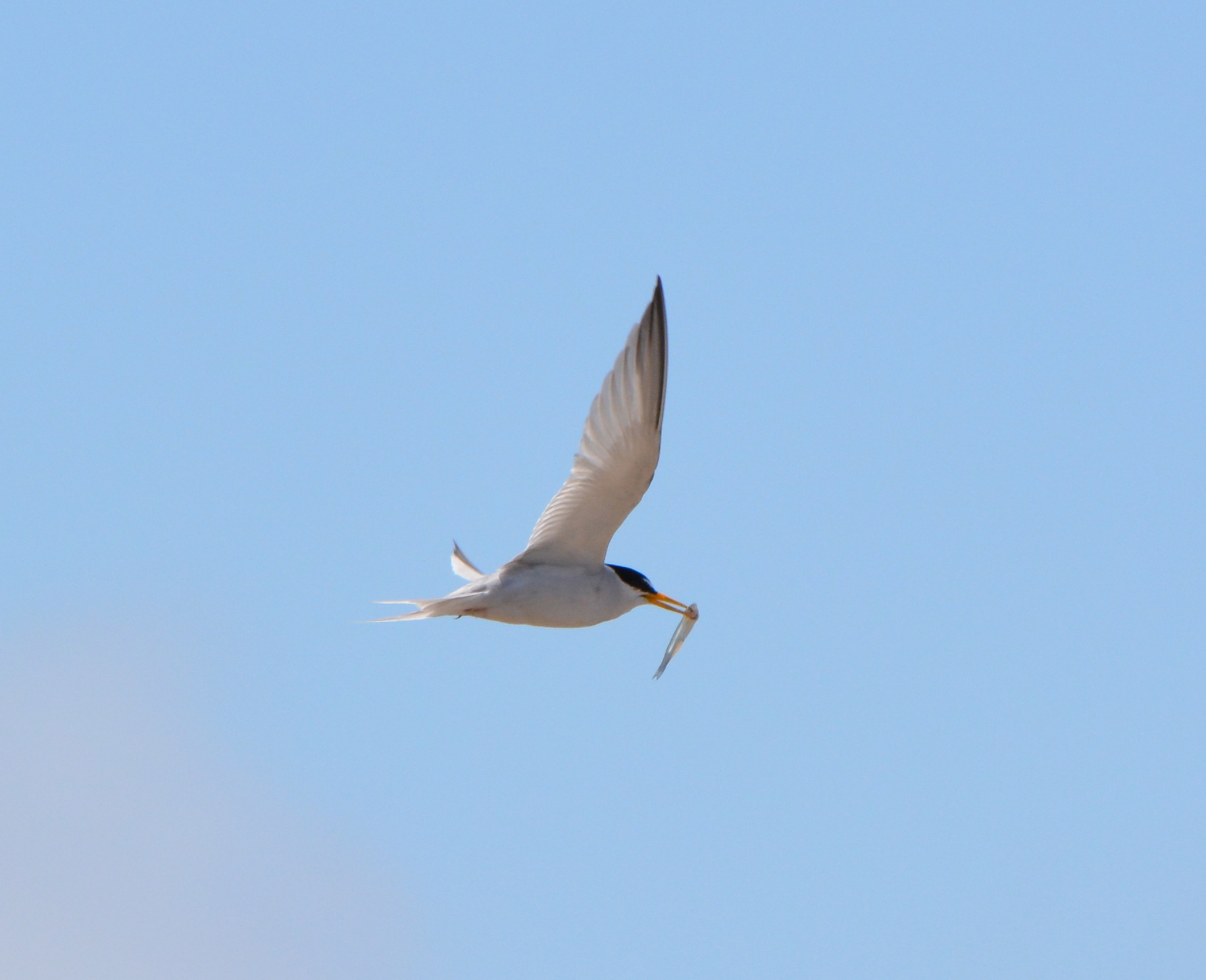
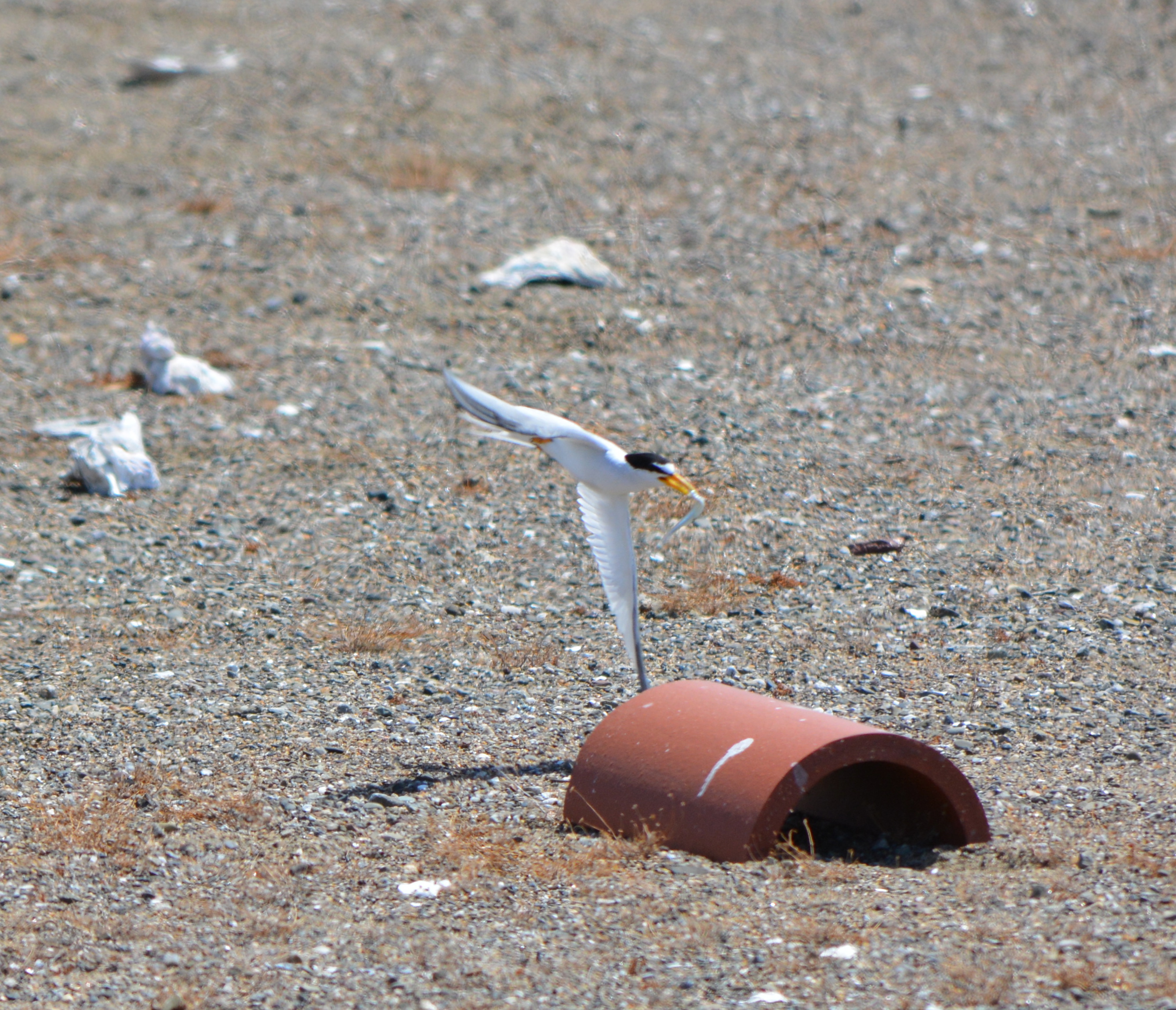
CA Least Tern with fish at Alameda Point
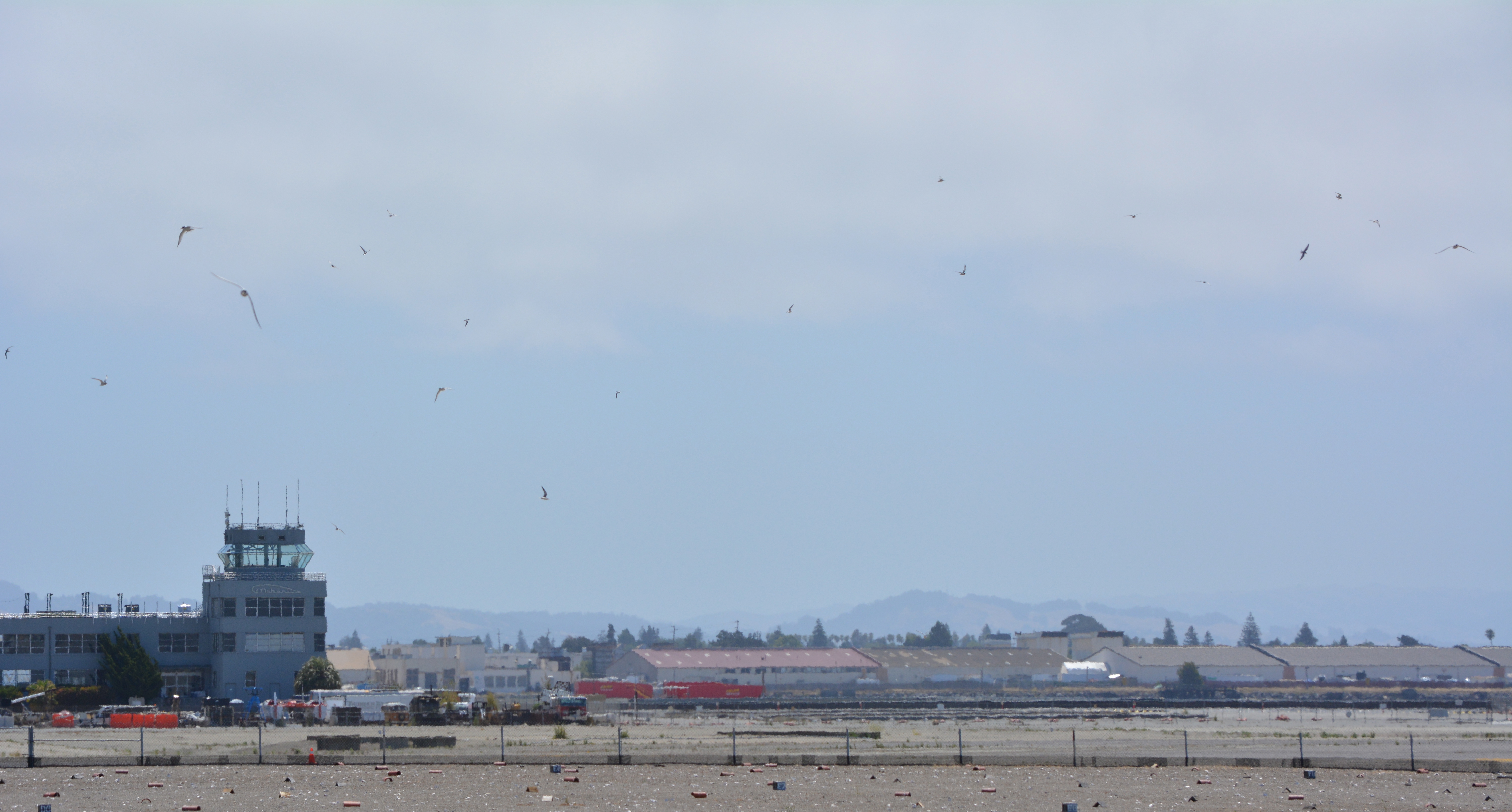
Least Tern colony at Alameda Point.  Control Tower in background.
Least Terns flying above the colony site at Alameda Point. Control Tower in background.

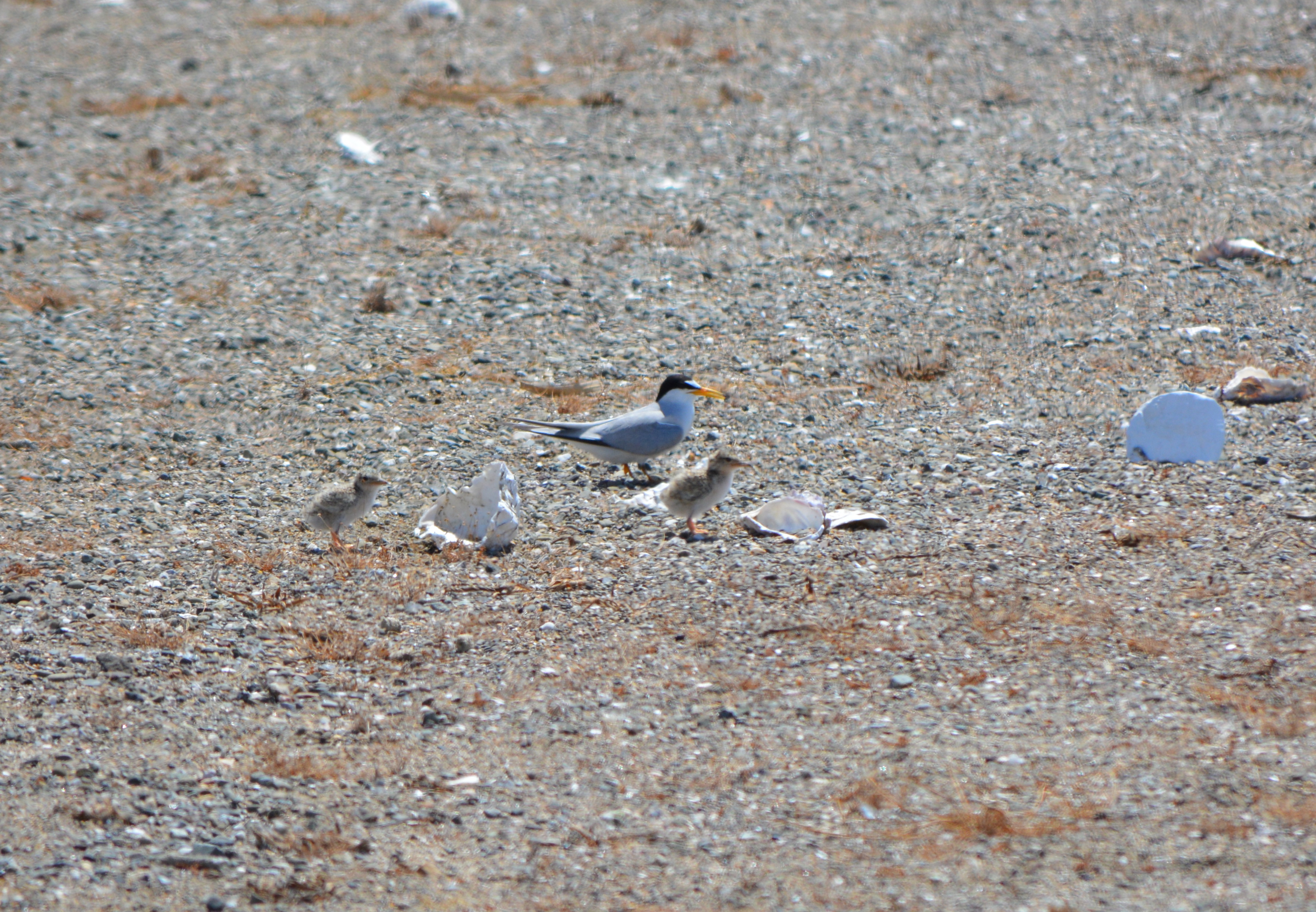
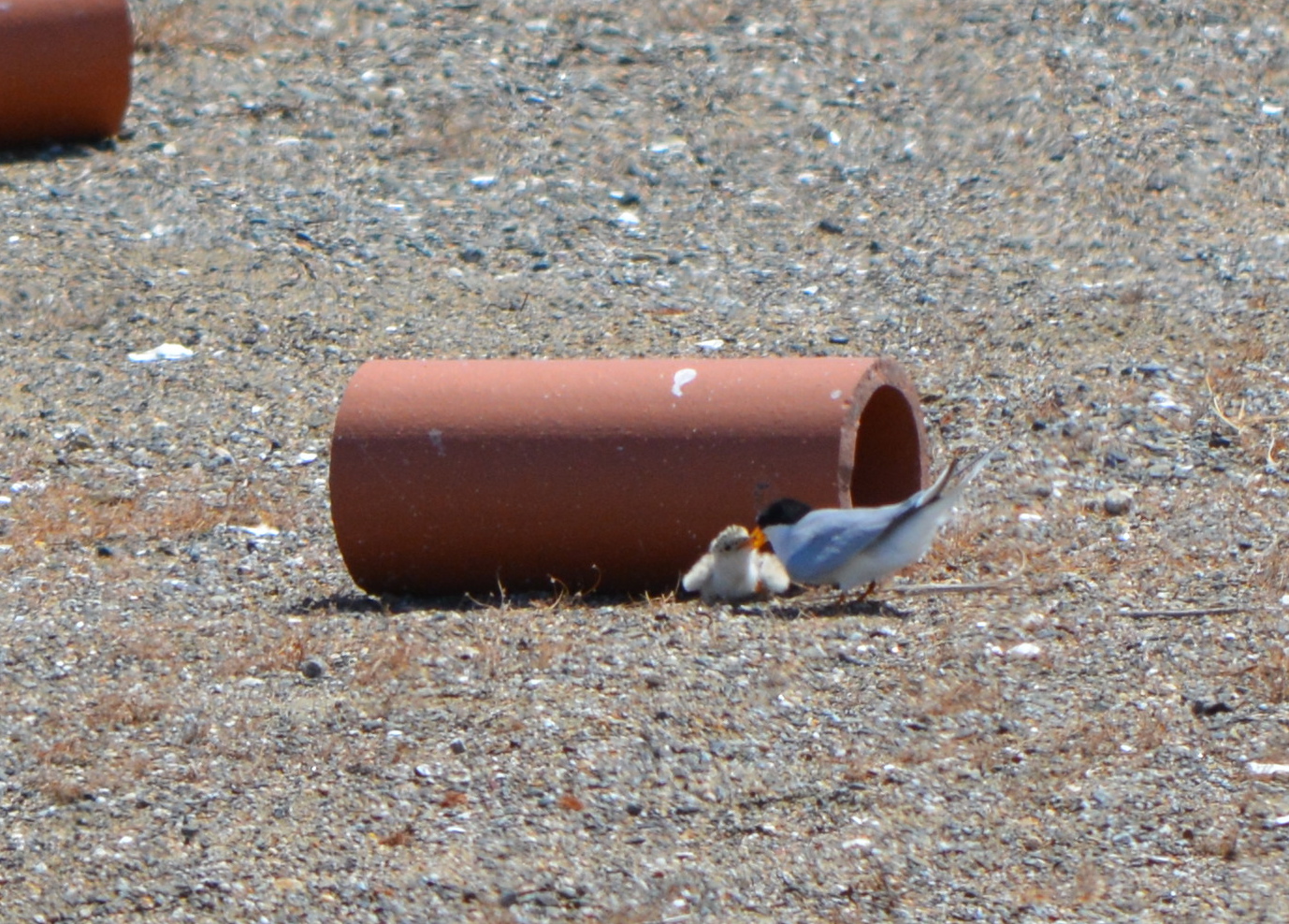
CA Least Tern with chick.  Alameda Point 2013.

CA Least Tern adult with chicks at Alameda Point.

CA Least Tern w/chick at Alameda Point 2013

CA Least Tern at Alameda Point with chick. 2013

CA Least Tern @ Alameda Point 2013

CA Least Tern bringing in fish at Alameda Point

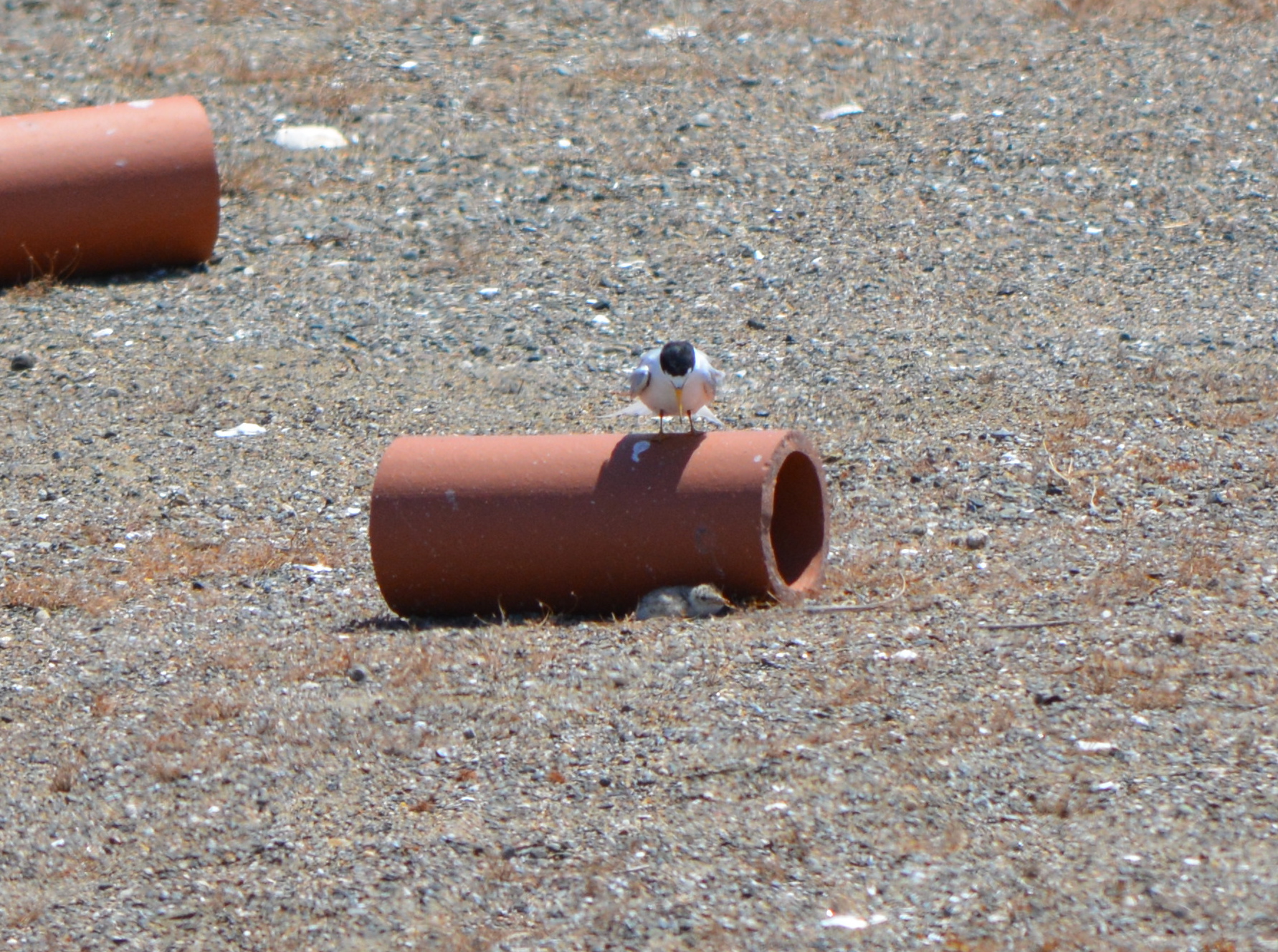
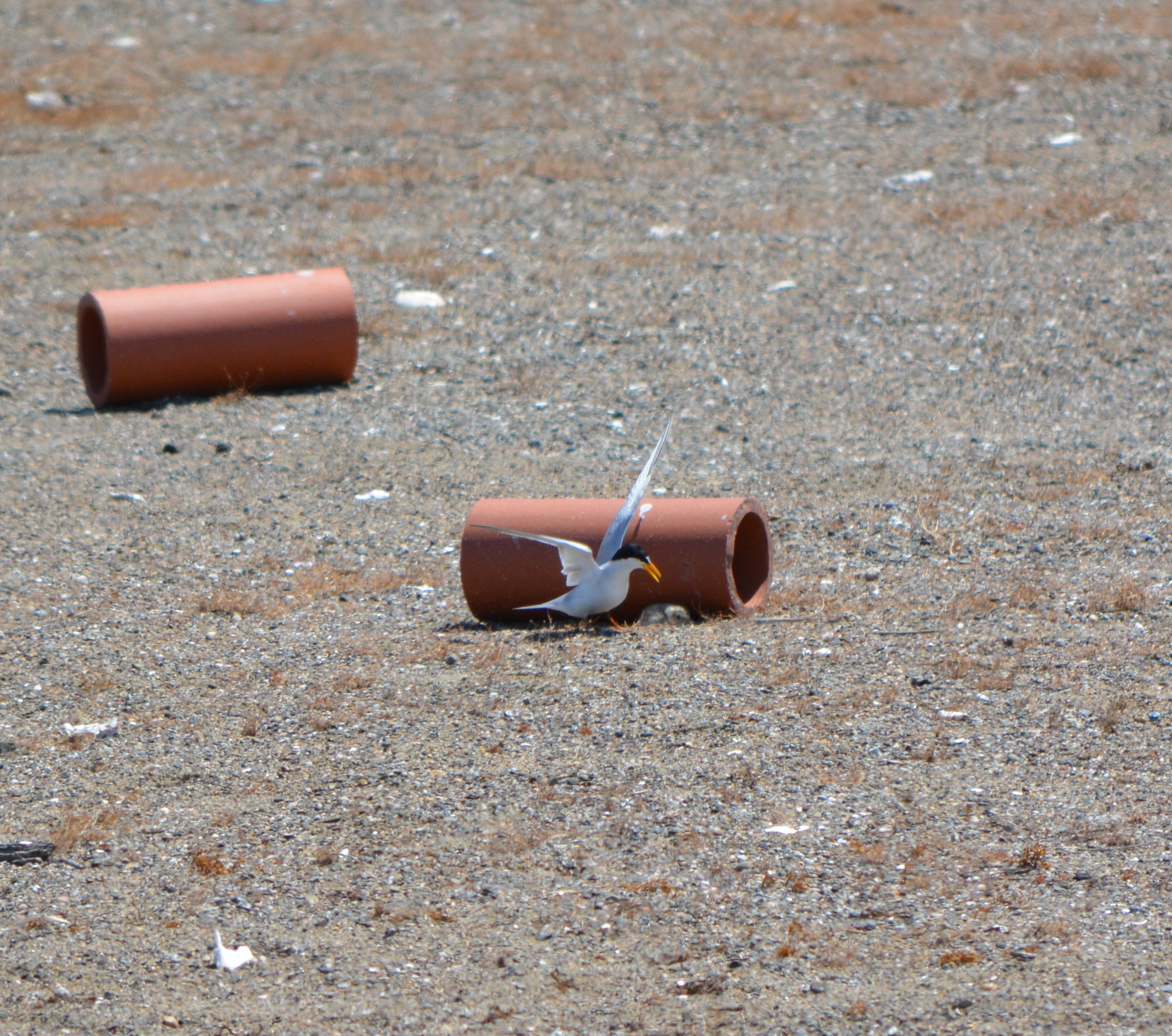
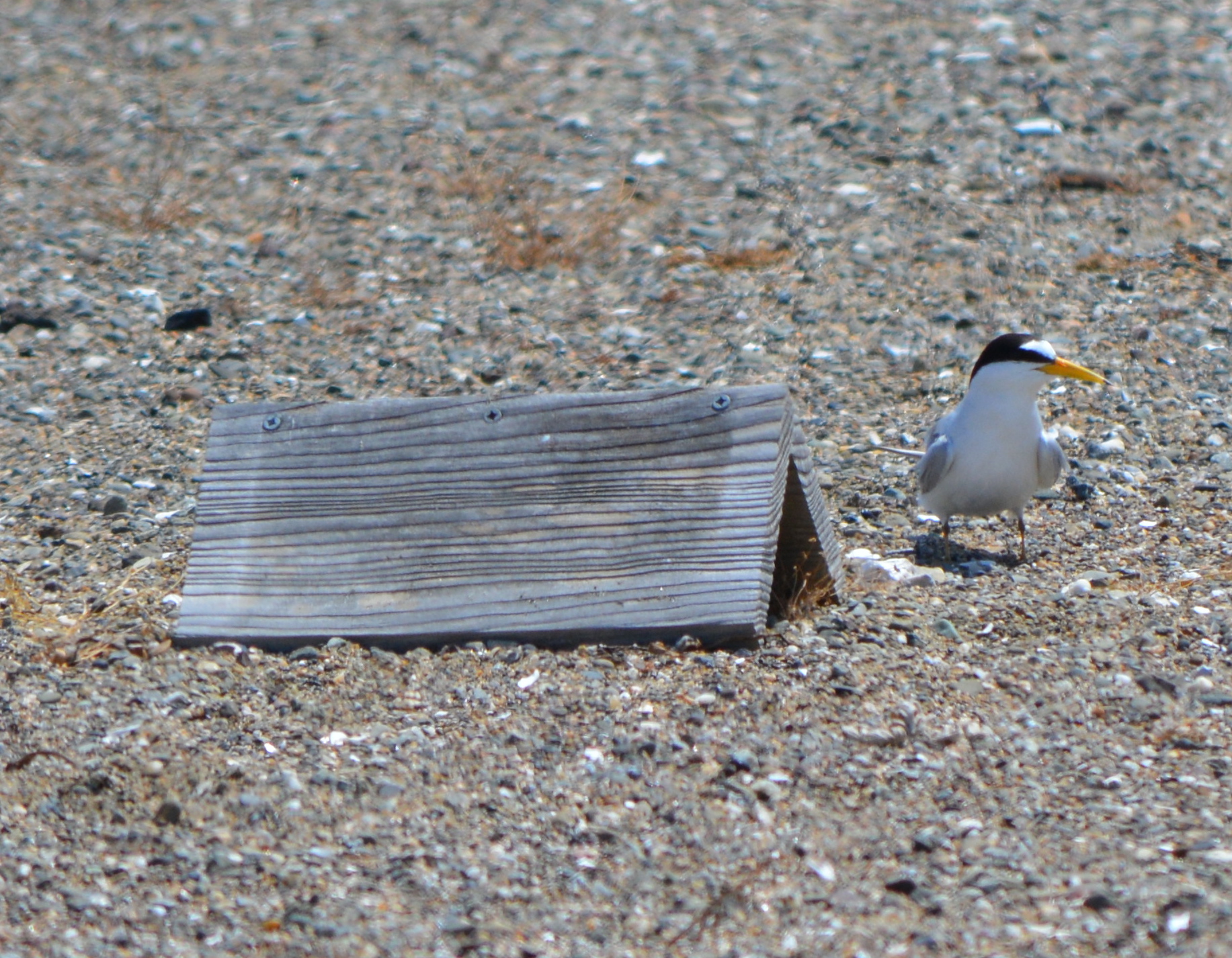
CA Least Tern next to shelter for chicks.

Landscaping the Navy’s underground waste disposal site

Thirty-five years after the Navy stopped disposing of toxic waste in unlined pits next to San Francisco Bay on Alameda Point’s southwest shoreline, the final actions to comply with state and federal laws are finally being implemented this year. 

Site 2 where industrial waste is buried.  Area up to the wetland will be covered with two feet of additional soil.
Site 2 where industrial waste is buried. Area up to the wetland will be covered with two feet of additional soil.

Decades of wrangling between the Navy and regulatory agencies over how to handle the West Beach Landfill, dubbed Site 2, were finally ironed out this spring.  The U.S. Environmental Protection Agency (EPA), the Regional Water Quality Control Board (Water Board), and the California Department of Toxic Substances Control (DTSC) have agreed to a plan that calls for leaving the estimated 1.6 million tons of industrial waste in place and adding more soil to the existing soil cover.  

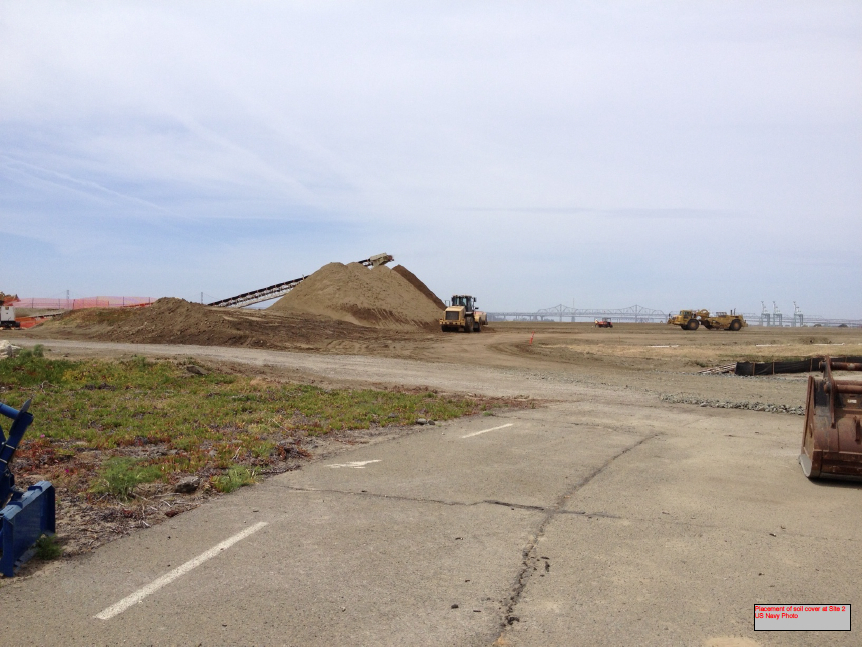
Placement of soil cover at Site 2 - May 2013.  US Navy Photo.
Placement of soil cover at Site 2 – May 2013. US Navy Photo.

The Navy began dumping waste in the area in 1952, four years before they surrounded the area with a seawall.  The dump was closed in 1978, but early efforts to comply with state environmental laws for landfill closure were not to the satisfaction of the Water Board.

In its May 2012 draft engineering work plan for the landfill, the Navy cited a decade of groundwater monitoring along the shoreline that proved the toxic chemicals of concern are not migrating toward the Bay.  Instead, the chemical concentrations are either stable or declining.  The contents have been sitting in water-saturated subsurface soil since the disposal program began 60 years ago. 

Radiological hotspots of debris and soil, including a small storage building, were removed after an earlier scan of Site 2.  Before the current two feet of clean soil is put in place, the soil will again be scanned down to a depth of one foot, and elevated concentrations will be removed.  Radium-226 paint waste was disposed of in the landfill.

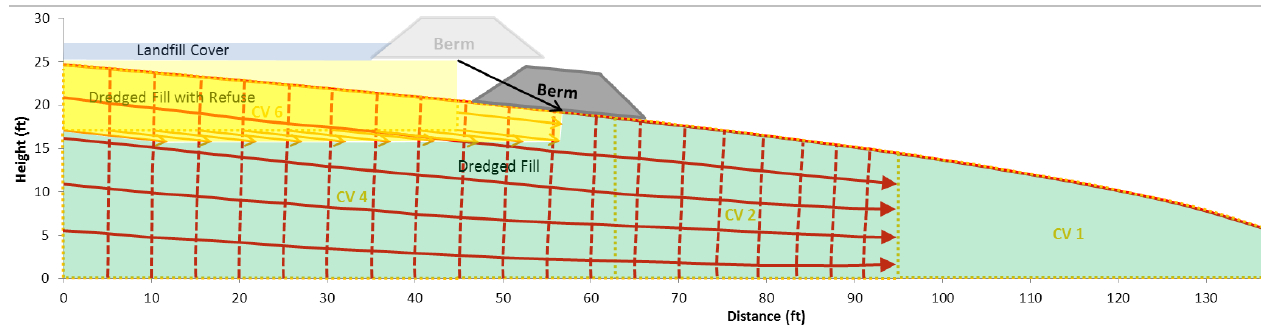
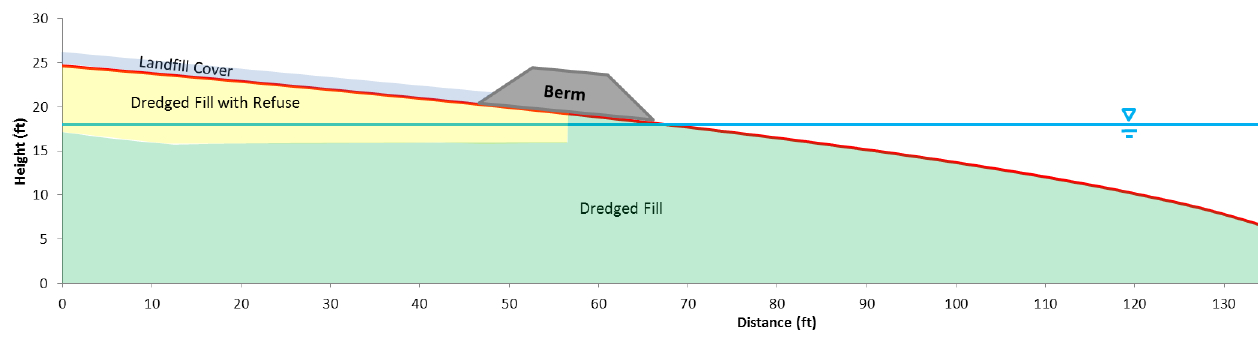
One of the major concerns about leaving this landfill in place is the consequence of a major earthquake.  The Navy responded to a comment from a DTSC engineer by acknowledging that in the event of a maximum credible earthquake, the riprap boulders forming the “seawall is conservatively assumed to be non-existent, instantaneously whisked away and replaced with a 25-foot vertical face of liquefiable sand subject to plastic flow without being constrained by a rigid shell (sea wall).”  The Navy’s earthquake model predicts that the earthen embankment above the seawall at the perimeter of the landfill, composed of clay and not sand, will glide into the Bay and “will not be overtopped by the waters of San Francisco Bay and freeboard of about 5 feet above mean sea level will remain, and so the refuse will remain isolated.”

Navy graphic showing predicted movement of embankment berm into San Francisco Bay during an earthquake.
Navy graphic showing predicted movement of embankment berm into San Francisco Bay during an earthquake. Click on image to enlarge.
Navy graphic depicting position of embankment berm at Bay shoreline a following catastrophic earthquake.
Navy graphic depicting position of embankment berm at Bay shoreline following a catastrophic earthquake. Click on image to enlarge.
Southwestern shoreline of Alameda Point at Site 2 landfill.  Rock/cement riprap seawall, with green embankment berm above.  Looking north toward Port of Oakland.
Southwestern shoreline of Alameda Point at Site 2 landfill. Rock/cement riprap seawall, with green embankment berm above. Looking north toward Port of Oakland.

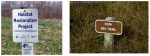
The Navy removed a perimeter security fence from their plans following objections from regulators and the public.  “Navy’s design and [Superfund] requirements for this project do not preclude future use of the site for limited public access or passive recreational purposes,” said the Navy.  Simple “Habitat Restoration Project” and “Stay on trail” signs were deemed adequate.

In an unusual move, the Navy offered the Restoration Advisory Board the opportunity to select the new vegetation that will anchor the 60 acres of clean soil.  In the fall of 2013, the Navy will seed the new soil with 13 native grasses, most of them flowering.  The Navy has permanently removed the 12-foot high embankment on the eastern, inland side of the landfill site, which will make the grassland visible from the mixed-use area.

The 30-acre wetland area on Site 2 was not contaminated, but will receive improvements to the quality of several acres.  The culvert connecting the wetland to San Francisco Bay will be regularly inspected and permanently protected.

Final Remedial Action Work Plan for Site 2 – Alameda Point – April 2013

Volunteers maintain tern nesting area at Alameda Point Nature Reserve

The endangered least terns have returned.  Committed volunteers prepare and maintain this unique site during the non-nesting season.  The public can see the fruits of their work on June 15.

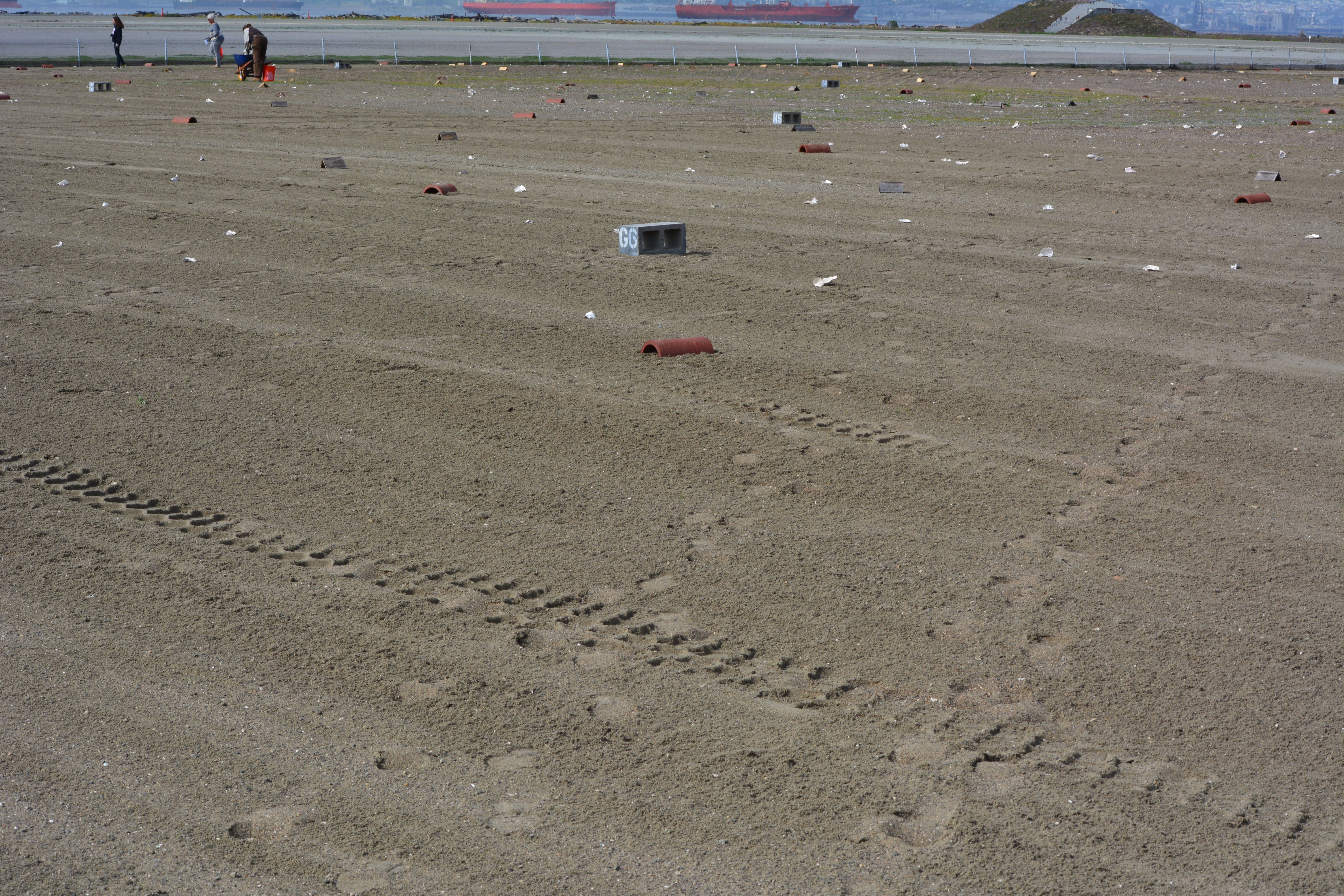
2013 maintenance work began on January 13th by clearing weeds from the outer perimeter of the nesting area.  The terns need a clear view of their surroundings to feel comfortable that predators are not lurking nearby.  Trimming vegetation near the nesting area is a high priority on work party checklists.

January work party
January work party

Volunteers were at the site again in February, March, and early April prior to the terns’ mid-April arrival.  Tasks included replacing deteriorated plastic mesh along the base of the fence around the nesting site.  The plastic mesh keeps chicks from wandering out through openings in the chain link fence.  The chain link fence is there to keep out predators, and to keep out rabbits that might easily trample eggs.

Replacing black mesh "chick fence."
Replacing black mesh “chick fence.”

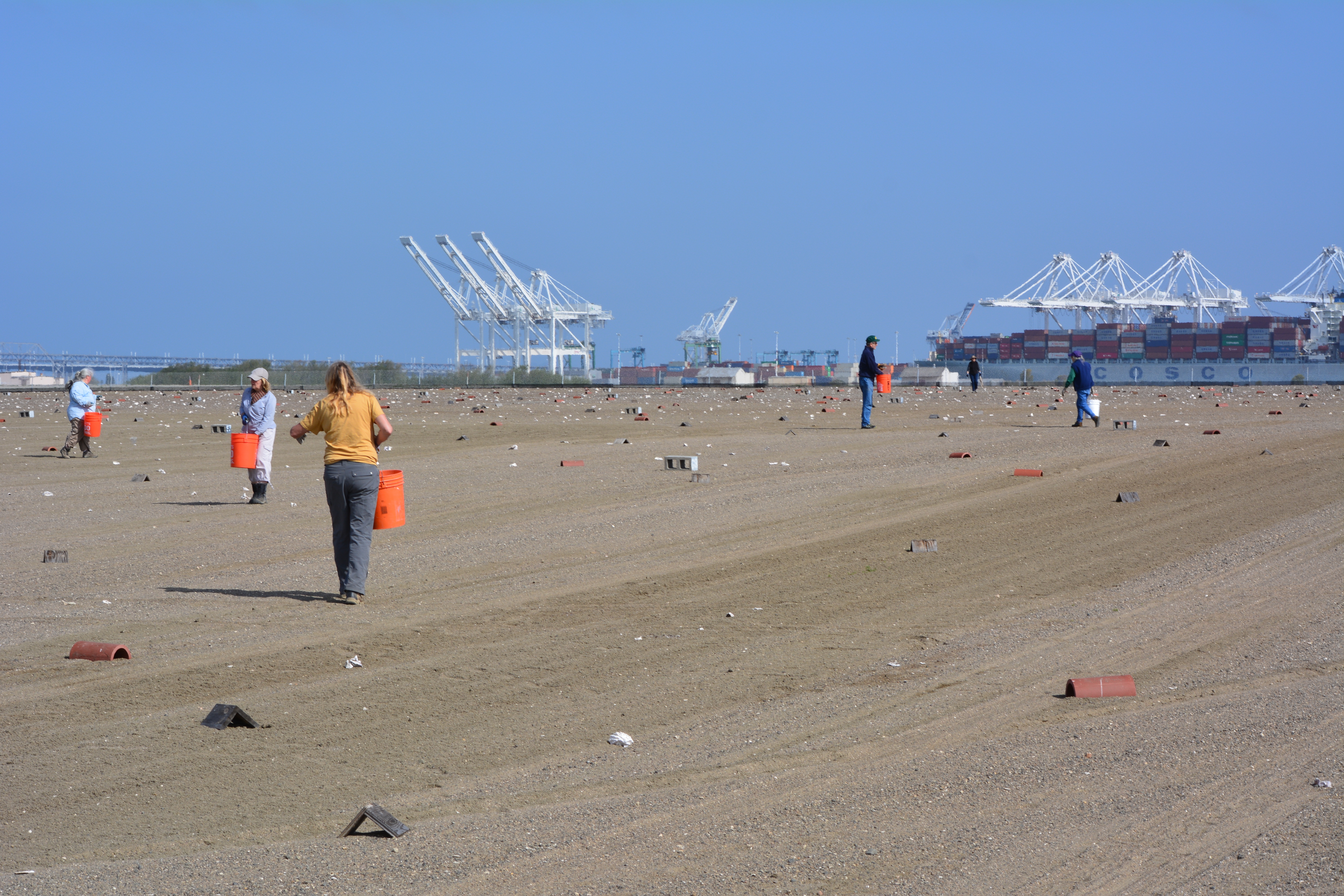
Another of set of tasks involves randomly placing wooden A-frames and half-round clay tiles that serve as shelters for the chicks from predators like hawks.  One of the senior volunteers has been working to help the terns since the base closed.  This year he brought 48 wooden chick shelters that he made at his home.  Another task is the distribution of oyster shells that make it harder for flying predators to distinguish where the chicks are located.

Going for another load of oyster shells to distribute on the nesting area.

The number of volunteers ranged from 12 to as many as 30 each month.  Among the volunteers this season were members of the Tau Beta Pi engineering fraternity at UC Berkeley, which has been sending volunteers for many years, and members of the Encinal High School Key Club.

Setting out the chick shelters.

Volunteers will return in September after the terns are gone.  They will gather up the A-frames, clay tiles, oyster shells, and the numbered plaster markers that the US Fish & Wildlife Service uses to keep track of nesting success.  Picking up the “tern furniture” allows for weed control and periodic grading of the sand and gravel.

During May, June, and July, another set of volunteers participate in the “Tern Watch Program.”  Volunteers are trained in recording observations as they watch from their vehicle near the nesting site.  A cinder block grid system helps in recording feeding activity, among other things.  If predators are threatening the colony, the volunteers alert the Fish & Wildlife Service in the office nearby.

Volunteer opportunities:

Return of the Terns tours

On June 15th, the general public gets an opportunity to observe the nesting activity of the terns during a bus tour to the site.  The tours leave from Crab Cove Visitor Center in Alameda.  Registration and a fee are required.  More info is on the Return of the Terns flyer.

Previous stories about the least terns:

Least terns depart – volunteers move in at Alameda Point refuge

Protecting the California Least Terns at the Alameda Point Wildlife Refuge

January – April 2013 Photo Gallery

Click on photos to enlarge and view slideshow