Alameda Point Sideshow Goes on Undeterred

Some call sideshow activity an abuse of machinery, a public safety risk, or bad for the environment.  Others find enjoyment.

On Sunday, January 28, hundreds of cars assembled at Alameda Point at the intersection of West Tower Avenue and Monarch Street (aka Spirits Alley) for a “car show.”  The atmosphere was similar to a tailgate party in anticipation of a sporting event, with vendors and people mingling about, talking to friends, and loud music playing. 

Continue reading “Alameda Point Sideshow Goes on Undeterred”
Harbor seal molting and mating behavior up close

Shedding and replacing fur coats

Every summer, and even into the fall, harbor seals go through a biological process known as molting, in which they shed their fur and grow a new layer to keep their fur healthy.  You can tell when they are molting by the patchy appearance of their fur.

Continue reading “Harbor seal molting and mating behavior up close”

Affordable housing construction begins by unearthing history

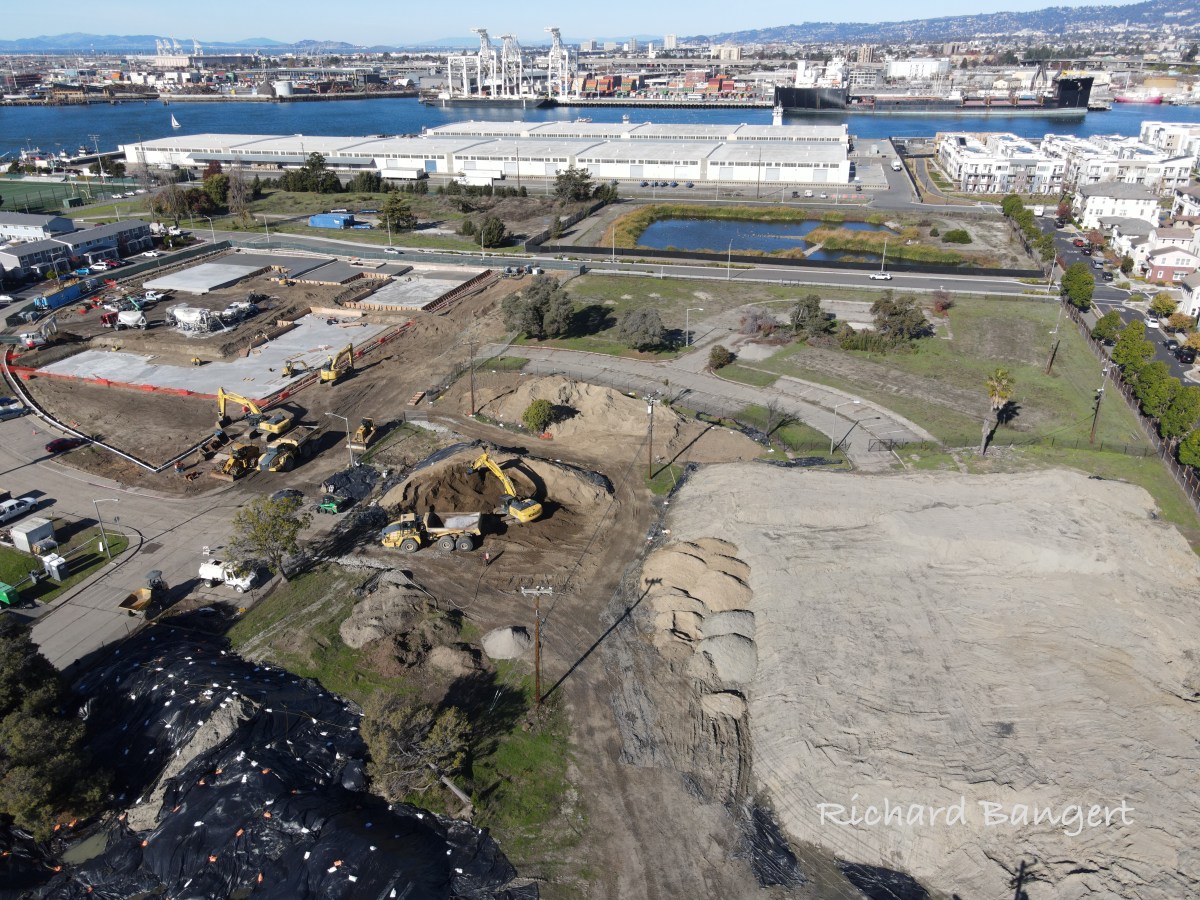
Heavy equipment arrived in early November at the corner of Lakehurst Circle and Mosley Avenue, two blocks away from Target, to begin construction of the first block of North Housing, a planned 12-acre affordable housing site owned by the City of Alameda Housing Authority. 

The massive 10.5-foot-thick concrete base of the building, though dramatic in scale and ready for earthquakes and groundwater rise, is only part of the story.  The excavation and exposure of 13 feet of soil layers is a reminder, both figuratively and literally, of the 200 years of social, political, and geographical events that directly influenced what is happening here today.             

This article highlights the history:

  • The days when the whole area was marshland;        
  • Industrialization that brought pollution;                
  • Filling in the marshland;                        
  • Navy ownership; and                        
  • National priorities and a social movement that laid the groundwork for today’s affordable housing plans.
Continue reading “Affordable housing construction begins by unearthing history”

Maximum tidal wetland design approved for De-Pave Park

Environmental groups are celebrating an historic decision on what is now destined to become a model for shoreline ecological adaptation around San Francisco Bay.

At issue was whether to keep Building 25, a 55-foot-tall hangar, as a source of lease revenue, or remove it to maximize natural habitat. 

On November 7th, ten years after the De-Pave Park concept was first introduced, the City Council approved moving forward with a plan to remove the building to make way for a park that will welcome sea level rise.  The term “de-pave” refers to the removal of paving.  The paving will be recycled on site to provide the elevated observation overlook and the elevated entrance.  The decision was the latest step in the process of developing a Master Plan that will provide the foundation for receiving a multitude of regulatory permits and construction grant funds. 

Continue reading “Maximum tidal wetland design approved for De-Pave Park”

Bogus recycled water signs at Alameda Landing

The extensive landscaping at the recently-completed Bohol Circle Immigrant Park and the Pulte Homes condominiums at Alameda Landing is a beautiful sight to behold.  And hats off to the city and Pulte Homes for installing recycled water pipes during construction. 

The only thing wrong with the landscaping are the signs that say that the plants are irrigated with recycled water from East Bay Municipal Utility District (EBMUD).  This is not true, according to EDMUD Public Information Representative Christopher Tritto.

Continue reading “Bogus recycled water signs at Alameda Landing”

Pesticide drone manufacturing OK’d on State Tidelands

On September 5th, by a vote of four to one, the City Council approved an eight-year lease of an Alameda Point hangar to an autonomous electric aircraft manufacturing company called Pyka Inc.  Their planes are designed for spraying pesticides on agricultural land.  While the company hopes to one day be selling autonomous planes for cargo delivery, the bulk of the discussion at the meeting centered on environmental concerns raised by residents about industrial-scale aerial spraying of petroleum-based pesticides.

Continue reading “Pesticide drone manufacturing OK’d on State Tidelands”

Pesticide drone company is a bad fit for Alameda Point

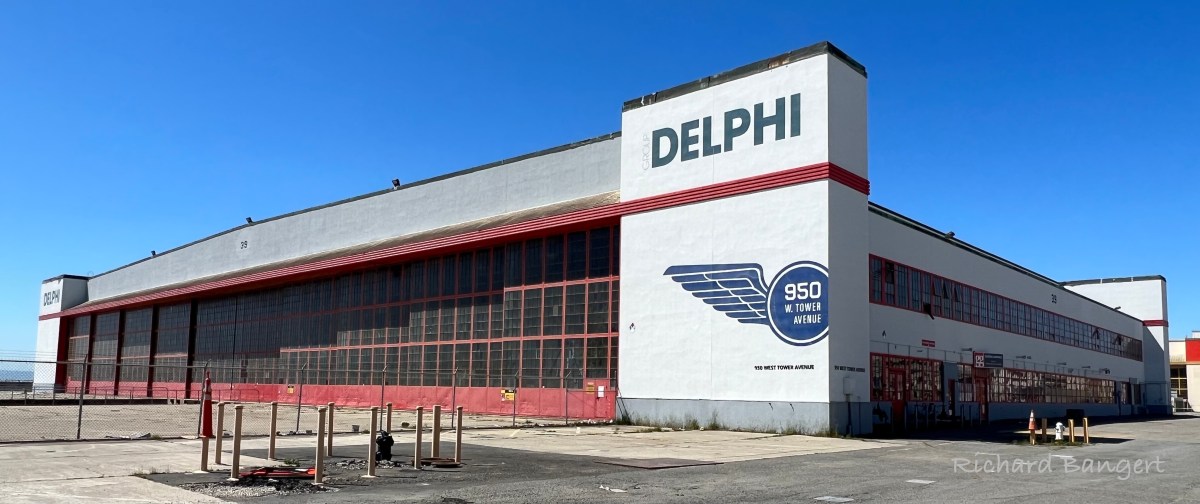
At its September 5 meeting, the City Council will consider whether to lease a hangar at 950 West Tower Avenue at Alameda Point to a company that makes autonomous aircraft for spraying pesticides on agricultural crops.  The lease proposal can be rejected on the grounds that the use of synthetic pesticides is completely at odds with principles of environmental sustainability. 

Continue reading “Pesticide drone company is a bad fit for Alameda Point”