Ospreys’ nesting effort draws competition atop maritime ship

The ospreys returned to Alameda Point again in 2013 to nest, but not at their previous nesting site on the old light stand at the entrance to the Seaplane Lagoon.  This year they settled atop one of the towering kingposts holding a cable and boom hoist on the maritime ship Admiral William Callaghan.  Unfortunately, a third osprey interfered with the nesting pair.
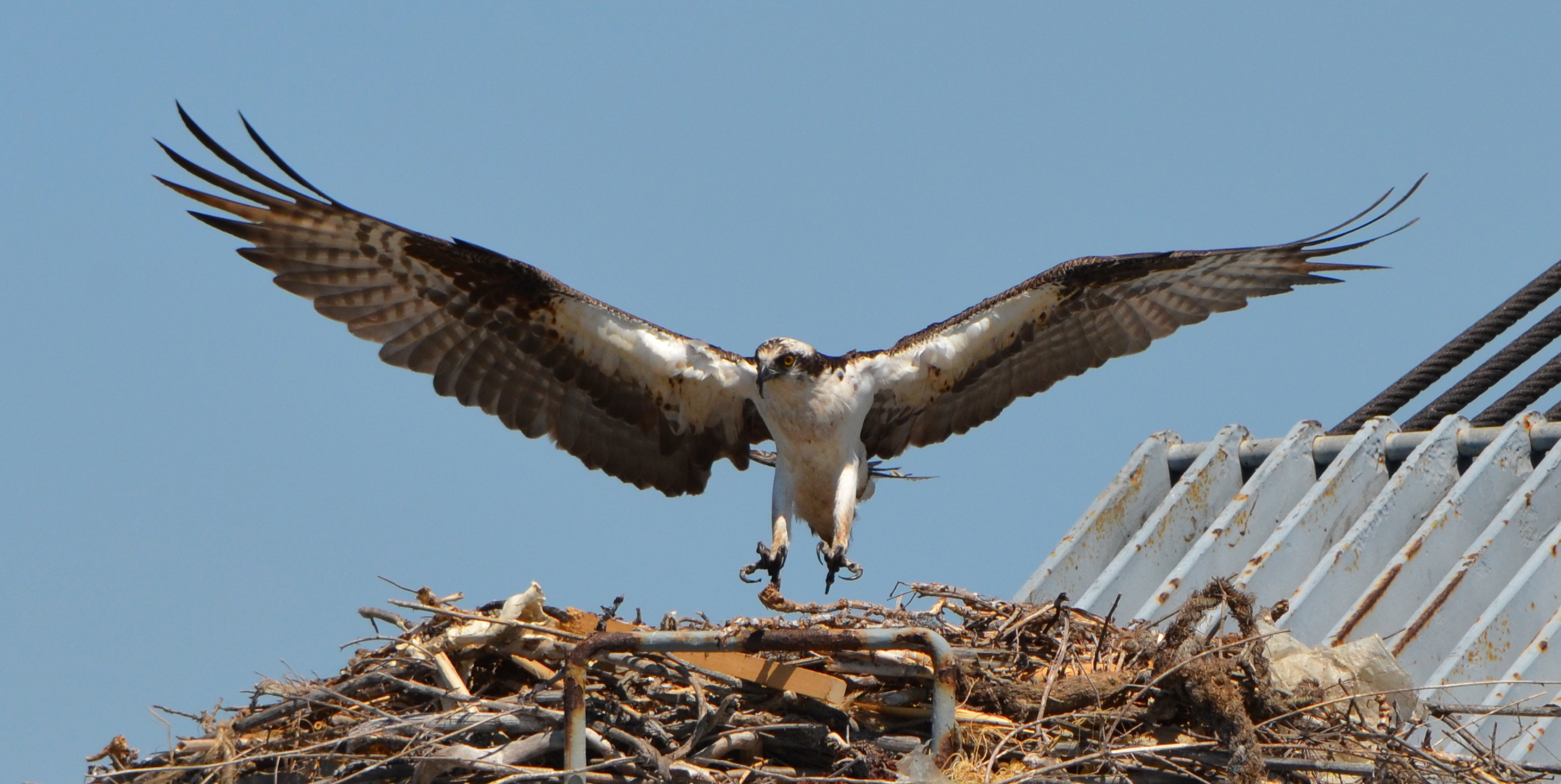
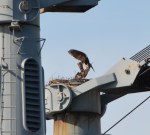
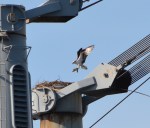
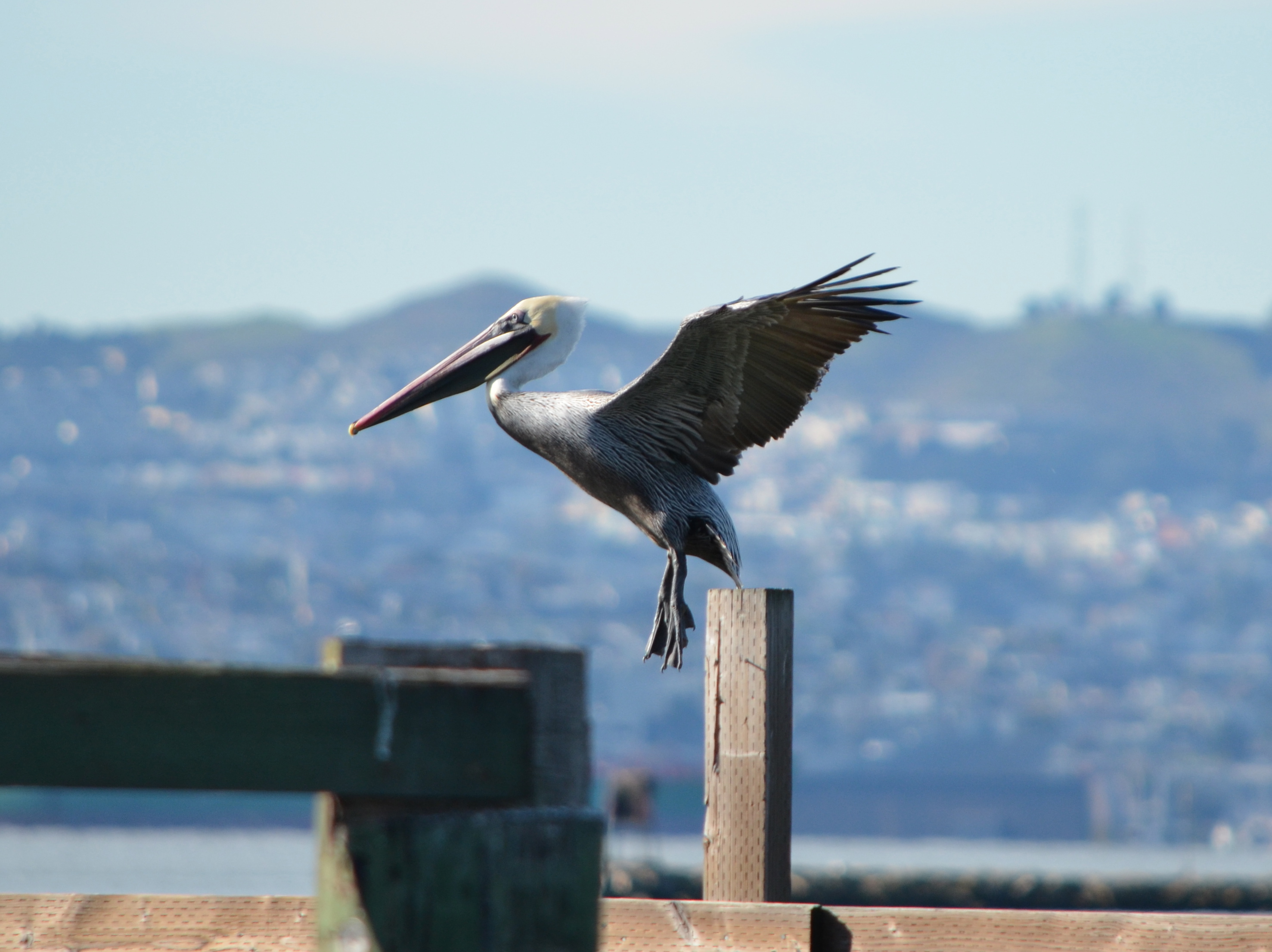
Osprey landing on the kingpost nest on the maritime ship Admiral Callaghan docked at Alameda Point - May 2013.
Osprey landing on the kingpost nest on the maritime ship Admiral Callaghan docked at Alameda Point – May 2013.

As the month of March came in, Alameda wildlife biologist and birdwatcher Leora Feeney began checking to see if the ospreys had returned to their Seaplane Lagoon nest.  While scoping out the surrounding area with her binoculars, Feeney spotted a returning osprey on one of the maritime ready reserve ships docked at Alameda Point.  As the weeks went by, she noted that nest building and fishing were the order of business for the osprey pair on their new shipboard nest.

Osprey bringing in nest material for the Callaghan kingpost nest - 2013.
Osprey bringing in nest material for the Callaghan kingpost nest, with mate in nest – 2013.

On April 4, Feeney recorded in her osprey log that the female had settled deep into the nest as if incubating at least one egg.  But a third osprey spotted two weeks earlier now became trouble, with the nesting male osprey seen escorting the interloper away.

“Incubation seemed the order of business during April, but on May 5th no birds were seen at the nest,” said Feeney.  “This was not a good sign.”  During following observations by Feeney, it became clear that another female osprey was visiting the pair often.  “The pair tried to discourage her by flying around her and escorting her away,” said Feeney.  But in doing so, the effort would leave the nest briefly unattended and vulnerable to the ever-present gulls looking to steal fish scraps or even an egg or a chick. 

The maritime ready reserve ship Admiral William Callaghan stationed at Alameda Point.  Arrow indicates nest location.  Viewed from Pier 3 next to USS Hornet.
The maritime ready reserve ship Admiral William Callaghan stationed at Alameda Point. Arrow indicates nest location. Viewed from Pier 3 next to USS Hornet.

“The female interloper, however, was persistent.  She appeared dirty, maybe oiled,” said Feeney.  “And it became questionable if the nest had eggs or chicks.  We were no longer seeing brooding,” said Feeney.

On May 20, the captain of the Callaghan generously agreed to allow a few interested parties to climb up to the bridge and higher to look down into the nest to gather more information.  No eggs or chicks were seen.  “But it didn’t help much to understand this year’s osprey story,” said Feeney.  “A strong theory is that the interloper disturbed the nesting pair more often than my brief visits detected,” she said.  “The other ‘woman’ may have allowed enough distraction for the active nest to be pirated by gulls.” 

It was hoped that a second nesting attempt might occur, but it didn’t.  “There is always concern about adequate food availability and sufficient experience when birds nest,” said Feeney.  “And now we see competition is part of the game.” 

No one can say for sure what caused the failure.  “It is interesting, however,” said Feeney, “that two ospreys were still seen standing at both the 2012 nesting site that fledged one healthy big osprey and the 2013 ship nesting site as recently as August 23.”  “This site tenacity gives us hope that they will return in 2014.”
Video of osprey attempting to mate again after earlier nesting effort was disrupted by a second female.


This story also appeared in the Alameda Sun.
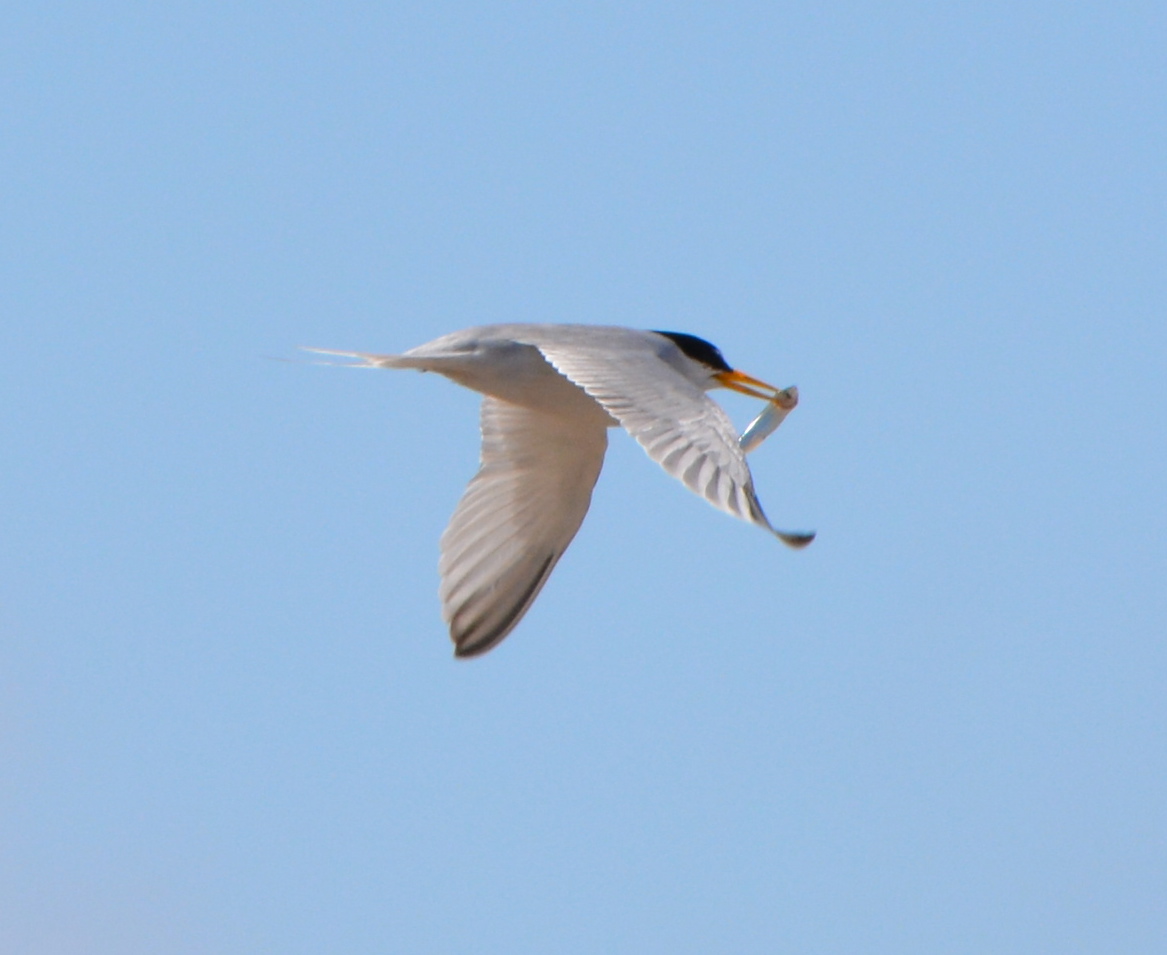
Least Terns thriving this year at Alameda Point

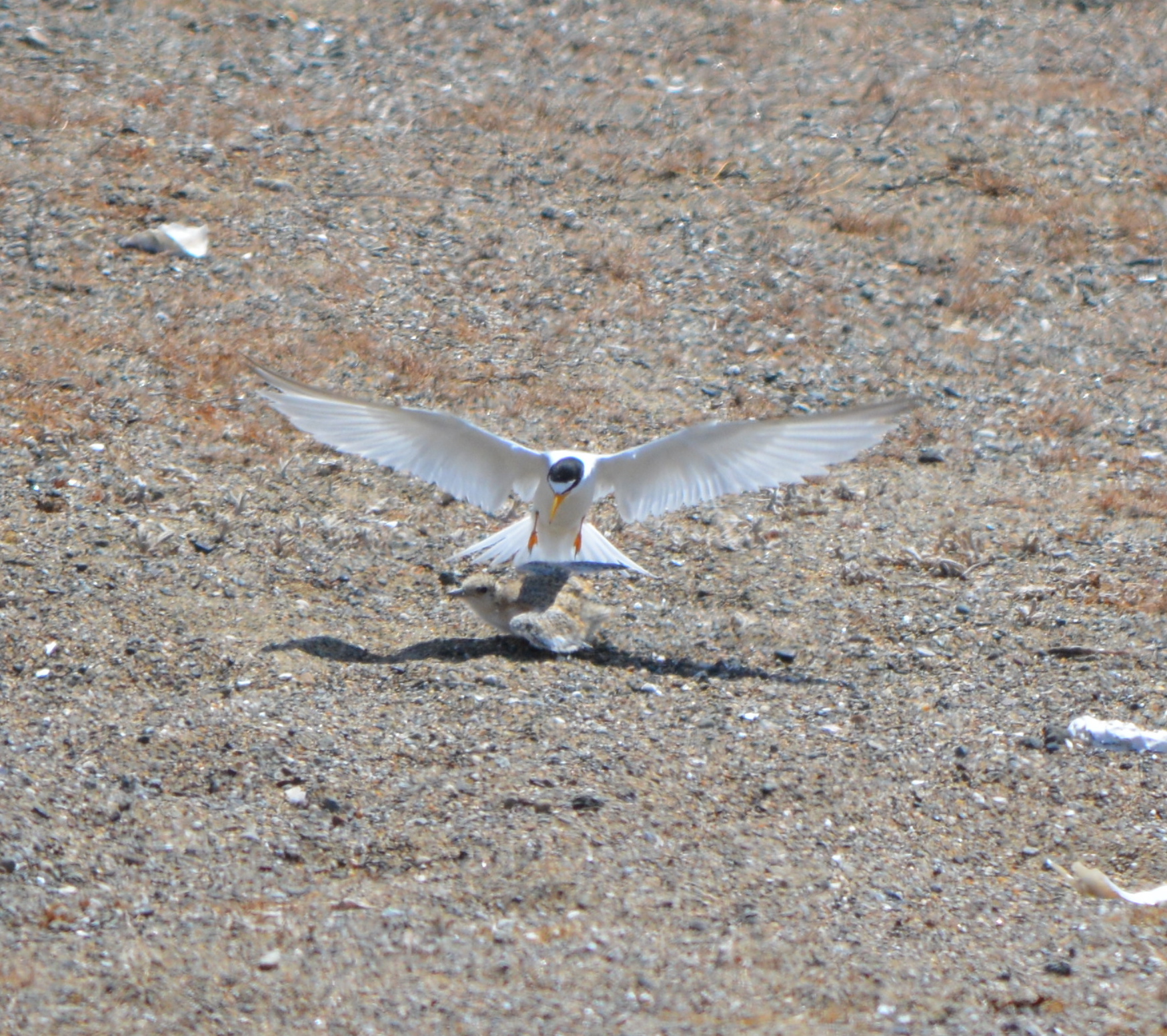
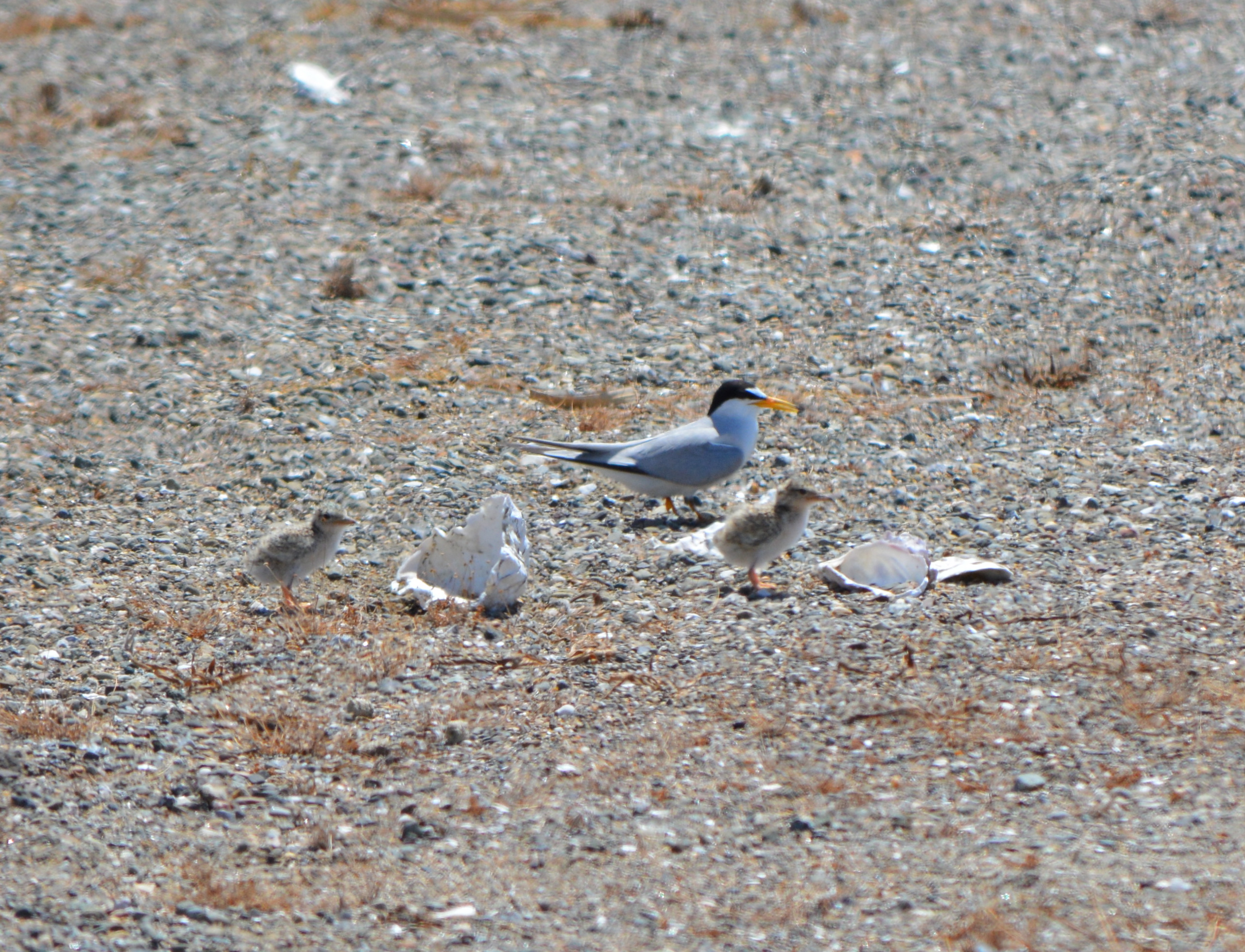
Three busloads of visitors to the nesting area were treated to a great show on the annual “Return of the Terns” day, June 15.  The nesting area is on the Nature Reserve, located on the airfield of the former naval air station.  Adult terns could be seen busily bringing small fish to their young, and doting on the young chicks as they scampered around the sandy colony.  The cool temperatures of the day made it less stressful for the young birds. 
The adults will continue bringing fish to their young and watching over them until they’re ready to fly south in early August.  It looks like it will turn out to be a very good year for Alameda’s least tern colony, the largest in Northern California.  Another tern colony is on the Hayward shoreline.  The California Least Tern is an endangered species.  The colony at Alameda Point is managed by the U.S. Fish & Wildlife Service.

CA Least Tern @ Alameda Point - June 15, 2013
CA Least Tern @ Alameda Point – June 15, 2013
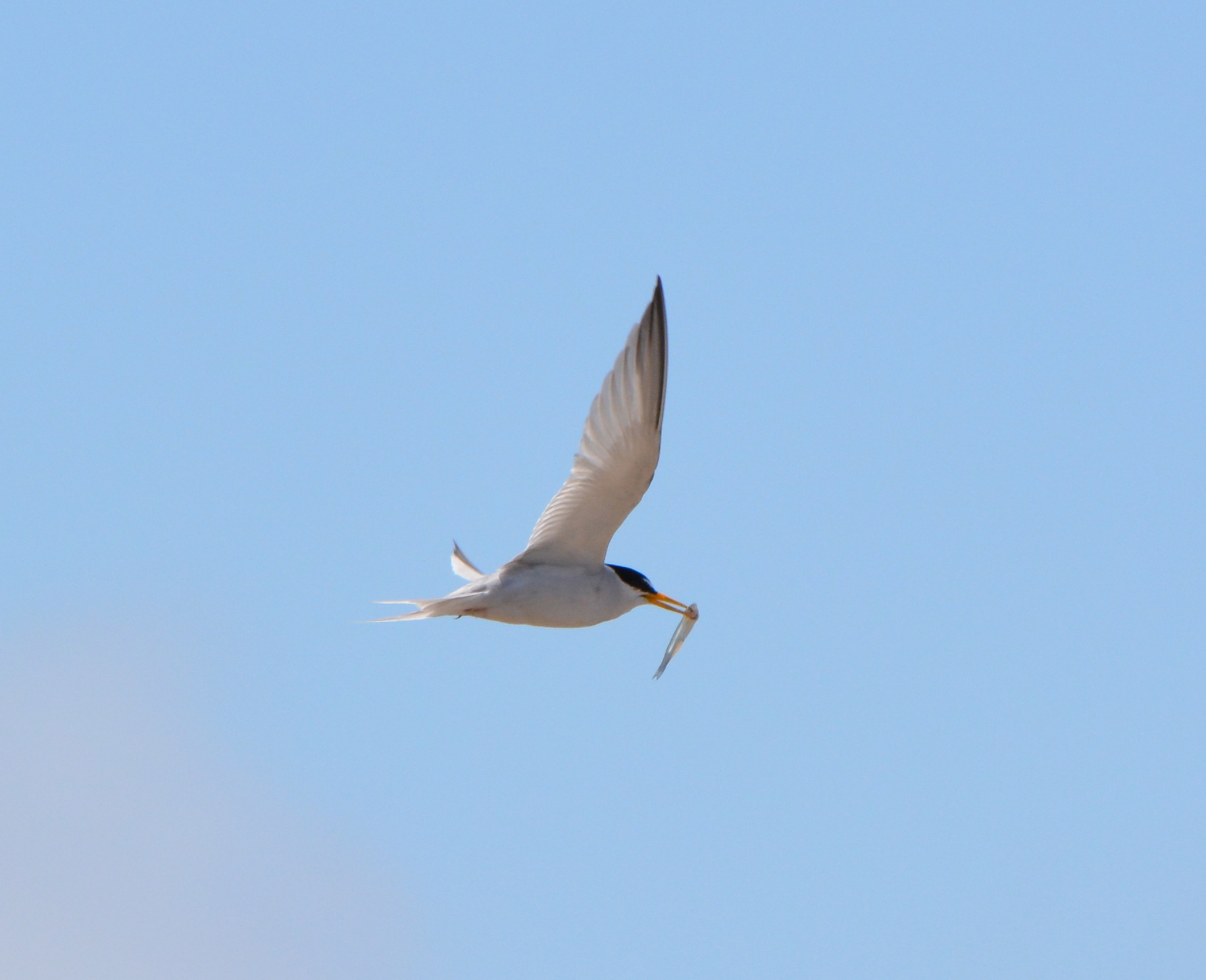
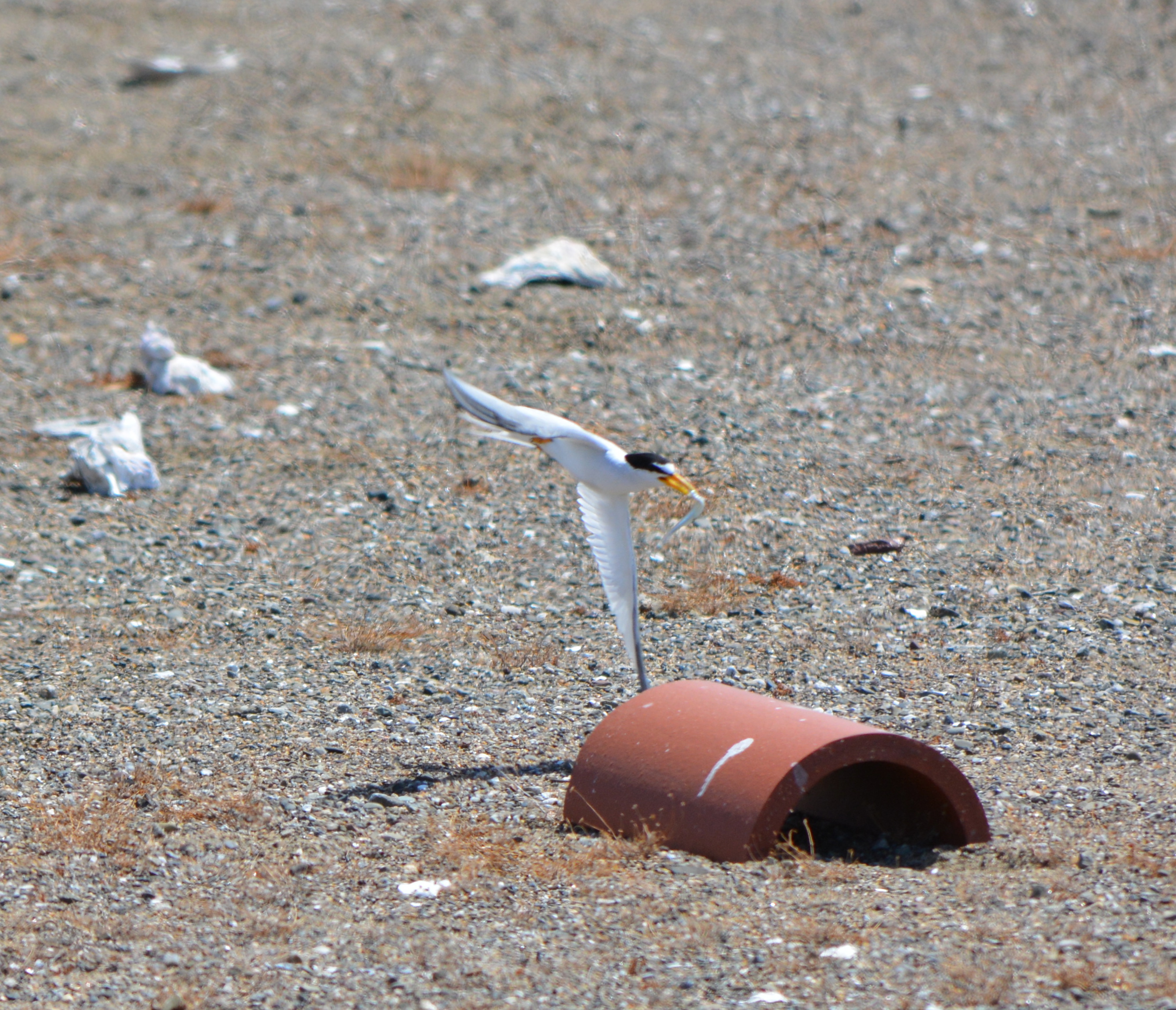
CA Least Tern with fish at Alameda Point
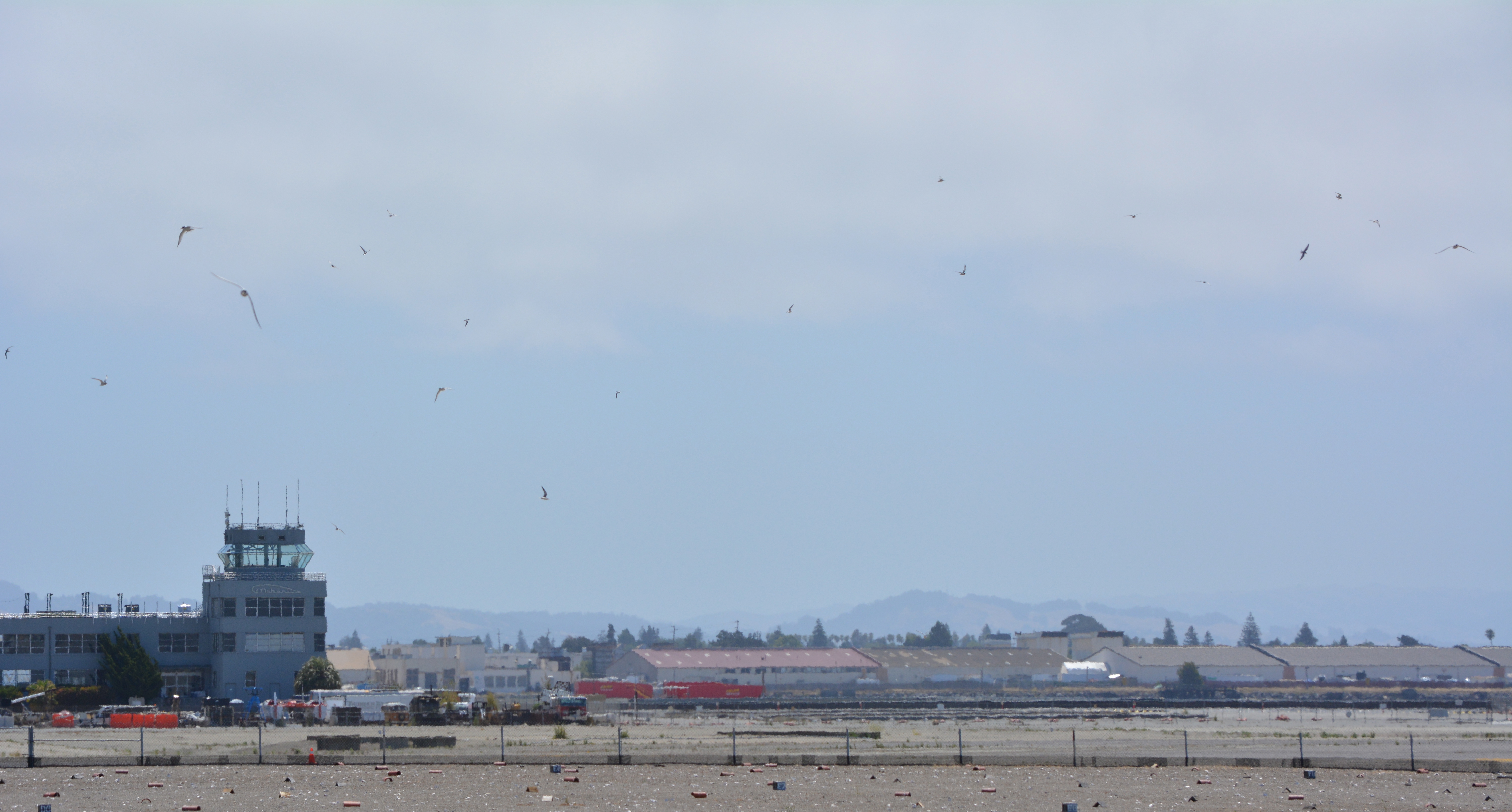
Least Tern colony at Alameda Point.  Control Tower in background.
Least Terns flying above the colony site at Alameda Point. Control Tower in background.

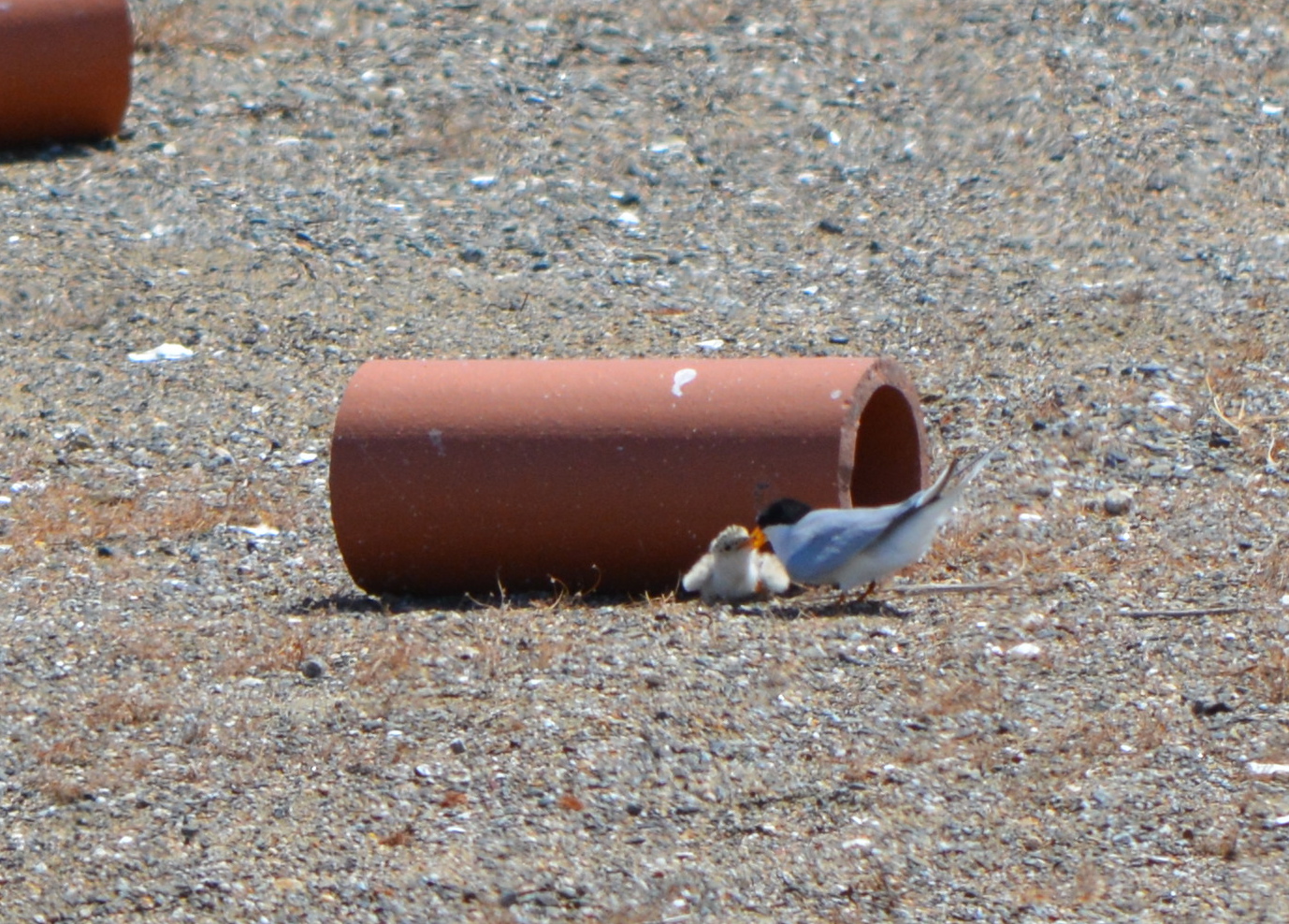
CA Least Tern with chick.  Alameda Point 2013.

CA Least Tern adult with chicks at Alameda Point.

CA Least Tern w/chick at Alameda Point 2013

CA Least Tern at Alameda Point with chick. 2013

CA Least Tern @ Alameda Point 2013

CA Least Tern bringing in fish at Alameda Point

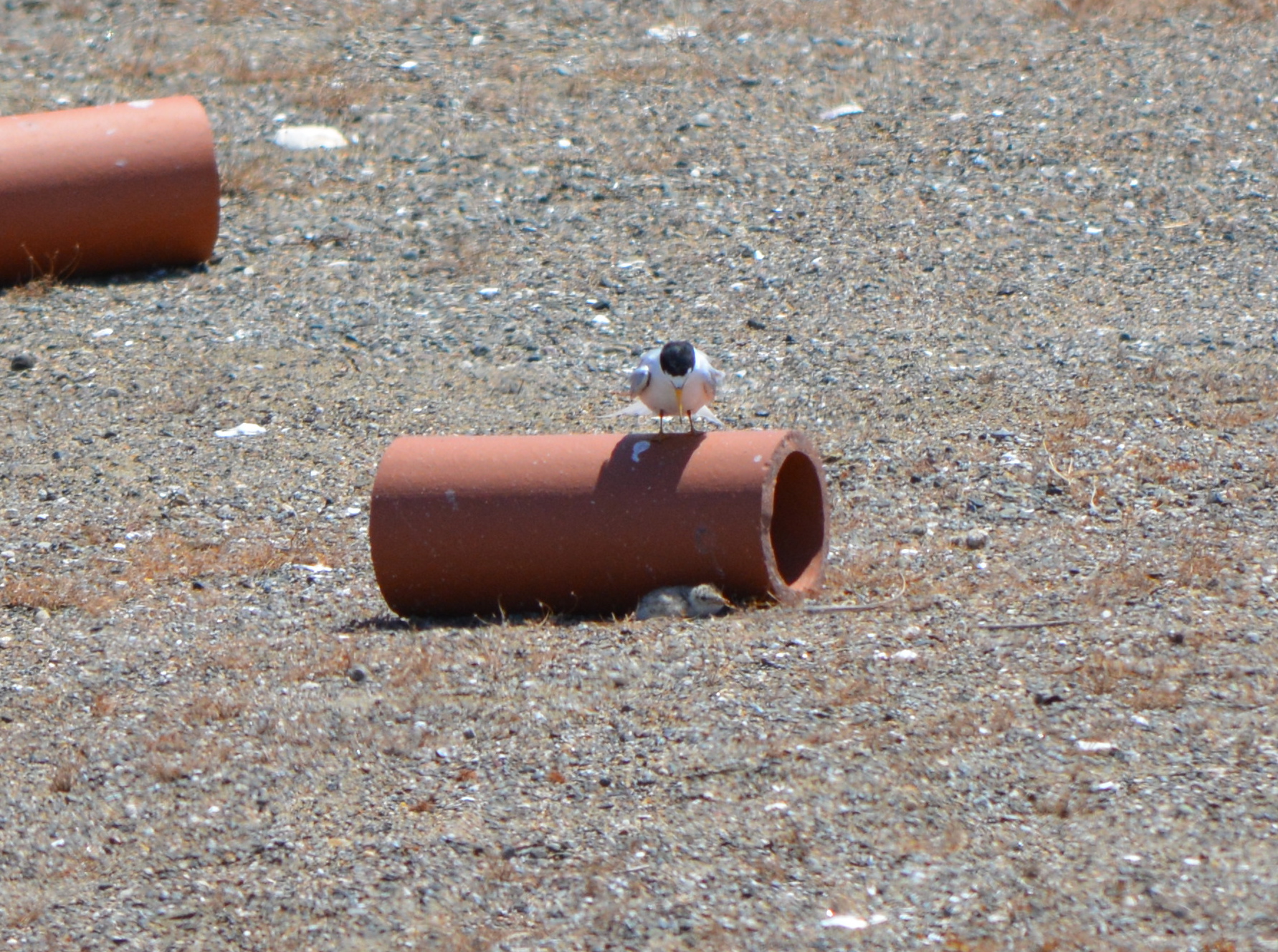
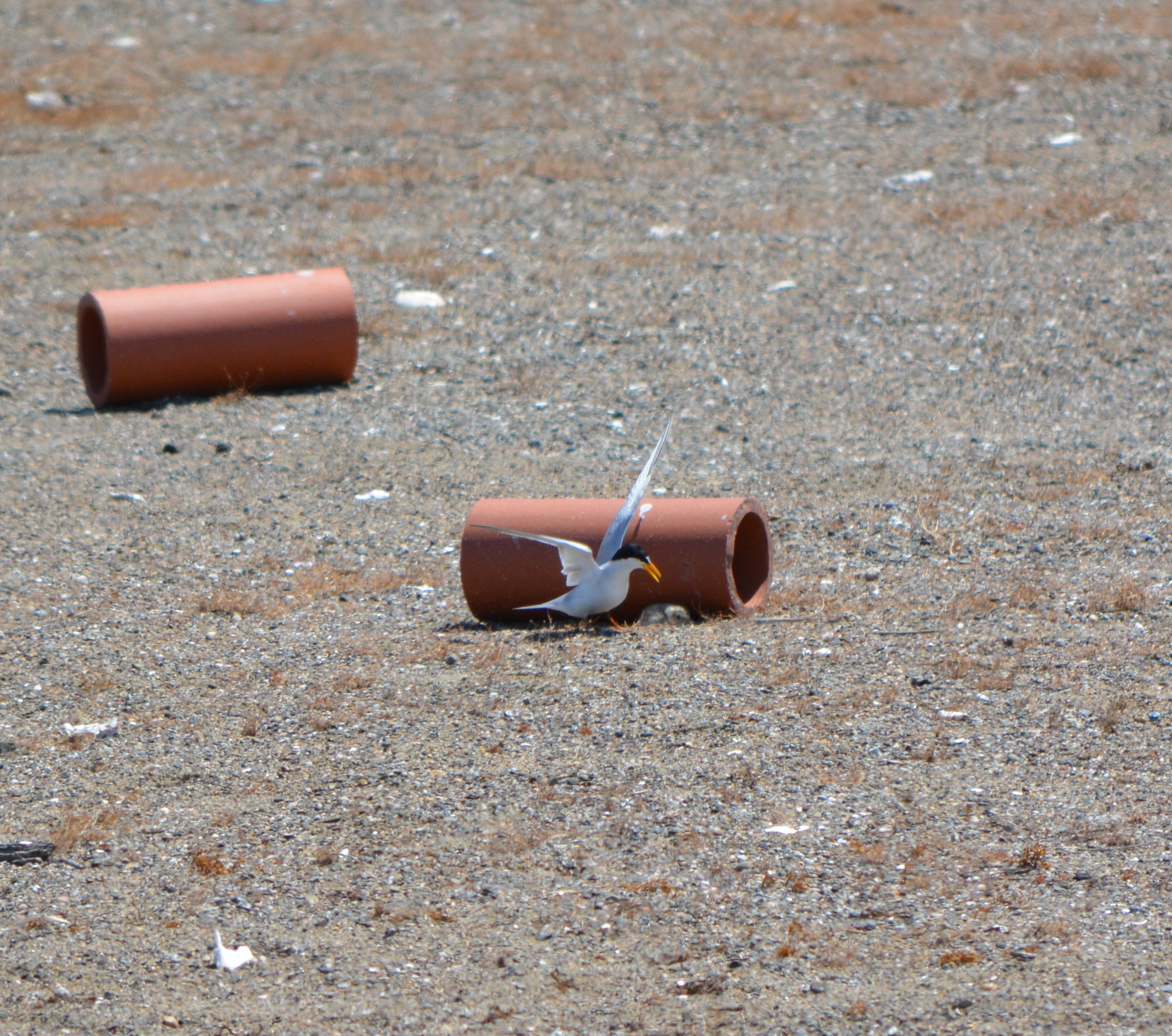
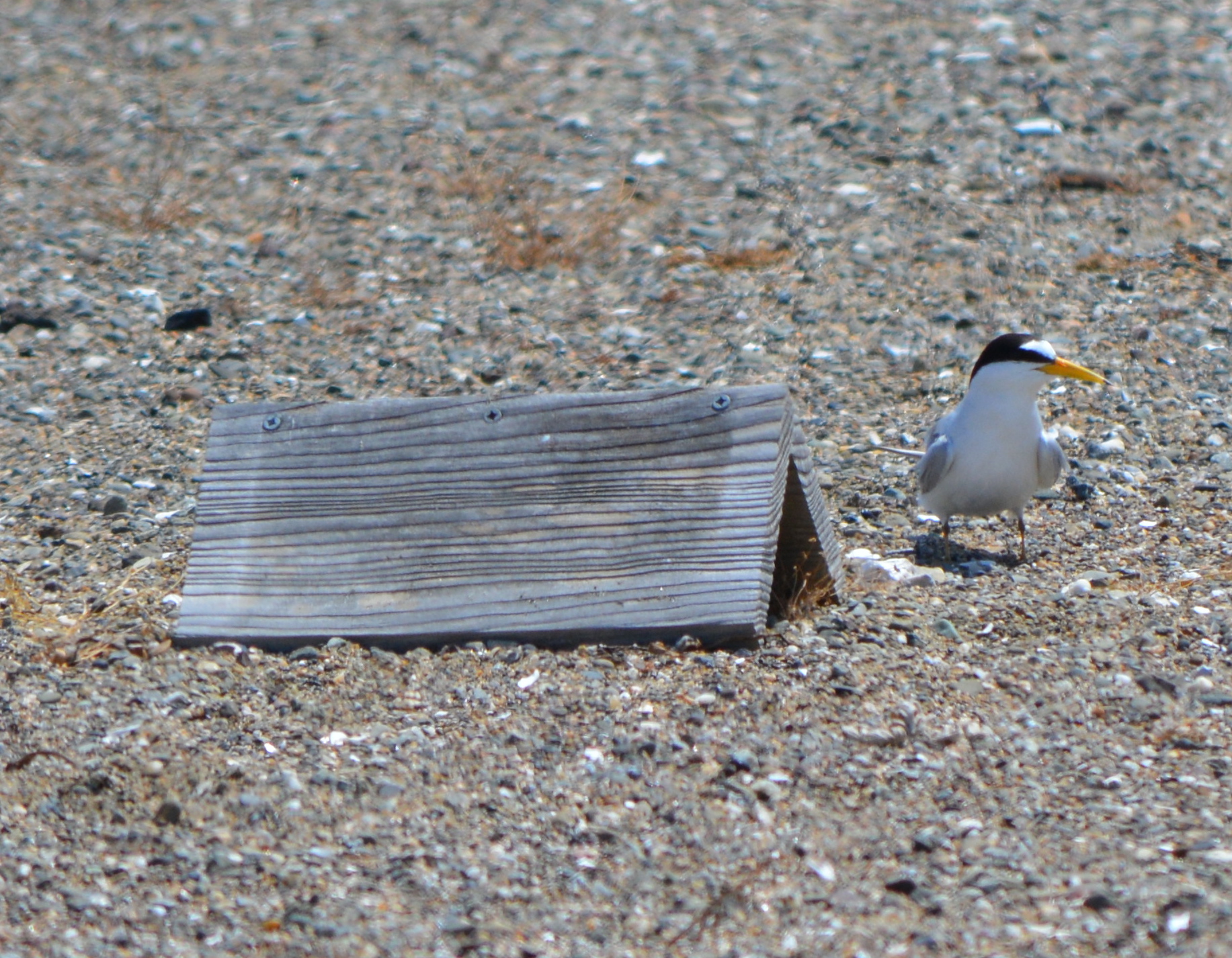
CA Least Tern next to shelter for chicks.

Volunteers maintain tern nesting area at Alameda Point Nature Reserve

The endangered least terns have returned.  Committed volunteers prepare and maintain this unique site during the non-nesting season.  The public can see the fruits of their work on June 15.

2013 maintenance work began on January 13th by clearing weeds from the outer perimeter of the nesting area.  The terns need a clear view of their surroundings to feel comfortable that predators are not lurking nearby.  Trimming vegetation near the nesting area is a high priority on work party checklists.

January work party
January work party

Volunteers were at the site again in February, March, and early April prior to the terns’ mid-April arrival.  Tasks included replacing deteriorated plastic mesh along the base of the fence around the nesting site.  The plastic mesh keeps chicks from wandering out through openings in the chain link fence.  The chain link fence is there to keep out predators, and to keep out rabbits that might easily trample eggs.

Replacing black mesh "chick fence."
Replacing black mesh “chick fence.”

Another of set of tasks involves randomly placing wooden A-frames and half-round clay tiles that serve as shelters for the chicks from predators like hawks.  One of the senior volunteers has been working to help the terns since the base closed.  This year he brought 48 wooden chick shelters that he made at his home.  Another task is the distribution of oyster shells that make it harder for flying predators to distinguish where the chicks are located.

Going for another load of oyster shells to distribute on the nesting area.

The number of volunteers ranged from 12 to as many as 30 each month.  Among the volunteers this season were members of the Tau Beta Pi engineering fraternity at UC Berkeley, which has been sending volunteers for many years, and members of the Encinal High School Key Club.

Setting out the chick shelters.

Volunteers will return in September after the terns are gone.  They will gather up the A-frames, clay tiles, oyster shells, and the numbered plaster markers that the US Fish & Wildlife Service uses to keep track of nesting success.  Picking up the “tern furniture” allows for weed control and periodic grading of the sand and gravel.

During May, June, and July, another set of volunteers participate in the “Tern Watch Program.”  Volunteers are trained in recording observations as they watch from their vehicle near the nesting site.  A cinder block grid system helps in recording feeding activity, among other things.  If predators are threatening the colony, the volunteers alert the Fish & Wildlife Service in the office nearby.

Volunteer opportunities:

Return of the Terns tours

On June 15th, the general public gets an opportunity to observe the nesting activity of the terns during a bus tour to the site.  The tours leave from Crab Cove Visitor Center in Alameda.  Registration and a fee are required.  More info is on the Return of the Terns flyer.

Previous stories about the least terns:

Least terns depart – volunteers move in at Alameda Point refuge

Protecting the California Least Terns at the Alameda Point Wildlife Refuge

January – April 2013 Photo Gallery

Click on photos to enlarge and view slideshow

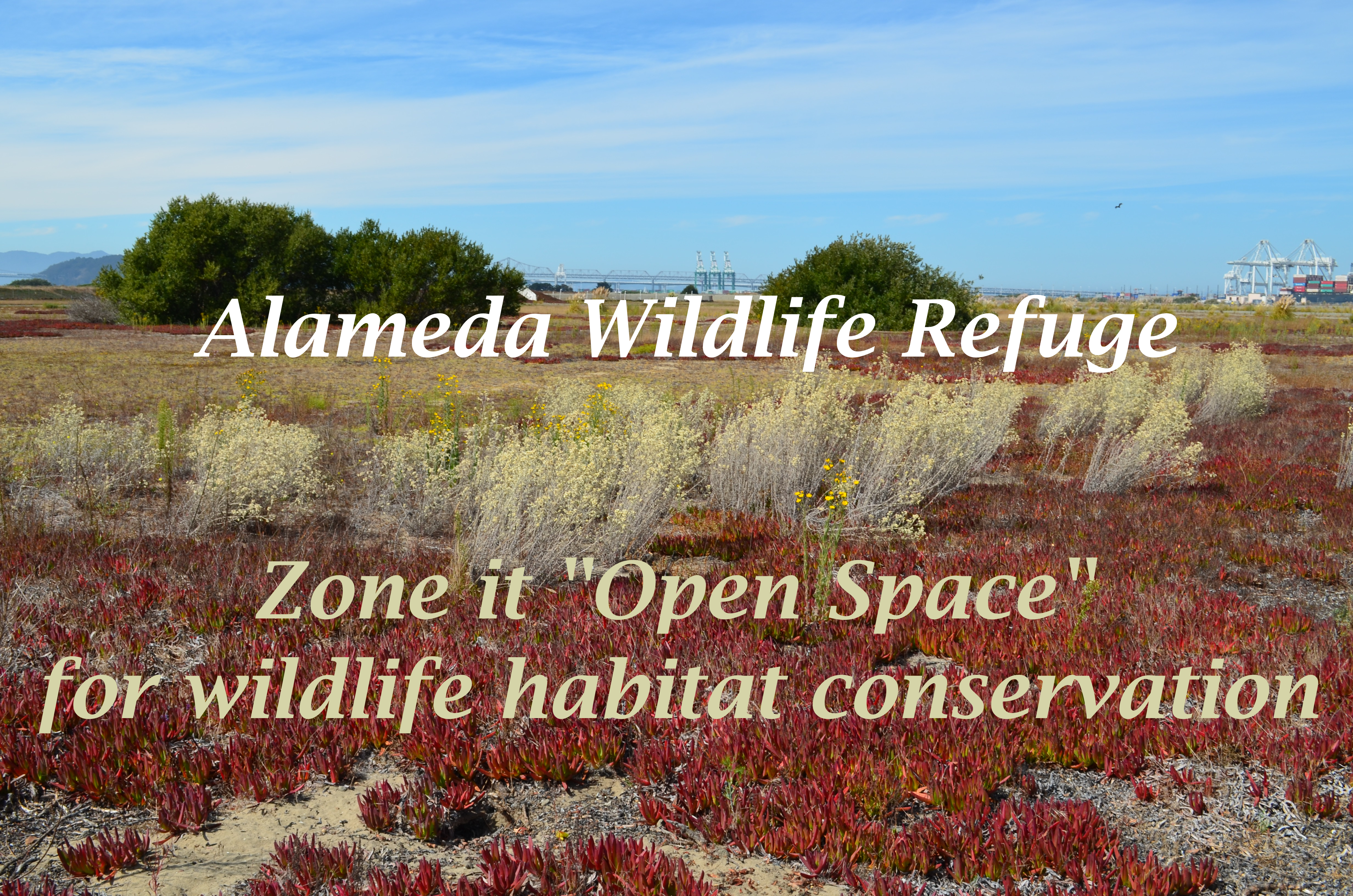
Zone the wildlife refuge “Open Space”

Below is the draft of a city council resolution that has been introduced to the council by councilmembers Stewart Chen and Tony Daysog.  It is on the council agenda for 7 PM, Tuesday, February 19, 2013.  The community is urged to attend and voice their opinion.  

The refuge has been home, harbor, and safe haven for many species, even during use as a military base.  As the property transitions to VA ownership, the protective status of “Open Space” and “Wildlife Refuge” should travel with it on into the future.  It is a rare piece of earth on the Bay that should be available for nature to reclaim.  Proper zoning will reflect the level of commitment we have toward environmental stewardship in an era of growing demands on ecosystems everywhere.

zone it open space

Draft – City Council Resolution

Resolution re-affirming support for creation of the Alameda Wildlife Refuge at Alameda Point

Whereas, the 1996 Community Reuse Plan identifies the southern two-thirds of the Naval Air Station-Alameda airfield for preservation as a wildlife refuge;

Whereas, the 1996 Community Reuse Plan stipulates that this area “would remain as open space to provide for the preservation of wetlands, sensitive species, and regional open space uses”;

Whereas, the City of Alameda General Plan was amended in 2003 to add Chapter 9 on Alameda Point, which includes support and encouragement for funding and implementation of the U.S. Fish and Wildlife Service’s Comprehensive Conservation Plan for the Alameda National Wildlife Refuge;

Whereas, the General Plan amendment supports “a system of trails that provide public access to and within the Wildlife Refuge” that balances natural conservation with public access and education;

Whereas, the General Plan amendment supports the creation of education facilities and programs, similar to other conservation areas such as the Elsie D. Roemer Bird Sanctuary;

Whereas, the wildlife refuge is home to one of the most successful nesting sites in California for the endangered California Least Tern;

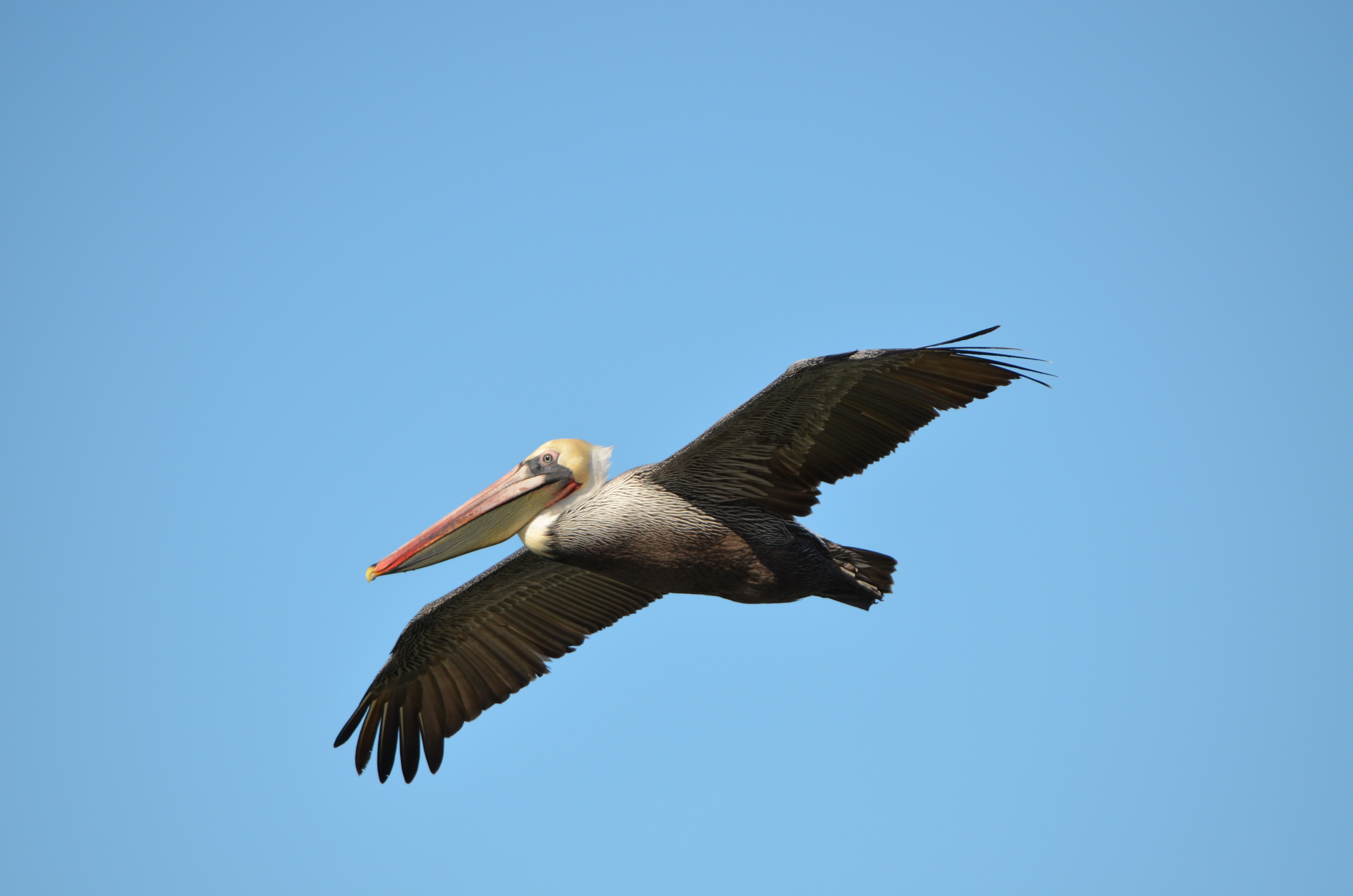
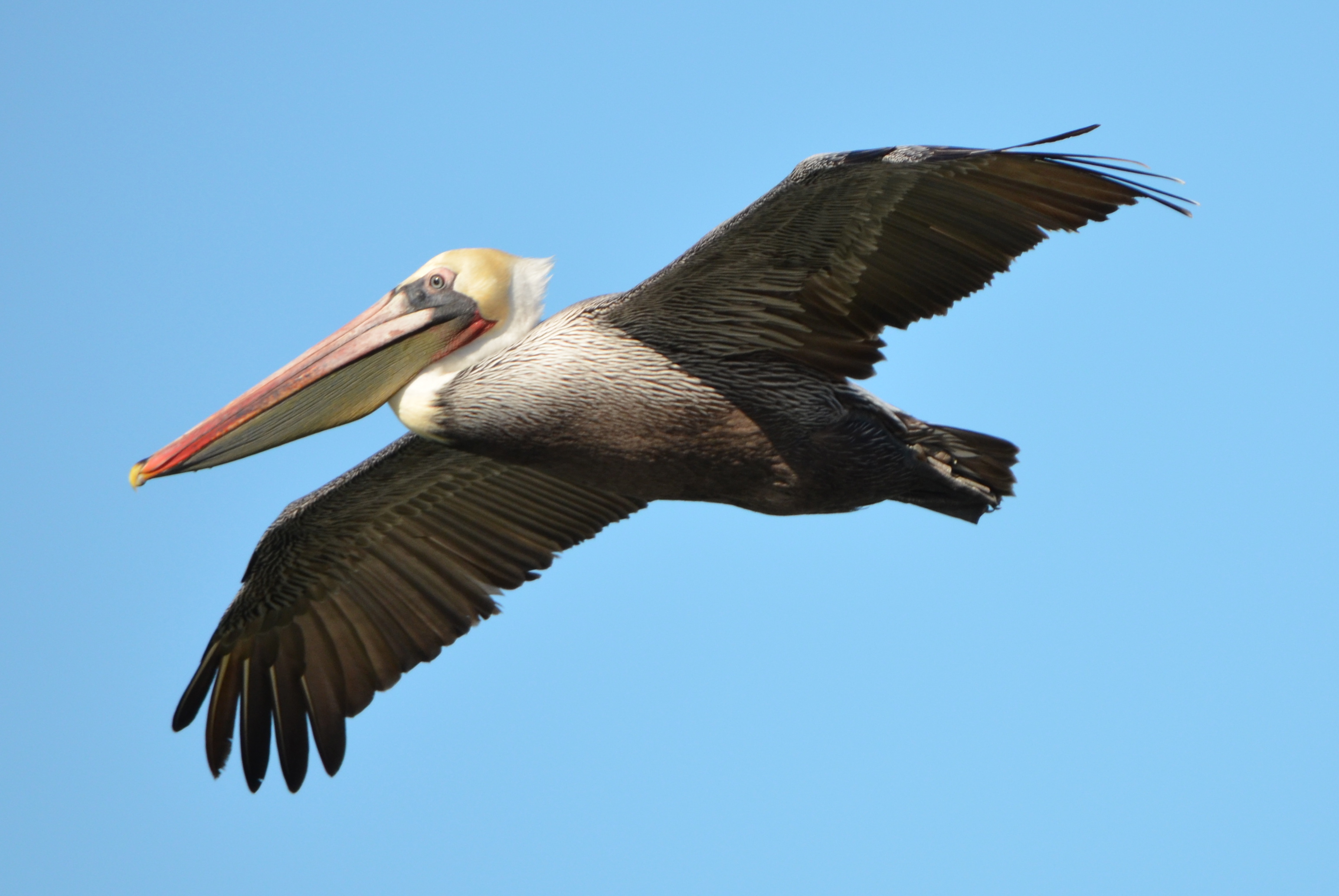
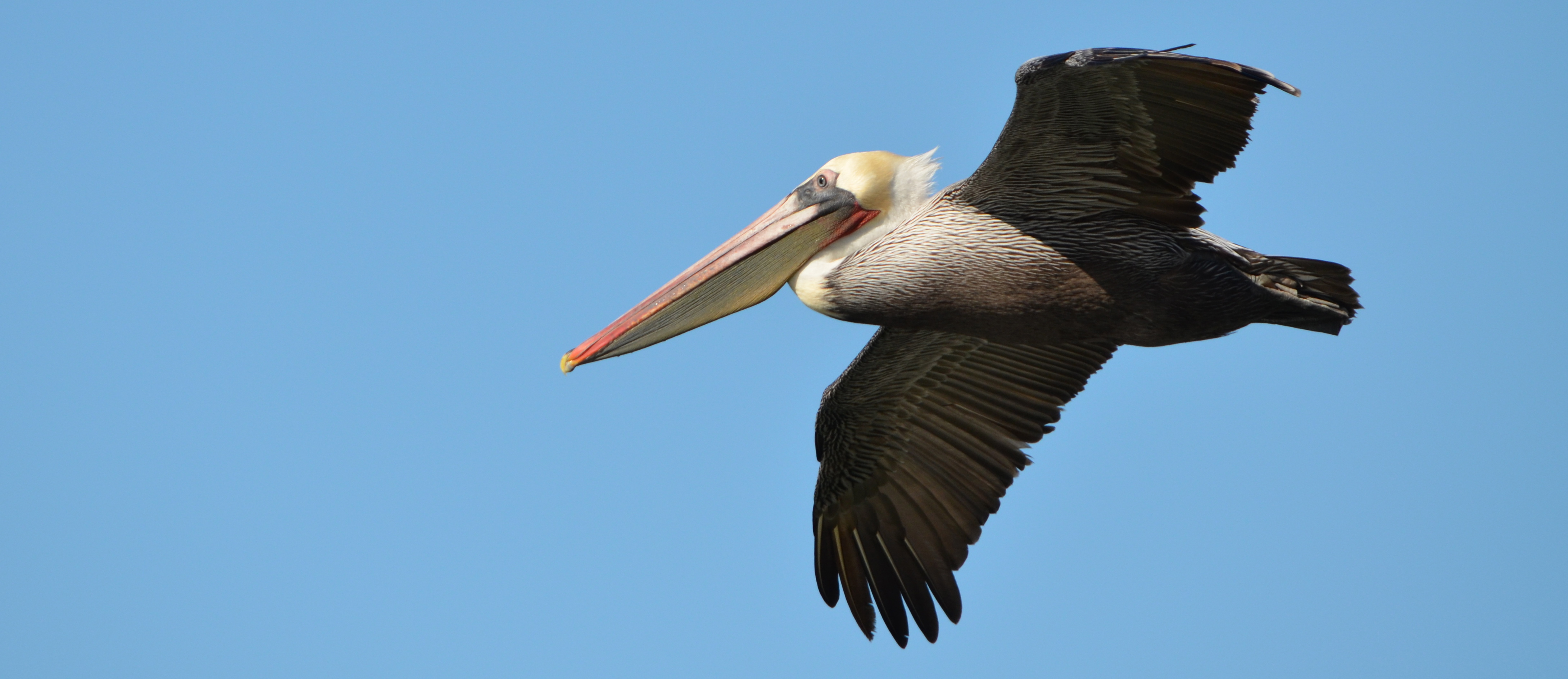
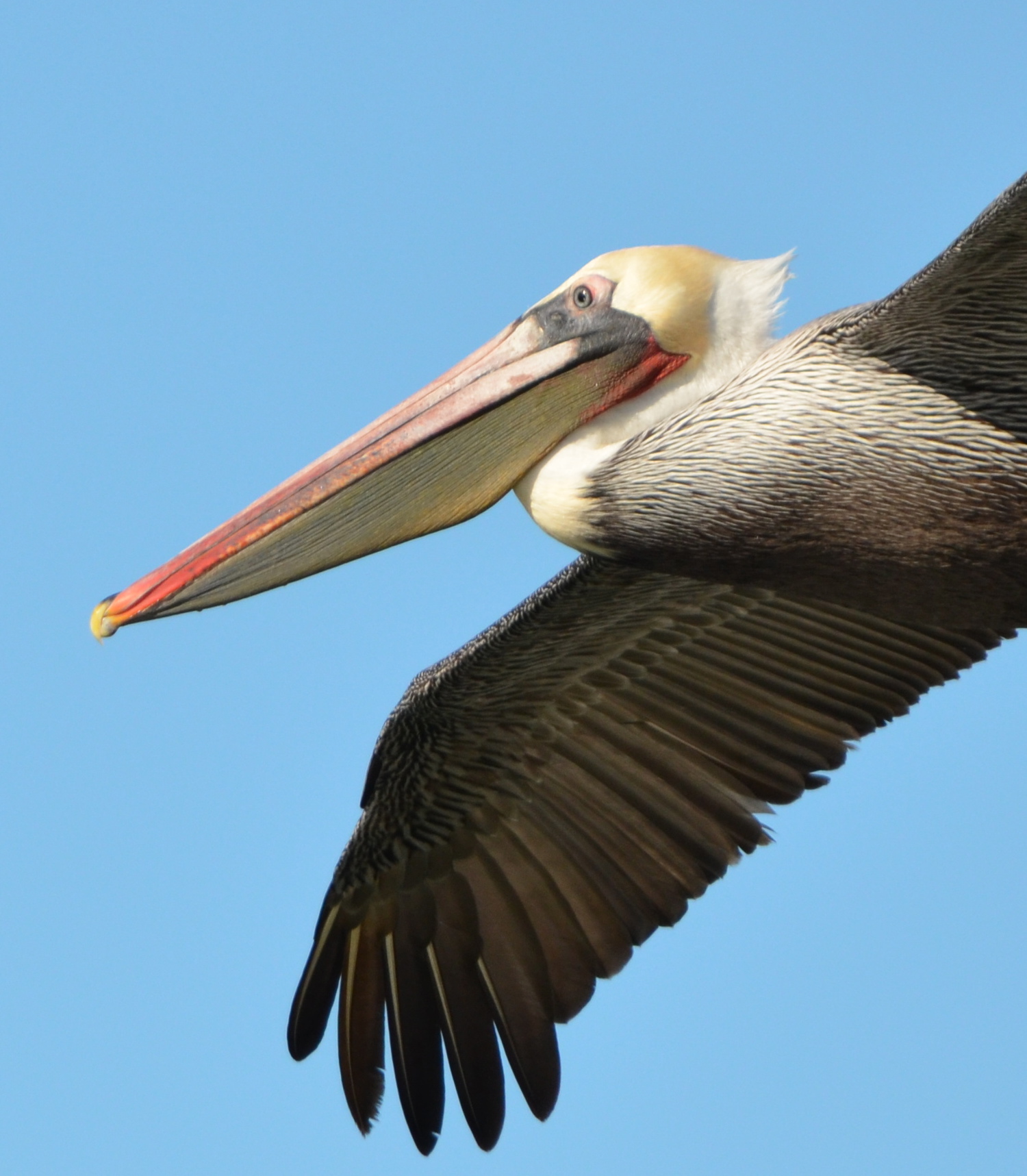
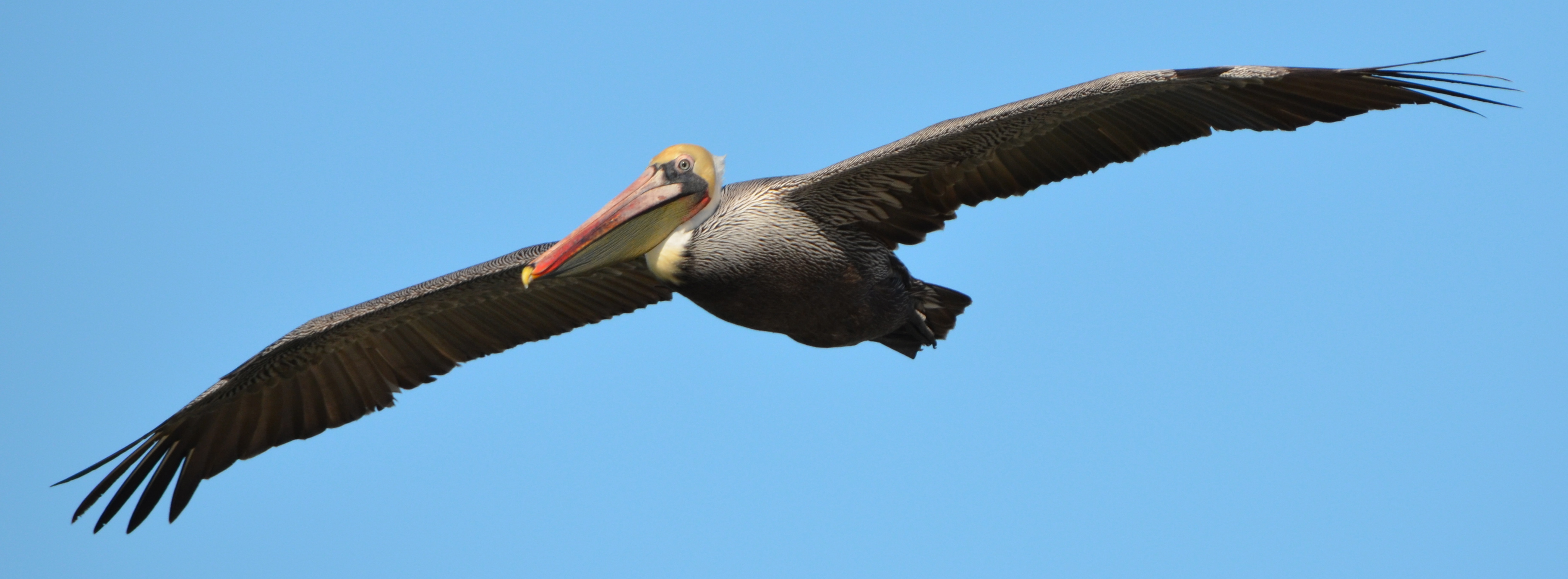
Whereas, Breakwater Island is part of the wildlife refuge vision in the 1996 Community Reuse Plan, and it is the only night roosting area of its kind in San Francisco Bay for California Brown Pelicans, which were only recently removed from the Endangered Species List;

Whereas, the wildlife refuge, and the entirety of Alameda Point and its adjacent waters, are subject to special restrictions for protection of the least terns by authority of the 2012 Biological Opinion issued by the US Fish & Wildlife Service, the responsible agency for enforcement of the Endangered Species Act;

Whereas, the 511-acre refuge area offers a rare and vast inner urban opportunity for public access and education, a respite and retreat from the built environment, introduction of native plant species, expansion of wetlands, and wildlife recovery and protection efforts;

Whereas, the Alameda Wildlife Refuge would complement the land uses contemplated for the mixed-use area of Alameda Point, as well as complementing the entire city and the Bay Area;

Whereas, numerous federal, state, and regional public agencies possess the experience and mission for collaboratively managing a wildlife conservation area;

Whereas, environmental cleanup and remediation will be completed by the Navy in compliance with federal and state environmental laws;

Whereas, ownership by the VA will ensure that potential environmental cleanup liabilities regarding the Site 2 landfill, and any other portion of the federal property, will be borne by the VA (unless retained by the Navy) regardless of the land uses;

Whereas, the wildlife refuge vision is compatible with, and complementary to, proposed plans for a VA clinic and columbarium;

Now be it therefore resolved:

          The City Council of the City of Alameda re-affirms our commitment to and support for the creation of a wildlife conservation area known as the Alameda Wildlife Refuge at Alameda Point;

          And be it further resolved that the adjacent waters of the Alameda Point Channel, and Breakwater Island, are to be included in the management plan for the refuge;

          And be it further resolved that the City Council of the City of Alameda will support the zoning of the wildlife refuge property as “Open Space with a Refuge Overlay,” or similar conservation zoning designation, to promote the protection and implementation of the values and goals recited in this resolution.

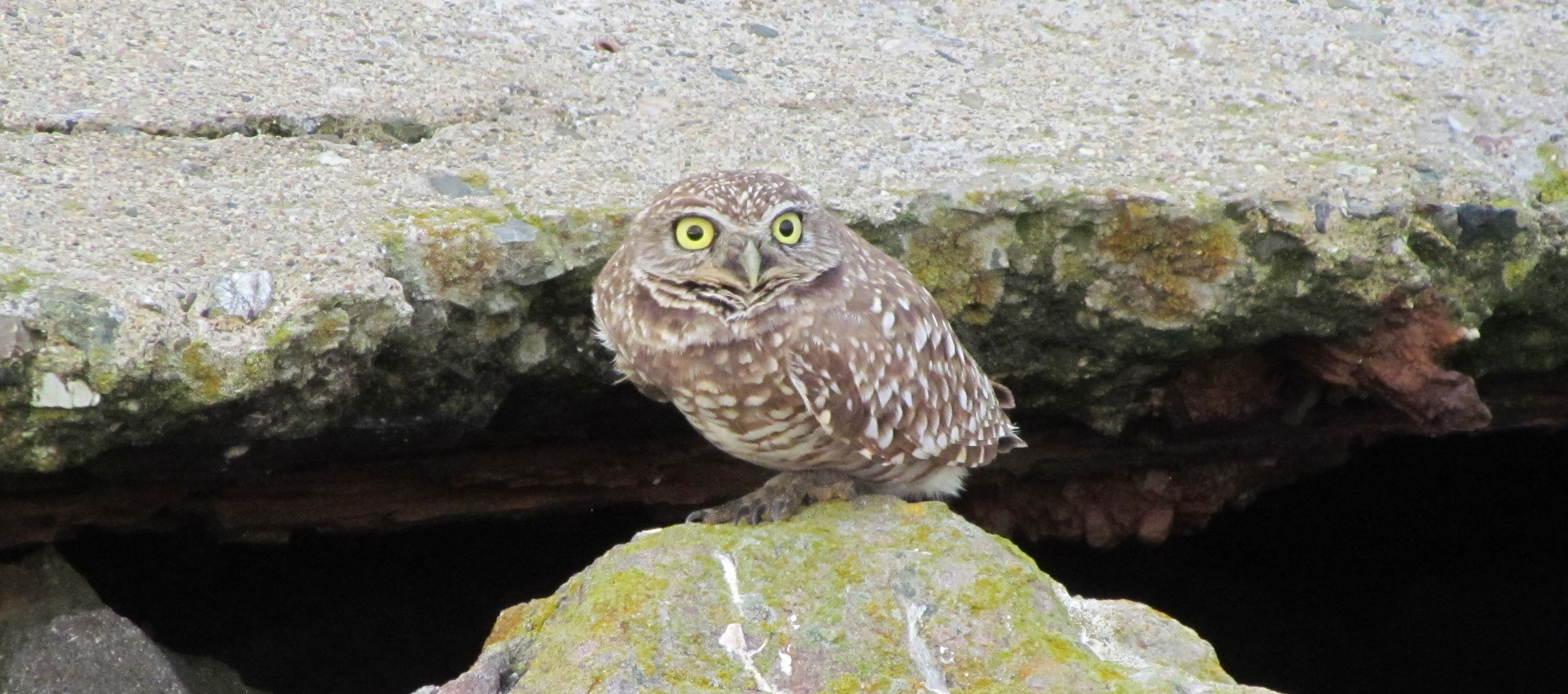
Burrowing owl on refuge.

Alameda Wildlife Refuge podcast

This interview with wildlife biologist Leora Feeney was done in 2008 as part of the San Francisco Bay Joint Venture’s “Your Wetlands” series.

Click hereor on image below, to access the podcast.

Your Wetlands podcast AWR

The only updates are that the Loggerhead Shrikes are no longer seen nesting on the western shoreline following cleanup work that was performed.  And the Harriers have not been seen nesting at Alameda Point in recent years.  

The refuge remains a unique wildlife habitat that deserves permanent protection.

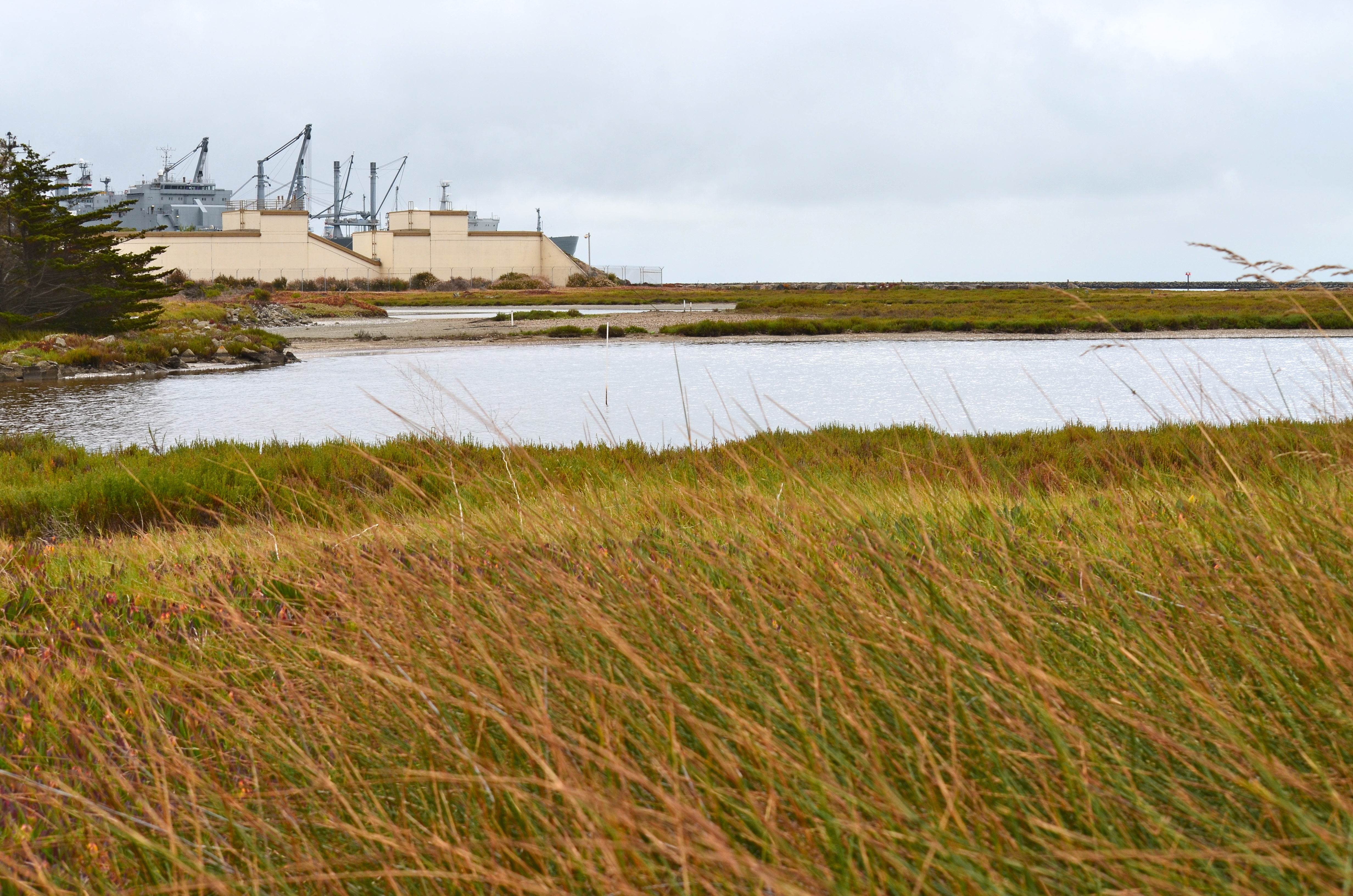
Runway Wetland on southeastern corner of refuge.

Annual Audubon Society bird count includes Alameda Point wildlife refuge

On December 16, from before dawn until dusk, hundreds of hardy volunteer birders trekked through parks, neighborhoods, wetlands, and woods to count birds during the Audubon Society’s annual Christmas Bird Count in the East Bay.  In Alameda, three teams fanned out across the city.  One team went to Alameda Point.  

Carrying binoculars, spotting scopes, a clipboard, and bird reference books, bird watchers were participating in the annual Christmas Bird Count (CBC) organized by the Golden Gate Audubon Society.  While the total number of birds tallied during the count helps to fill out the picture, the main goal of the day was to identify as many different species of bird as possible.

White-crowned Sparrow“This is not just about counting birds,” said Gary Langham, Audubon’s chief scientist. “Data from the Audubon Christmas Bird Count are at the heart of hundreds of peer-reviewed scientific studies and inform decisions by the U.S. Fish and Wildlife Service, the Department of the Interior, and the EPA.  Because birds are early indicators of environmental threats to habitats we share, this is a vital survey of North America and, increasingly, the Western Hemisphere.”

The Alameda Point team was led by Alameda resident Leora Feeney, of Friends of the Alameda Wildlife Refuge, and John Luther, one of the most experienced bird watchers in the state.  Linda Vallee was responsible for tallying results on her clipboard list of bird species as they were reported.   

MerlinJohn’s 50 years of observing birds in every California county is evident in his quick identifications and economy of movement with his spotting scope.  “There’s a Common Loon…and…it just went under…there it is…turn around(as if speaking to the bird)…it’s… a Red-throated Loon,” he would say.  “White-crowned Sparrows – two.”

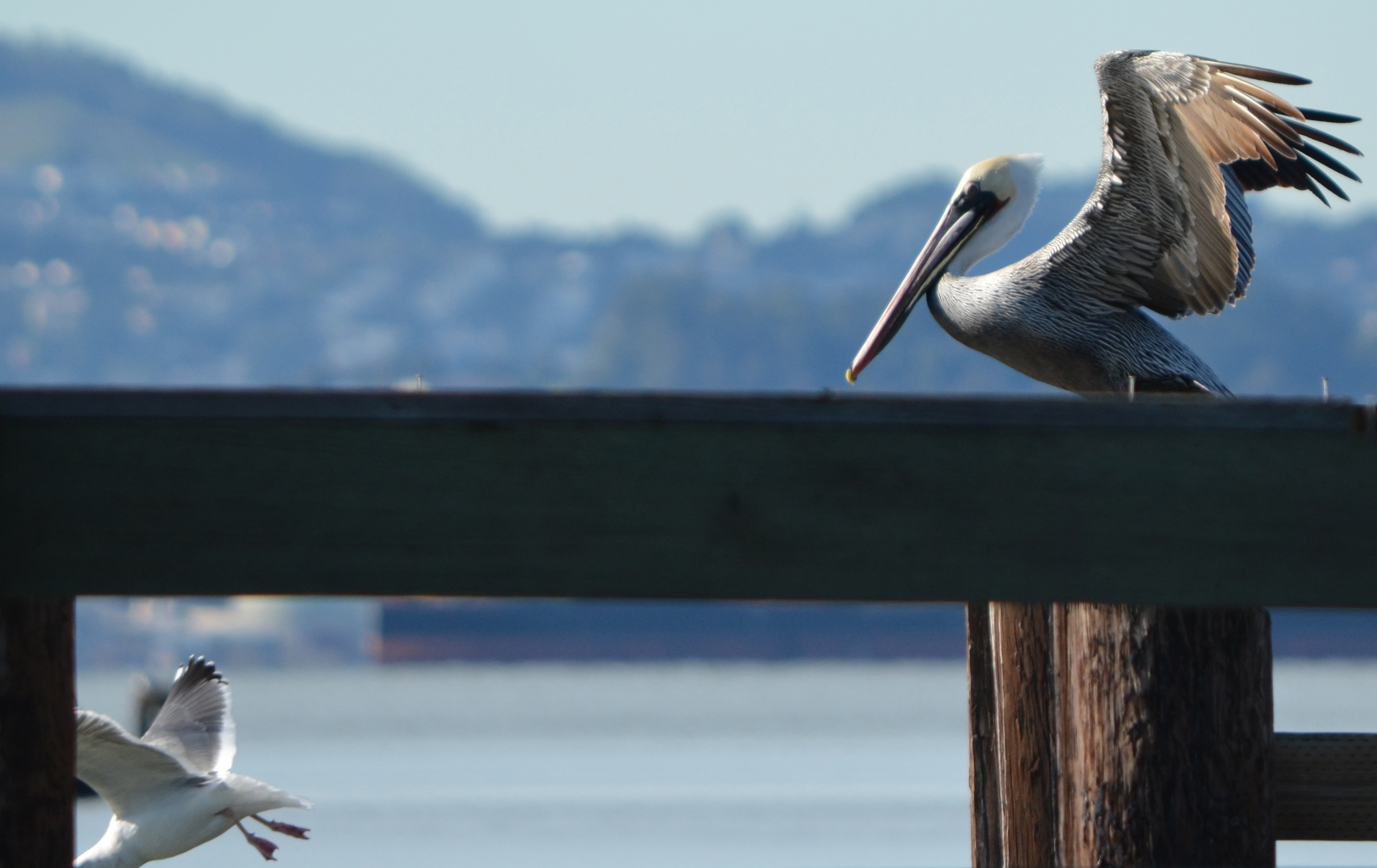
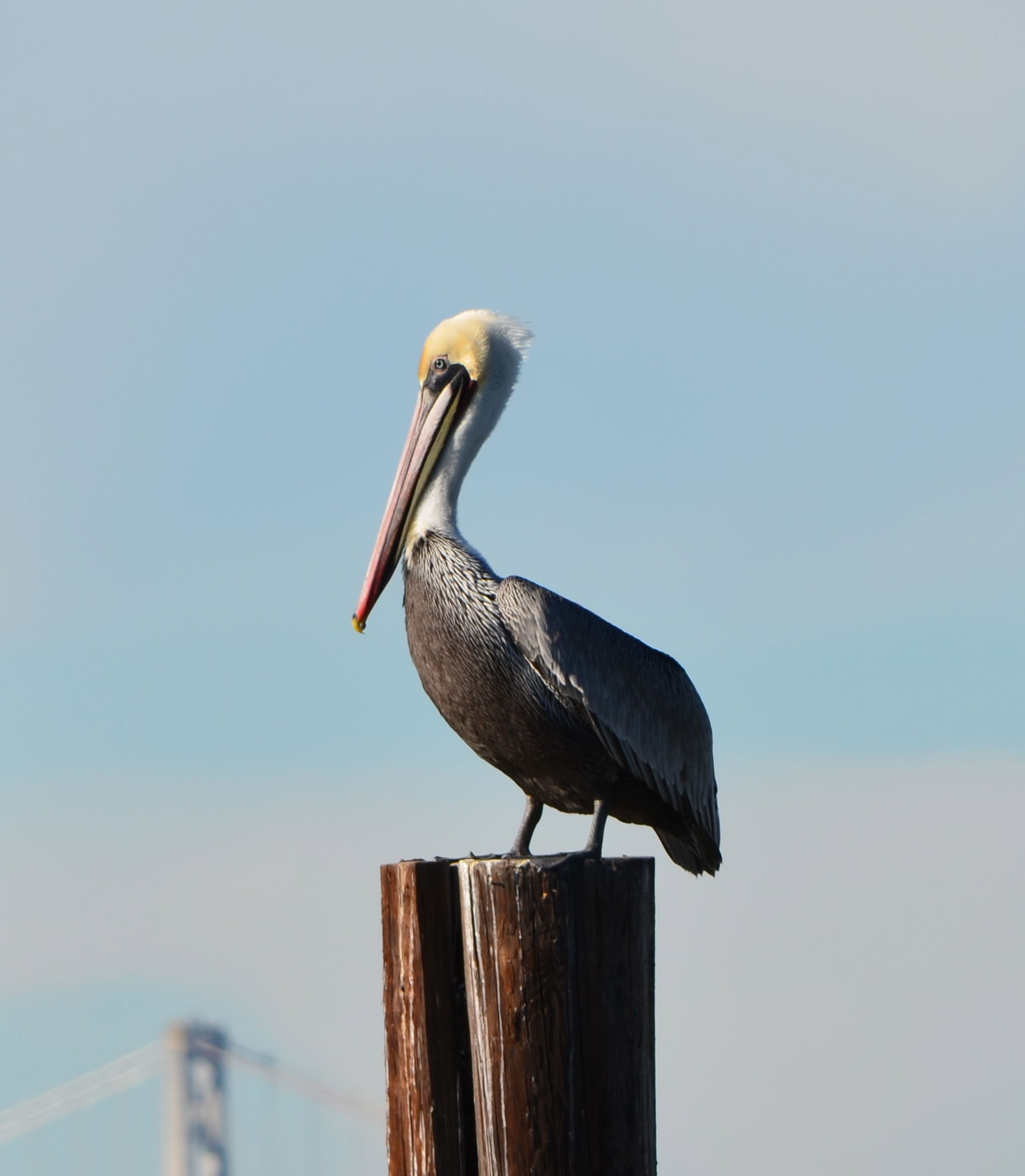
One thing you learn about bird counting etiquette, if you’ve never been to one of these events, is that you should not chit chat with someone while they are staring intently through a scope.  They could be trying to systematically count hundreds of birds by adding groups of 5 or 20 or 100 in their head as they keep landmark references in focus.  At one stop, attention turned to Breakwater Island on the other side of the Alameda Point Channel where an unusually high number of California brown pelicans (for this time of year) were roosting amongst the cormorants.  Leora counted 304 pelicans.

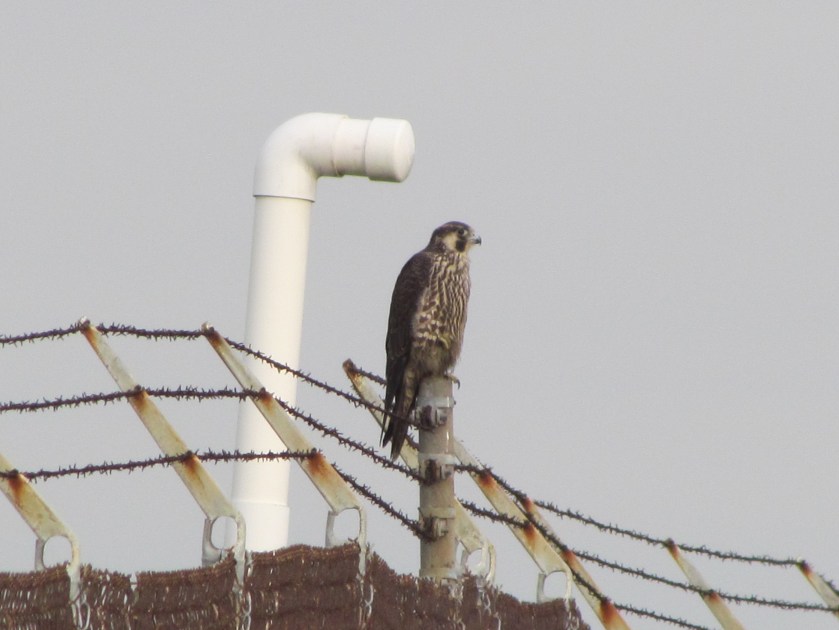
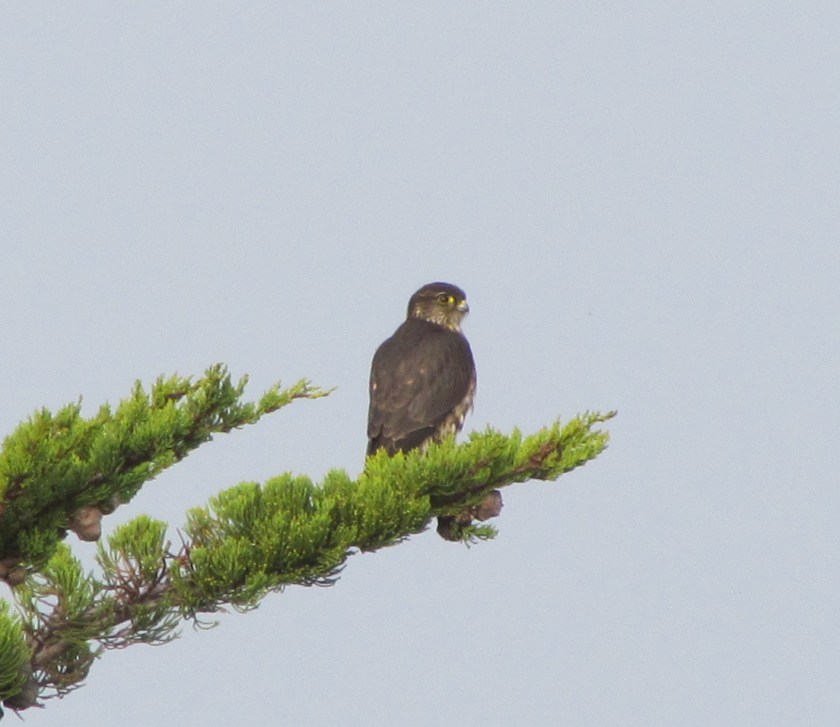
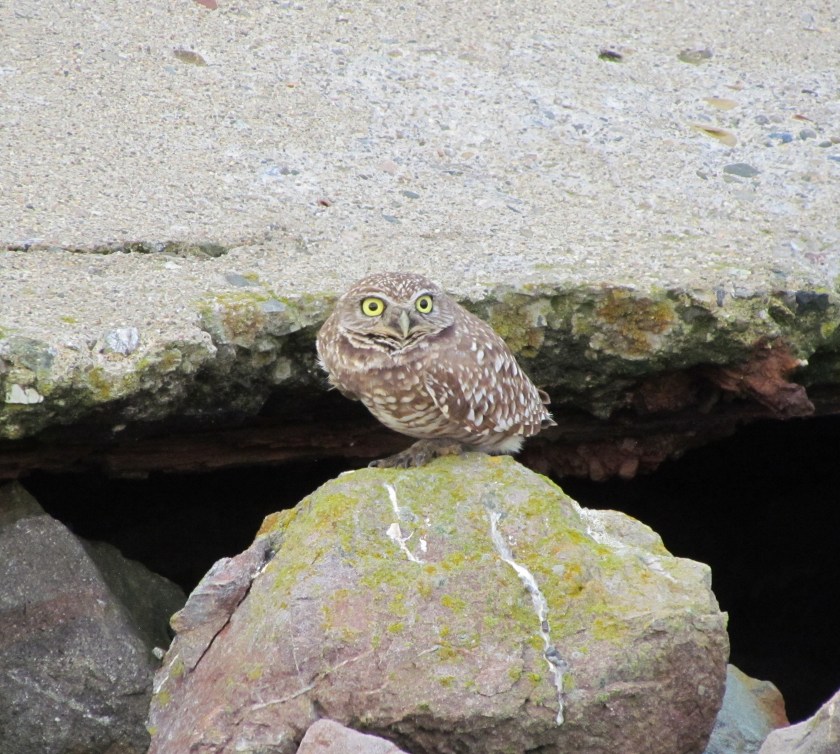
Continuing around the refuge, there were Burrowing Owls, Killdeer, a Horned Lark, a Peregrine Falcon perched on a fence, and a much smaller falcon not commonly seen around Alameda Point called a Merlin.  Often the birds were in fast moving groups darting around, landing, skip, skip, pick, pick, and off they flew.

Great Horned Owl at Alameda Point wildlife refuge.The biggest surprise came at the thick stand of willows at the north boundary of the refuge.  There, just inside the branches was a Great Horned Owl, a bird that Leora said she had never seen in eight years of doing twice-monthly bird surveys on the refuge.  Even more surprising was how approachable the owl was as it was being photographed, slowly turning its its head 180 degrees, appearing fearless.
After leaving the refuge, the team made other stops at the Seaplane Lagoon, the Inner Harbor on the south side, Breakwater Beach, and the neighborhood where the Big Whites are located.  The Big Whites neighborhood has a very good variety of mature trees, ideal for bird watching.

The preliminary total for all species sighted in the Oakland count area on Sunday (the 15 mile circle that is centered at Lake Merritt and includes Alameda) was 177 species.  According to GGAS Communications Director Ilana DeBare, “That is pretty much in line with a normal ‘good’ year.  There were 29 teams total, with well over 100 participants.”

“Christmas Bird Counts combine many of the things Golden Gate Audubon stands for,” said GGAS Executive Director Mike Lynes. “It’s a fun day with a serious purpose.  Everyday volunteer bird-watchers become citizen scientists, contributing data that will help inform future decisions about Bay Area bird life and habitat.”  The San Francisco Christmas Bird Count is on December 27.

Spotted during Audubon Society's 2012 Christmas Bird Count.
Burrowing Owl spotted during Audubon Society’s 2012 Christmas Bird Count.
Burrowing Owl at shoreline embankment on Alameda Point wildlife refuge, Dec. 16, 2012.
Spotted on western shoreline during Dec. 16, 2012 Christmas Bird Count.
Merlin spotted on western shoreline during Dec. 16, 2012 Christmas Bird Count.
Spotted during Dec. 16, 2012 Christmas Bird Count.
Peregrine Falcon spotted on Alameda Point wildlife refuge during Christmas Bird Count 2012.
Great Horned Owl in willow tree on wildlife refuge at Alameda Point
Great Horned Owl in willow tree on Alameda Point wildlife refuge – Dec. 16, 2012.
Great Horned Owl spotted during December 16, 2012 Audubon Christmas Bird Count.
Great Horned Owl spotted during December 16, 2012 Audubon Society Christmas Bird Count.
Merlin - Dec. 16, 2012, Christmas Bird Count at Alameda Point wildlife refuge.
Merlin spotted during Christmas Bird Count at Alameda Point wildlife refuge.
Spotted during Dec. 16, 2012 Christmas Bird Count.
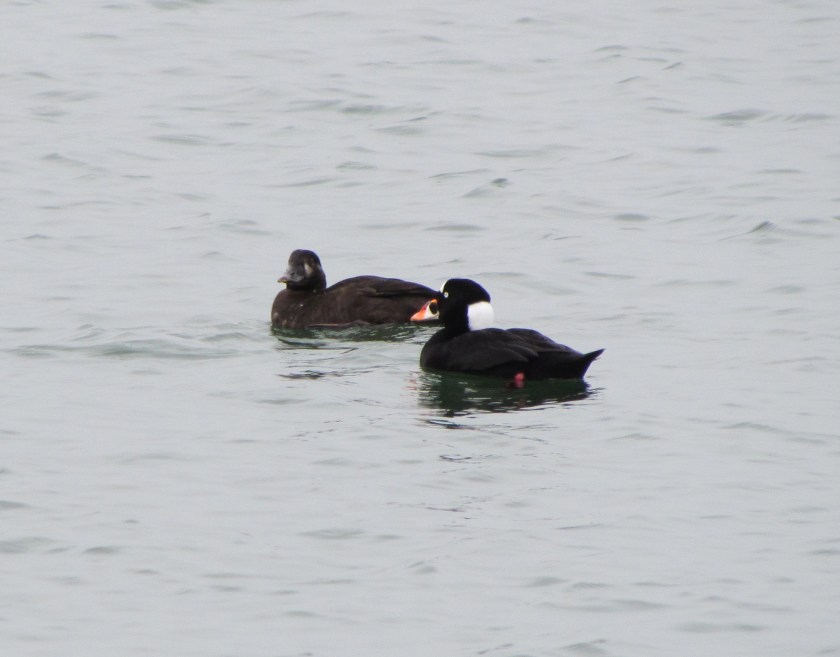
Surf Scoter (with colored bill) in Seaplane Lagoon during Dec. 16, 2012 Christmas Bird Count.

Read background info on the Audubon Society’s Christmas Bird Count here.  

Follow reports about the Oakland and San Francisco Christmas Bird Counts on the Golden Gate Audubon Society’s website.

Read more about the Christmas Bird Count in Alameda on the Alameda Patch.