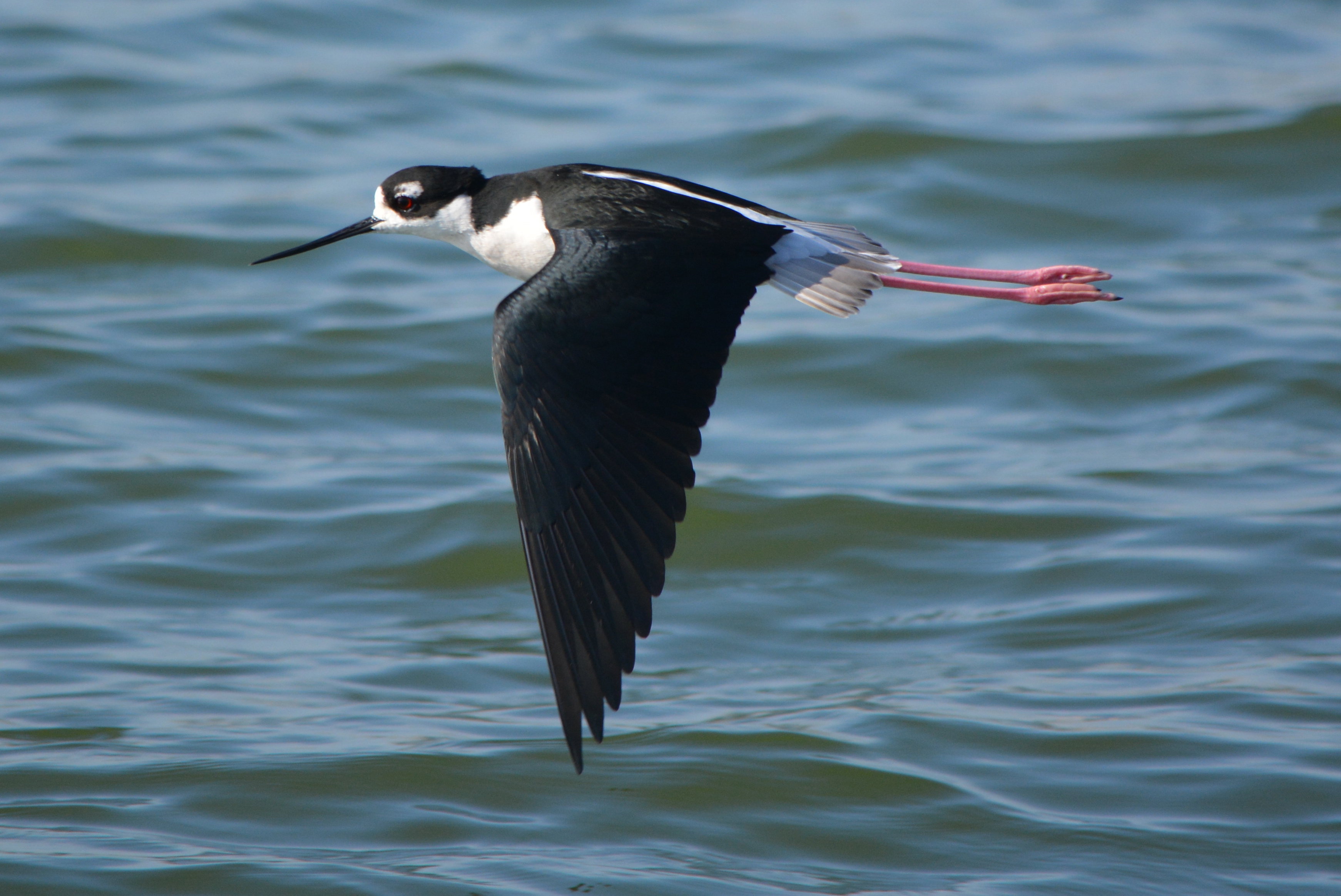
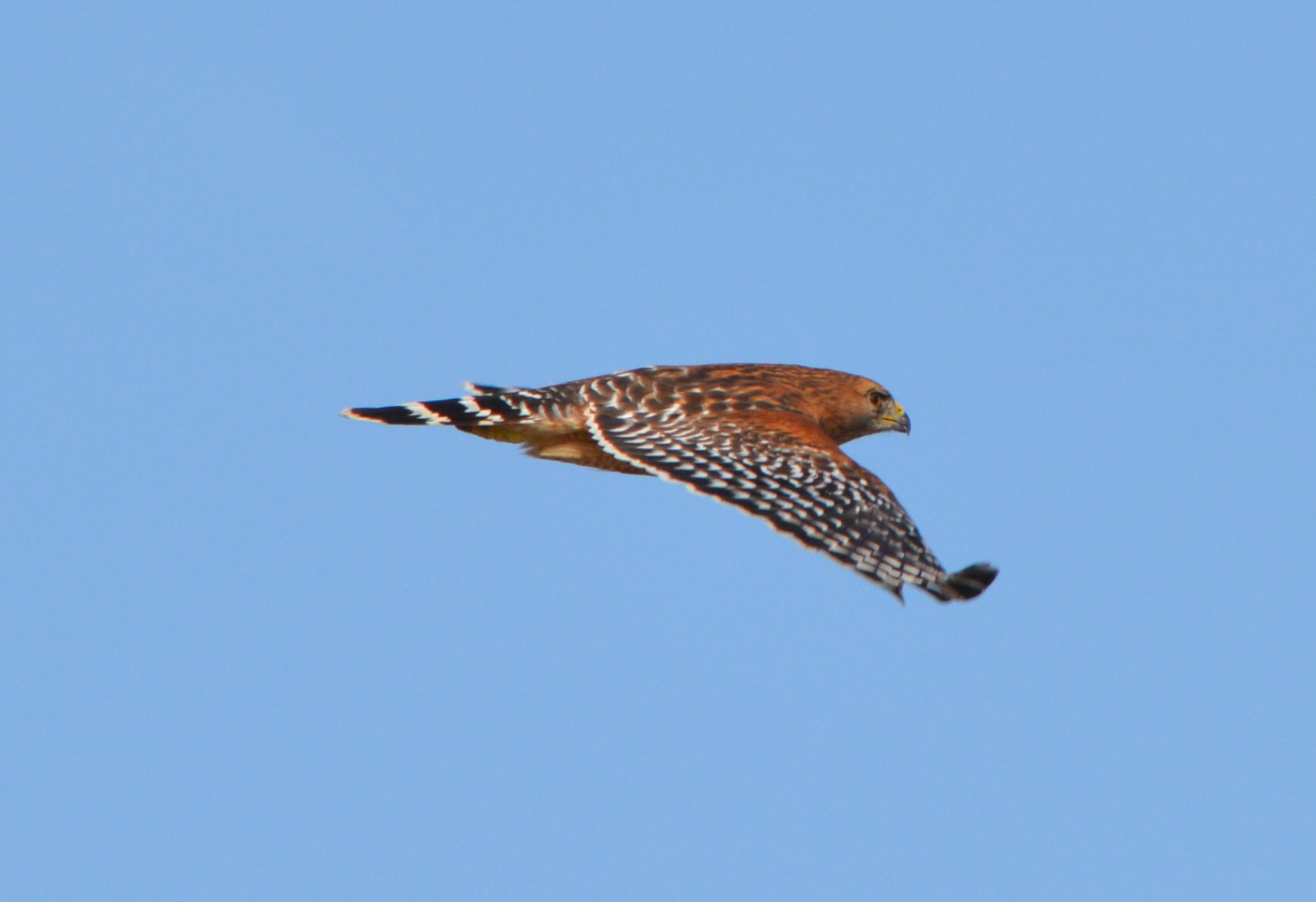
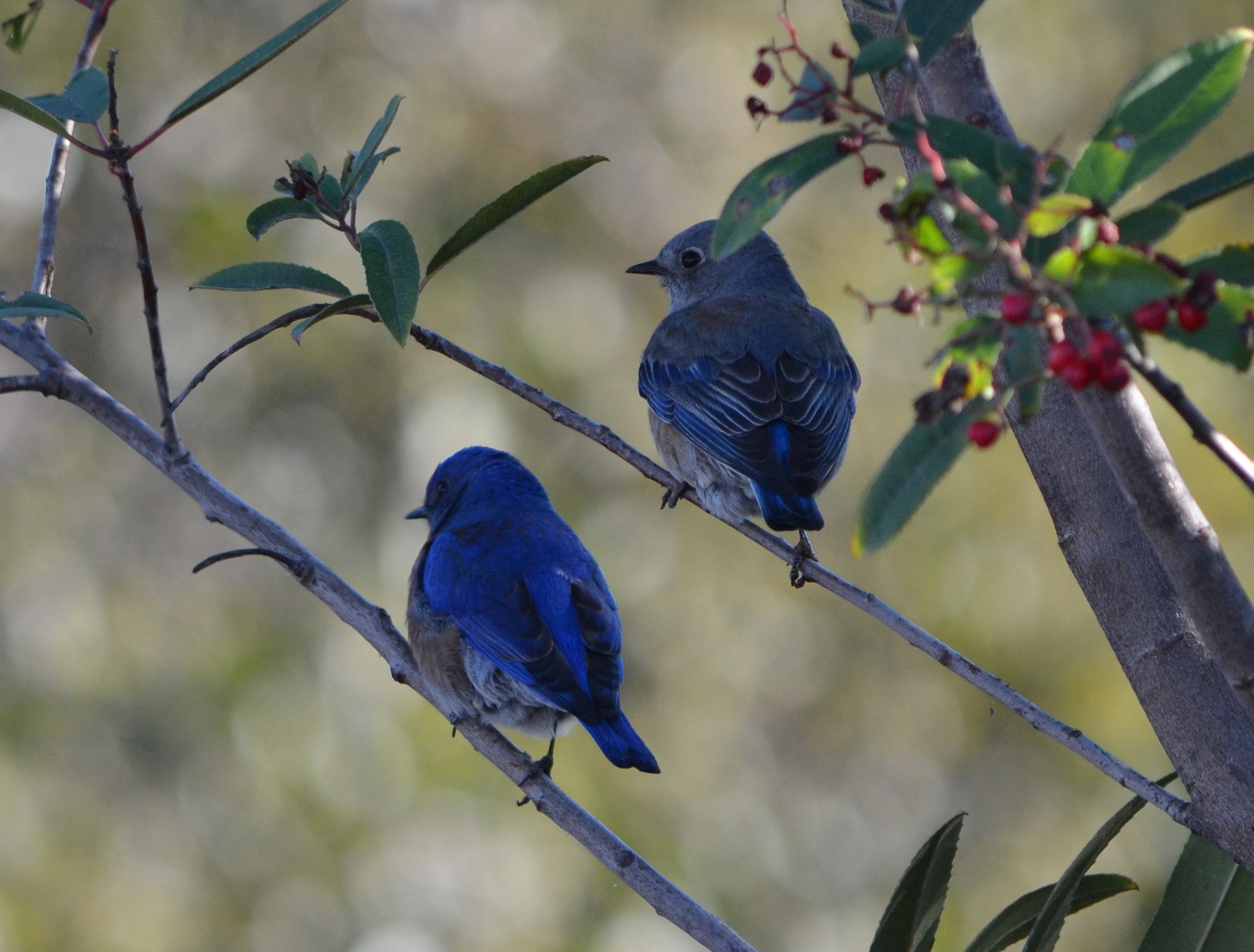
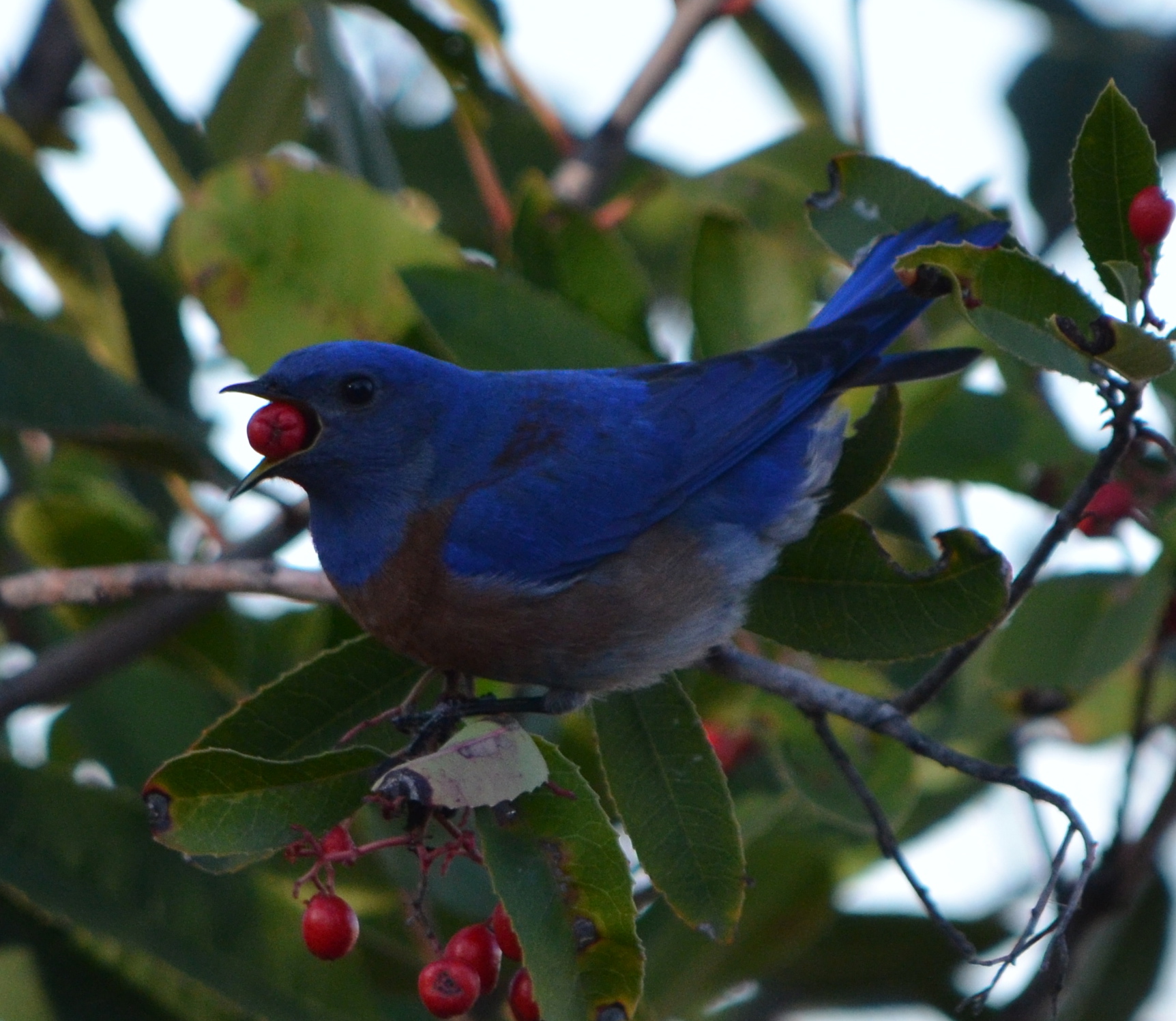
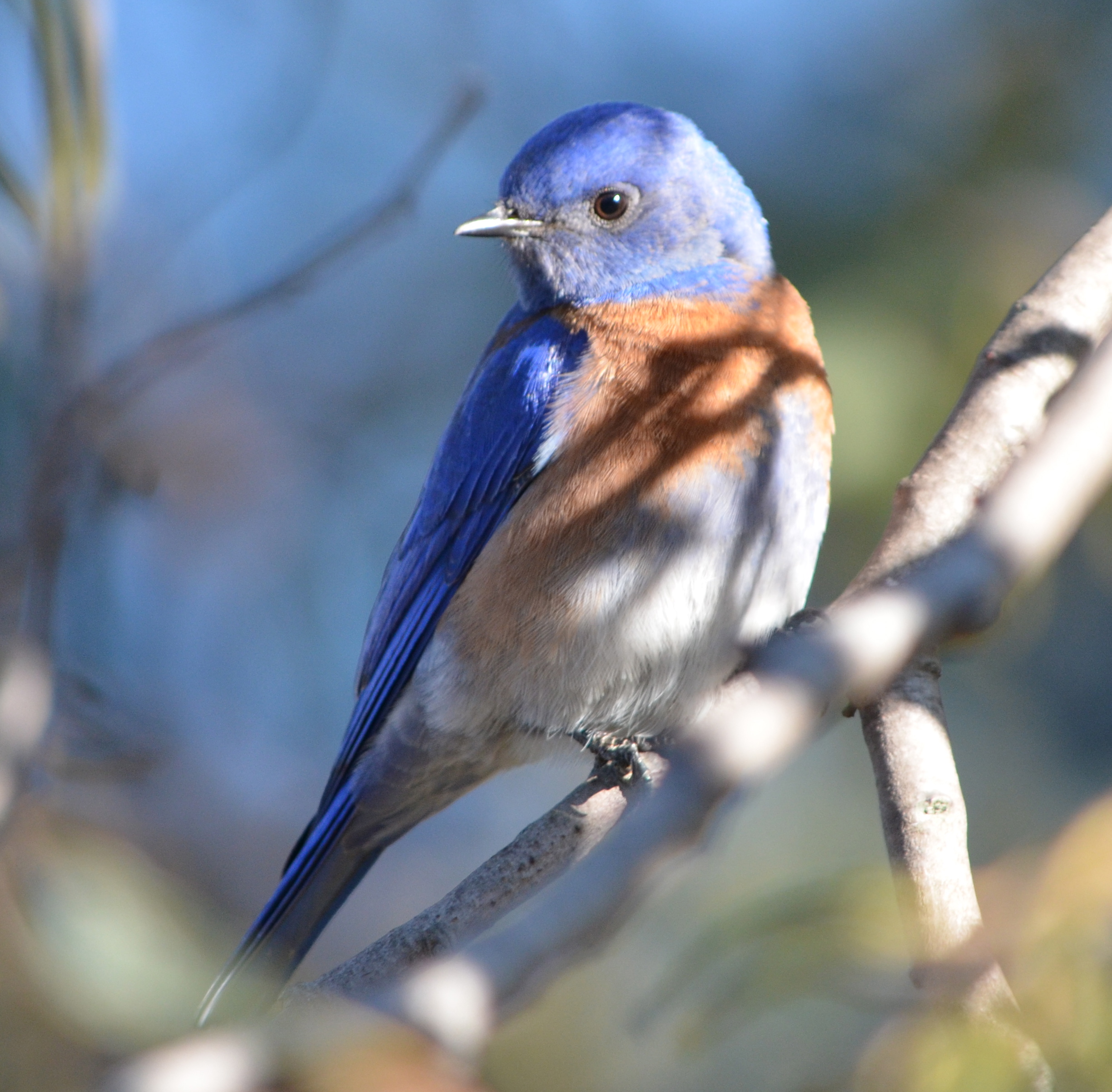
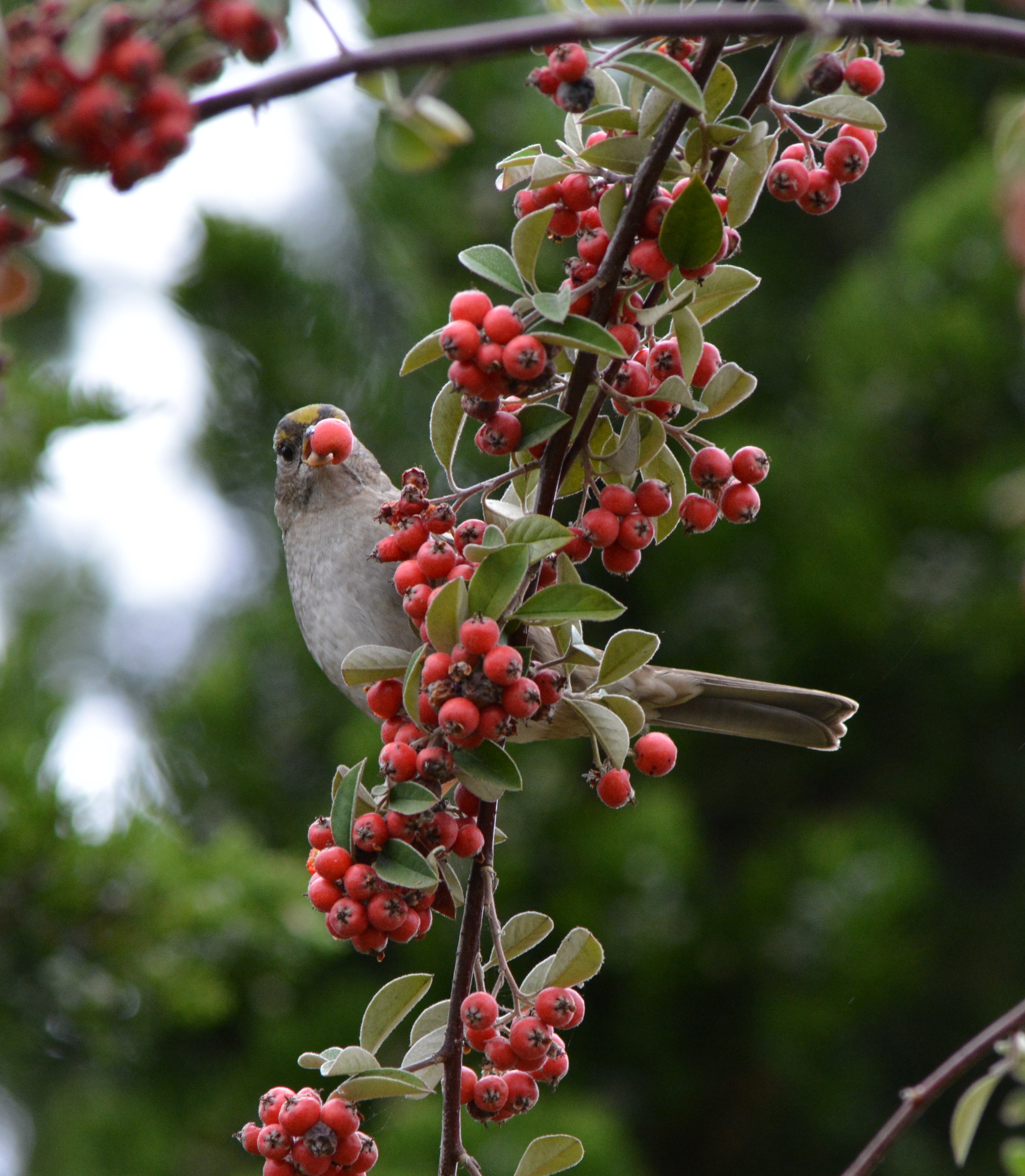
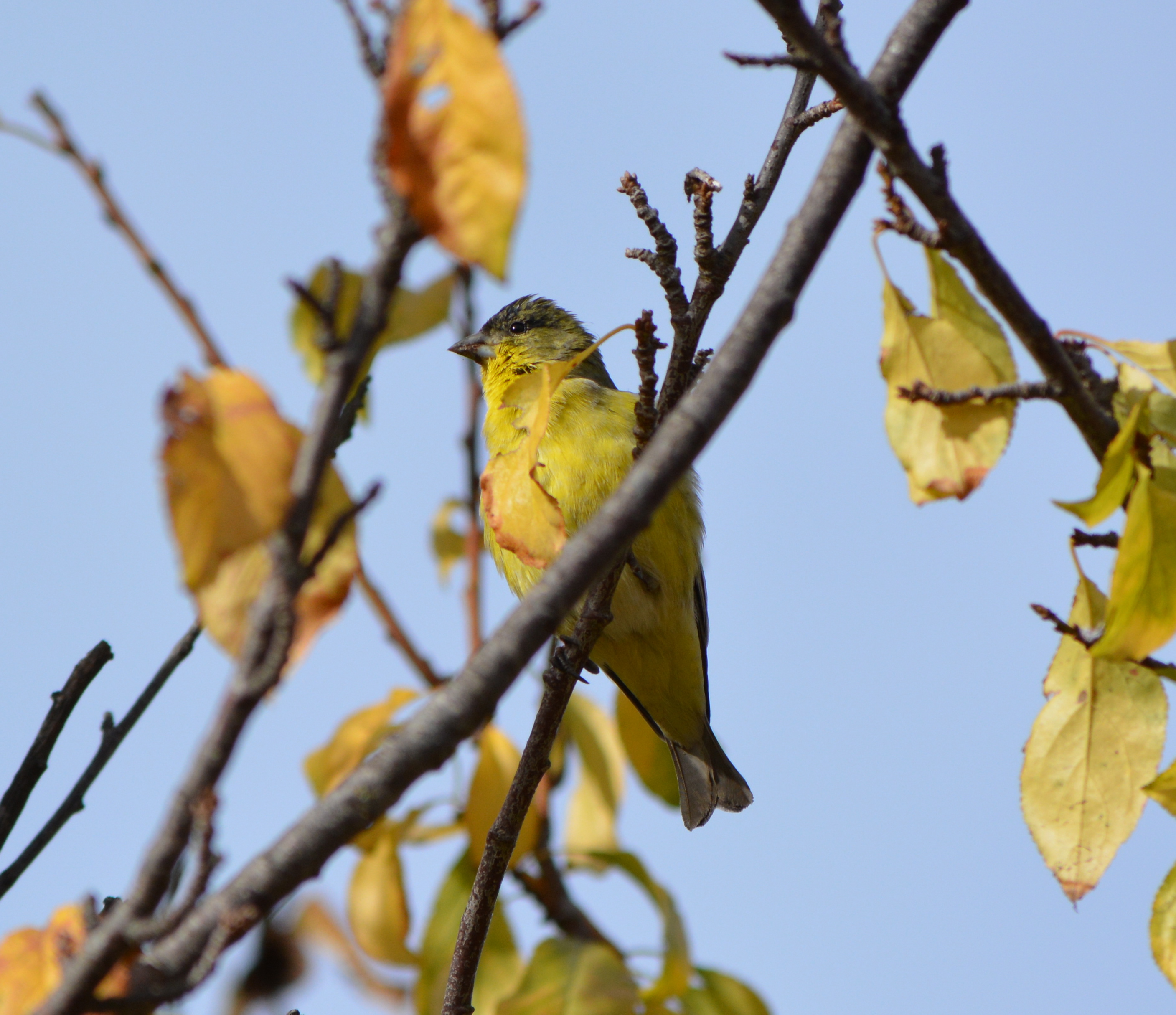
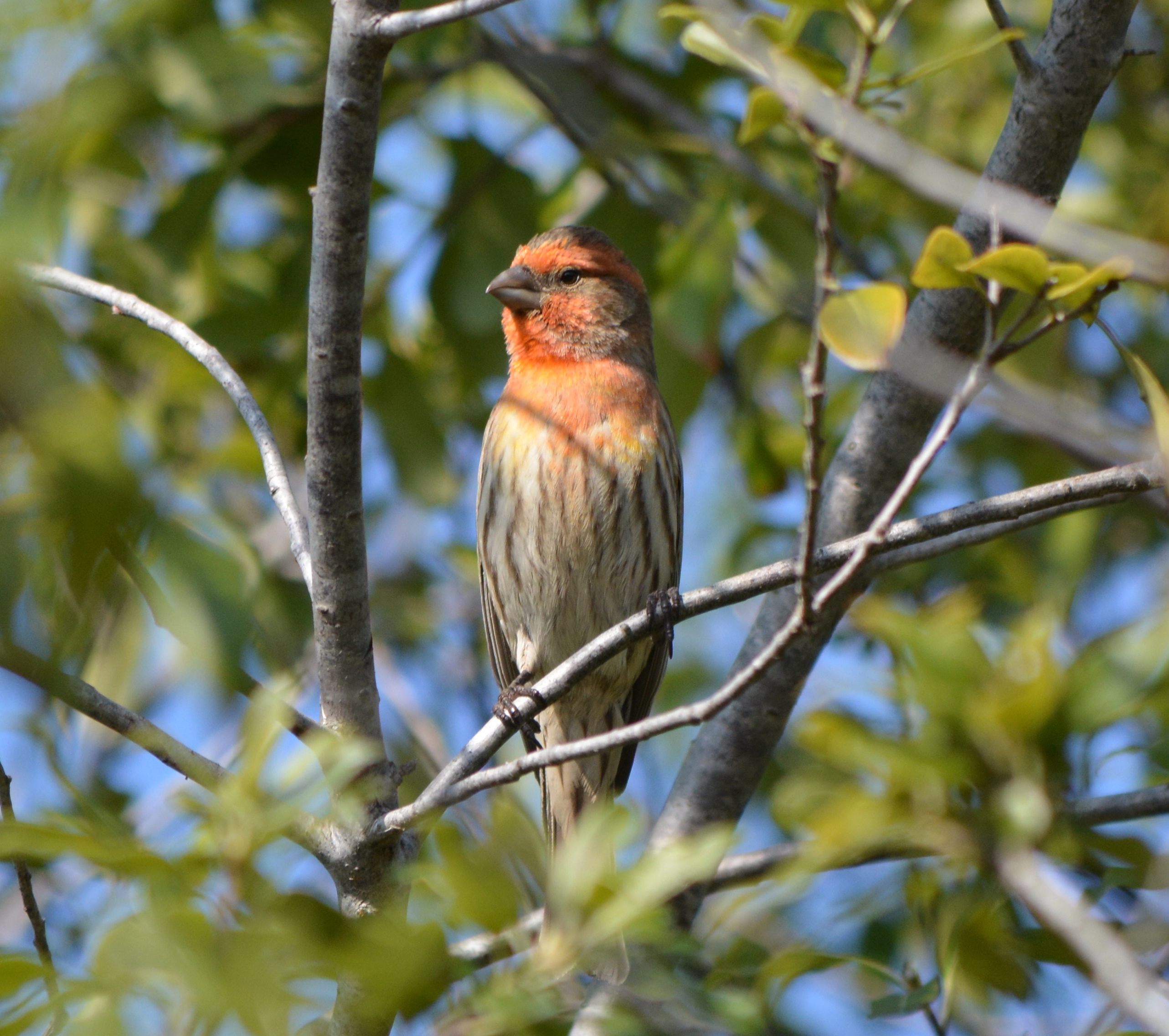
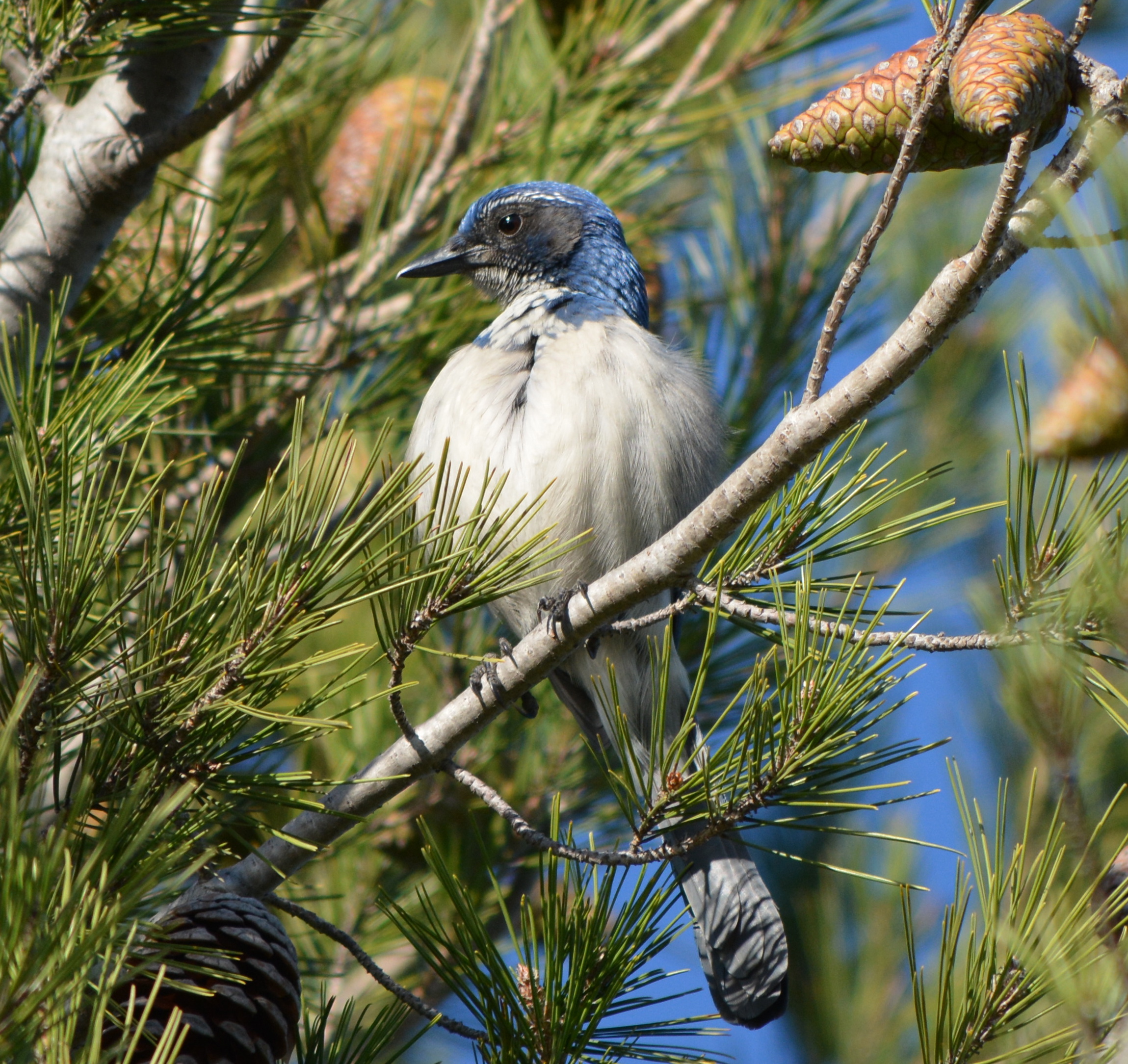
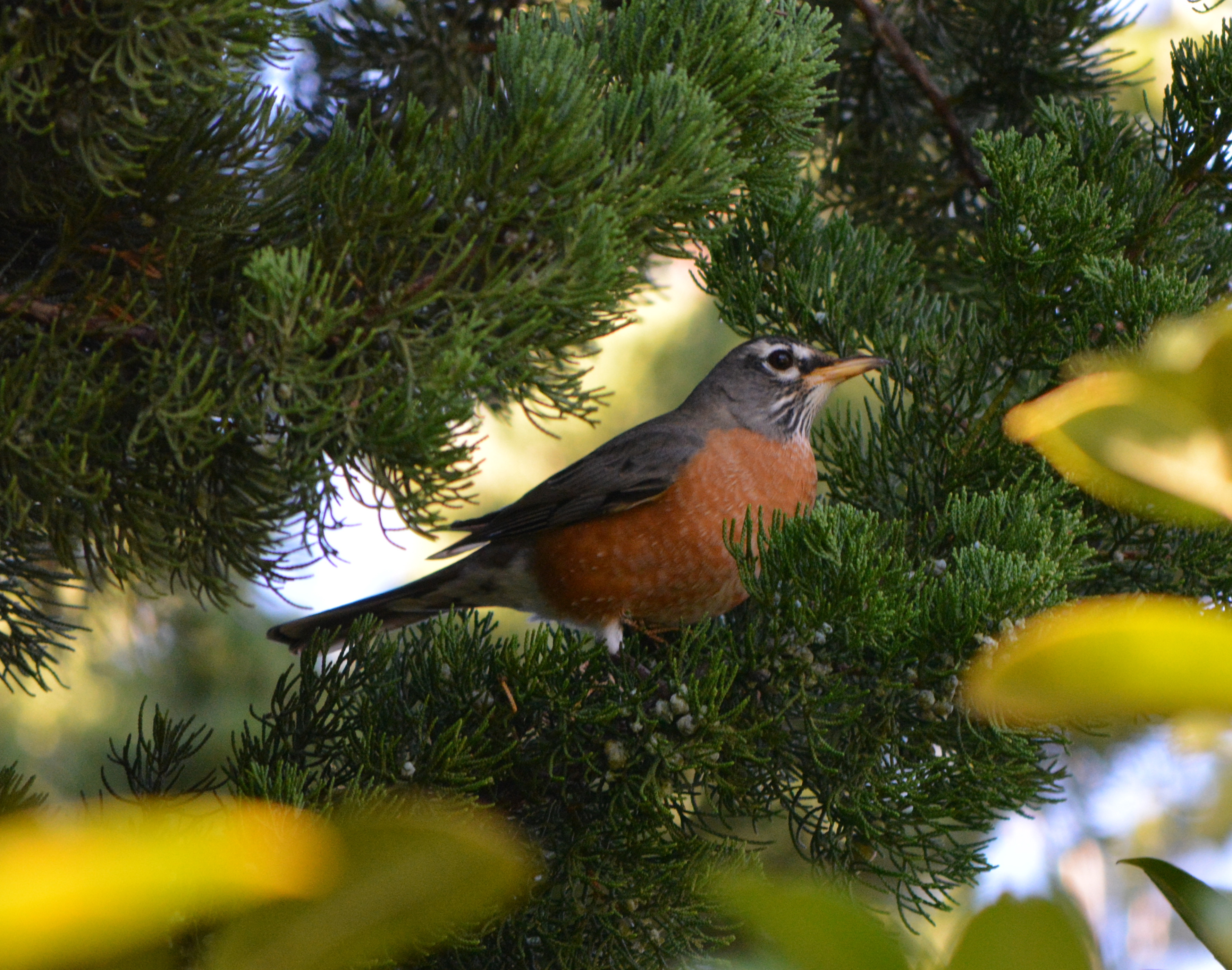
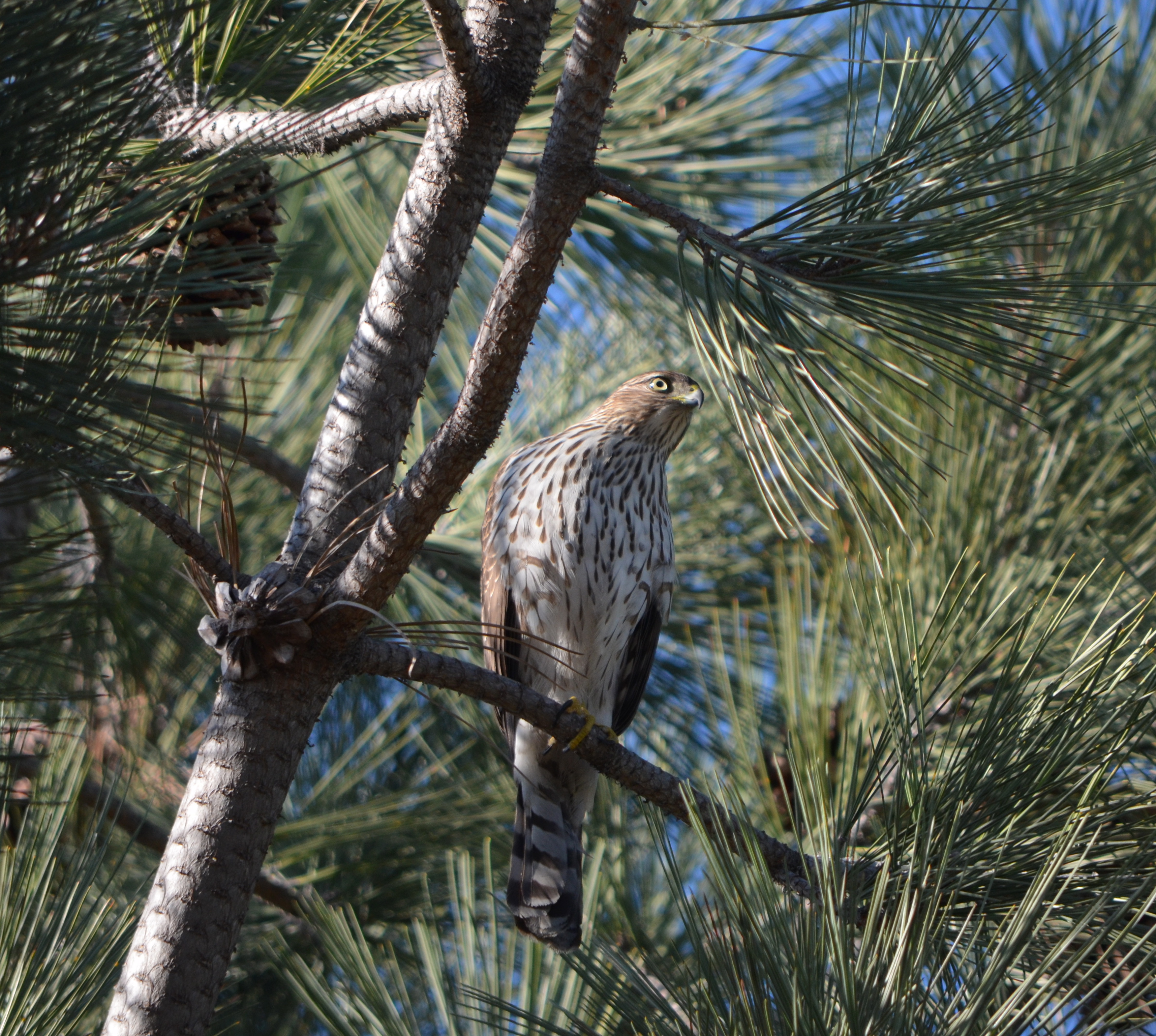
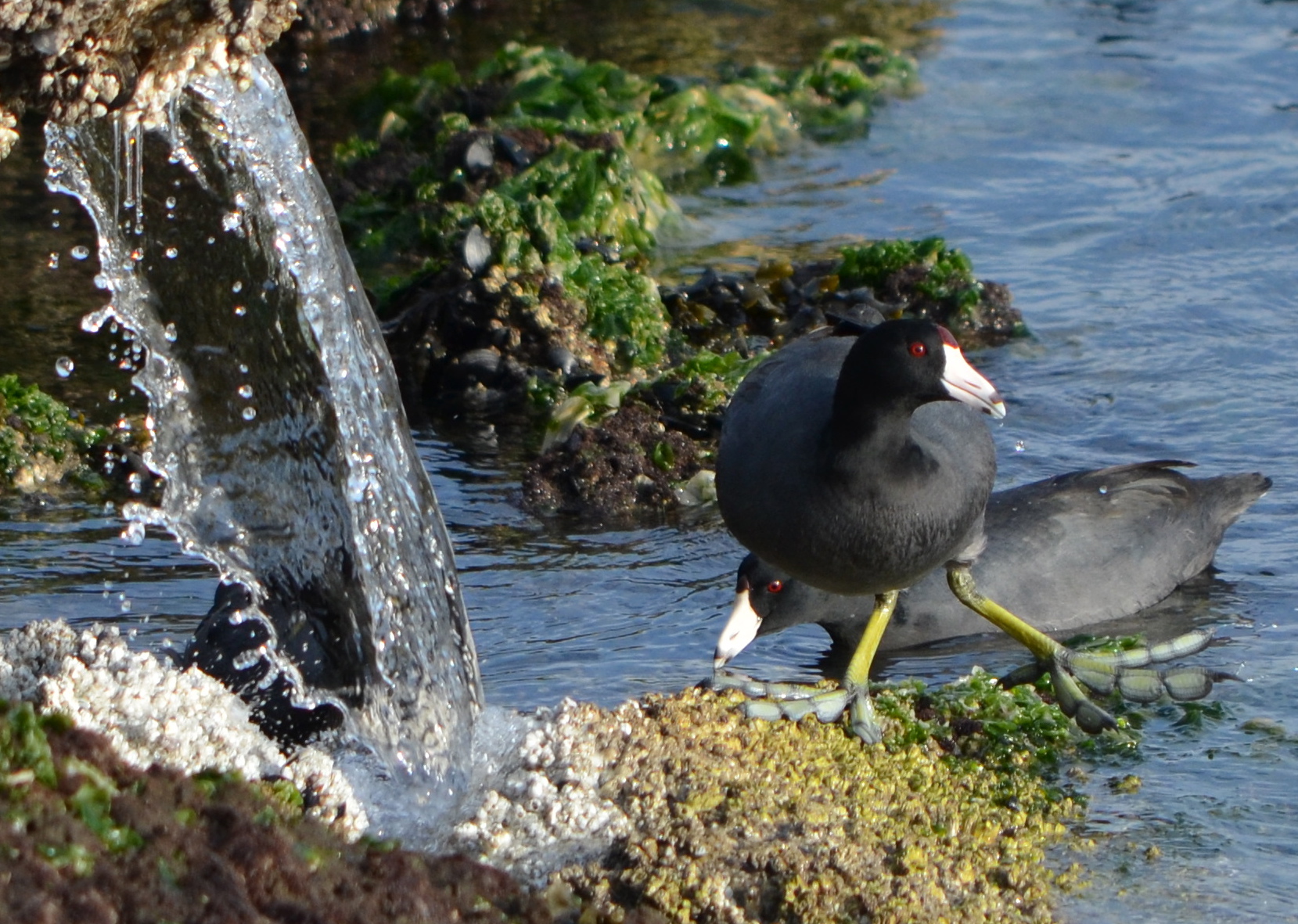
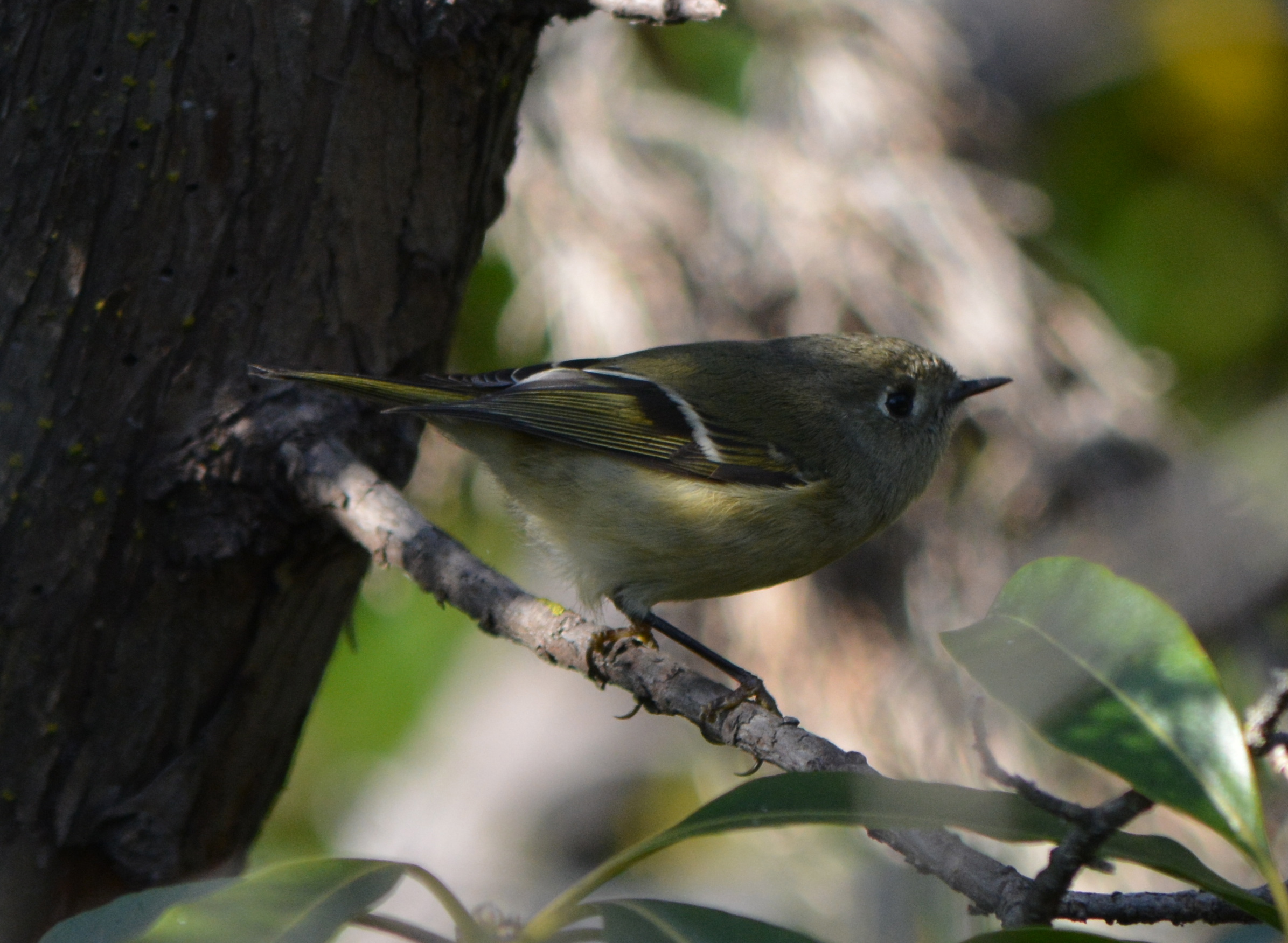
A photo gallery of birds sighted at Alameda Point during the Fall of 2014. They include: Black-necked Stilt, Red-shouldered Hawk, Northern Flicker, White-crowned Sparrow, Cedar Waxwing, Chestnut-backed Chickadee, Northern Shoveler, Black-crowned Night Heron, and Western Bluebird.
Construction of the ferry maintenance facility at Alameda Point is delayed another year. Originally scheduled to begin in August of this year, the project is on hold while the Water Emergency Transportation Authority (WETA) seeks a federal permit allowing for harassment of harbor seals during demolition and construction.
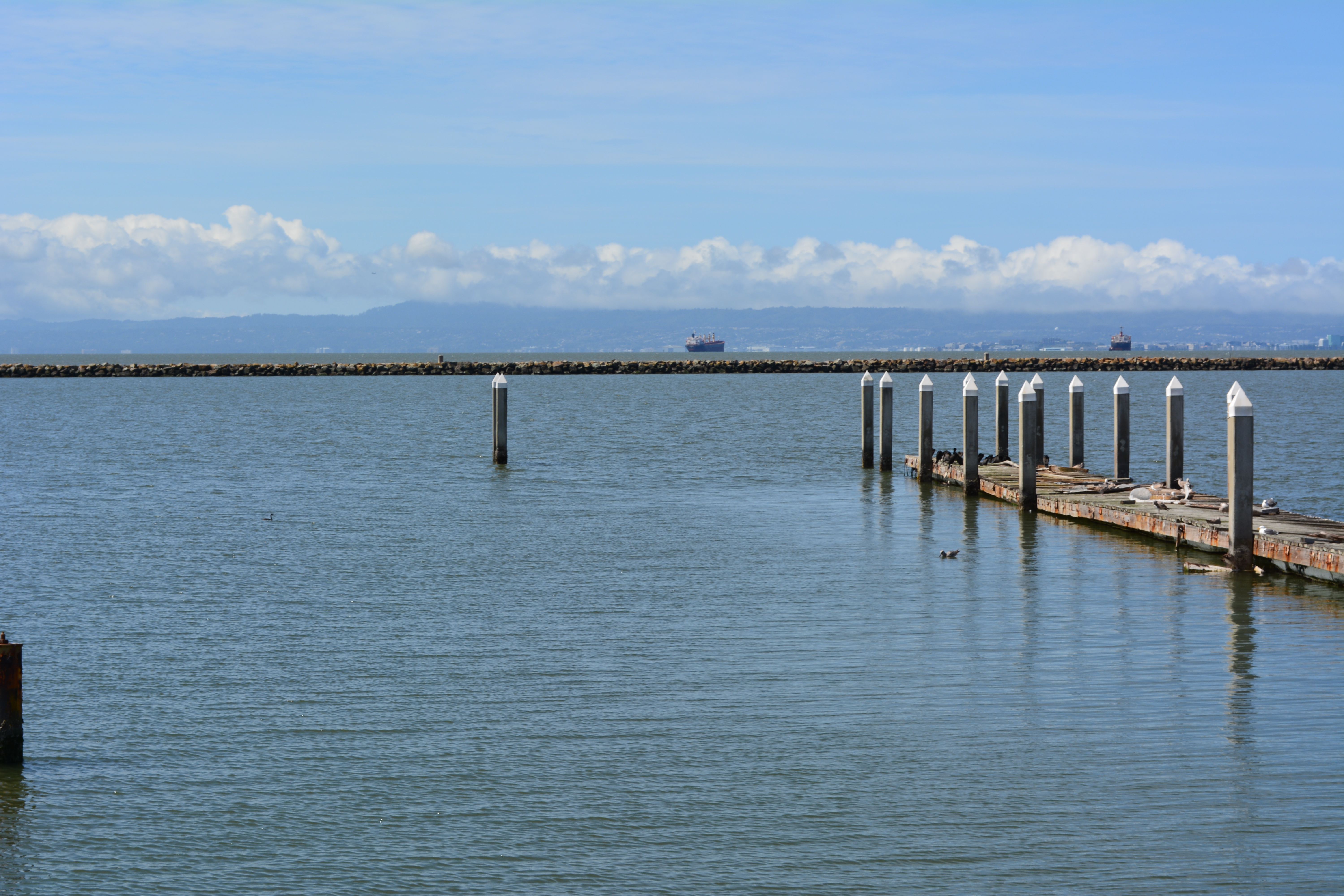
The public, beginning in January of 2014, raised concerns about the harbor seals being displaced at the project site. The Central Bay Operations and Maintenance Facility is slated for construction east of the USS Hornet where the Navy operated a recreational boating dock.
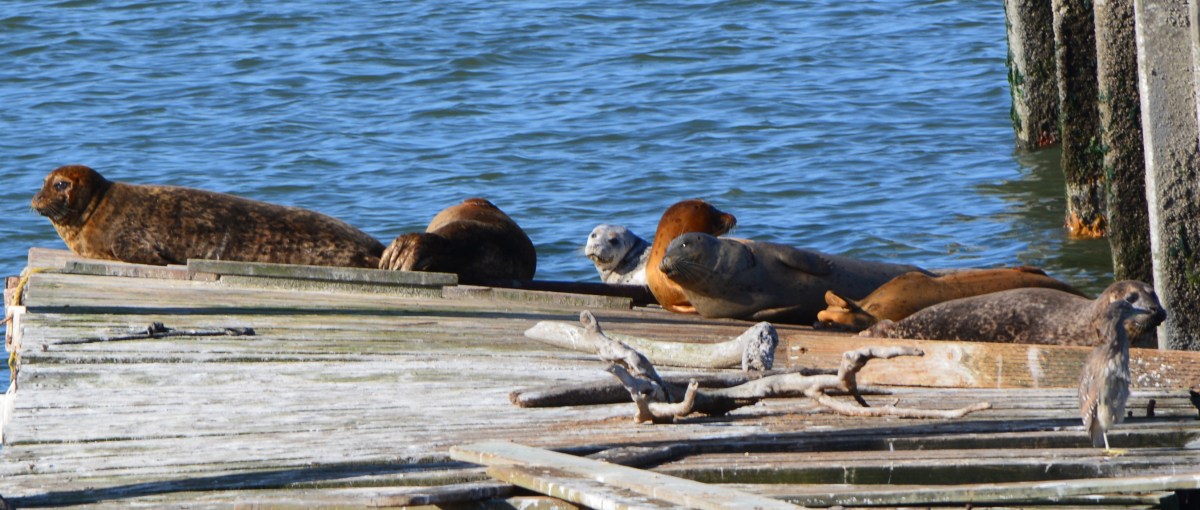
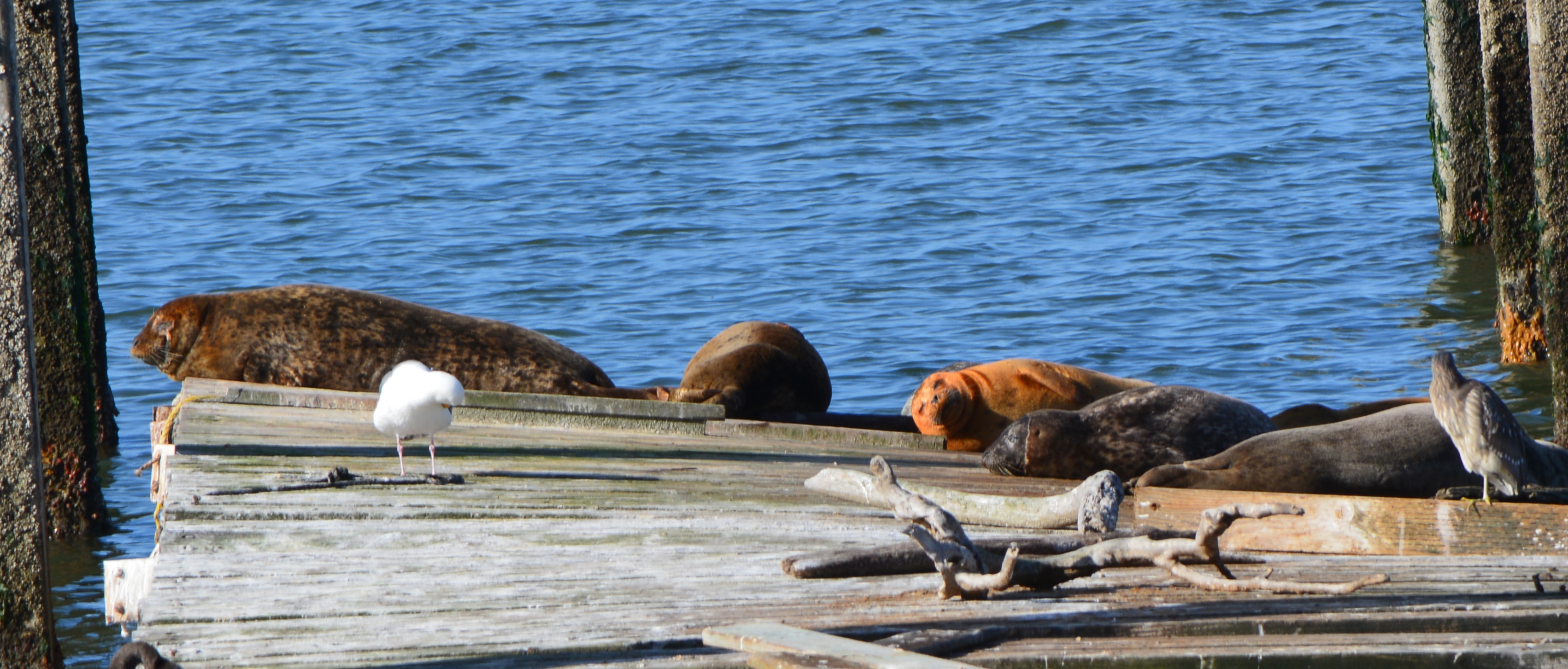
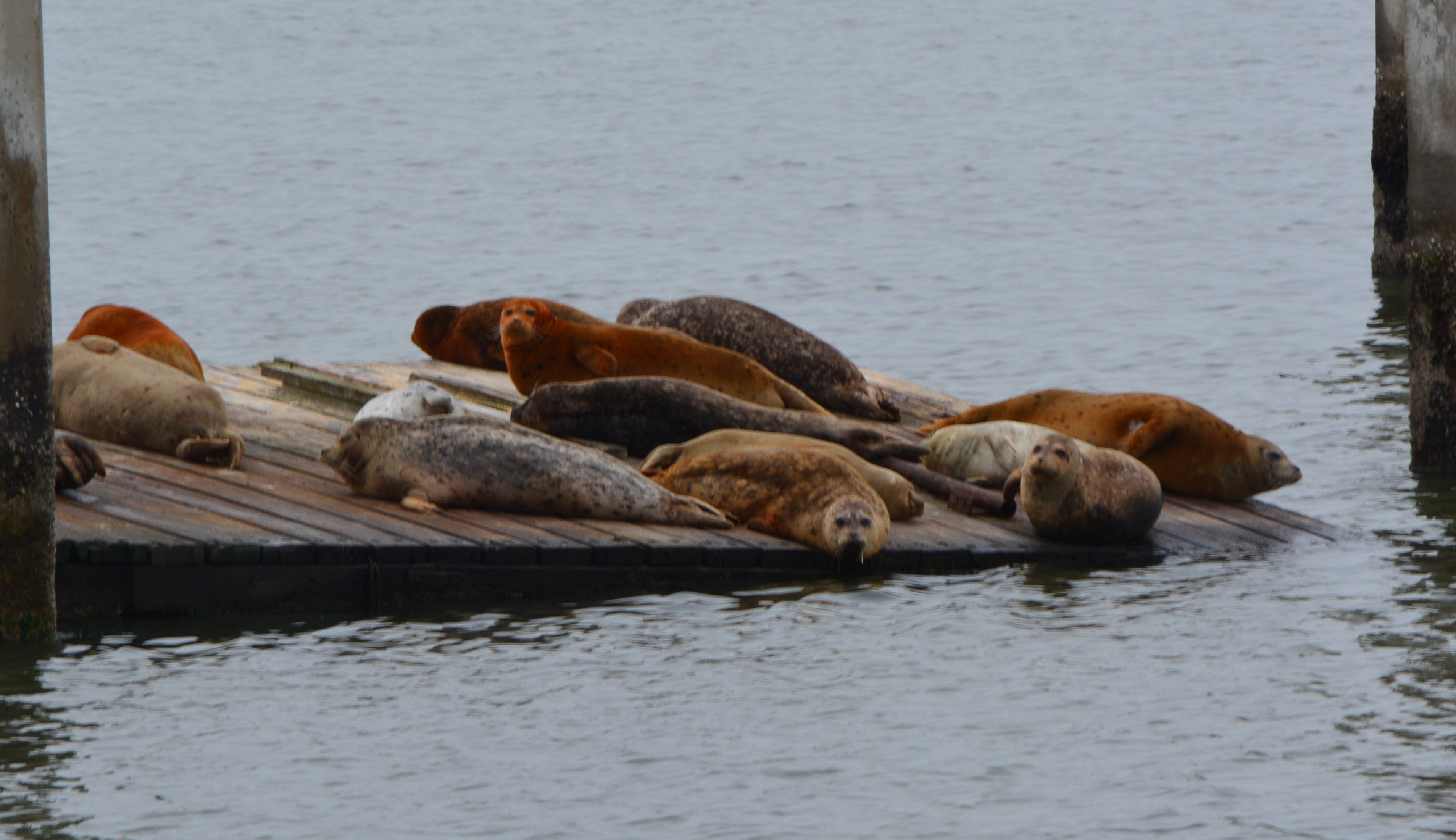
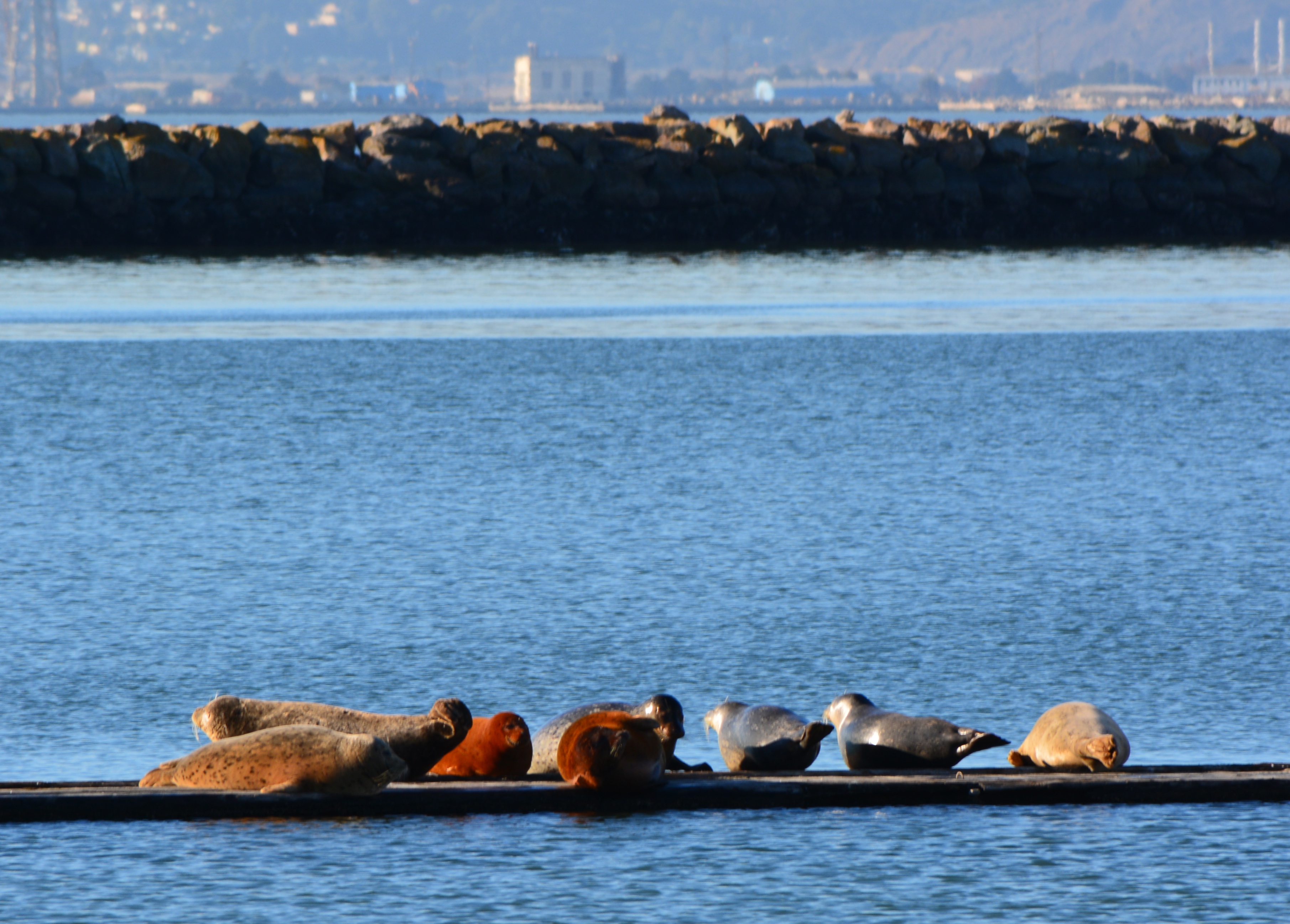
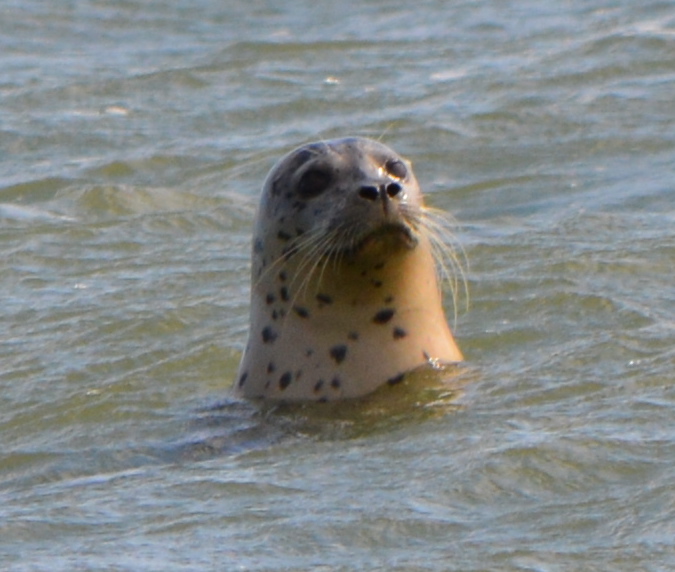
14 harbor seals resting on June 4, 2014, at Alameda Point dock where ferry facility is planned.
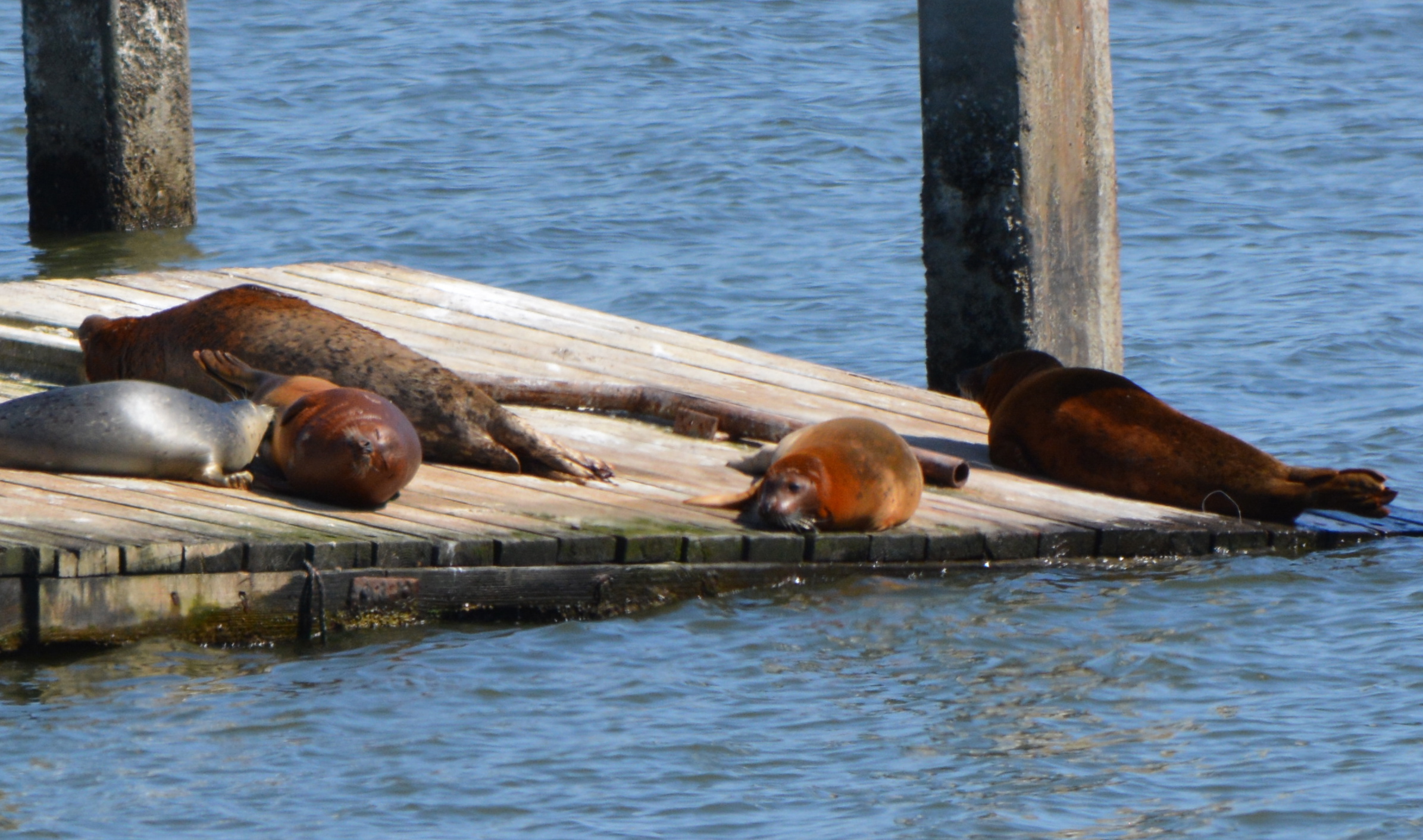
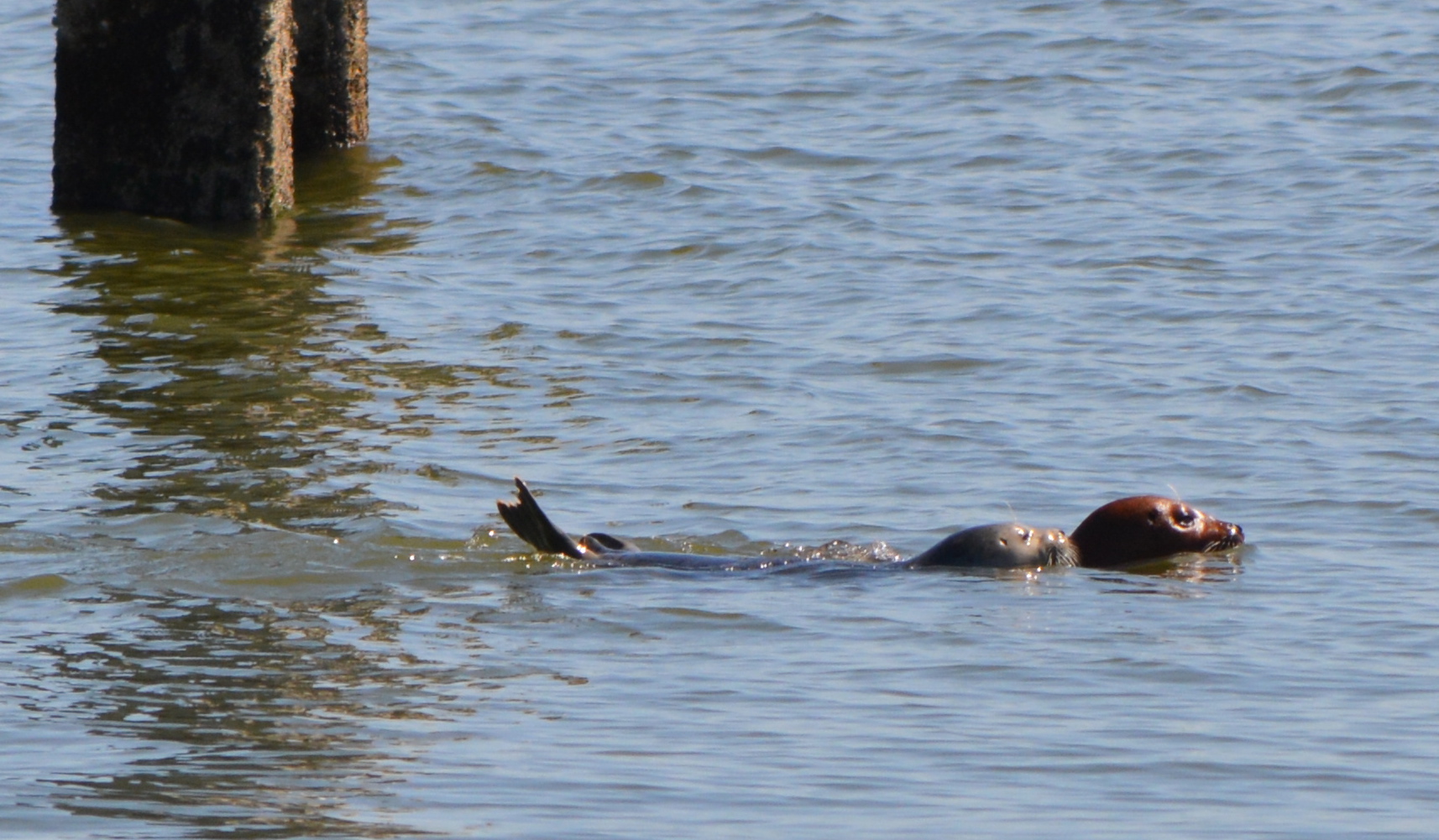
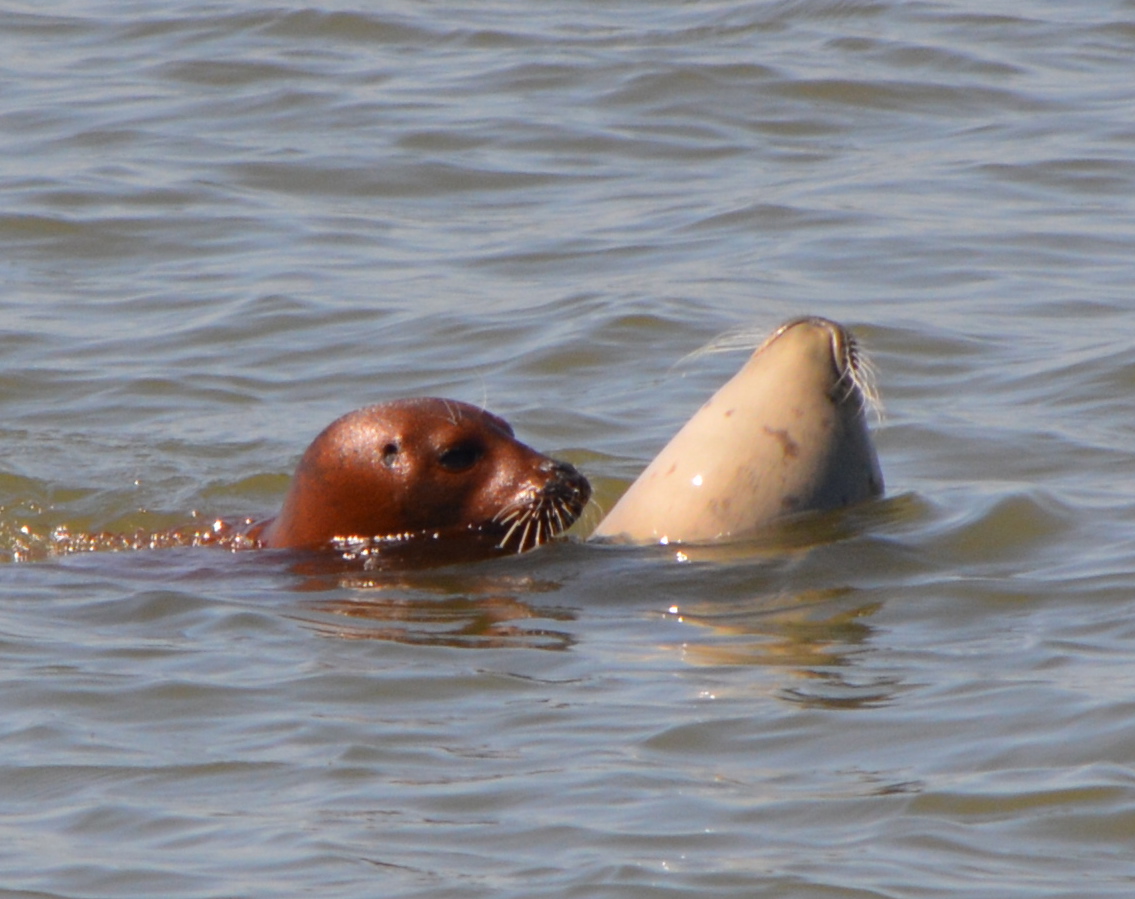
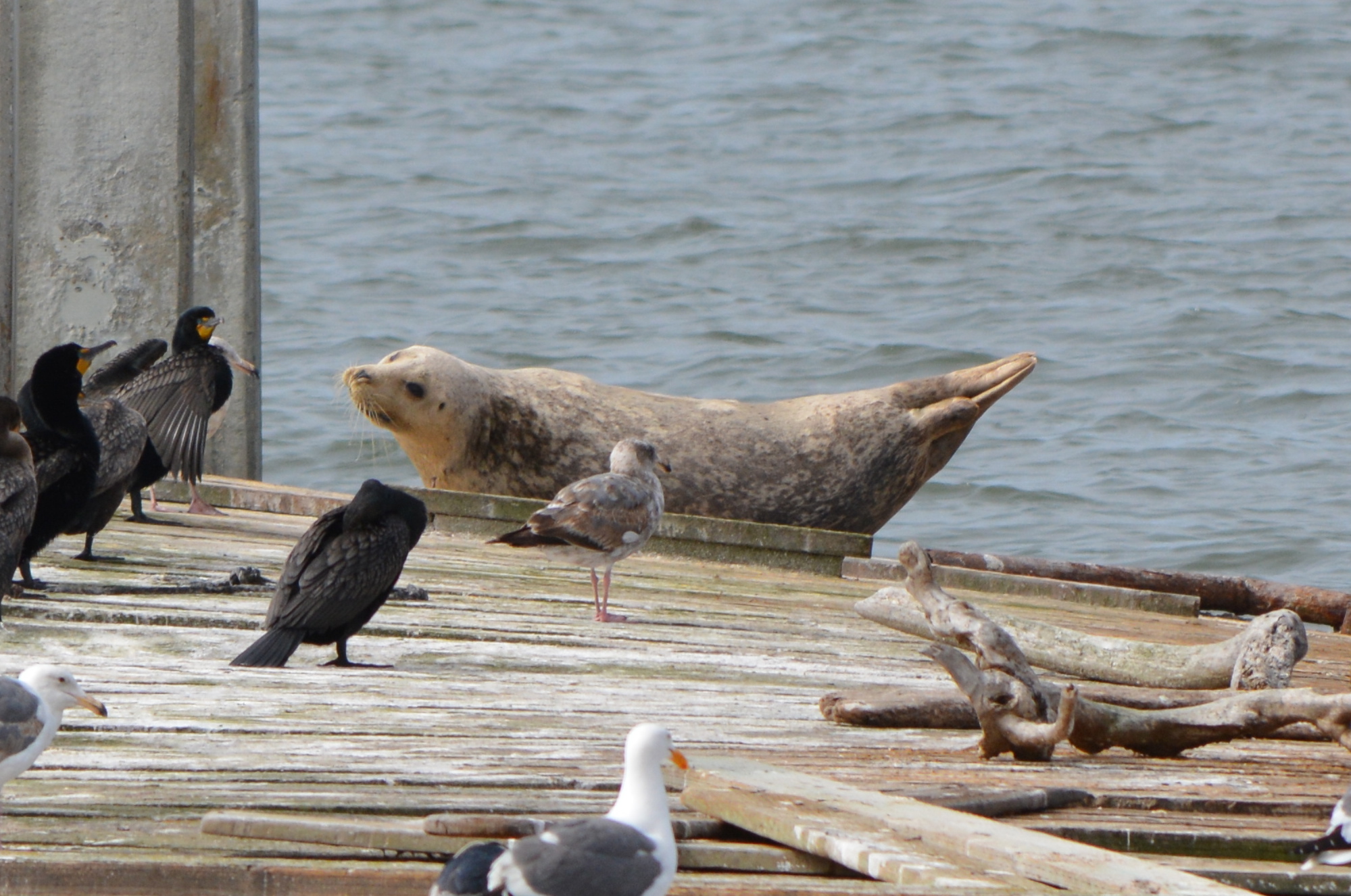
Part of the dock structure has sunk, but the main dock and remnant timbers have attracted harbor seals in recent years that manage to haul themselves up onto the wooden islands to rest. In May 2014, a female harbor seal was observed nursing a pup on the old dock and leading the pup in training exercises around the dock area.
Nursing harbor seal pup – May 13, 2014 – Alameda Point
In its permit application published in the Federal Register on September 17, 2014, the description of the type of harassment for which WETA is seeking a permit is limited to sounds emitted during demolition of the existing pilings and hammering in new ones.
The application makes only passing reference to residents having observed seals at the site. The loss of a resting site is not contemplated in the federal review, even though the Marine Mammal Protection Act lists habitat loss as a form of harassment. A haul-out resting site is considered habitat integral to the welfare of seals.
Adult harbor seals with silver pup – May 29, 2014
The permit is being processed as part of a federal Environmental Assessment and is being prepared by the National Marine Fisheries Service (NMFS). The NMFS is an arm of the National Oceanic and Atmospheric Administration that enforces the Marine Mammal Protection Act (MMPA), as well as aquatic components of the Endangered Species Act.
The permit being applied for by WETA is called an Incidental Harassment Authorization (IHA). An IHA “Level A” involves injury to a marine mammal. “Level B” involves disruption of behavioral patterns. The WETA permit is Level B.
The preliminary conclusion of NMFS is that no significant impact will occur, especially in light of the acoustical mitigation measures worked out between WETA and NMFS. The mitigation measures call for gradual start-ups to demolition and dock construction work, a sound curtain in the water, and NMFS-approved biological monitors.
Silver-colored harbor seal pup nursing on May 13, 2014.
Despite the fact that a regular haul-out site will be eliminated with the dock removal, NMFS concludes, “No permanent impacts to marine mammal habitat are proposed to or would occur as a result of the proposed Project.” WETA’s proposed facility “would not modify the existing habitat. Therefore, no restoration of the habitat would be necessary,” stated NMFS.
The most recent harbor seal data for the area cited by NMFS in the application is from 1998. It highlights Breakwater Island, the rocky barrier forming the south side of the Alameda Point Channel, as “the only haul-out site in the Central Bay that is accessible to seals throughout the full tidal range.”
The Alameda Point seals have been seen again in the project area in recent weeks after an absence of a few months, which corresponds with behavior predicted by NMFS. Citing harbor seal research, NMFS stated, “Haul-out sites are relatively consistent from year to year, and females have been recorded returning to their own natal haul-out when breeding.”
The public can submit comments no later than October 17, 2014. Pending review of the comments, the NMFS may impose additional mitigation measures. Comments can be sent via email to:itp.guan@noaa.gov. Paper mail to: Jolie Harrison, Chief, Permits and Conservation Division, Office of Protected Resources, National Marine Fisheries Service, 1315 East-West Highway, Silver Spring, MD 20910.
Adult harbor seal with pup at proposed ferry facility site, Alameda Point, May 13, 2014.
WETA will also need a permit from the Bay Conservation and Development Commission, which follows state rules regarding marine mammal impacts. WETA will be leasing the site from the city, and still needs to conclude a lease agreement and obtain a building permit. Demolition and dredging at the site can only occur between August 1 and November 30 due to foraging by least terns in the spring and summer and fish migration in late fall. The permit is for 2015.
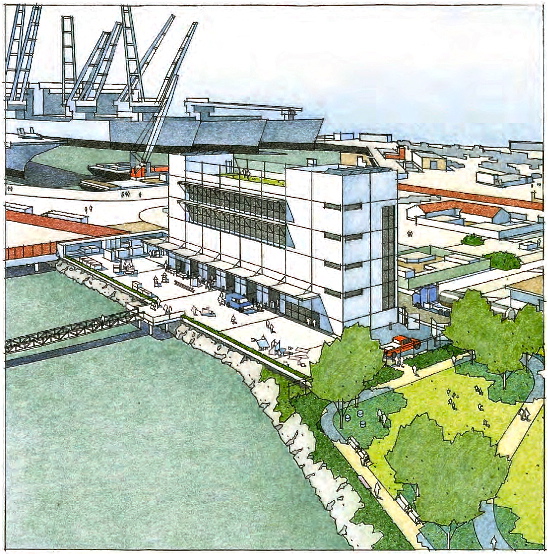
The project was authorized by WETA in 2009 and has been undergoing review ever since. It will include berths for 11 ferries, a service yard and a four-story workshop and administration building. The facility would also function as an emergency operation center for passenger service in the event of an emergency.
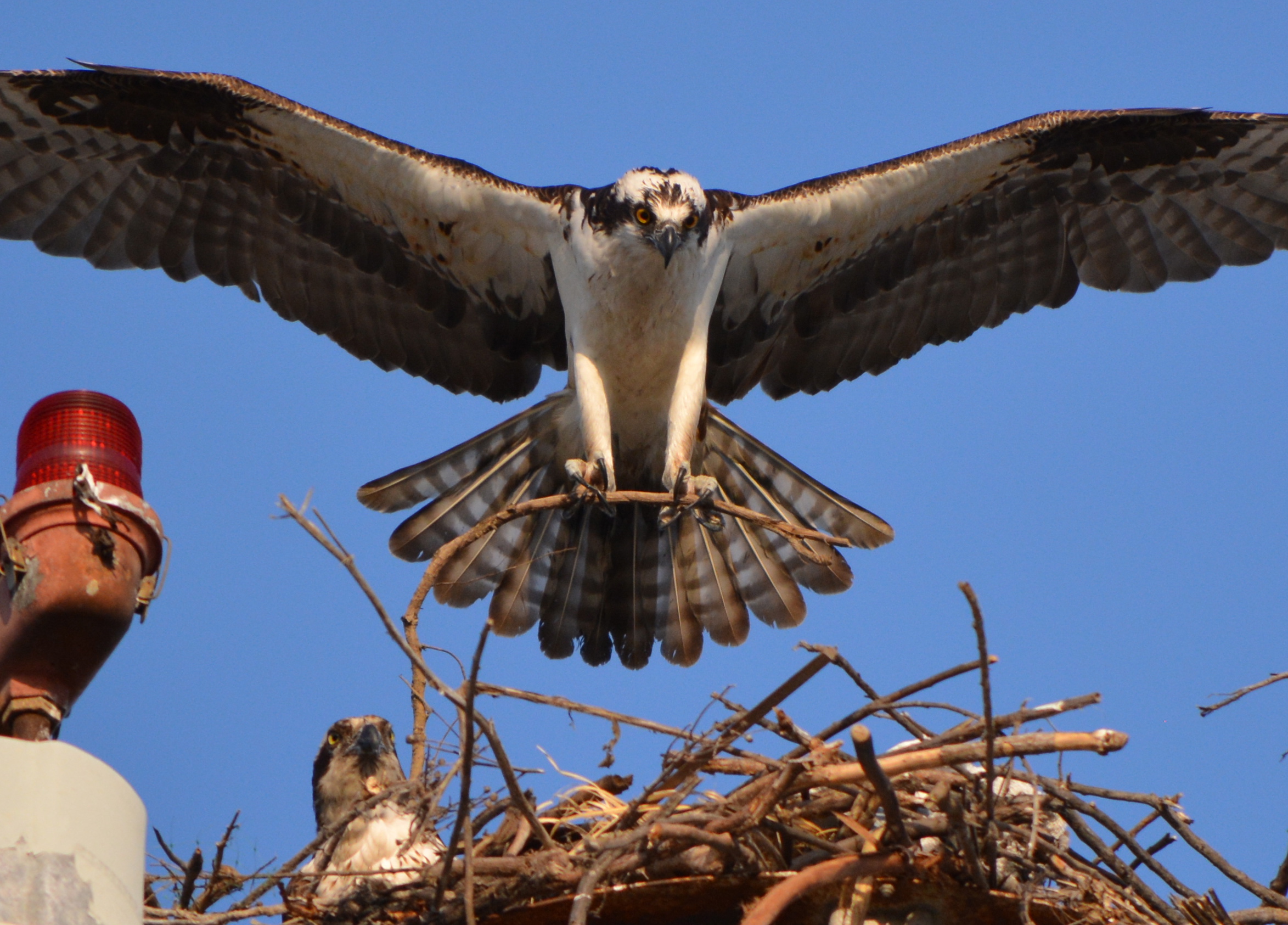
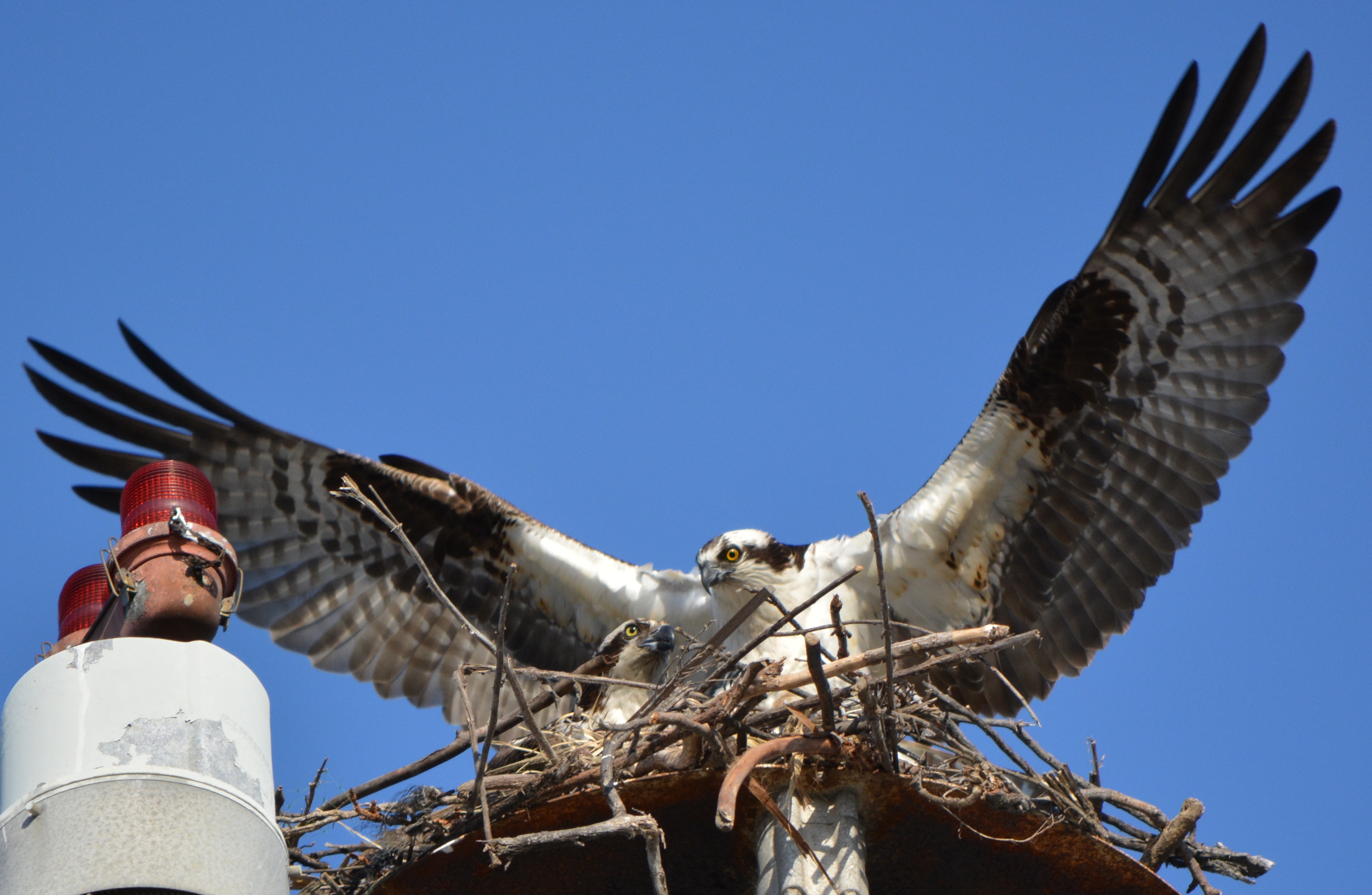
In early June a pair of returning ospreys looked ready for the day in their newly made nest atop a parking lot light pole at Alameda Point, but they had no chicks to attend to. The pair’s first nest this season — on a nearby ship — had been removed during construction. Their second attempt faced interference from another osprey. By June, hopes for fledglings this year had faded. An ad hoc group of osprey watchers is hoping a dedicated osprey platform can be erected at Alameda Point in a spot where competing interests and annoyances of daily commotion don’t intrude into the reproductive efforts of the ospreys.
Male osprey bringing nesting material to light pole near maritime ships at Alameda Point with female looking on.
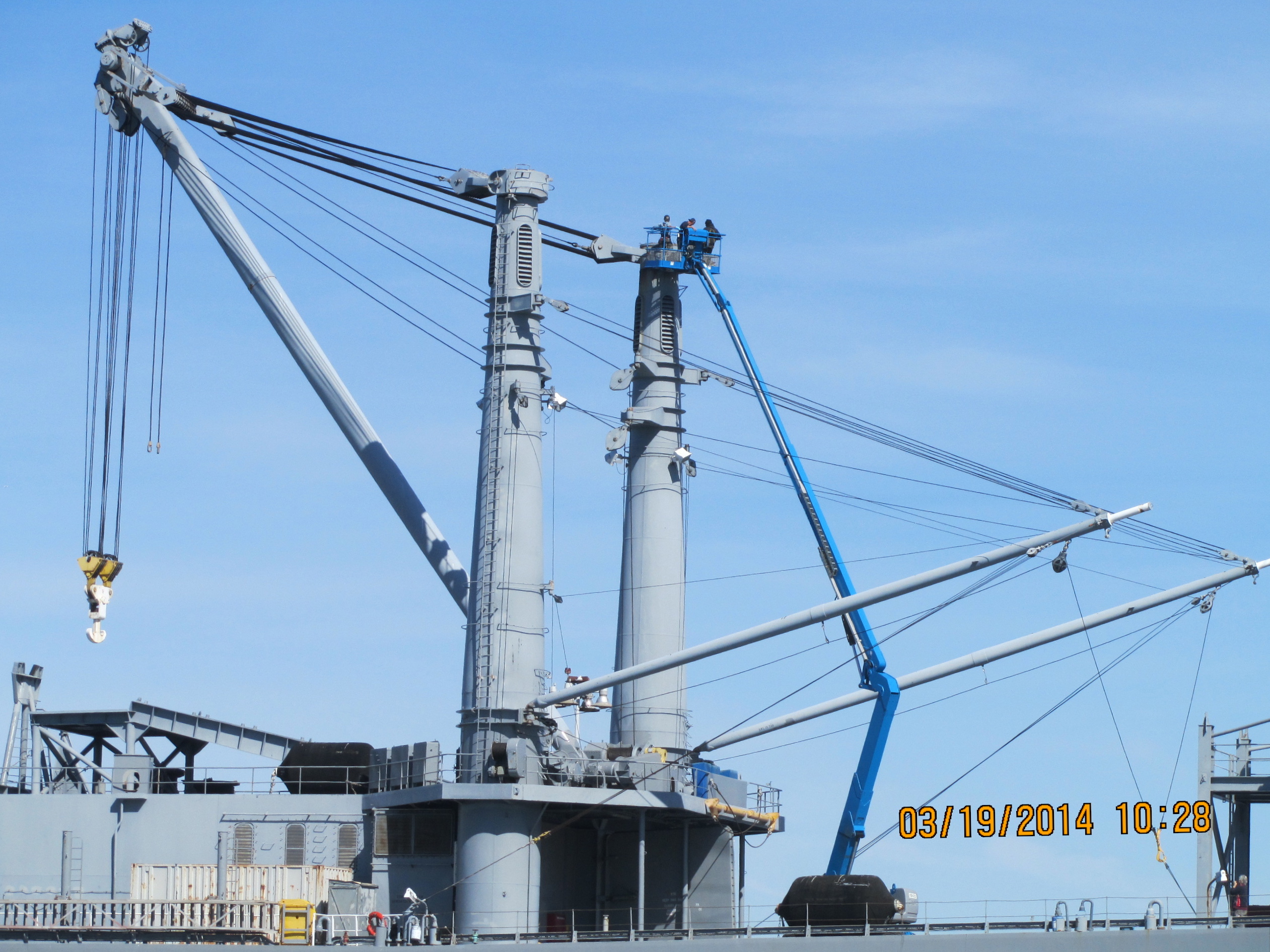
In early March the osprey pair began building their first nest this year where they had nested last year — on a kingpost high atop the maritime ship Admiral Callaghan. The ship’s owner, the Maritime Administration (MARAD), had removed last year’s nest. This year MARAD moved quickly to stop the nest building to avoid potential delay to relocate a nest if ordered into service. “The Maritime Administration worked closely with the California Department of Fish and Wildlife on dismantling the nest and installing deterrence devices on March 19 prior to any eggs being laid,” said Alameda resident Harvey Wilson, who has been monitoring the ospreys at Alameda Point.
Crew removing osprey nesting material from kingpost on Admiral Callaghan maritime ship at Alameda Point, March 2014. Photo by Harvey Wilson.
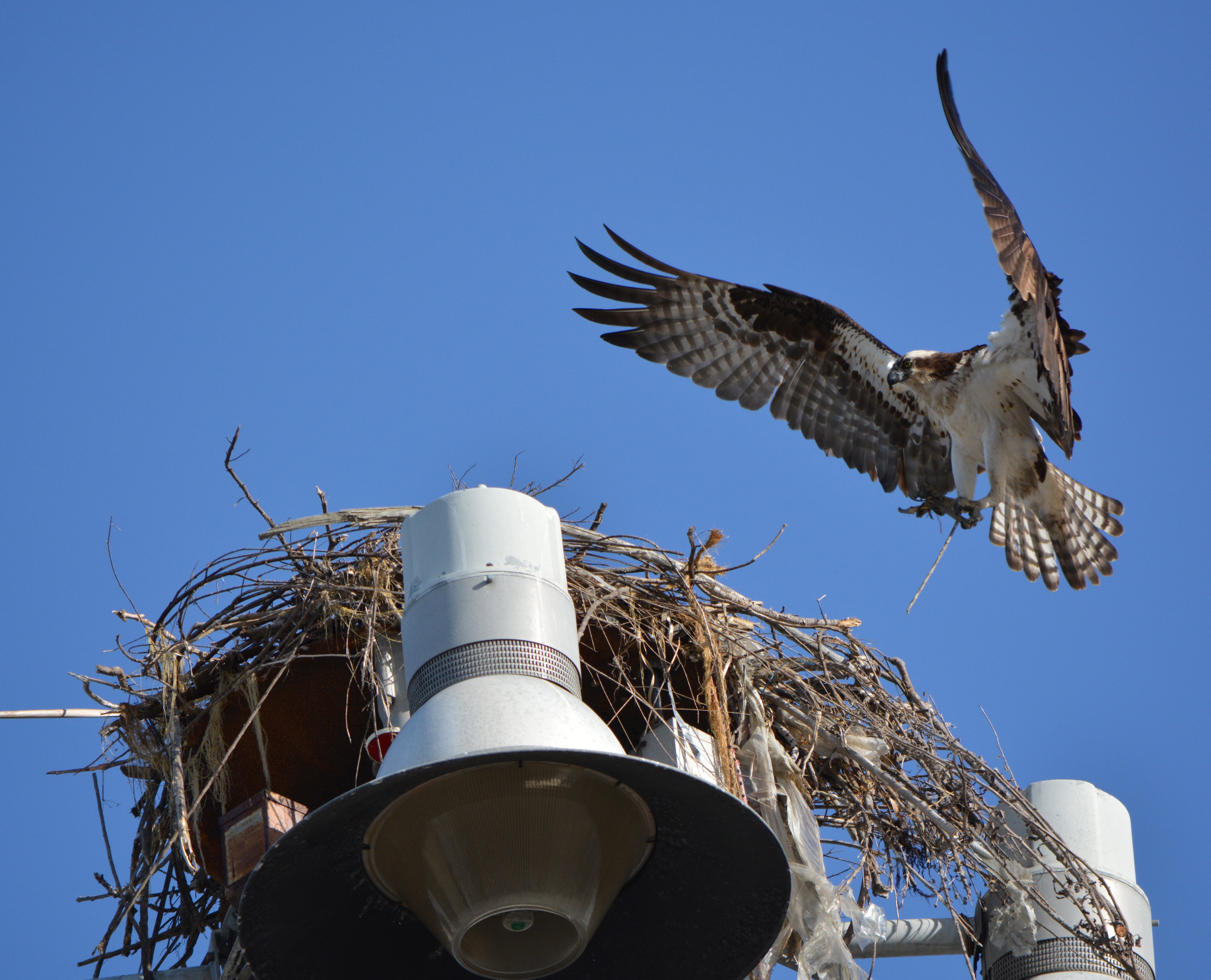
But that removal didn’t end the ospreys’ interest in the ship, at least not for the male osprey. He soon started bringing sticks to a lower-level hoisting post on the ship. The female, on the other hand, took a liking to a light pole in the parking lot next to the wharf. After weeks of back and forth episodes of mating and nest building at both sites, the female won, and nest building started ramping up on the light pole. At one point, it appeared that the female was hunkering down in the nest, a sign that eggs had been laid and incubation had started. But soon another female osprey appeared, trying to lure the male from his duties and disturbing the composure of the female.
Female osprey bringing nesting material to nest on parking lot light pole near maritime ships at Alameda Point – May 2014.
The third osprey now seems to have moved on, and the original pair has continued to visit the nest, but the lateness of the season offers little hope that eggs will be laid again, if they ever were, this year.
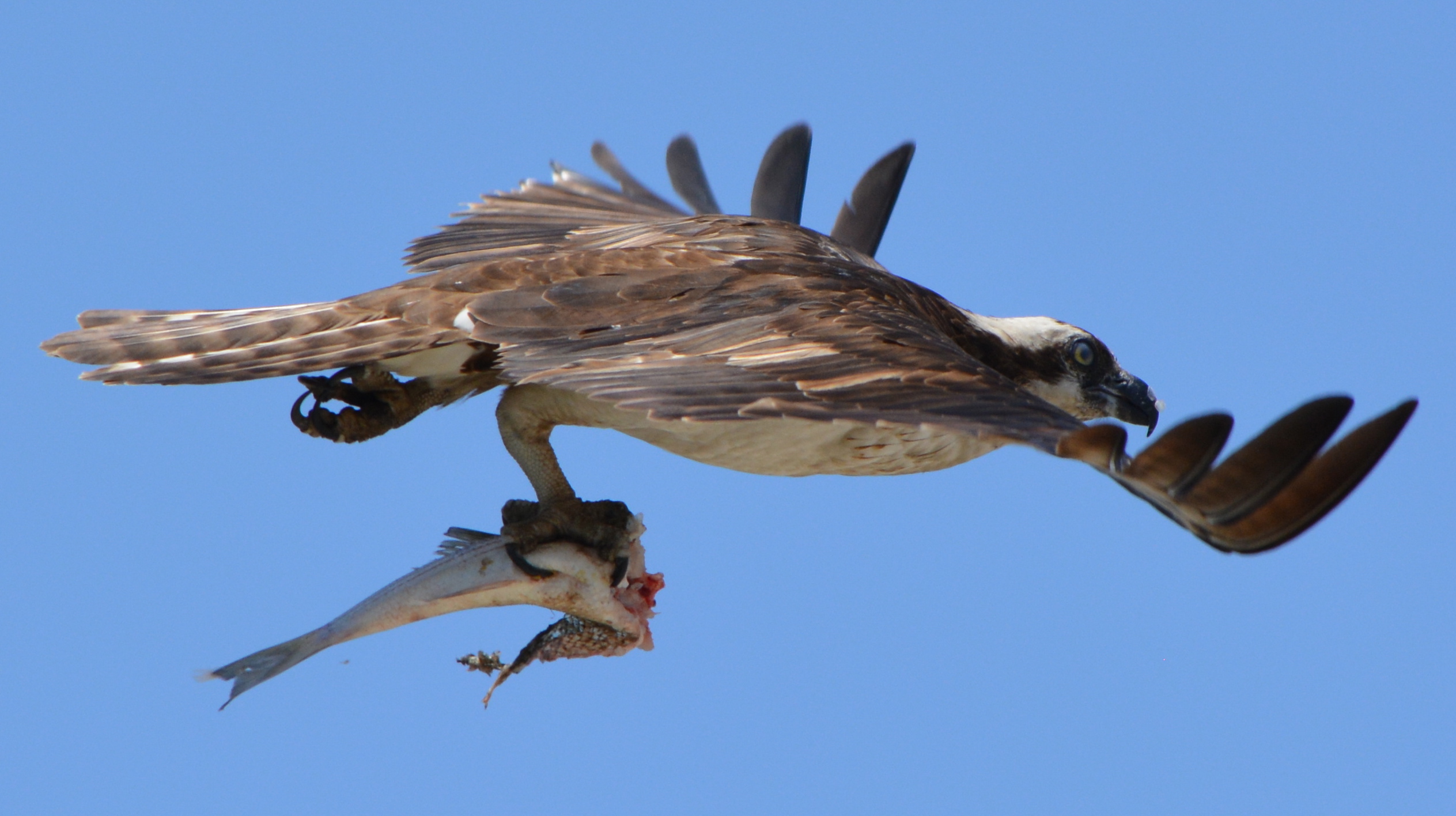
Osprey with striped bass in early June 2014 near maritime ships at Alameda Point.
The appearance of ospreys at Alameda Point, first documented in 2010, is part of larger Bay Area phenomenon of ospreys beginning to nest on the shores of San Francisco Bay. Osprey first began nesting in the San Francisco Bay Area in the year 2000, having moved their nesting range further south. There are currently 24 active nests on San Francisco Bay. One theory for the ospreys’ Bayside nesting interest is a reduction of silt in the Bay, making it easier for osprey to catch fish, their primary food source. The high silt levels are a legacy of the gold mining era during which streambeds emptying into the Sacramento River were blasted with water canons to expose gold particles.Ospreys normally return to the same nest every year, but the Alameda Point pair has now used three different sites. In 2012 they successfully raised their lone chick on an old light stand on the western jetty of the Seaplane Lagoon, their regular nest for three years. For unknown reasons, they chose the heights of a maritime ship in 2013, and in 2014 a parking lot light pole.
Osprey pair on their light pole nest April 18, 2014 as nest building continued.
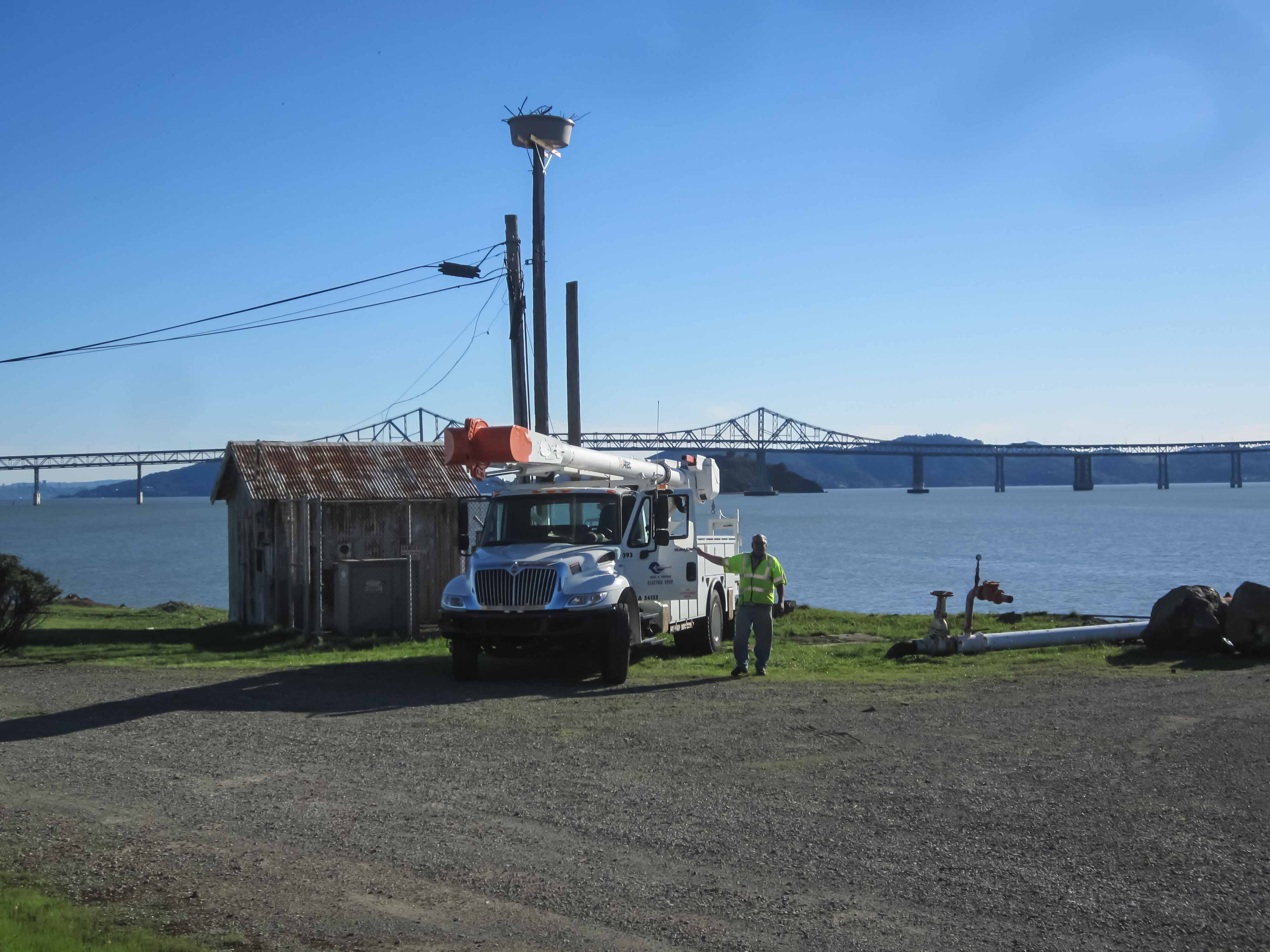
An ad hoc group of osprey watchers that includes members of the Golden Gate Audubon Society have been discussing with the city the possibility of erecting a permanent osprey nesting platform on the western side of the Seaplane Lagoon. “City staff has been and is willing to continue to work with interested members of the local community to potentially establish an osprey platform at Alameda Point,” said Jennifer Ott, Chief Operating Officer for Alameda Point. “The identification of an appropriate location for this platform will depend on a number of factors, including approval by the United States Fish and Wildlife Service.”In March of this year, the city of Richmond’s Public Works Department assisted with the installation of an osprey platform at Pt. Molate, which helped divert nesting efforts from a utility pole with live wires. PG&E, with extensive raptor nesting diversion experience throughout California, has offered to install a pole and nesting tub at Alameda Point for free.
City of Richmond public works employee after installation of nesting tub at Pt. Molate – March 2014. This photo and three below are by Tony Brake.
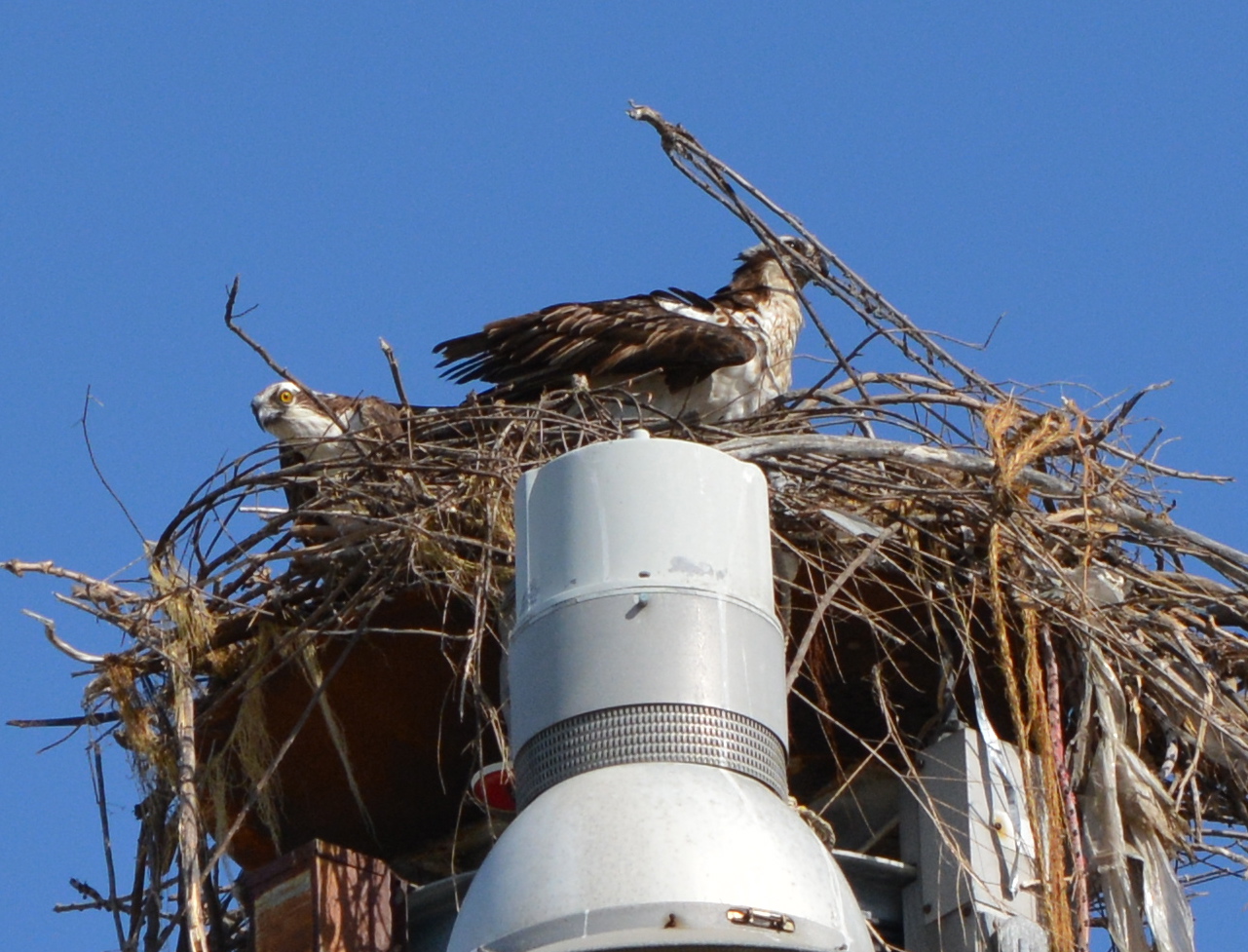
Pt. Molate nest. Photo by Tony Brake.
Pt. Molate nest. Photo by Tony Brake.
Pt. Molate nest. Photo by Tony Brake.
“It is difficult to know what the ospreys feel or how they respond or what their capacity is for all the activity that goes on around them, but this season certainly challenged them,” said Alameda wildlife biologist Leora Feeney. “Providing safe platforms for them out of busy corridors would serve everyone better.”
Female osprey arranging nesting material with male looking on.
Osprey with striped bass, maritime ship in background at Alameda Point.
Female osprey after leaving nest and headed to Enterprise Park to gather nesting material.
Female osprey leaving nest to gather nesting material.
Male osprey (right) looking at fish before giving to female.
Male osprey mating with female 2014. Female’s tail feathers visible on left.
Osprey pair deciding on whether to set up nest on light pole in parking lot at Alameda Point 2014.
Frequent roosting area for ospreys in 2014. Female with fish.
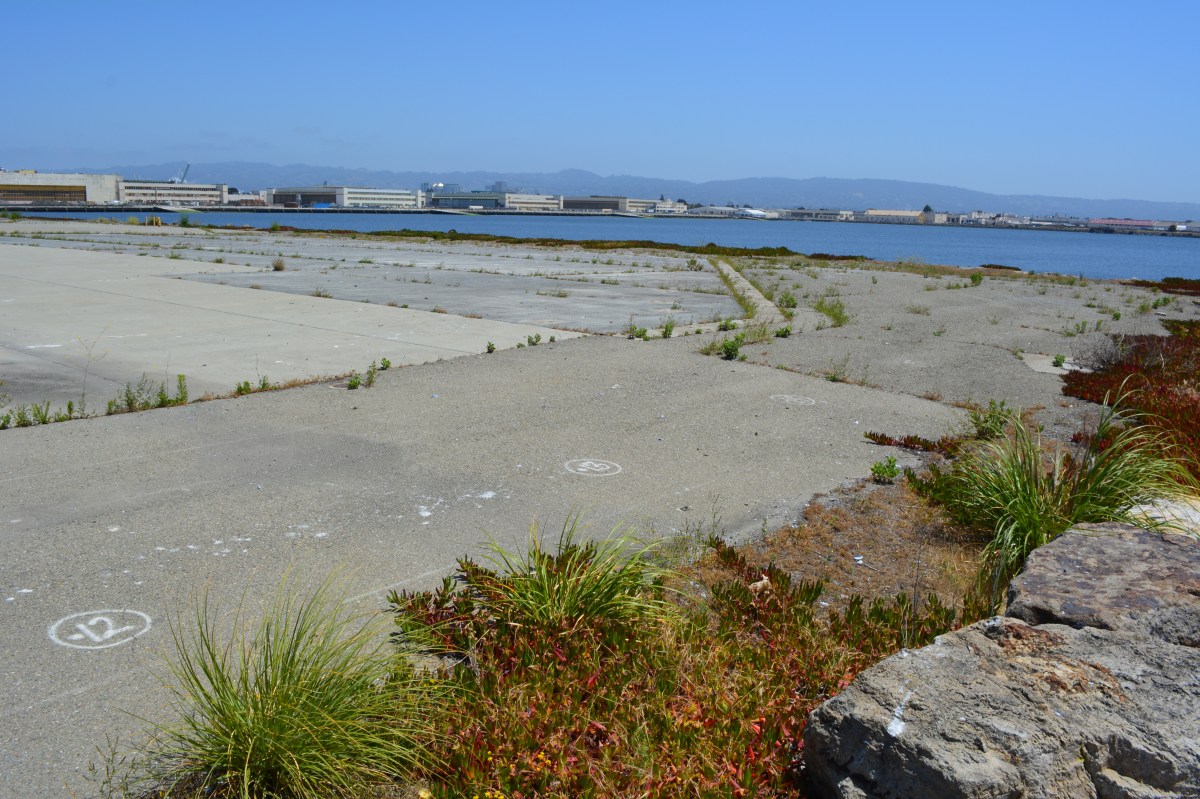
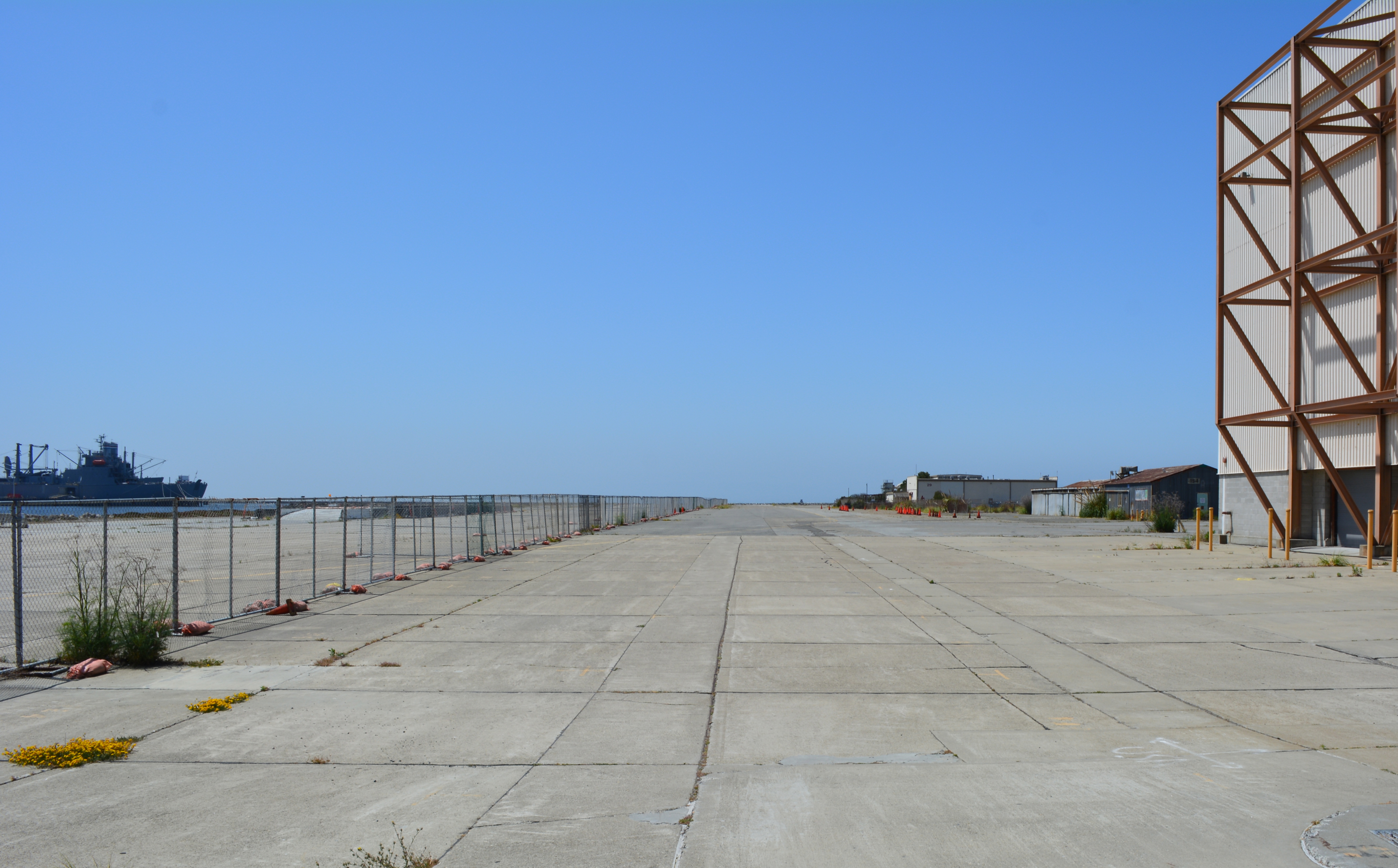
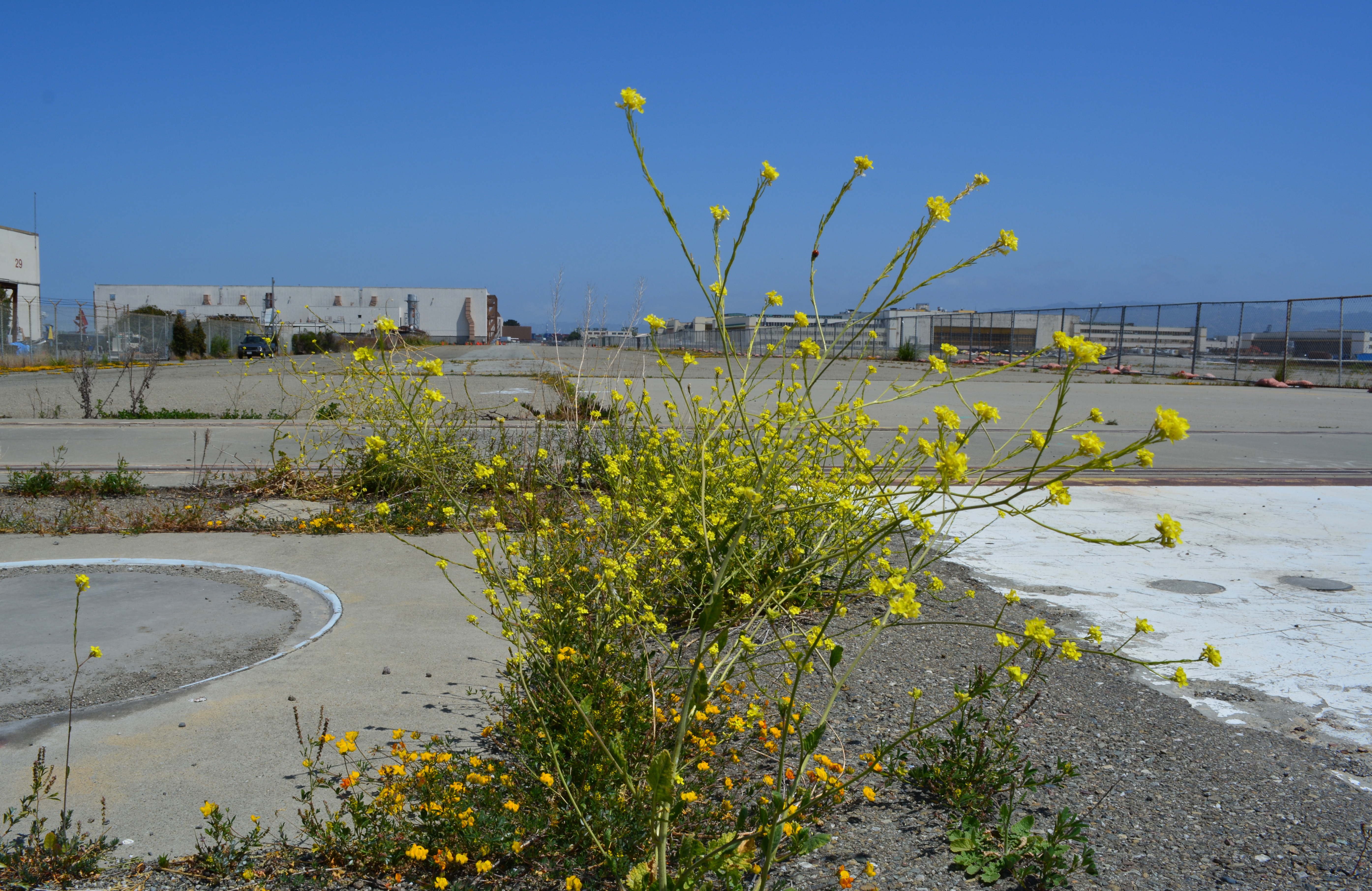
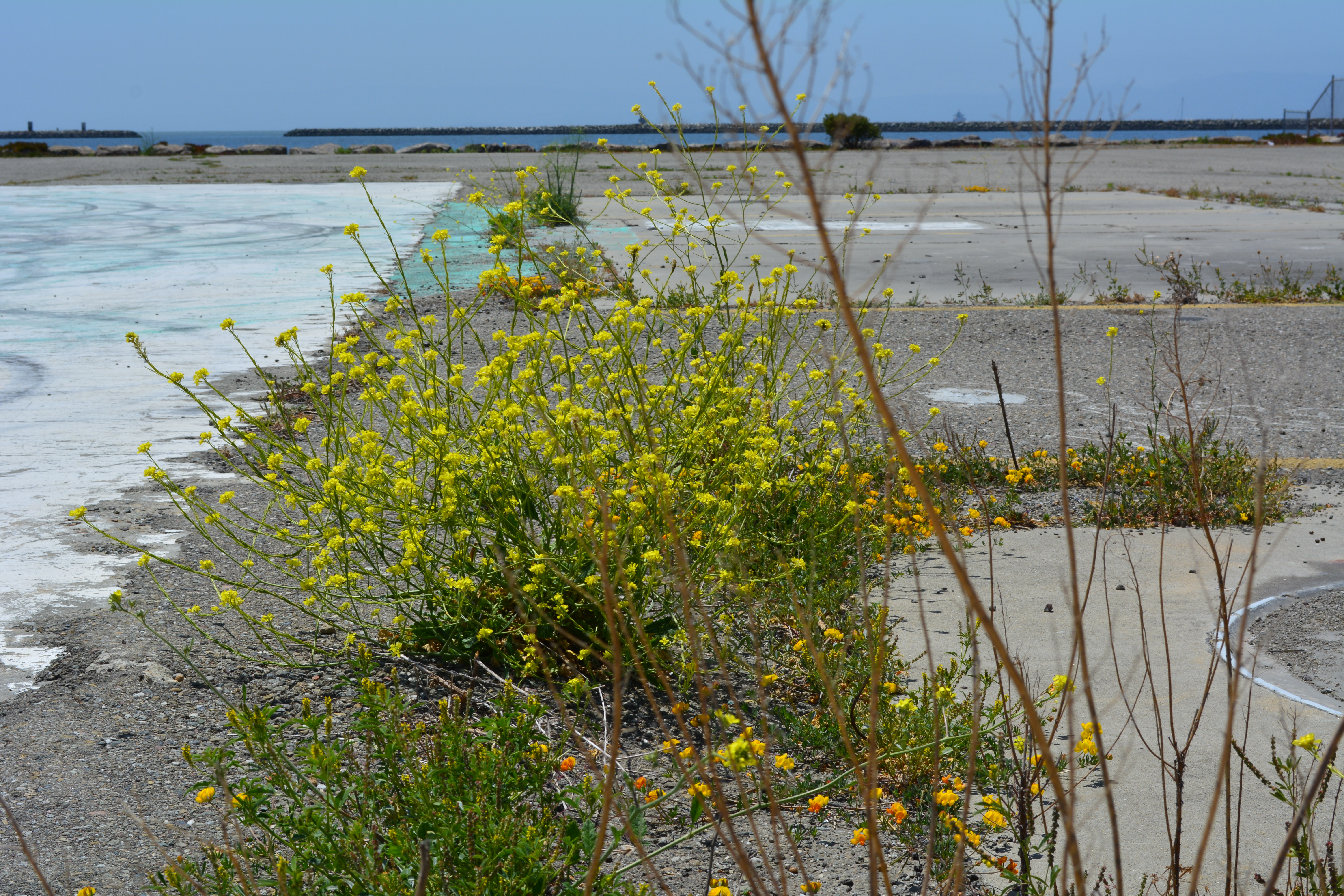
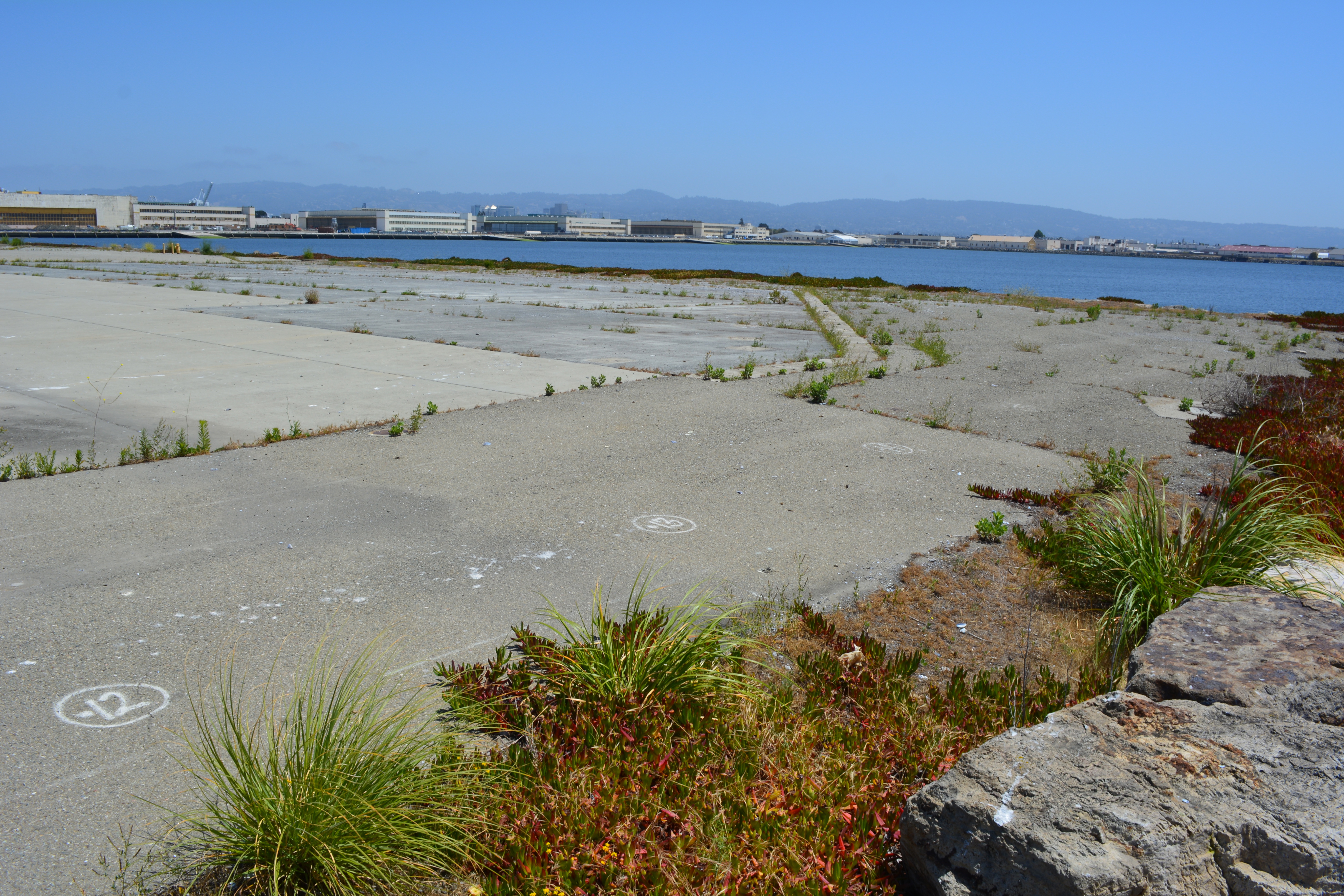
The city’s west side of the Seaplane Lagoon at Alameda Point is mostly pavement – acres of it – with a few old buildings abutting a wetland on the federal property. The city claims its long-range plan for this area features a conversion to a wetland habitat, but their only commitment is to continue leasing the buildings to generate revenue while allowing a sea of unnecessary pavement to remain as an environmental blight.
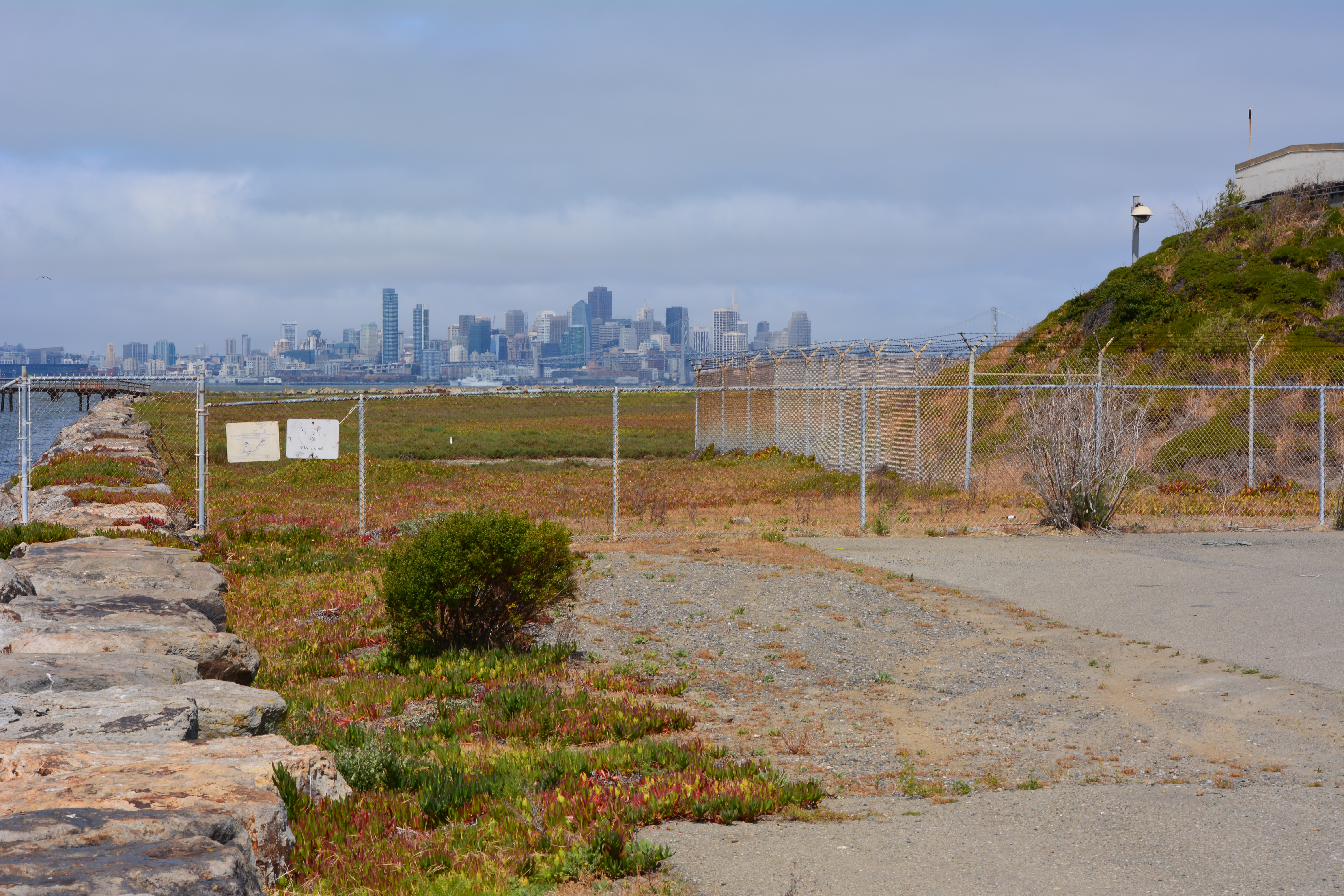
Seaplane Lagoon west side, looking south. Seaplane Lagoon on left, Alameda Point Channel and SF Bay in background. Temporary fence to be removed by end of 2014.
Opportunities for implementing ecosystem enhancement, both short and long term, have yet to be explored for this area. We need to start moving in a direction now that benefits the environment by reducing climate impacts, improves the atmosphere around nearby businesses, adds to public enjoyment, and increases wildlife habitat.
Proposal for ecosystem enhancement
Short-term plan – Remove all pavement not required for commercial tenants. Recycle the pavement at the VA’s Alameda Point project site where they will be raising elevation and need base rock and fill. Once the pavement is removed and the soil exposed, native vegetation could be planted. Native vegetation will absorb CO2, produce oxygen, eliminate the heat island effect of the former pavement, add wildlife habitat, improve the aesthetic appearance of the property, and make it attractive as a hiking, jogging, and cycling destination.
Step 1 – Set aside money from lease revenue generated on the west side of the Seaplane Lagoon for pavement removal and introduction of native plant vegetation.
Step 2 – Explore recycling pavement at Alameda Point.
Step 3 – Explore grant sources for conversion of paved areas to native vegetation, i.e., state air quality board, EPA, State Lands Commission, etc.
West side of Seaplane Lagoon, looking north. Seaplane Lagoon on right. Buildings 29 and 25 on left. Most of this area could be covered with native grasses with no negative effects on commercial leasing.
Long-term plan –Establish an Alameda Point Wetland Mitigation Bank, which would incorporate the west Seaplane Lagoon acreage along with 50 acres on the northwest side of Alameda Point (Northwest Territories). Investment money would provide the capital for wetland creation, with money being recouped when mitigation credits are sold to developers elsewhere in the Bay watershed to offset their project’s impacts. As a general rule, a tidal wetland is worth at least as much as it would cost to create it. That’s why businesses exist that specialize in mitigation banks. In theory at least, the wetland project could be self-funding.
Step 1 – Commission a study on wetland mitigation bank formation using lease revenue from Buildings 25 and 29.
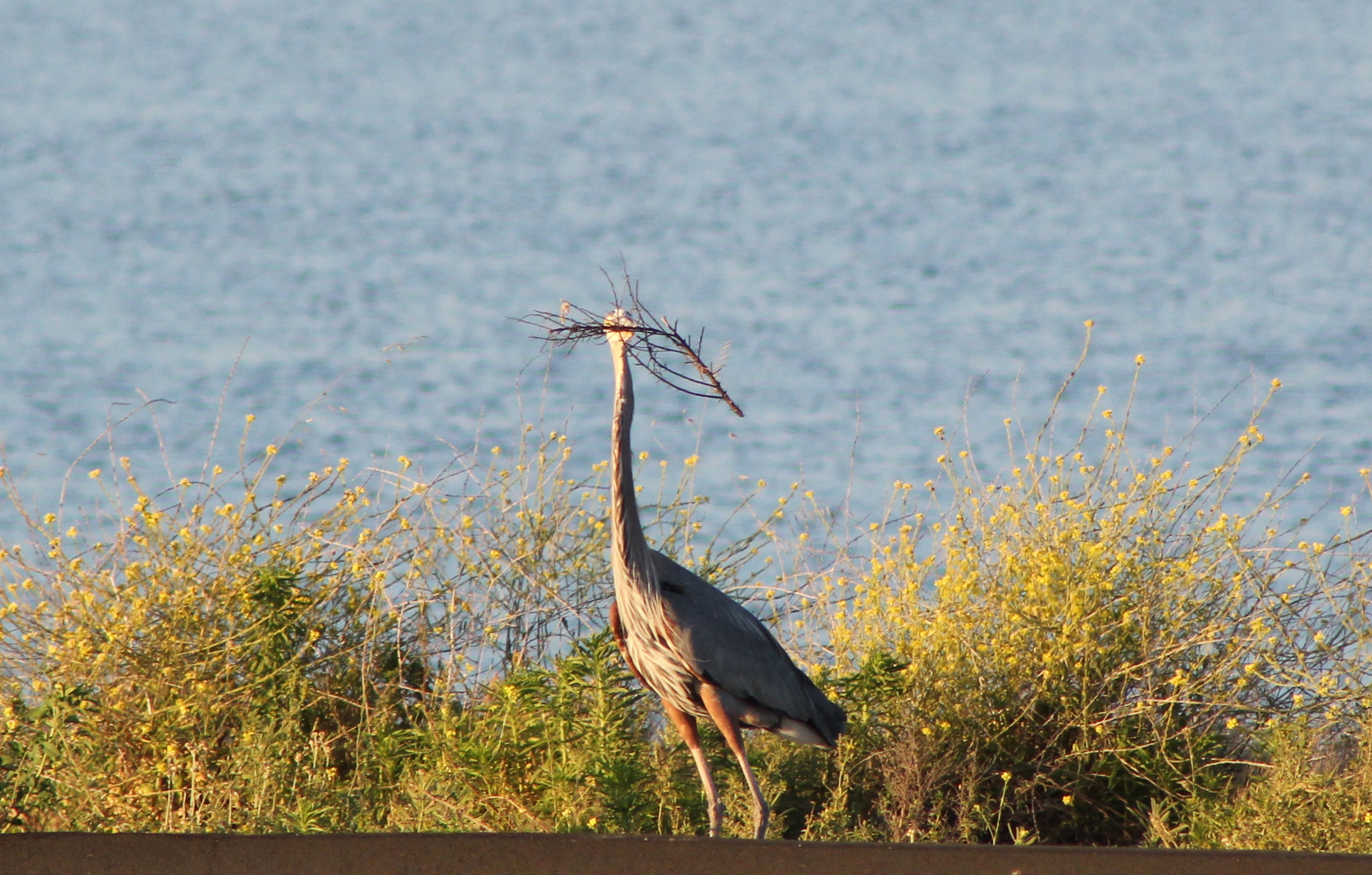
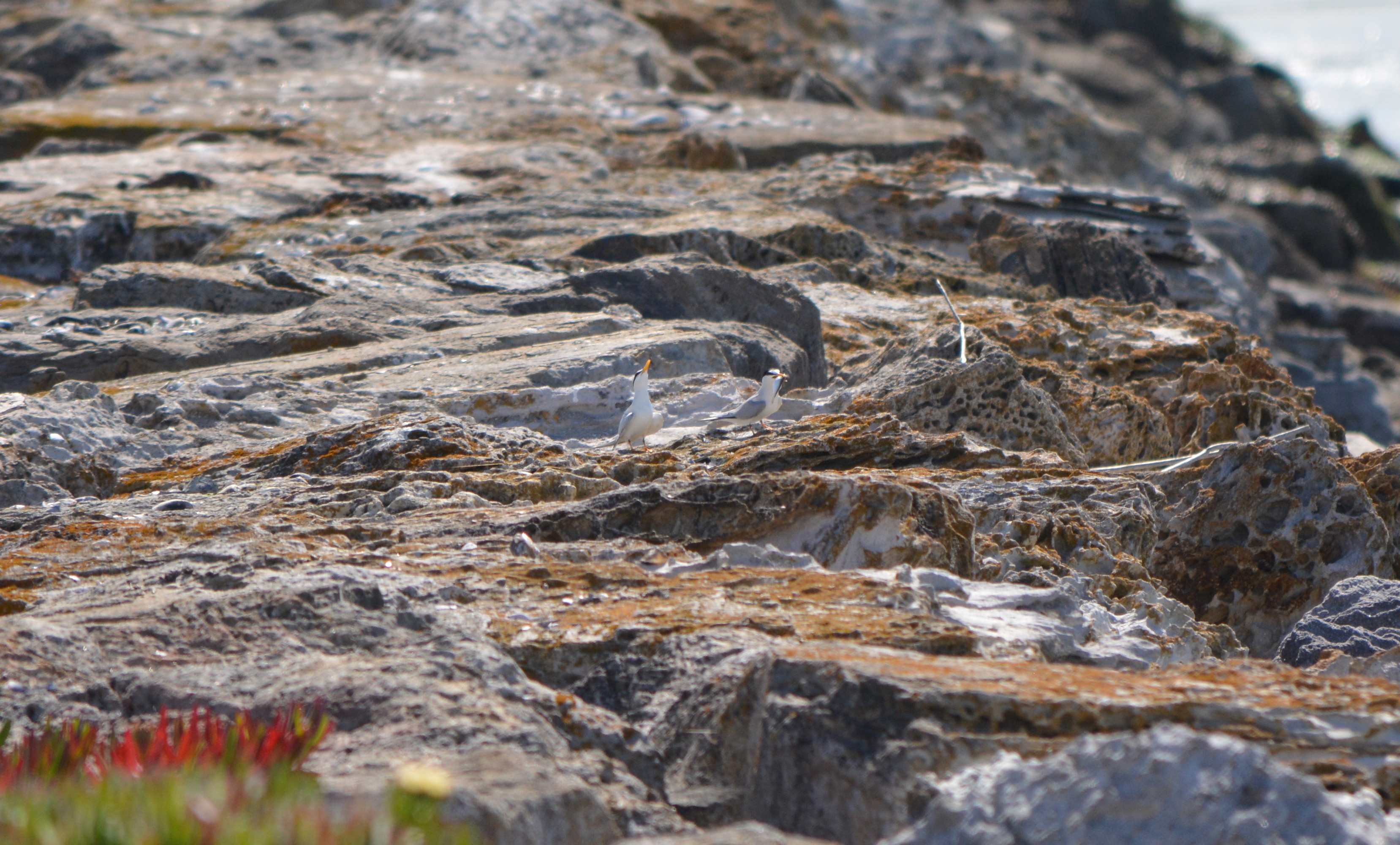
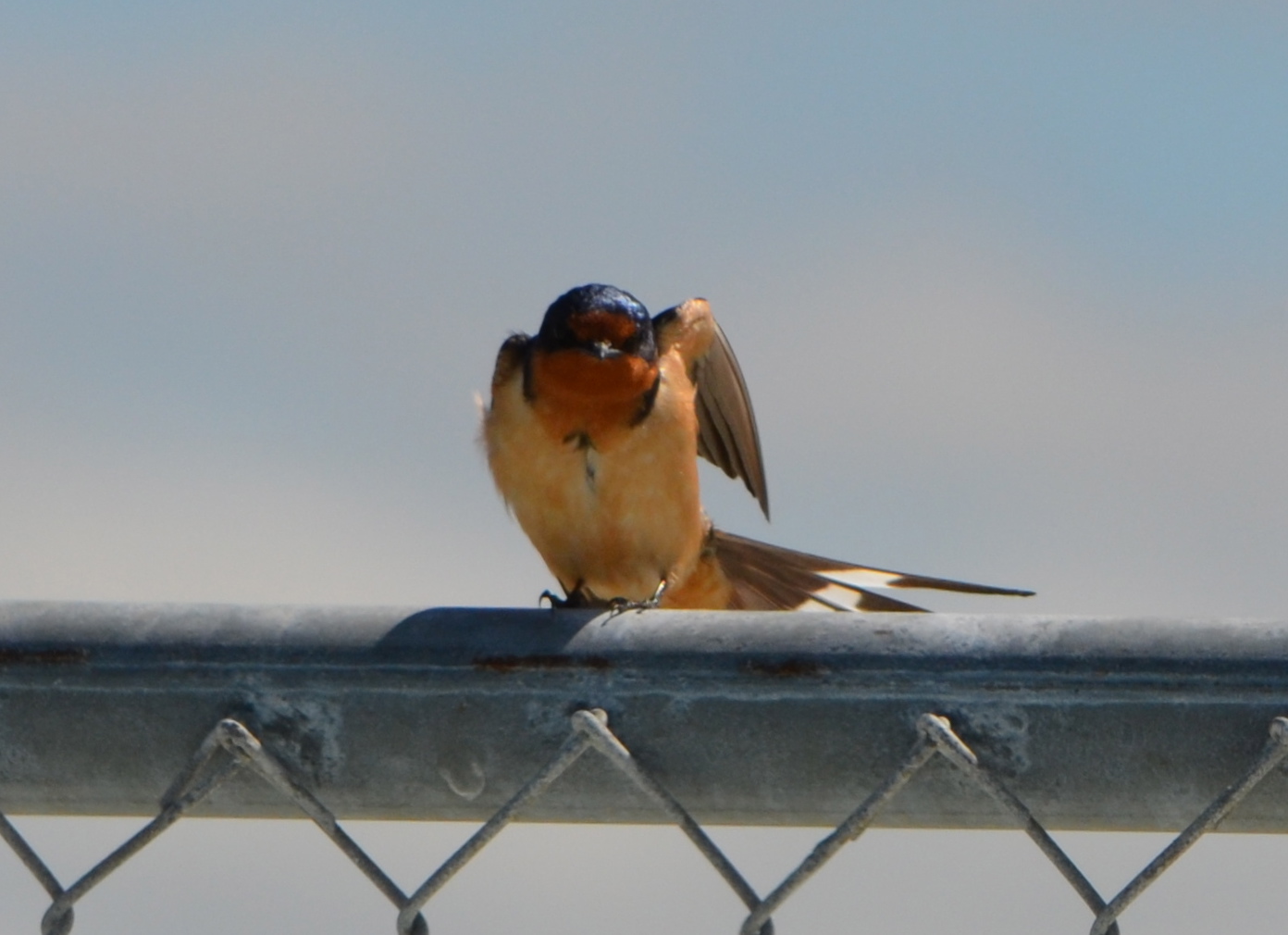
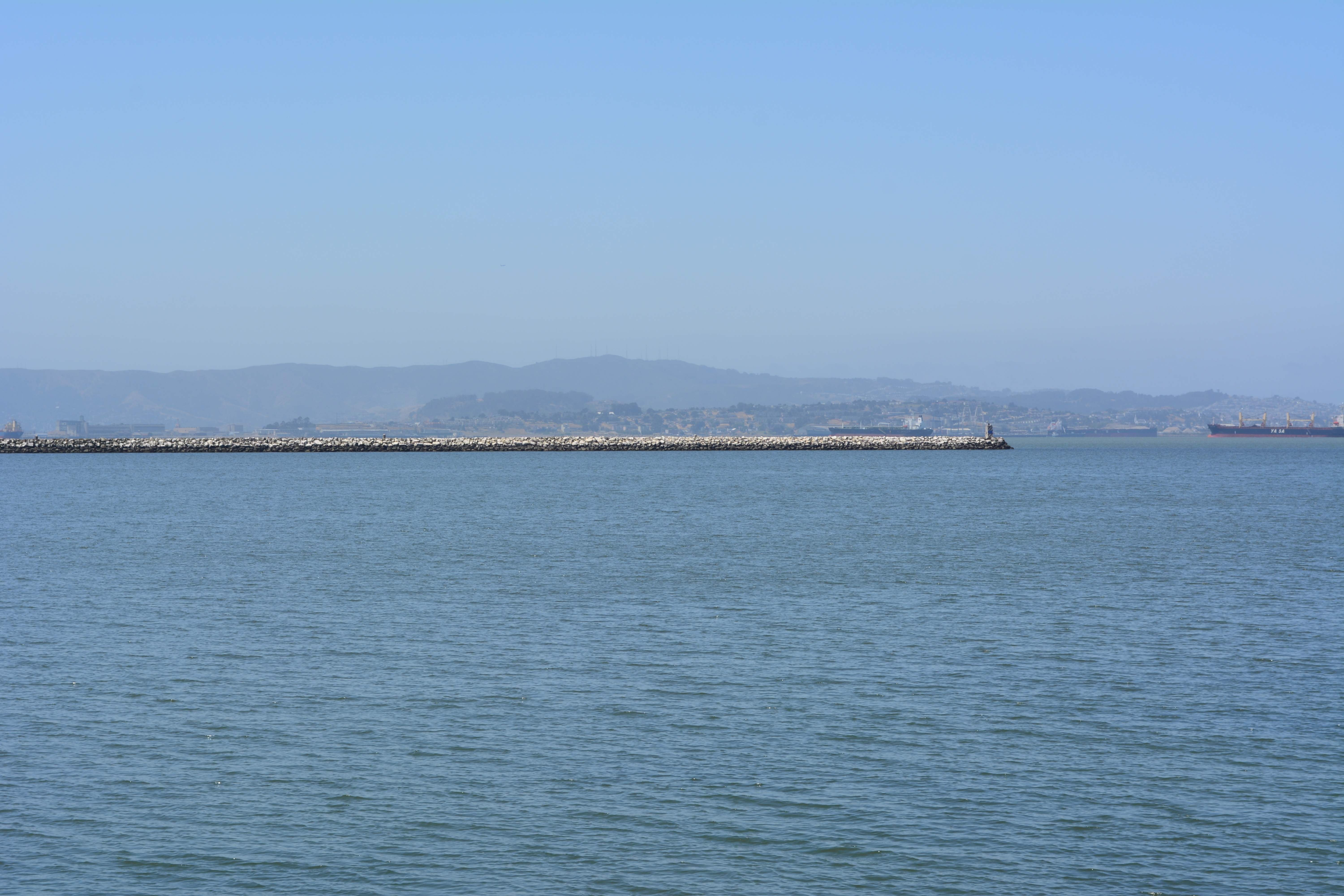
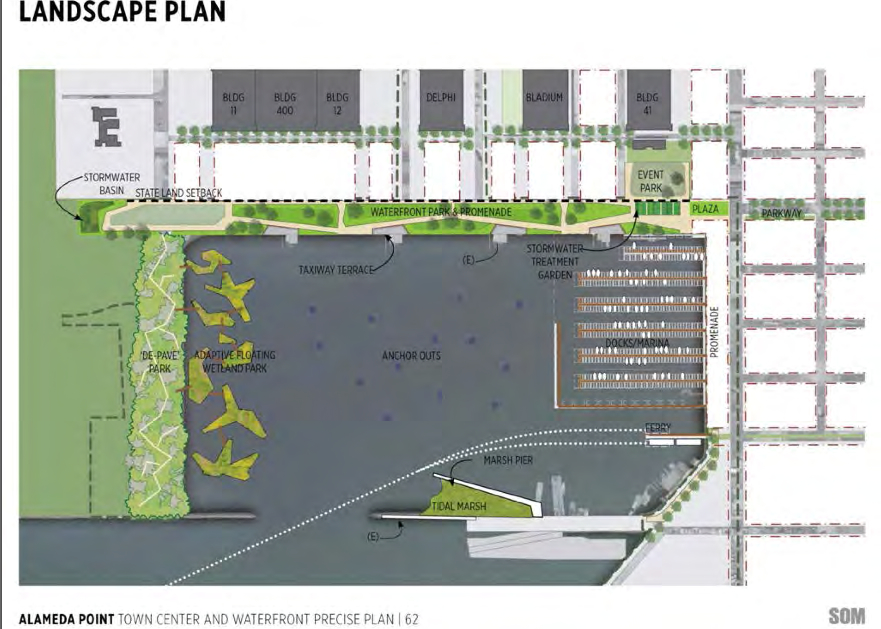
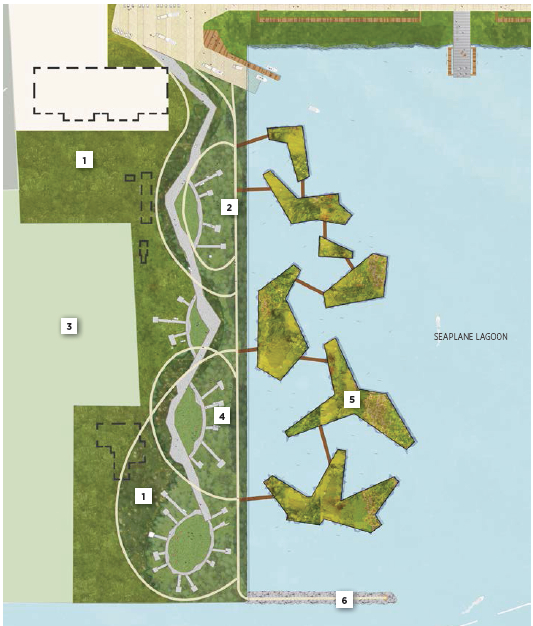
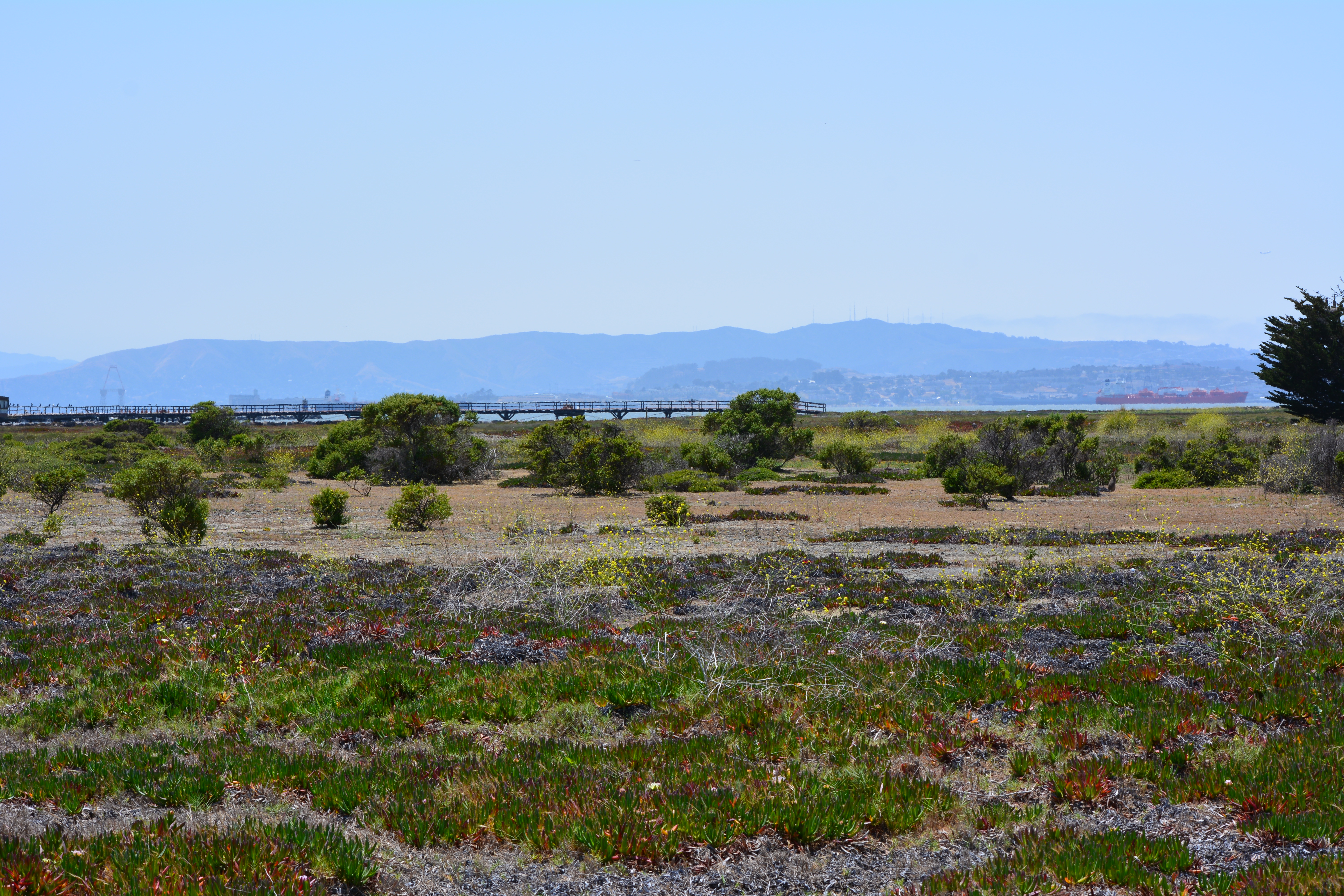
West side of Seaplane Lagoon looking south, with channel and Breakwater Island in background.West side of Seaplane Lagoon, looking northeast from shoreline riprap, with lagoon and hangars in background. Pavement here will serve no commercial purpose under current low-impact guidelines.Great Blue Heron gathering nesting material on western edge of Seaplane Lagoon for nearby nest. Increased vegetation will bring more birds along shoreline.CA Least Terns (center of photo) engaged in courtship ritual of exchanging a fish on jetty adjacent to west side of Seaplane Lagoon – May 2014.Barn Swallow on fence on west side of Seaplane Lagoon. Common to the area, often seen flying low over the water looking for flying insects, nesting almost exclusively on man-made structures, possibly Building 29.Breakwater Island viewed from shoreline on west side of Seaplane Lagoon. Breakwater Island is a roosting site for CA Brown Pelicans and other birds. Island owned by city of Alameda.Landscape plan from 2013 showing no buildings on west (left) side of Seaplane Lagoon. Buildings are now being recommended to stay. Floating wetlands are a very long-range option if funding is available.2014 plans for west side of Seaplane Lagoon show buildings in dashed lines. Active leasing of buildings currently underway suggests buildings should be in solid lines and wetland in gray.Looking west from west side of Seaplane Lagoon. Bay/Channel on left. Building 29 on right. City property extends beyond fence to far edge of Building 29 property line.Runway Wetland area on federal property adjacent to Buildings 25 and 29 on city property at west side of Seaplane Lagoon. A naturalized west shoreline of Seaplane Lagoon, with public access, would enhance the greater wildlife habitat in this area.
Take the plunge! Remove pavement on the west side of the Seaplane Lagoon and improve our environment.
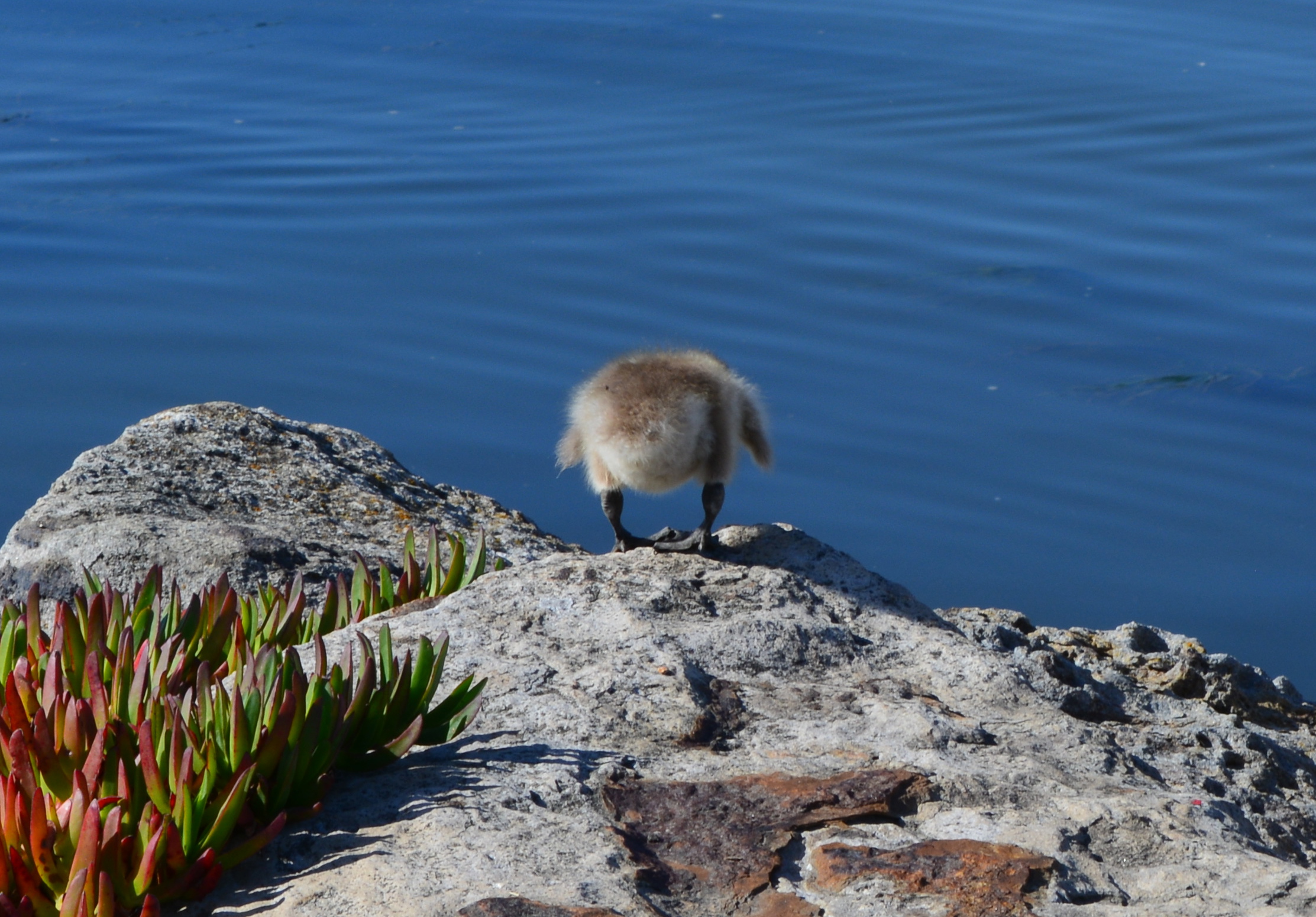
Gosling ready to plunge onto rocks below, on west side of Seaplane Lagoon, to get to parents in the Alameda Point Channel. It was successful.
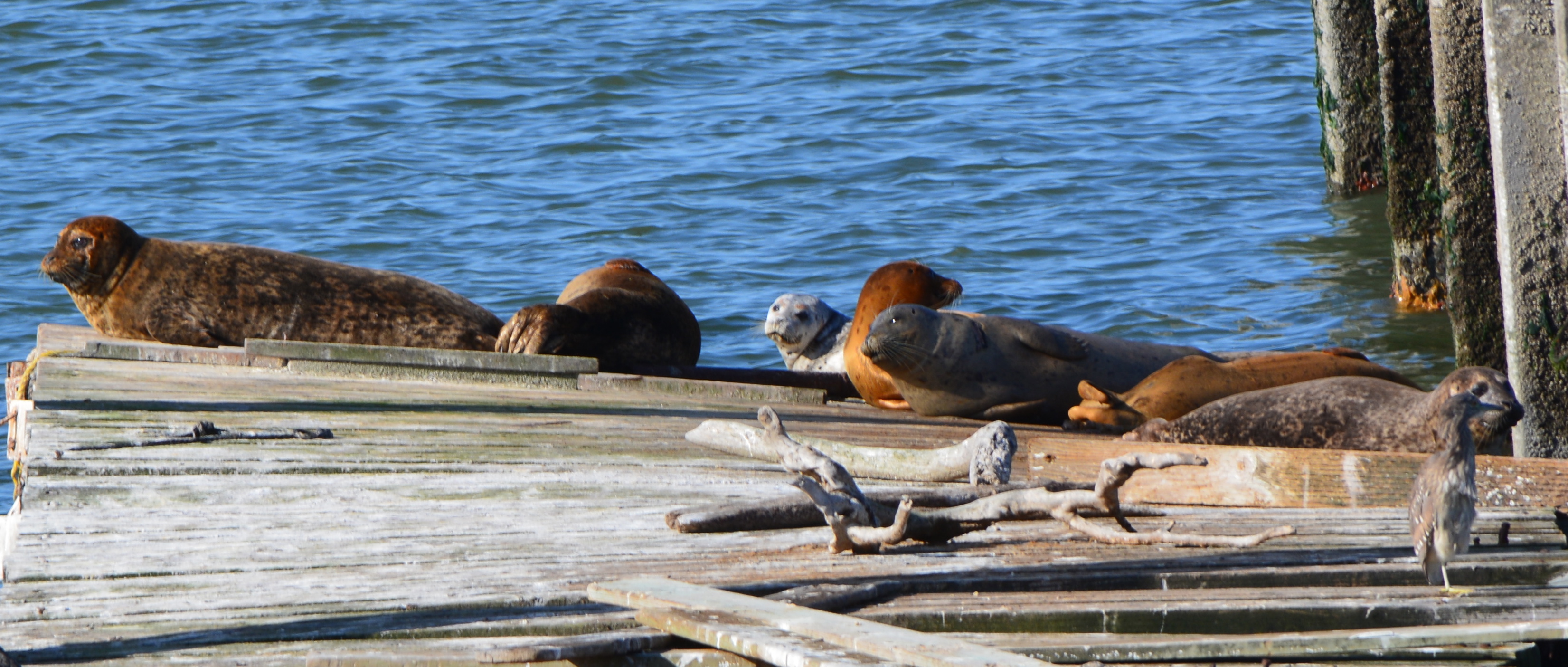
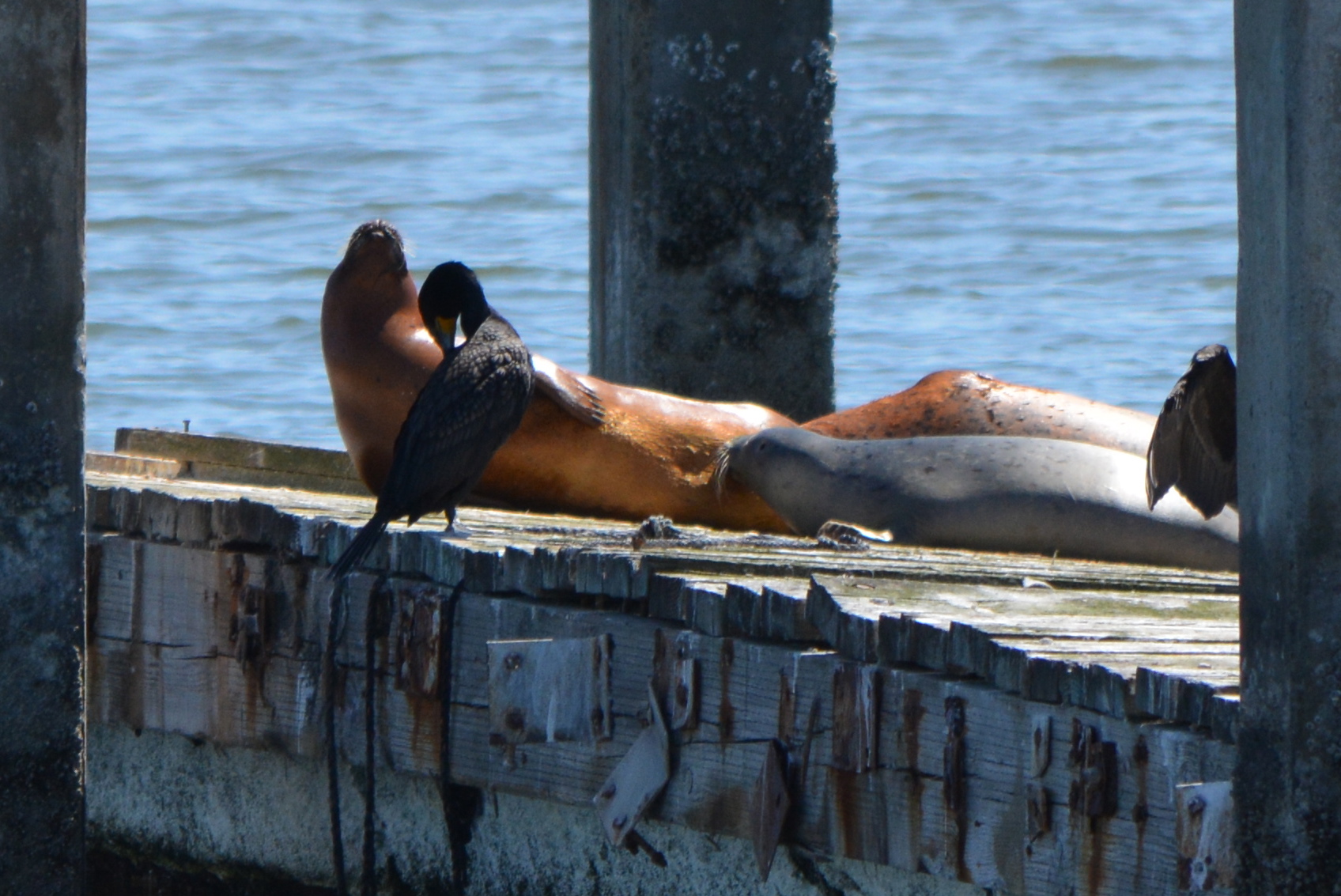
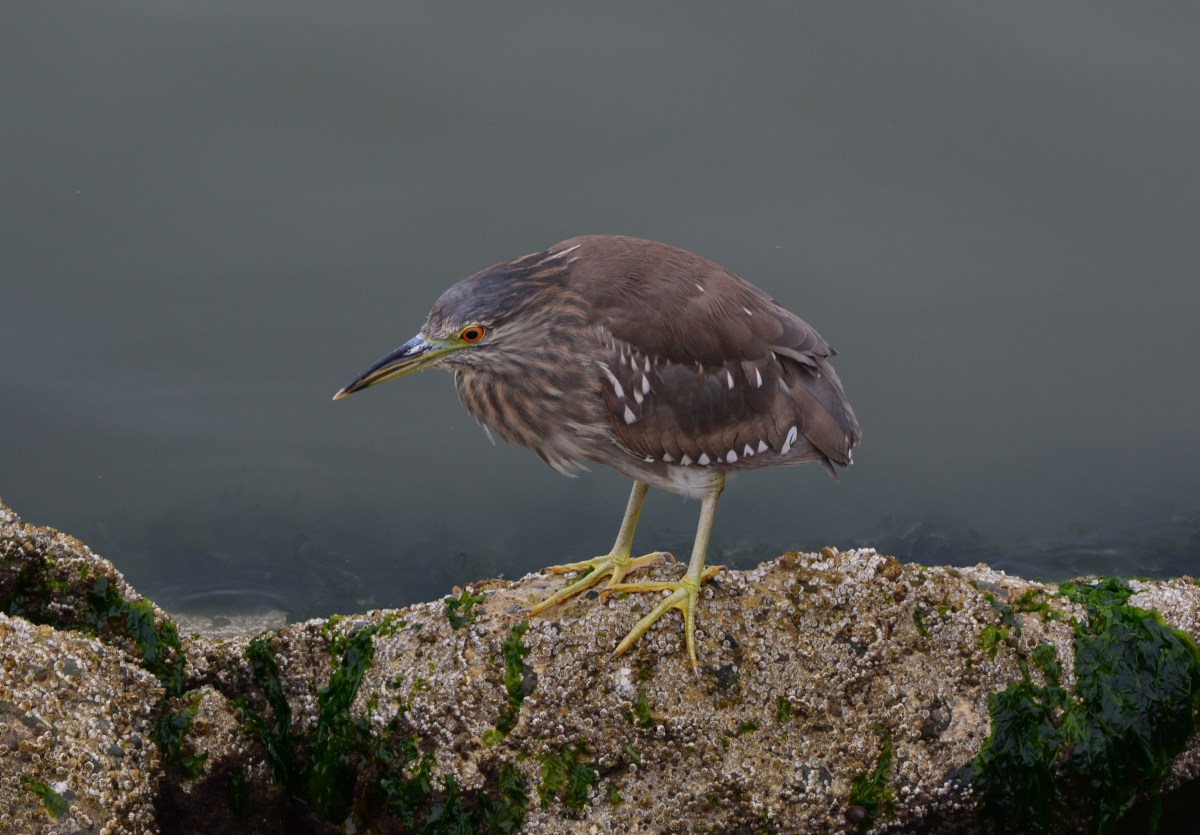
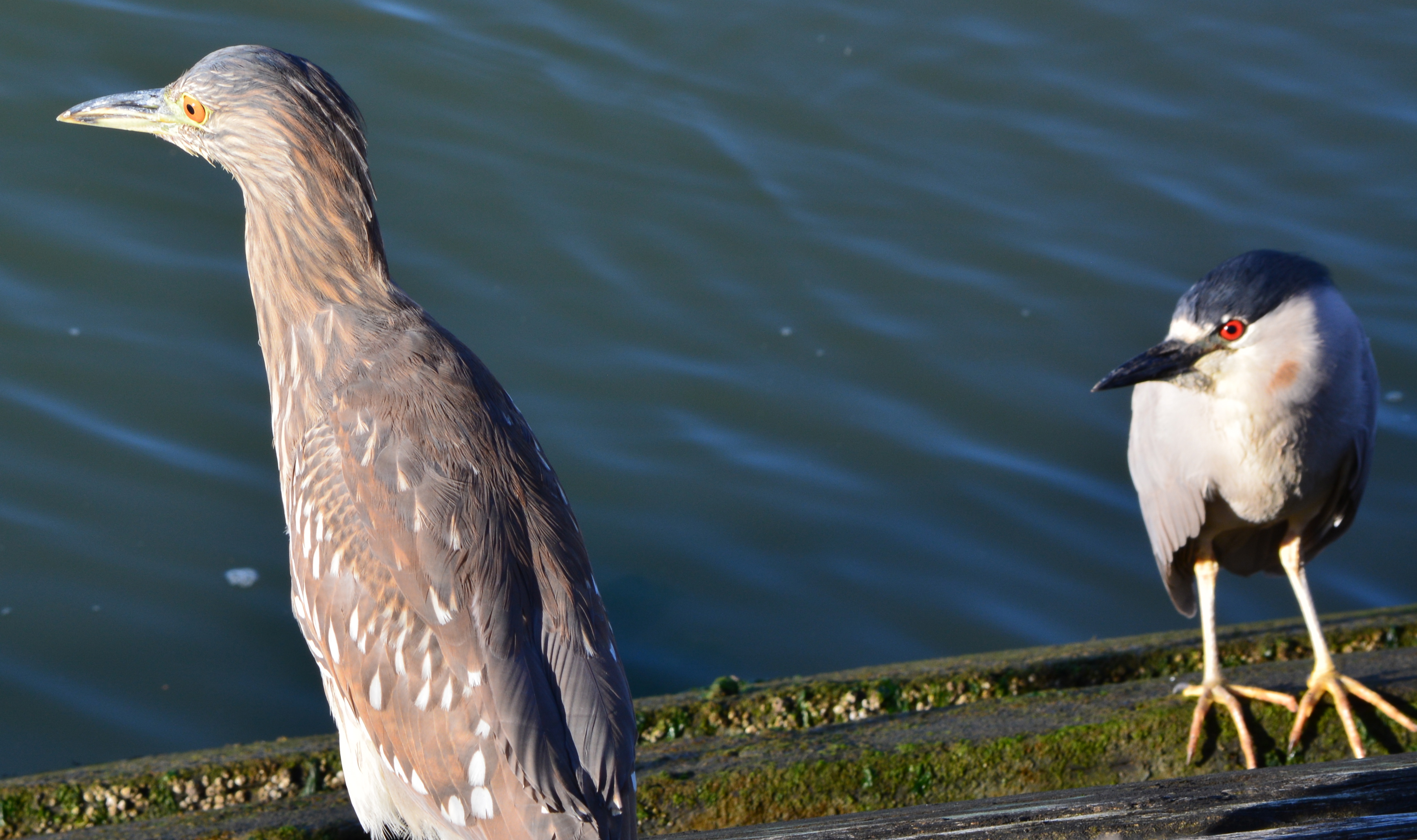
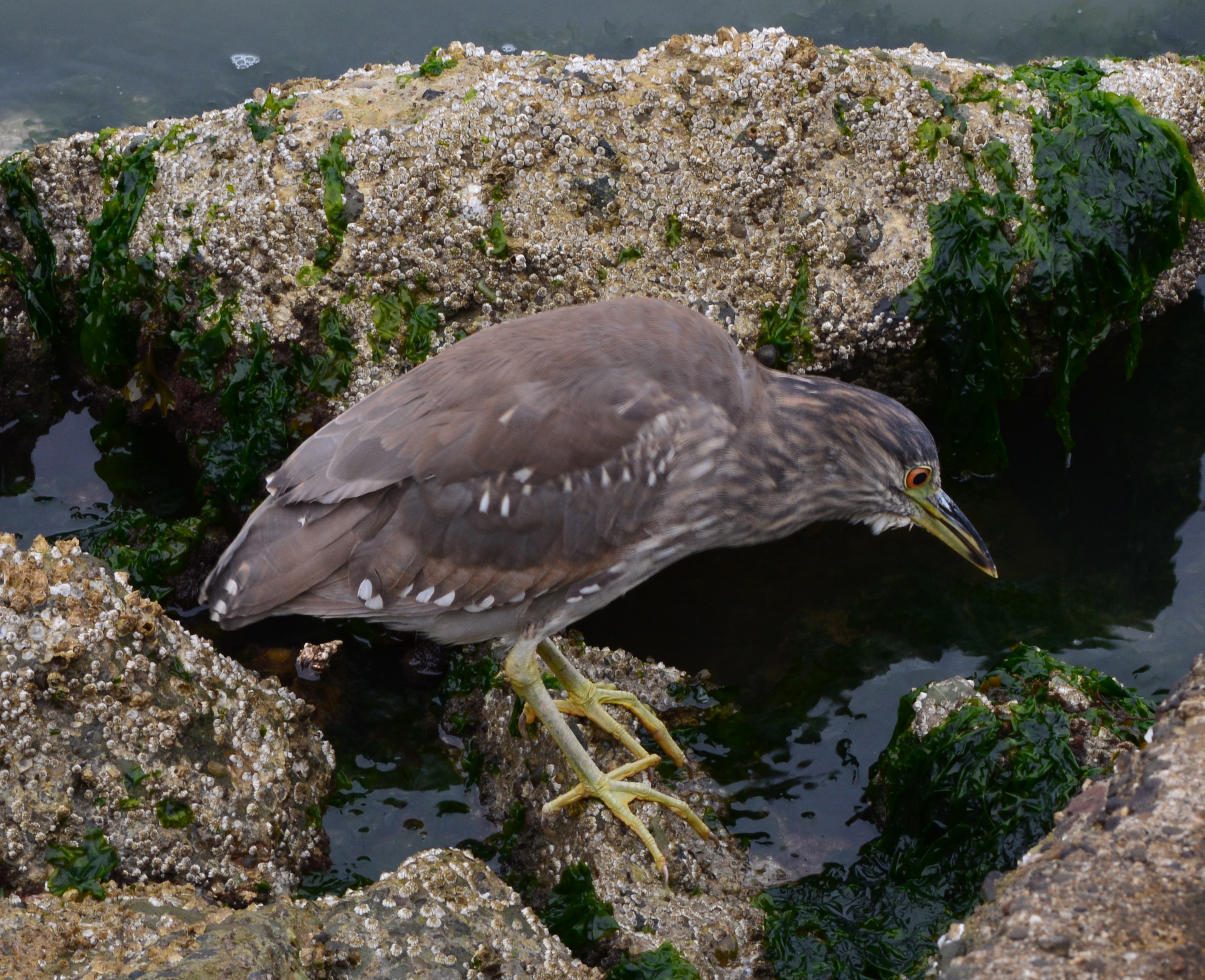
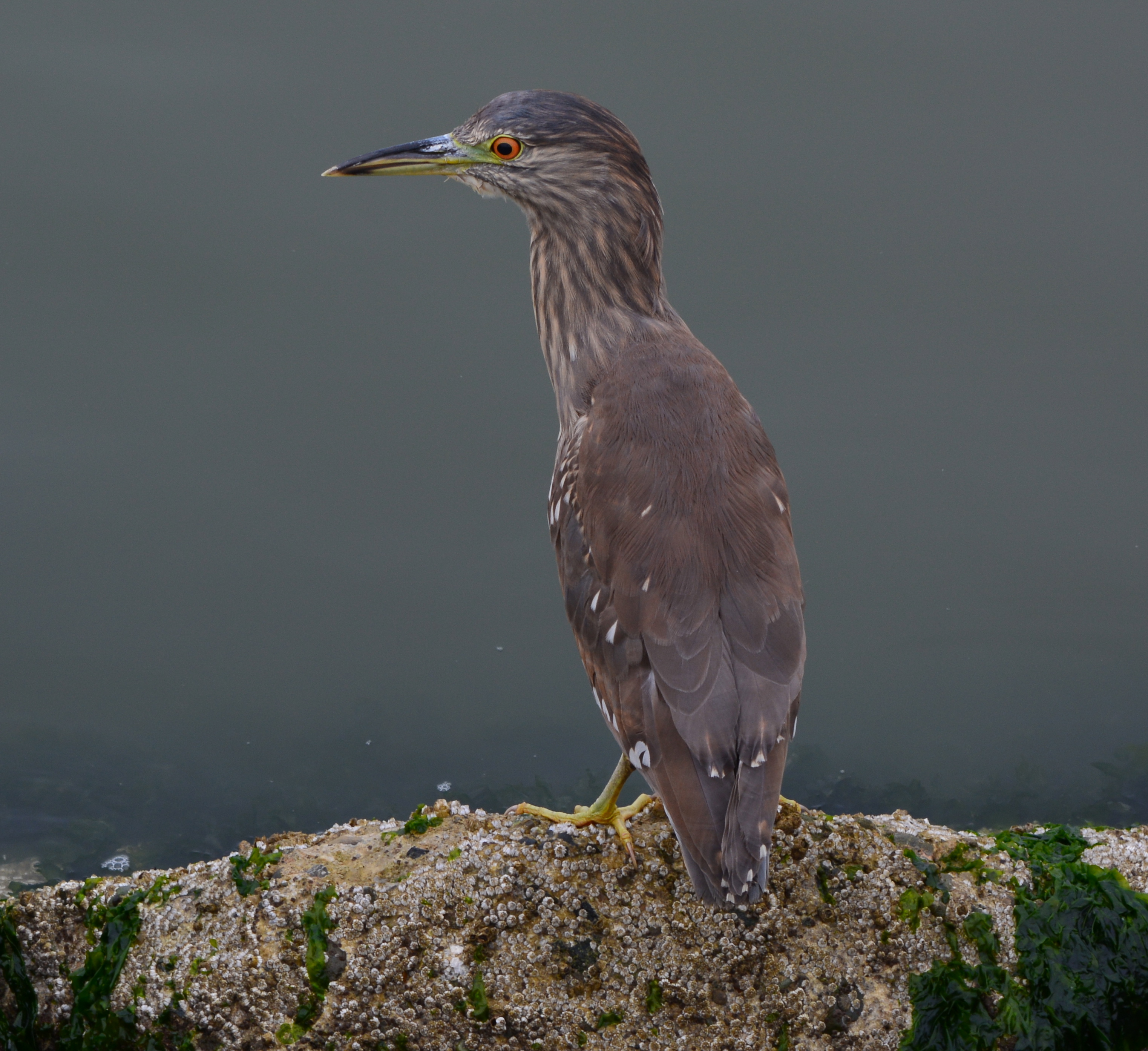
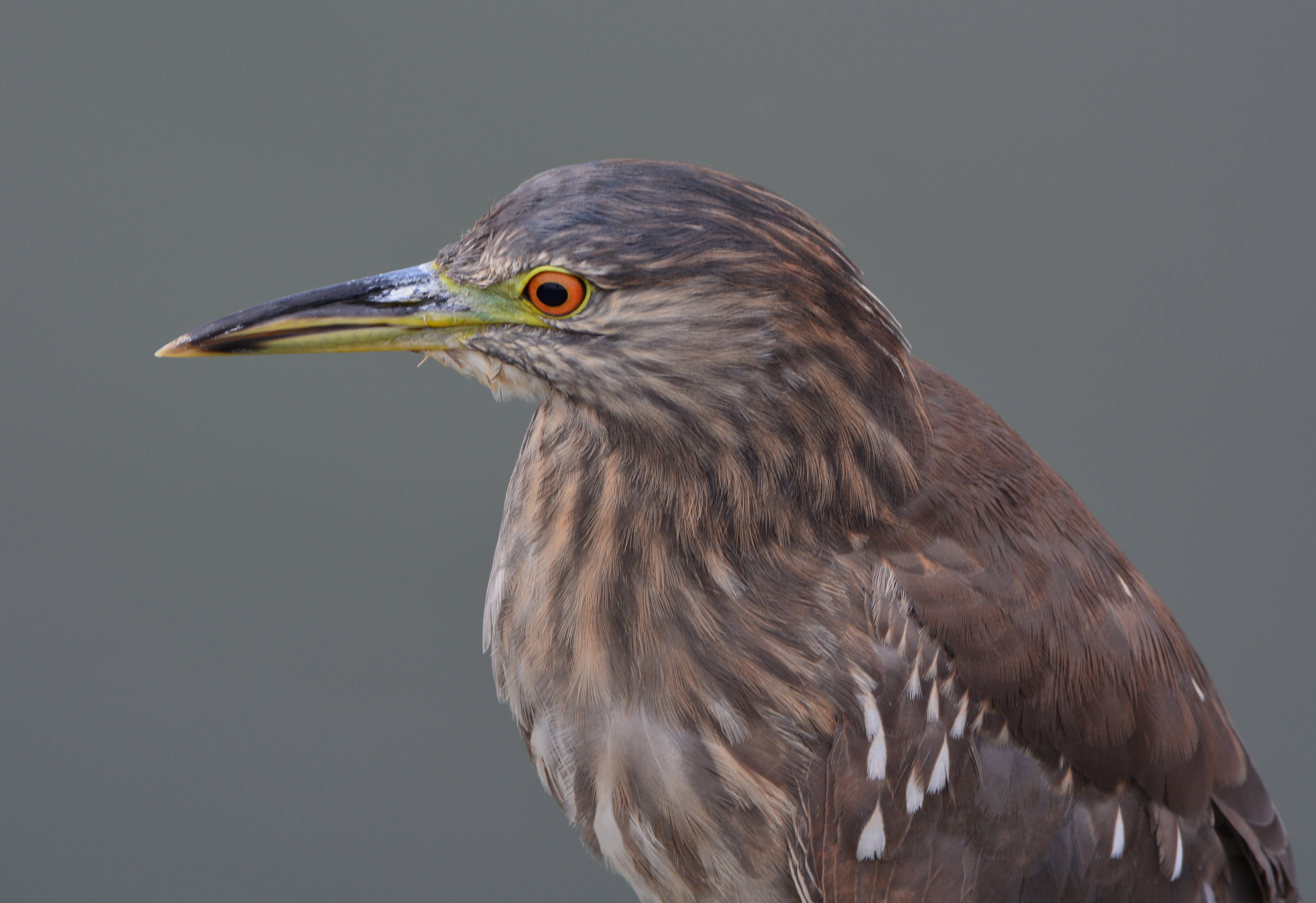
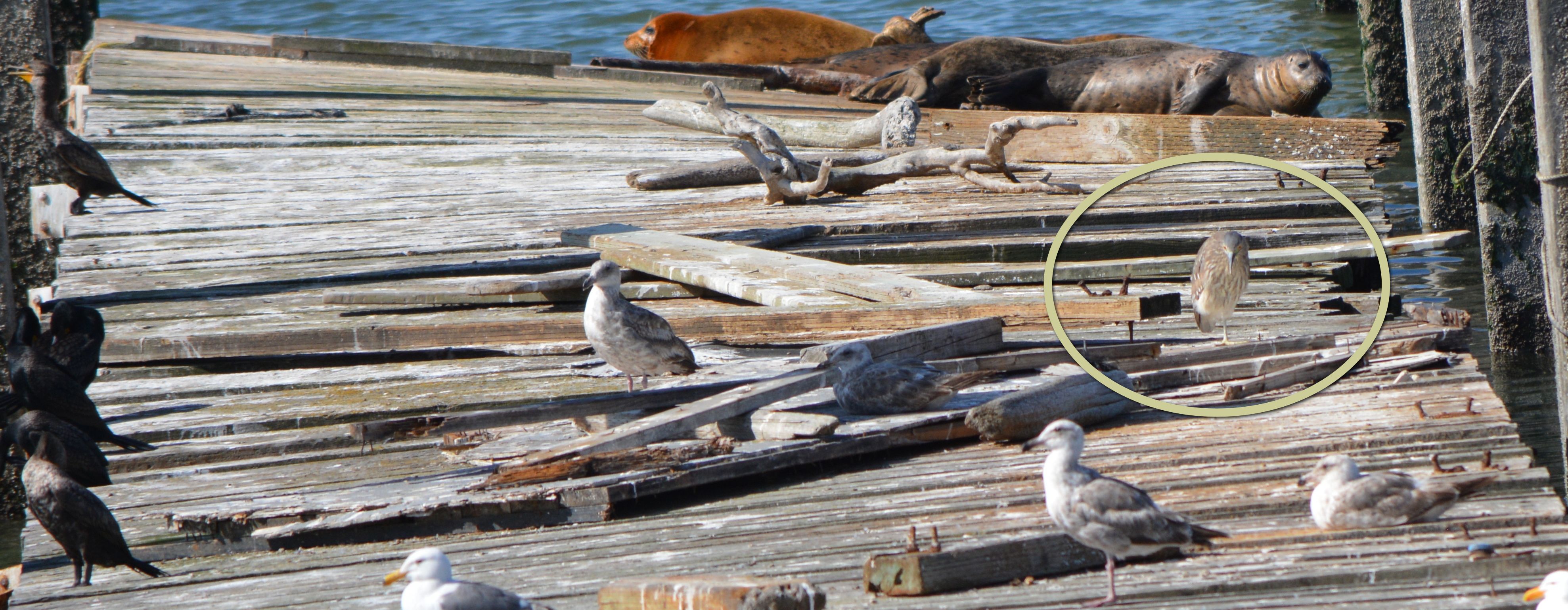
A Black-crowned Night Heron adult and its juvenile offspring were spotted along the south shoreline of Alameda Point during May and June of this year. The juvenile was seen foraging for food on the shoreline, as well as using the old dock for a resting area. Use of the old dock by a wide variety of birds, as well as a family of harbor seals, illustrates the habitat value of the waterfront and the wisdom of providing a new wildlife water platform when the Water Emergency Transit Authority removes the old dock for their new maintenance facility this year.
Black-crowned Night Heron juvenile and left and adult on right. Perched on remnants of old Navy recreational dock in Alameda Point’s Inner Harbor on south side.Black-crowned Night Heron juvenile foraging on Alameda Point shoreline.
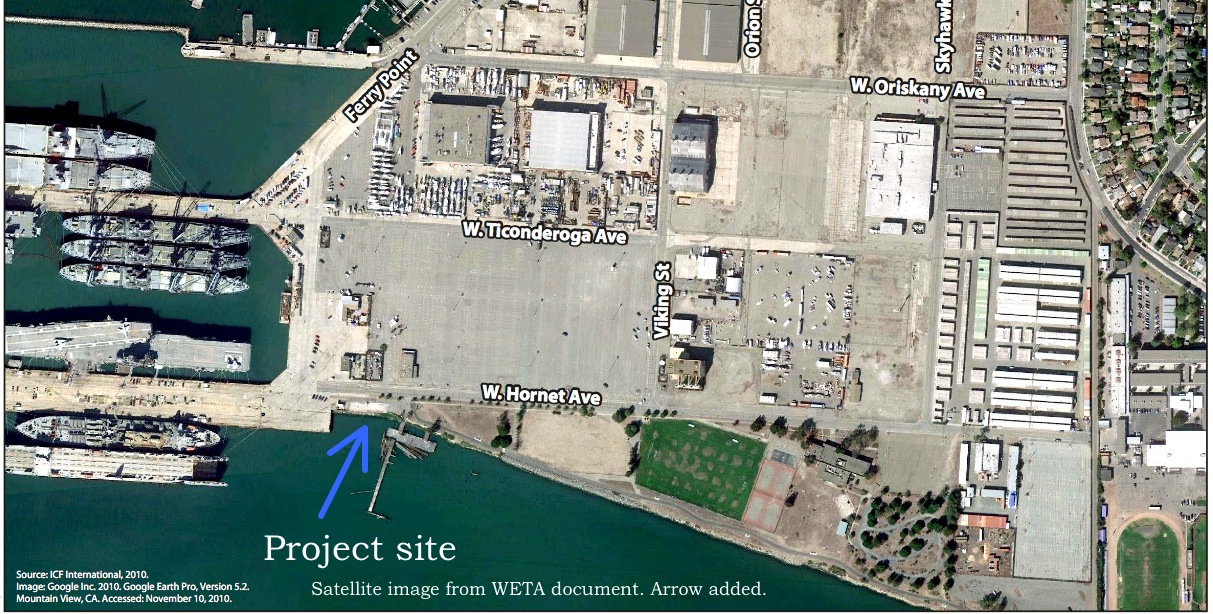
Black-crowned Nigh Heron juvenile hanging out on dock with other wildlife.Shoreline area where Black-crowned Night Heron juvenile and adult were viewed next to old dock at blue arrow. Part of old dock in image has sunk.
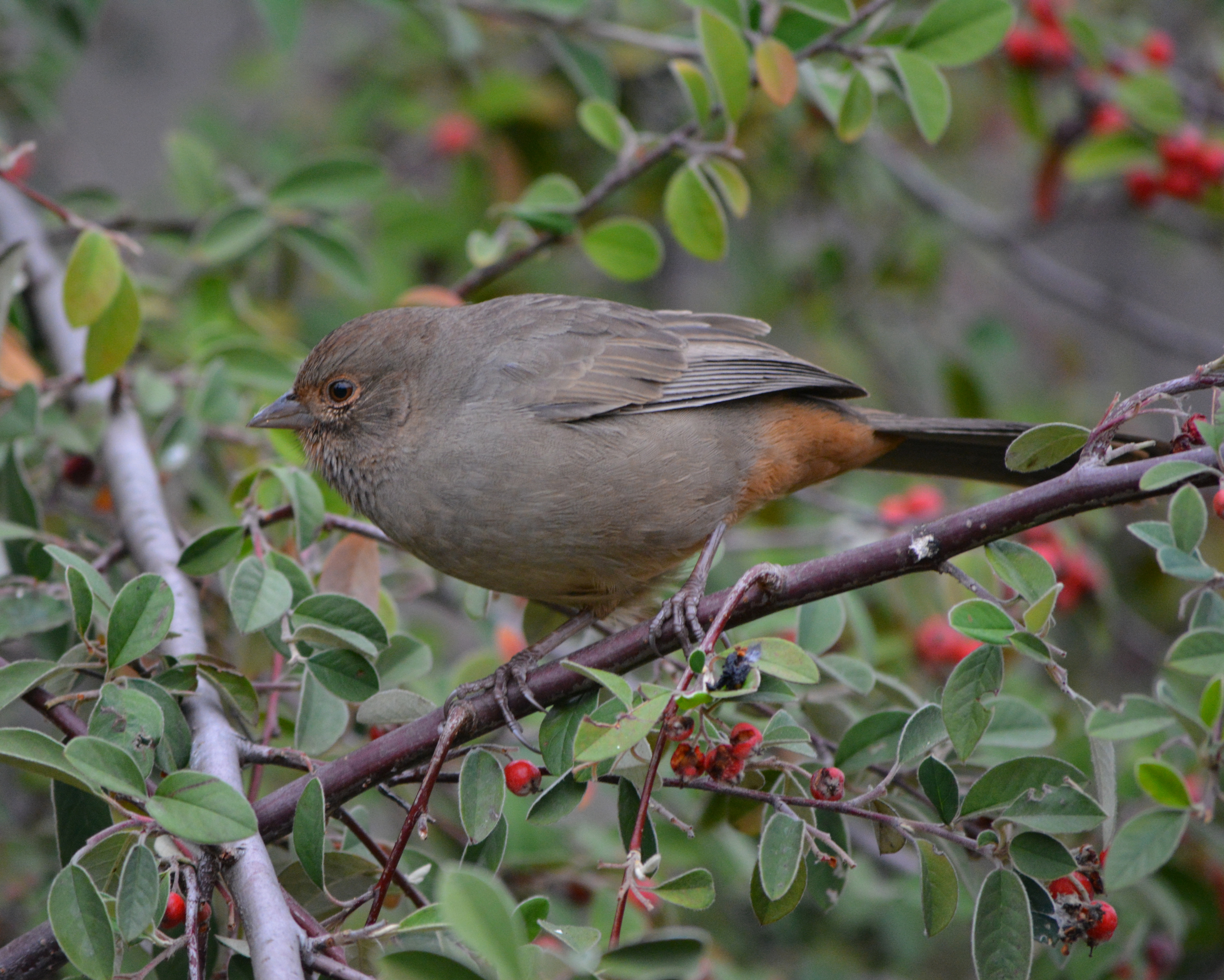
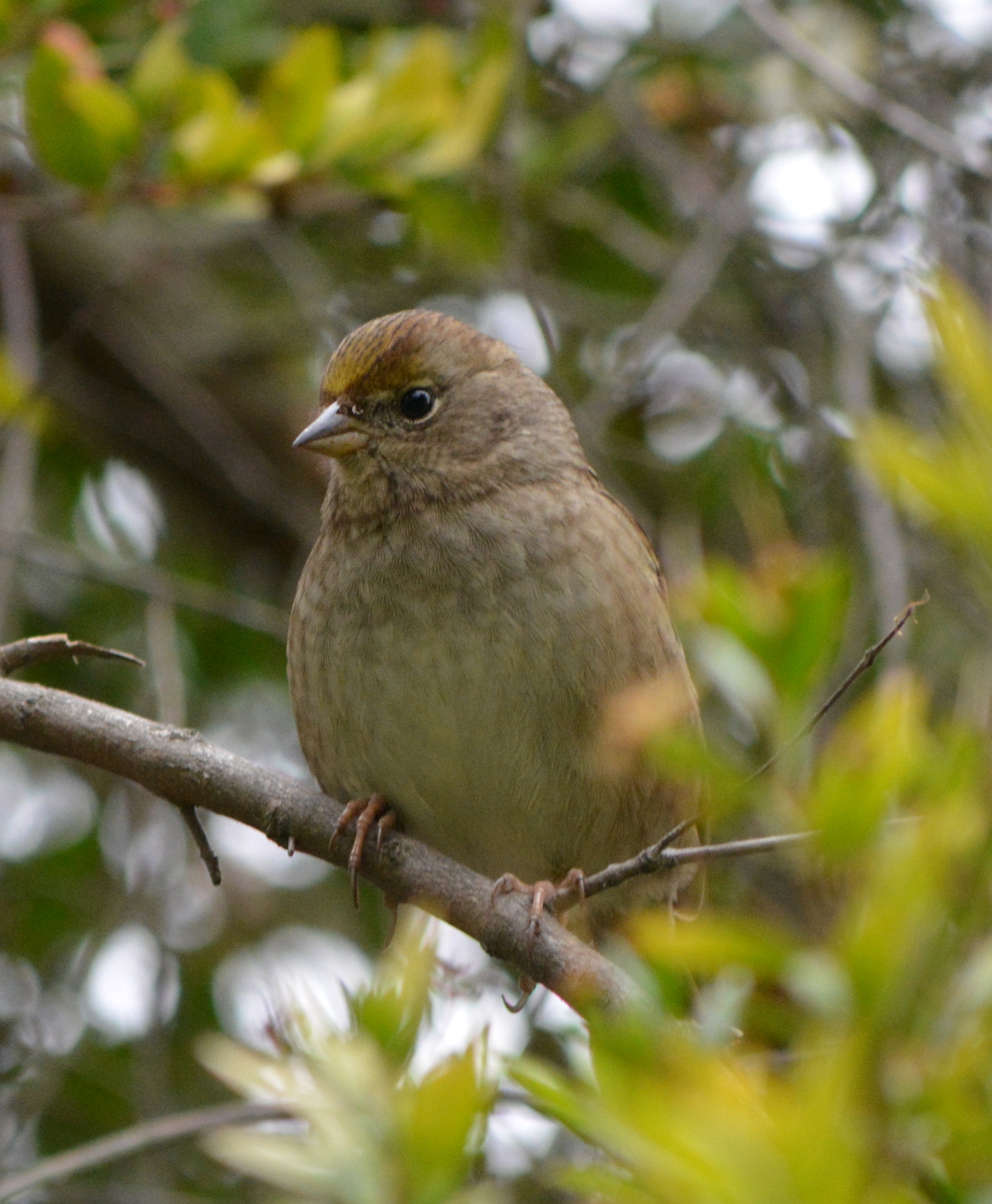
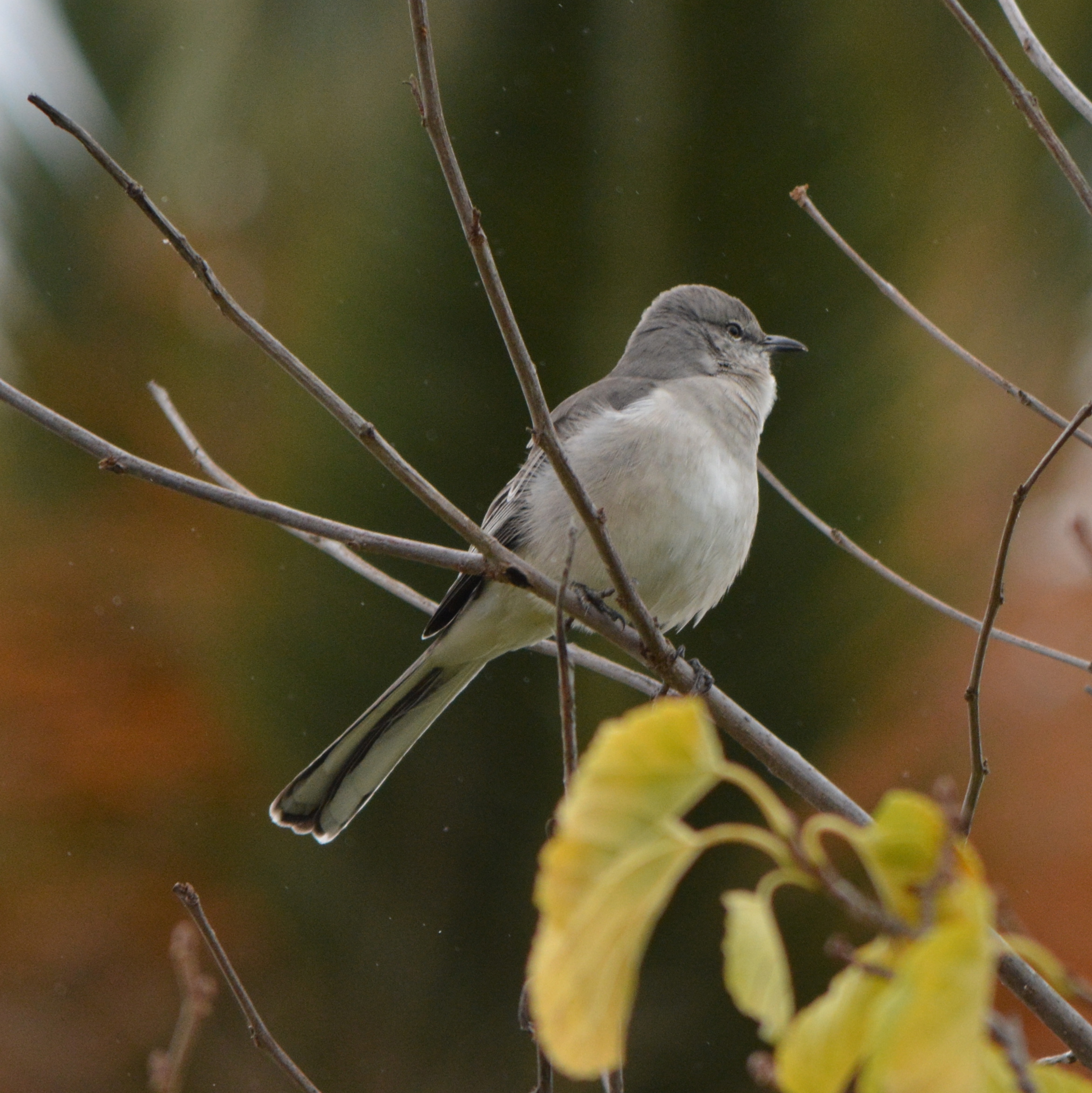
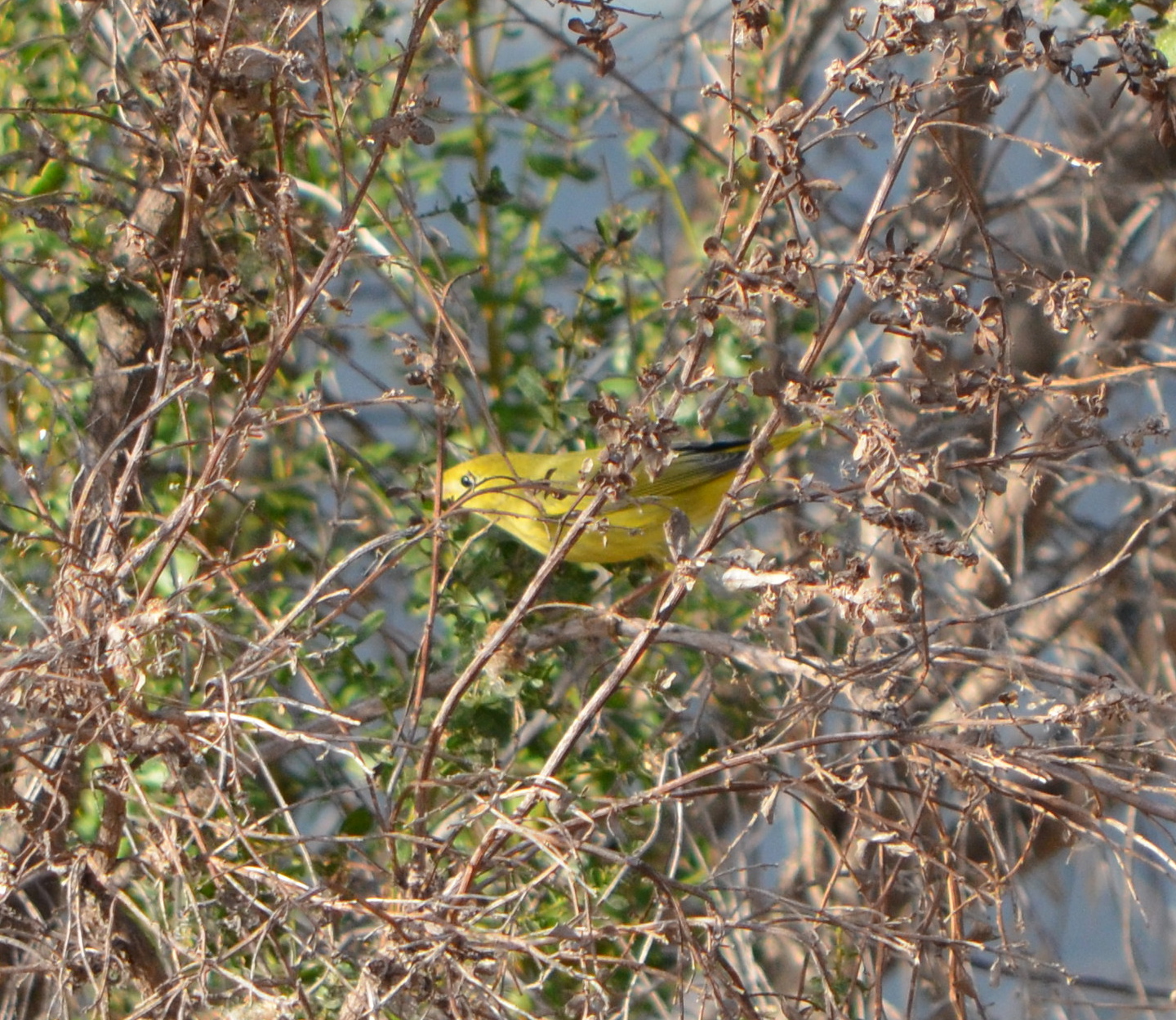
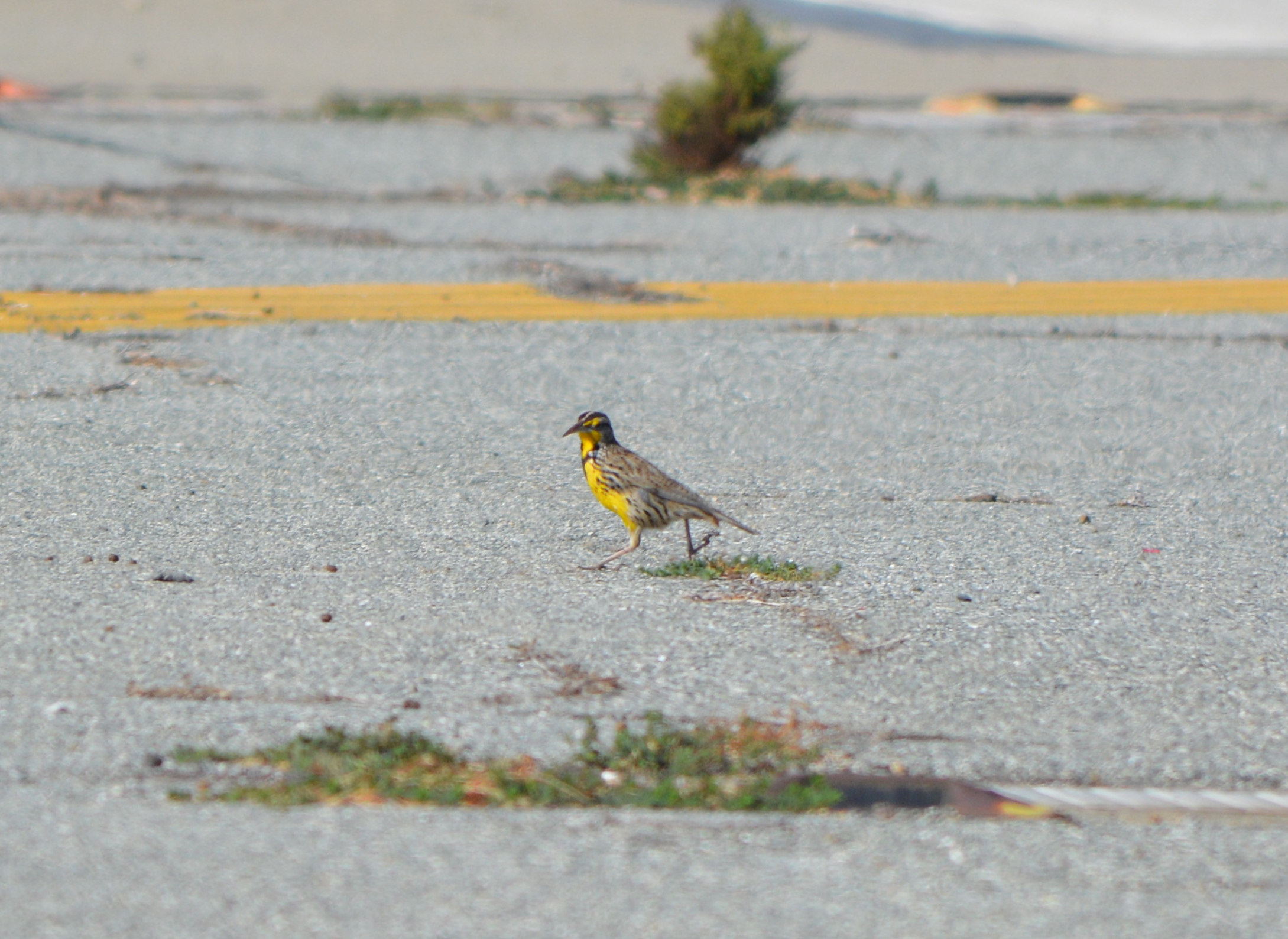
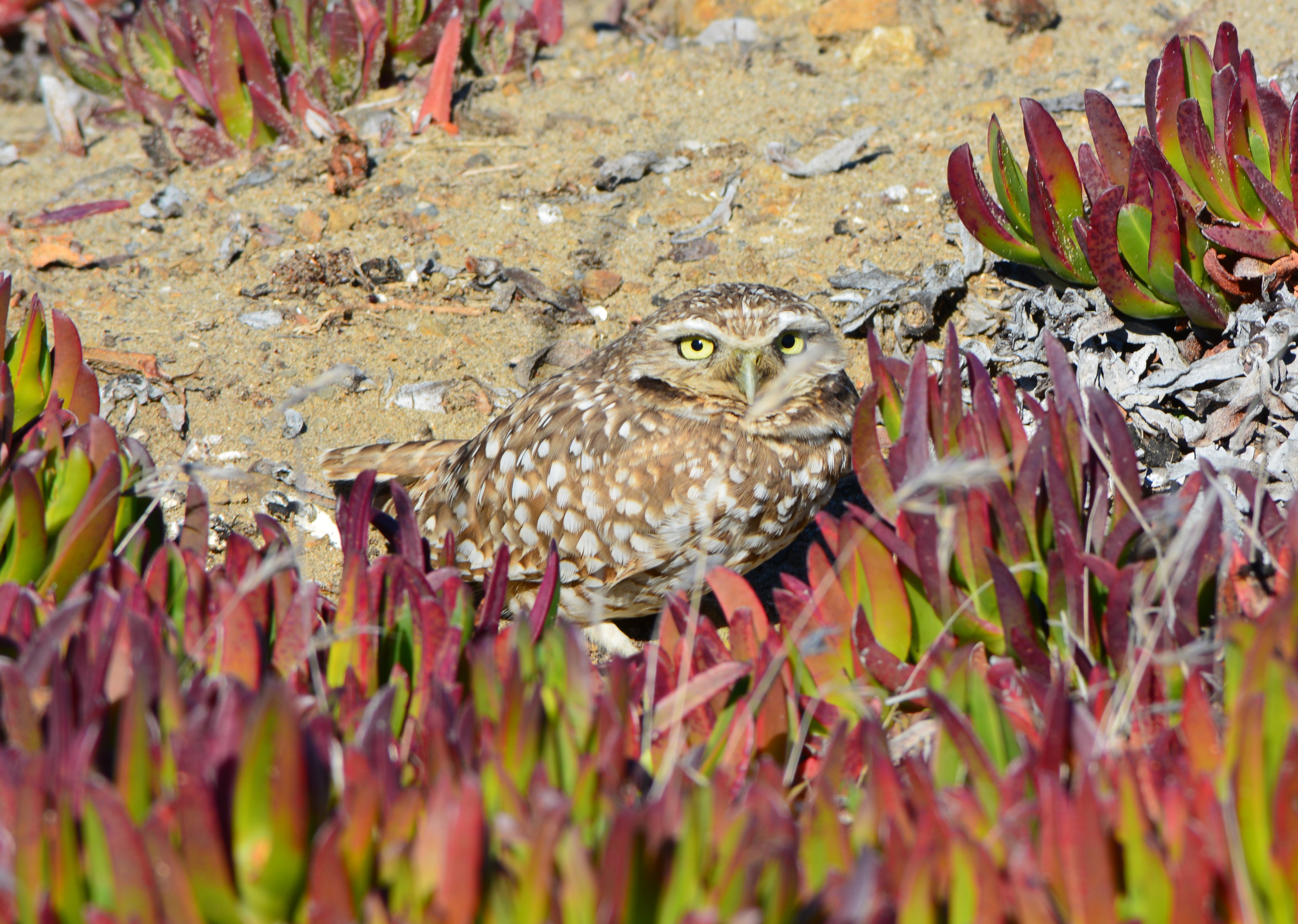
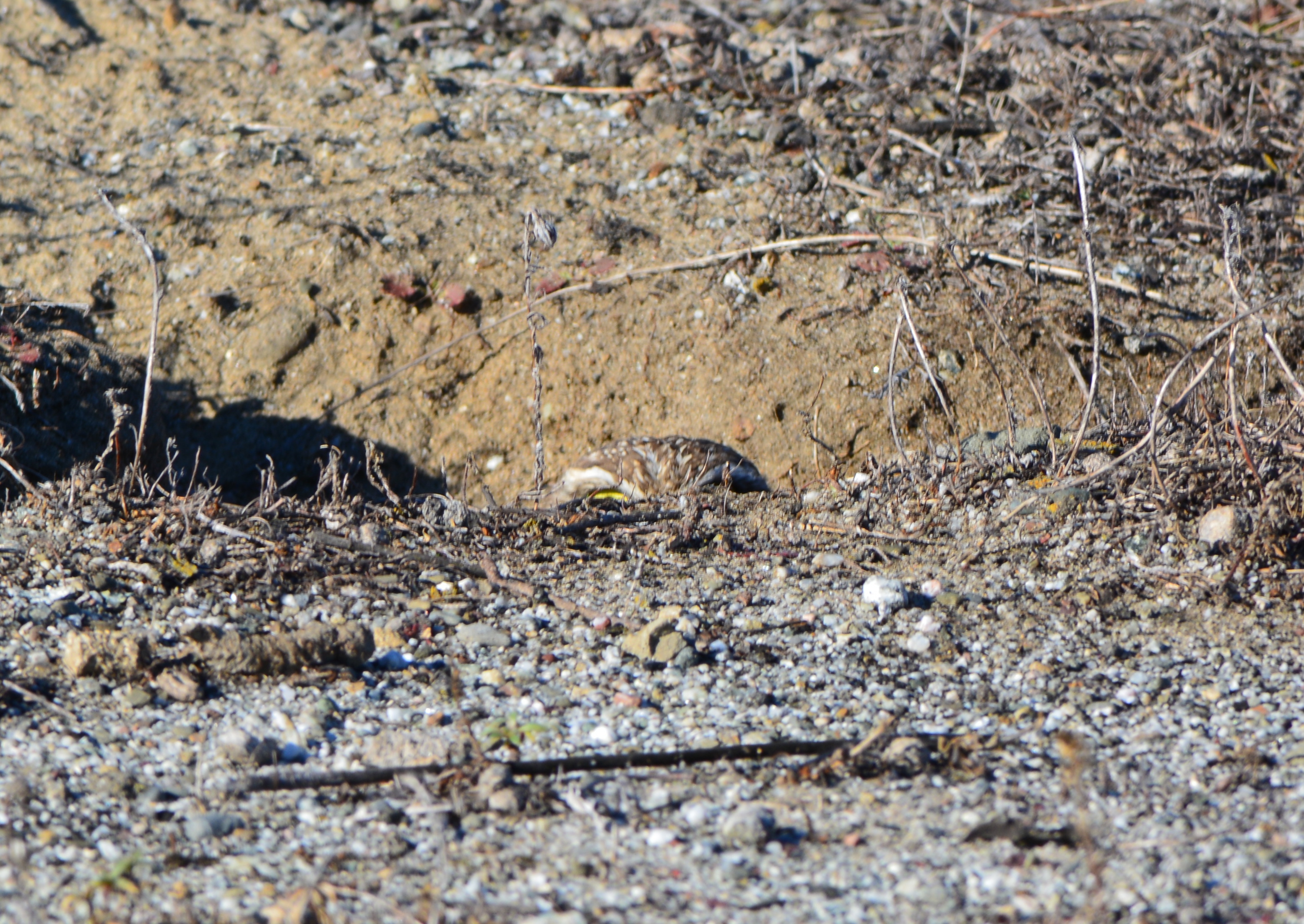
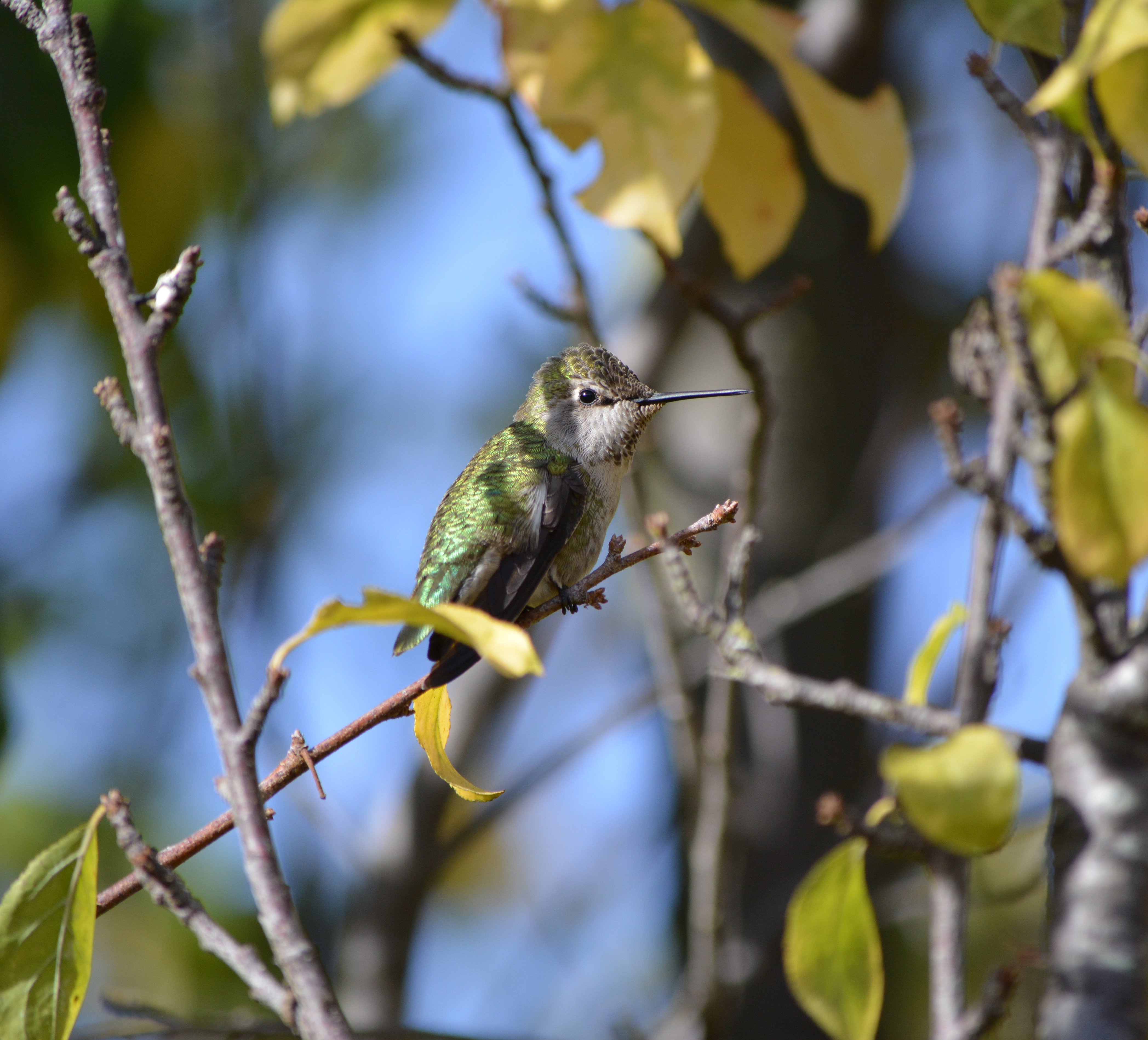
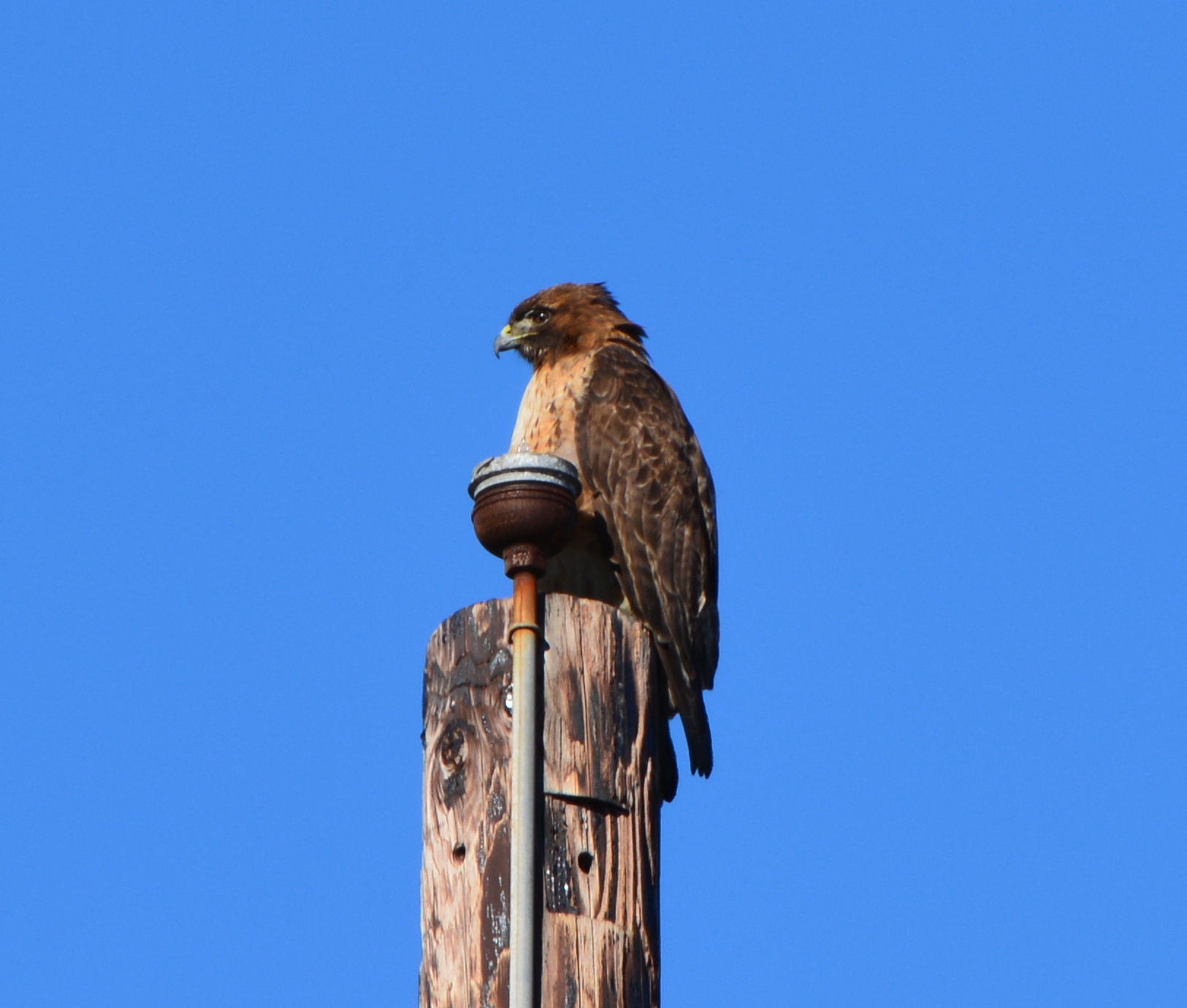
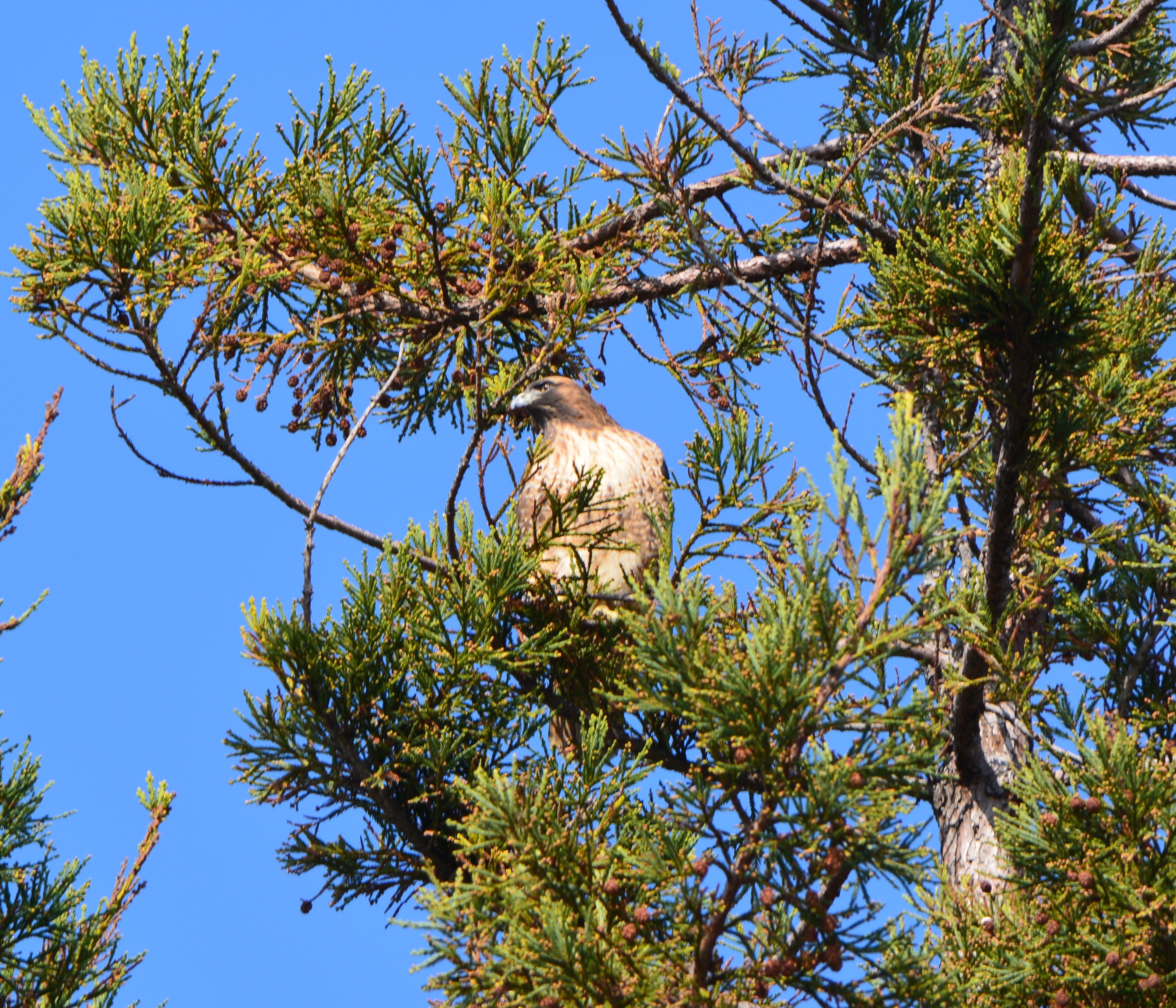
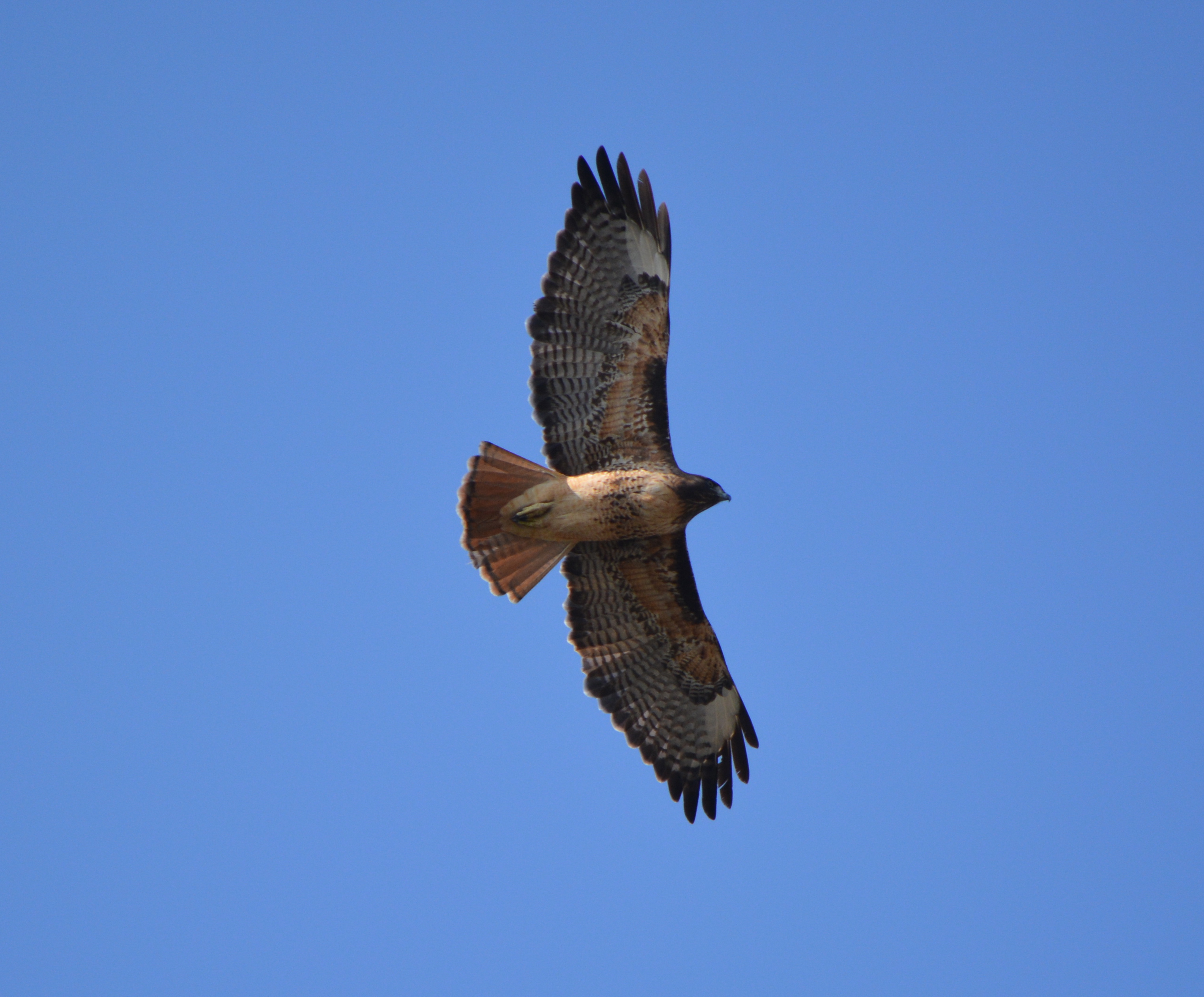
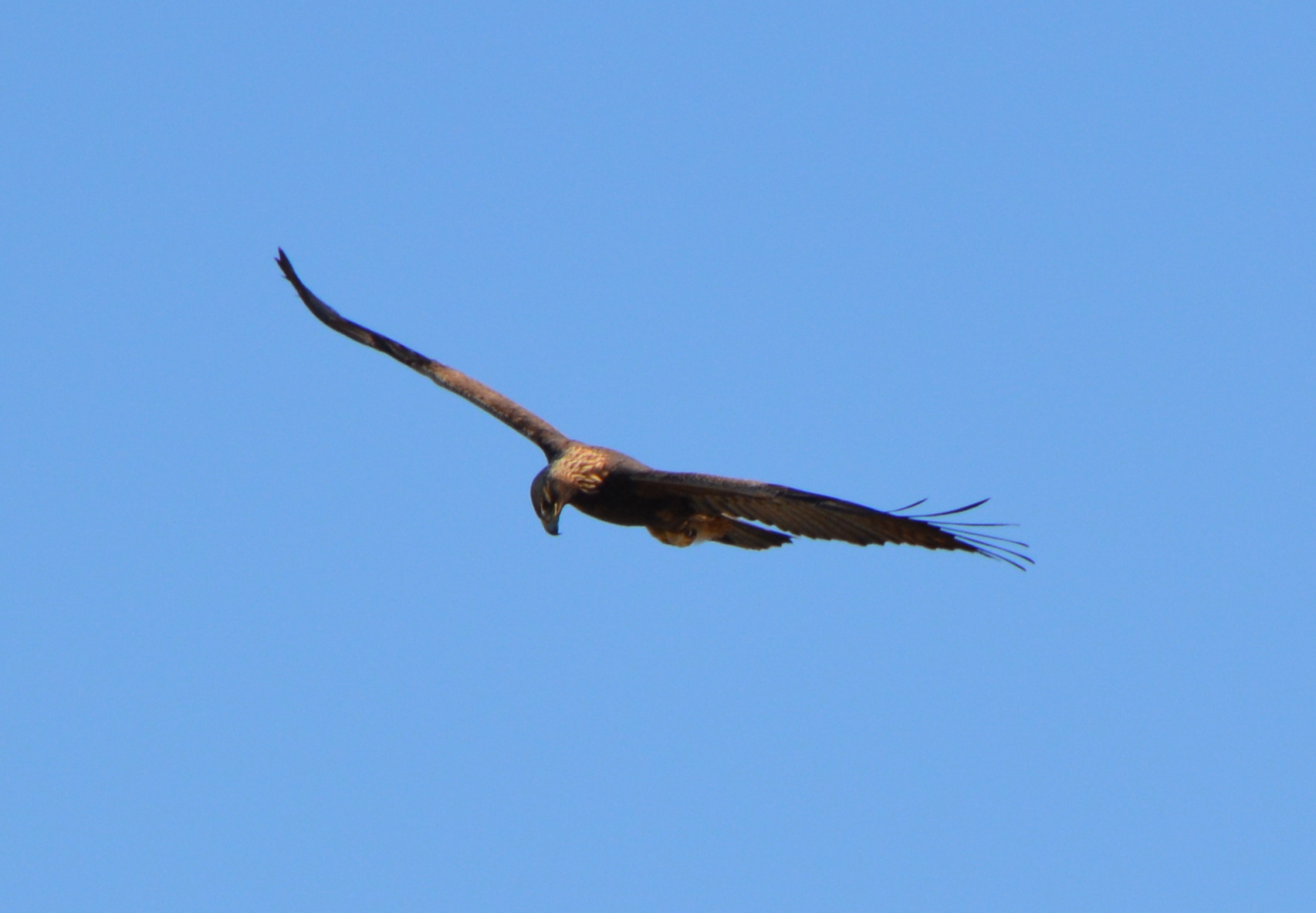
Featured here is a sampling of the wide variety of birds that enjoy the Alameda Point environment, from the wooded residential neighborhood and wooded parkland, to the shoreline, to the wide open runway area. Most notable of recent sightings is the Golden Eagle, which has been seen off and on for at least a year hunting for rabbits and other prey on the runway area Nature Reserve.
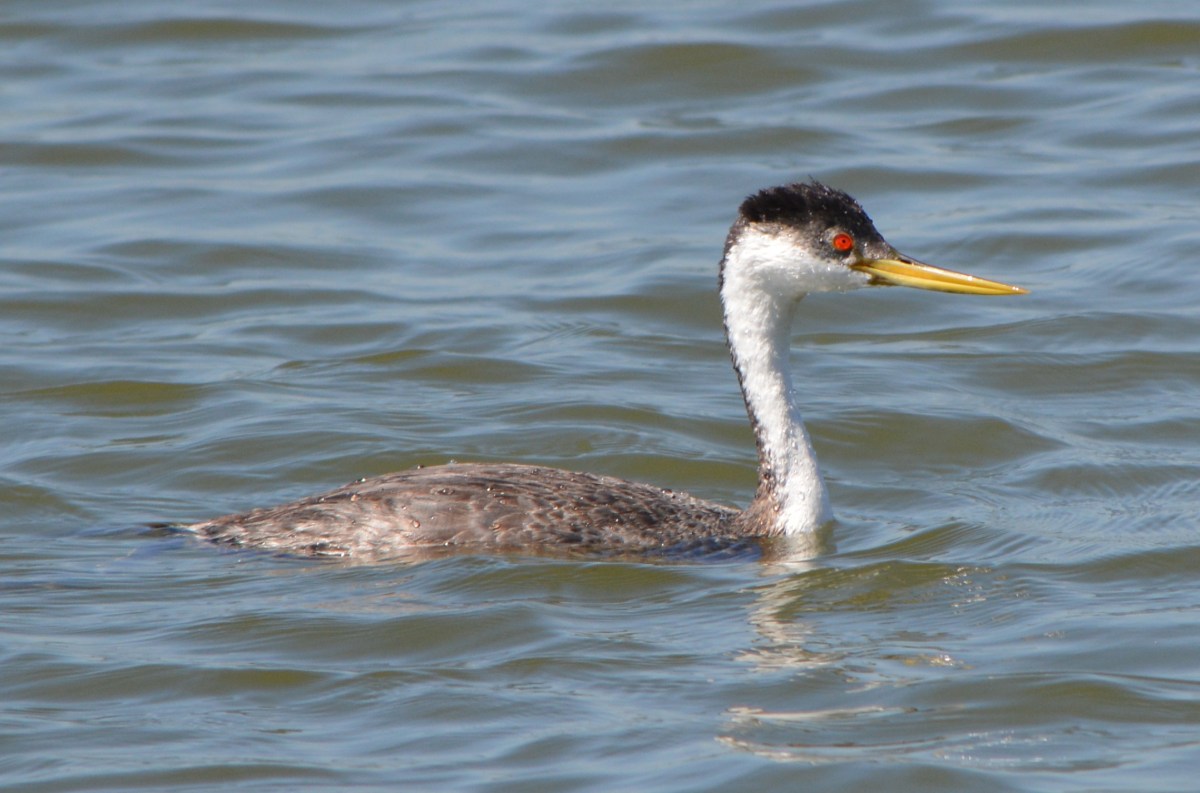
Western BluebirdsWestern Bluebird on pyracantha bushWestern BluebirdGolden-crowned Sparrow on pyracanthaCalifornia TowheeGolden-crowned SparrowMockingbirdYellow WarblerMeadowlarkBurrowing OwlBurrowing OwlAnna’s HummingbirdLesser GoldfinchHouse FinchWestern Scrub-JayRobinRed-tailed HawkRed-tailed HawkRed-tailed HawkGolden EagleCooper’s HawkAmerican CootRuby-crowned Kinglet