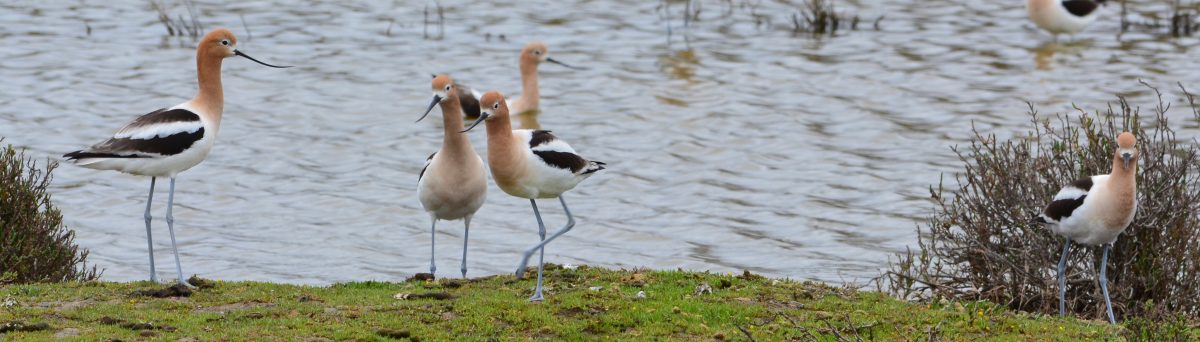
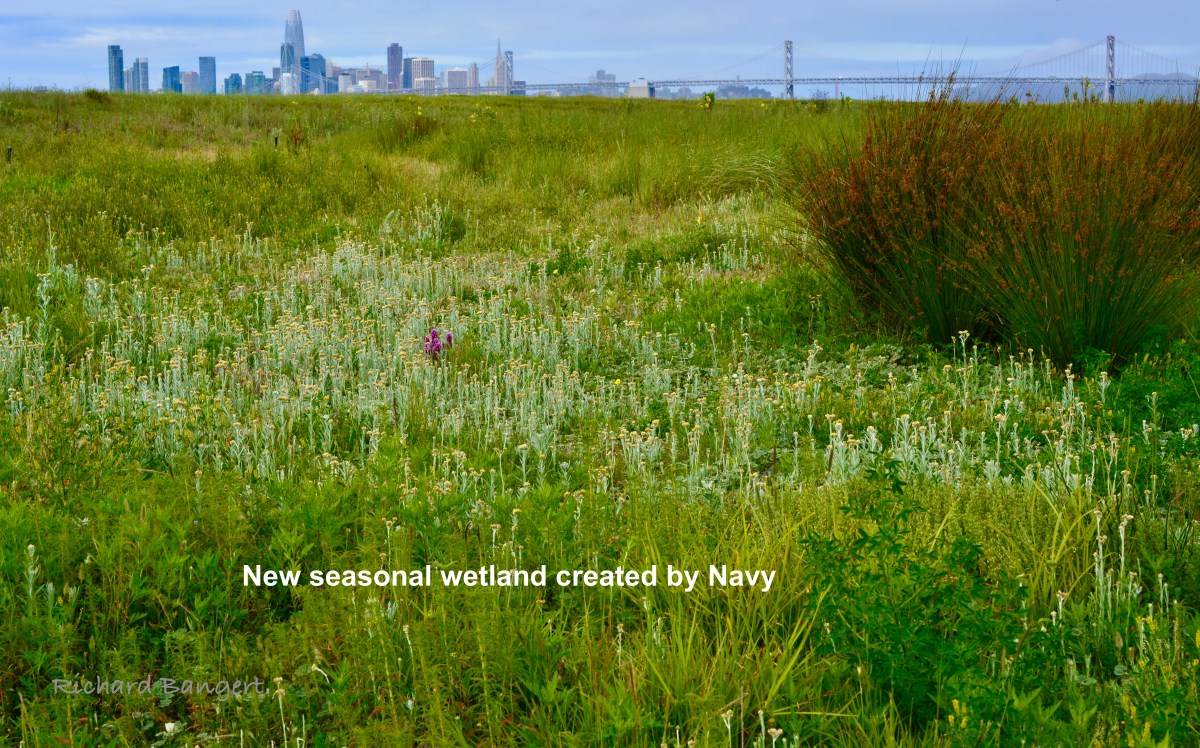
The wetlands and grasslands on the airfield at Alameda Point are looking alive with flowers and wildlife after a boost from heavy rainfall in April and temperatures in the high 70s.
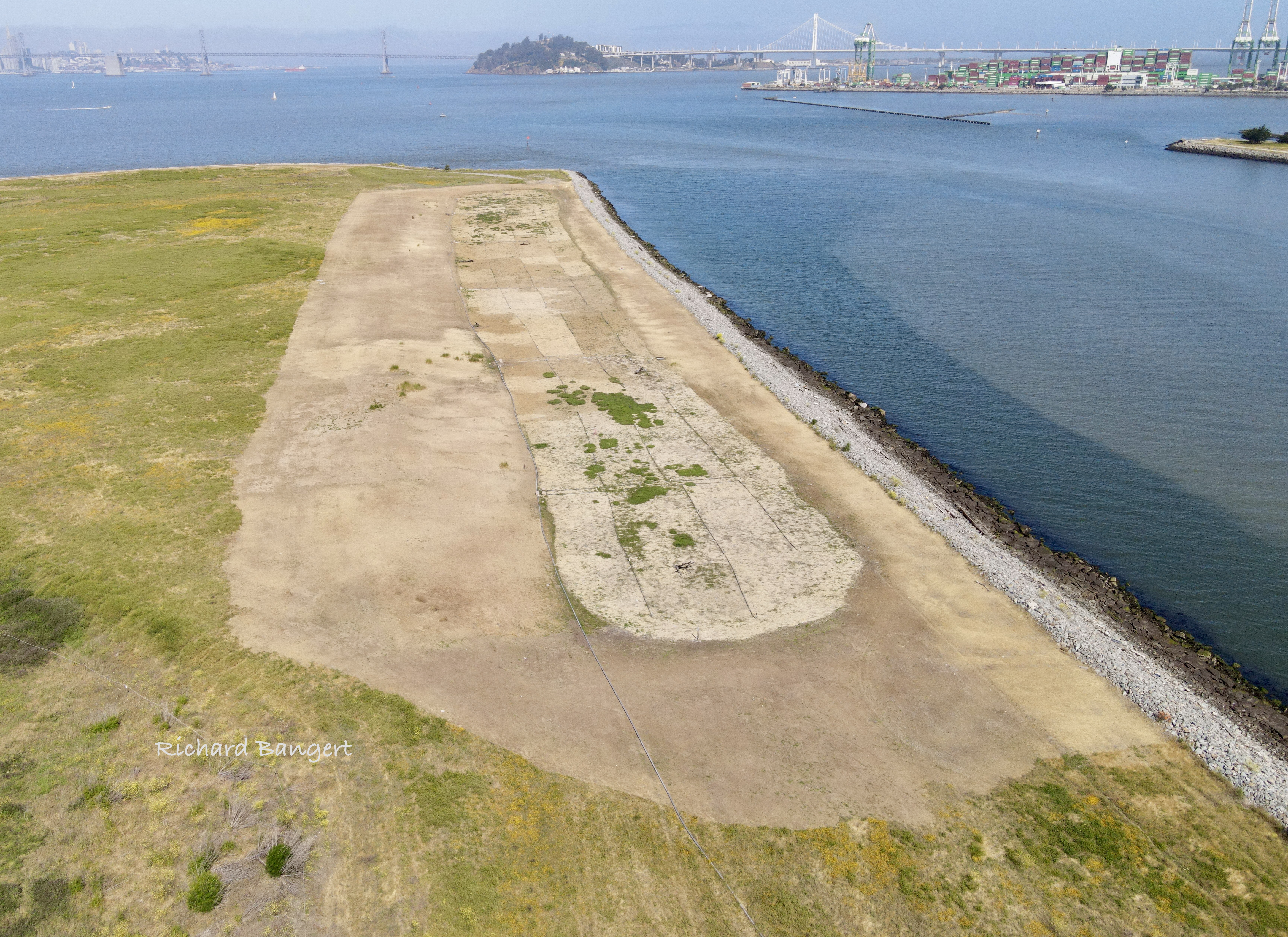
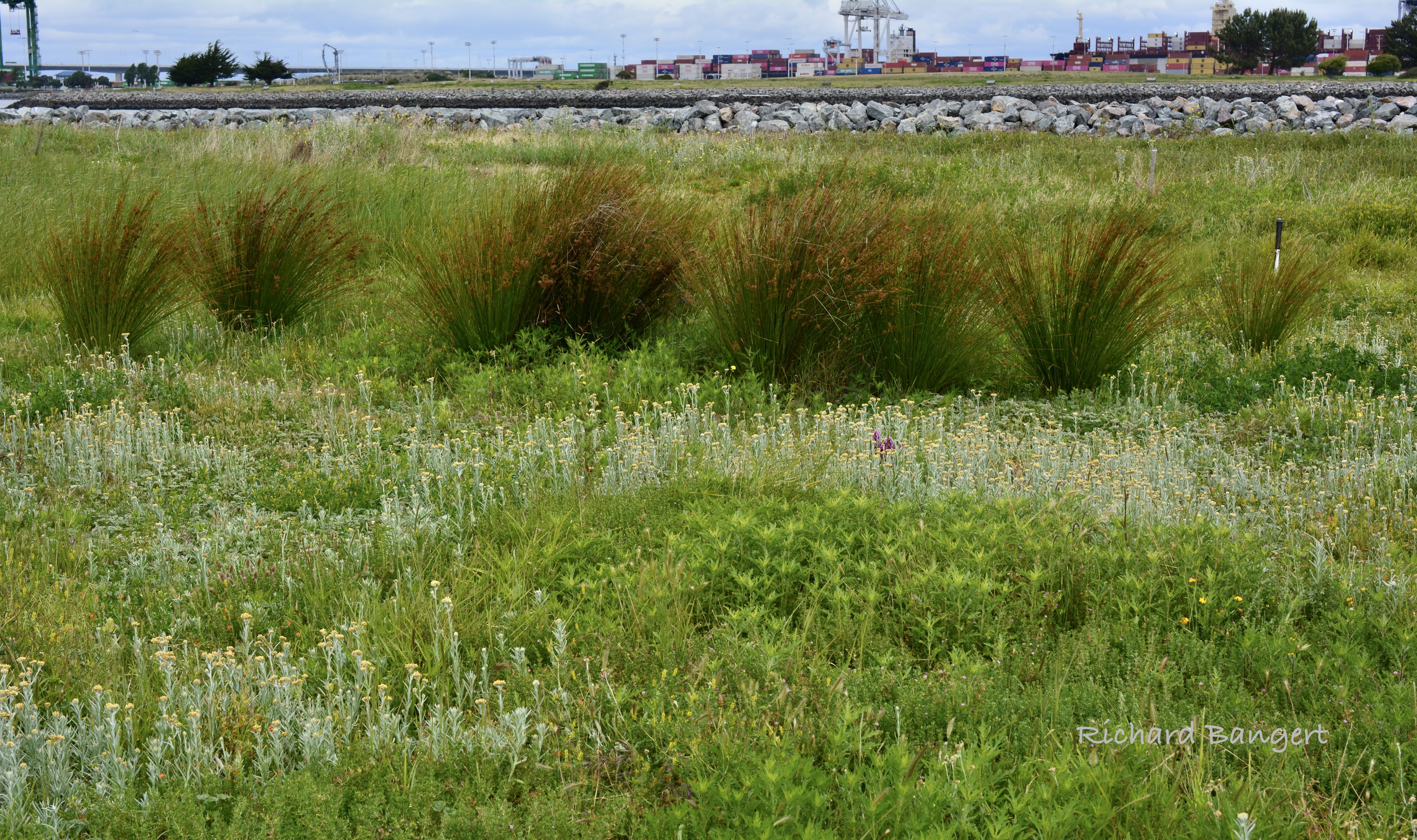
A seasonal wetland next to the shoreline, created by the Navy in 2016 as mitigation for covering a nearby wetland, is finally reaching maturity with a rich and colorful palette of vegetation. This comes after years of failed attempts at growing new vegetation through seeding alone, mainly due to recurring drought conditions. This led to the Navy installing an irrigation system connected to a fire hydrant in 2022 and hand planting about 9,000 nursery-grown plugs, followed by three rounds of seeding in 2023.
Even though all of the plugs and seeds were native plants species, non-native species, many of them common throughout California, have also sprouted up. The more problematic non-native plants that can take over the area are selectively removed by the Navy’s contractor. For a new wetland to be considered successful, 70 percent of the area must have vegetation, and 70 percent of that vegetation must be comprised of native species, according to the wetland management assessment in this recent report.
Nearby, another seasonal wetland between runway and taxiway pavement at a lower elevation, which was designed to be a drainage area for rainwater, is alive with the sounds of birds and crickets.
Below is a gallery of some of the sights and sounds captured during two visits to the area in April and May of this year. A previous gallery from the area was posted in May 2024. The area is slated to one day become a regional park.
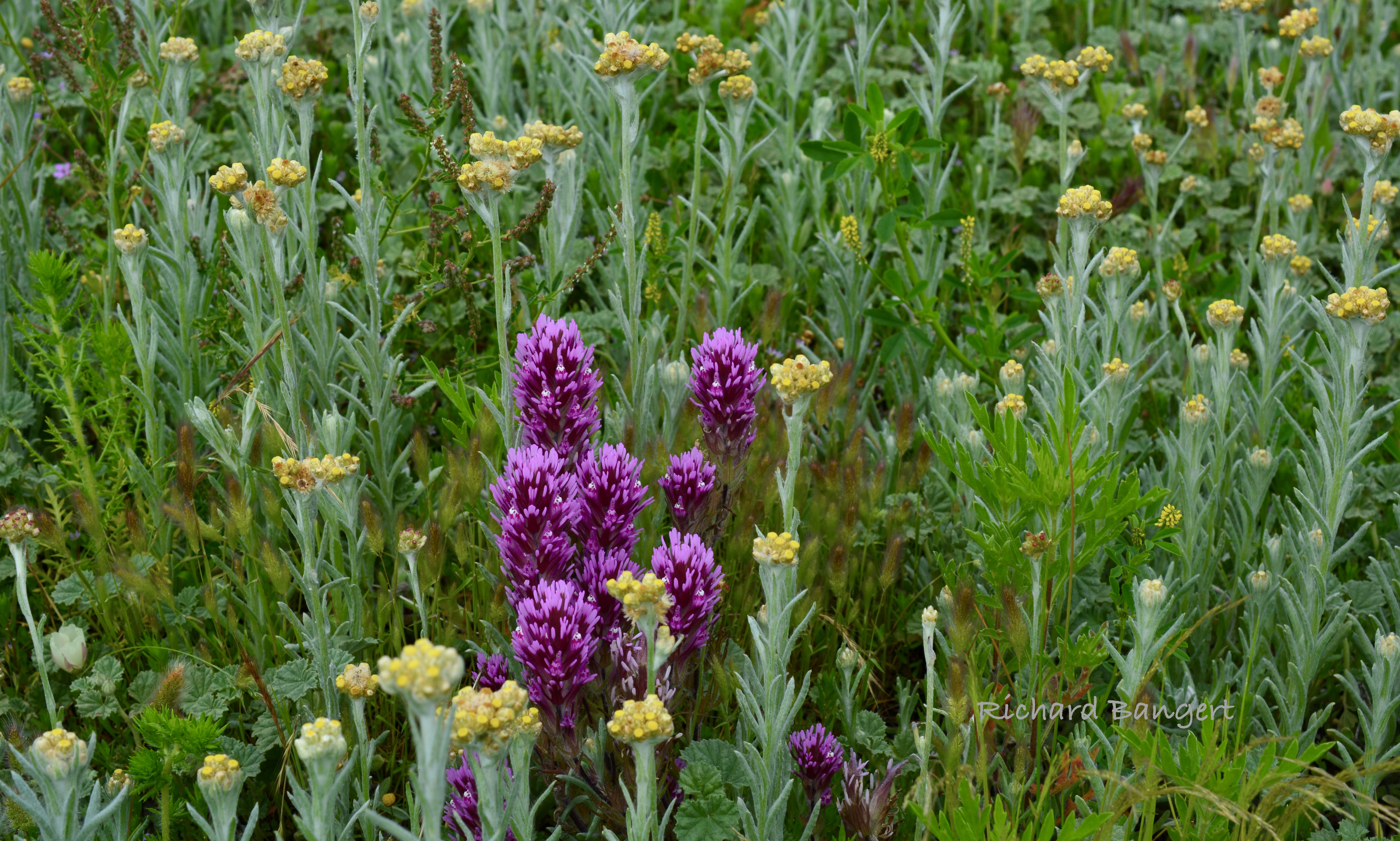
Purple owl’s clover, a California native plant, stands out in new seasonal wetland
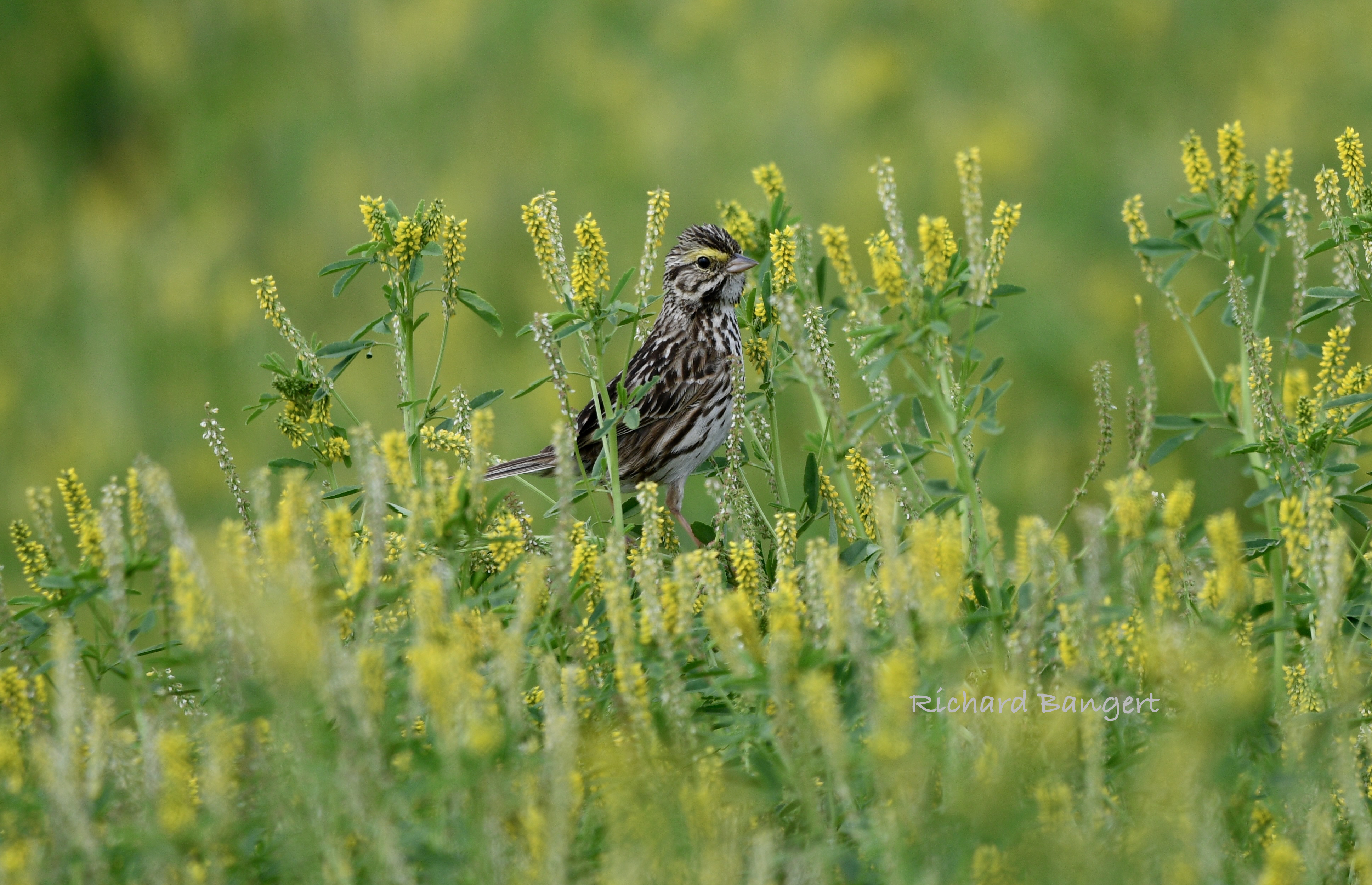
Savannah Sparrow in new seasonal wetland
Bird’s foot trefoil (yellow) and Coastal Heron’s Bill (purple) stand out in new seasonal wetland
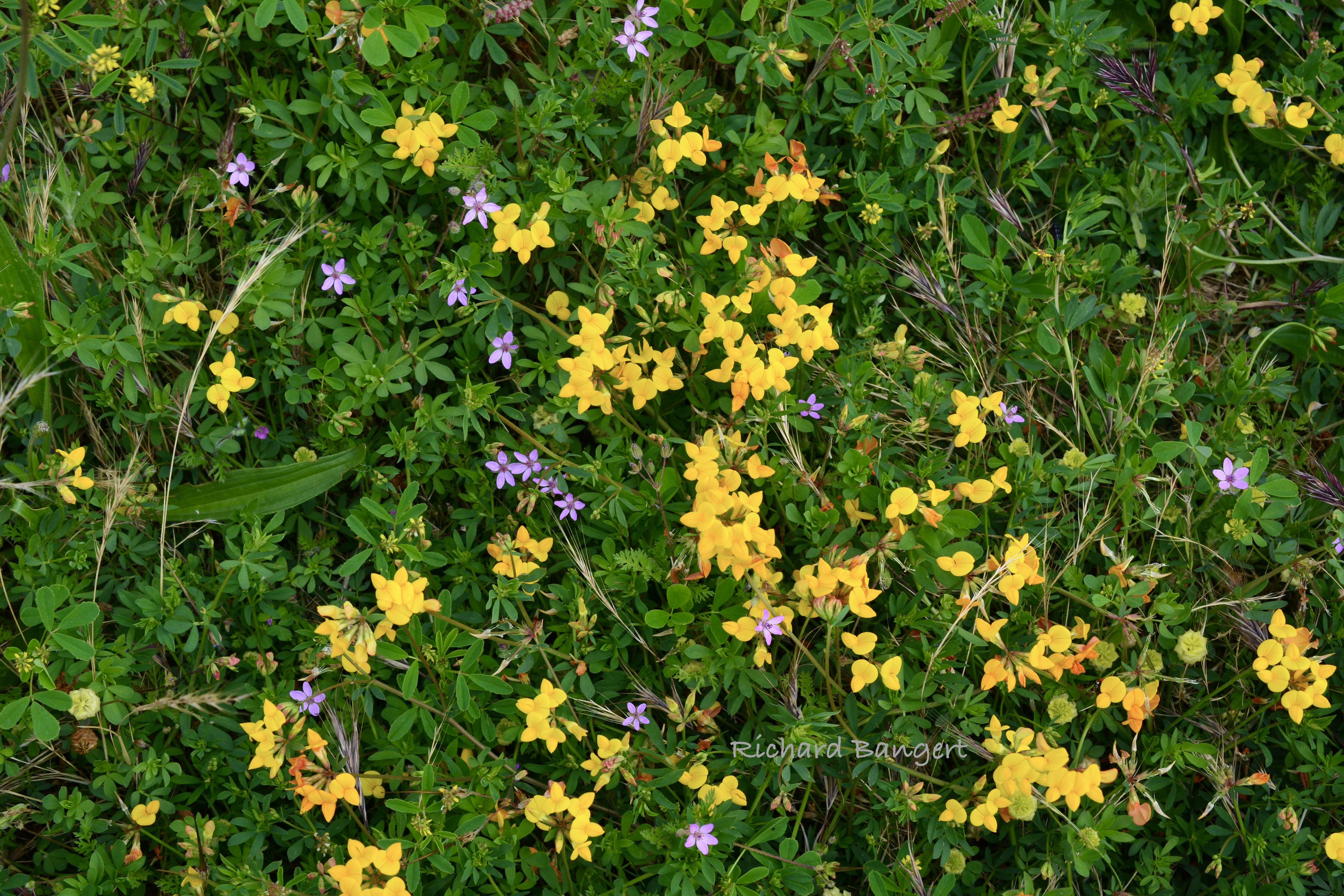
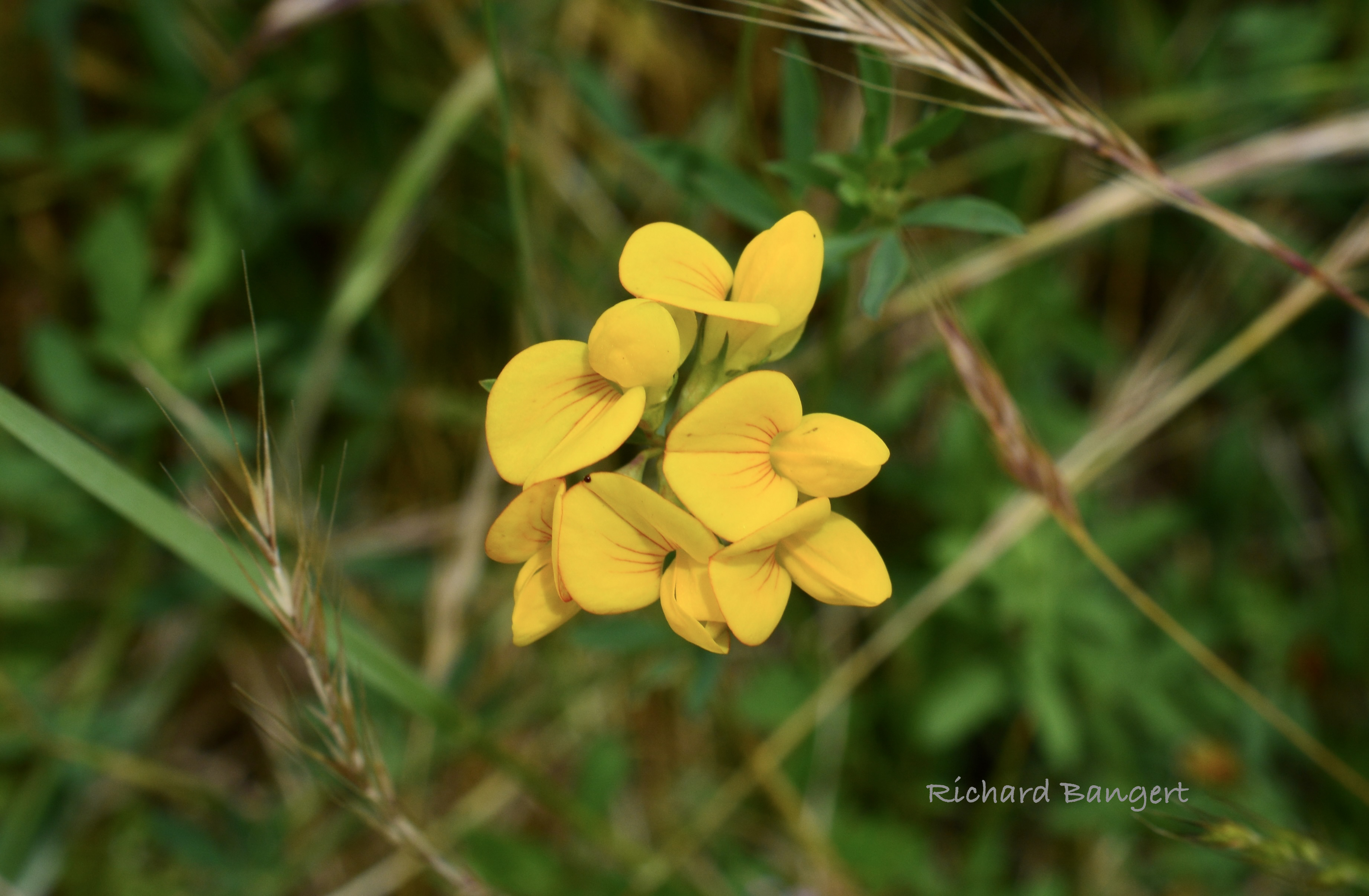
Bird’s foot trefoil, a non-native plant, in new seasonal wetland
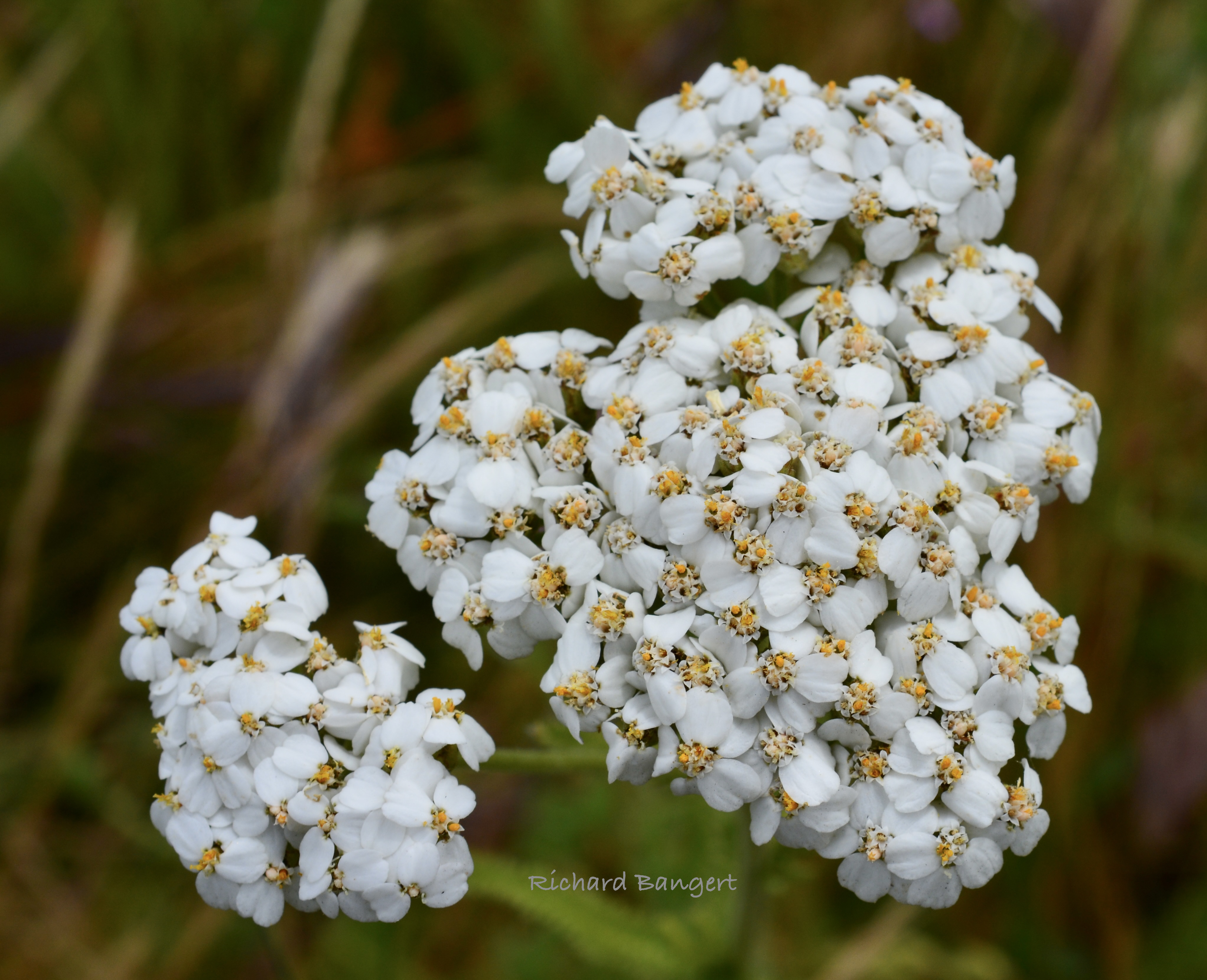
Common yarrow, a California native plant, in new seasonal wetland
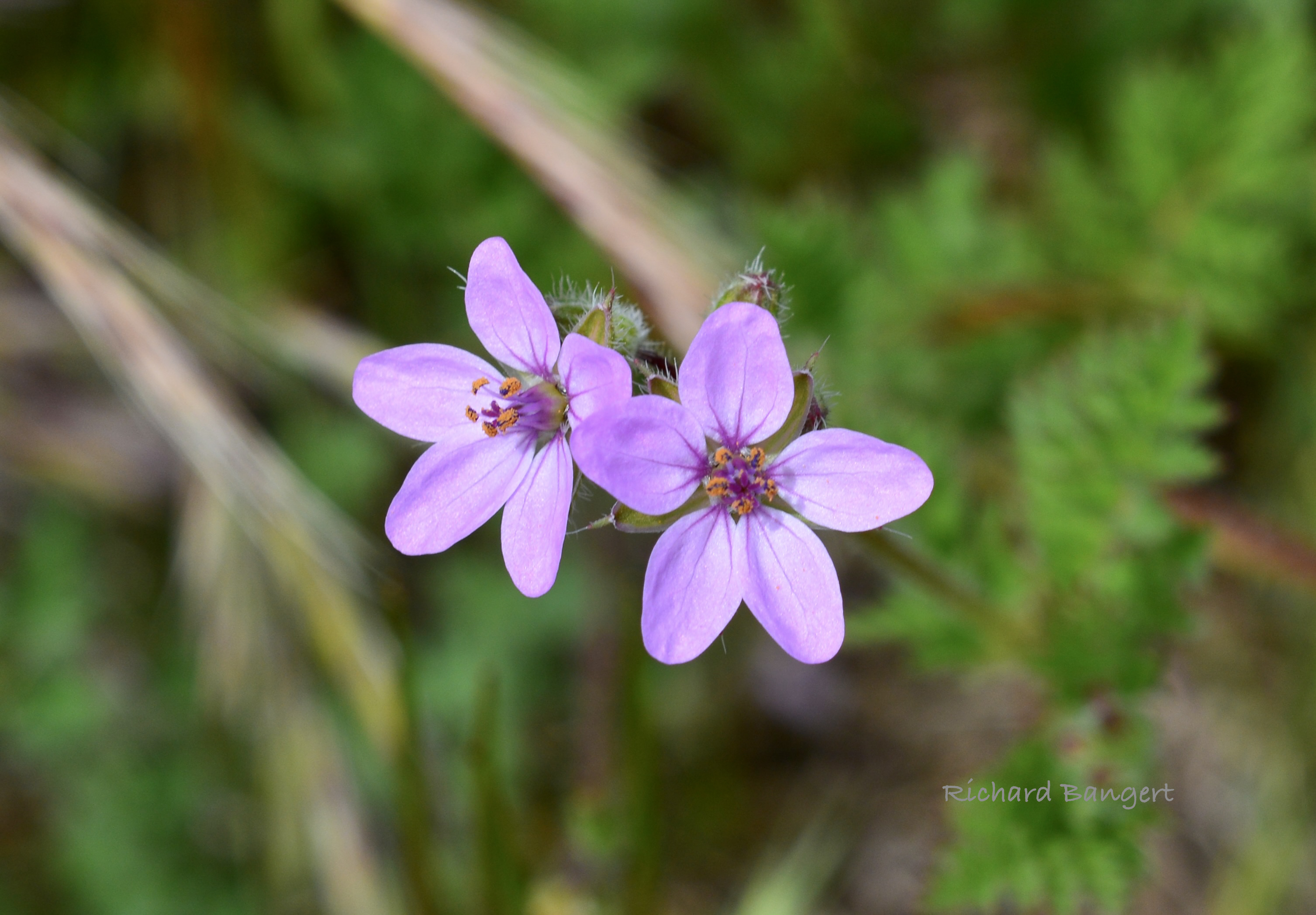
Coastal Heron’s Bill, a non-native plant, in new seasonal wetland
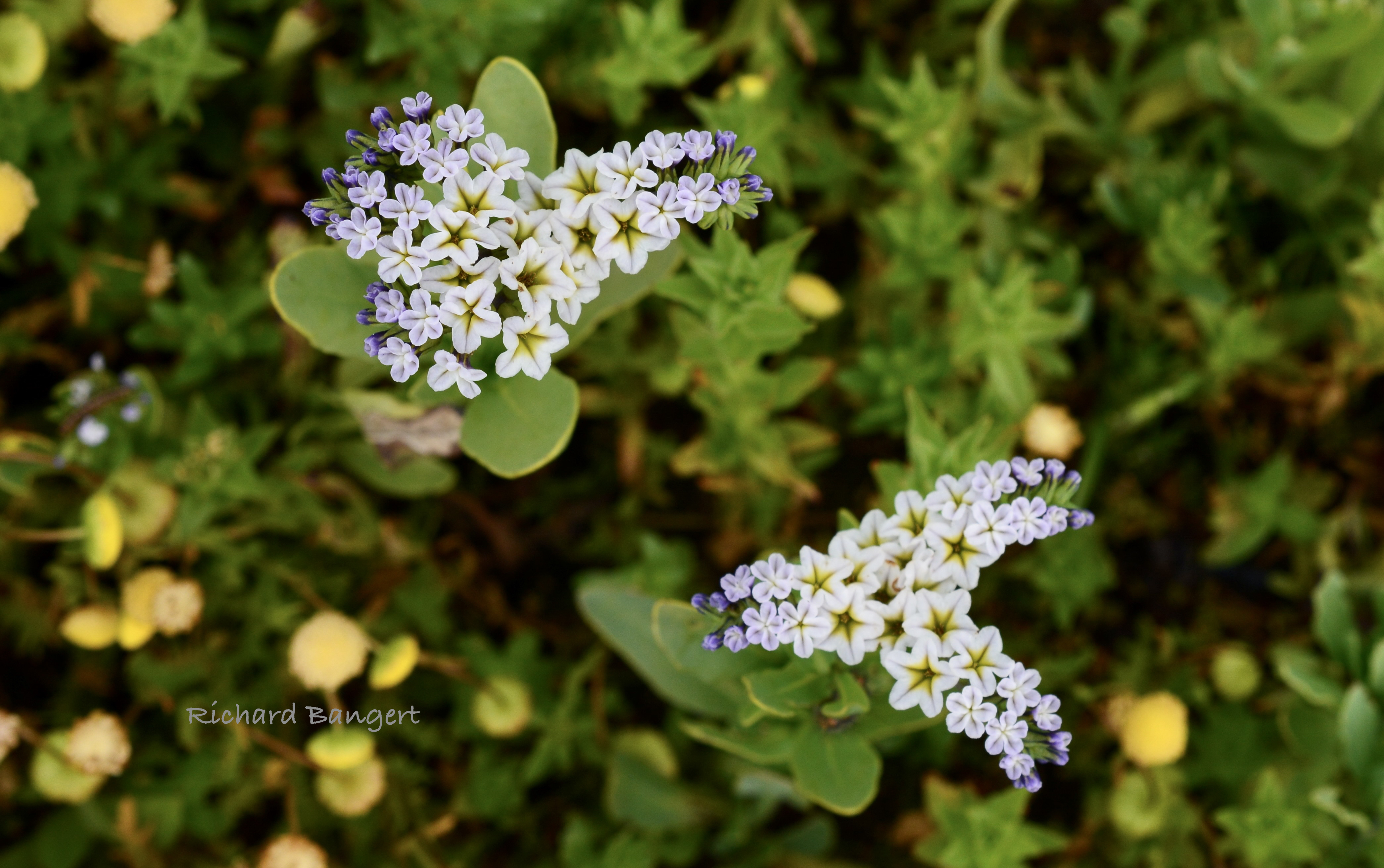
Seaside heliotrope, a California native plant, in new seasonal wetland
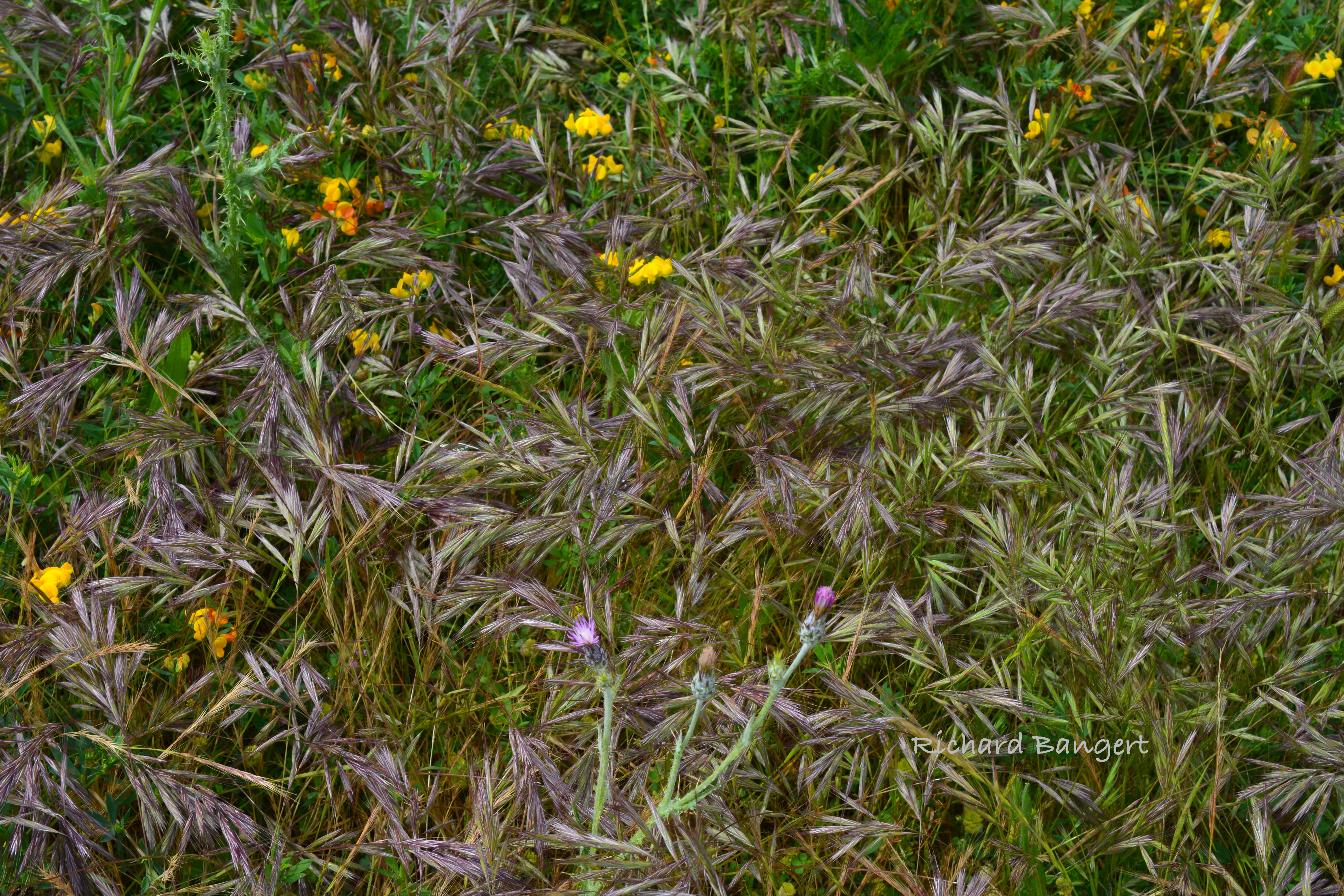
Red brome, a non-native plant, in new seasonal wetland
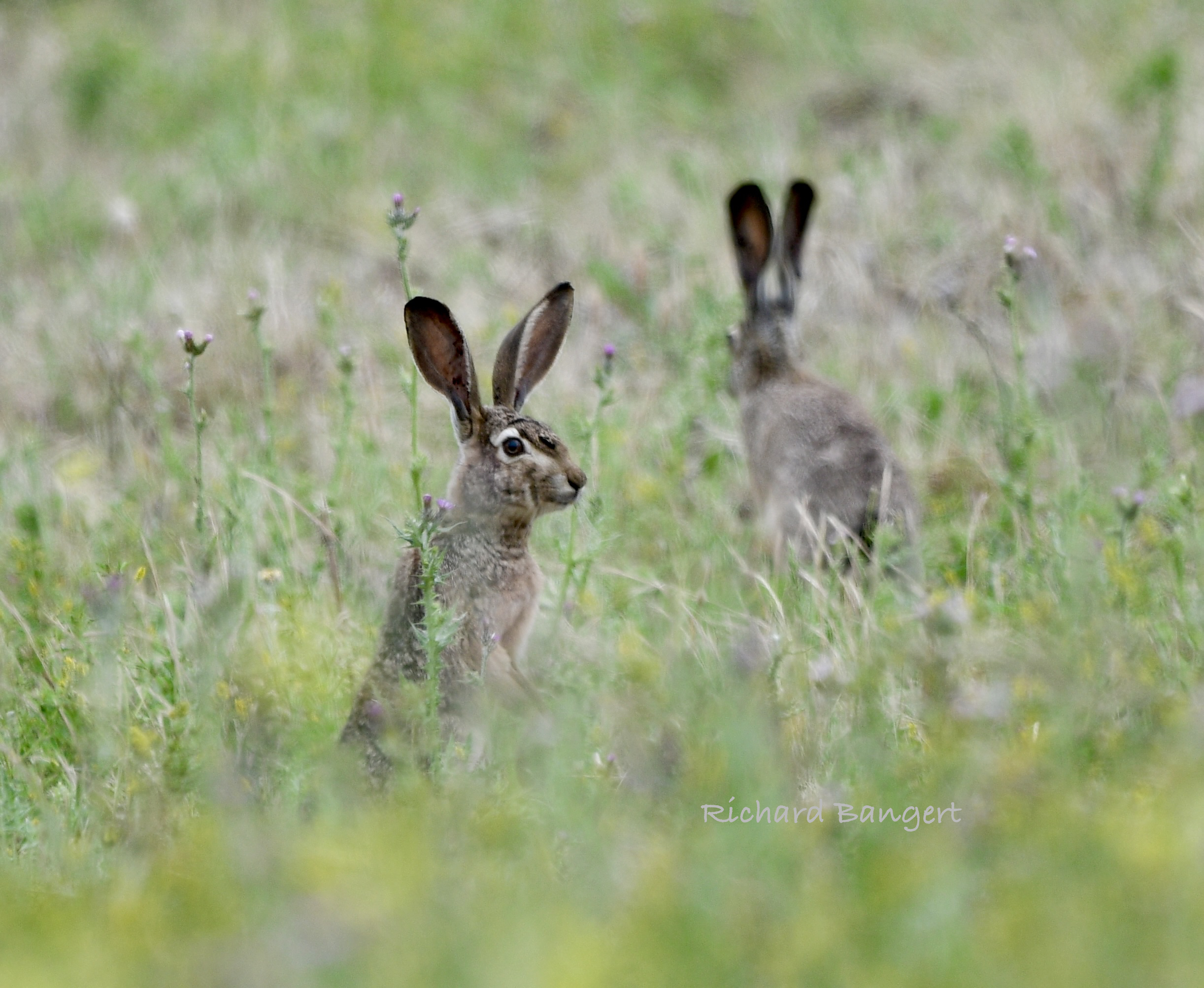
Black-tailed jackrabbits, also known as American desert hares, in new seasonal wetland
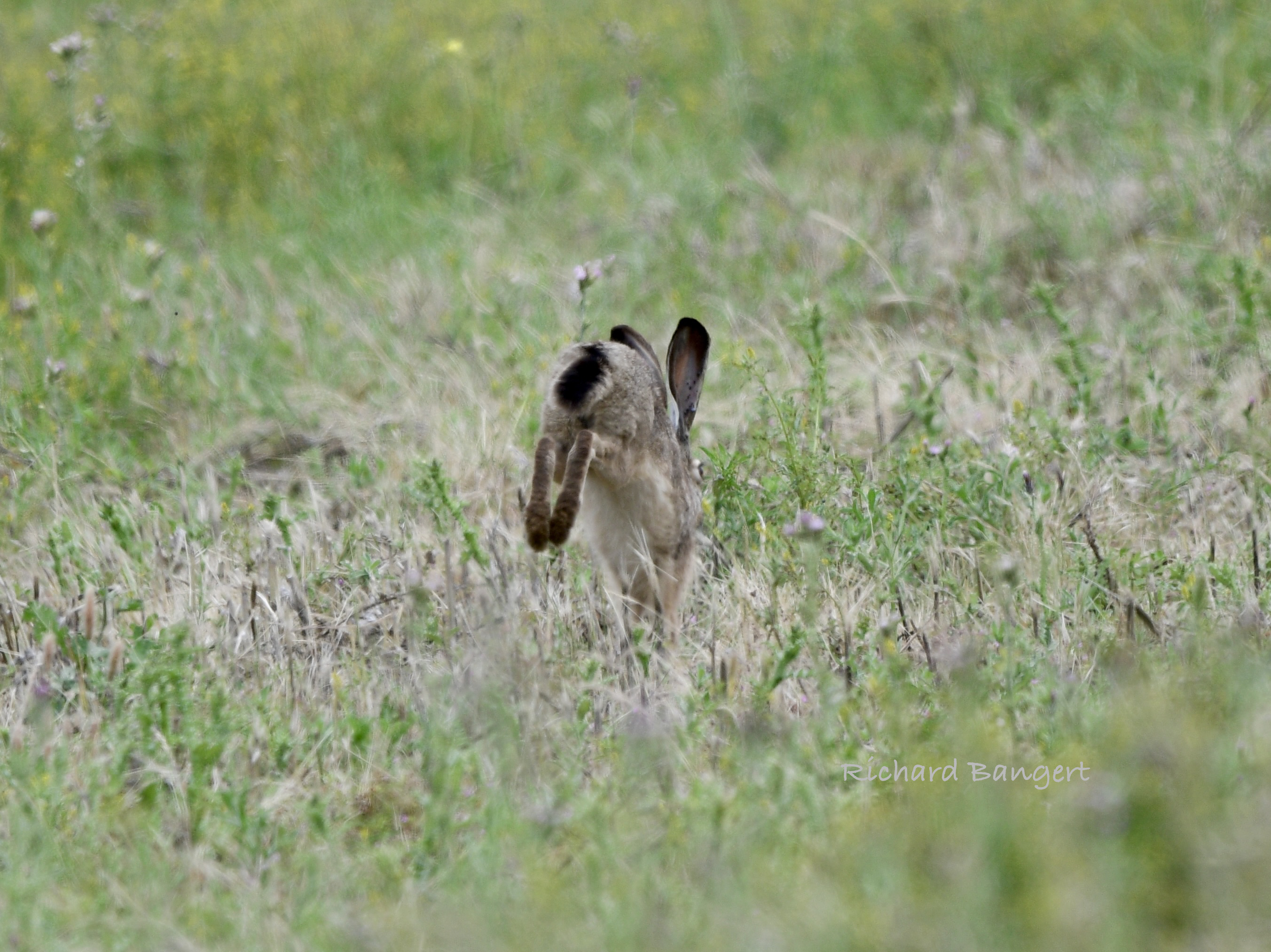
Black tail and extra large feet of a Black-tailed jackrabbit
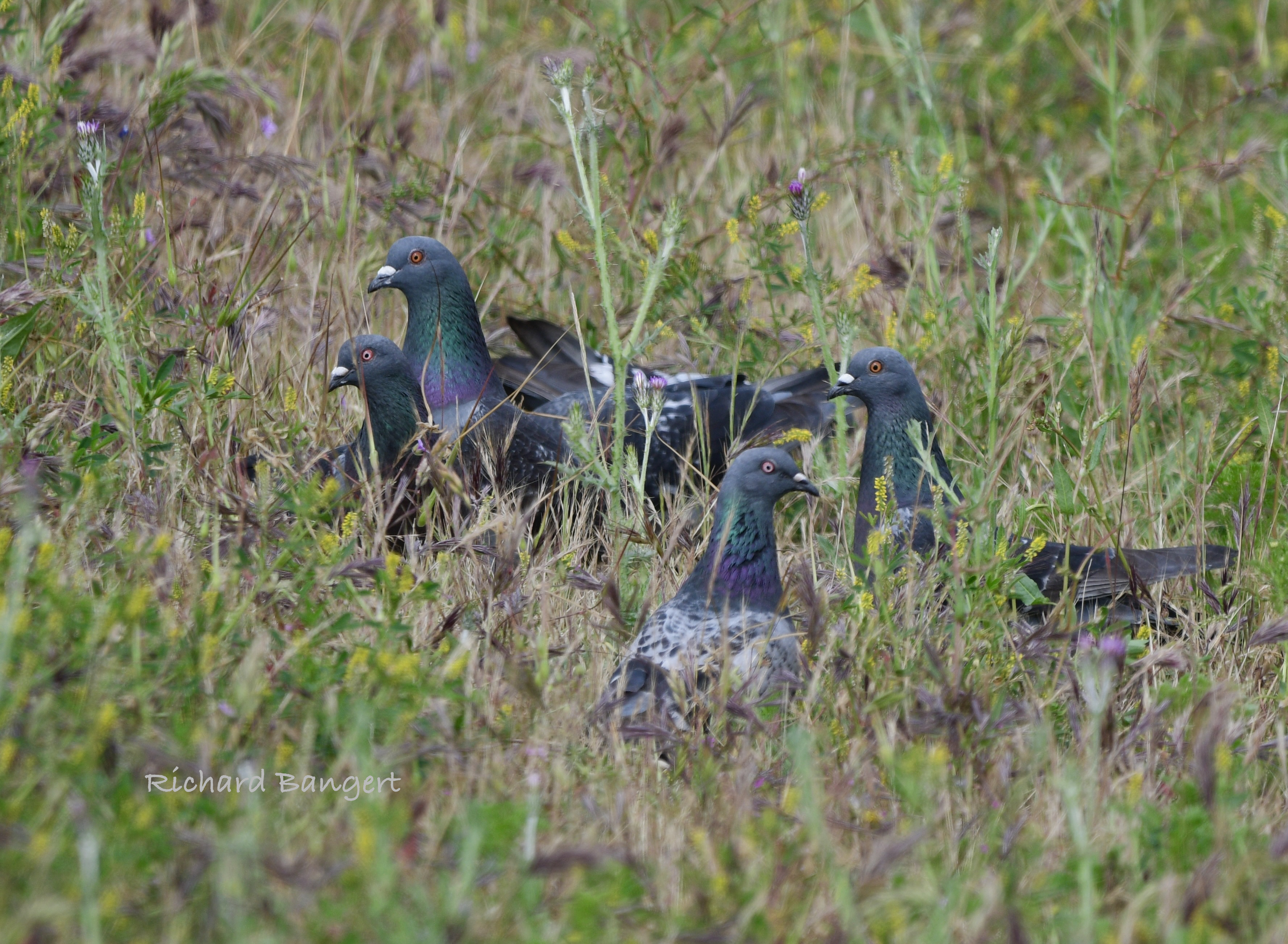
Rock doves in new seasonal wetland
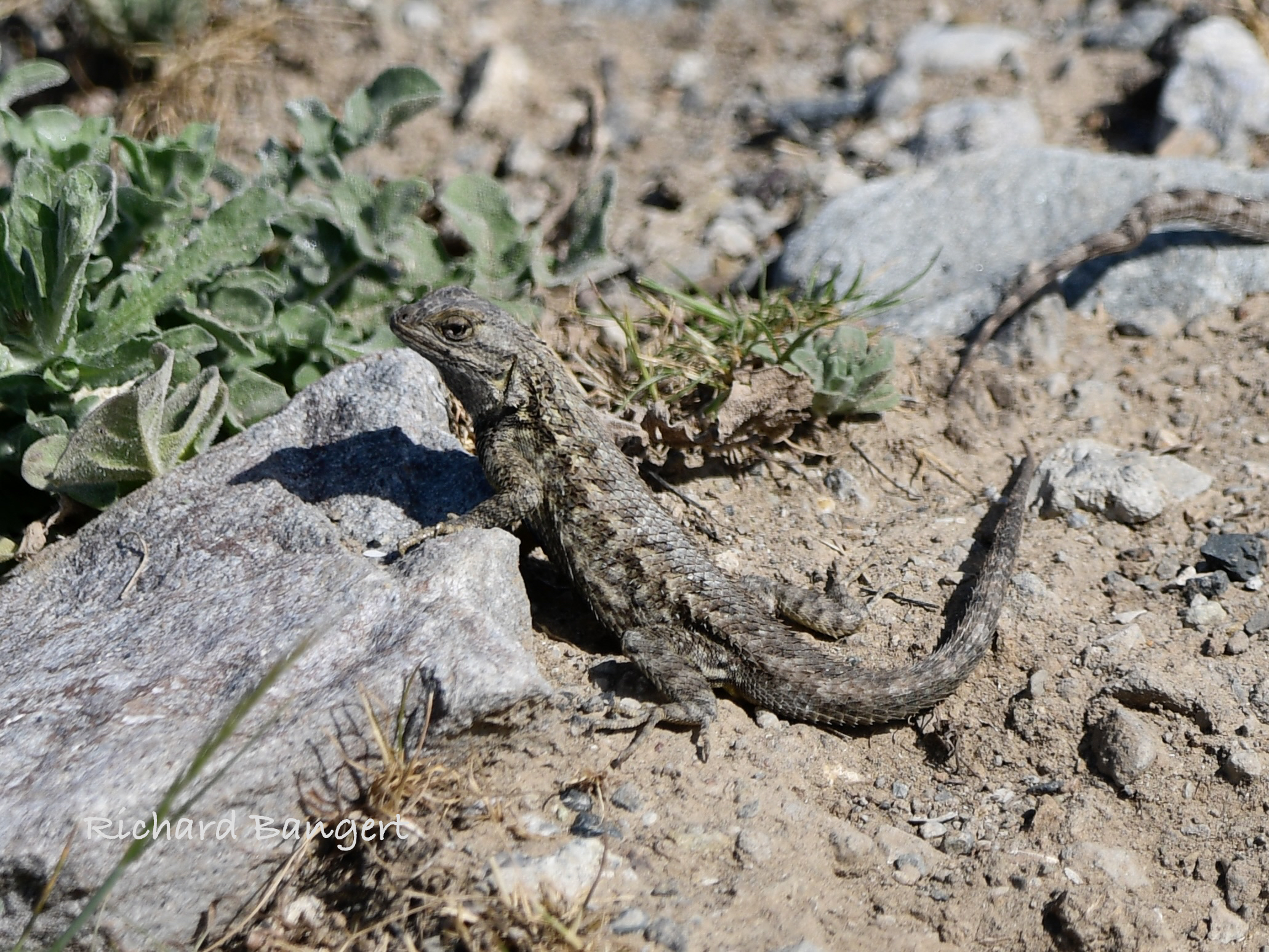
Fence lizard between new seasonal wetland and rocky shoreline along estuary
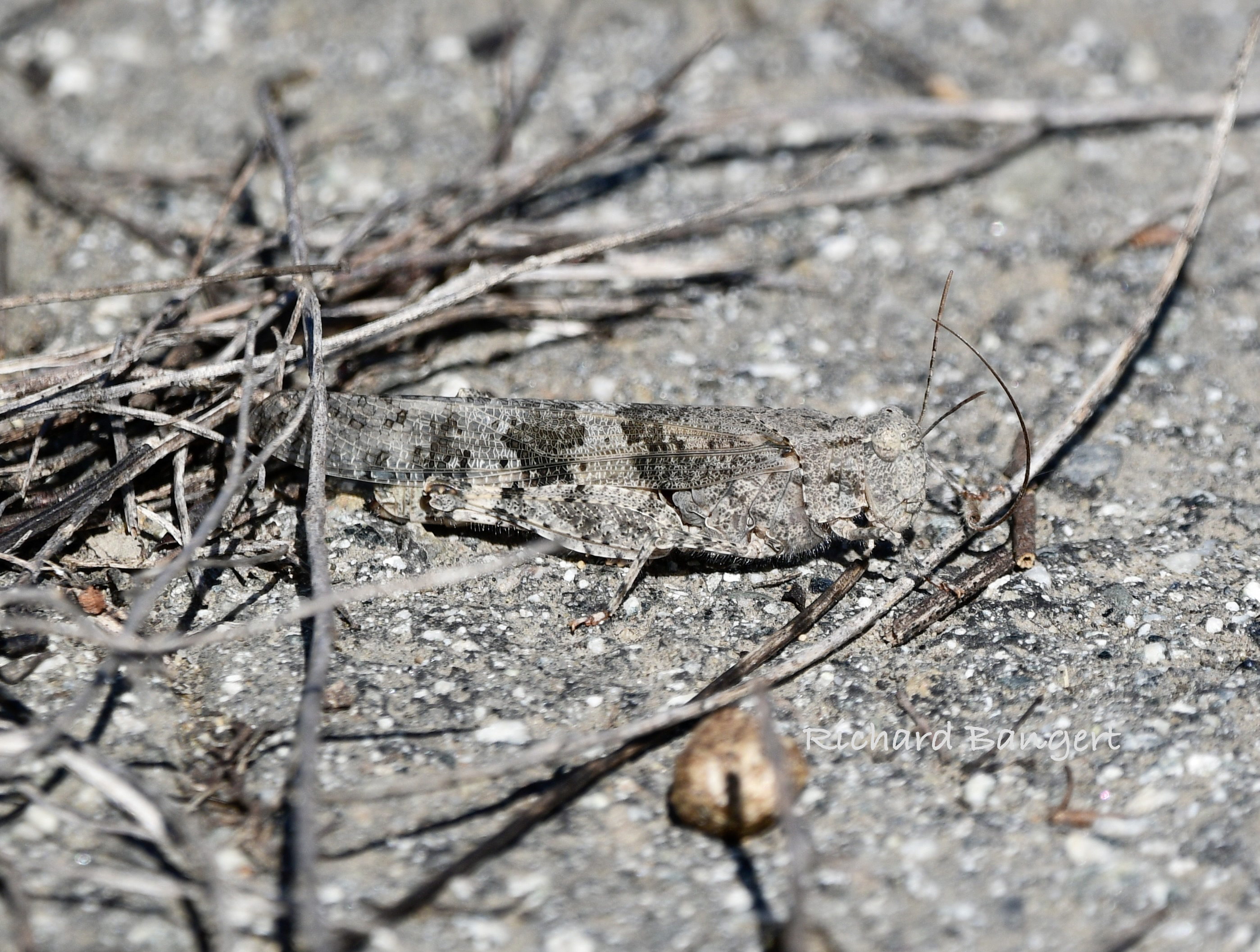
Pallid-winged grasshopper with exquisite camouflage, including eyeballs, on paved area near historic wetland
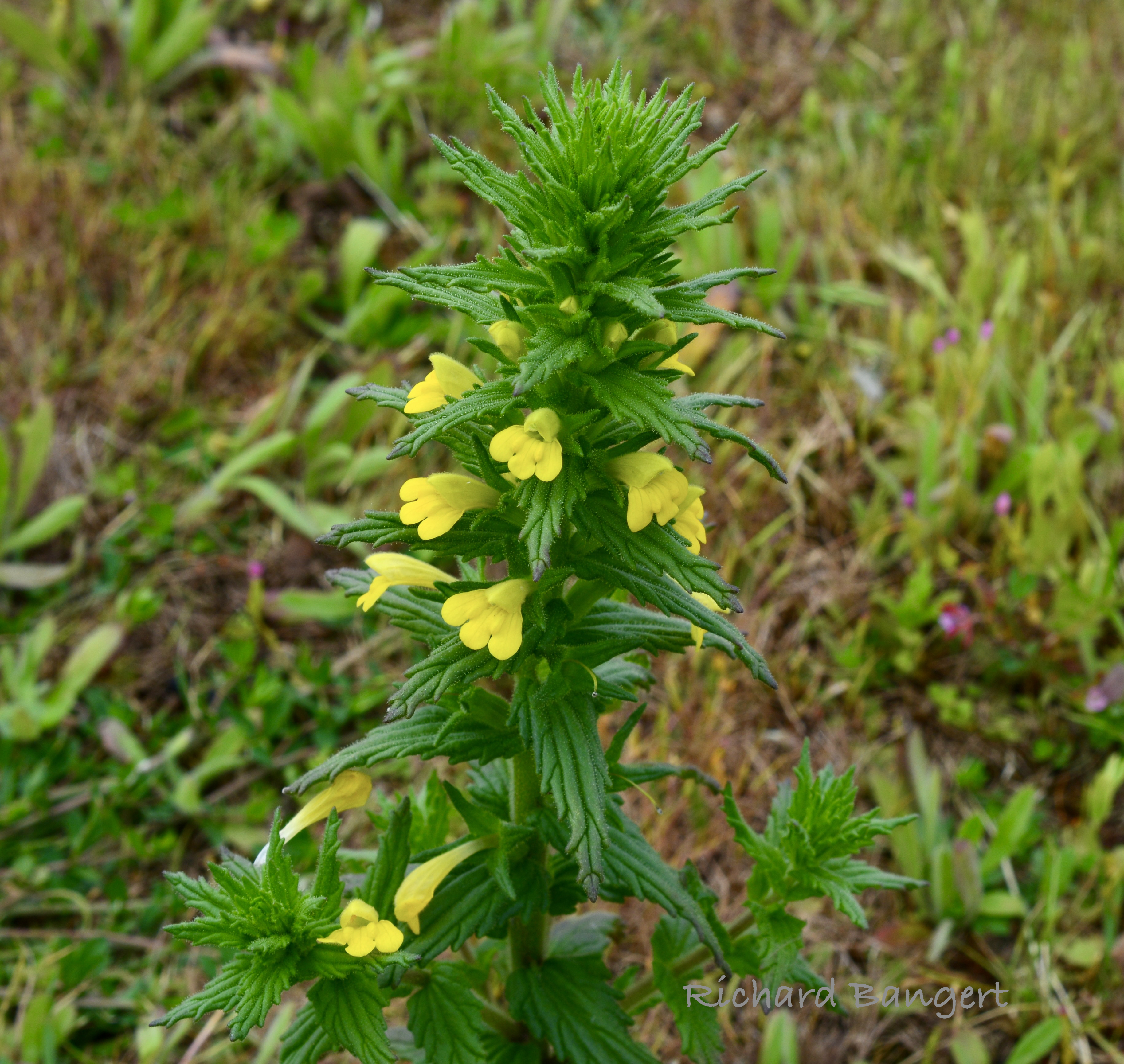
Bellardia Viscosa, a non-native plant, in historic wetland
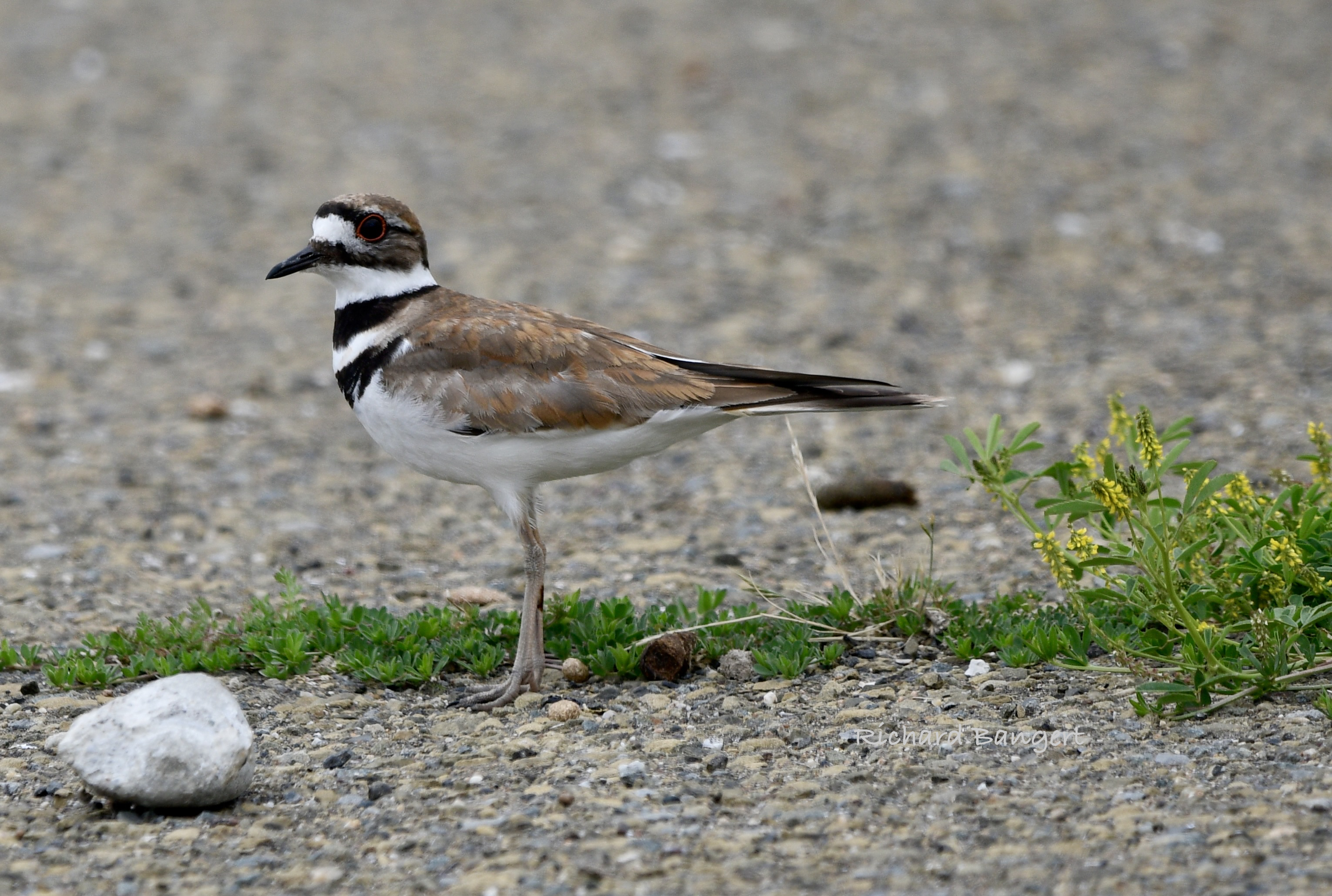
Killdeer, a regular sight that frequently nests at Alameda Point, seen near historic wetland
Before and after
Video showing partial view of historic wetland between runway and taxiway pavement.
There is talk that the Navy may eliminate this wetland by covering it with three feet of soil due to the cost and time involved in full restoration. A decision is expected within a year.
This is an edited version of a photo essay previously published on the Alameda Post.
 Alameda Point Environmental Report
nice post and great photos- thanks
LikeLike