The city council will consider a staff proposal on April 15 to begin a major construction effort at the eastern entryway to Alameda Point, formerly known as the East Gate. The proposal seeks approval to solicit qualified developers for two parcels totaling 150 acres that would bring 800 new homes and a major sales tax generator.
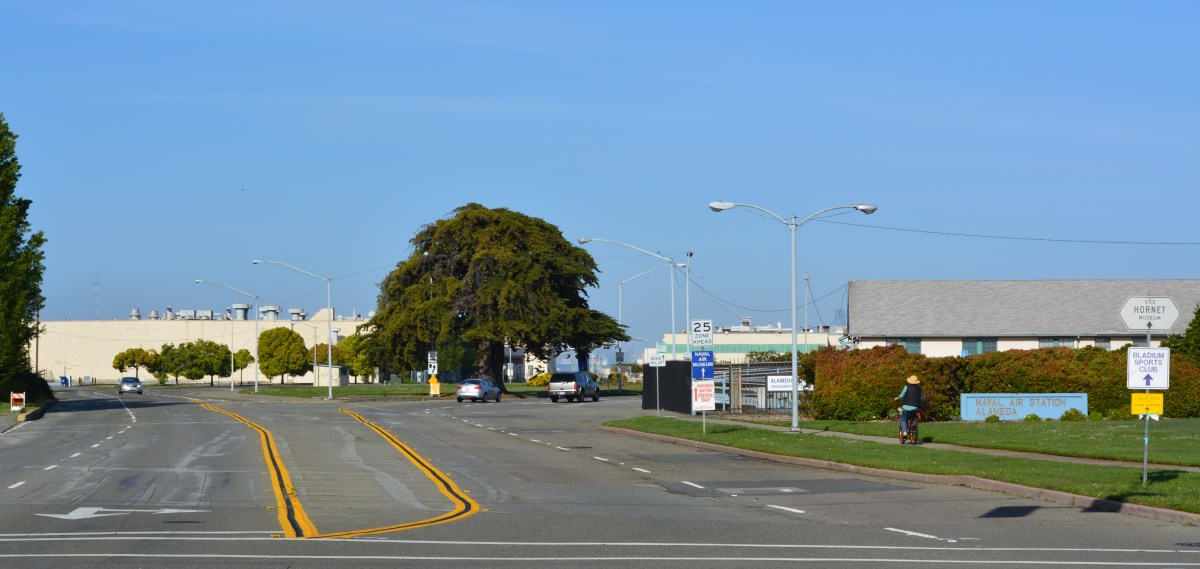
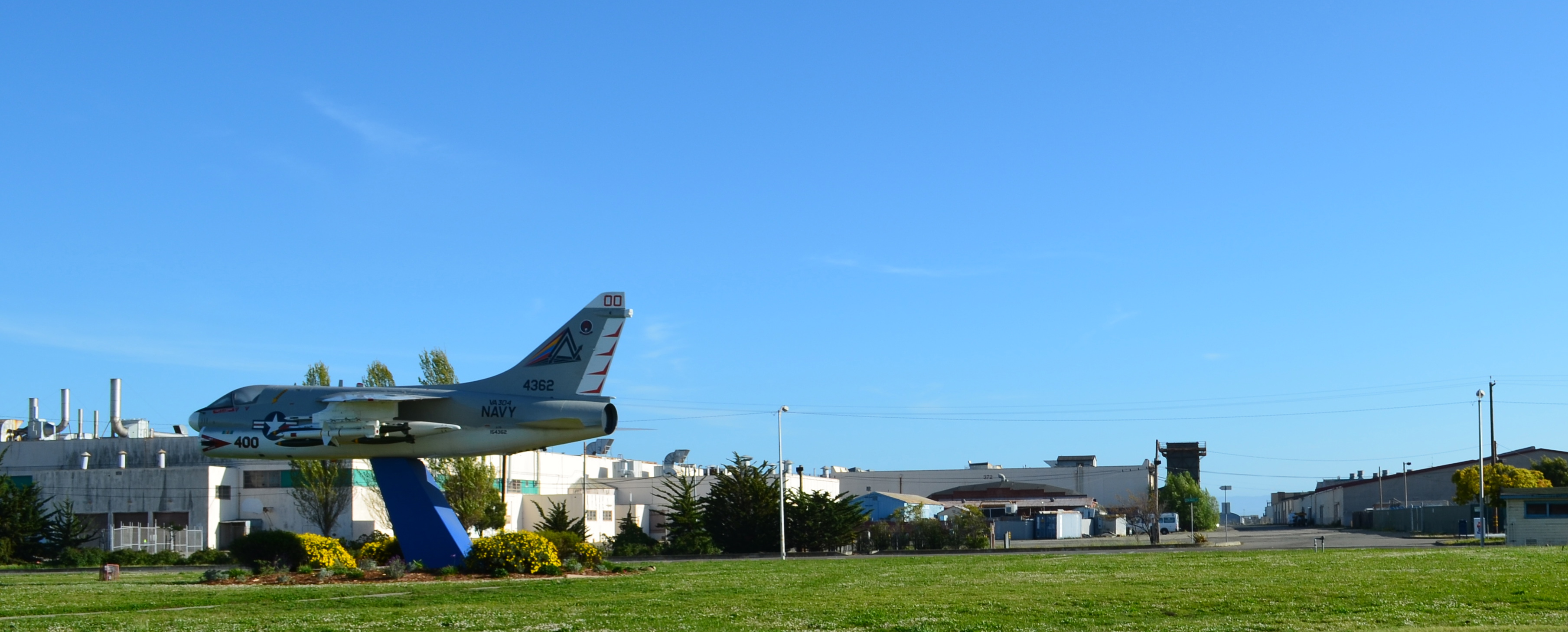
West Atlantic Avenue on Alameda Point, looking west toward San Francisco.
The quest for developers is being proposed “in order to facilitate new residential and commercial mixed-use projects that are of a sufficient scale to support major infrastructure investment,” said Jennifer Ott, Chief Operating Officer for Alameda Point. “It will create a catalyst for additional new development and investment elsewhere” at Alameda Point.
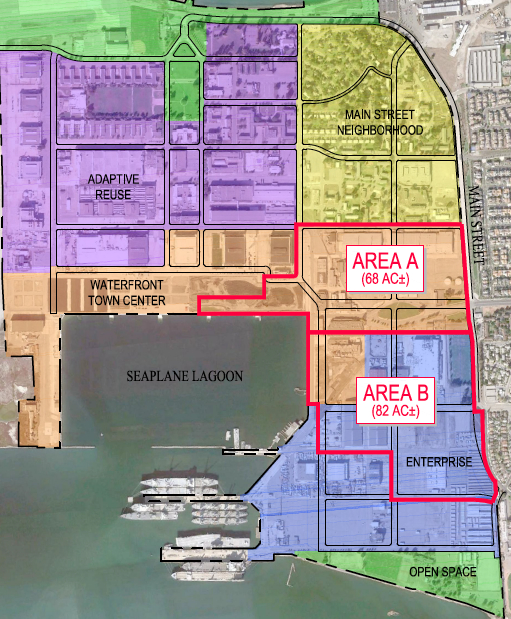
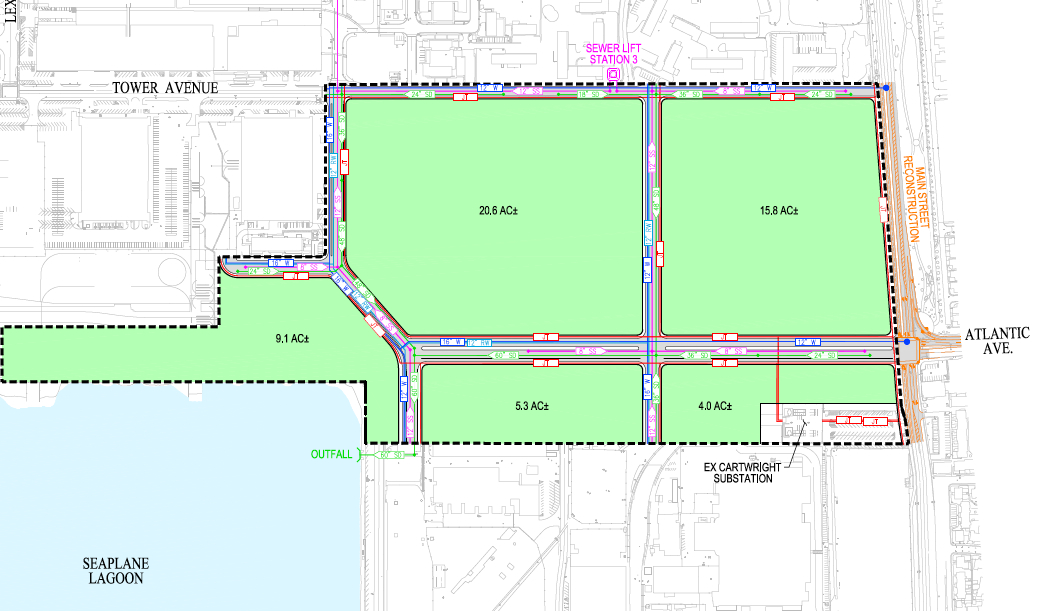
The proposal seeks a single developer for an entire 68-acre parcel, dubbed Site A, which extends along West Atlantic Avenue from Main Street to the Seaplane Lagoon. It would feature a mixed-use, 800-home development that is consistent with the recently approved Town Center Waterfront Plan. The plan requires ground-floor retail along certain blocks and public plazas and amenities at the heart of the area. Hotels and office development will also be highly encouraged.
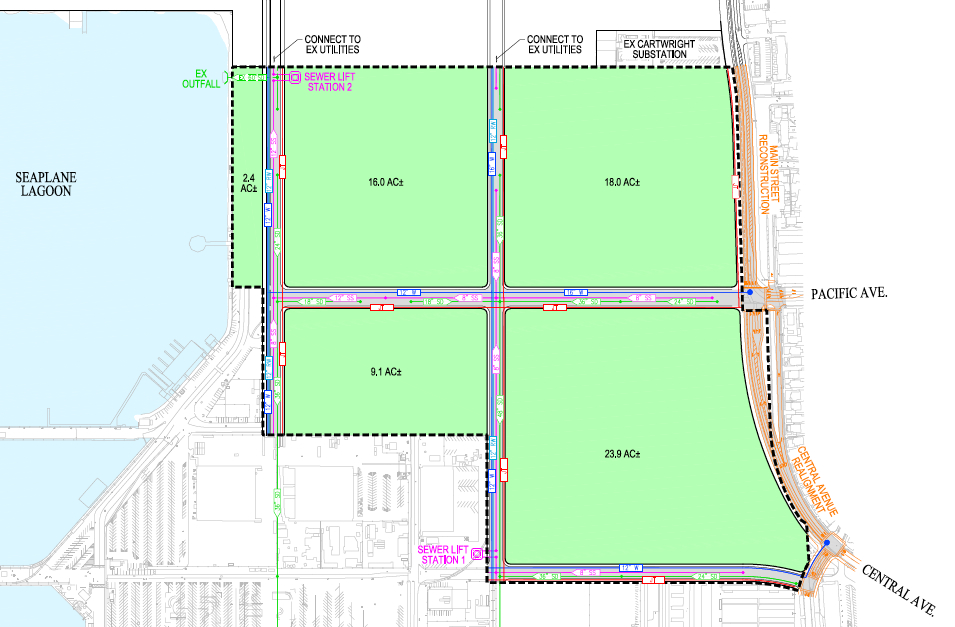
Site B is composed of 82 acres in southeastern Alameda Point. Part of the site is within the commercial Enterprise Zone and part is within the Town Center Waterfront Plan area. Unlike Site A, the proposal for Site B will entertain multiple developers. “This approach allows the city to potentially attract interest from a large corporate user or retail outlet operator, who may not be interested in the entire area,” says the staff report. Preference will be given to developers who furnish letters of interest from a corporate user or retail outlet operator.
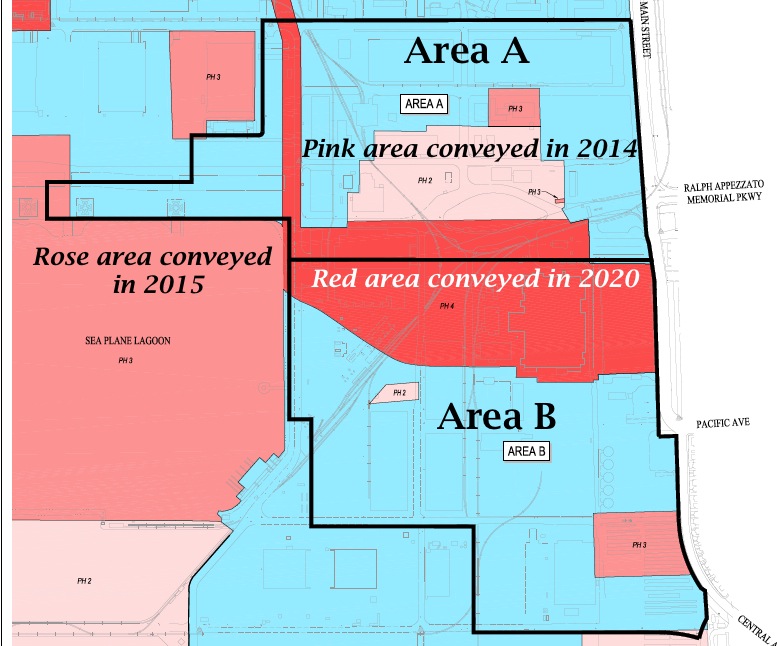
The staff report notes that significant early phases of development can commence around a 33-acre area that is undergoing environmental cleanup by the Navy. The groundwater cleanup area is not scheduled for transfer to the city until 2020. One of the early defining phases of development will be the realignment of West Atlantic Avenue so that Ralph Appezzato Parkway continues in a straight line to Ferry Point Road.
The staff proposal outlines an aggressive schedule, which calls for bringing a short list of developer candidates to the city council by September. In November, the council will be asked to approve exclusive negotiating agreements with developers. By the spring of 2015, the staff hopes to produce development contracts and development plans, with developers beginning their detailed site-specific infrastructure designs. By the end of 2015, the schedule calls for beginning infrastructure construction and drafting the building designs, according to Ott. By the spring and summer of 2016, the city hopes to see vertical construction.
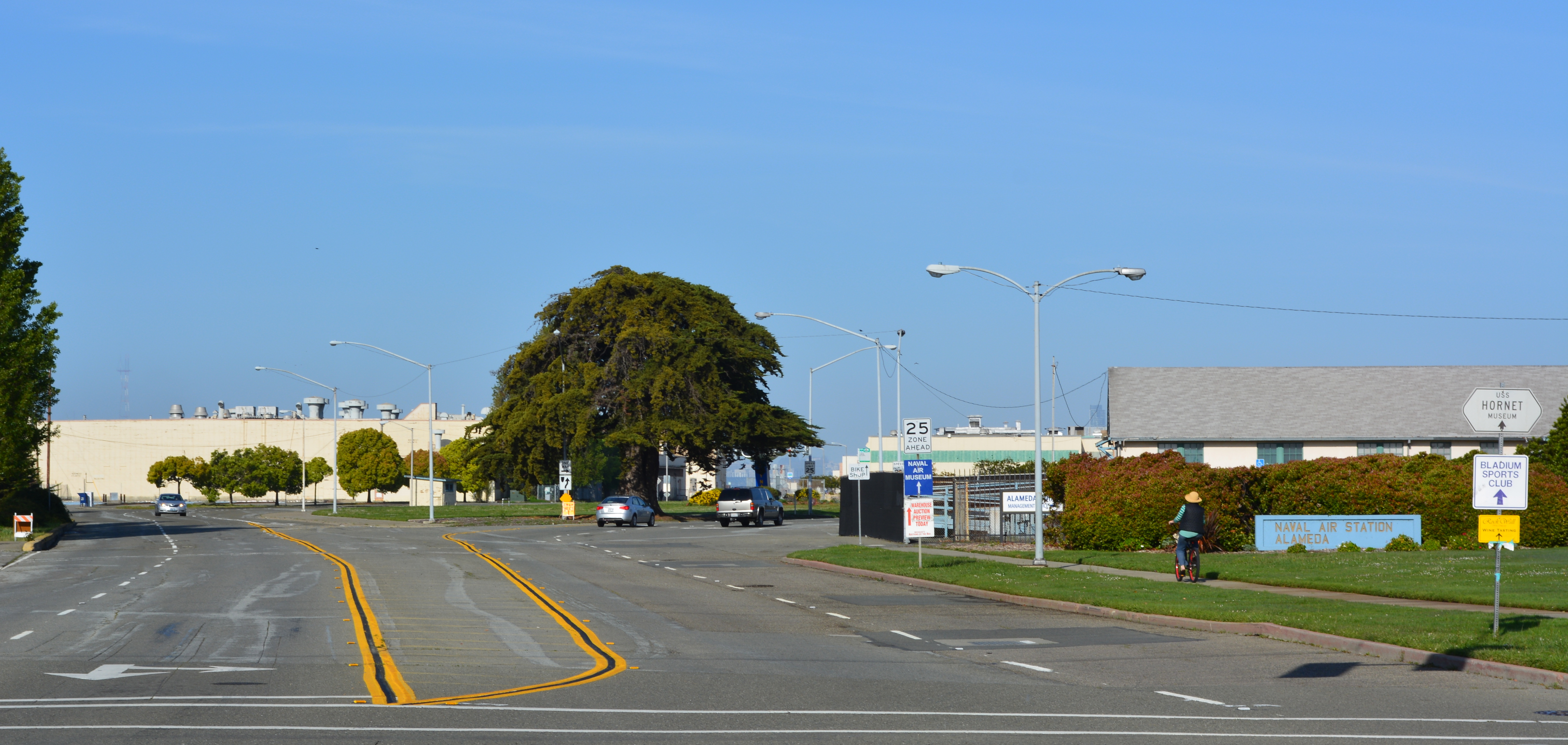
West Atlantic Avenue Gateway to Alameda Point. Area B begins at far side of lawn area where all new construction is proposed. Looking south.
Developers will be required to submit a project description, but will be expressly prohibited from submitting site plans or any design renderings of any proposed development. “The selection of the developers/users will be solely based on the qualifications of the developers/users and the quality of their submittal, including past projects, not on the quality of any design drawings purporting to show the future of Alameda Point,” says the staff report. “Submission of a site plan or renderings at this stage of the process will result in disqualification of the responding entity.”
“City staff also receives significant interest in, and is actively pursuing, other long-term investment opportunities, such as the recently approved Google lease, in the other areas of the base, especially in the Historic District,” said Ott.
Current plans call for 1,425 housing units at complete build-out of Alameda Point, 25% of which are required to be affordable.
The Tuesday, April 15 city council meeting will be held at 7 PM at City Hall, 2263 Santa Clara Avenue, Council Chambers, 3rd Floor.
The city staff report and agenda exhibits can be found here.
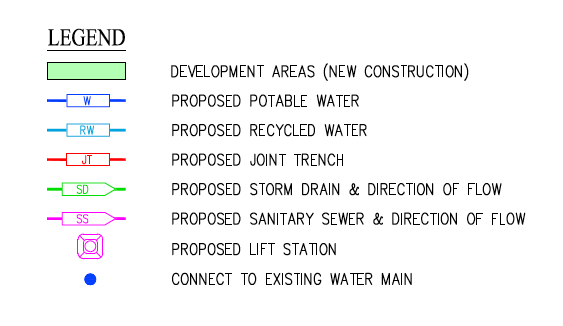
Proposed development areas A and B outlined on Navy land conveyance schedule map.Area A new street grid. See legend below. Click on image to enlarge.Proposed development Area B street grid. See legend below.Infrastructure legend for Areas A and B.
Located between Alameda Point and Alameda Landing (where the new Target store has opened) is the Navy property known as North Housing. After years of low-key planning efforts, the city will soon be the recipient of a beautiful new park, and eventually see over 400 new affordable and market rate housing units, including 90 Housing Authority units for formerly homeless individuals.
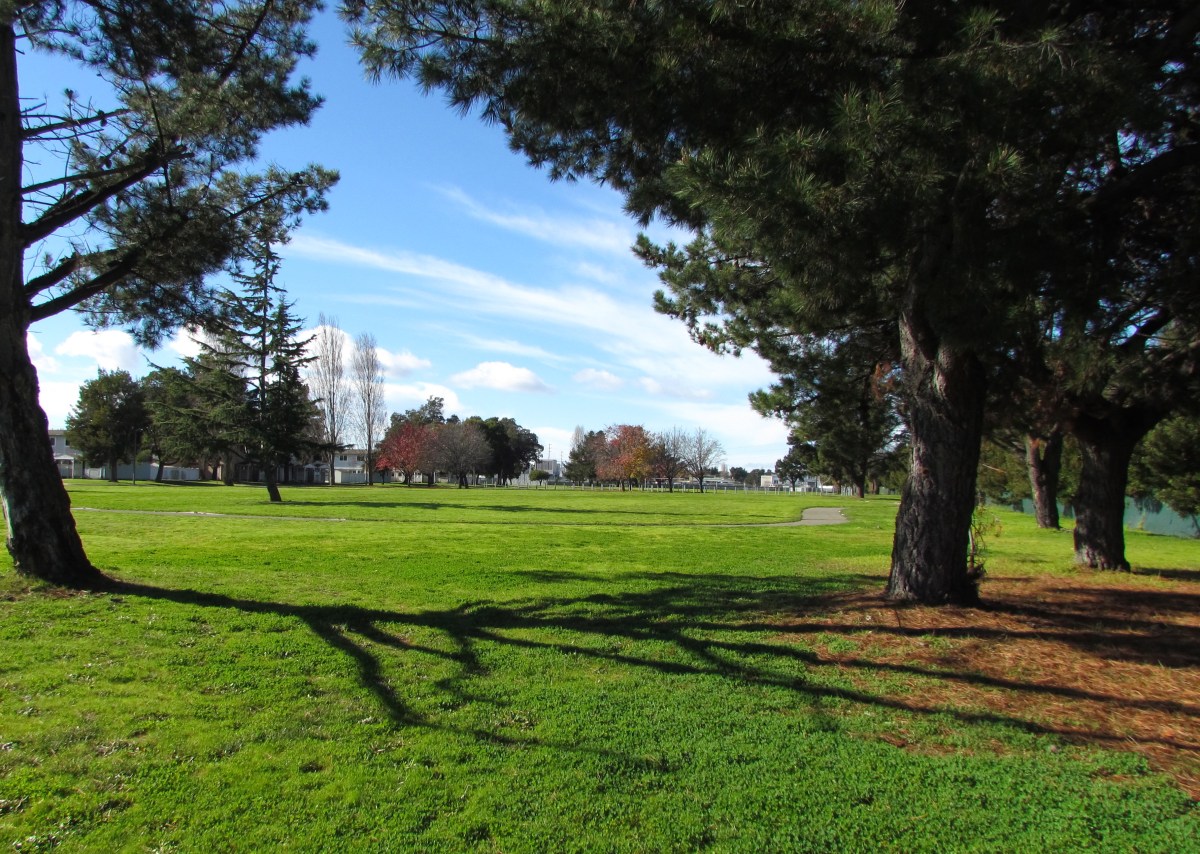
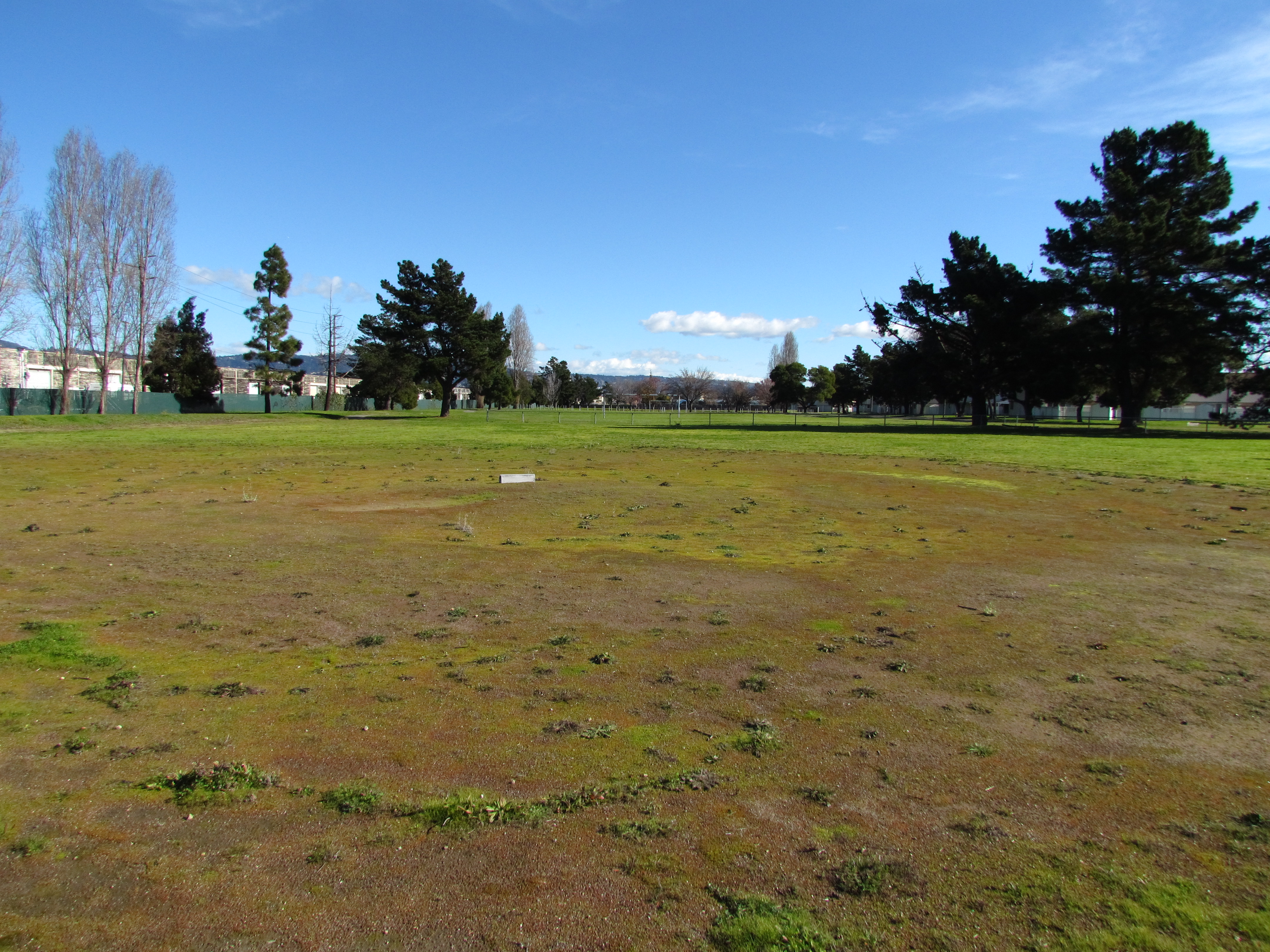
Estuary Park looking west. Past the trees in the distance is the baseball field.
A key administrative milestone was reached in August of 2013 when the U.S. Department of Housing and Urban Development (HUD) signed off on the city’s plan to accommodate homeless individuals.
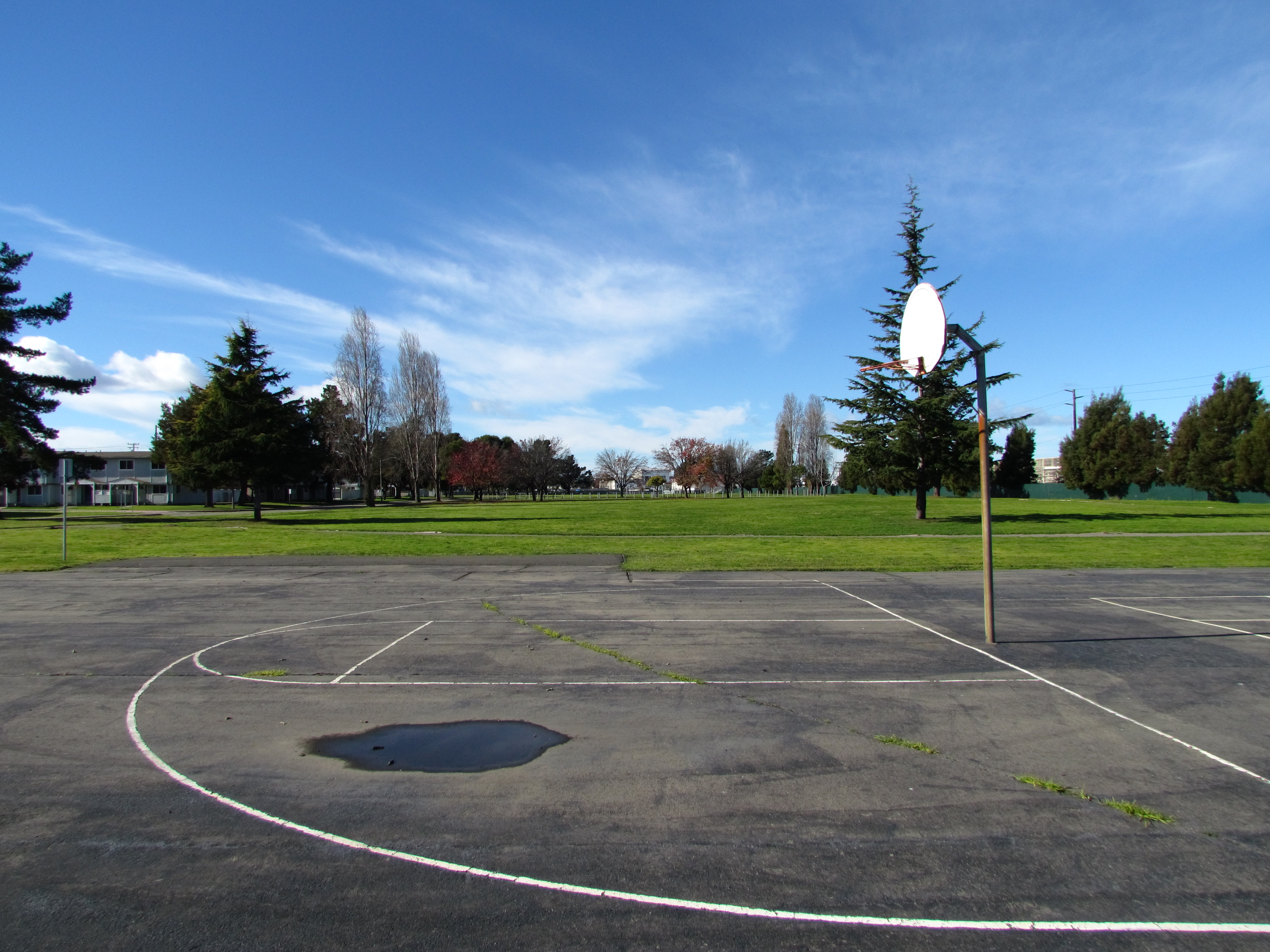
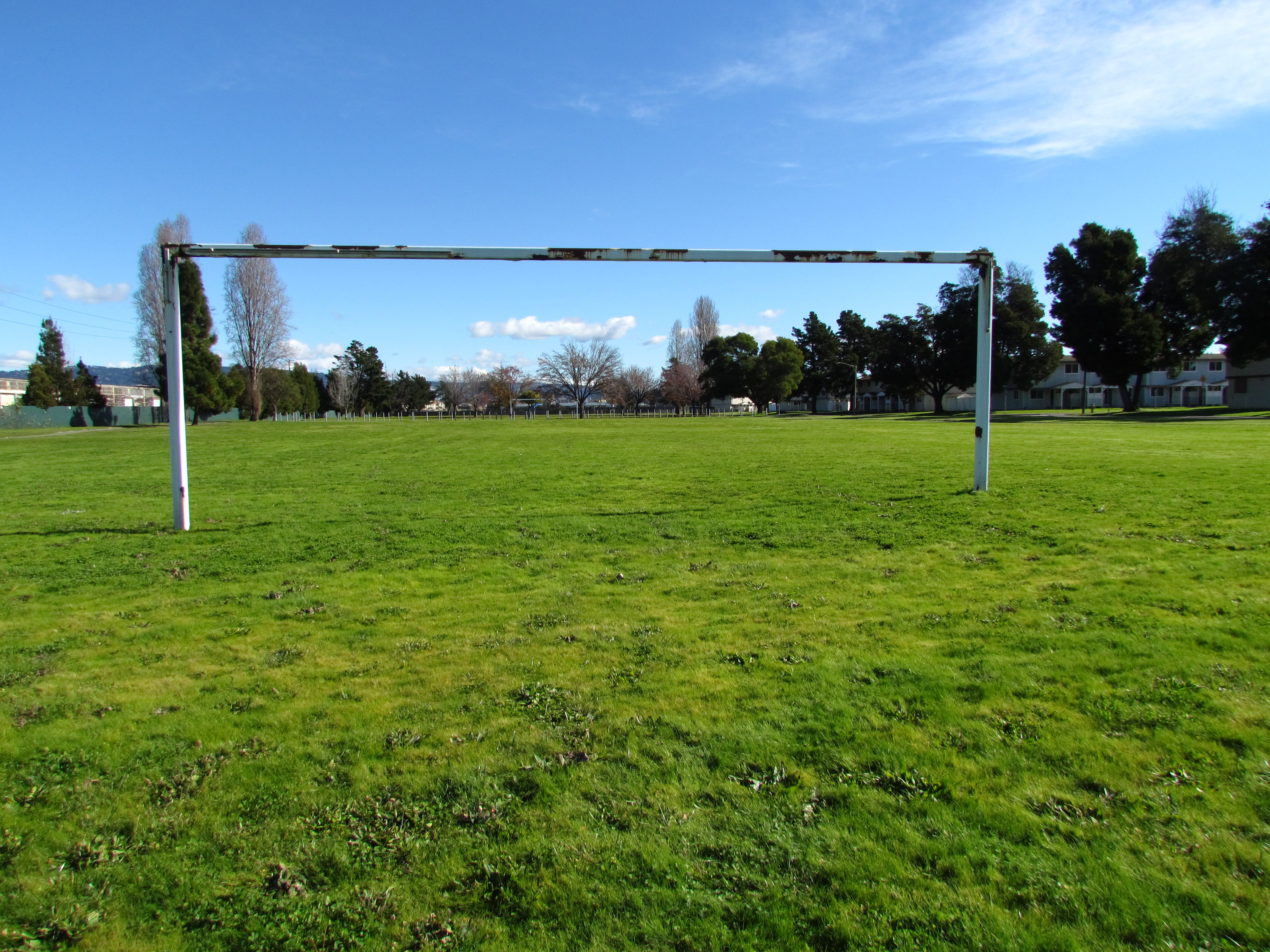
The 42-acre Navy parcel sits directly adjacent to Alameda Landing’s future residential neighborhood. It includes the 8-acre Estuary Park where a baseball field, soccer field, basketball court, perimeter trail, and an open meadow flanked by mature trees await minor sprucing up by our city’s Recreation and Park Department.
Existing housing units to be demolished
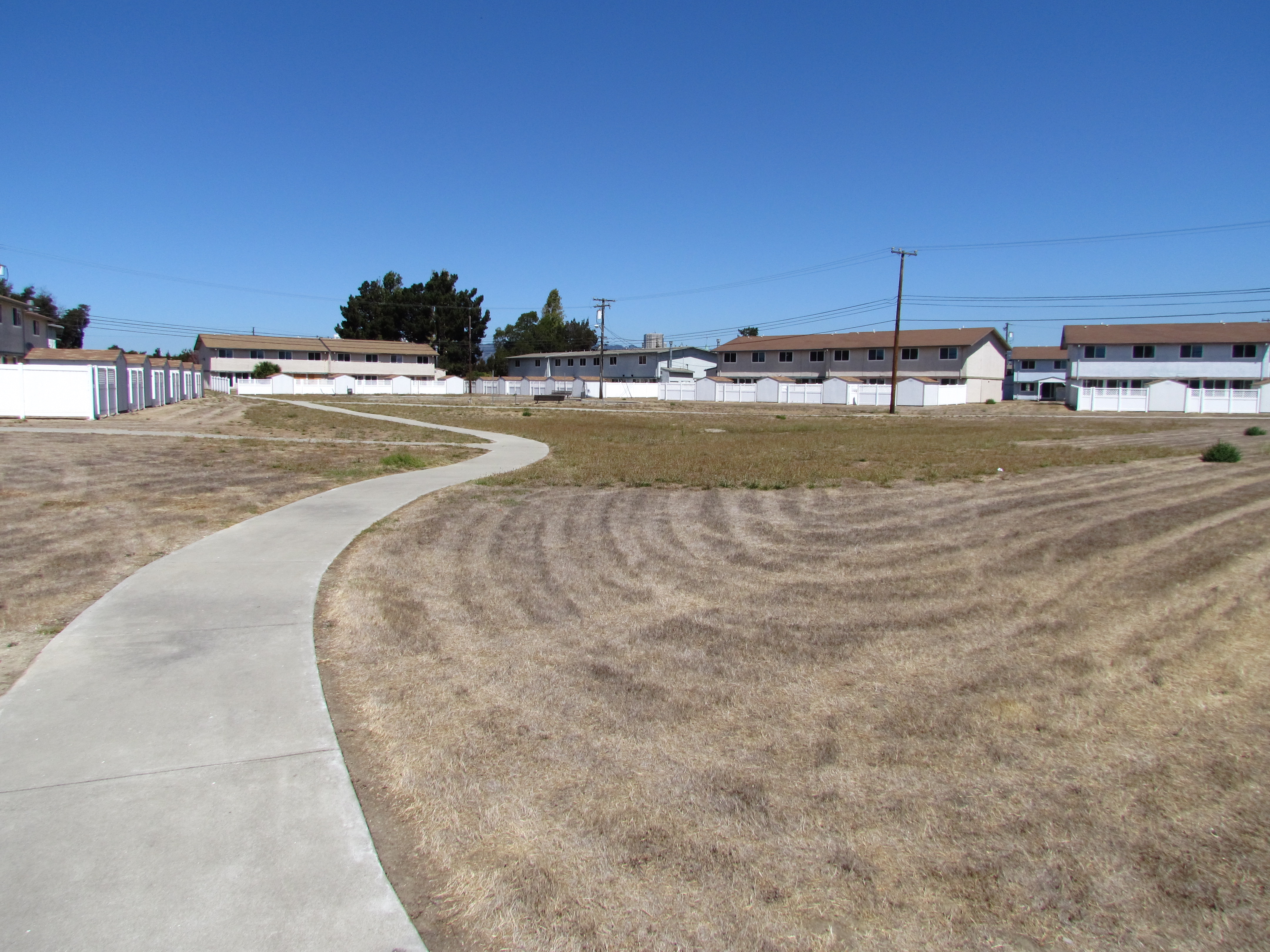
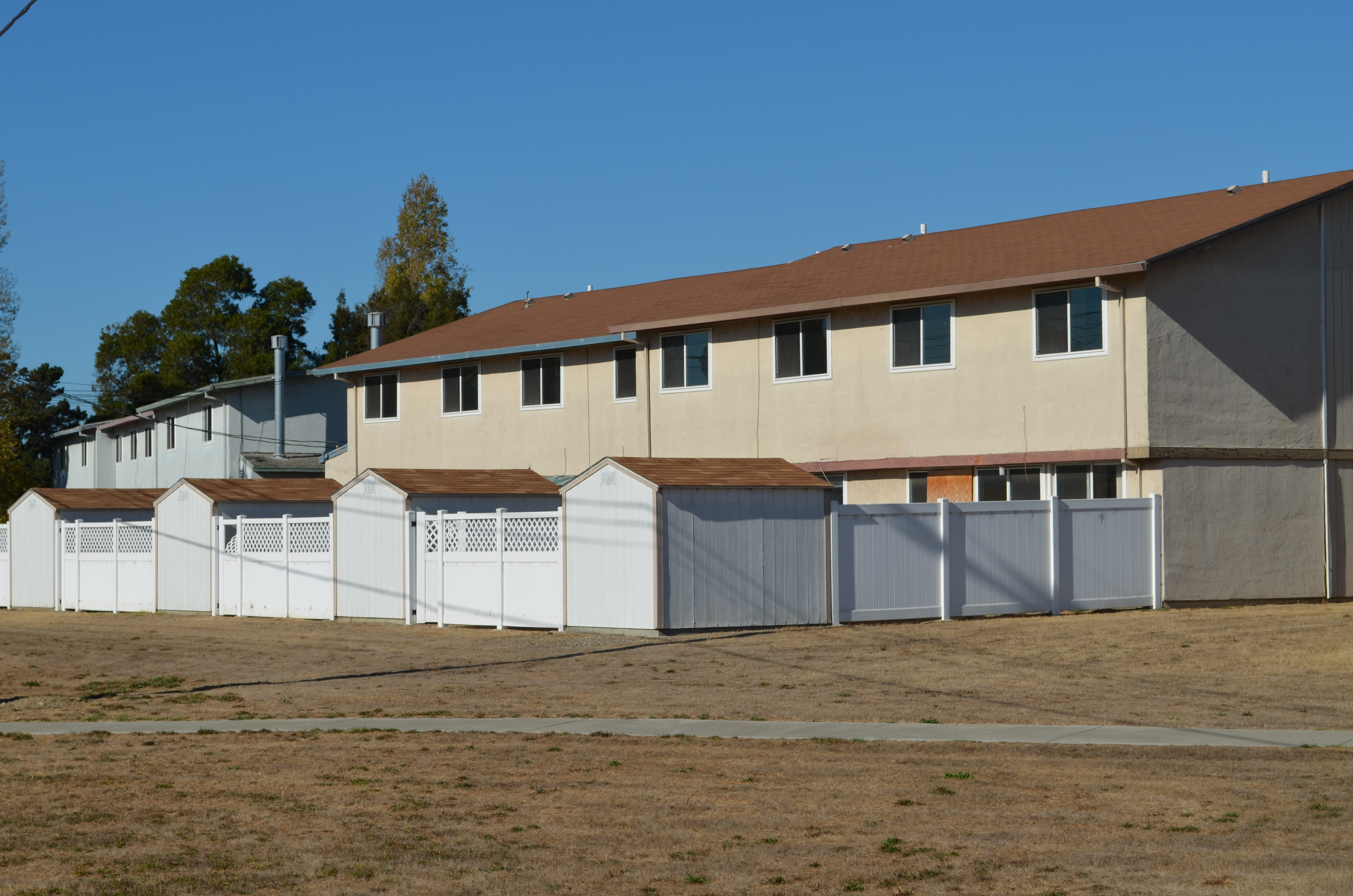
The site currently contains 51 residential structures: 39 six-plexes and 12 four-plexes for a total of 282 three- and four-bedroom units. All of the buildings were constructed in 1969. With the possible exception of the two acres going to Habitat for Humanity, all of the units will be demolished to make way for new construction, according to the city’s Interim Community Development Director Debbie Potter.
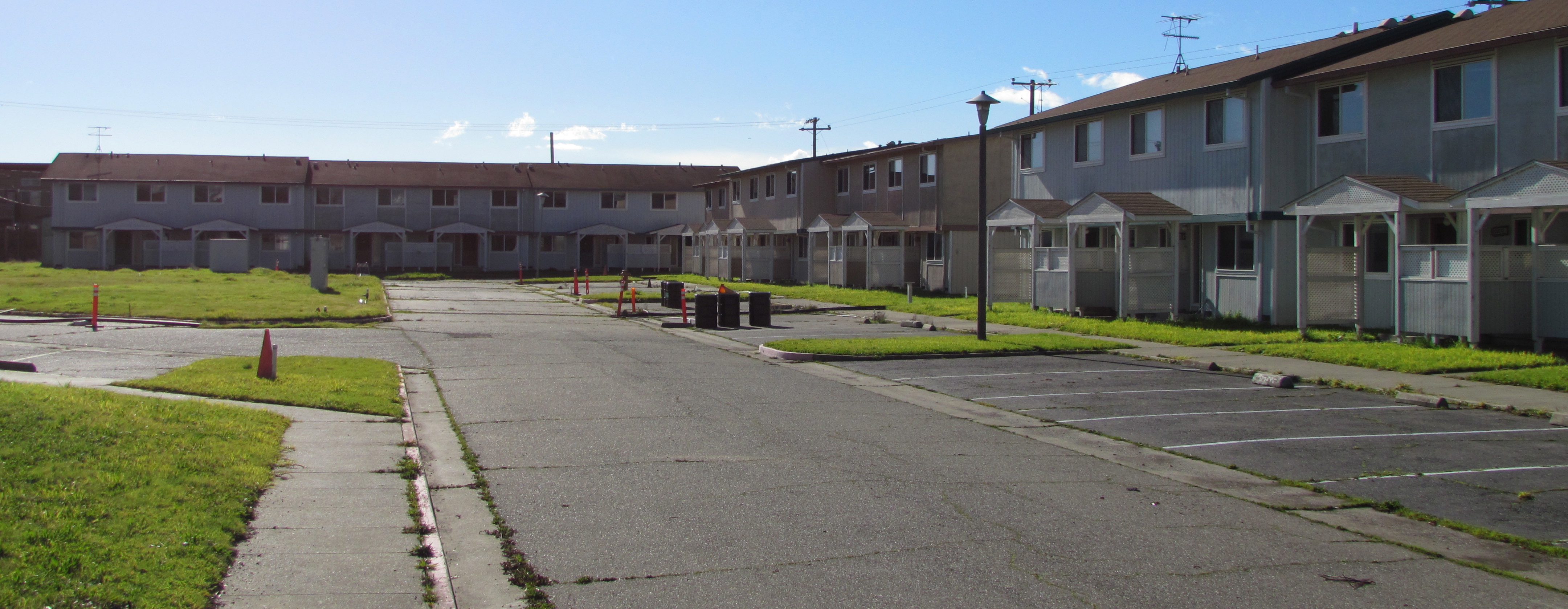
Central open space at North Housing. Looking north.
The 13 acres going to the city’s Housing Authority will have 90 units of new housing and two acres of open space. Two acres will go to Habitat for Humanity. The remaining 19 acres will be sold by the Navy to a private developer.
“The Reuse Plan notes the private housing developer could build 315 units,” said Potter. After the Reuse Plan Amendment was prepared in 2008 and approved in 2009, the city certified a Housing Element in 2012 that rezoned this property to provide a Multi-Family Overlay zone, “so the number of units that could potentially be developed at this site is more than the 435 listed in the Plan,” Potter stated.
One problem cited by Potter with trying to reuse the existing residences is that all of the multi-unit structures have single utility meters for the entire building. To re-meter all the units with individual meters for electric, gas, and water would be expensive, according to Potter.
Typical North Housing multiplex military housing (vacant) constructed in 1969.
“In addition,” said Potter, “the property is not laid out particularly efficiently, which is also a challenge. North Housing has a multi-family overlay designation and it would be extremely difficult to take advantage of that zoning (30 units to the acre) with the current building layout,” she said. “The only exception to all of this is that Habitat for Humanity East Bay has a Self-Help Housing Public Benefit Conveyance request pending with HUD which proposes an option of retaining 30-32 units to be renovated and sold as self-help housing.”
Housing Authority plays a key role
The Housing Authority will be partnering with the Alameda Point Collaborative and Building Futures with Women and Children who will provide services to residents of the Housing Authority’s 90 units. A community center is planned.
Funding to build the Housing Authority’s homeless assistance units has not yet been identified. However, Potter said she expects project financing would be packaged from a variety of sources, “with the primary funding coming from an award of Federal/State tax credits (equity raised through the sale of the tax credits to an investor),” she said. “Other sources are most likely Federal HOME funds and dedicated housing authority funds the City receives as inclusionary housing in lieu fees and Affordable Housing fees paid by non-residential developers,” said Potter.
Alameda Housing Authority Director Mike Pucci has a good idea where the homeless housing will go, but is not ready to release a map. “In our agreement that HUD has approved we did delineate a specific site comprising 13 acres, but a meets and bounds survey has yet to be conducted to establish it’s exact location,” said Pucci.
Checklist of regulations
The Navy completed its environmental review for the entire North Housing parcel in 2009 and issued a Finding of Suitability to Transfer (FOST) for Estuary Park. A FOST for the housing area is awaiting decisions concerning Superfund cleanup issues early next year.
The preparation of real estate transfer documents for just the park, however, could not proceed until HUD signed off on the city’s federally mandated homeless plan, according to the Navy’s Base Closure Manager Anthony Megliola. “Now that HUD has made its determination, real estate documentation supporting the transfer is being prepared with transfer [of Estuary Park] planned in late 2013,” said Megliola.
The remainder of the North Housing Parcel will be transferred in the 2015 timeframe, according to Megliola. Factors include completing the cleanup actions for the benzene plume under part of the site, executing a Covenant to Restrict Use of Property (CRUP) with the California Department of Toxic Substances Control, executing a Finding of Suitability to Transfer (FOST) document, and preparing required real estate conveyance documentation associated with transfer. “Although the National Environmental Policy Act (NEPA) Environmental Assessment (EA) was completed in 2009, receipt of the August 14, 2013 letter from the Department of Housing and Urban Development (HUD) was required before the Navy could complete the disposal actions for the North Housing area,” said Megliola.
Area where the Navy has been cleaning up benzene contamination at North Housing area.
Earlier in 2013, the Navy submitted a request to regulatory agencies to discontinue their vapor extraction work on the benzene plume hotspots, saying that vapor intrusion into buildings was not a risk. The benzene vapor pumps were turned off in the spring and a new round of interior vapor tests were conducted in some of the existing buildings. Results of these tests and a decision on whether to continue running the cleanup pumps for a few more years or terminate the program will be made in early 2014.
This former military housing site was originally to be conveyed to the Coast Guard and was not part of the city’s No-Cost Economic Conveyance deal with the Navy. (The new homes at North Housing will be in addition to the 1,425 units in the no-cost conveyance deal for Alameda Point.) Subsequently, the Coast Guard withdrew its request. In November 2007, the Navy notified the Alameda Reuse and Redevelopment Authority that it was going to declare an additional 42 acres of NAS Alameda – the North Housing parcel – as surplus property.
As part of its requirements as the local reuse authority, the city had to comply with the McKinney Homeless Assistance Act and reach out to homeless housing providers for proposals. In March of 2009, the city made its recommendations to HUD for compliance with the McKinney Act, approving the proposals from Habitat for Humanity, and the Alameda Housing Authority/Alameda Point Collaborative/Building Futures with Women and Children. They also recommended the Alameda Recreation and Park Department proposal to receive Estuary Park. These proposals became amendments to the 1996 Community Reuse Plan for Naval Air Station-Alameda.
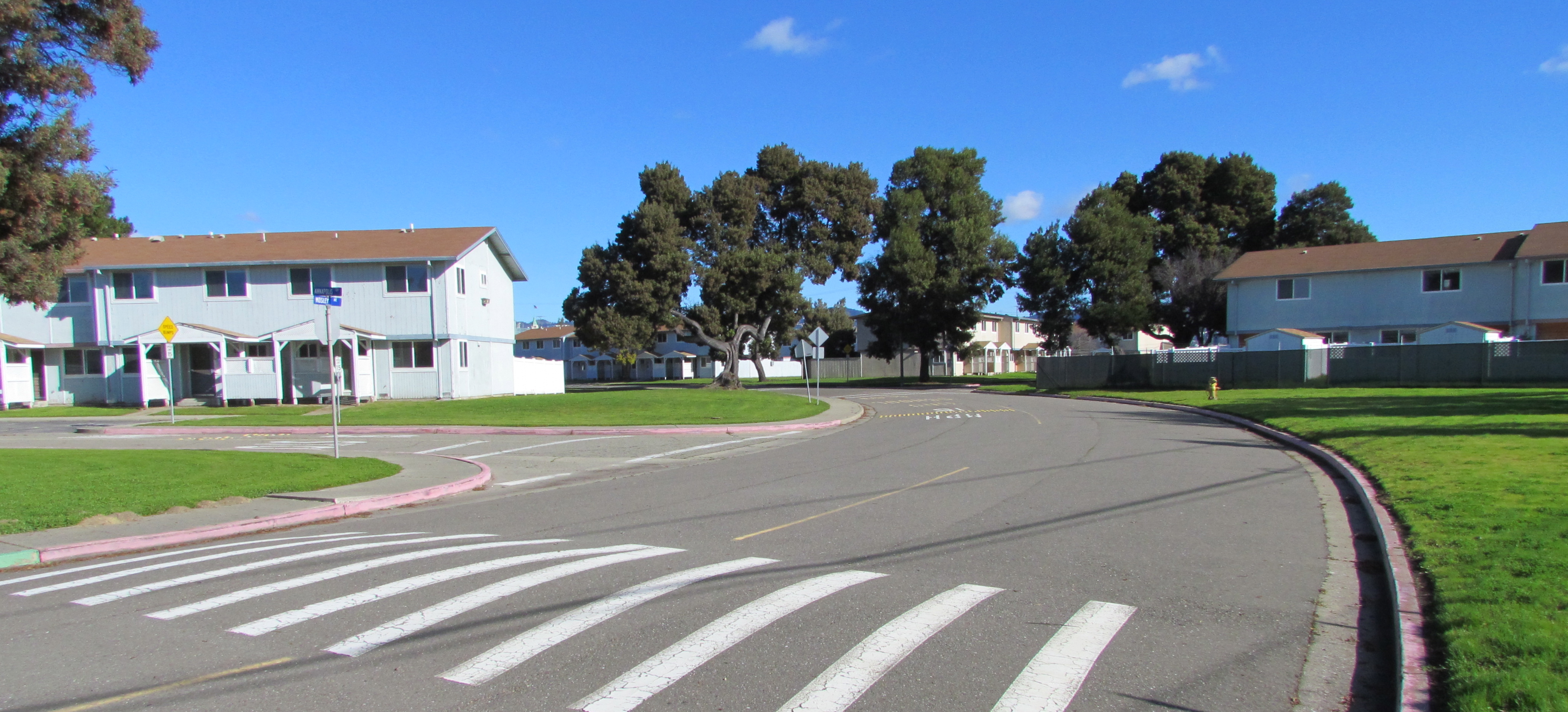
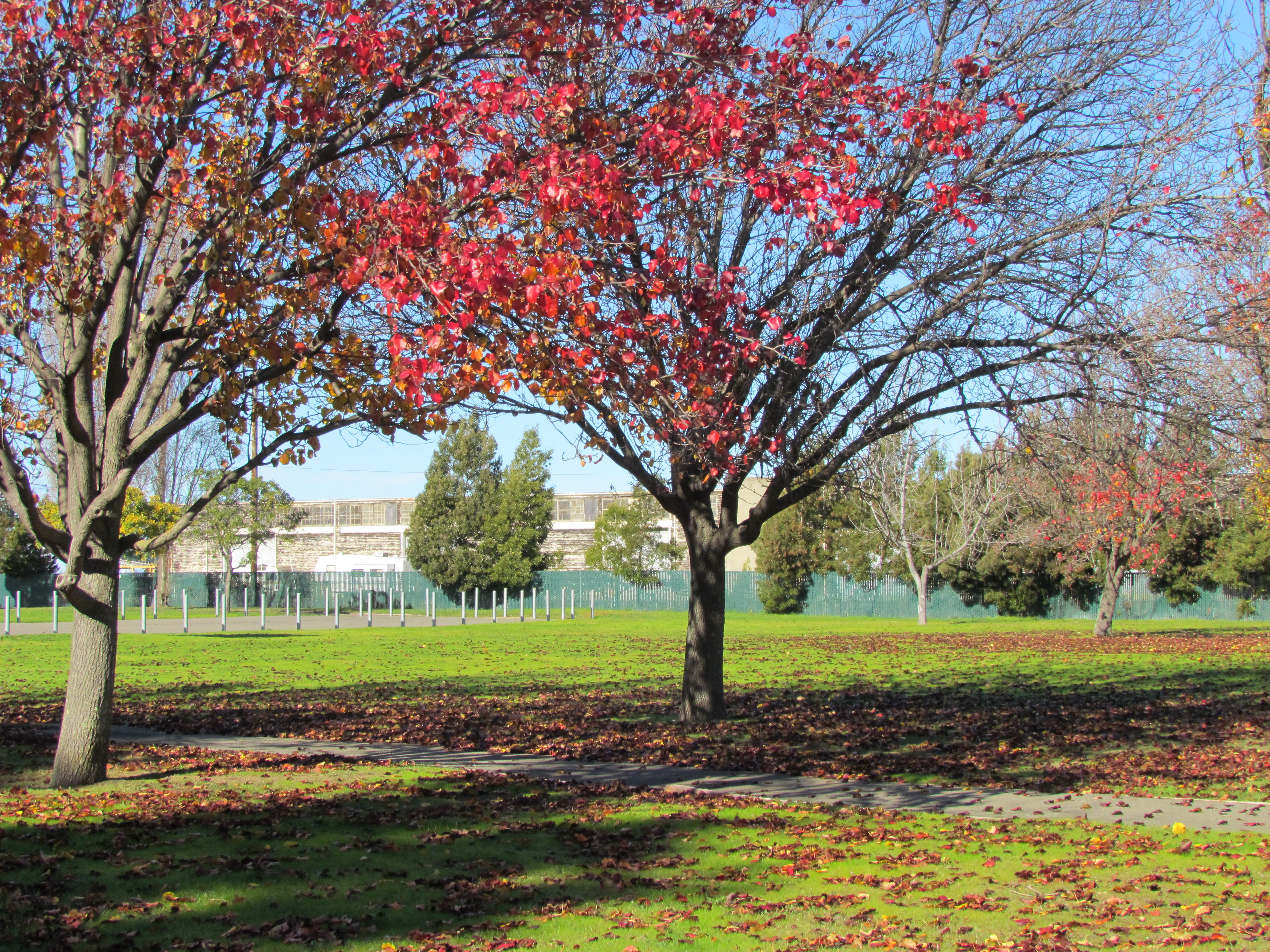
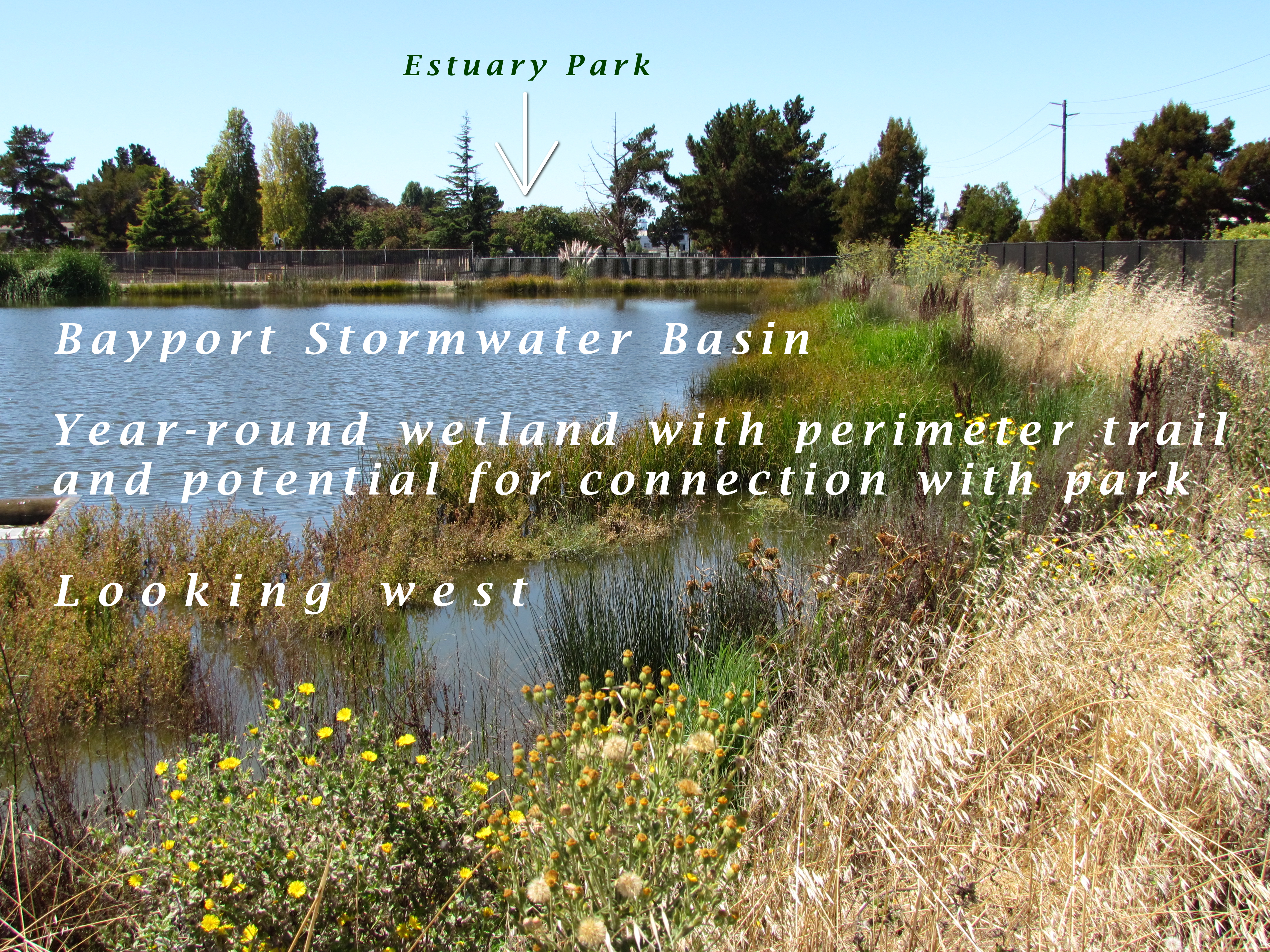
North Housing area. Existing housing slated for demolition to create a new, denser neighborhood with public and private investment.Estuary Park soccer field. Looking east. Alameda Landing is beyond the distant tree line.Estuary Park baseball field. Looking east.Estuary Park fall foliage.This stormwater basin was constructed by Catellus to serve the Bayport neighborhood. It remains full year-round due to groundwater being continuously pumped from the special pumping station next to Shinsei Gardens. Overflow is sent to the Oakland Estuary via another pump station.
 Alameda Point Environmental Report