On October 4, 2024, the City of Alameda submitted a grant application to the San Francisco Bay Restoration Authority for $2.4 million. The purpose of the grant is to advance the level of detail in the De-Pave Park design drawings to support regional and local permit applications.
“The City plans to complete 60% design and apply for regional permits by early 2026, and complete 90% design and be shovel ready by the end of 2026,” states the application. “Concurrently, the City will be identifying and securing construction funding.”
The application continues, “Based on passionate community support for a ‘once in a generation’ opportunity to create a new park that would prioritize nature, the Alameda City Council voted in 2023 to support a masterplan that will remove all the existing buildings within the project area to maximize habitat creation.”
The work on the masterplan and preliminary 30 percent design drawings was funded by an $800,000 grant from the Restoration Authority in 2022.
“We expect to announce which projects we intend to bring to the Board for funding from the grant round that closed October 4 in Spring 2025, possibly as early as Feb 28,” said Taylor Samuelson, Public Information Officer for the Restoration Authority. There were 17 eligible applications submitted this round, totaling about $40 million in requested funding, according to Samuelson.
It is unknown at this time how much the Restoration Authority will be awarding in this round, but if the past is any guide, not everyone gets what they asked for. The funds are raised through Measure AA, which was put on the ballot by the Authority and passed by voters in the nine-county Bay Area in 2016, and is expected to bring in approximately $25 million per year for 20 years.
Projects funded by the measure include removing pollution, trash, and toxins to improve water quality; restoring habitat for fish, birds, and wildlife; protecting communities from floods; and increasing shoreline public access.
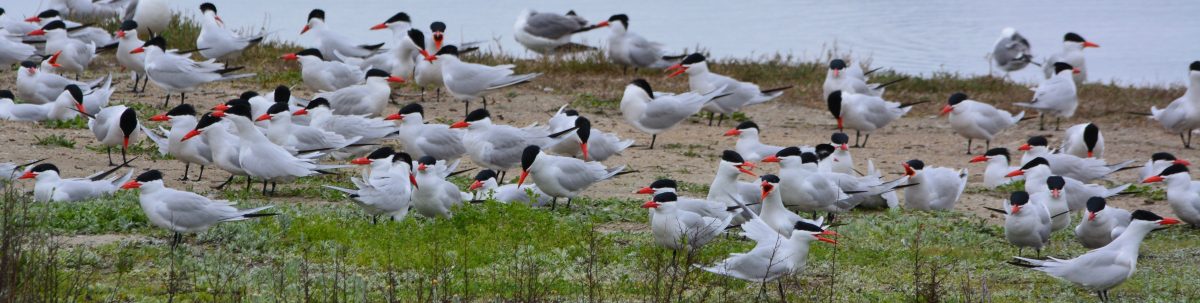
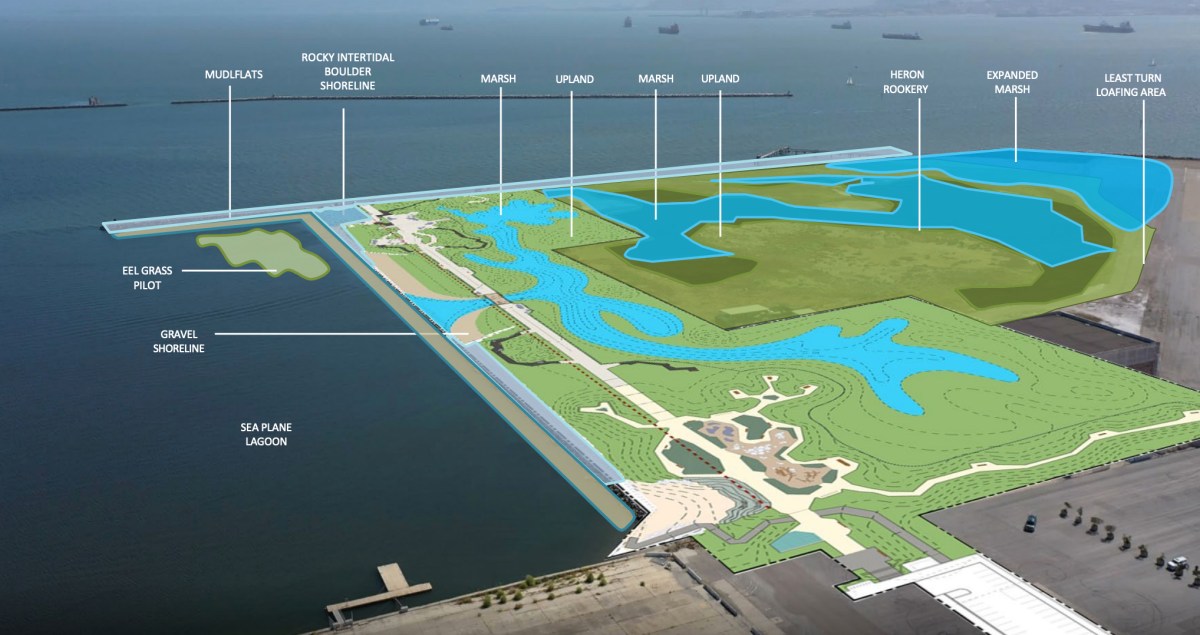
The vision for De-Pave Park is to create more habitat for aquatic species, shorebirds and waterfowl within 22 acres of new wetlands. Public access will include pedestrian trails, observation points, learning lab, interpretive educational signage and programs, restroom, and parking lot, all accessible to people of all physical abilities.

The park is planned to accept increased inundation as sea level rises to expand the wetlands. Decades from now as sea level rises, plans call for constructing a raised boardwalk the length of the park to ensure future generations can enjoy and learn from the park and its habitat. The raised boardwalk is not currently in the initial drawings to be built at the beginning because, according to the project design consultant, by the time it is needed perhaps 40 or 50 years from now, the structure would be at the end of its useful life and need to be rebuilt, Project Design Consultant Kevin Conger with CMG Landscape Architecture said in a public workshop.
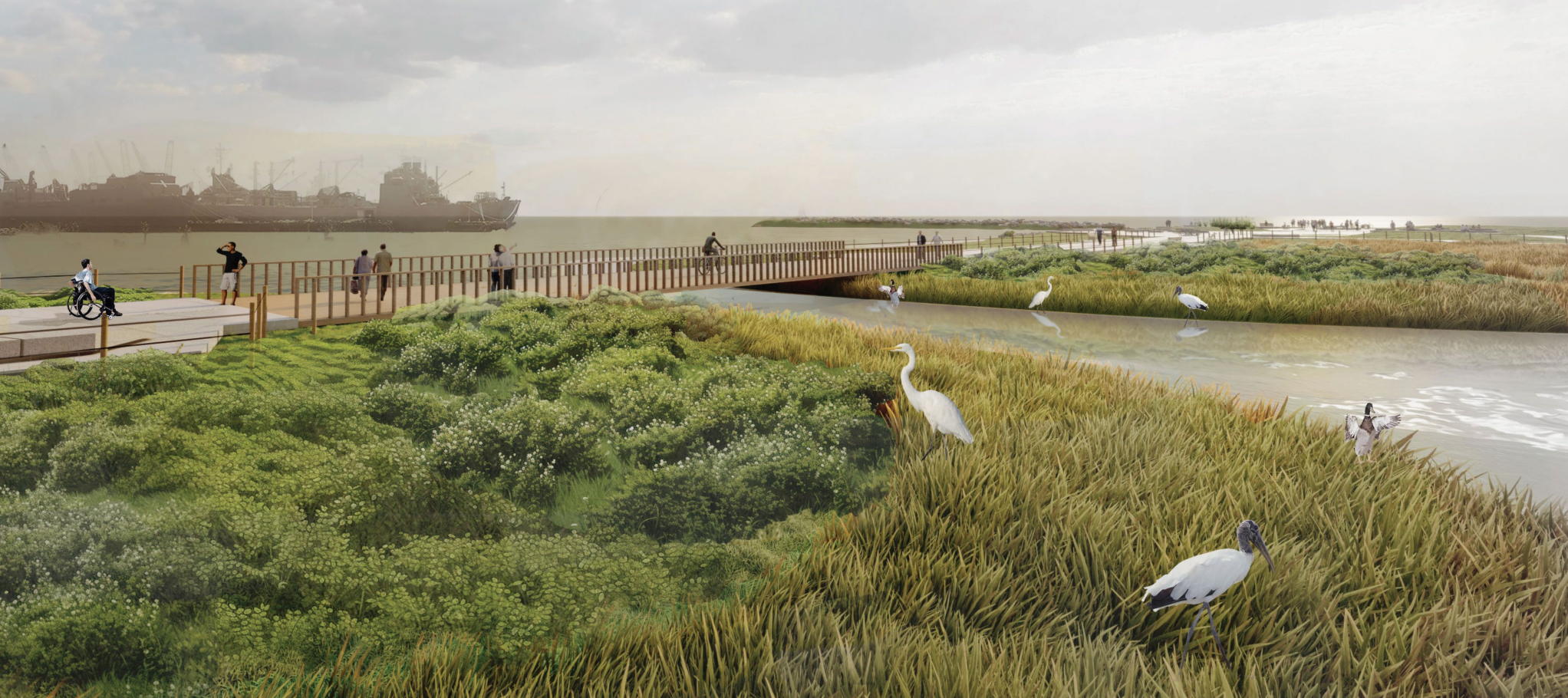
Credit: CMG Landscape Architecture/City of Alameda
This park will create public access to nature-based open space that is within walking and biking distance from many low-income residents, including existing housing developments for seniors and formerly homeless families, as well as the future RESHAP low-income project now in the beginning stage of development.
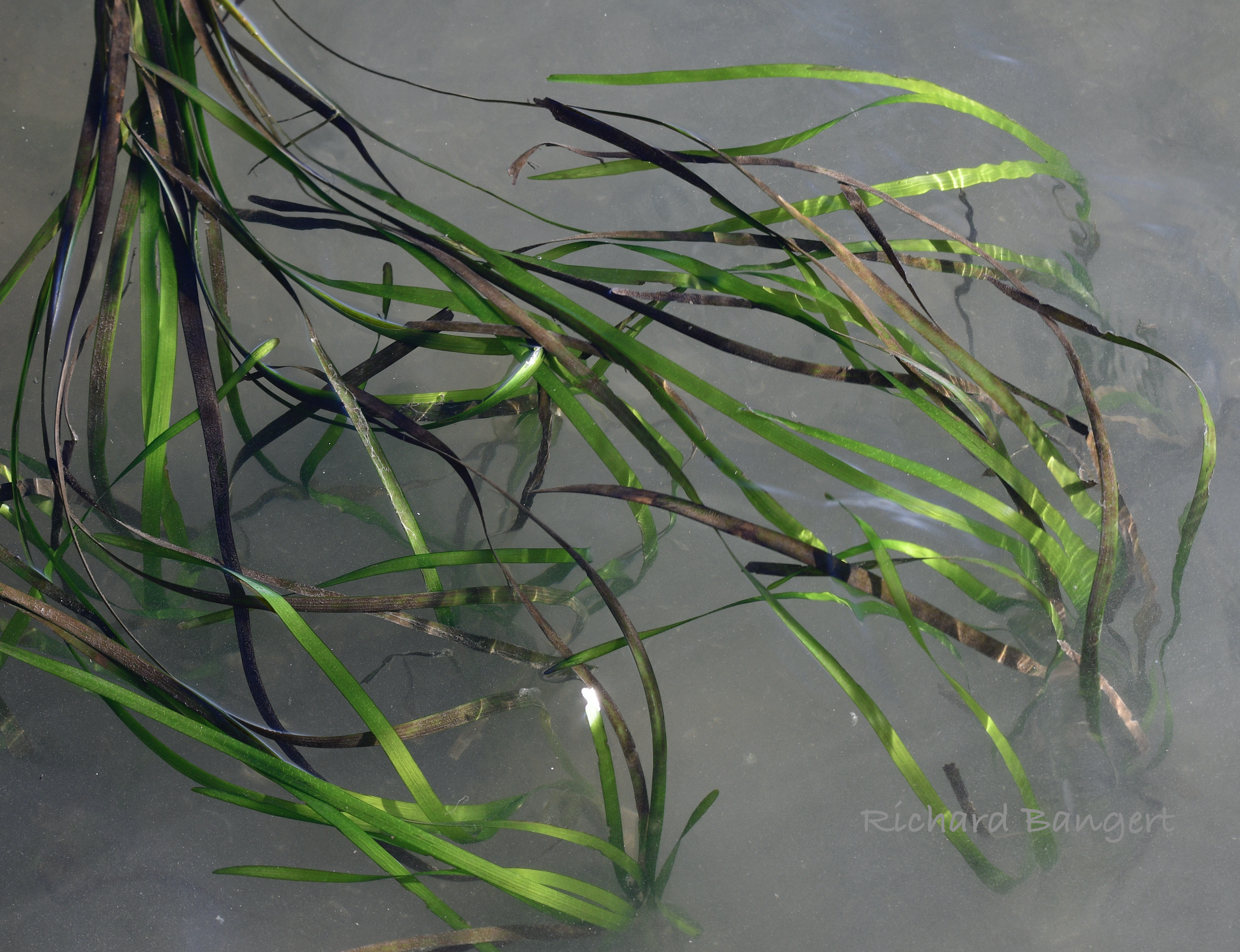
The park will also include two in-water pilot projects in the Seaplane Lagoon next to the shoreline. One project aims to establish an oyster reef and the other will establish an eelgrass bed. The projects will help mitigate the effects of climate change by sequestering atmospheric carbon while enhancing the marine habitat.
Last but not least, the City also touts the economic benefits of the park to the local economy. “De-Pave Park is also anticipated to be a regional draw as a model ecological park,” states the application. “This benefits the local Alameda economy as people shop and eat at nearby restaurants and stores at Alameda Point and the nearby Webster Street Business District.”
Originally published in the Alameda Post.
 Alameda Point Environmental Report