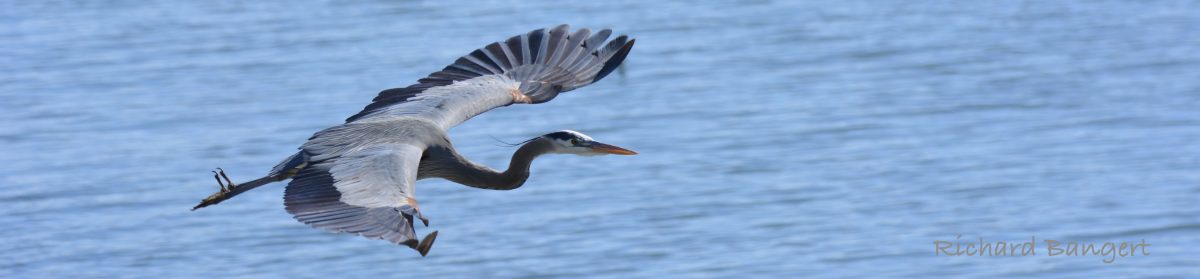
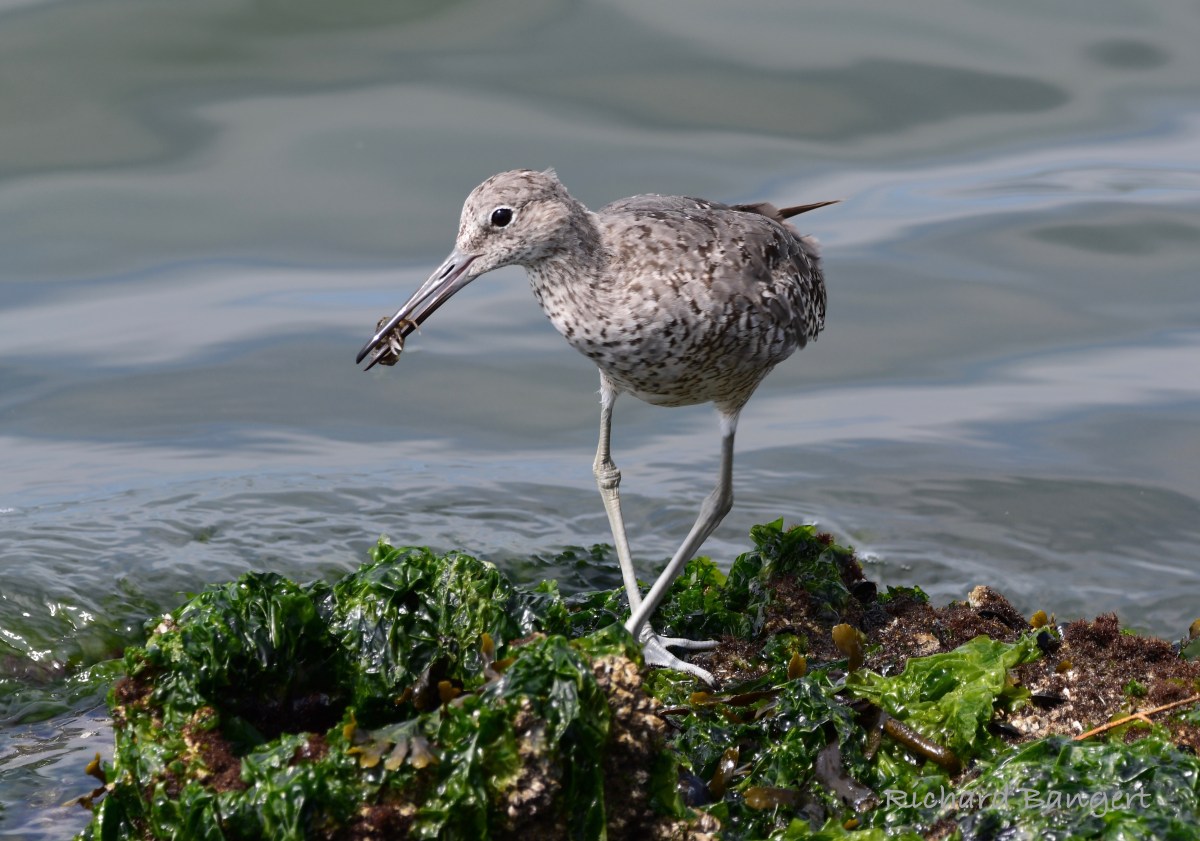
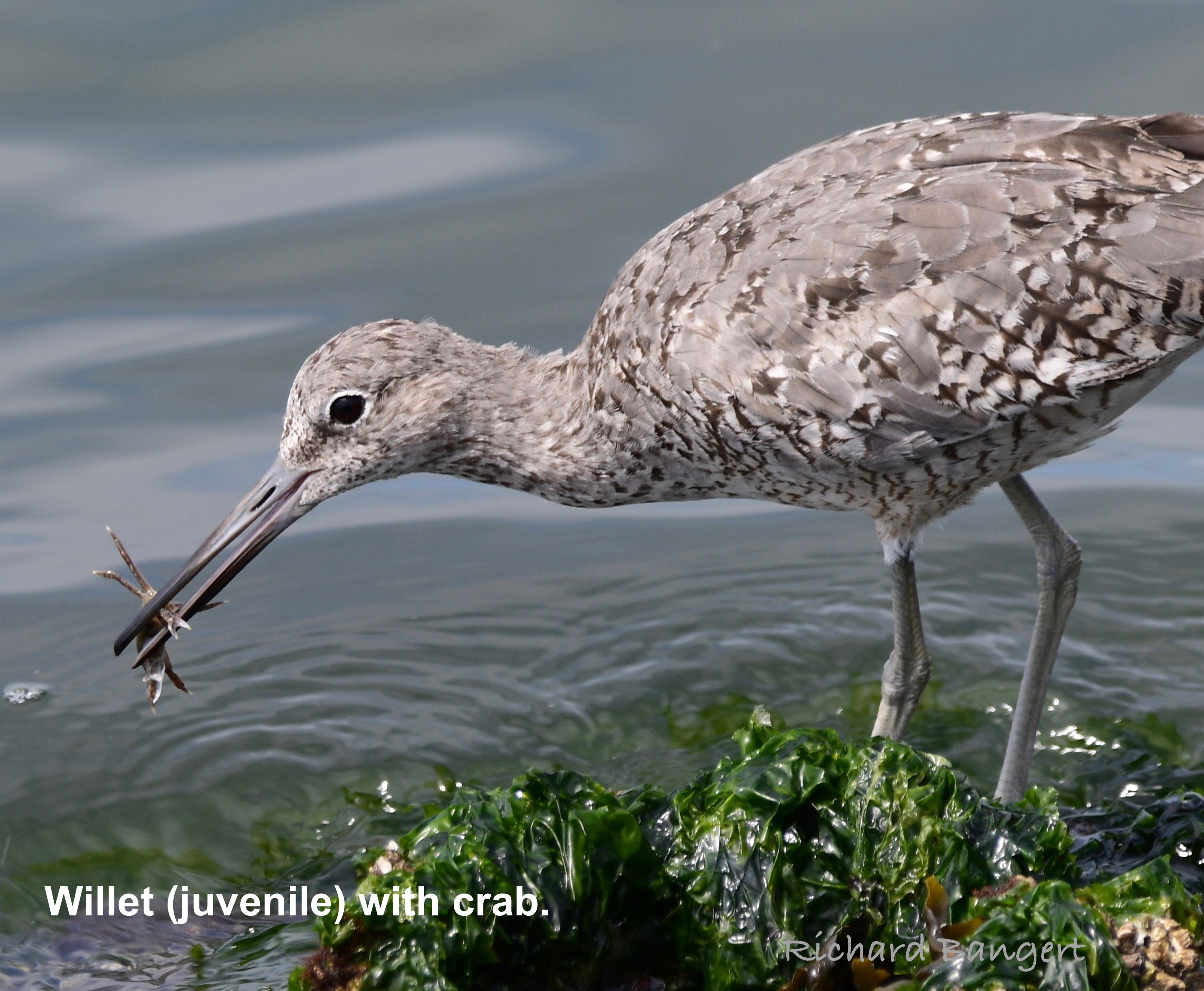
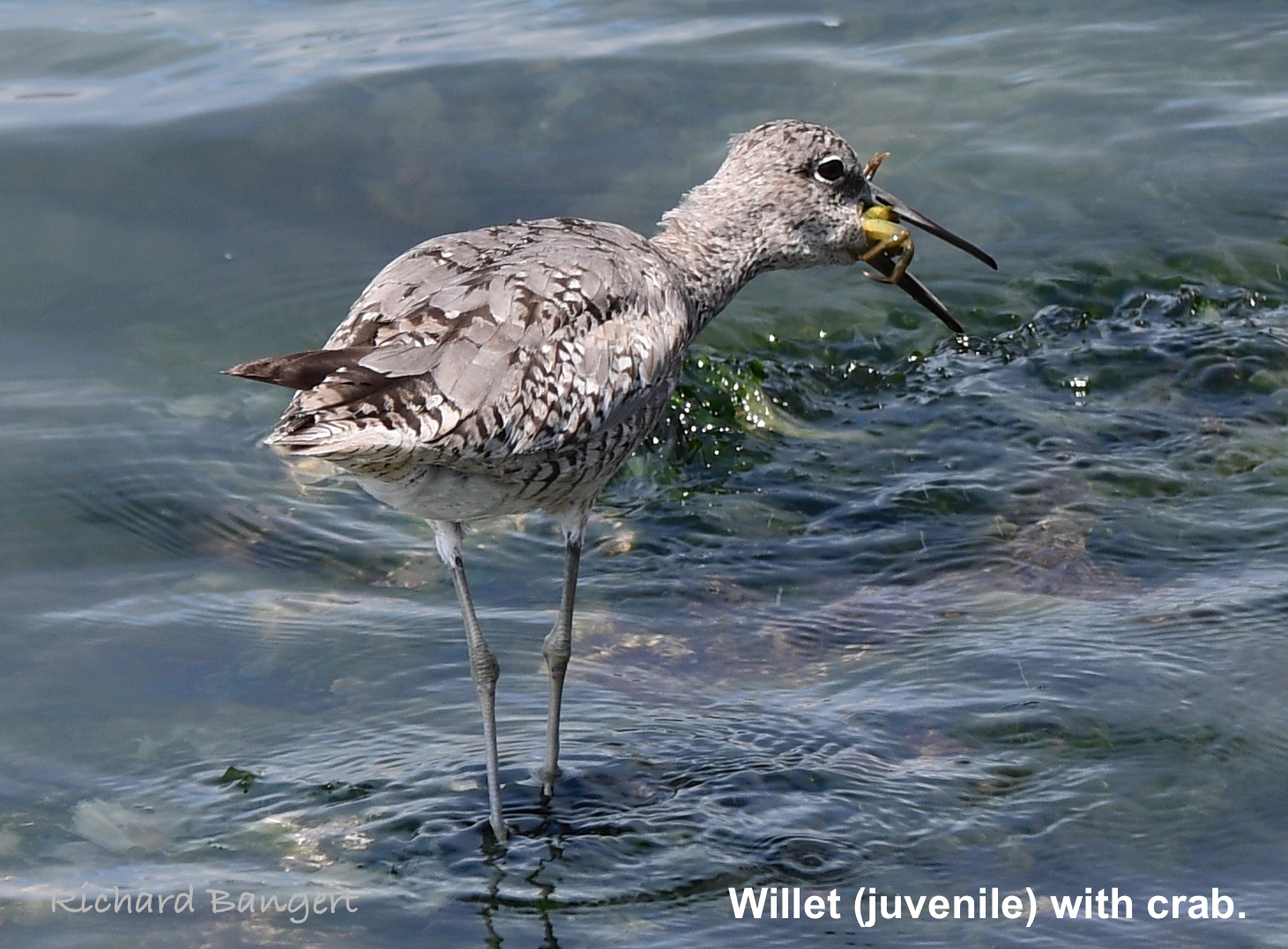
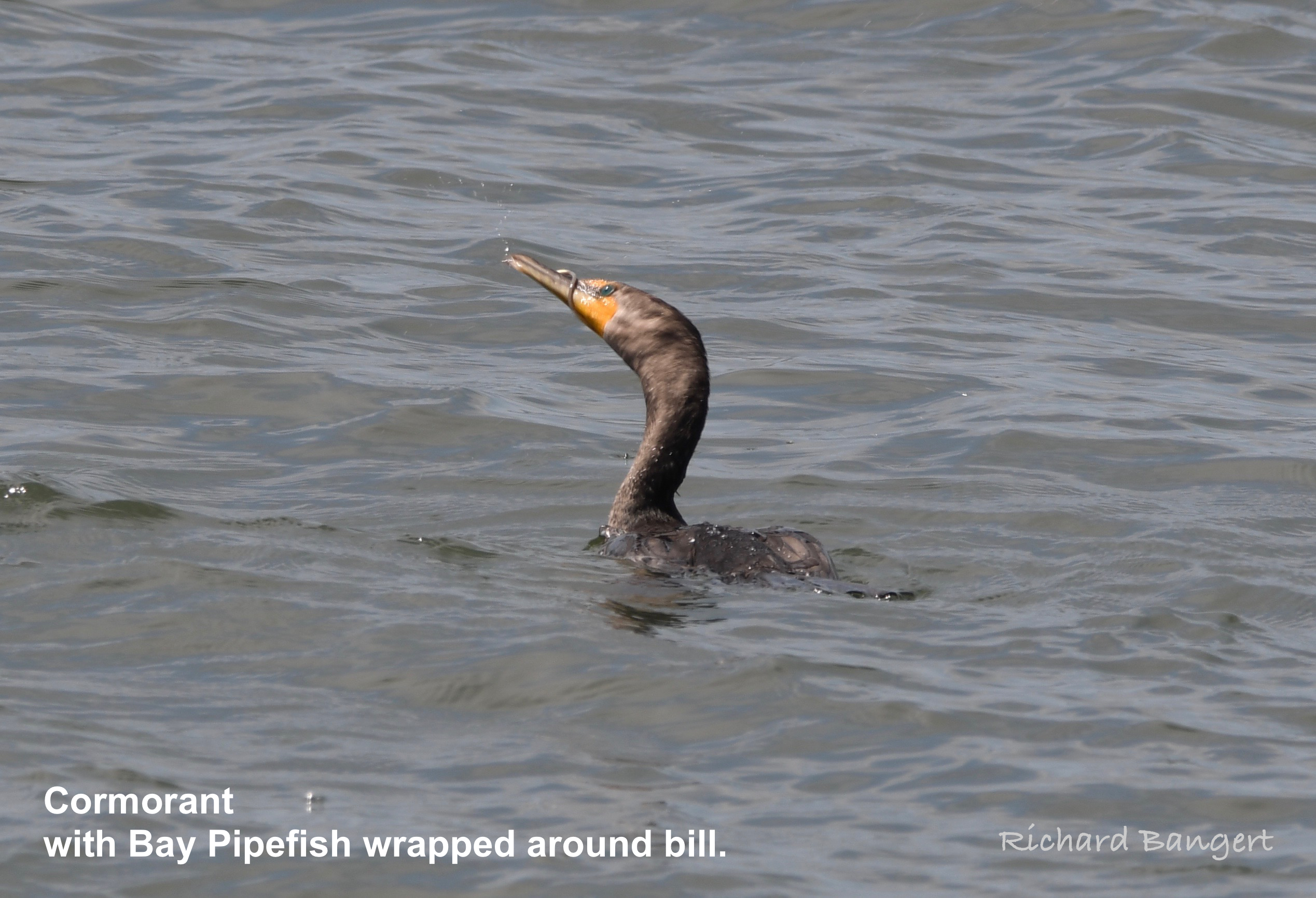
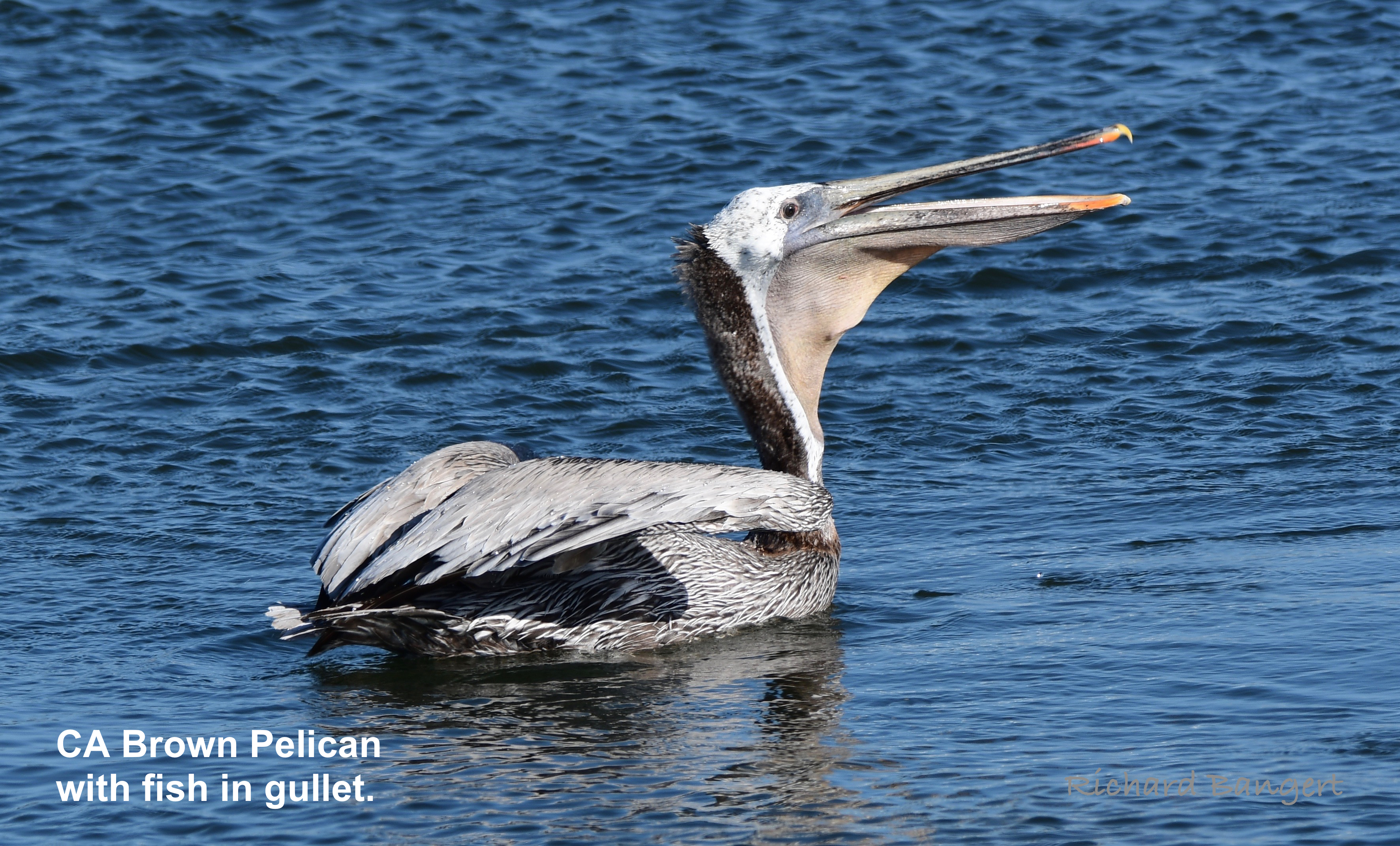
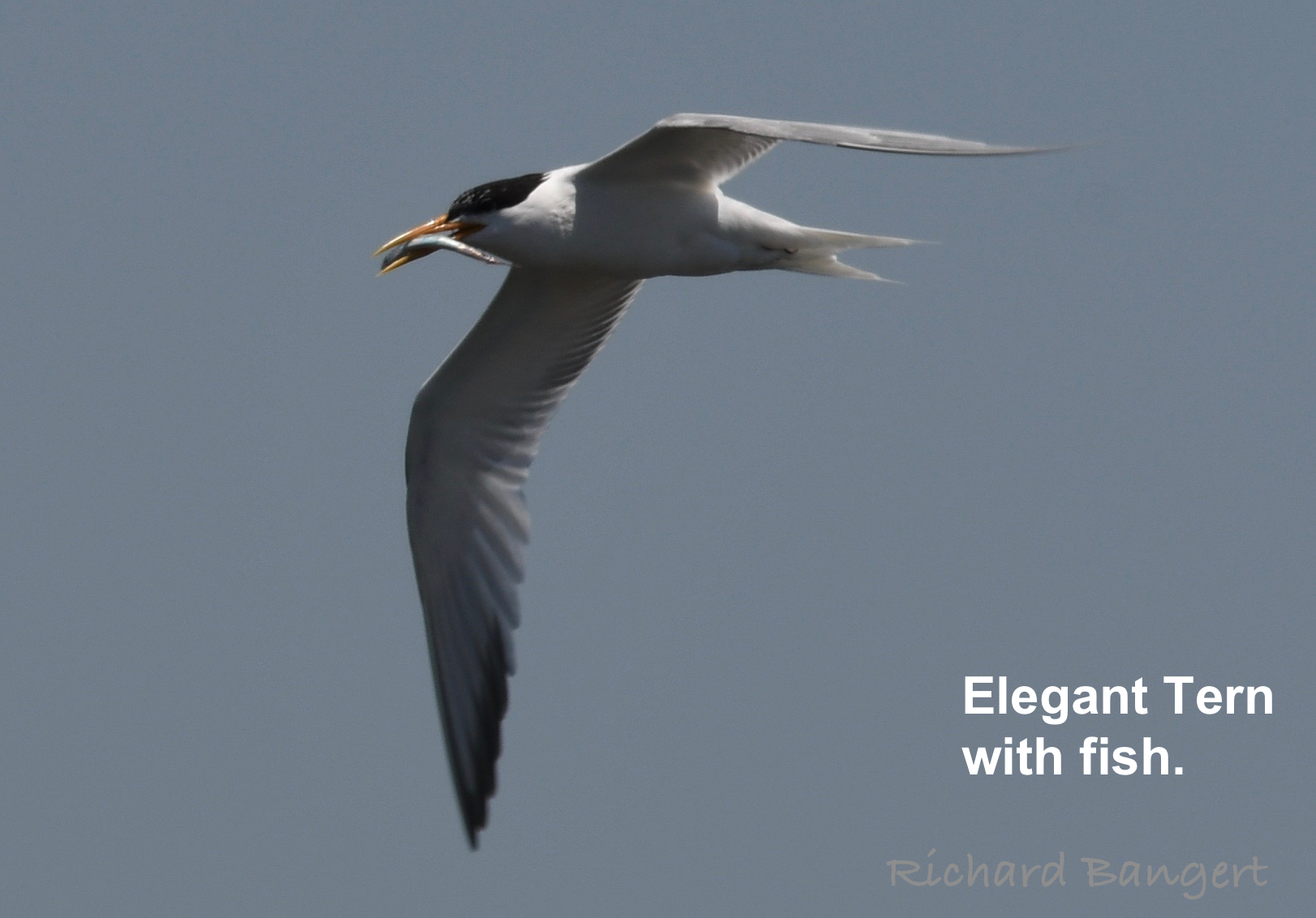
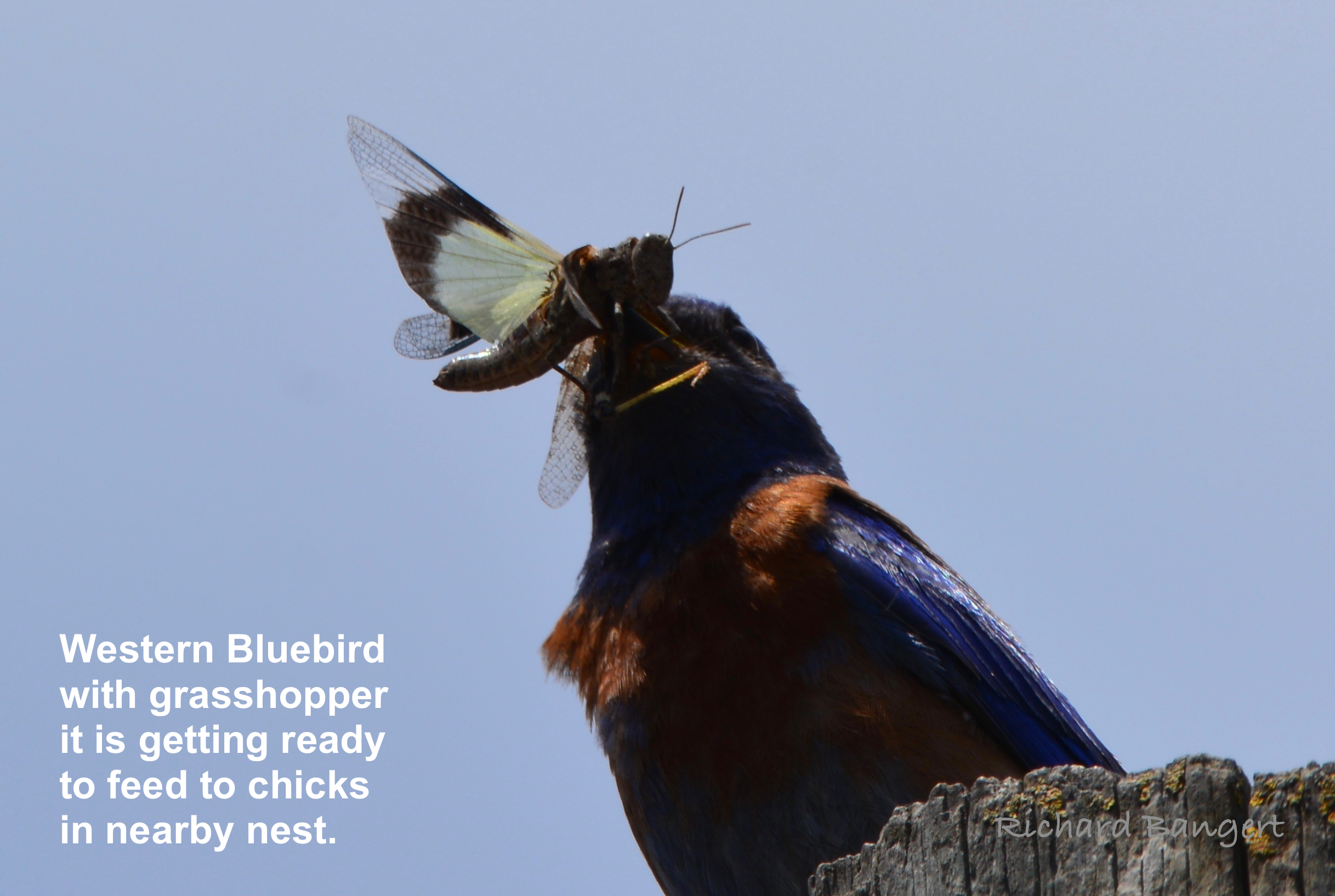
Wildlife spend a great deal of time looking for food. This photo essay features photos from 2020 showing some of the food sources local wildlife rely on for survival.

This Least Sandpiper has probably nabbed a Japanese Bubble-shell Snail, one of many it found on the shoreline of the Seaplane Lagoon. The Bubble-shell Snail spends time on rocky shores grazing on algae. This non-native organism is host to the trematode which causes “Swimmer’s Itch” in bathers.


The anchovies are moving back and forth in a swimming pattern known as shoaling in which the fish try to maximize food intake.



The above two grasshoppers are tentatively identified as Fontana grasshoppers. In between feeding on grassy vegetation, they did their best to avoid detection by predators like birds by landing on surfaces that conceal their presence.
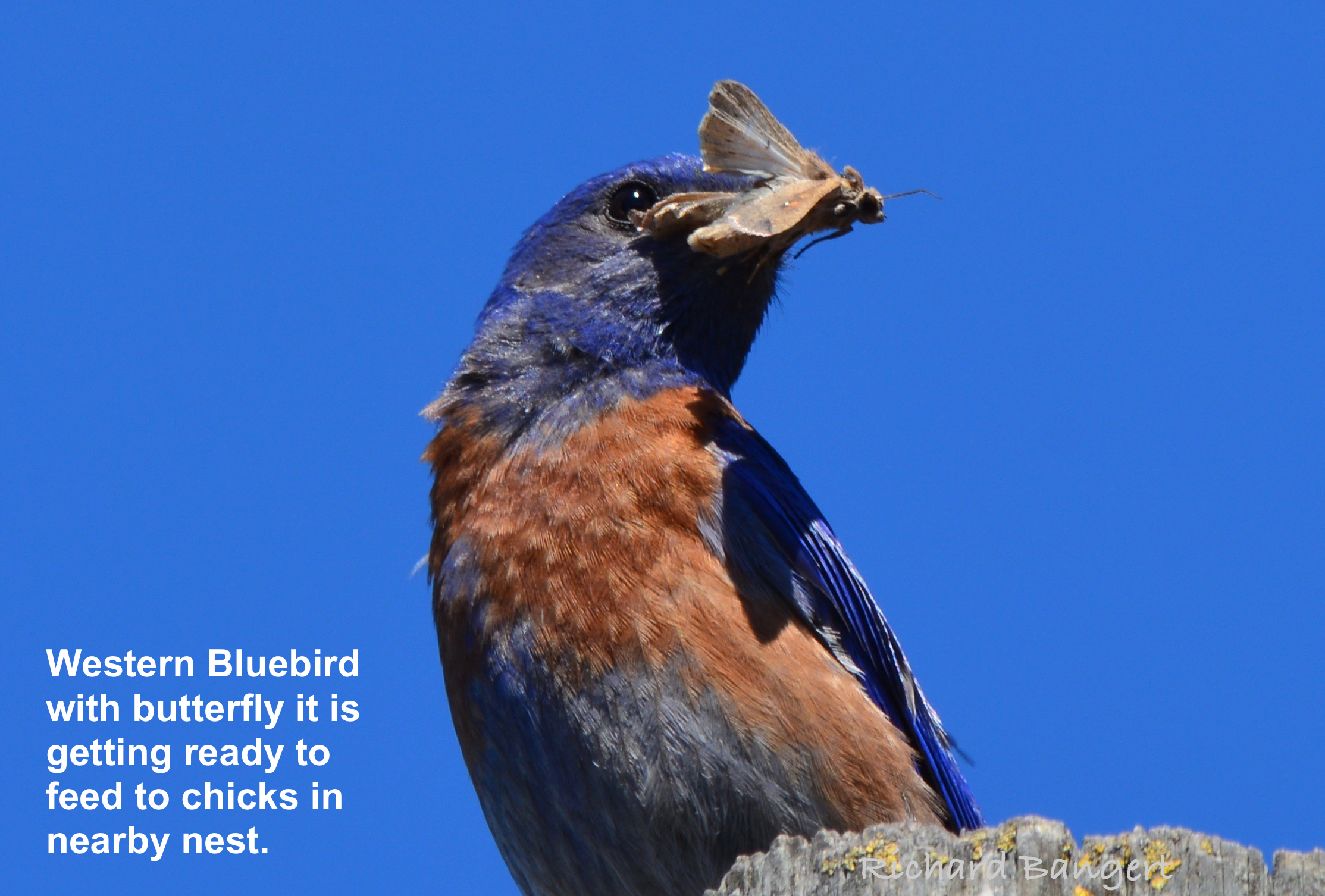
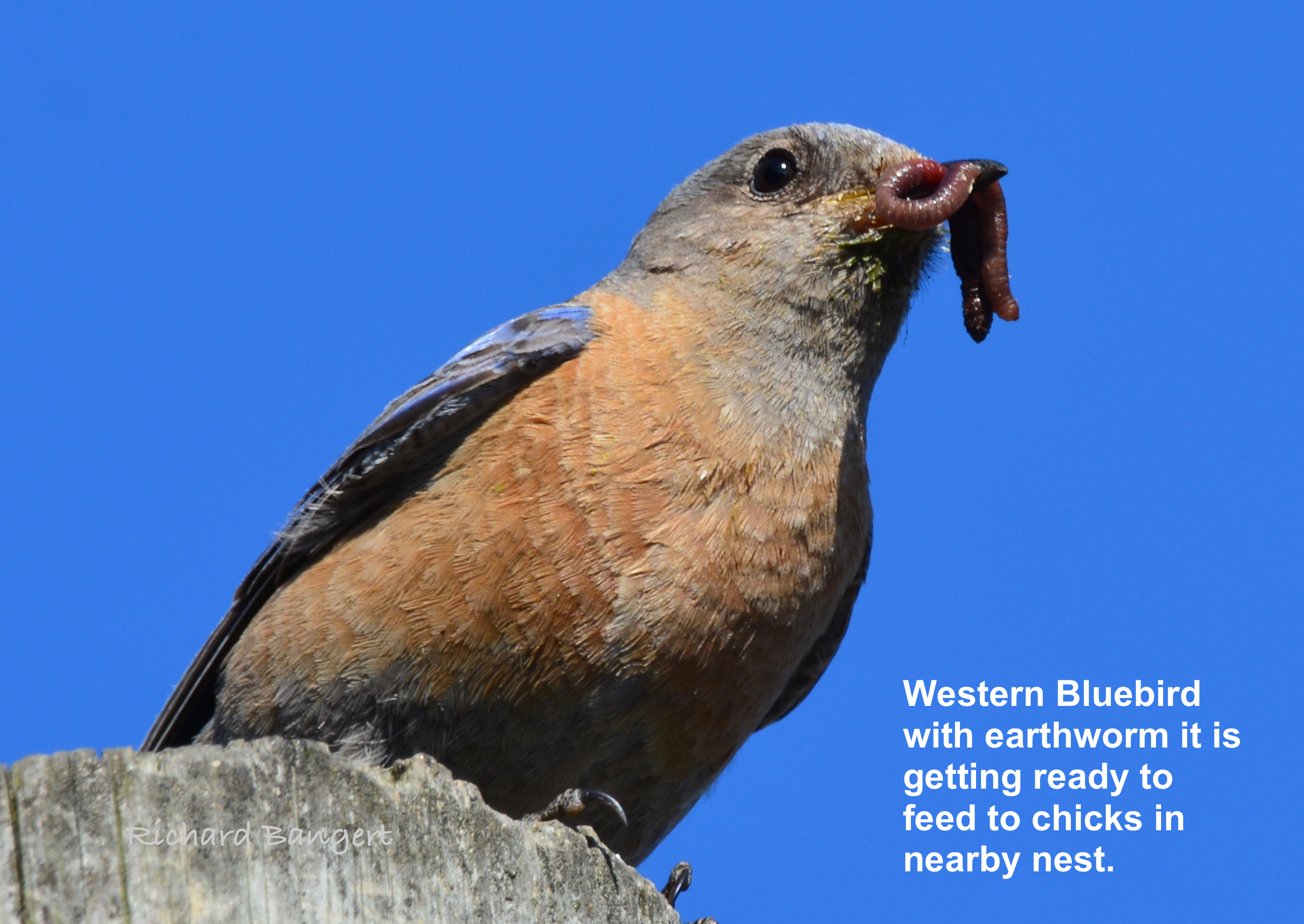
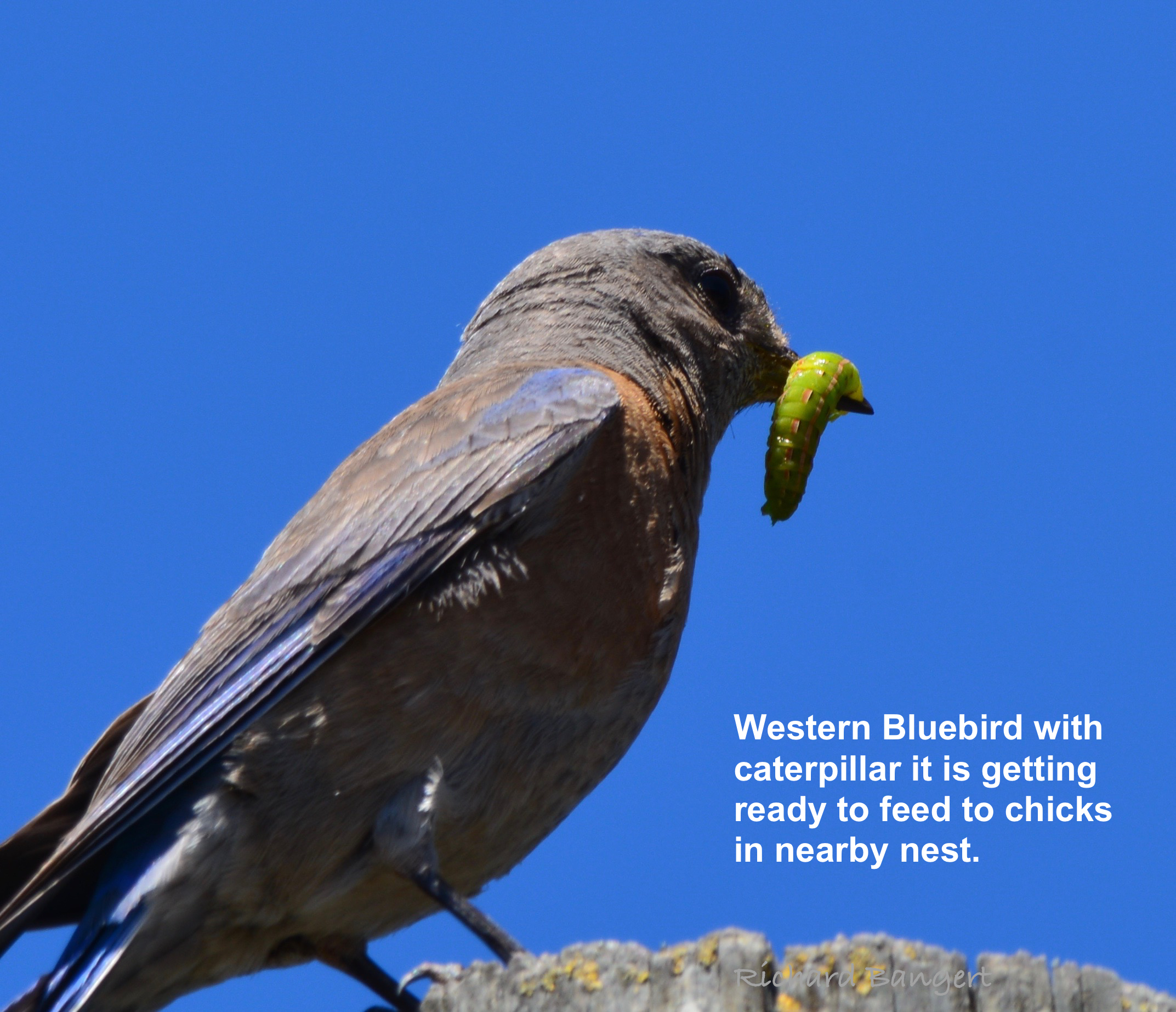


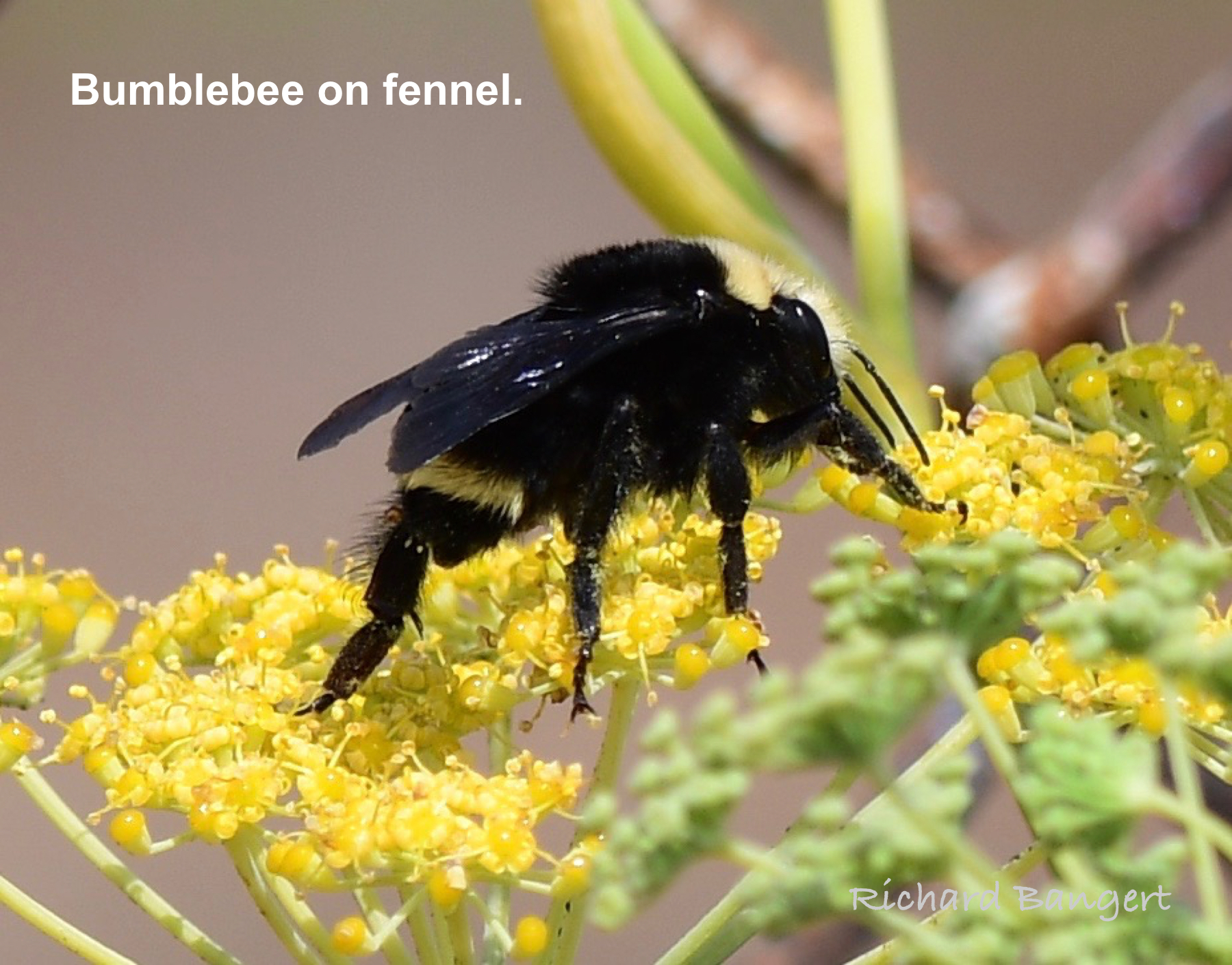

Lack of abundant flowering plants throughout the year is one of the most glaring shortcomings for butterflies, bees, and birds at Alameda Point.
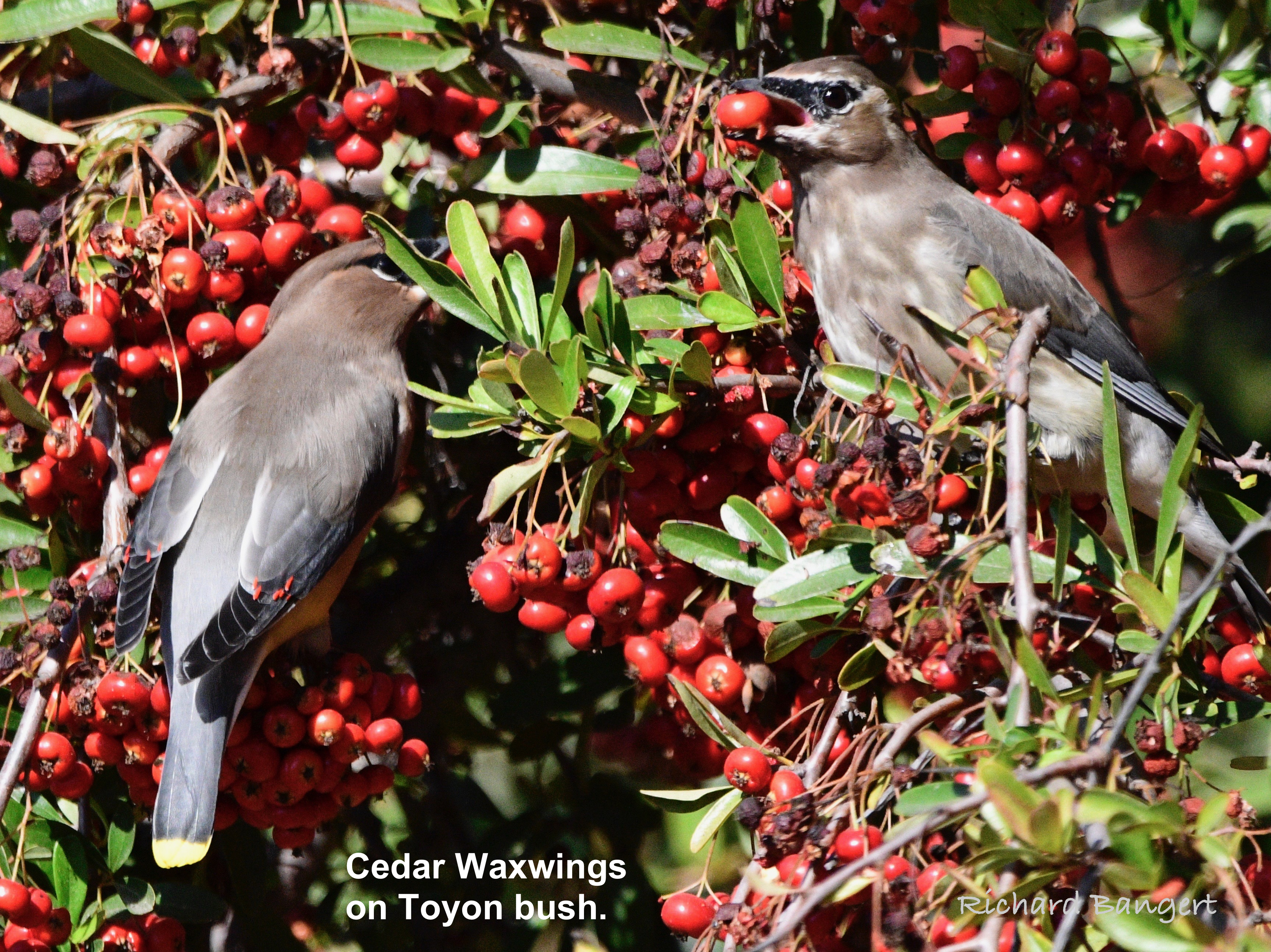
But the migrating flock of Cedar Waxwings were thrilled to find the Toyon bushes still here. Cedar Waxwings descend on the mature bushes on the north side of Alameda Point every Fall. They spend hours grabbing berries and then flying to nearby trees to enjoy. Two of the birds are seen here with berries.

 Alameda Point Environmental Report
Great illustrations. Really enjoyed the cryptic grasshoppers and much more. Thank you!
LikeLike