

It’s not only the federal government that’s undergoing a purge of experienced, dedicated workers. It appears to be happening in the San Francisco Bay Chapter of the Sierra Club as well, as the interests of mountain bike enthusiasts continue to clash with the club’s established environmental policies.
On February 10, the chapter’s recently elected Executive Committee (ExCom) removed a slew of longtime environmentalists—without giving any reason—from chapter committees working on certain issues.
The East Bay Public Lands Committee, which monitors policies such as vegetation management, trails, and planning for regional parks and EBMUD watershed lands, was one victim of the purge. Three of those removed are from Alameda.
The ExCom traditionally appoints members to committees who have a broad knowledge of the subject matter and commitment to local environmental issues, and then gathers advice from them before taking positions or formulating chapter policy. The Bay Chapter then advocates for these positions and endorses candidates who support them.
As previously reported in the Alameda Post, for over a year the mountain bike lobby has been trying to take over the Bay Chapter by flooding meetings and seeking voting privileges for themselves. So the committees sought and were waiting on guidance and criteria from the ExCom on how to manage the sudden influx of single-issue people wanting to vote.
A former Sierra Club leader in San Francisco sounded the alarm about the Bay Chapter in a commentary penned a year ago. “It is remarkably easy to take over and replace leadership at the local level of the club,” wrote Barry Hermanson referring to the tiny fraction of members who vote in Club elections. “This has enormous consequences as the change in [Club] endorsements redefines who is and is not an environmentalist.”
The off-road cyclists aim to legalize mountain biking on many of the narrow trails in regional parks and watershed lands that are now reserved for hikers and equestrians, and to build more connector bike trails potentially through sensitive habitat, because narrower trails offer a more challenging riding experience.
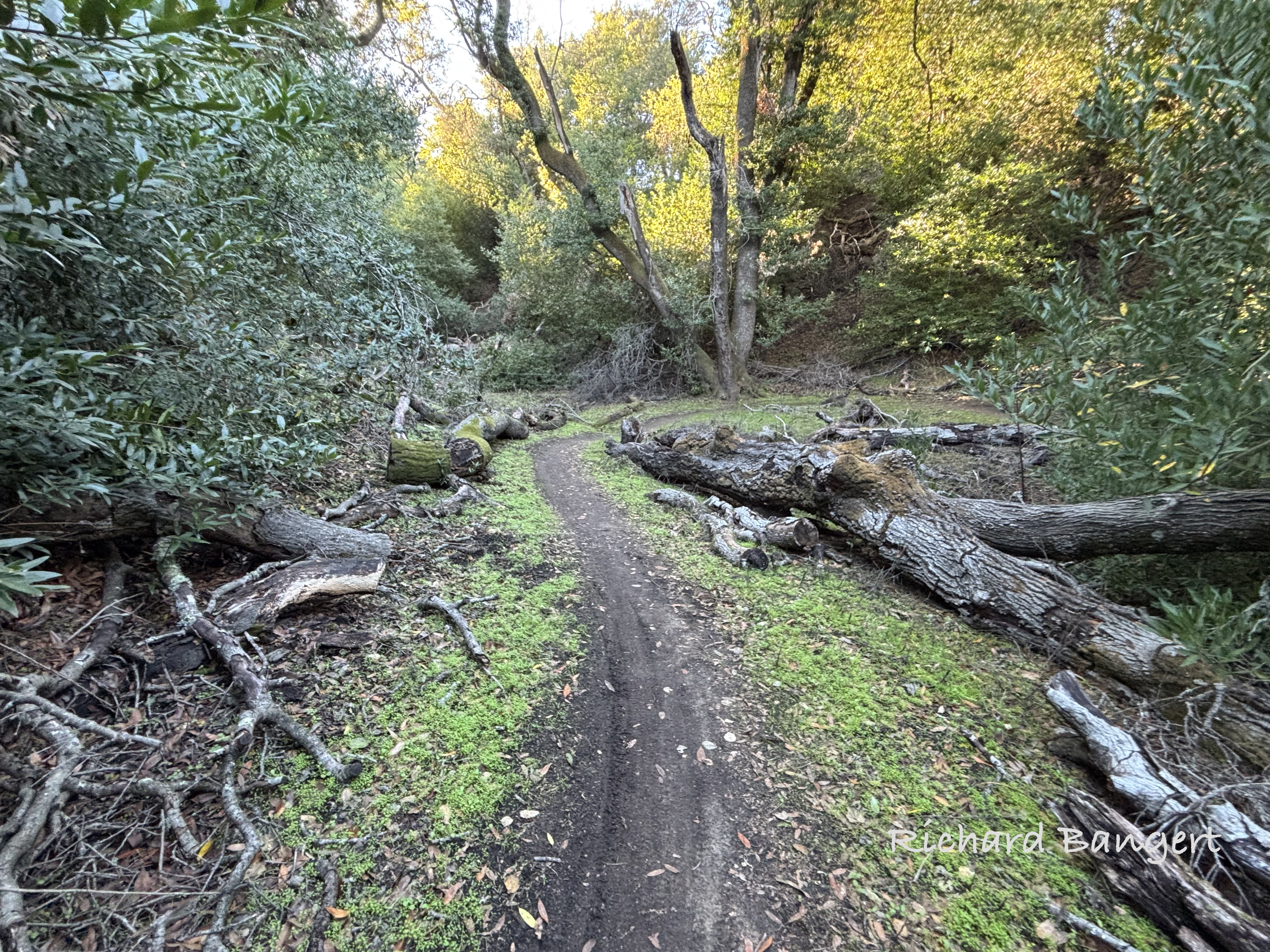
They also want to see construction of specialized bike-only downhill flow trails designed for maintaining speed through turns. There are currently some 800 miles of multi-use trails in the regional park system designated for mountain bike riding. Their lobbying efforts will now be advanced under the Sierra Club’s banner to influence voters and policy decisions of public agencies.
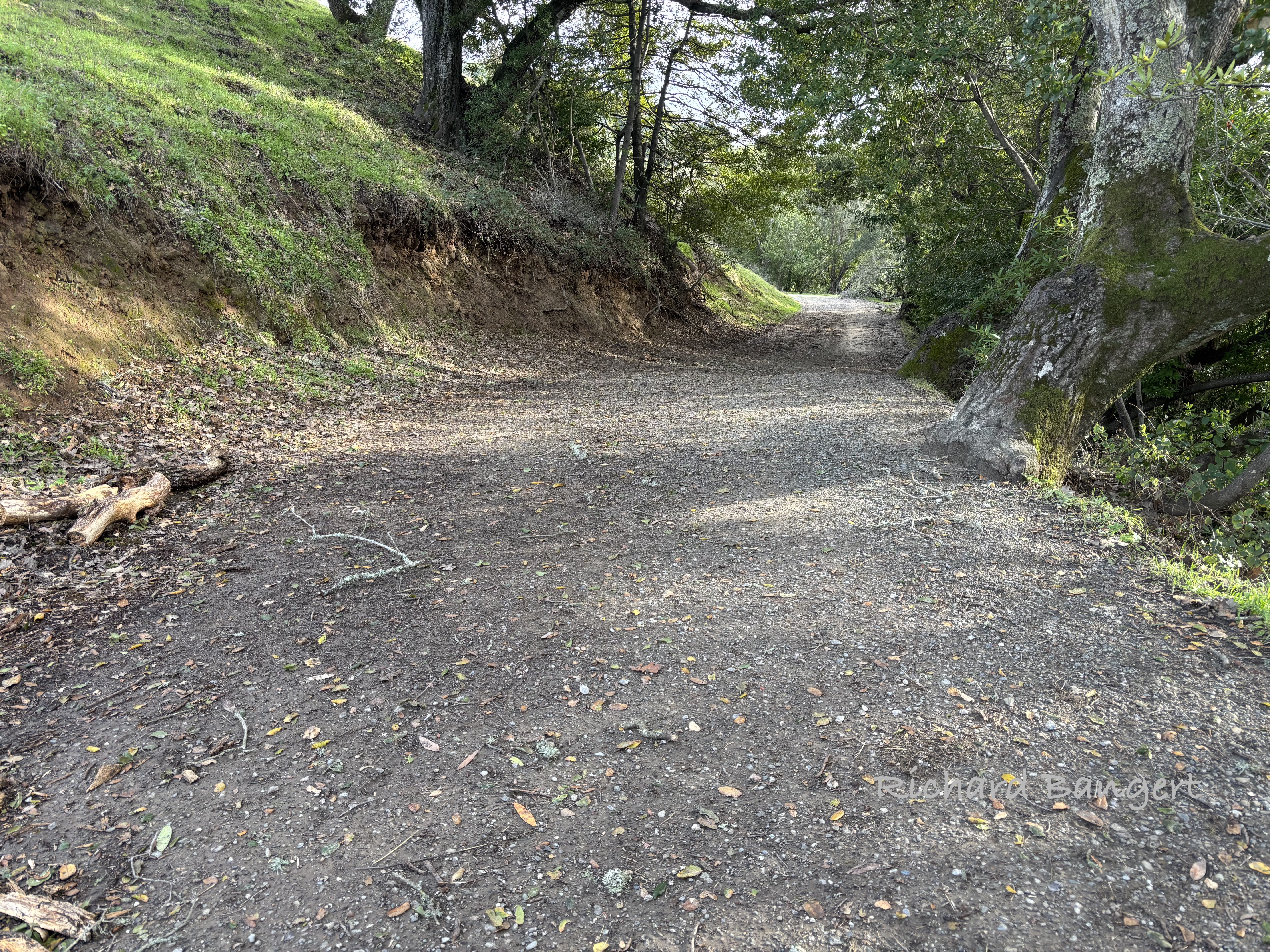
“This type of seizure of Club Committees is a threat to the Club as a whole—a blueprint for other special interests,” said Alameda resident Patricia Lamborn after she was removed from the Public Lands Committee.
The February 10 meeting agenda did not mention that the ExCom was considering removing longstanding voting members from committees. A few of the voting members who had been allowed to remain on the Public Lands Committee resigned in protest.
“I will not remain on the committee to give it a veneer of legitimacy or a patina of environmental advocacy,” wrote Norman La Force, Chair of the Public Lands Committee, in his resignation letter. “The decision to remove all but a few token members of the Public Lands Committee and to install a supermajority voting bloc of mountain bikers has turned the Public Lands Committee and the Sierra Club Chapter into an echo chamber for the mountain bike lobby.”
As other letters of resignation began arriving on the desks of chapter leaders, the newly appointed mountain bike members were springing into action. On February 11, the new Public Lands Committee began seeking the Bay Chapter’s support for allowing more mountain bike access on EBMUD’s watershed land, going against a settled compromise on trail access reached among environmental groups, mountain bikers, and the agency in 2018, which mountain bike advocates now want to revisit.
This latest initiative comes after a public records request revealed that two of the bike advocates offered the East Bay Regional Park District a $1 million donation in a quid pro quo agreement contingent upon the agency planning, permitting, and approving the construction of a downhill mountain bike flow trail proposed by bike advocates in 2021 in Wildcat Canyon Regional Park.
William Yragui, another ousted member who chairs the Bay Chapter’s Activities Committee and is a leader of the Mission Peak Conservancy said, “When those willing to sacrifice habitat for recreation take over as policymakers, club membership and the environment loses.”
Originally published on the Alameda Post.


I have been a hiker and an equestrian on EBRPD (and other) trails for nearly 50 years, and used to chair a coalition group of hikers, equestrians, mountain bikers, dog walkers, and conservationists bout 20 years ago. AS the number of mountain bikers exponentially grew, they asked for access to more single track trails as they have been long excluded from about 90% of such EBRPD trails. Our coalition evaluated these proposals for user and habitat safety issues, and made recommendations to EBRPD. Some seemed fine to us, others not so much. Back then the local Sierra Club chapter almost always opposed any proposals for greater access.
This chapter policy stayed in effect for all that time. Pre-pandemic, after multiple pubnlic scoping sessions and hearings a plan was approved for what is now the Eastport Staging Area section of Sibley Volcanic Preserve that included a multi-use trail connecting that newly opened area to the rest of Sibley. At the very last minute, the Sierra Club threatened a lawsuit; in order to take advantage of a $2 million grant for what is now a widely praised stream restoration, which required an immediate start, the District agreed to pause on the trail to remain eligible for that grant.
Following that the District convened a Tail User Working Group of various stakeholders, including myself and Norman La Force to try to reach consensus over trail policies for land-banked properties that will be opening to the public in the coming years. The Group met for nearly 2 years, and heard presentations from each stakeholder. I gave one for hikers. When the bicyclists gave their presentation, they acknowledged that they wanted to access more single track trails, but expressed their desire to do so in a way that would not degrade the environment or threaten the safety of other trail users. Many of us were relieved that their position was so cooperative, and looked forward to reaching consensus, but a few days later, the Yodeler published an article claiming that mountain bikers had demanded access to all sing;e track trails, and the the park district was acceding to their demands. The article was written by someone who was at the meeting when the cycling representatives said very much the opposite. At some meetings we were told that there should be no new trails of any kind anywhere in the parks.
At the end of our series of meetings, we were unable to reach consensus.
It did not surprise me at all that the mountain bikers chose to change the policy of the local Sierra Club chapter.
And the people who resisted any change for so long shouldnot have been surprised either.
Morris Older
LikeLike
I must respond to Morris Older’s comments regarding Richard Bangert’s opinion because it is filled with misinformation and a fails to give you the full picture
Hikers are 82% of Park Users
To begin with based on the Park District’s own statistics, mountain bikers only make up 16% of park users (even after allegedly growing exponentially as Older claims). Hikers make up 82% of park users. Equestrians are the remaining 2%.
Mountain Bikers Have Access to 87% of the Park District’s Trails
The Park District has 1, 330 miles of trails. Mountain bikers have access to 1,130 miles of trails or 87%. They have limited access to the remaining 200 miles of narrow single track trails because these trails are very narrow and because there major safety concerns with mountain bikers speeding on these trails hitting pedestrians. These trails were long designated for hikers only for that reason, but the Park District with support of environmentalists like me have supported bike only narrow trails.
Environmentalists Have Not Opposed Any Proposed Mountain Biker Access to Trails
Olds makes the false claim that “almost always environmentalist opposed any proposals for greater access.” Here are the facts:
Sierra Club Yodeler Articles Called for Planning for Trails That Included Mountain Bike Tails
Older makes reference to an article in the Sierra Club Yodeler, the Chapter’s publication. Contrary to what he says, I wrote an article in the Winter 2022-23 issue on how trail design could reduce user conflicts on trails and provide trails for mountain bikers. In the Summer 2023 issue I wrote an article on the need for planning for trails that included trails for mountain bikes. You can go to the Chapter website and find these issues and read what I wrote. For Older to claim the Sierra Club and I are against trails for mountain bikes is false.
The Park District Failed to Properly Plan for New Trails at Sibley and Their Impact on Stream Habitat
The Park District classifies parks with wildlife and habitat that need special protection and limited access as Preserves. The Sibley Volcanic Preserve is one such special park. When the Park District proposed major additions to the preserve, including multi-use trails adjacent to fragile riparian habitat, the Sierra Club early on warned the Park District that it would need to comply with the California Environmental Quality Act to analyze these developments for their impacts on wildlife and habitat. A CEQA analysis is only done once a project has been approved so that it can be properly analyzed for its impacts. When the Park District refused to conduct a proper review under CEQA, the Sierra Club threatened to sue to make the Park District do the right thing and comply with the law. Realizing it had failed to comply with CEQA, the Park District agreed to do the mandated analysis. The Club did not wait until the last minute as Older claims. In fact, delays in completing the project were due to permit issues with other agencies.
The Mountain Bikers Are Allied With Developers Who Have Proposed Development That the Sierra Club Long Opposed
Finally, Older does not tell you that in order to take over the Sierra Club in last Chapter election, they joined forces with politicians and others who have opposed the Sierra Club on development issues. In Richmond, they ran a slate of four candidates. The slate included Andrew Butt, son of former mayor Tom Butt. Tom Butt and Andrew Butt opposed and still oppose the the Sierra Club in its campaign to save Point Molate and create a regional park. We just won that campaign, yet both Andrew and Tom Butt have tried to sabotage our victory. They also both supported placing housing on the highly toxic Zeneca site, the former home of Stauffer Chemical in Richmond where they made such healthy products as DDT and other highly toxic chemicals. Andrew Butt voted against the Sierra Club’s No Coal initiative in Richmond to stop the exporting of coal to China in order to reduce greenhouse gas emissions. Tom Butt actually publicly attacked the Club and its national representative at city council meeting on this issue. That is who the mountain bikers teamed up with. Of course, Morris Older did not tell you any of that in his commentary. I will let the reader ponder why not.
LikeLike
The bikers have been very clear that their aim is to have bikes on every trail no matter what the damage. Paying for people’s memberships to get them to vote is not right . Personal pleasure over the environment is not the object of the Sierra Club. Thank you for the accurate reporting of this undermining of the goals of the Sierra Club.
LikeLike