Natel Energy gearing up to produce hydropower turbines at Alameda Point

An old aircraft hangar at Alameda Point will become the first production facility in the world for an innovative hydropower turbine. After two years of testing and design work, Natel Energy began outfitting the hangar this summer, which is just a few hundred yards from their headquarters in the former Control Tower for the Navy airfield. “By 2016 we expect to be producing 75 units a year,” said Chief Executive Officer Gia Schneider, “and reach 200 units a year by 2017.”
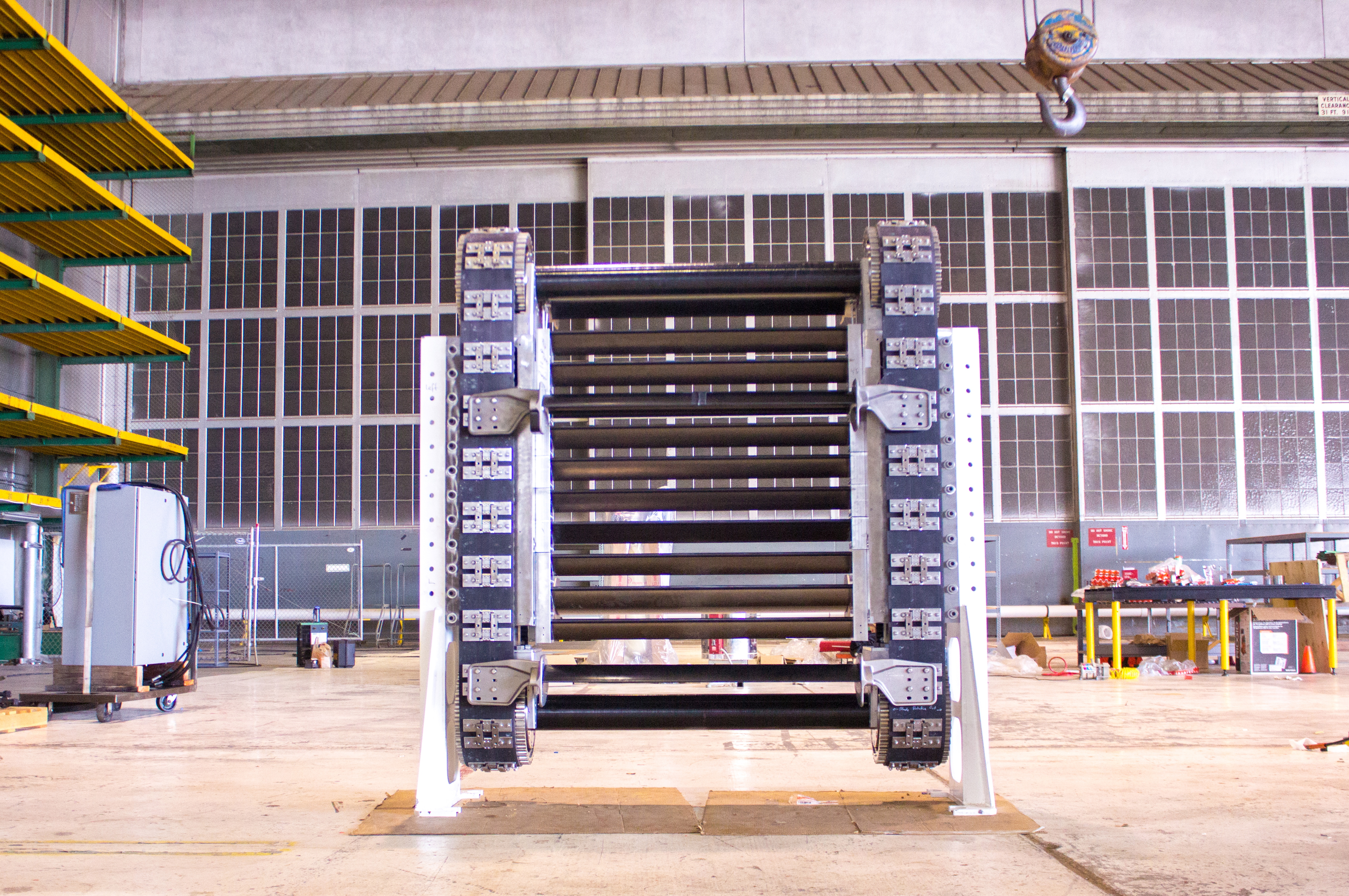
HydroEngine drive system called a cassette.  Blades connected to conveyor belts are moved by water guided by fins called guidevanes (not shown).  As water contacts first set of blades, the belt is moved upward, while exiting water drives the  rear set of blades downward.  Natel Energy photo.  Used by permission.
HydroEngine drive system called a cassette. Blades connected to conveyor belts are moved by water guided by fins called guidevanes (not shown). As water contacts first set of blades, the belt is moved upward, while exiting water drives the rear set of blades downward. Natel Energy photo. Used by permission.

Formed by alumni of the Massachusetts Institute of Technology, Natel Energy set out to create a utility-scale hydropower system without the costs and environmental consequences of hydroelectric dams.

Natel Energy touts their turbine system, trademarked EcoSmartHydro Power, as an environmentally superior method of watershed development because it does not require flooding an entire ecosystem to drive an electric hydropower generator at a dam.

“Whereas conventional hydropower is characterized by a centralized approach to project planning and large environmental footprint, EcoSmartHydro™ Power is distributed, low-impact, yet still successful at the utility scale,” proclaims the company’s website. “Conventional hydropower plants are designed solely to maximize power output. EcoSmartHydro™ Power plants are designed to maximize power output while maintaining the health of watershed ecosystems.”

When installed in streams and small rivers, the system allows for young fish to travel downstream and through the system unharmed. Traditional fish ladders can be installed for spawning fish travelling upstream.

The heart of the system, called a cassette, is about the size of a king size bed. It consists of a conveyor belt of blades that are moved as water flows through. A generator connected to one or both of the conveyor shafts generates electricity.

The system can be installed virtually anywhere there is flowing water, such as irrigation canals, water supply channels, thermal power plant water outfalls, and existing non-hydroelectric dams. The Natel Energy system is able to generate electricity with relatively small drops in elevation because it’s based solely on water flow, not water pressure.

Water canal shown as an example of existing water flow where Natel Energy hydropower system can be installed.  Natel Energy photo.  Used by persmission.
Water canal shown as an example of existing water flow where Natel Energy hydropower system can be installed. Natel Energy photo. Used by persmission.

In December 2013, Natel Energy got a boost from the U.S. Department of Energy with a $2 million tax credit under the Advanced Energy Manufacturing Tax Credit program. The money for product development and manufacturing, however, is coming solely from investors. “We don’t get any benefit from the tax program until we start selling our product,” said Schneider.

“The company currently has 14 employees, and we will be adding 80 to 90 people as production grows at Alameda Point, with up to 35 of those in manufacturing,” said Schneider. “Our goal is to give special attention to hiring and training of veterans and to make use of Department of Energy vocational training programs.”
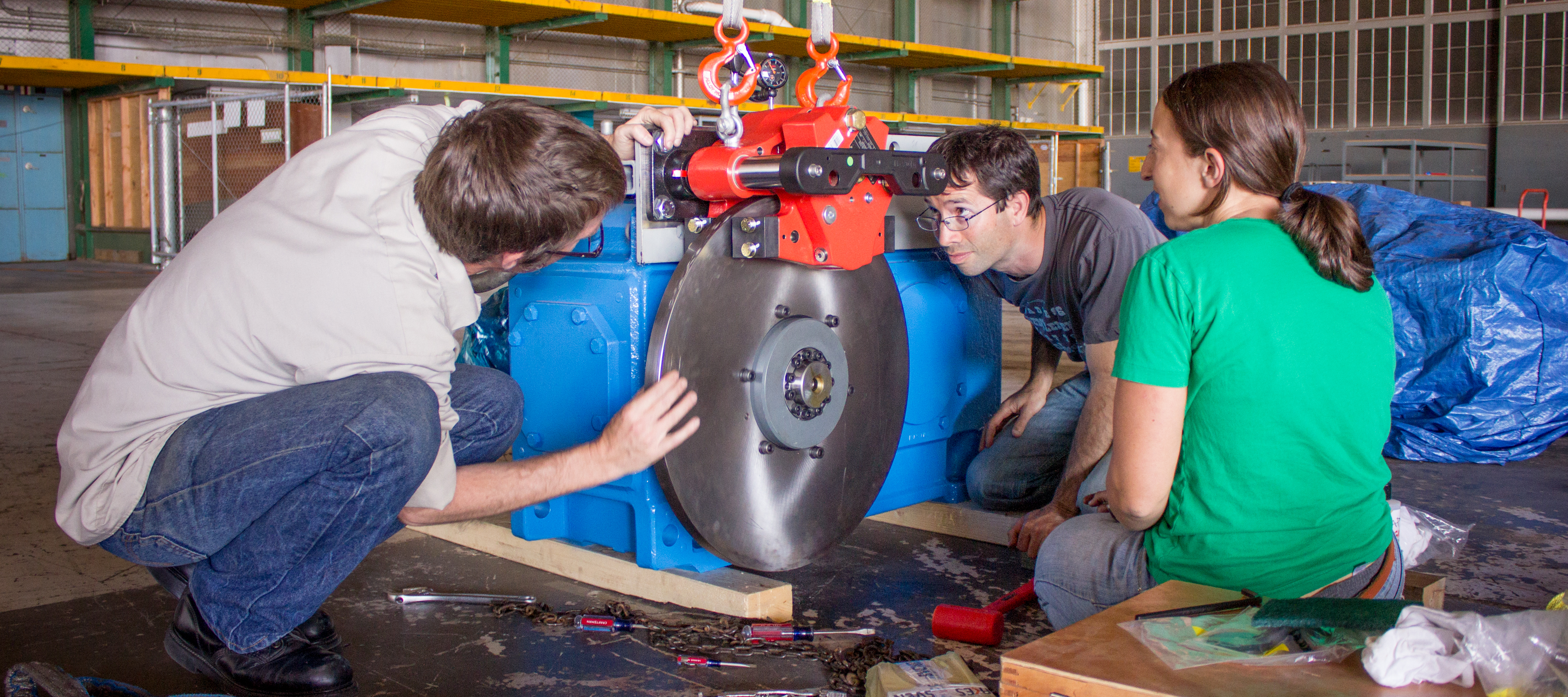
Employees assembling gearbox at Alameda Point hangar.  Natel Energy photo.  Used by permission.
Employees assembling gearbox at Alameda Point hangar. Natel Energy photo. Used by permission.

All of the parts and components of the turbine are manufactured in the United States. Schneider said that working with parts suppliers in the U.S. during the product-development phase made the process logistically less stressful and time-consuming. For some of their parts, the company would not have gained any cost advantage by going outside the U.S., according to Schneider. She said that once production levels reach the point where new production facilities are being added elsewhere in the U.S. or the world, some parts may be sourced from outside the country.

Assembling cassette drive belt.  Belt connectors underwent testing and re-working at Alameda Point.  Final product surpassed 60 million cycles without failure.  Natel Energy photo.  Used by permission.
Assembling cassette drive belt. Belt connectors underwent testing and re-working at Alameda Point. Final product surpassed 60 million cycles without failure. Natel Energy photo. Used by permission.

Videos made by Natel Energy this year offer a look into the elaborate parts testing program the company has been running at their Alameda Point headquarters, as well as a look into the process of setting up their production facility. An animated video shows how their system works in the field.

Videos by Natel Energy on company video site

Click on titles to view videos

Natel Energy News Page

Click on any photo below for slideshow format.

Smart grid power storage system being tested at Alameda Point

A small company based in Union City is quietly conducting underground field tests of their flywheel energy storage system at Alameda Point. The mechanical device seeks to accomplish the same result as battery storage, only cheaper and with completely recyclable materials. The system is ideally suited for storing electrical energy created by commercial size solar facilities.

Alameda Point test site

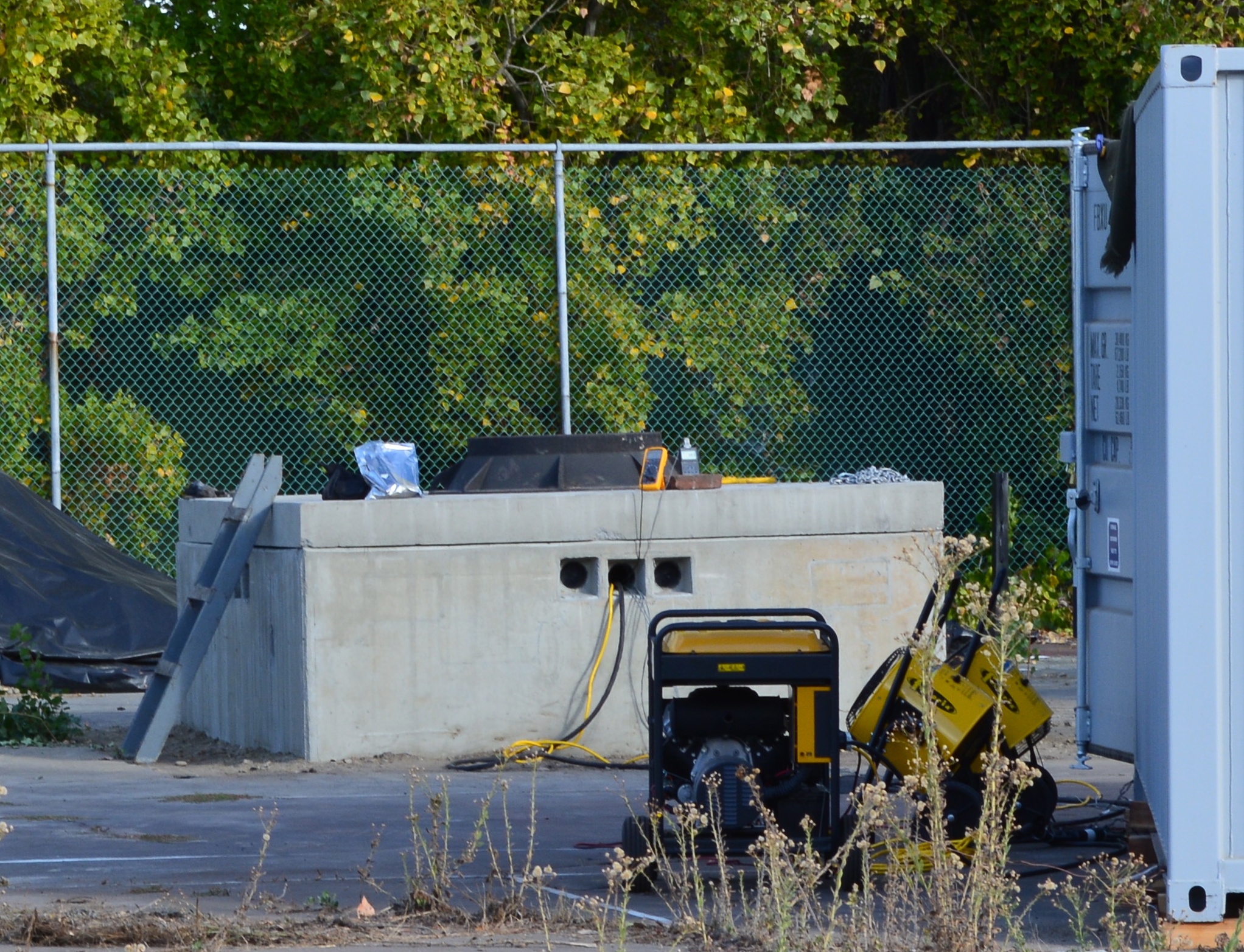
Working with the City of Alameda, Amber Kinetics is leasing space on an old tennis court next to the O Club at Alameda Point. The two concrete vaults that they installed in the ground to house their flywheel system go down seven feet. That’s how far they were able to dig before hitting the layer of hydrocarbon residue called the Marsh Crust. Digging into the Marsh Crust would have complicated the testing and created added expense. Since there is no electrical service at the site, they brought in their own generator to perform the tests, which they store in a shipping container.

Their test is being partially funded by the U.S. Department of Energy (DOE) under the Smart Grid Demonstration Program. The DOE Project Description says in part: “The goal is to deliver a cost-effective prototype flywheel system that can be grid connected and electrically charged and discharged. The flywheel stores energy in a spinning rotor that is connected to an electric motor that converts electrical energy into mechanical energy. To recover the energy, the motor is electrically reversed and used as a generator to slow down the flywheel converting the mechanical energy back into electrical energy. Amber Kinetics will improve the traditional flywheel system by engineering breakthroughs in three areas, resulting in higher efficiency and radically reduced cost: bearings, low-cost rotor, and high-efficiency motor generator. This technology can also be used to optimize existing infrastructure.”

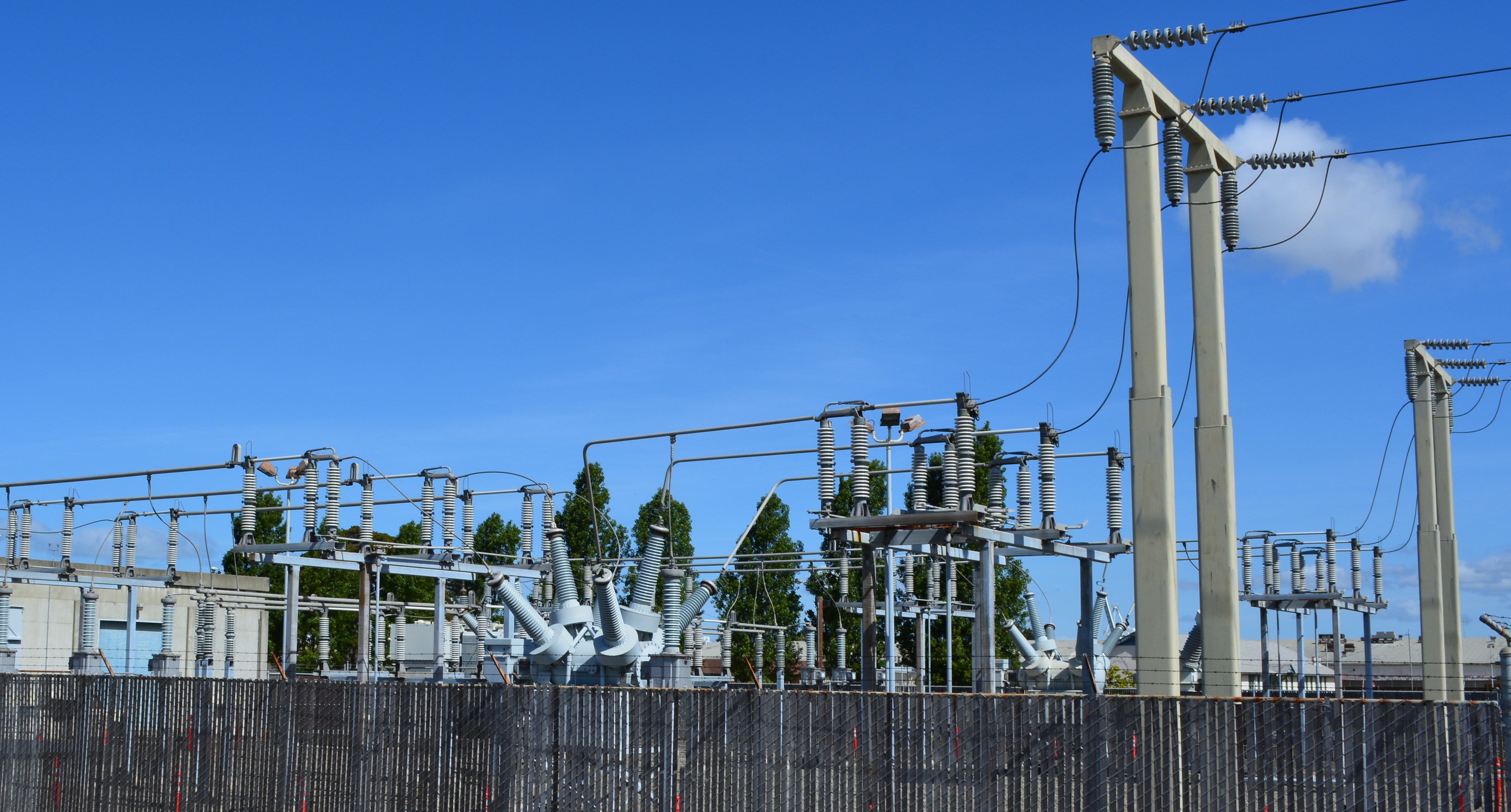
Alameda Municipal Power substation at Alameda PointAccording to a DOE report on energy storage from December 2013, so-called distributed storage facilities like the type being tested at Alameda Point can improve the efficiency and reliability of high power transmission lines. They would do so by reducing “line-congestion and line-loss by moving electricity at off-peak times, reducing the need for overall generation during peak times. By reducing peak loading (and overloading) of transmission and distribution lines, storage can extend the life of existing infrastructure.” The report also notes the value of distributed electrical storage for emergency preparedness.

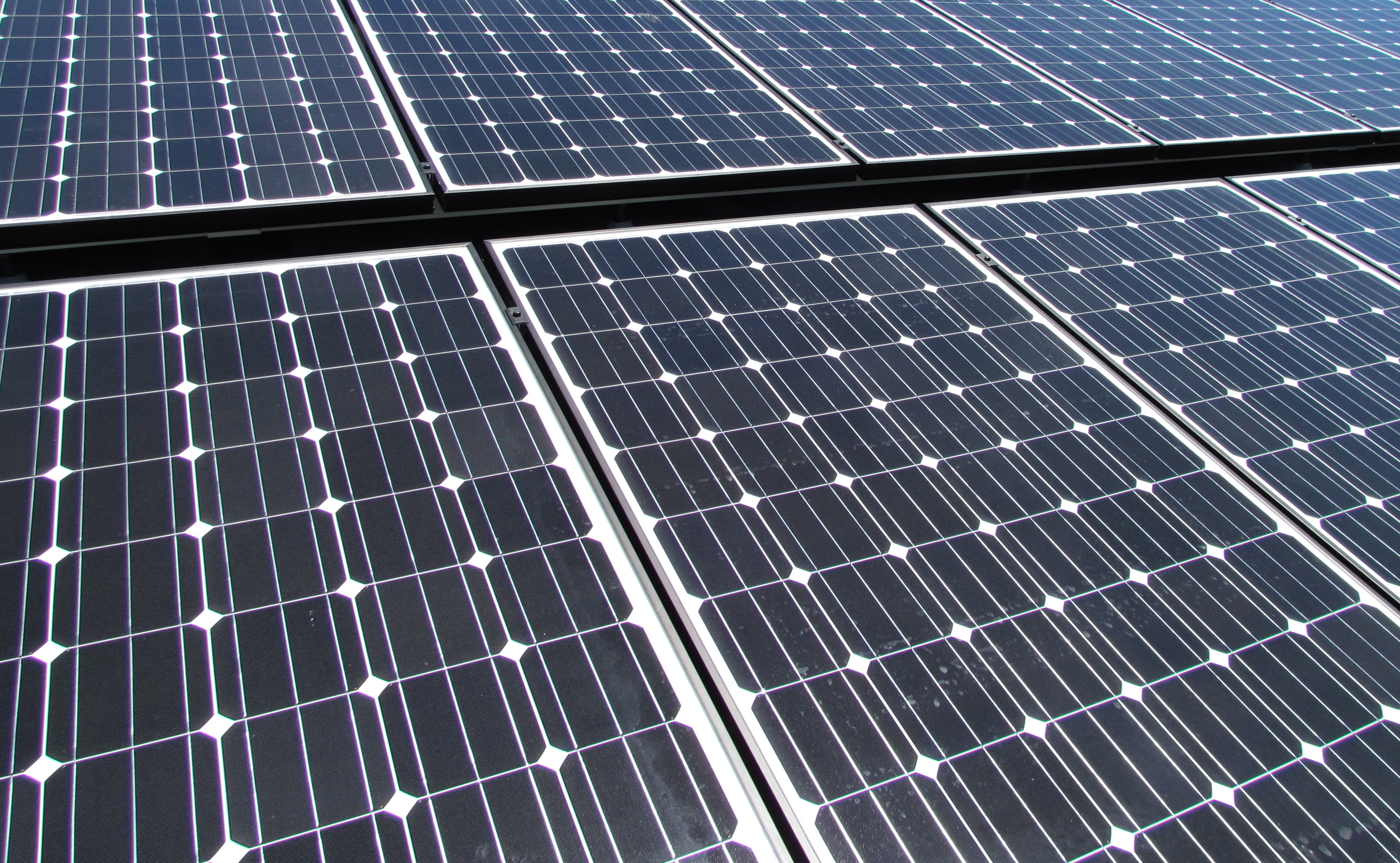
Photovoltaic solar panelsAccording to the company, benefits of their system would be:

  • Green job creation
  • Electricity costs lowered
  • Renewable energy integration
  • U.S. energy security strengthened
  • Greenhouse gas emission reduced