
Has the City of Alameda been spending lease revenue it receives from property it owns in the tidelands area of Alameda Point for purposes not authorized by state law?
That’s a question local and state authorities now are looking into.
With all the talk over the past year about economic development and the right mix of leasing and selling property at Alameda Point, City staff and the State Lands Commission, which owns and oversees tideland properties, now find themselves reviewing the books for revenues received from tideland properties, also known as Public Trust Land, at Alameda Point.
Starting in 2013, as land has been conveyed out of federal hands from the Navy to the city, shoreline and adjacent bodies of water revert back to their original status as state-owned Public Trust Land, also known as tidelands, per the state Constitution and described in this background on the Commission’s website This land designation limits the types of uses to only maritime, resource protection, or visitor serving uses, according to the Overview of Public Trust Doctrine. The city is trustee of these tidelands for the state and cannot sell them.
When revenue is generated from tidelands property, there are three requirements for trustees enumerated in the Public Resources Code that guide the State Lands Commission’s oversight. All revenues must be kept in a separate tidelands fund. The funds can only be used for tidelands purposes, such as managing, maintenance, and upgrades to the tideland properties. And the trustee is required to submit an Annual Financial Statement to the State Lands Commission that includes revenue and expense summaries.
The city’s tidelands reports to the state commission indicate that the city has not been including tidelands revenue from Alameda Point. And email interviews with City staff reveal that there is no separate Alameda Point tidelands fund, and that the City’s property management company, River Rock, does not even keep separate records for tidelands and non-tidelands leases at Alameda Point.
The city has been combining Alameda Point’s tidelands revenue with other lease revenues and property sales proceeds into one pot, called the Base Reuse Fund, which serves as the “general fund” for all things Alameda Point.
Furthermore, the city’s Annual Financial Statements for all tidelands in the City posted on the State Lands Commission’s website do not reflect any tidelands revenue from Alameda Point because the statements all show revenue below $1 million. Revenue from Alameda Point tidelands leases regularly exceeded $1 million, making it mathematically impossible to have been included.
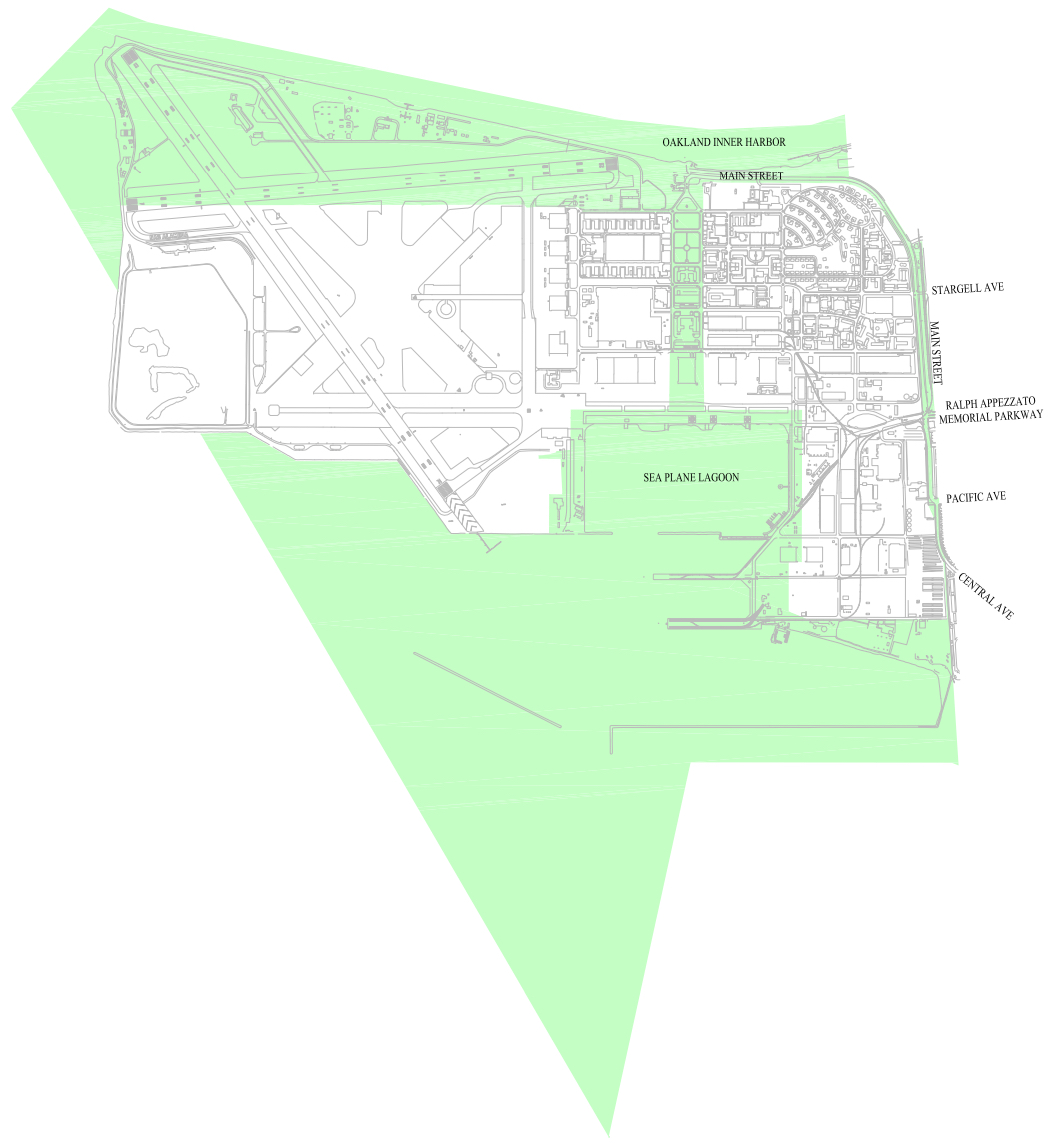
By not keeping the Alameda Point tidelands funds separate, the money is presumably not being used solely for tidelands purposes, such as to upgrade the Point’s shoreline tidelands properties, like the piers and proposed parks. Instead, the money may have been spent for general non-tidelands purposes around Alameda Point in violation of state law.
Financial Statements submitted to State Lands Commission raise questions
The city’s annual financial statements that were submitted to the State Lands Commission reveal the city may be out of compliance with state law.
Eleven years of reports from 2013 to 2023 for the City of Alameda posted on the Commission’s website under the “Annual Financial Statements” tab all show annual lease revenue of less than $1 million for all of Alameda. But this revenue comes from only marinas and commercial property outside Alameda Point, according to financial documents released through a City public records request. The annual tidelands lease revenue in the city-wide tidelands financial statements submitted to the state should have started increasing in 2013 to more than $1 million when the city began receiving tidelands property from the Navy, and thus more tidelands revenue, but it did not.
Publicly available lease agreements for Alameda Point tidelands properties indicate that tidelands lease revenue is not included in the City’s Annual Financial Statements for the entire City sent to the State Lands Commission.
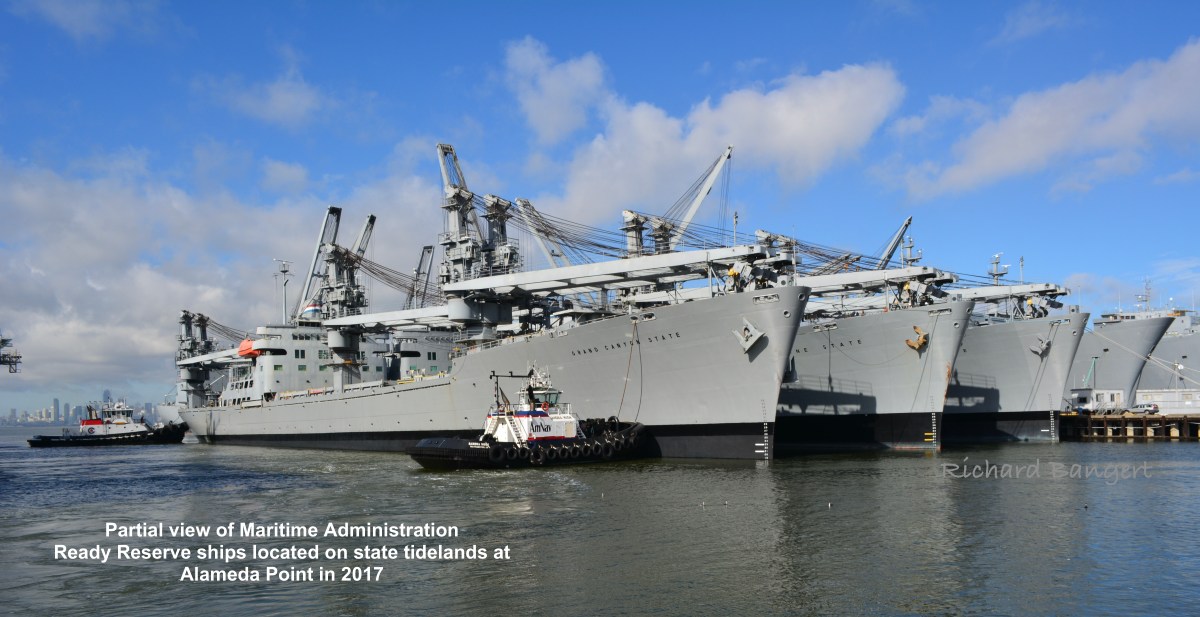
In 2018, for example, the Maritime Administration, part of the Department of Transportation, paid the city approximately $1 million to lease piers (located on tidelands) to dock its aptly-named Ready Reserve ships that deliver supplies and equipment to U.S. military missions and national emergencies. But the city’s Annual Financial Statement to the State Lands Commission for 2018 shows only $825,237 in lease revenue.
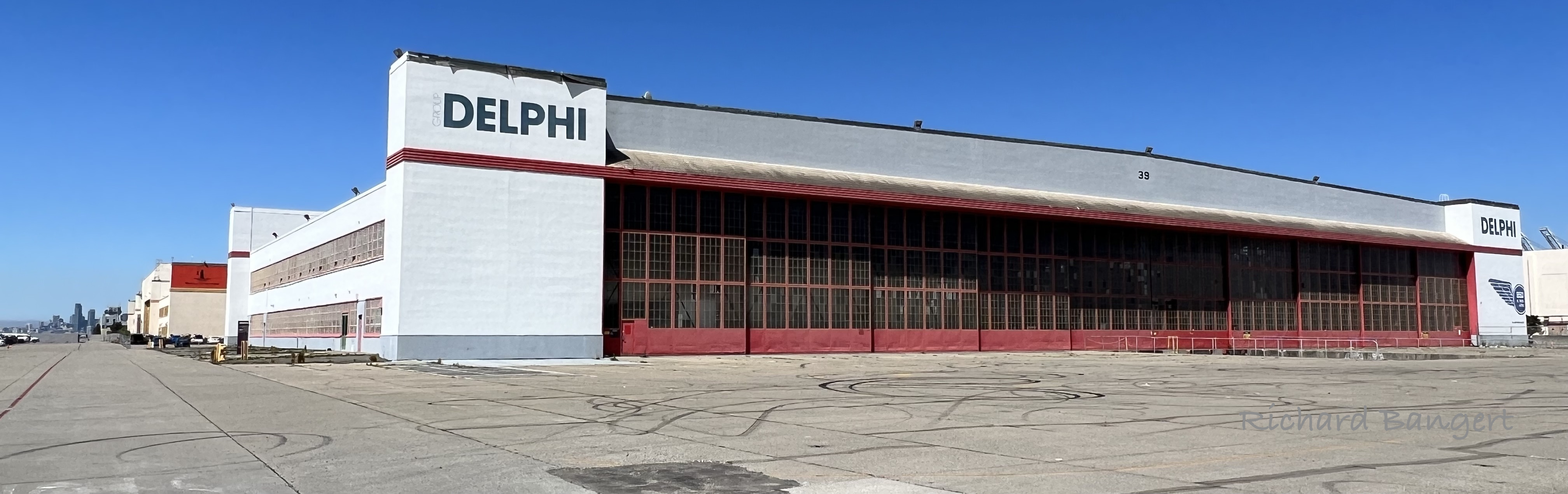
In 2021, as another example, Group Delphi, fabricator of trade show displays, paid the City $744,000 to lease the Building 39 hangar on West Tower Avenue located on tidelands, according to the lease agreement. But the city’s Annual Financial Statement to the Commission for 2021 shows only $593,857 in lease revenue.
Commingling of revenues from tidelands and non-tidelands
Section 6306 of the Public Resources Code regarding the managing of tidelands states, “All funds received or generated from trust lands or trust assets shall be segregated in separate accounts from nontrust received or generated funds,” and these funds “shall be expended only for those uses and purposes consistent with the public trust.” Yet city staff in the Base Reuse and Economic Development Department stated that the tidelands funds are not kept separate from other Alameda Point lease revenue, and the management company is not recording tidelands lease revenue and expenses in a separate ledger.
“I have confirmed with our property manager and the Finance Department that Alameda Point lease revenue is collected and deposited into its Alameda Point account, which is then transferred to the City’s Base Reuse fund,” said Alexis Krieg, Executive Assistant in the Base Reuse and Economic Development Department.
“I am not sure what the exact Alameda Point Tidelands revenues should be and whether they would exceed $1 million or $3 million annually since these are not reports our property management team had been preparing,” added Abby Thorne-Lyman, Director of Base Reuse and Economic Development, in response to a separate inquiry about the tidelands lease revenue.
These findings and responses from city staff raise two important questions. First, if the property management team has not been preparing annual income and expense statements for Alameda Point tidelands properties, how could the Alameda Point tidelands revenue have been included in the Annual Financial Statements submitted to the State Lands Commission as required by law? Second, if the Alameda Point tidelands revenue was not being held in a separate fund, but rather combined in the same fund with non-tidelands revenue, how could the City be in compliance with the statutory requirement to keep such funds separated?
State Lands Commission in the loop
In early July, I contacted the State Lands Commission with questions centering on whether the City was in compliance with statutes governing tidelands at Alameda Point, since the amounts of revenue being reported annually to the commission for all of Alameda did not appear to capture the revenue generated at Alameda Point. Typically, the annual tidelands revenue from just one or two leases at Alameda Point would exceed the amount reported to the commission, making it mathematically impossible for the Annual Financial Statements to be accurate. The statements are located under the Annual Financial Statements tab on the Alameda page of the commission’s website.
On September 9, 2024, after two months had passed and the commission had not provided responses to the questions, a Public Records Act request was sent to the commission. The resulting email thread reveals that the commission was still having difficulty finding revenue information for Alameda Point some two months after the originally inquiry.
For example, on September 3, 2024, commission staffer Reid Boggiano wrote to Finance Director Margaret O’Brien and Thorne-Lyman saying, “We recently received an inquiry from Richard Bangert regarding the City’s financial reporting for the trust lands associated with NAS [Naval Air Station] Alameda. We’re trying to address some of his questions, but we’re having difficulty from the previous financial reporting form that was submitted. You may already be in the process of pulling the data together, but are you able to provide us with separate financials for the trust lands associated with NAS Alameda? Or is there an easy way to separate them out?”
As pointed out above, it is mathematically impossible to “pull” or “separate out” Alameda Point tidelands revenue of a million-dollars-plus from numbers that are less than one million dollars as reported to the commission on the “financial reporting form,” also known as the Annual Financial Statement.

Remedy may require audit
Common sense would suggest that an internal audit would inform the city council, the public, and the State Lands Commission as to how much lease revenue has been received from Alameda Point tidelands, how much has been spent on tidelands, and what is the remaining balance that should be available in an Alameda Point tidelands fund.
Tidelands fiscal sustainability murky
The city collected over $35 million in lease revenue from berthing Maritime Administration ships, whose purpose is to transport military supplies and provide disaster relief when ordered by the U.S. President, during its two-decade tenure utilizing the piers, nine years of which were designated as tidelands property. All of the revenues went into the Base Reuse Fund, not a tidelands fund. Millions more have been collected on other Alameda Point tideland properties, including the monthly Antiques Faire.

An engineering study of the three Alameda Point piers was completed for the city in May 2017. In particular, the middle pier, Pier 2, is in need of $10 million in structural engineering work on the 256 concrete piles holding up the pier, according to the report. It is unknown whether there would have been enough funds to cover the maintenance costs of the 80-year-old piers if lease revenue had been earmarked for such work in a tidelands fund.
In the most recent response to questions about Alameda Point tidelands record keeping and reporting, Thorne-Lyman acknowledged the concerns raised, saying, “I understand your point. We will go back and take a look at our records and adjust as needed.”
 Alameda Point Environmental Report